What the record is and where it came from
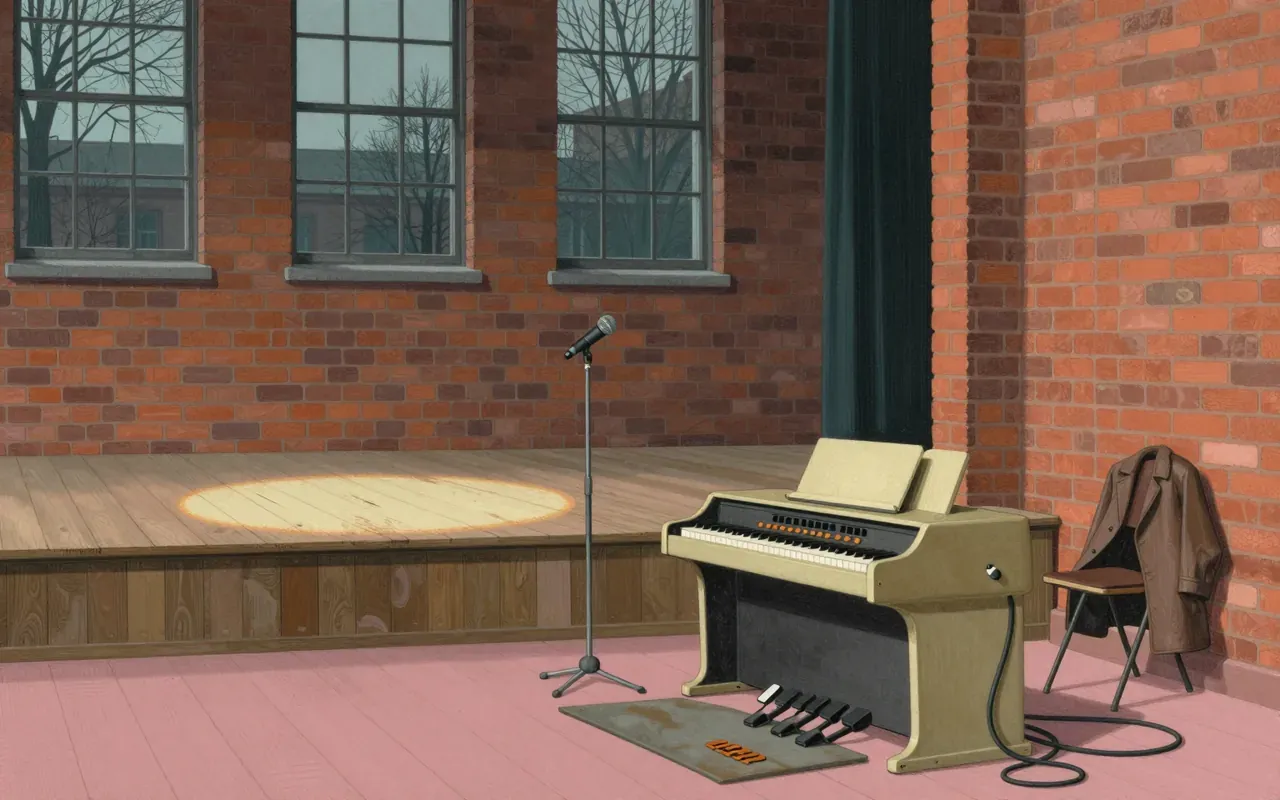
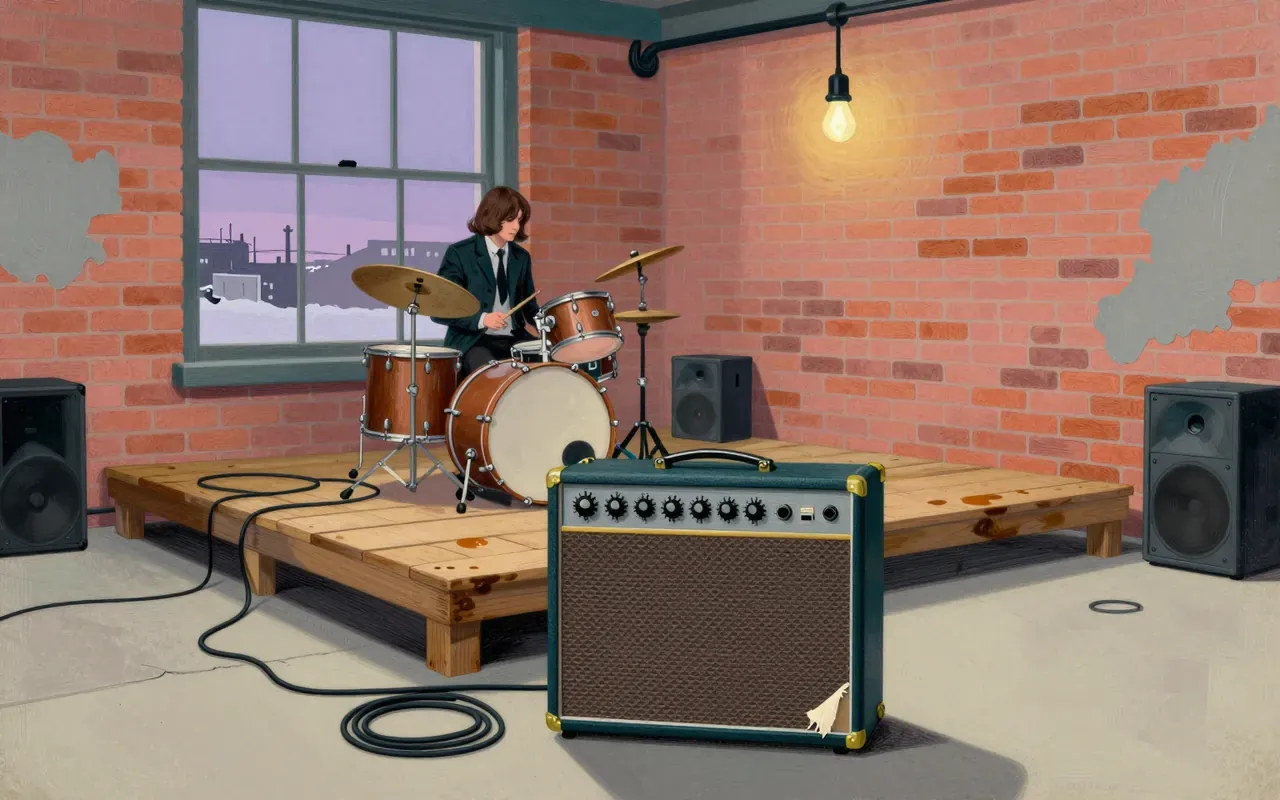
White Light/White Heat is the Velvet Underground’s second studio album. It was recorded in September 1967 at Mayfair Sound Studios in Manhattan. Tom Wilson produced it. It was modelled on the band’s loud, improvisational live sound—and enabled by a Vox endorsement deal arranged by Andy Warhol.
How it sounds, and how it was made
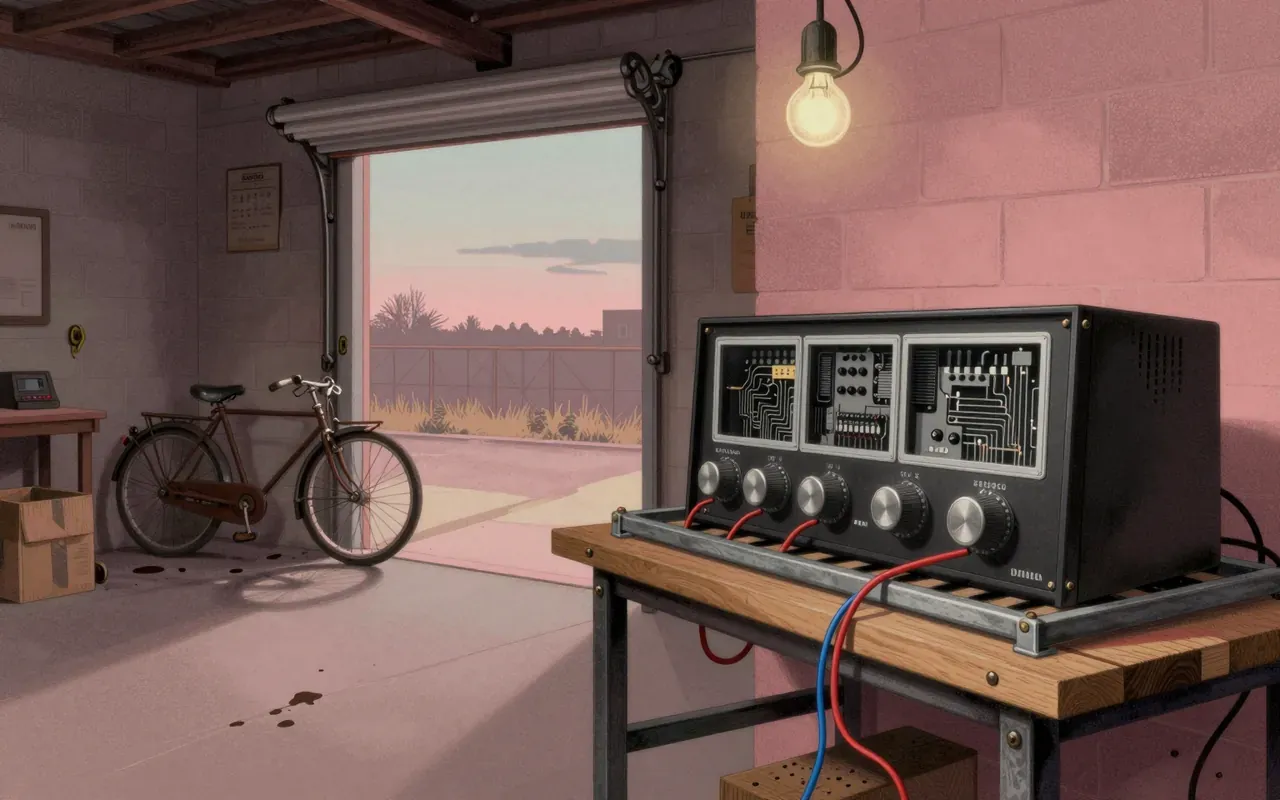
It sounds like overloaded Vox amplifiers, distortion pedals pushed to red-line saturation, and severe audio leakage from loud live takes. Piano on the title track is overdubbed, described as a cross between Jerry Lee Lewis and Henry Cowell. The room was Mayfair Sound Studios on Seventh Avenue in Manhattan. There is heavy compression, white noise, and intentional sonic saturation—engineer Gary Kellgren warned the meters were peaking, but the band insisted on proceeding. No reverb, no separation, no quiet passages.
What lands
‘Sister Ray’ lands as a 17-minute unbroken surge of feedback, bass drone, and shouted vocals. ‘I Heard Her Call My Name’ lands with its distorted guitar solo cutting through dense texture. ‘The Gift’ lands with John Cale’s deadpan Welsh narration over minimal backing. ‘White Light/White Heat’ lands with its pounding piano and clipped, shouted chorus.
What does not
It does not sustain melodic development. It does not resolve tension. It does not separate instruments spatially. It does not privilege listening comfort. It does not allow silence space.
The ideas inside it
Consciously anti-beauty. A rejection of fragility and beauty found on the debut. Dark comedy in spoken-word narrative. Energy over fidelity. Electronics as aggression. Improvisation as structure.
Who should hear it, and who should not
People who want to hear how punk, noise rock, and shoegaze learned their grammar from overload and refusal. People who study recording as physical constraint. People who listen for what leaks, saturates, and collapses. Not people who need tonal resolution, lyrical legibility, or consistent tempo.
Is it worth your time
Yes—if you want to hear how volume, leakage, and refusal to accommodate studio limits became compositional tools. No—if you need clarity, dynamic range, or coherence across tracks.