What the record is and where it came from
The Soft Bulletin is The Flaming Lips’ ninth studio album, released in 1999. It marks their mainstream breakthrough and a pivot from experimental work like Zaireeka toward melodic, accessible-sounding music with serious, thoughtful lyrics.
How it sounds, and how it was made
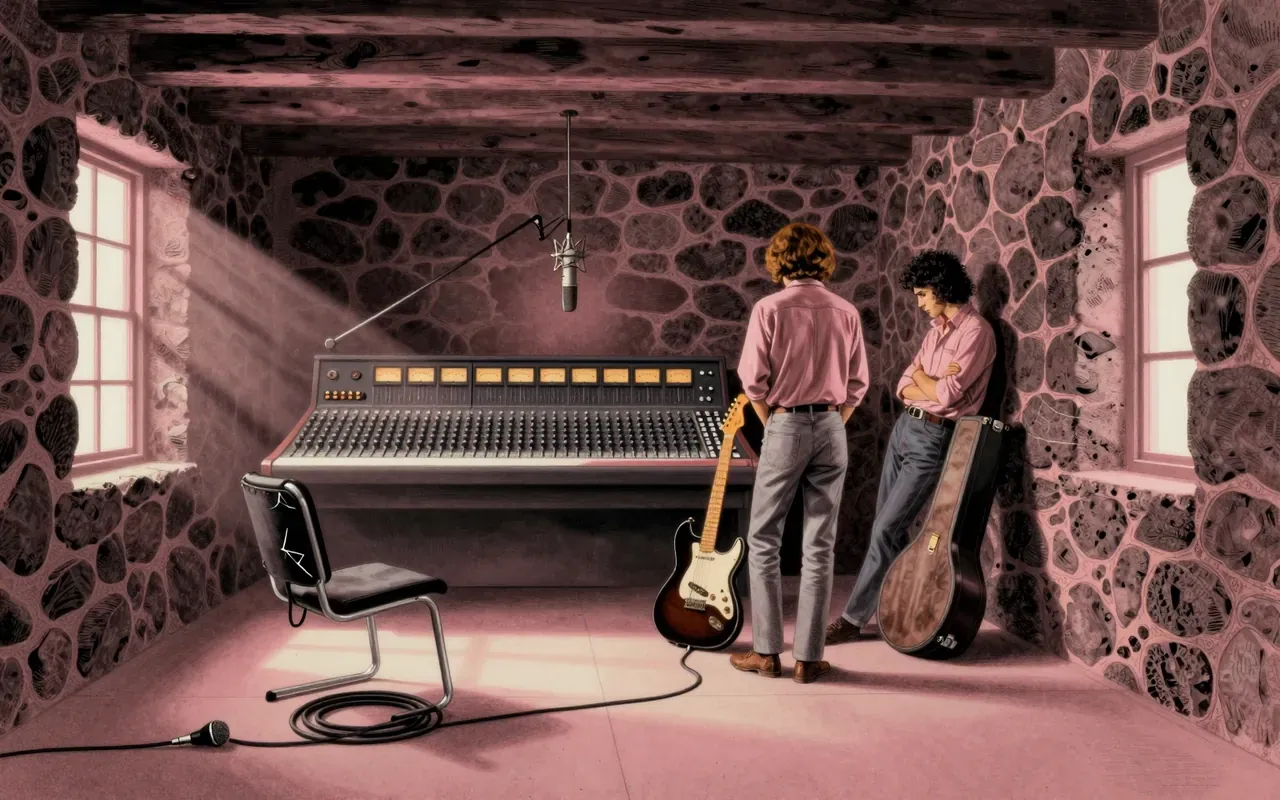
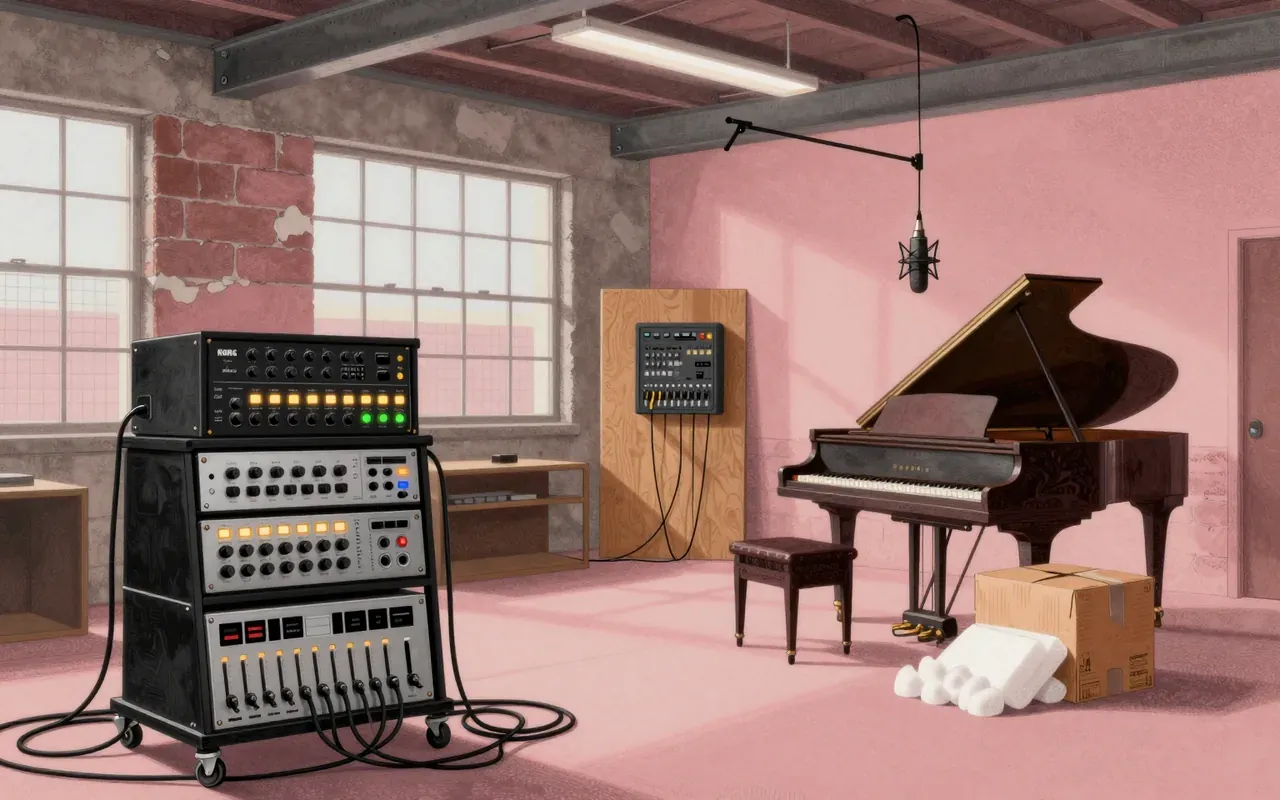
It sounds symphonic but synthetic: layered, detuned MIDI keyboards stand in for strings. Rock instruments sit alongside electronic beats and drum machines. The studio itself is foregrounded — not as a neutral space, but as an active instrument shaped by Coyne’s declared approach. Production is collaborative: The Flaming Lips and Dave Fridmann co-produced, mixed, and recorded; Michael Ivins added engineering. No live orchestra was used. No acoustic grandeur was simulated — only the texture of stacked, manipulated electronics and live drums.
What lands
The layered, symphonic sound lands. The fusion of rock instruments with electronic beats and synthesizers lands. The stronger vocal delivery lands. The philosophical lyrics land — because they are anchored in concrete sonic choices, not vague atmospherics.
What does not
It does not use live orchestration. It does not rely on guitar-driven arrangements. It does not feature unprocessed vocals or raw takes. It does not avoid studio manipulation — it centres it. It does not pursue accessibility through simplification, but through melodic clarity amid dense layering.
The ideas inside it
Mortality. Wonder. Fragility. Connection. These are rendered through sound design, not lyrical abstraction alone. The music’s scale and precision serve emotional sincerity — not spectacle for its own sake. The record treats vulnerability as structural, not decorative.
Who should hear it, and who should not
People who listen for how sound is built — not just what it conveys. People who care about studio craft as composition. People who want rock music that uses synthesizers without surrendering rhythmic drive or harmonic weight. Not people who require acoustic authenticity or reject MIDI as inherently artificial.
Is it worth your time
Yes, if you want to hear how rock instrumentation and digital synthesis can fuse without erasing either. No, if you expect organic orchestration, live string sections, or unprocessed vocals. Its value lies in its deliberate artifice — the clarity of its construction, not the illusion of spontaneity.