
Black Sunday
Cypress Hill · 1993
Black Sunday is a landmark commercial and cultural achievement — not a document of its production process.
Black Sunday is a landmark commercial and cultural achievement — not a document of its production process.
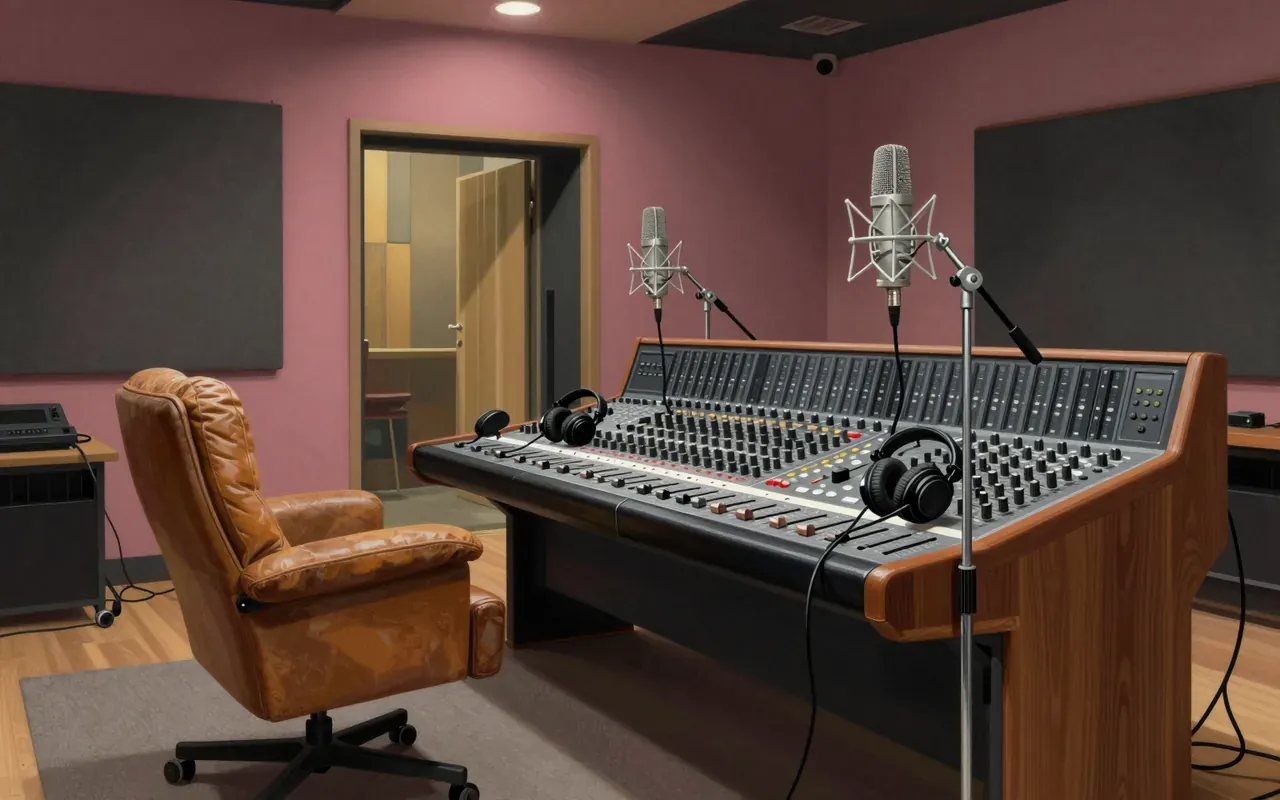
BLACKsummers'night is Maxwell’s fourth studio album and first in eight years. It was recorded between 2007 and 2009 at Chung King Studios, Bowery Digital, and Platinum Sound Recording Studios in New York City. Maxwell and Hod David produced the entire album. It is the first part of a scheduled trilogy. Its music is rooted in soul and features a more straightforward structure than Embrya. The lyrics reflect Maxwell’s romantic experiences during his sabbatical — inspired by a real-life relationship that surprised him.
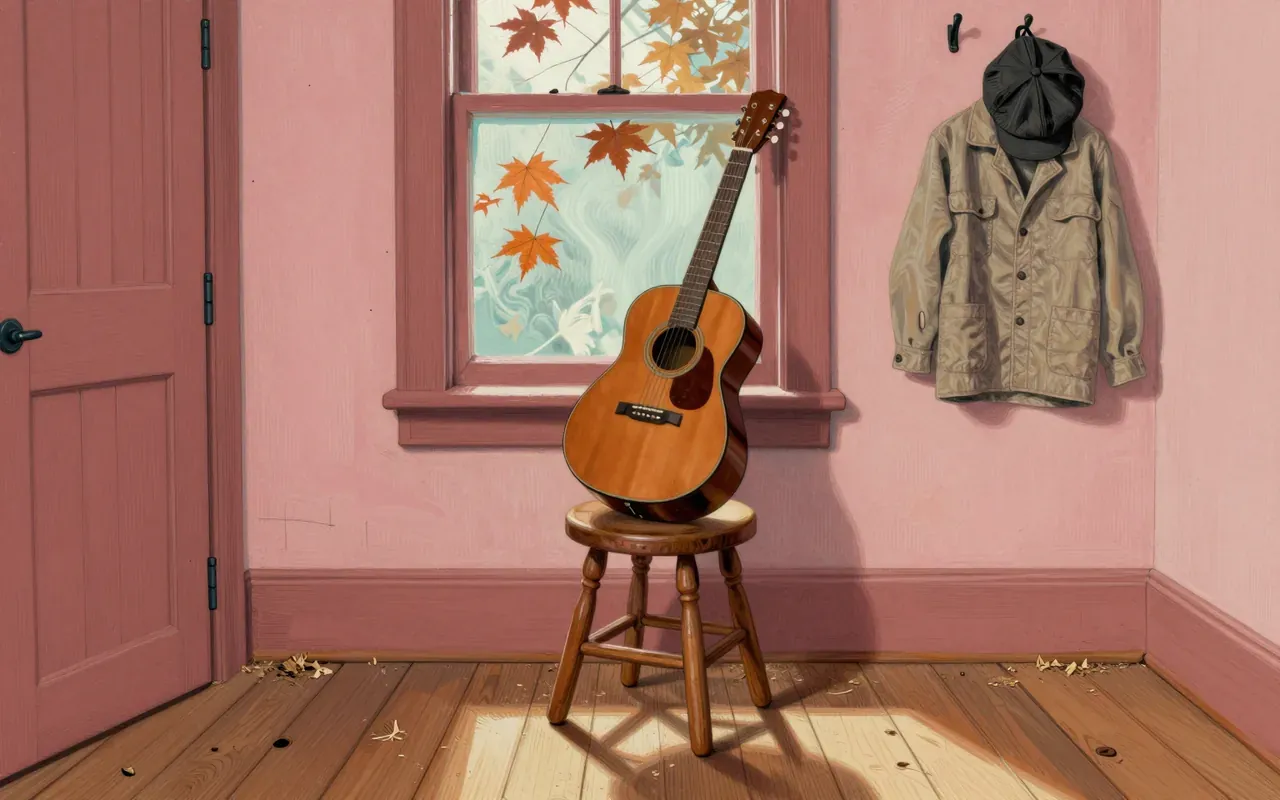
Bob Dylan’s 1962 debut is not a statement of intent—it’s a ledger of absorption. Twelve traditional songs, two originals, recorded in three afternoons with no retakes, no polish, no plan beyond fidelity to what Dylan had heard and internalised. It sounds like one room, one guitar, one voice insisting on its own terms.
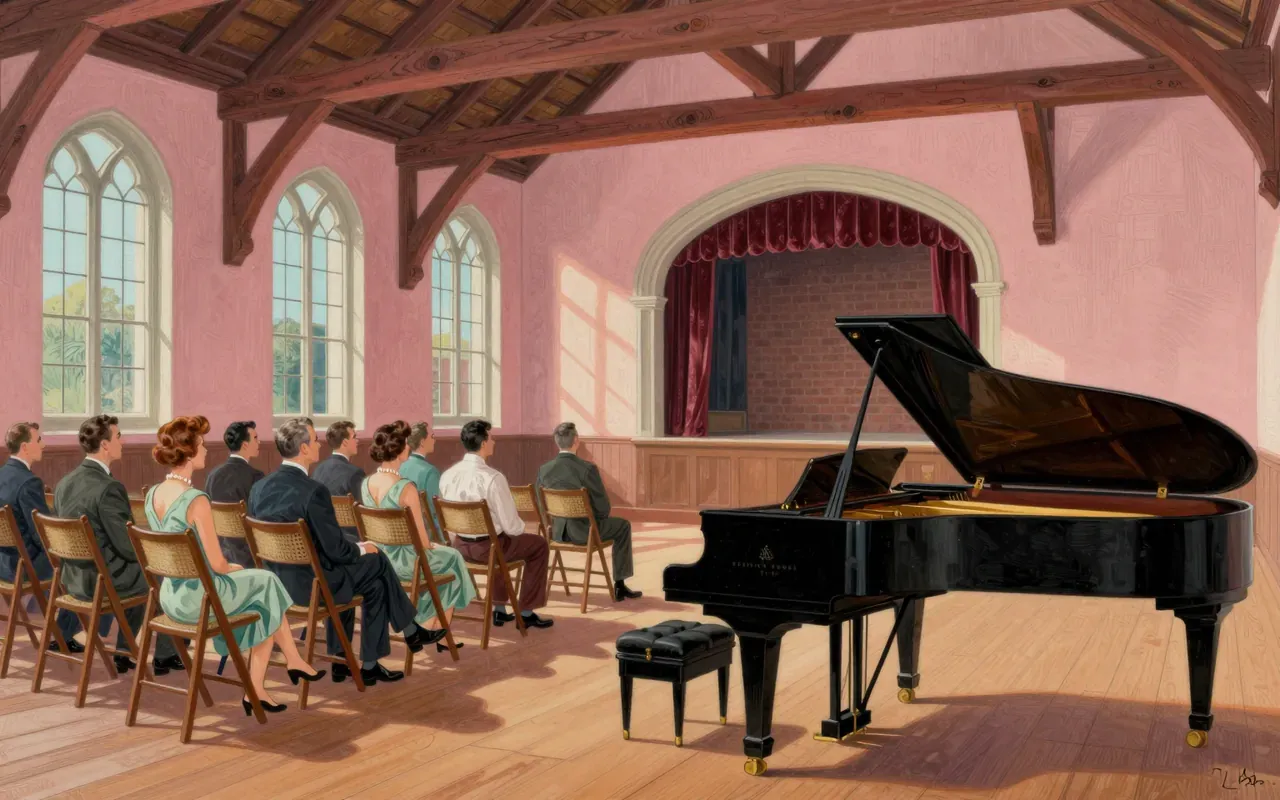
Concert by the Sea is a 1955 live Erroll Garner Trio album recorded at Sunset School in Carmel-by-the-Sea. It features Eddie Calhoun on bass and Denzil Best on drums. The piano is out of tune. The bass and drums are receded. The acoustics are poor. The recording was made with primitive sound equipment. It was captured unofficially by Armed Forces Radio Network engineer Will Thornbury. Manager Martha Glaser discovered the tape backstage, edited it, and persuaded George Avakian to release it. Servicemen from Fort Ord were bused to attend. The concert took place in a gothic-revivalist assembly hall. It was a best-selling jazz album in its day. The decision to release it was easy for Avakian.
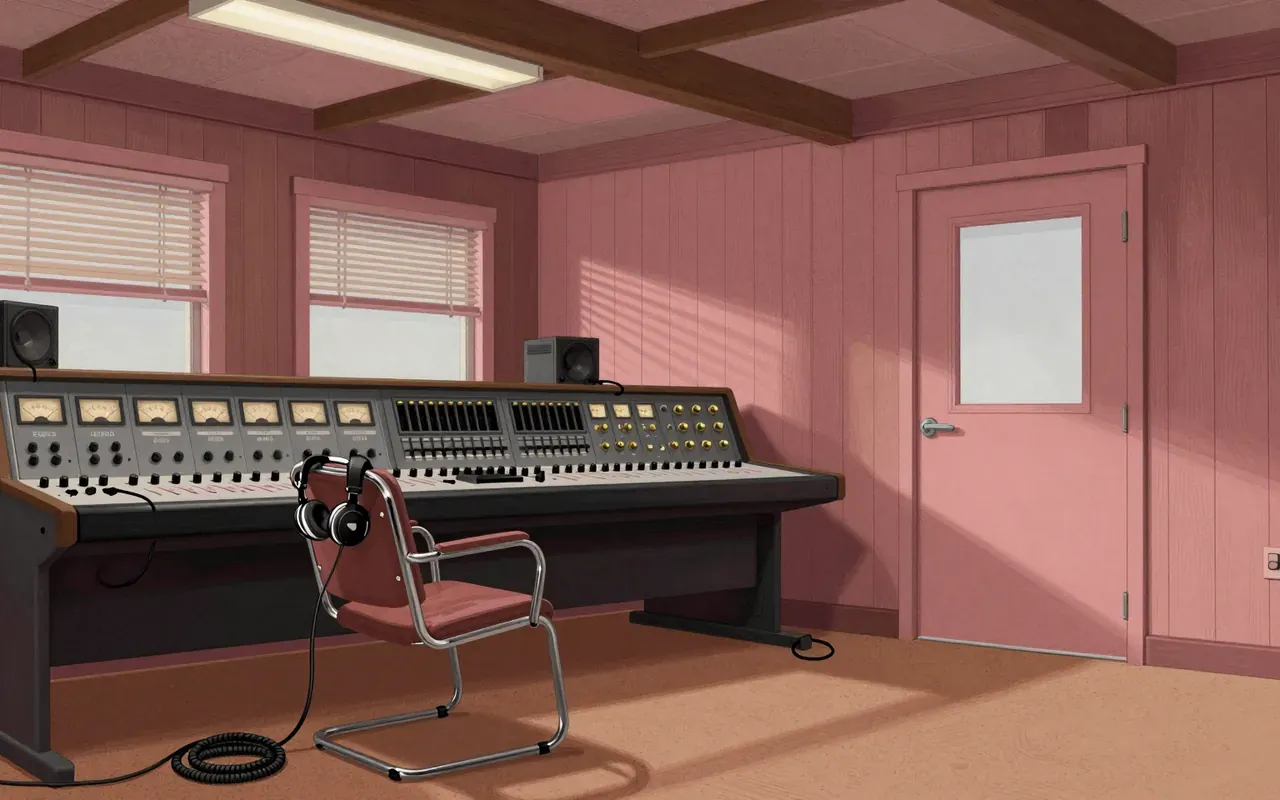
Continuum is John Mayer’s third studio album, released 12 September 2006. It was recorded between January 2005 and July 2006 across studios in Los Angeles, New York City, and Memphis. It marks a deliberate pivot toward blues and soul, co-produced by Mayer and Steve Jordan.
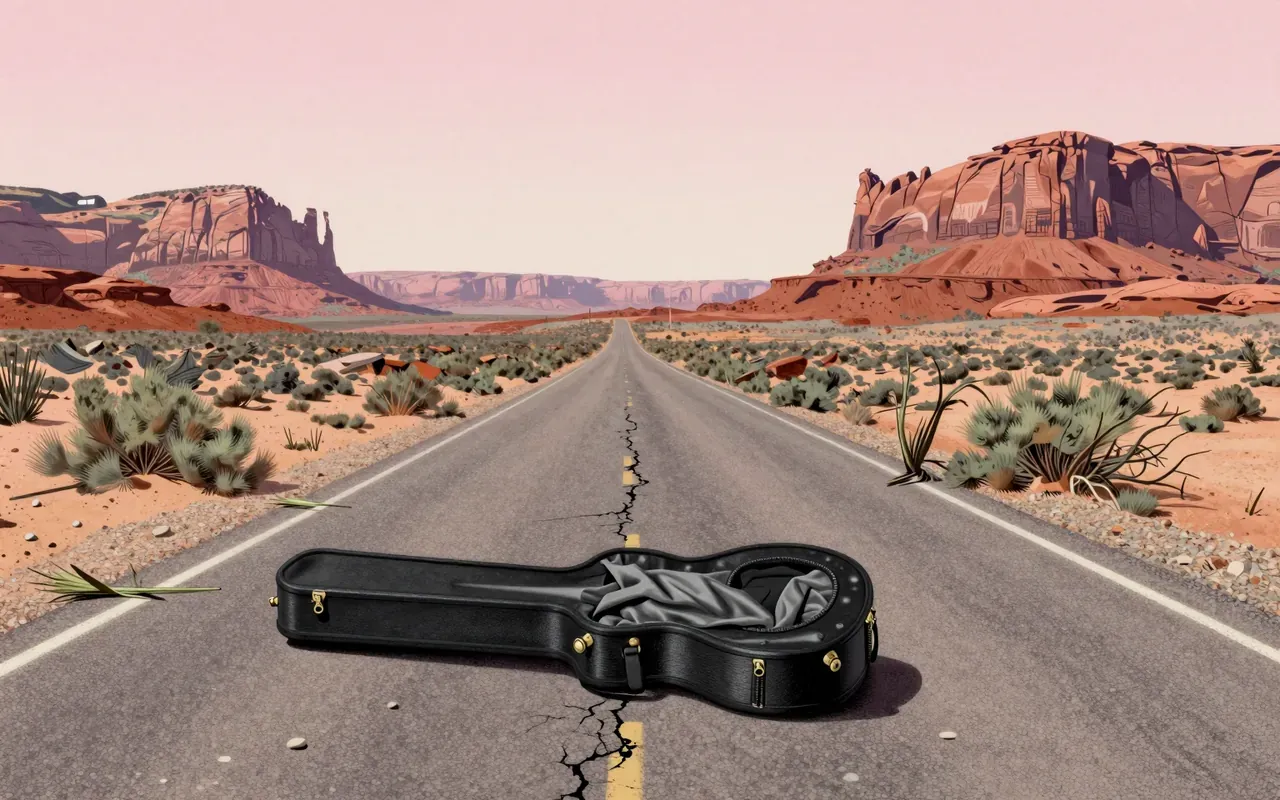
Dirt is Alice in Chains’ second studio album, released on September 29, 1992. It was recorded from April to July 1992 across three studios — Eldorado in Burbank, London Bridge in Seattle, and One on One in Los Angeles — during the 1992 Los Angeles riots. The band evacuated to Joshua Tree with Tom Araya for four or five days before resuming work. Producer Dave Jerden returned from Facelift and crafted the album’s signature guitar tone using three distinct amps: a Bogner Fish preamp for low end, a Bogner Ecstacy for mids, and a Rockman Headphone amp for highs. "Would?" was recorded earlier by Rick Parashar for the Singles soundtrack. Jerry Cantrell wrote most songs; Layne Staley wrote "Hate to Feel" and "Angry Chair" solo and played guitar on both. Six of the thirteen songs address addiction. Cantrell described the process as soul searching and cleansing accumulated emotional poison. The album yielded five Mainstream Rock charting singles and remained on the charts for nearly two years.
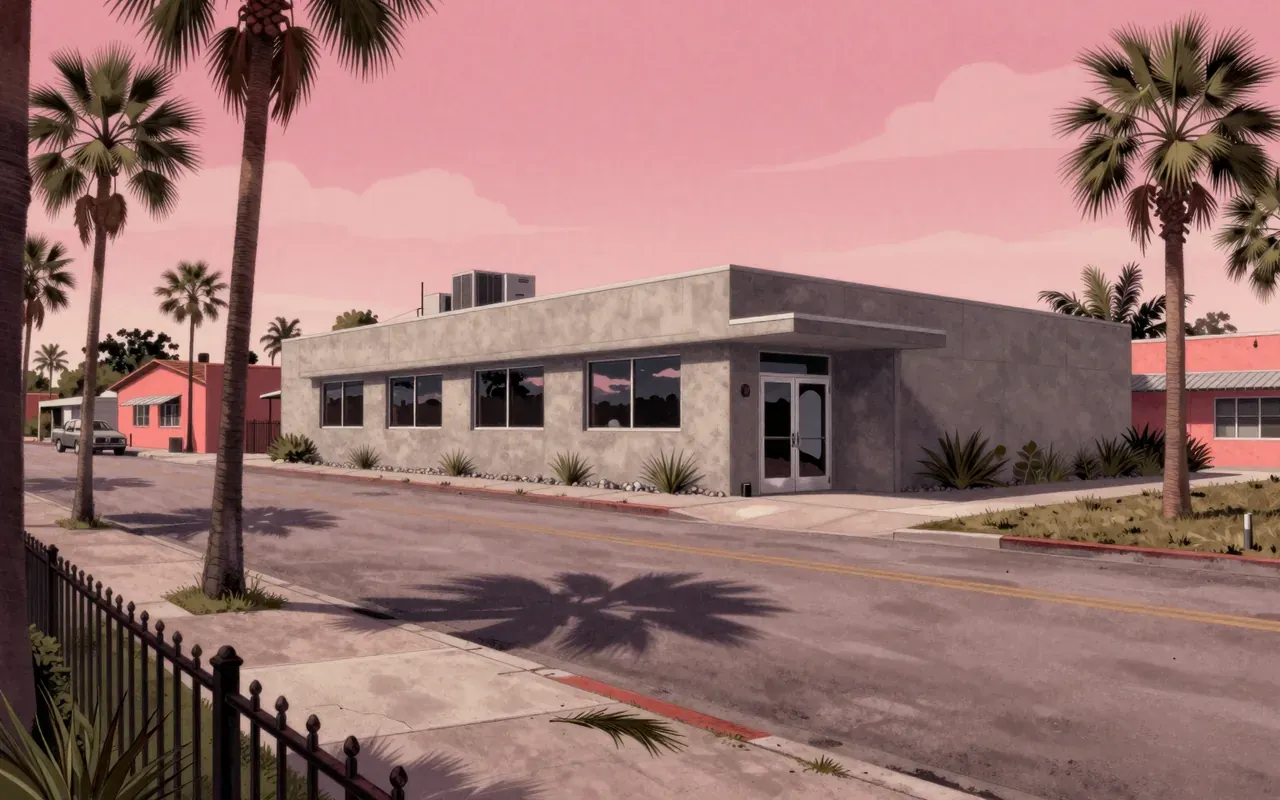
Dónde Están los Ladrones? is Shakira’s fourth studio album, released in September 1998. Recorded over nine months at Crescent Moon Studios in Miami—the studio of Gloria and Emilio Estefan—it features rock en español blended with Latin pop and Middle Eastern musical influences. Shakira led artistic production with full control over material, arrangements, and final approval; Emilio Estefan served as executive producer. Vintage equipment—including old amplifiers and a 40-year-old German microphone—was used alongside innovative instrumental mixes. Collaborators included Luis Fernando Ochoa, Lester Mendez, Javier Garza, Pablo Flores, and Estéfano Salgado. The album topped the U.S. Latin Albums chart for 11 weeks, sold over 7 million copies globally, and earned a 1999 Grammy nomination for Best Latin Rock or Alternative Album. It represents the culmination of Shakira’s early Spanish-language career and the foundation for her subsequent global expansion.
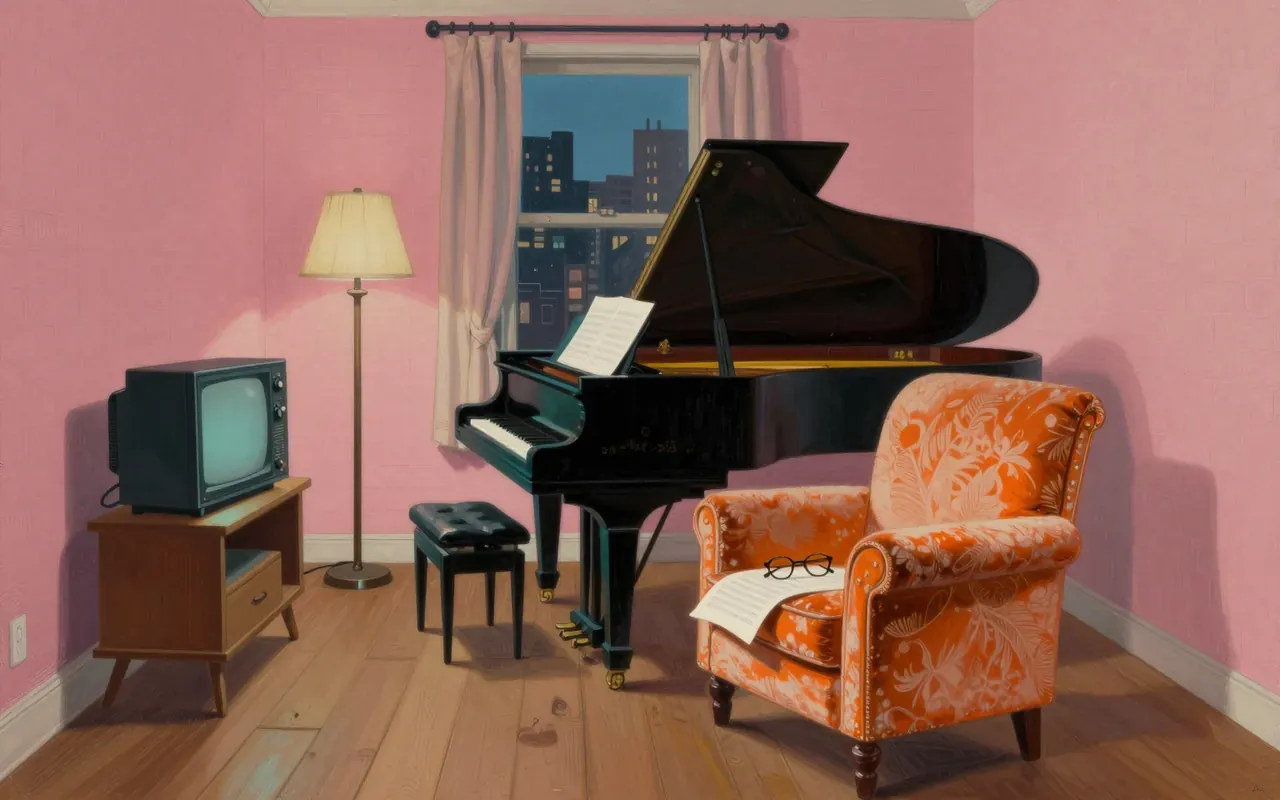
Laura Nyro’s 1968 album Eli and the Thirteenth Confession is a densely layered, piano-driven work built from multi-tracked vocals, strings, and a rotating ensemble of session players. It merges pop form with avant-garde jazz sensibility and centres on themes of passion, love, death, and drugs. Widely regarded as one of her best works, it was written entirely by Nyro and arranged and co-produced by Charlie Calello.
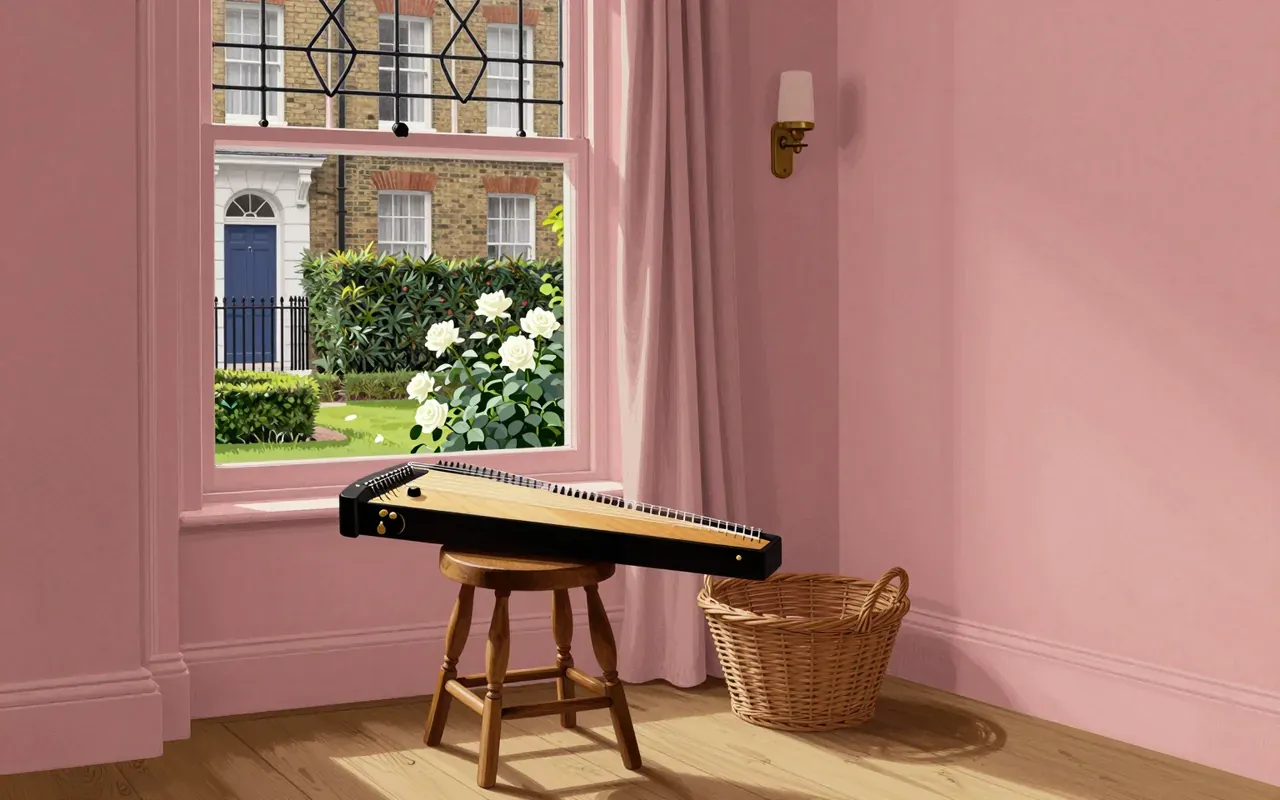
Fine Line is a studio-recorded, emotionally direct pop record shaped by personal rupture and musical lineage. Its power lies in tactile choices — the dulcimer’s resonance, the room’s air, the decision to let a piano note decay instead of cutting it. It refuses to resolve its contradictions. That is its line — fine, deliberate, and held.
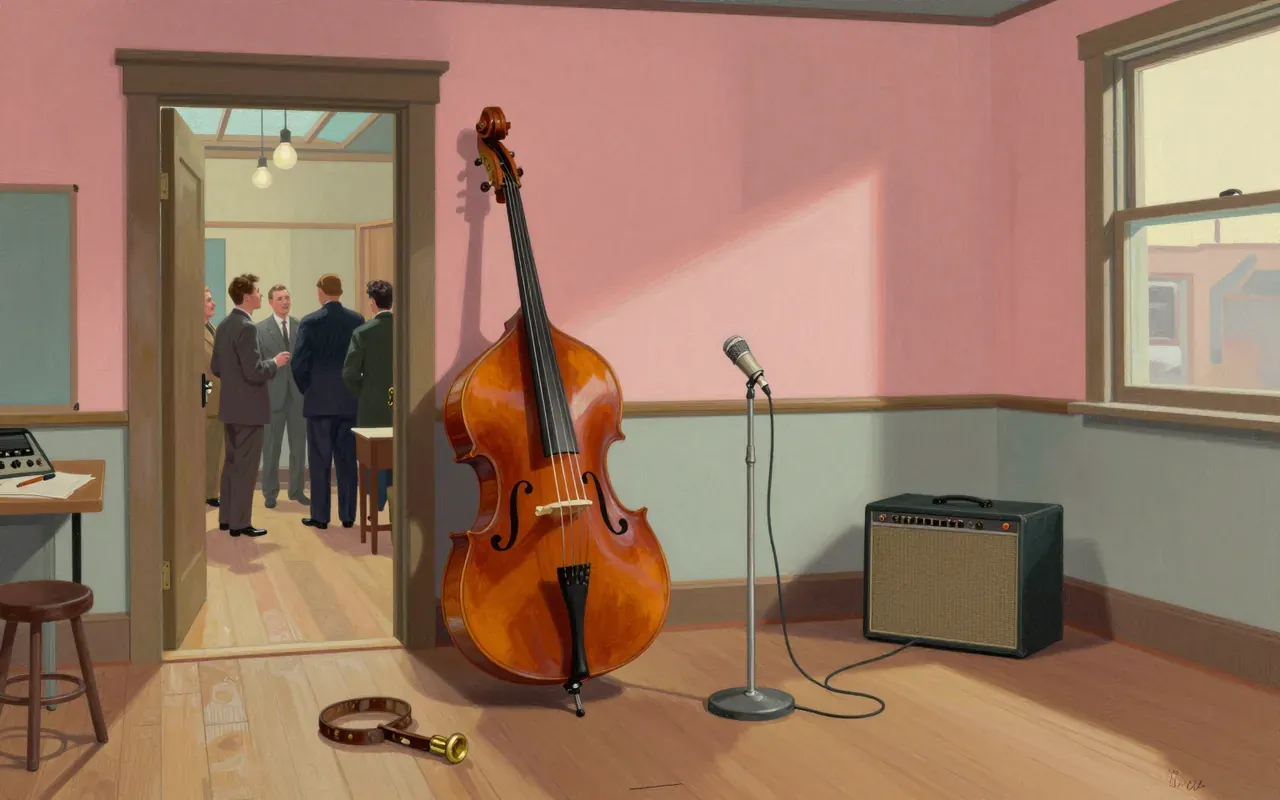
Louis Armstrong Plays W.C. Handy is a 1954 Columbia studio album by Louis Armstrong and His All Stars, featuring eleven Handy-associated compositions. Velma Middleton sings on five tracks. The 1997 CD reissue restored the original track listing and added rehearsal sequences, an interview with W.C. Handy, and a joke. It is described as Armstrong’s finest record of the 1950s and a masterpiece.

Magic is Bruce Springsteen’s fifteenth studio album, released in October 2007. Recorded over two months at Southern Tracks Recording Studio in Atlanta, it features 10 new Springsteen songs, the previously performed 'Long Walk Home', and the first hidden track on a Springsteen studio release: 'Terry's Song', a tribute to his late assistant Terry Magovern, who died in July 2007. The album was made with the E Street Band—but not as a full unit. Springsteen handled vocals and production during the week; drummer Max Weinberg, bassist Garry Tallent, and pianist Roy Bittan joined on weekends to lay down basic tracks. Other members overdubbed under producer Brendan O’Brien’s direction, except Clarence Clemons, who collaborated directly with Springsteen. The process was shaped by logistical constraints, especially Weinberg’s weekday commitments to Late Night with Conan O'Brien. Magic debuted at No. 1 in the U.S., Ireland, and the UK, and was supported by the Magic Tour—the first E Street Band tour since 2003.
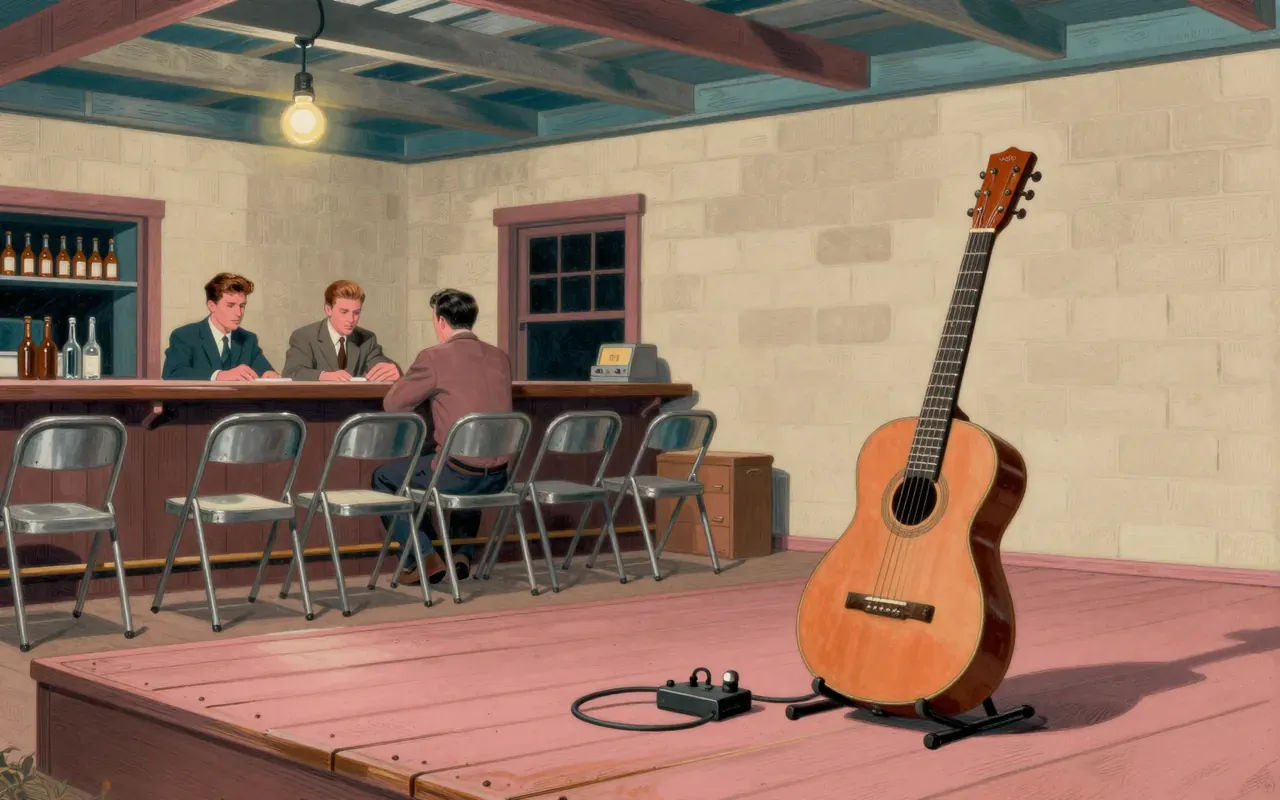
Night Life is Ray Price’s sixth album, released in 1963 on Columbia Records, featuring his touring band the Cherokee Cowboys and musicians including Willie Nelson, Johnny Paycheck, and Buddy Emmons. Retrospective commentary positions it as bridging honky tonk and the Nashville sound—or as country’s first concept album—but no source confirms compositional intent, production method, or sonic character beyond personnel and release facts.

Porgy and Bess (1959) is a studio album by Miles Davis featuring orchestral jazz arrangements of George Gershwin’s 1935 opera, co-created with Gil Evans. Recorded in summer 1958 at Columbia’s 30th Street Studio in New York City, it applies modal improvisation — using scales instead of chords — to reframe familiar melodies. Philly Joe Jones drums on most tracks; Jimmy Cobb plays on four. Cannonball Adderley and Paul Chambers perform as part of Davis’s sextet. The album is the second of five Davis–Evans collaborations between 1957 and 1962.
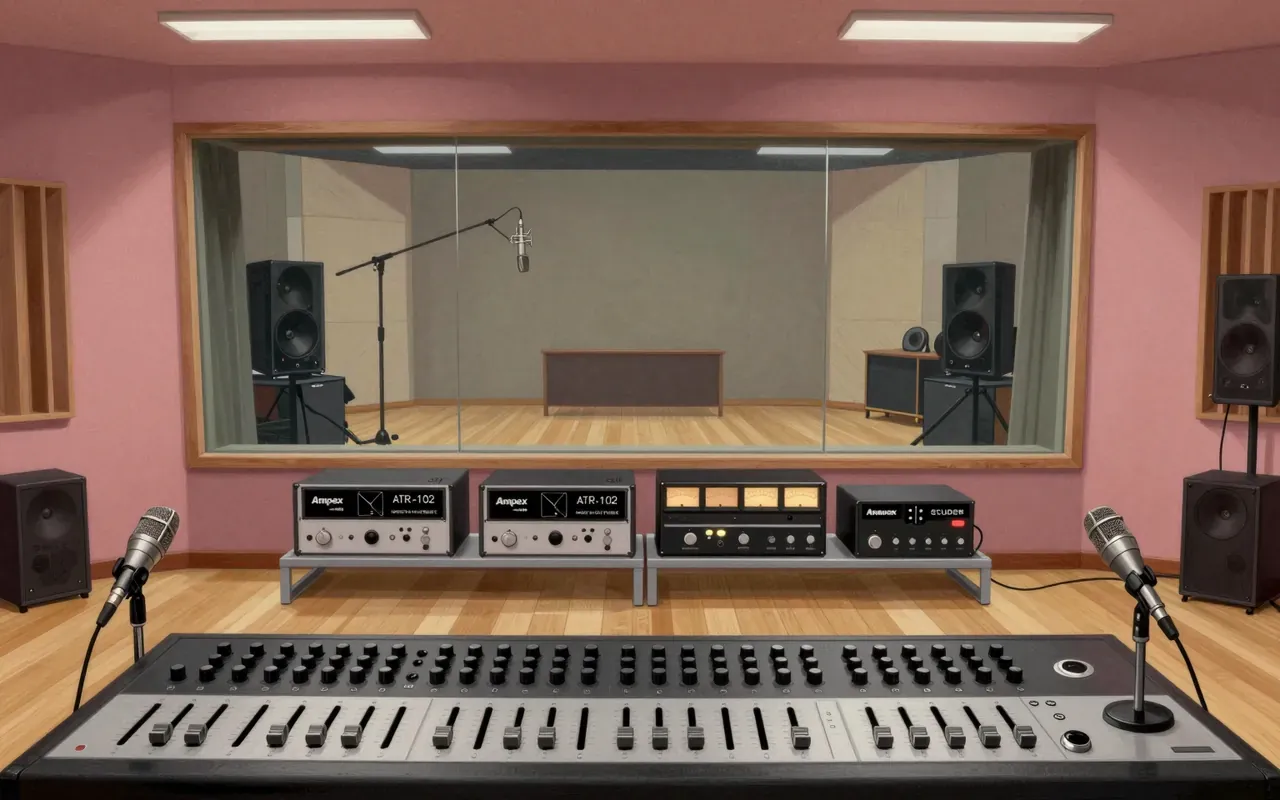
Random Access Memories is Daft Punk’s fourth and final studio album, released 17 May 2013 on Columbia Records. It abandons sampling (except on 'Contact') and minimal electronics in favour of live instrumentation—drums, horns, strings, woodwinds—recorded across Henson, Conway, Capitol, Electric Lady, and Gang Studios between 2008 and 2012. Session musicians including Omar Hakim, Nile Rodgers, Pharrell Williams, and Giorgio Moroder were directed via sheet music and humming—not MIDI or grids. Most vocals were tracked in Paris; rhythm sections in the US. Orchestral parts were recorded for nearly every track but used selectively. The album reflects a shift from futurism to presence and pursues a 'west coast vibe' rooted in Fleetwood Mac, the Doobie Brothers, the Eagles, and Jean-Michel Jarre—not as reference, but as method.
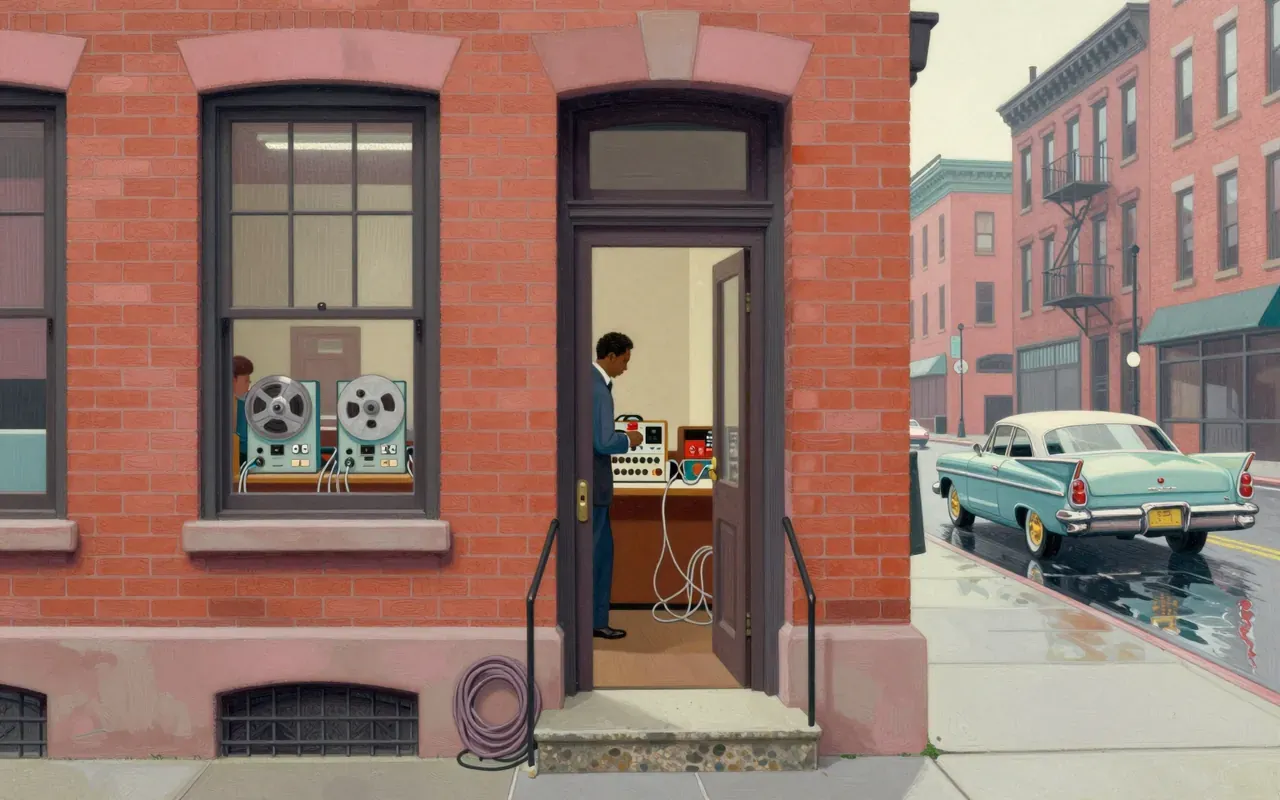
A contractual and personnel landmark — not a sonic manifesto.
The 1955 EmArcy album 'Sarah Vaughan' — reissued as 'Sarah Vaughan with Clifford Brown' — is Vaughan’s only recorded collaboration with Clifford Brown. It features Vaughan’s voice, Brown’s trumpet, and a tight ensemble arranged and conducted by Ernie Wilkins. Vaughan reconfigures melody so deliberately that lyrics lose sense — linguistic phrasing replaced by musical phrasing. Brown’s bop virtuosity anchors the session. It is one of the most important jazz-meets-vocal sessions ever recorded. None of the listed tracks (East of the Sun, Ain’t Misbehavin’, etc.) appear on this album. The film citations are irrelevant to this record.
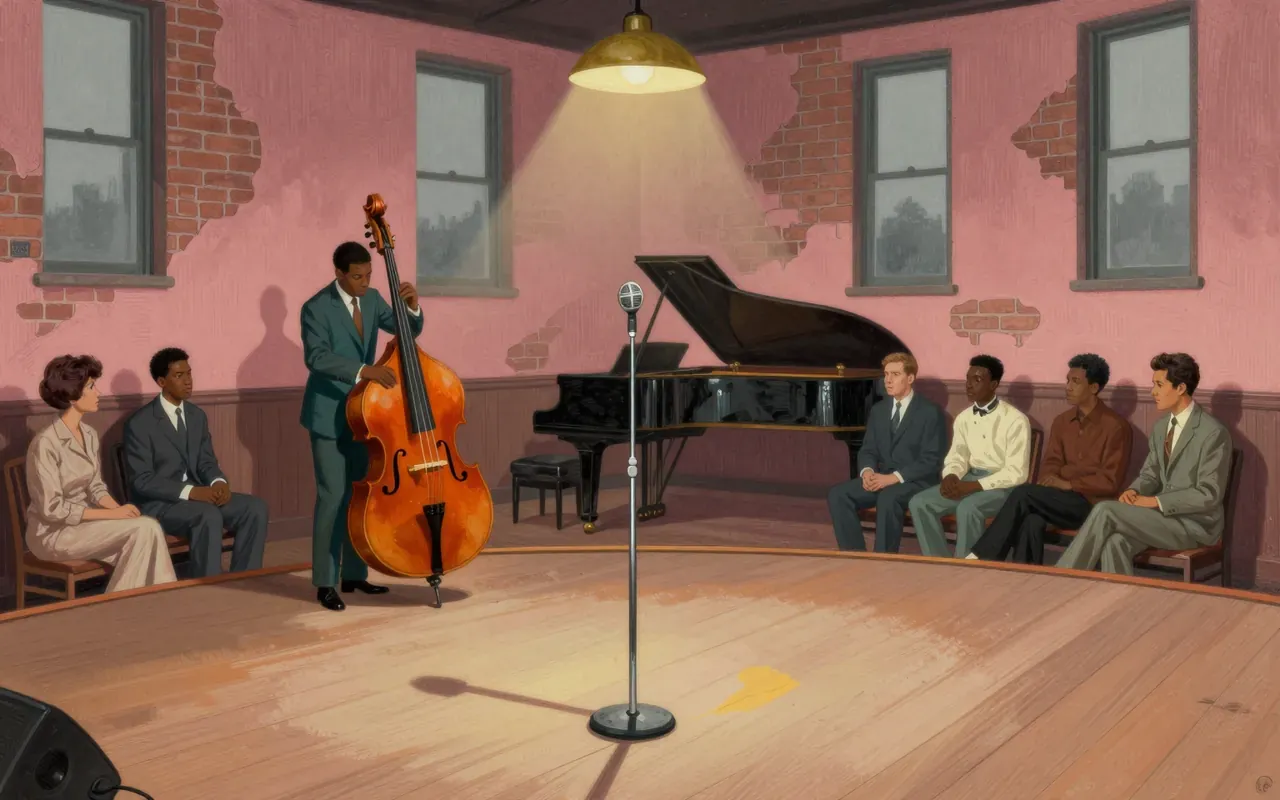
Sin & Soul is Oscar Brown Jr.'s 1960 debut LP — a lyric-driven jazz record built from pre-existing instrumentals. It states Black experience plainly, using rhythm, repetition, and vernacular language. Its sound is lean, dry, and voice-forward. No embellishment. No evasion.
The Complete Recordings (1990) compiles all 29 master recordings and 12 alternate takes Robert Johnson made for ARC in San Antonio (November 1936) and Dallas (June 1937). He performed solo on acoustic guitar and vocals. Don Law produced. Vincent Liebler engineered. The sound is dry, immediate, and unvarnished — captured on portable equipment in improvised spaces. It excludes only one alternate take of 'Traveling Riverside Blues', later added in 2011. This edition remains the foundational, unembellished document of his studio work.
The Hottest New Group in Jazz is a 1959 Columbia Records album by Lambert, Hendricks & Ross. Its title quotes Downbeat magazine. It features the Ike Isaacs Trio on all tracks. Irving Townsend co-produced it. It is the fourth album by the trio and the first of three Columbia LPs they recorded beginning in 1959.
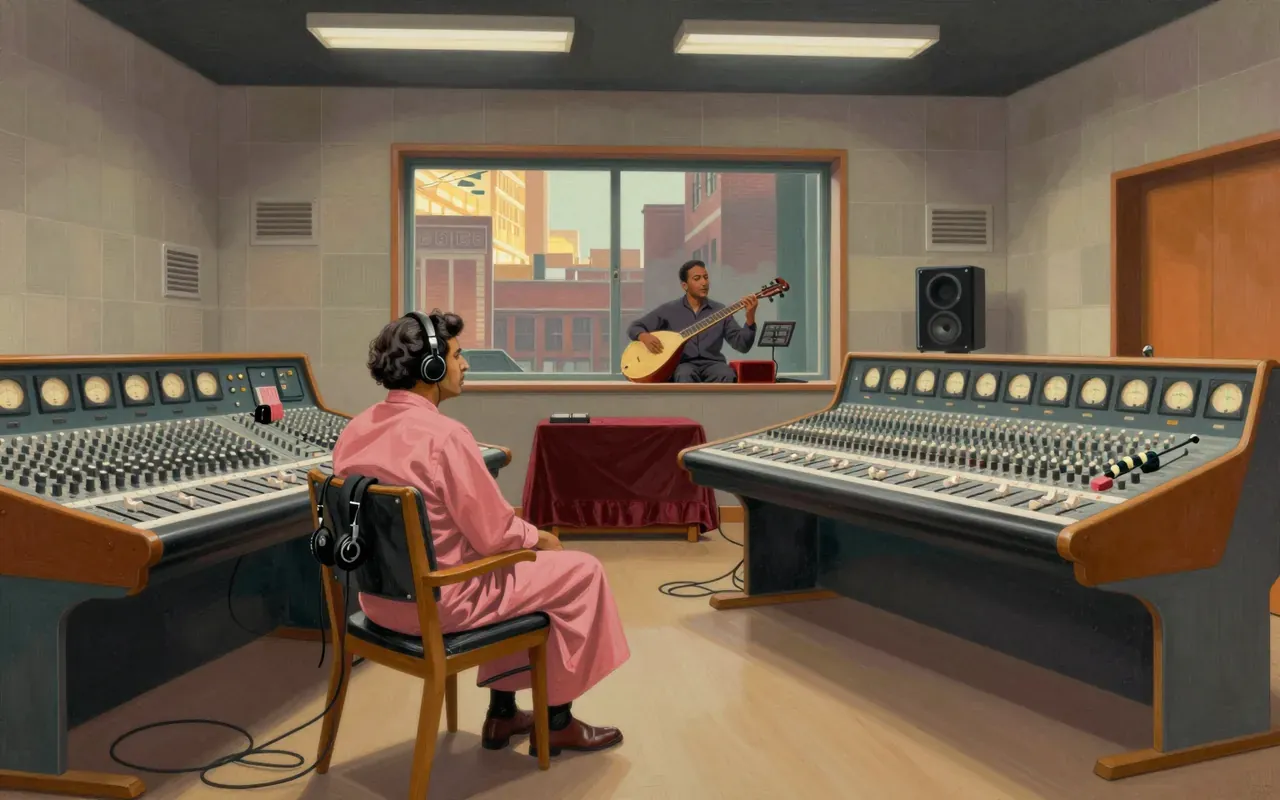
A pedagogical artefact, not a concert document. Recorded in New York in 1957, it uses spoken introductions and concise performances to frame Hindustani classical music for Western listeners. Its sound is defined by three acoustic instruments in a dry studio space: sitar, tabla, tambura. Nothing else enters the frame.
Destiny's Child's second album is a tightly wound, studio-crafted pivot—built on rewritten lyrics, Houston sessions, and a single track that redefined everything.
21 is Adele’s 2011 album, written and recorded in response to her breakup with her first serious partner — a relationship that began in April 2009 and ended shortly after. Early attempts to write an upbeat, contemporary follow-up to '19' failed due to lack of inspiration, leading Adele to cancel sessions. Production resumed immediately after the split, with songs channeling heartbreak and depression. The album’s sound draws on classic and contemporary country and roots music, influenced by Nashville music she heard on her 2008–09 US tour — a sound she found exciting precisely because it was unfamiliar. Its title reflects her age and personal growth over the prior two years.
30 is Adele’s fourth studio album, released 19 November 2021. It reached number one in 24 territories and was the best-selling album of 2021 worldwide across multiple chart formats. It marked the first time Columbia Records marketed an Adele album globally. Its lead single, 'Easy on Me', won a Grammy Award in 2023.
A Seat at the Table is Solange’s third studio album. Writing began in 2008. Recording spanned 2013 to June 2016 across Long Island, New Orleans, New Iberia and Los Angeles. It was released 30 September 2016. Its sound comes from hour-long improvised tracks built around bass and synth lines, later structured in Louisiana and finished in LA with Raphael Saadiq and Troy Johnson. 'Cranes in the Sky' originated from a 2008 Saadiq instrumental — drums, strings and bass only. Master P narrated interludes drawn from real conversations. Themes include identity, empowerment, grief, healing, rage and self-care. All lyrics were paired with images in a digital art book.

Abraxas is a live band caught in transition — between blues and salsa, between San Francisco and Latin roots, between cover and composition. Its strength is rhythmic clarity, keyboard contrast, and unselfconscious physicality. Its limits are vocal thinness and structural looseness. It rewards attention to how parts lock, not how they soar.
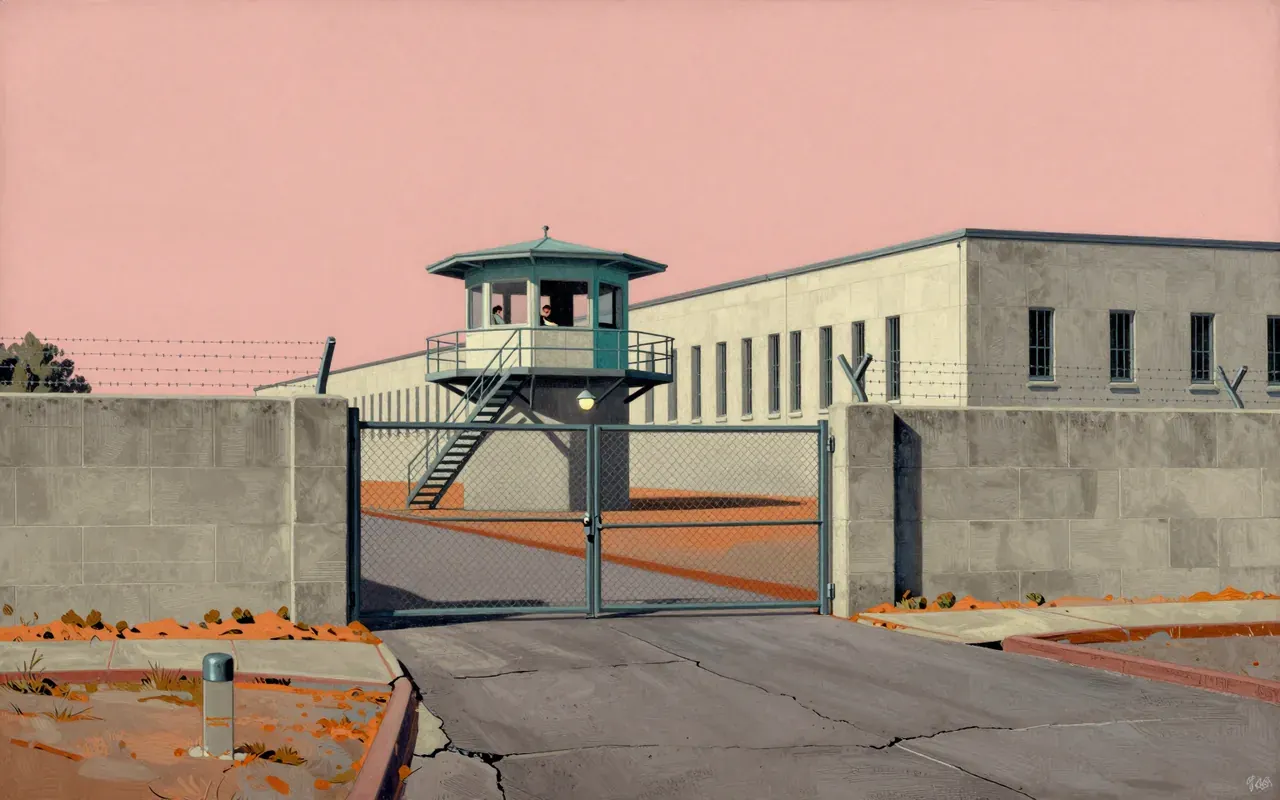
Johnny Cash at Folsom Prison is a 1968 live album recorded during two performances on January 13, 1968, at Folsom State Prison in California. It features Cash, the Tennessee Three, Carl Perkins, the Statler Brothers, and June Carter. The first show — at 9:40 a.m. — forms the core of the album; only two tracks ('Give My Love to Rose' and 'I Got Stripes') were taken from the 12:40 p.m. second show. Rehearsals spanned two days and included learning 'Greystone Chapel', written by inmate Glen Sherley. The album reached number one on the Billboard country album chart.
Bringing It All Back Home is Bob Dylan’s 1965 album, recorded across three sessions at Columbia’s Studio A in New York. Side one features electric instrumentation performed live by a band including Al Gorgoni, Kenny Rankin, Bruce Langhorne, Paul Griffin, Joseph Macho Jr., William E. Lee, and Bobby Gregg — with no rehearsal on January 14 yielding master takes of five songs in three-and-a-half hours. Side two is solo acoustic: Dylan, guitar, harmonica. The January 15 session reused most of that band (Frank Owens replacing Griffin), with Dylan directing arrangements on piano. It was Dylan’s first studio use of electric instruments. The album ends with two of his most important compositions: 'It's All Over Now, Baby Blue' and 'It's Alright, Ma (I'm Only Bleeding)'.
Call Me If You Get Lost is Tyler, The Creator’s seventh studio album, released 25 June 2021. It marks a stylistic pivot from the soulful intimacy of Igor and Flower Boy toward bolder, more eclectic production—drawing from Gangsta Grillz-era mixtapes—and incorporates hip-hop, pop, jazz, soul, and reggae. Tyler self-produced nearly all tracks, with Jamie xx, Jay Versace, and Madlib contributing to three songs. The album features dense, spatially inventive mixing, genre-fluid transitions, and a wide cast of collaborators, all framed within a narrative persona ('Tyler Baudelaire') and a concept rooted in travel, worldliness, and romantic vulnerability. Its production reflects the full arc of Tyler’s evolution—from early horrorcore sampling to refined, cinematic arrangements—while retaining raw lyrical energy and structural unpredictability.
Cheap Thrills is a studio album built to sound live — using crowd noise, one actual live track ('Ball and Chain'), and Bill Graham’s introduction — after Columbia rejected the band’s original live recordings from Detroit’s Grande Ballroom. Its rawness reflects concert energy, not engineering intent. Tensions with producer John Simon and label pressure shaped its making. Its iconic Crumb cover replaced rejected photos — including a nude hotel-room shot — and became the visual anchor of its rebellious identity. It is a record about controlled chaos: a negotiated, contested, deliberately rough-edged artefact.
Grace is Jeff Buckley’s only studio album. Recorded 1993–1994. Primary location: Bearsville Studios, Woodstock. Core band: Mick Grøndahl (bass), Matt Johnson (drums). Key collaborators: Gary Lucas (guitar), Karl Berger (strings), Michael Tighe ('So Real'), Andy Wallace (producer/engineer/mixer), Clif Norrell ('So Real'). Released August 23, 1994.
Highway 61 Revisited is a 1965 rock record made in two sessions at Columbia's Studio A in Midtown Manhattan. It features Mike Bloomfield’s blues guitar and Al Kooper’s improvised organ riffs. 'Desolation Row' departs from the electric template, using acoustic guitar and understated bass. The album is named after the actual highway from Dylan’s Minnesota birthplace to New Orleans.
Bob Dylan’s 2001 album “Love and Theft” was recorded with his touring band and produced by Dylan under the alias Jack Frost; critics noted its expanded musical palette—including rockabilly, Western swing, jazz, and lounge music; it won the Grammy Award for Best Contemporary Folk Album; and it was released on September 11, 2001.
Moby Grape is the 1967 debut studio album by the San Francisco rock band Moby Grape. It was recorded in Los Angeles over six weeks in March–April 1967. David Rubinson produced it. Thirteen tracks were completed. An unfinished track, 'Rounder', had no lyrics or vocals.
Mott is a tightly wound, rhythm-forward rock record that trades the theatricality of All the Young Dudes for leaner, grittier execution. Its strength lies in instrumental clarity and forward momentum — not in grand statements or sonic expansion.
Parsley, Sage, Rosemary and Thyme is Simon & Garfunkel’s third studio album, released in October 1966. It marks their first use of eight-track recording, their first full assertion of creative control, and their first active participation in mixing — especially on 'Scarborough Fair'. It is largely acoustic, drawing on Paul Simon’s 1965 English songwriting period and recycling material from The Paul Simon Songbook. Vocal takes were overdubbed to separate voice from guitar. 'Patterns' uses string snaps, syncopated bass, and a frenetic bongo part. 'Scarborough Fair' features fingerpicked guitar, delicate chimes, harpsichord embellishments, and vocal blend.
Rough and Rowdy Ways is Bob Dylan’s 39th studio album and first of original material since 2012. Recorded at Sound City Studios in Los Angeles in January and February 2020, it features Dylan’s current Never Ending Tour band — Matt Chamberlain, Bob Britt, Tony Garnier, Charlie Sexton, Donnie Herron — plus Blake Mills and Fiona Apple. Chris Shaw engineered and mixed. Released June 19, 2020, it reached No. 1 in the UK and scored 95 on Metacritic.

Sketches of Spain is a studio album by Miles Davis and Gil Evans, recorded between November 1959 and March 1960 at Columbia’s 30th Street Studio in New York City. It features arrangements of Spanish classical and folk works—including the adagio from Rodrigo’s Concierto de Aranjuez and 'Will o’ the Wisp' from de Falla’s El amor brujo—as well as Evans originals inspired by Alan Lomax’s 1955 field recordings from Galicia and Andalusia. Davis performed on flugelhorn and trumpet. The album marks Davis’s first collaboration with producer Teo Macero. It was critically acclaimed despite recording challenges: classical musicians struggled with improvisation; jazz musicians with complex notation. It won the 1961 Grammy for Best Jazz Composition of More Than Five Minutes Duration.
Songs of Leonard Cohen is Leonard Cohen’s 1967 debut folk album, released by Columbia Records. It was recorded amid creative tension between Cohen and producer John Simon, following John Hammond’s withdrawal. Cohen preferred a sparse, intimate sound — working first with bassist Willie Ruff — and resisted Simon’s ornate arrangements involving strings, horns, and drums, which he had explicitly forbidden. He insisted on using a mirror during recording and objected to specific production choices: the orchestration on 'Suzanne', the softness of 'Hey, That's No Way to Say Goodbye', excessive bass, and a disruptive pause in 'So Long, Marianne'. Some of Simon’s additions proved irreversible due to technical limitations of the four-track master tape. Instrumentalists — including members of Kaleidoscope — were personally recruited by Cohen but remained uncredited on the original sleeve. All tracks are written solely by Cohen.
Songs of Love and Hate is Leonard Cohen’s third studio album, released in 1971. It follows Songs of Leonard Cohen (1967) and Songs from a Room (1969). It is part of his early sequence of folk music albums. Most of the album was recorded at Columbia Studio A in Nashville between 22 and 26 September 1970. 'Sing Another Song, Boys' was recorded live at the Isle of Wight Festival on 30 August 1970. Further recording took place at Trident Studios in London. Cohen reunited with producer Bob Johnston and brought back guitarist Ron Cornelius, who led the backing band called The Army. Cohen described 'Joan of Arc' as exploring how humans meet and embrace their destiny. He stated that 'Famous Blue Raincoat' is about a man writing to another man who had an affair with his wife, and that the title references his own blue Burberry raincoat. Cohen expressed dissatisfaction with 'Famous Blue Raincoat', feeling it was unfinished and revealed its compositional 'carpentry', though he praised its tune and some images. Cohen's syncopated classical guitar 'chop' is especially prominent on 'Avalanche', and he considered 'Dress Rehearsal Rag' unreperformable by him. Songs of Love and Hate was not referenced in the document as having been used in film soundtracks or performed on BBC TV.
That’s the Way of the World is Earth, Wind & Fire’s 1975 studio album, co-produced by Maurice White and Charles Stepney, recorded and mixed over nine months at Hollywood Sound Recorders, and mastered at Kendun Recorders. It began as a commissioned soundtrack for Sig Shore’s film of the same name; the band disliked the film and released the album ahead of its premiere. Musical arrangements were jointly created by the band and Stepney. George Massenburg engineered all eight tracks. The record establishes a model of collaborative authorship—not mythmaking—through documented roles, timelines, and locations.
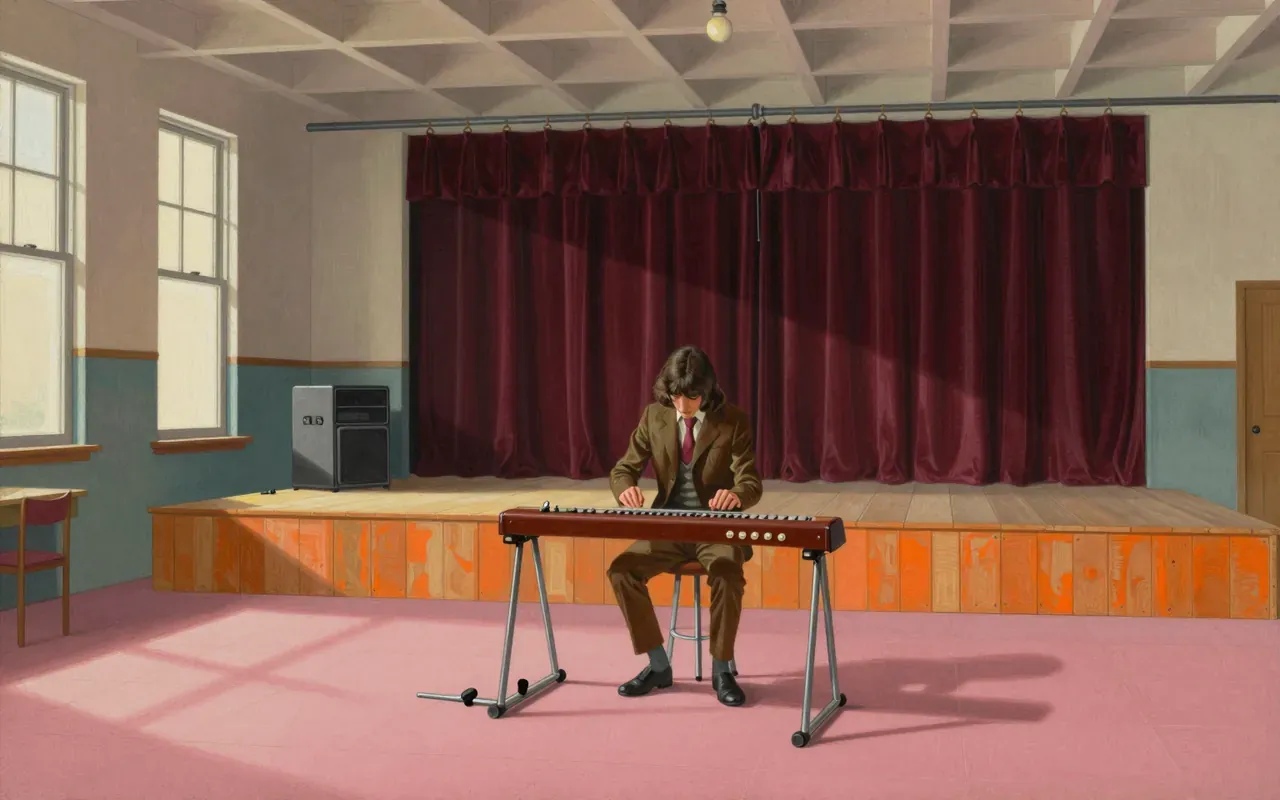
The Notorious Byrd Brothers is the Byrds’ fifth studio album, recorded between June and December 1967 and released in January 1968. It features phasing, flanging, spatial panning, rotary speaker effects, pedal steel guitar, and the Moog modular synthesizer — one of the first LP appearances of the Moog. It explores peace, ecology, alienation, and cosmic consciousness. Despite internal conflict — Crosby’s firing, Clarke’s departure and dismissal, and Clark’s three-week return — it is described as the band’s most cohesive and ethereal-sounding album. Critically acclaimed upon release, it peaked at number 47 in the US and is now widely regarded as one of their finest.
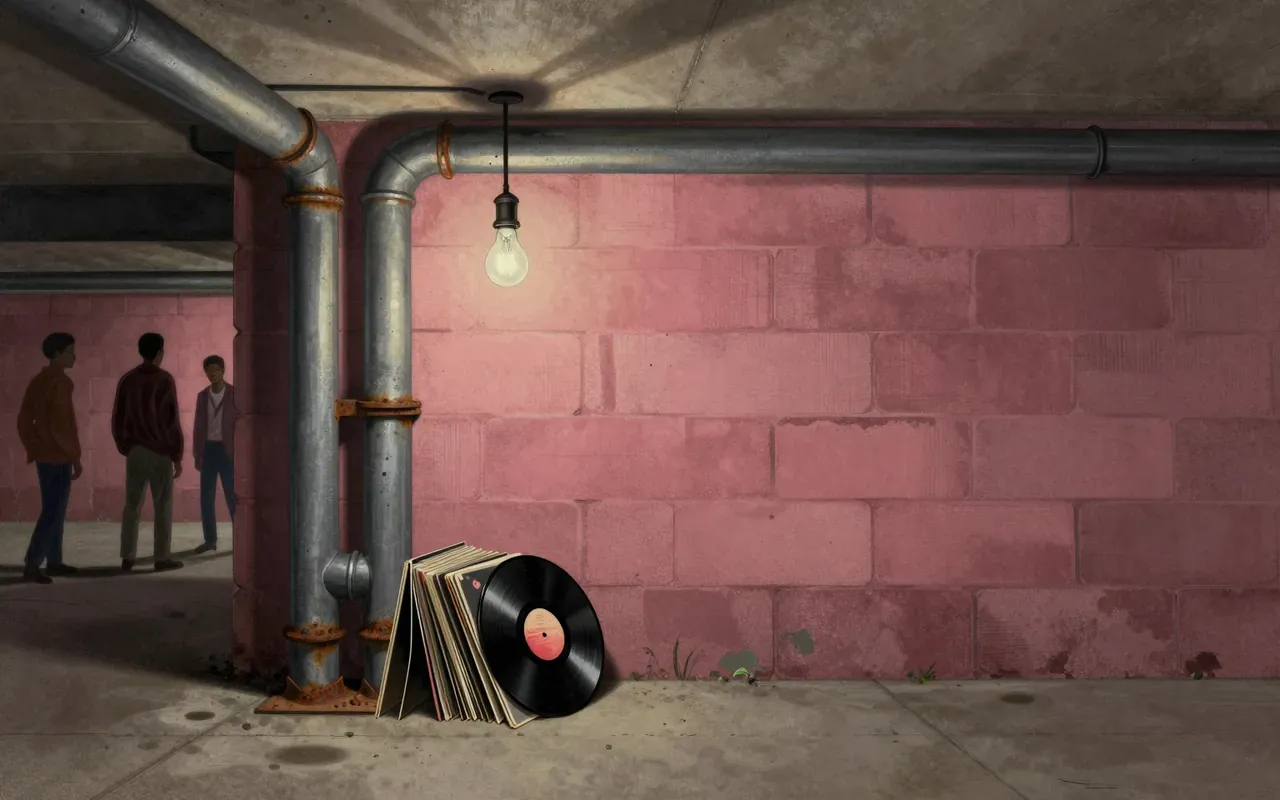
The Score is a 1996 hip-hop album recorded in a basement with live guitar, DJ scratches and heavy interpolation — structured like a radio play, not a collection of songs.
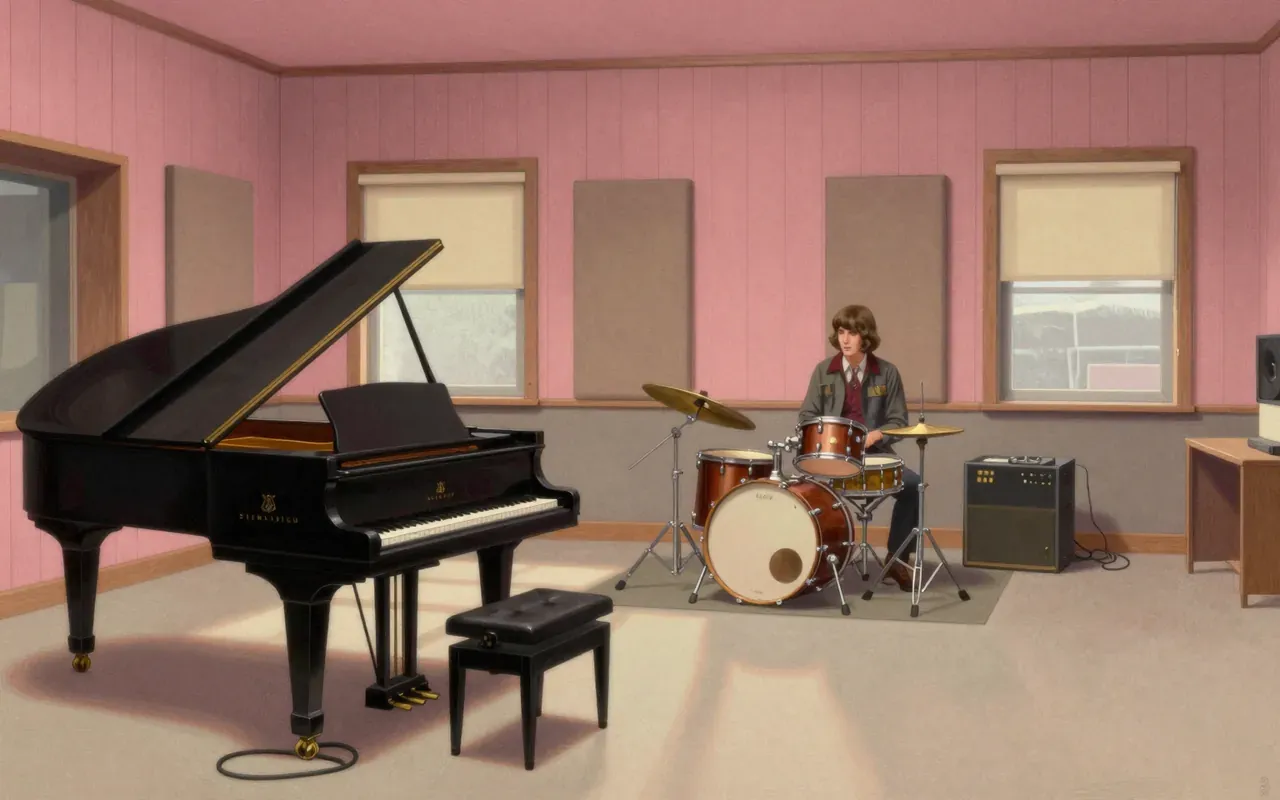
The Stranger is Billy Joel’s fifth studio album, released on September 29, 1977. It was recorded over three weeks in mid-1977 with his touring band—DeVitto, Stegmeyer, and Cannata—and session guitarists. It was produced by Phil Ramone, marking the start of a five-album collaboration.
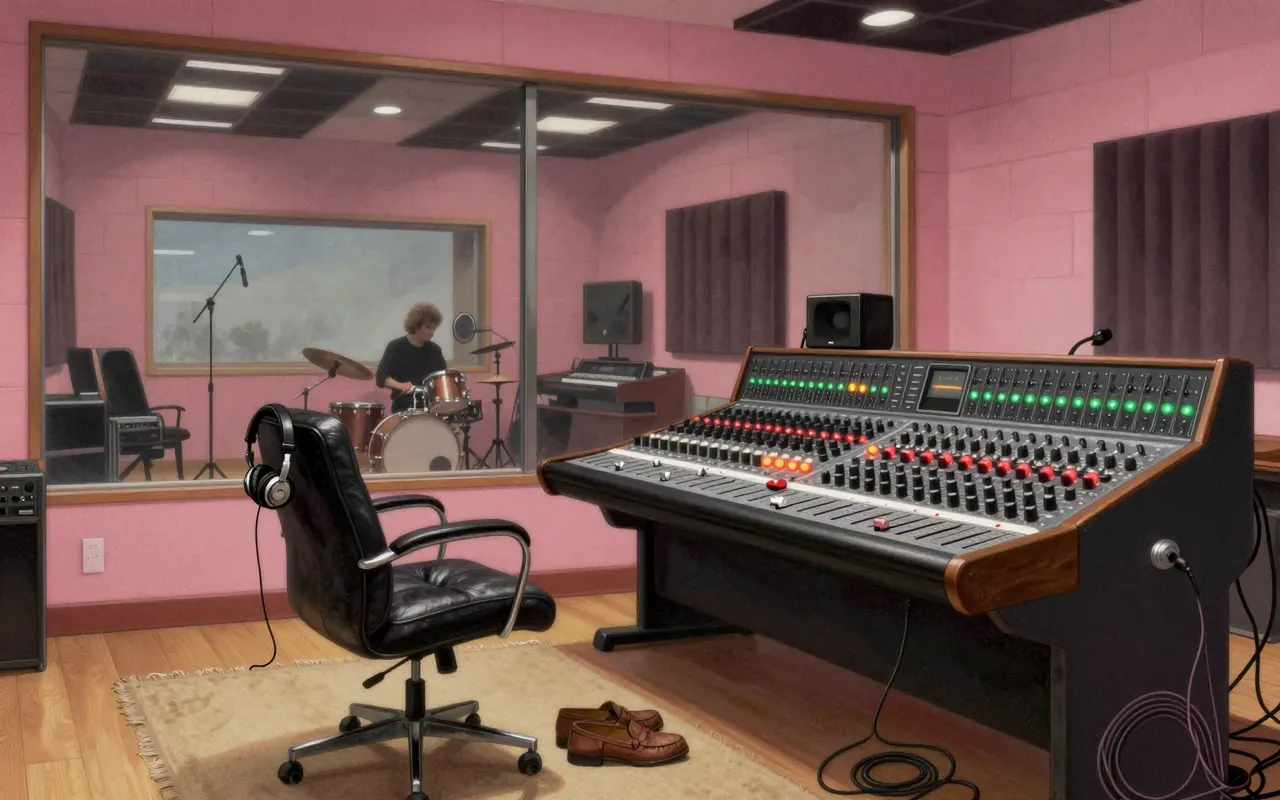
Time Out of Mind is a blues-inflected, atmospherically dense record made in Miami in January 1997. Its sound is defined by Daniel Lanois’ microphone techniques and strategic mixing — not by live-room realism. Dylan rewrote lyrics up to the first session and demoed songs in the studio, a rare move. Early blues artists guided its sonic palette. The album’s themes — bitter love, encroaching darkness — land with weight, not exposition. Its production choices bury the voice, reject clarity, and treat decay as material. It won Album of the Year at the Grammys, but its achievement is specific: it redefined how Dylan could sound, not how he should be heard.
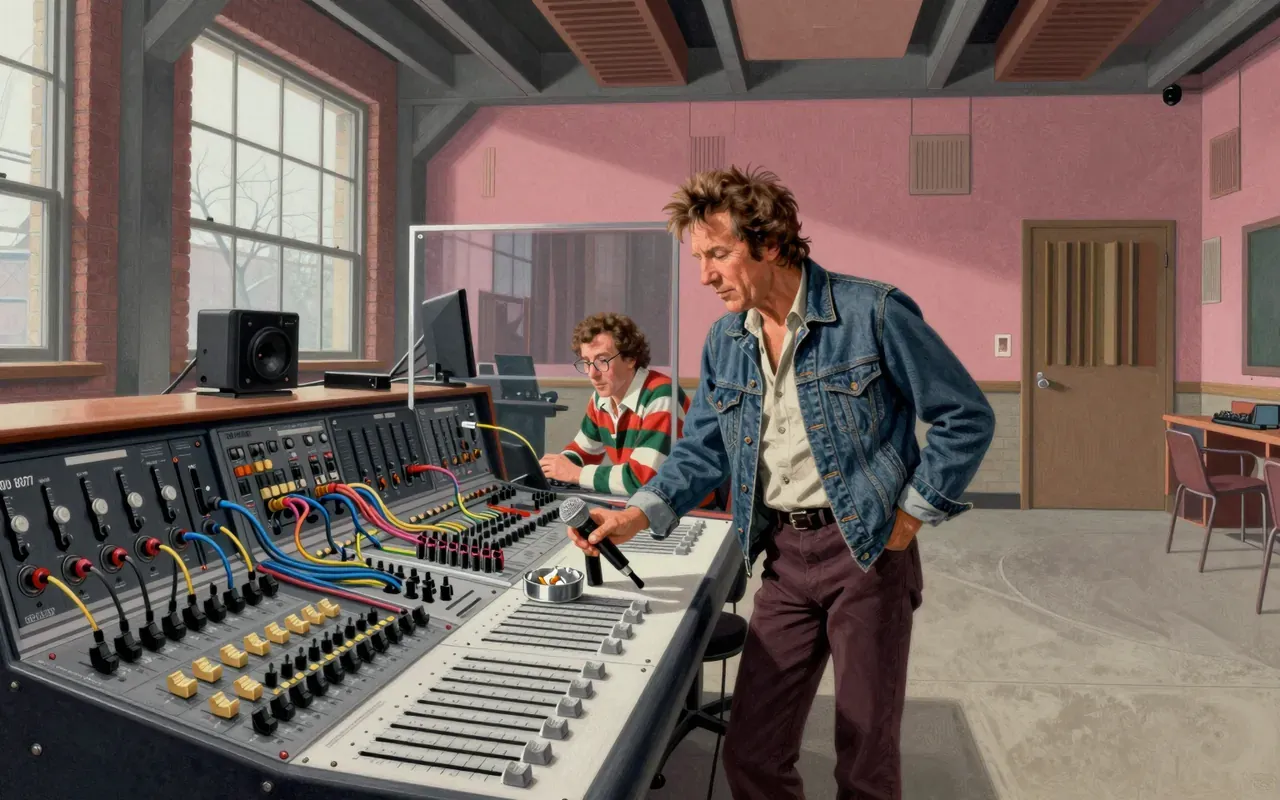
Born in the U.S.A. is a 1984 rock-pop album by Bruce Springsteen, recorded with the E Street Band in New York City from January 1982 to March 1984. It draws material from the Nebraska demo tape. Its title track is a bitter commentary on Vietnam veterans, but its anthemic music and title led to widespread misinterpretation. Chuck Plotkin judged the full-band performances as less meaningful, less compelling, and less honest than the demos. The album was co-produced by Springsteen, Jon Landau, Steven Van Zandt, and Chuck Plotkin. Toby Scott engineered at the Power Station in April 1982. 'Cover Me' was originally written for Donna Summer. The recording sessions yielded 70–90 songs.

A meticulously constructed studio artifact — not a live document — built on tension, layering, and unresolved sonic ambition.
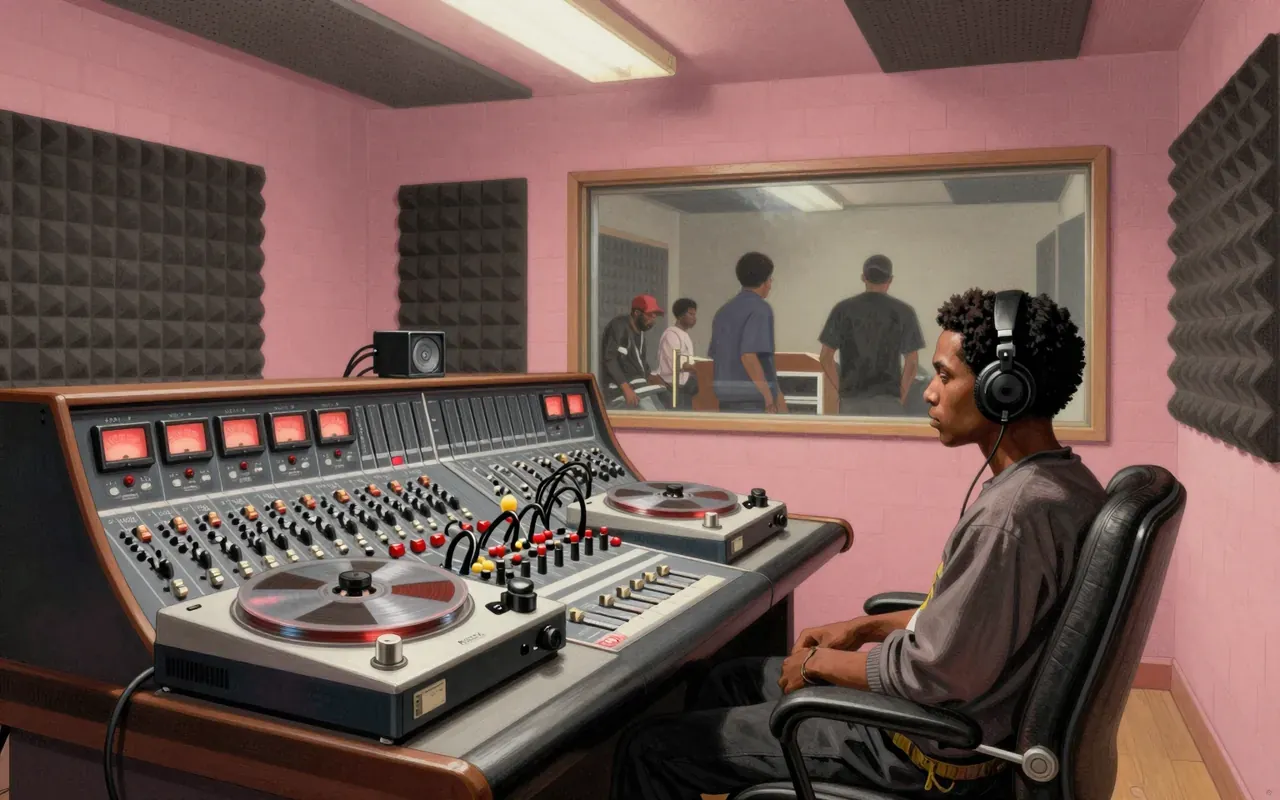
It Takes a Nation of Millions to Hold Us Back (1988) is Public Enemy’s second studio album. It was recorded across three New York studios—Chung King Studios, Greene St. Recording, and Sabella Studios—between 1987 and 1988. The group began at Chung King but moved to Greene St. after engineer resistance to hip hop. Engineers there eventually respected their work ethic. The album was originally titled Countdown to Armageddon. It was recorded in 30 days for $25,000, thanks to extensive preproduction at the group’s Long Island studio. It was completed in six weeks. Chuck D described the process as aggressive, time-pressured teamwork involving sonic risk-taking. Eric Sadler and Hank Shocklee stayed behind in the studio during touring to develop material ahead of Chuck D and Flavor Flav’s return. The album performed better in the charts than their debut and included the hit singles 'Don’t Believe the Hype' and 'Bring the Noise'. It was the first hip-hop album to top The Village Voice’s Pazz & Jop critics’ poll. Its sonic architecture—crafted by the Bomb Squad—included free jazz, hard funk, and musique concrète. It formed part of Public Enemy’s revolutionary, politically charged output grounded in a pro-black stance.
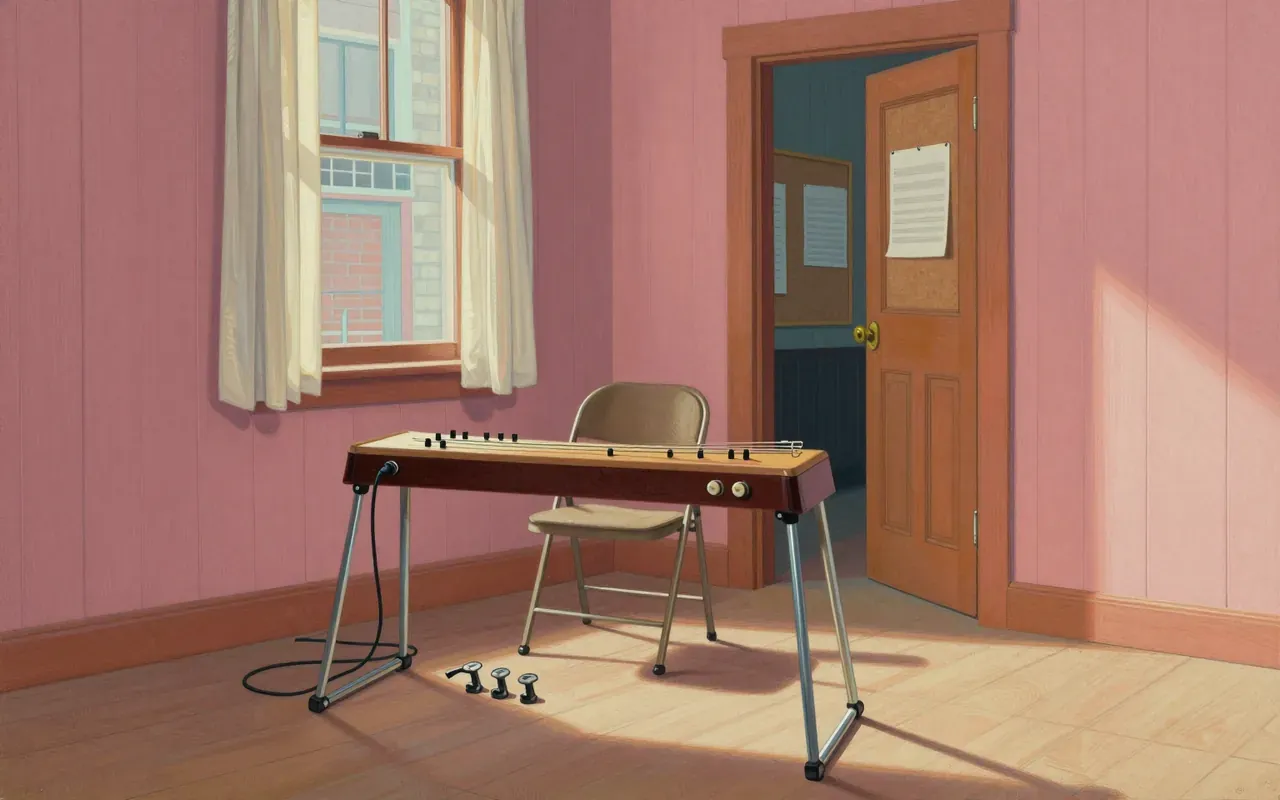
John Wesley Harding is a folk record made with folk means: voice, bass, drums, harmonica, piano, guitar, and two pedal steel parts. It was recorded fast, dry, and direct in Nashville in autumn 1967. Its power lies in what it leaves out.
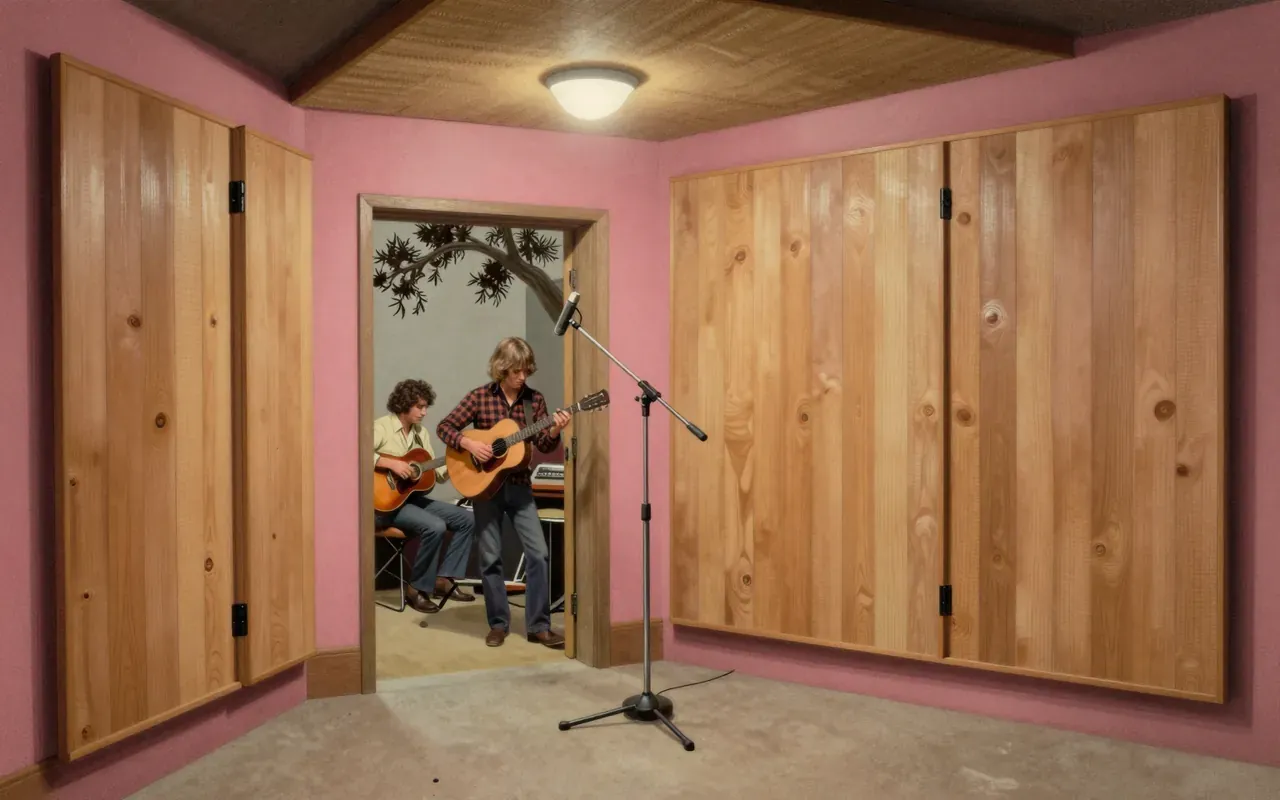
Red Headed Stranger is a 1975 concept album by Willie Nelson, recorded at low cost in a quiet cypress-panelled room at Autumn Sound Studios in Garland, Texas. It features sparse arrangements limited to Nelson's guitar, piano, and drums, with no equalisation and no additional production — a direct rejection of Nashville conventions. Columbia executives initially mistook it for a demo, but Nelson's creative control and Waylon Jennings' insistence secured its release. The album includes a cover of Fred Rose's 1945 'Blue Eyes Crying in the Rain', which became Nelson's first number one hit. Its power lies in restraint: the Bosendorfer piano's deep bass, the dry drum hits, the absence of reverb or ornamentation. It is a record about silence as moral weight.
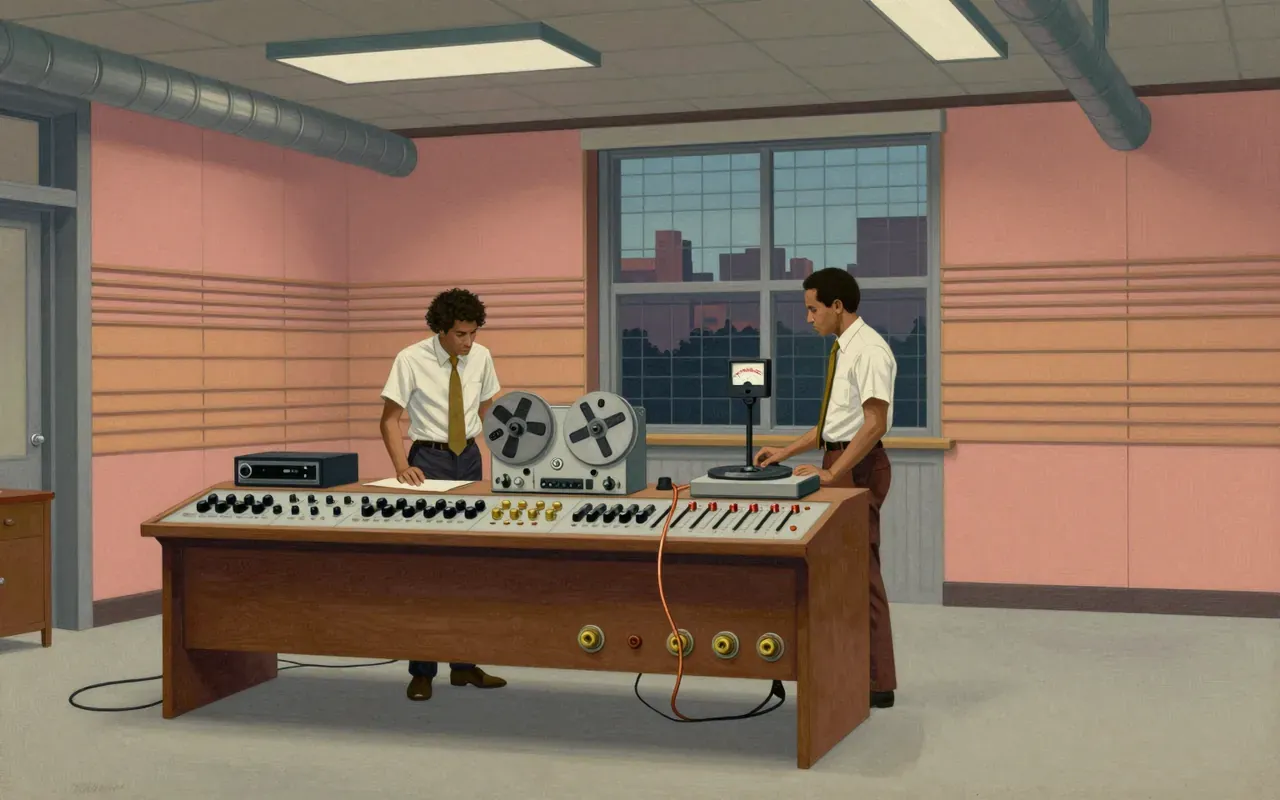
Science Fiction is Ornette Coleman’s 1972 Columbia Records album, recorded across three dates at Columbia Studio E in New York City with his early 1970s quartet and an array of guests. It is dense, conversational, and structurally restless — a record built on presence, not polish.
The Freewheelin’ Bob Dylan is Bob Dylan’s second album, released in May 1963. It was assembled from eight recording sessions at Columbia Records Studio A in New York City between April 1962 and April 1963. It established Dylan as a significant singer-songwriter. Many of the songs were protest songs, inspired by Woody Guthrie and influenced by Pete Seeger's passion for topical songs. The album included love songs and surreal talking blues. 'Oxford Town' was an account of James Meredith's ordeal as the first Black student at the University of Mississippi. 'Blowin’ in the Wind' partly derived its melody from the traditional slave song 'No More Auction Block', while its lyrics wondered whether war and injustice would ever end. 'A Hard Rain’s a-Gonna Fall' was based on the folk ballad 'Lord Randall'. Both songs marked a new direction in songwriting, blending a stream-of-consciousness, imagist lyrical attack with traditional folk form.
The Times They Are A‐Changin’ is Bob Dylan’s third album (1964). It reflects a more politicized phase. Songs address the murders of Medgar Evers and Hattie Carroll, the despair of rural economic collapse, and Dylan’s angry response to a hostile Newsweek profile.
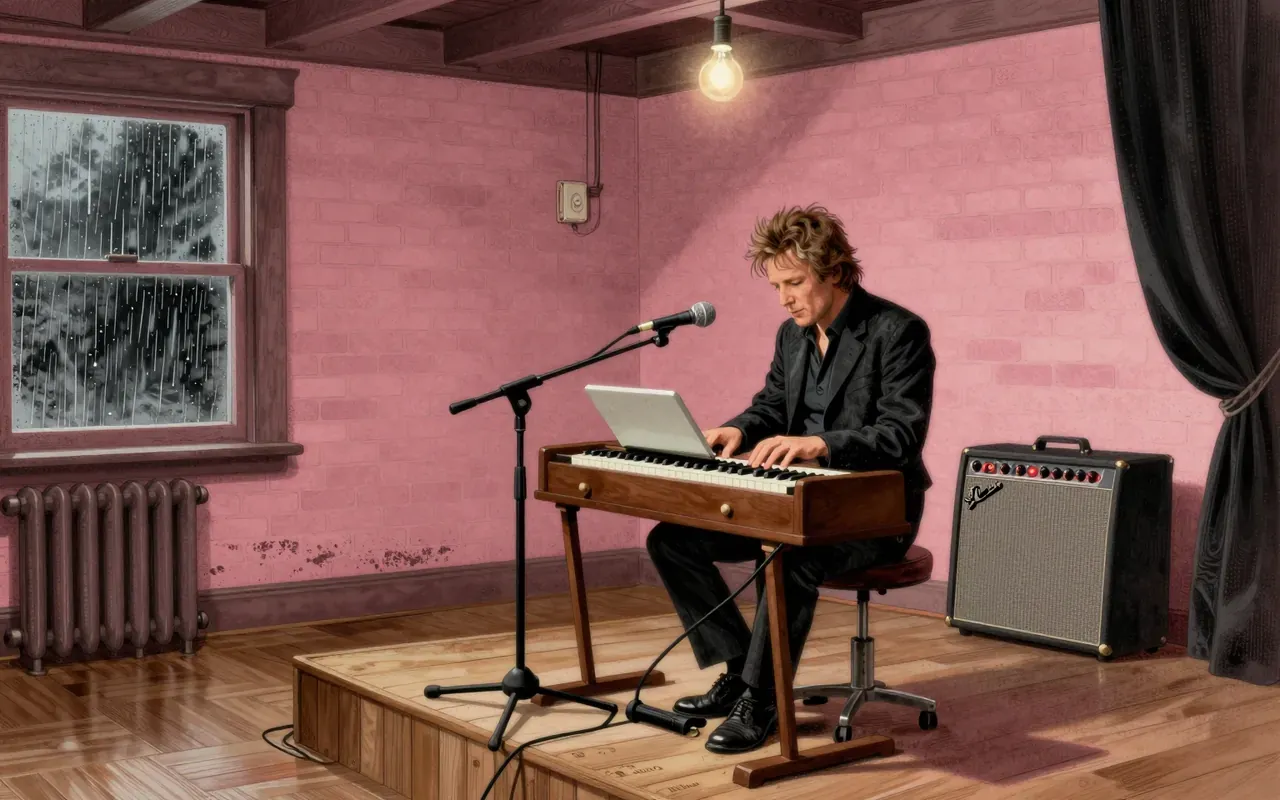
Tunnel of Love is a 1987 studio album by Bruce Springsteen. It is not officially an E Street Band album. Springsteen recorded most of it himself using drum machines and synthesizers. The record is sedate and contemplative. It reflects maturely on love found, lost and squandered. The full E Street Band sound is included only selectively. Roy Bittan played synthesizers on 'Tunnel of Love' and acoustic piano on 'Brilliant Disguise'. Danny Federici played Hammond organ on 'Tougher Than the Rest', 'Spare Parts', and 'Brilliant Disguise'. Clarence Clemons contributed backing vocals on 'When You're Alone'. Nils Lofgren performed a guitar solo on 'Tunnel of Love' and backing vocals on 'When You're Alone'. Patti Scialfa provided backing vocals on 'Tunnel of Love', 'One Step Up', and 'When You're Alone'.
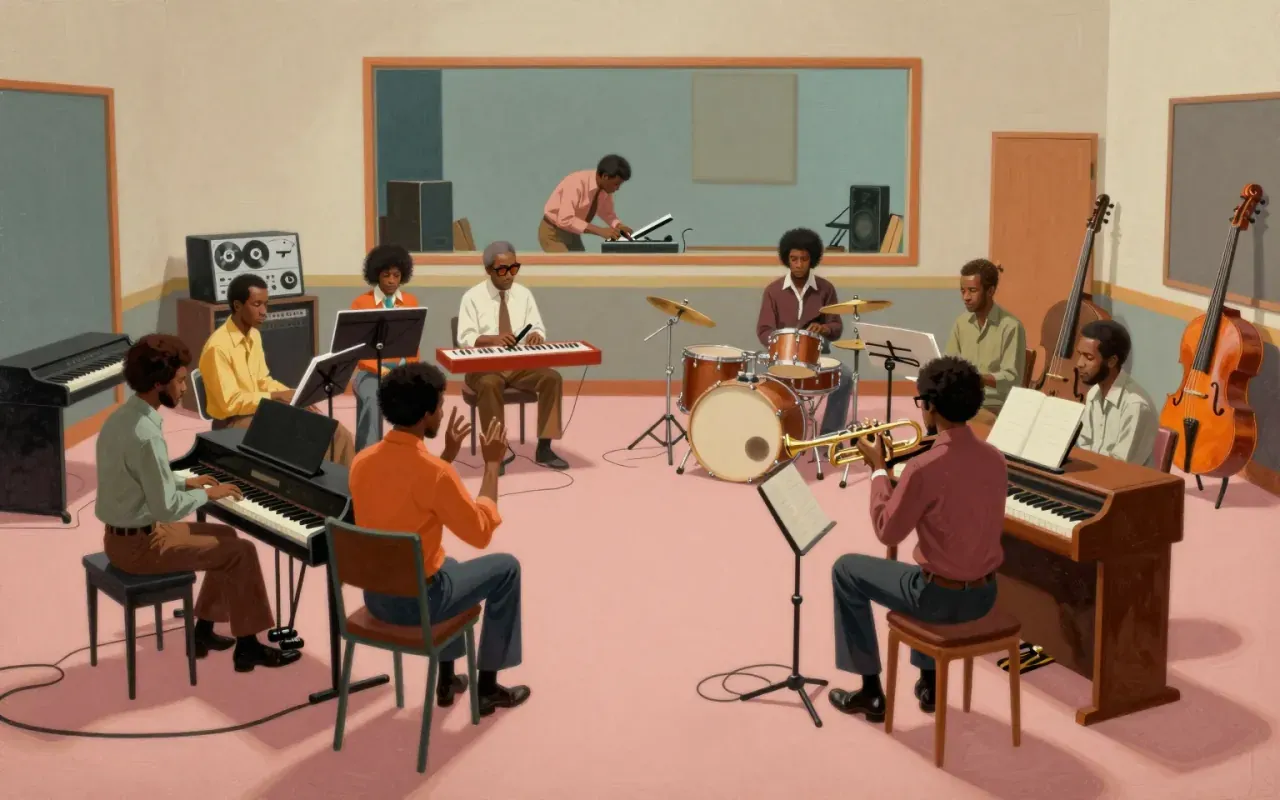
Recorded across three days in August 1969 at Columbia's Studio B, Bitches Brew pushed Miles Davis's turn toward electric instruments into a full, sprawling double album built from loose sketches, two bassists, up to three drummers and three electric pianists playing at once. Producer Teo Macero then spliced and looped the tapes into their final shape, a process as central to the record's identity as anything played live in the room.
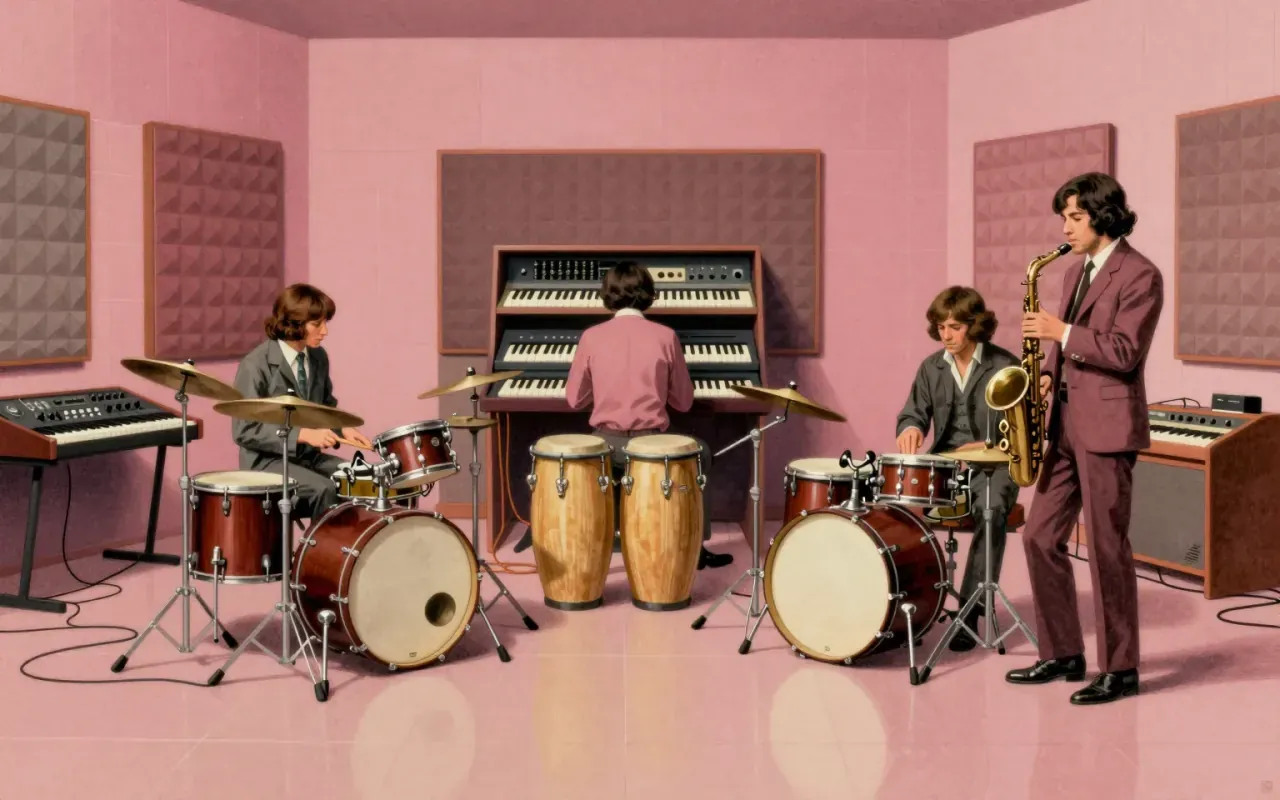
Weather Report's sixth album, recorded at Devonshire Studios in North Hollywood over the turn of 1975 into 1976, leans into African-derived percussion and Joe Zawinul's synthesizer textures rather than the soloistic fusion of earlier records. Wayne Shorter's Lyricon blurs horn and machine, Alex Acuña's congas anchor two drummers, and Jaco Pastorius makes his first, understated appearance on bass across two tracks.
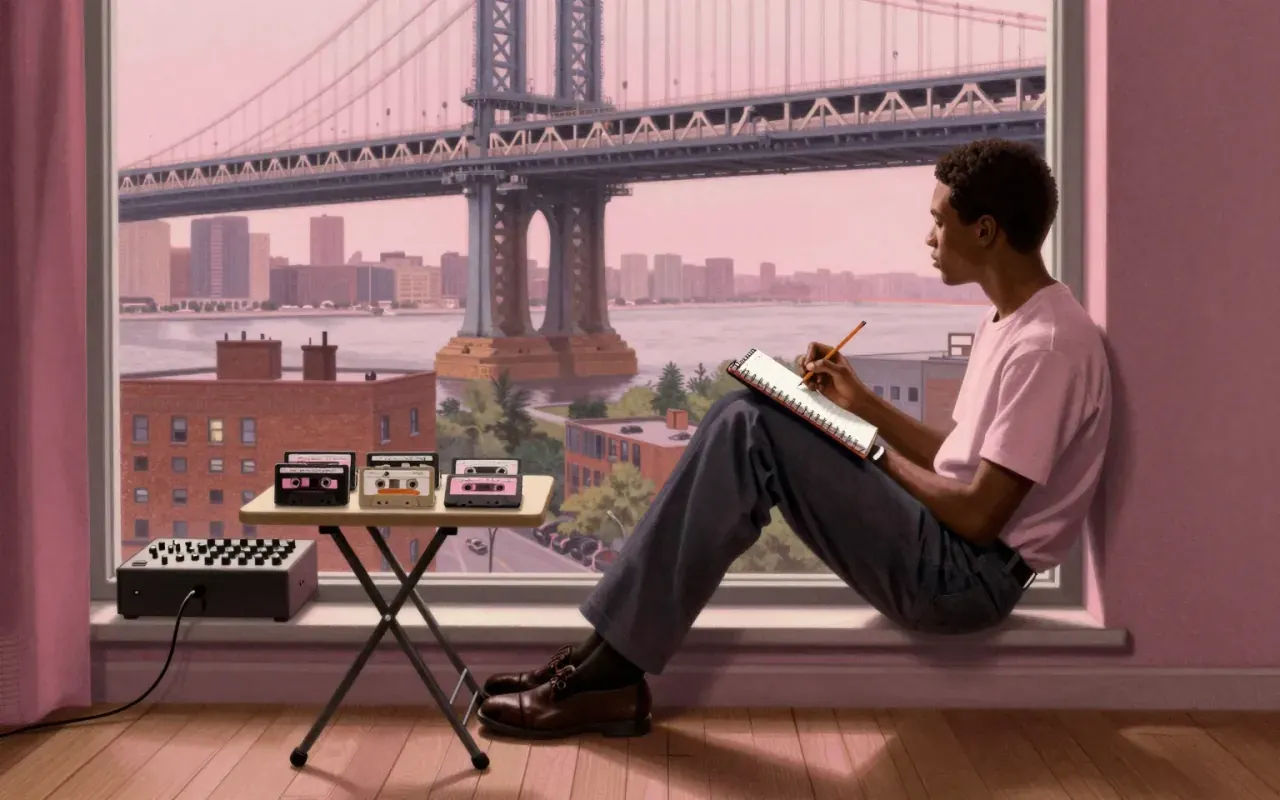
Recorded across Manhattan studios by a teenager from Queensbridge, Illmatic sets Nas's dense, internal-rhyme narration against beats built separately by DJ Premier, Pete Rock, Q-Tip, Large Professor and L.E.S, arriving as a compact, unhurried document of one New York housing project.
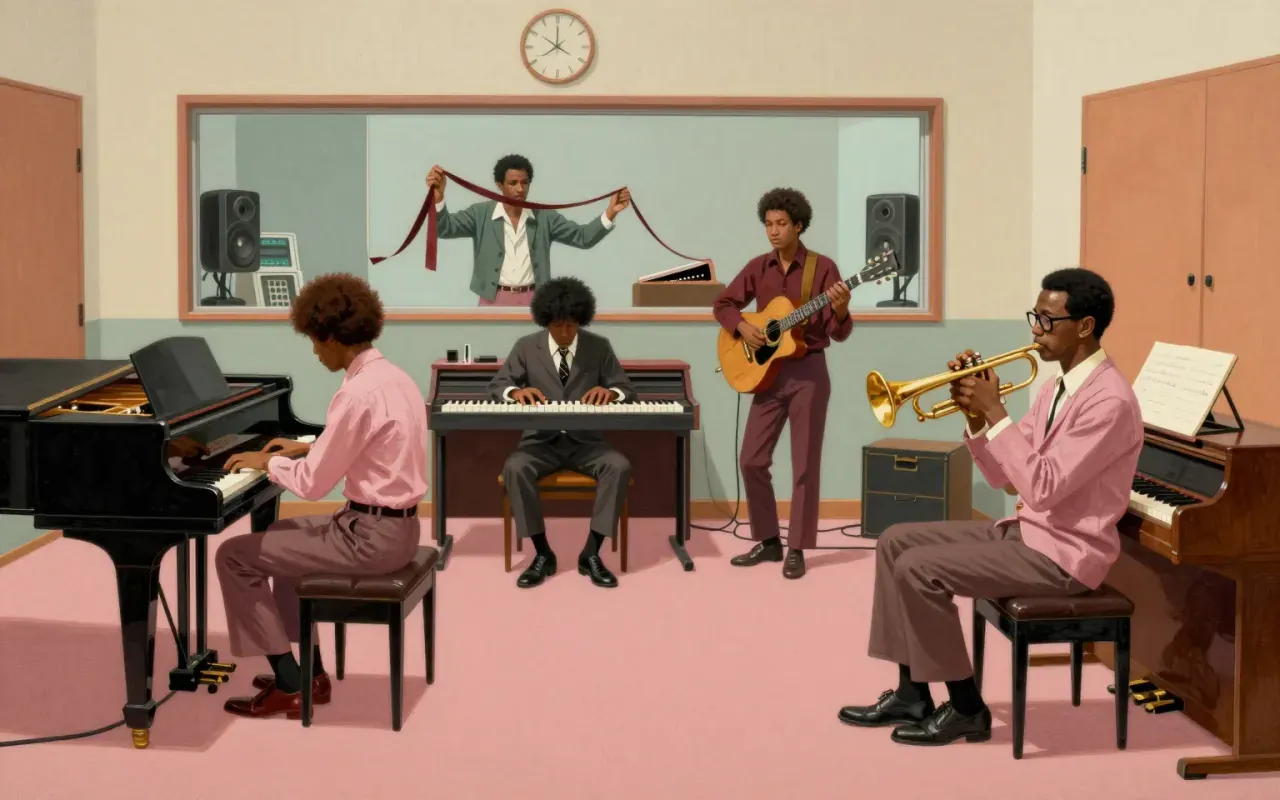
Recorded in a single February 1969 session at Columbia's Studio B and shaped afterward by producer Teo Macero's editing, In a Silent Way marked Miles Davis's full turn toward electric instruments. Built from just two long pieces stitched from a handful of takes by an expanded band including three electric pianists and a guitarist new to New York, it plays as a hushed, largely beatless record that unsettled jazz and rock critics alike on release.
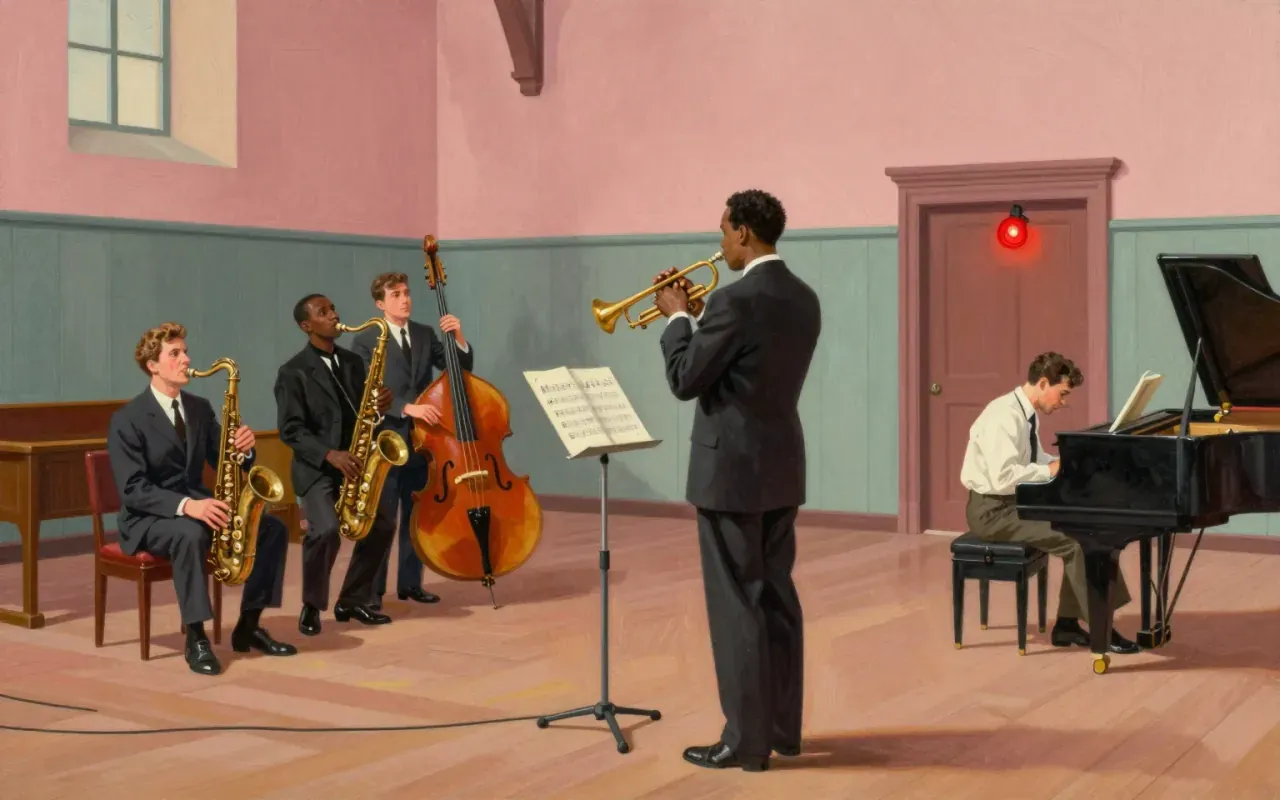
Recorded in two sessions in March and April 1959 at Columbia's 30th Street Studio, Kind of Blue found Miles Davis trading bebop's dense chord changes for loose modal sketches, handed to his sextet with barely any rehearsal. The gamble produced five tracks, from So What to Flamenco Sketches, that have shaped how musicians well outside jazz think about improvisation ever since.
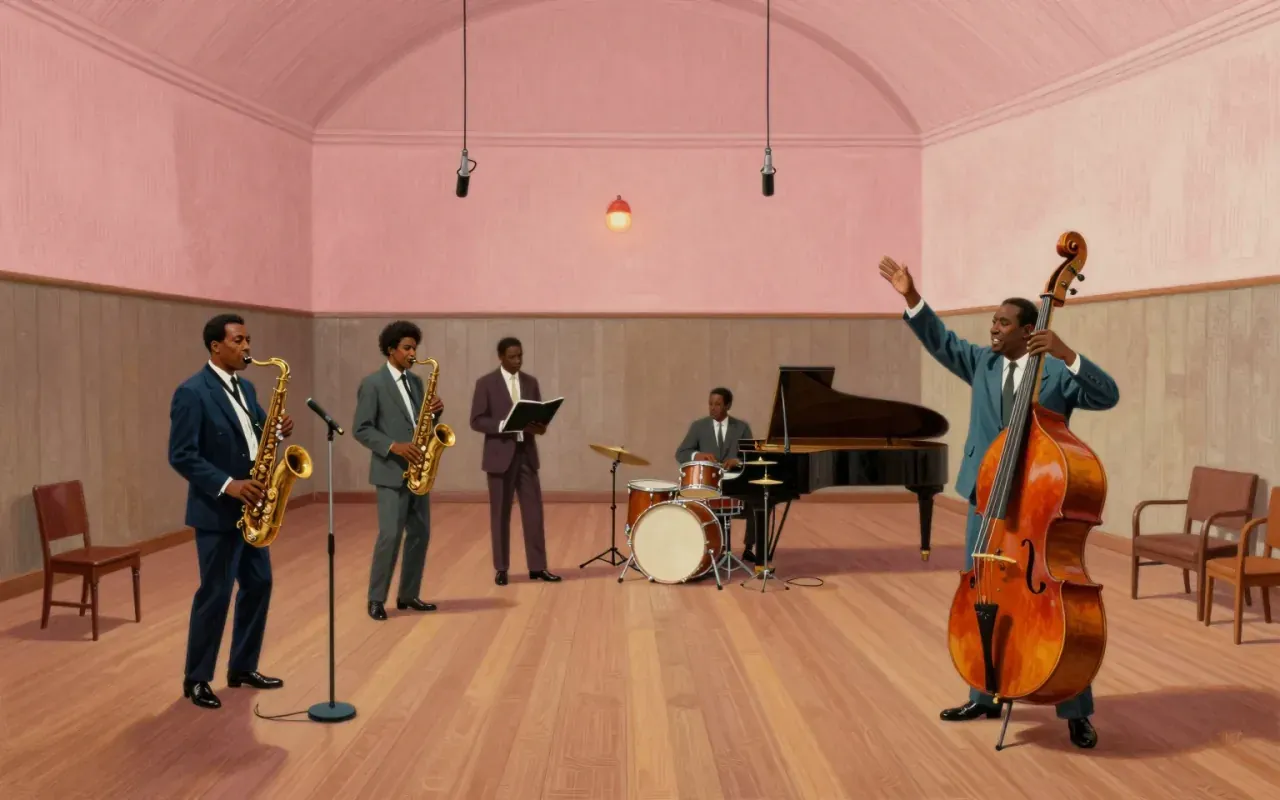
Charles Mingus's first album for Columbia, recorded in May 1959, gathers tributes to Lester Young, Duke Ellington and Jelly Roll Morton alongside Fables of Faubus, a satire of Arkansas's segregationist governor recorded without its banned lyrics. A tight sextet, led from the bass, turns gospel, blues and big-band writing into a single, coherent argument about jazz's own history.
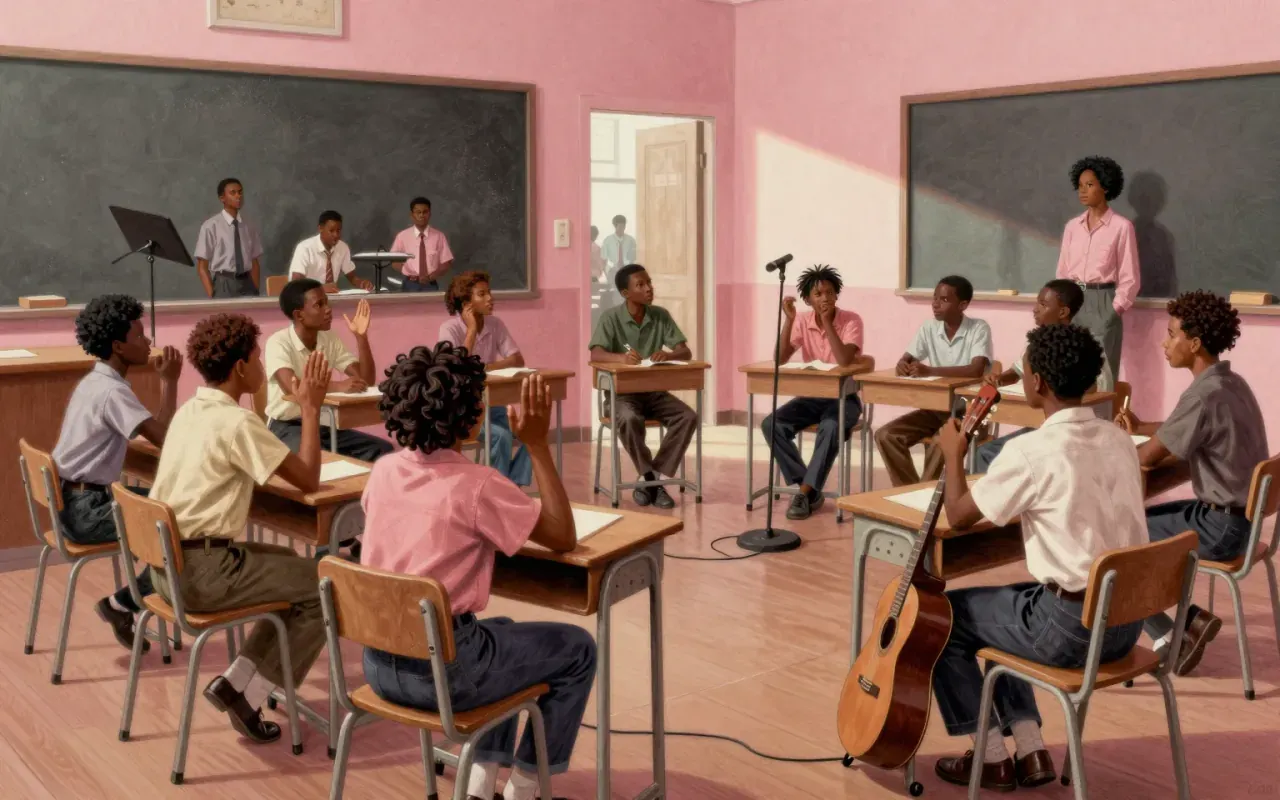
Written and largely produced by Lauryn Hill after she left the Fugees and became pregnant, The Miseducation of Lauryn Hill mixes hip-hop, soul and reggae recorded partly at Tuff Gong in Kingston, built around live instrumentation and a set of collaborators later credited only after a lawsuit.
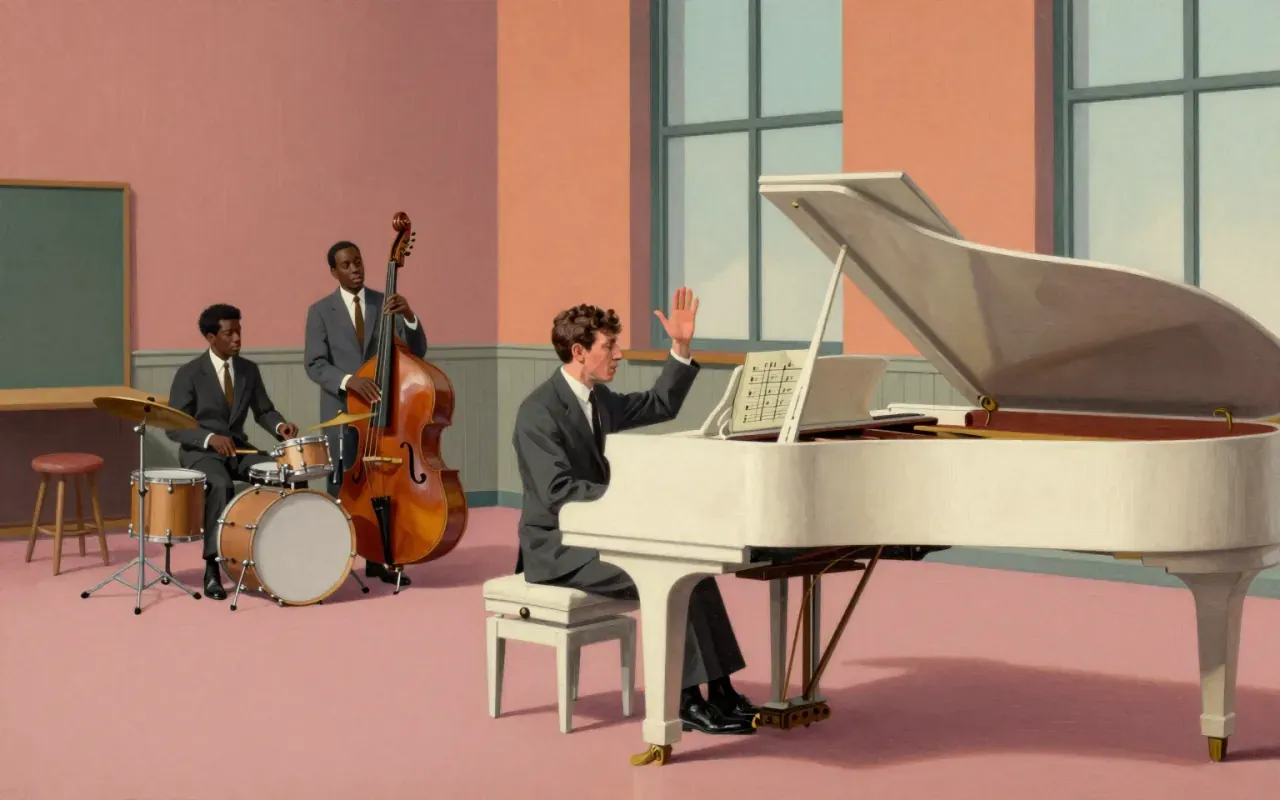
Recorded in 1959 at Columbia's 30th Street Studio, Time Out grew out of Dave Brubeck's overseas tours for the State Department, where he heard rhythms outside the usual pulse of American jazz. The Dave Brubeck Quartet built seven tracks around metres like nine-eight and five-four, including Take Five, composed by saxophonist Paul Desmond almost as an afterthought, which went on to outsell every jazz single before it.