A Sailor’s Guide to Earth
Sturgill Simpson · 2016
A Sailor’s Guide to Earth is a live-recorded, self-produced orchestral-soul detour from country orthodoxy — anchored by real strings, real horns, real steel guitar, and real ensemble interplay.
A Sailor’s Guide to Earth is a live-recorded, self-produced orchestral-soul detour from country orthodoxy — anchored by real strings, real horns, real steel guitar, and real ensemble interplay.
A stark, unembellished blues record defined by its minimal personnel and clinical lyrical focus.
A rushed, mono-and-stereo debut cut across two Hollywood studios in summer 1966—produced by managers with no recording experience, rejected by the band as sonically inert, and released against their wishes to hit Christmas. Its best moments are tightly written, vocally distinct, and rhythmically grounded—but its flaws are structural, not stylistic.
A working model of collective improvisation — not theory, not rebellion, but four musicians building form as they go.
Coltrane Plays the Blues is a label-assembled 1962 compilation drawn from unissued October 1960 sessions at Atlantic Studios. Coltrane played tenor saxophone on five tracks and soprano on three. McCoy Tyner played piano on four of the six tracks — his absence from two marks the first pianoless trio since Coltrane’s Prestige years. Atlantic released it without Coltrane’s input or approval, after he had moved to Impulse Records. It is excluded from his official discography because he did not conceive or approve it as a leader during his lifetime.
First Take is a piano-and-voice record made in ten hours. It is elegant. It is fused. It is ‘The First Time Ever I Saw Your Face’. Nothing more, nothing less.
Fontessa is the Modern Jazz Quartet’s 1956 Atlantic debut: their first formal guest collaboration (with Jimmy Giuffre), their first album after moving from Prestige, and their first recording following their 1956 European debut tour. The 11-minute title suite was composed by John Lewis and inspired by Commedia dell’arte, with its four characters illustrated on the cover. Lewis described it as a suite whose sketchy plot invites improvisation. The Prelude opens and closes the work. Harlequin is evoked by vibraphone improvisation in older jazz style. Pierrot appears in piano-led 'less older jazz'. Pantaloon emerges in drum-led 'still later jazz', developing the main motif. Colombine is represented by the recurring three-note 'Fontessa' motif. The mono version was issued in the USA on Atlantic’s black label, catalogue number 1231. The stereo release contained technical flaws: mains hum, tape hiss, and reduced bass level.
If I Could Only Remember My Name is David Crosby’s 1971 solo debut, recorded at Wally Heider Studios in San Francisco. It features contributions from Graham Nash, Neil Young, Joni Mitchell, Jerry Garcia, and members of Jefferson Airplane, Quicksilver Messenger Service, and Santana. The loose ensemble was informally dubbed The Planet Earth Rock and Roll Orchestra by Paul Kantner, though Crosby clarified it was not an organised collective. Five tracks contain lyrics, including 'Orleans', a 15th-century round about French cathedrals. The final two tracks feature Crosby alone. The album was panned on release by Rolling Stone but has since been reappraised and remains in print. In a 2010 list published by L'Osservatore Romano, it ranked second to the Beatles' Revolver.
A 1956 Atlantic album pairing four tape-manipulated studio experiments (1954–1955) with five unedited live recordings (11 June 1955, The Sing-Song Room, Confucius Restaurant, New York). Studio tracks use overdubbing and tape speed shifts; 'Turkish Mambo' layers three conflicting left-hand rhythms. Live tracks rely on contrapuntal group listening, with no pre-set harmony or tempo. Bassist Peter Ind played on the album and later defended the tape techniques as legitimate artistic tools. The 1949 free improvisations 'Intuition' and 'Digression' are not on this record—but their conceptual lineage informs its live side.
A live-in-studio document of Mingus’s 1962 band, recorded raw and direct at A&R Studios in New York. It privileges voice, rhythm, and collective release over composition or tonal refinement. It is neither a peak nor a pivot—it is an eruption.
A foundational soul record defined by vocal command, rhythmic tension, and theological gravity — not studio craft.
C’est Chic is Chic’s second studio album, released in 1978 on Atlantic Records. It contains 'Le Freak', which topped US Hot 100, R&B, and Club Play in October 1978, and 'I Want Your Love', which reached number 5 on US R&B, number 7 on US Pop, and number 4 in the UK. The European version was originally titled Très Chic, featured a more risqué cover, and had a different track listing before being withdrawn. The Globe and Mail described it as 'a sleekly elegant variation' of disco; the Los Angeles Times judged that, aside from 'Le Freak', the album consists of pedestrian disco pieces and plodding R&B ballads. All songs were written by Bernard Edwards and Nile Rodgers unless noted otherwise.

Close to the Edge is Yes’s 1972 studio album, recorded at Advision Studios in London. It contains three tracks: an 18-minute four-movement title suite inspired by Hermann Hesse’s Siddhartha; the pastoral 'And You and I'; and the hard-driving 'Siberian Khatru'. Rick Wakeman’s Mellotron and church organ expand the band’s sonic palette. The album was assembled section-by-section from musical sketches written on tour by Jon Anderson and Steve Howe. Eddie Offord co-produced and engineered. It represents a peak in Yes’s 1970s progressive era.
Crosby, Stills & Nash (1969) is a foundational folk rock album built almost entirely by Stephen Stills — who played all bass, organ, and lead guitar — with Crosby and Nash contributing guitar only on their own songs. Two tracks omit Stills entirely. It was a major commercial success: released May 1969, peaked at No. 6 on Billboard, spent 107 weeks on chart, spawned two Top 40 singles, earned quadruple platinum certification, and defined FM radio in the late 1960s. It contains 'Suite: Judy Blue Eyes', 'Marrakesh Express', 'Helplessly Hoping', 'Long Time Gone', and 'Wooden Ships' — the last co-written with Paul Kantner. No studio, engineer, producer, or location is named in the source material.
Déjà Vu is a studio-assembled artefact—not a live quartet document. Its sound reflects fragmented sessions, geographic separation (Young recording solo in Los Angeles), and emotional strain (grief, relationship breakdowns). Only 'Woodstock' features full quartet participation in one room. Stills’ bass, Nash’s piano, Crosby’s rhythm guitar, and Young’s pipe organ/harmonica/vibraphone are assigned per track—not distributed evenly. The album’s structure reveals negotiation, not unity: 'Teach Your Children' was commercially reshaped; 'Almost Cut My Hair' kept against Stills’ wishes; 'Déjà Vu' required 100 takes while 'Carry On' took eight hours. It is defined by what was left out—Young’s absence from half the tracks, the lack of live-in-the-studio spontaneity, the absence of harmonica on the album version of 'Helpless'. Its ideas are procedural: how songs get built across distance, disagreement, and revision.

Fragile is Yes’s fourth studio album, released in late 1971. It marks Rick Wakeman’s debut and Tony Kaye’s departure over resistance to electronic keyboards. Recorded in August–September 1971 at Advision Studios on a 16-track machine, it features four group compositions and five individual member pieces — a structural choice driven by budget and time constraints. Eddy Offord co-produced with the band. The album introduced Wakeman’s expansive keyboard palette and established the band’s signature progressive sound.
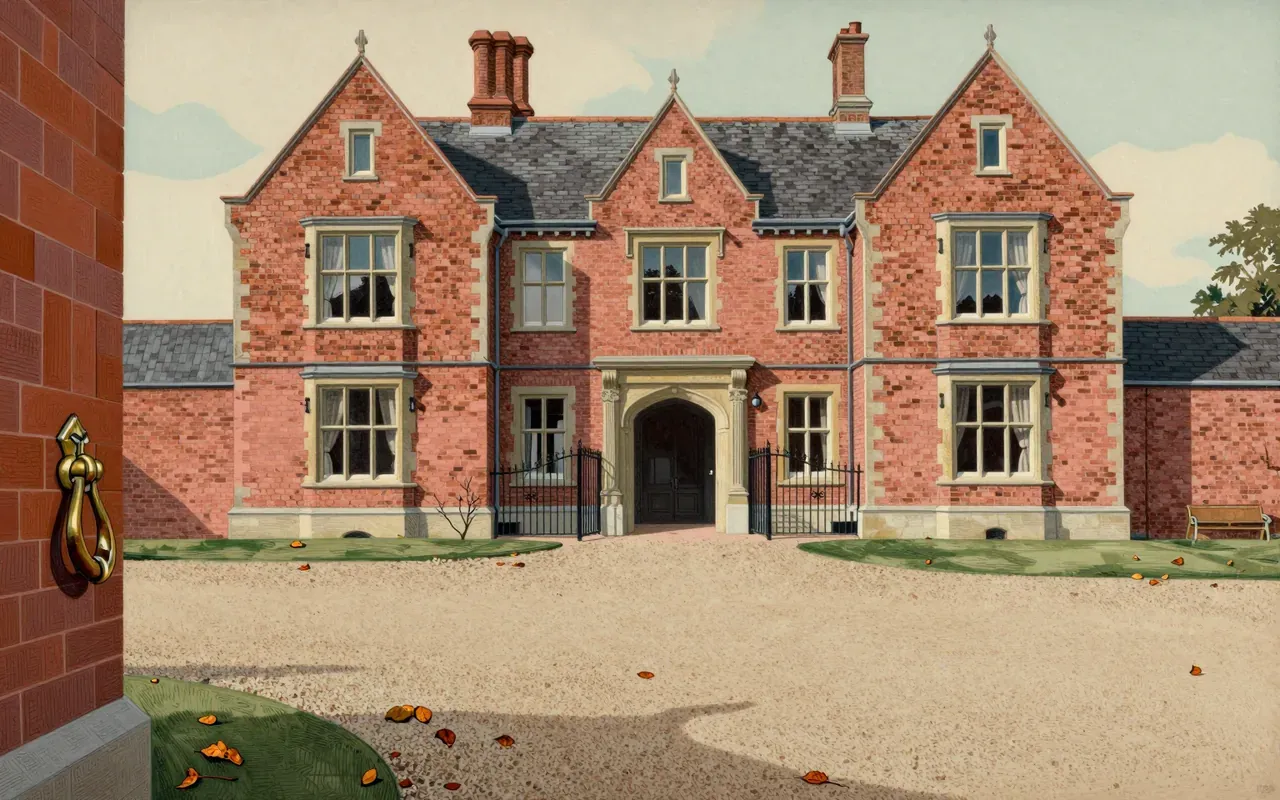
Houses of the Holy is Led Zeppelin’s 1973 studio album, recorded primarily at Stargroves in April 1972 using the Rolling Stones Mobile Studio, with additional sessions at Olympic Studios and Electric Lady Studios. It was produced by Jimmy Page and engineered by Eddie Kramer. The album marks a stylistic pivot toward cleaner, more eclectic sounds—incorporating reggae, funk, swing, and psychedelic elements—built from fully developed compositions Page and John Paul Jones brought from their home studios. It features experimental use of mellotron and synthesizers, avoids blues-rock distortion, and prioritises arrangement over improvisation. Its cover, designed by Hipgnosis, shows nude children at the Giant's Causeway and carried no band or album name—a deliberate, controversial choice. It topped global charts and anchored a record-breaking 1973 North American tour.
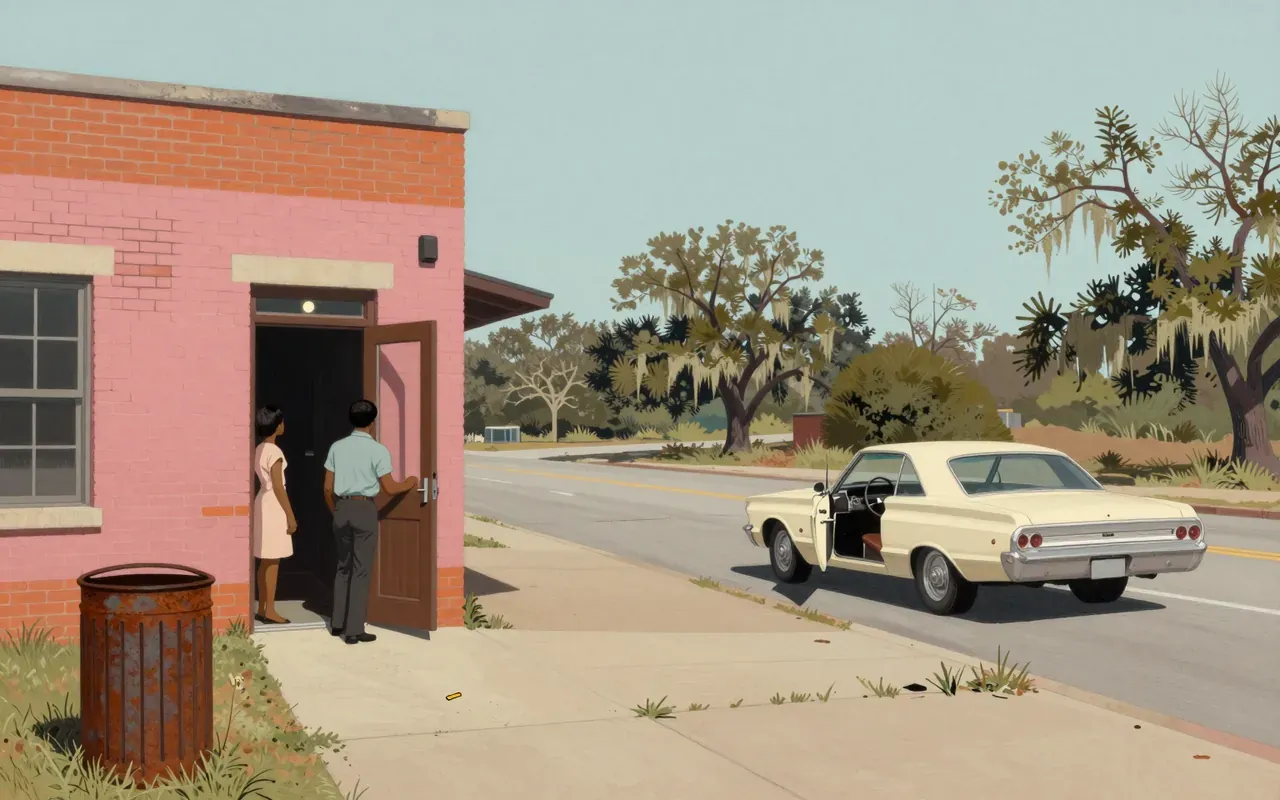
The album was recorded partly at FAME Studios in Muscle Shoals, Alabama, and partly at Atlantic Studios in New York after an on-site altercation. The title track and 'Do Right Woman' began in Muscle Shoals with the Muscle Shoals Rhythm Section; both were completed in New York with those same musicians flown in. A tape-speed discrepancy between studios caused audible tuning inconsistencies, notably a faintly sharp piano against the Muscle Shoals rhythm bed.
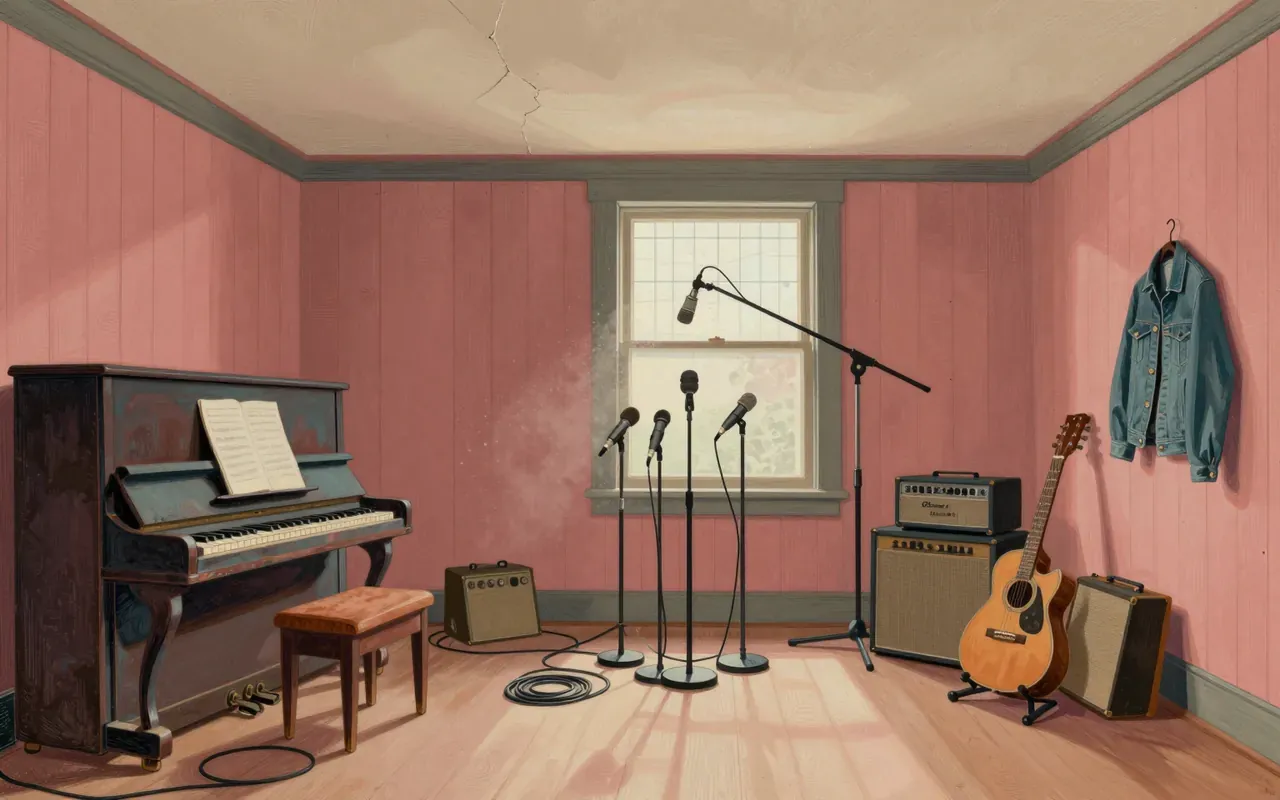
John Prine’s 1971 debut is a document of lyrical authority—not sonic ambition. It was made fast, in two studios, with musicians unused to his unswinging phrasing. Its power lies in what it names, not how it sounds.
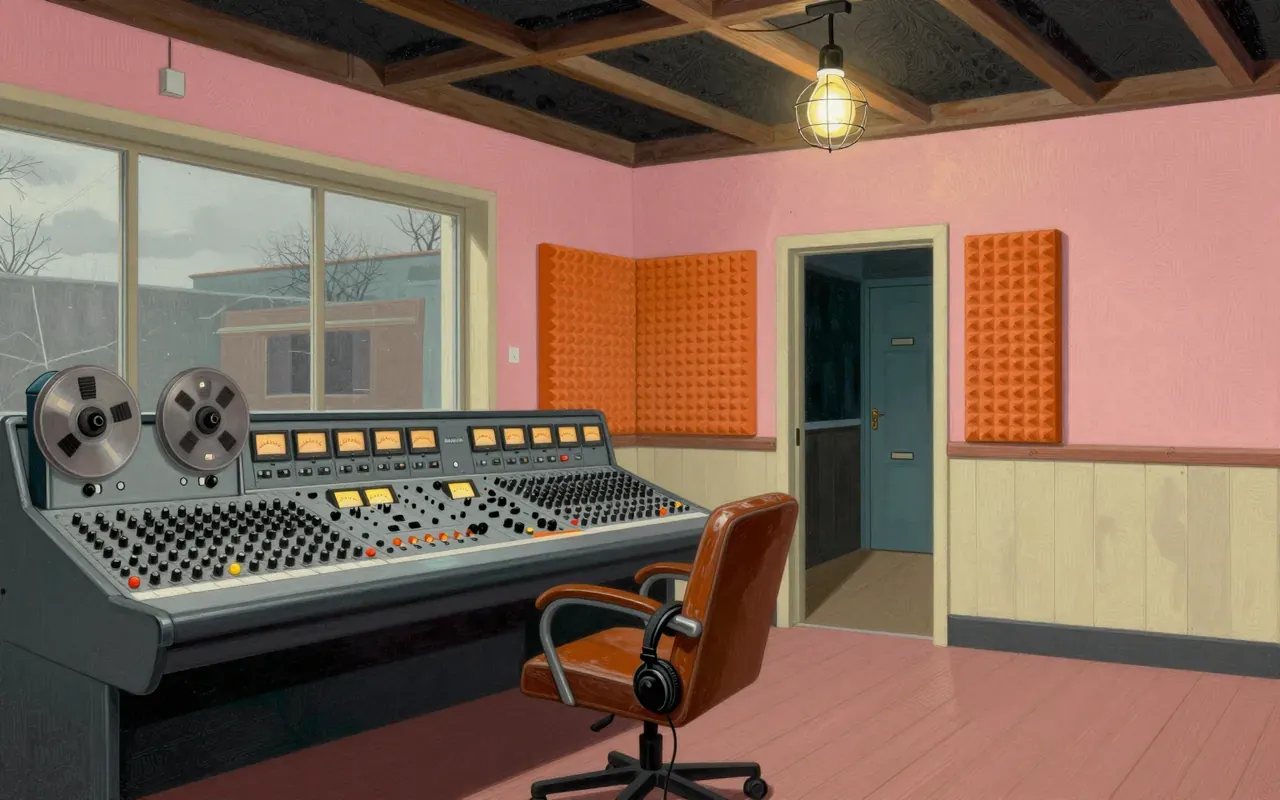
Led Zeppelin II is the sound of a band building its own world, one studio, one tour stop, one riff at a time — and refusing to wait for permission, equipment, or quiet.
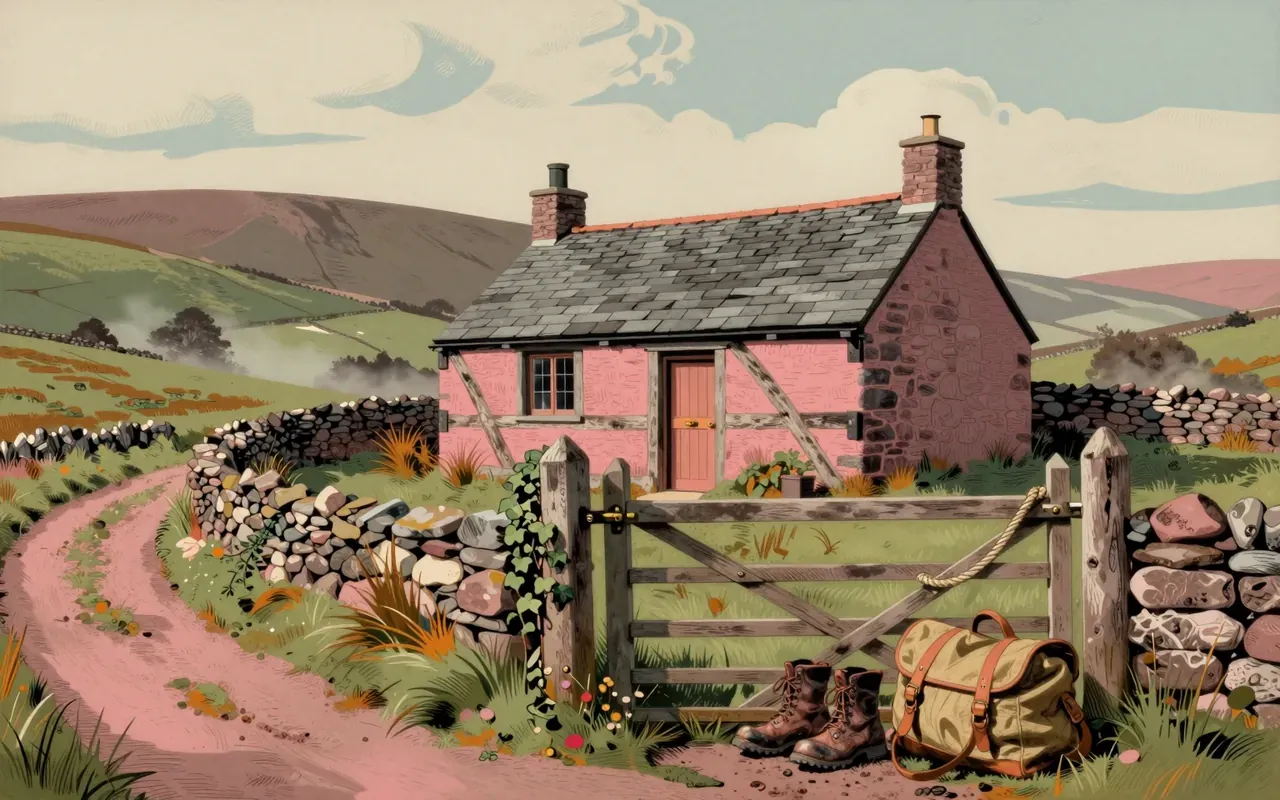
Led Zeppelin III is a 1970 album written at Bron-Yr-Aur, a remote Welsh cottage, and recorded mostly at Headley Grange using the Rolling Stones Mobile Studio. It is Led Zeppelin’s deliberate pivot toward folk and acoustic music — their first full reckoning with space, silence, and stringed texture.
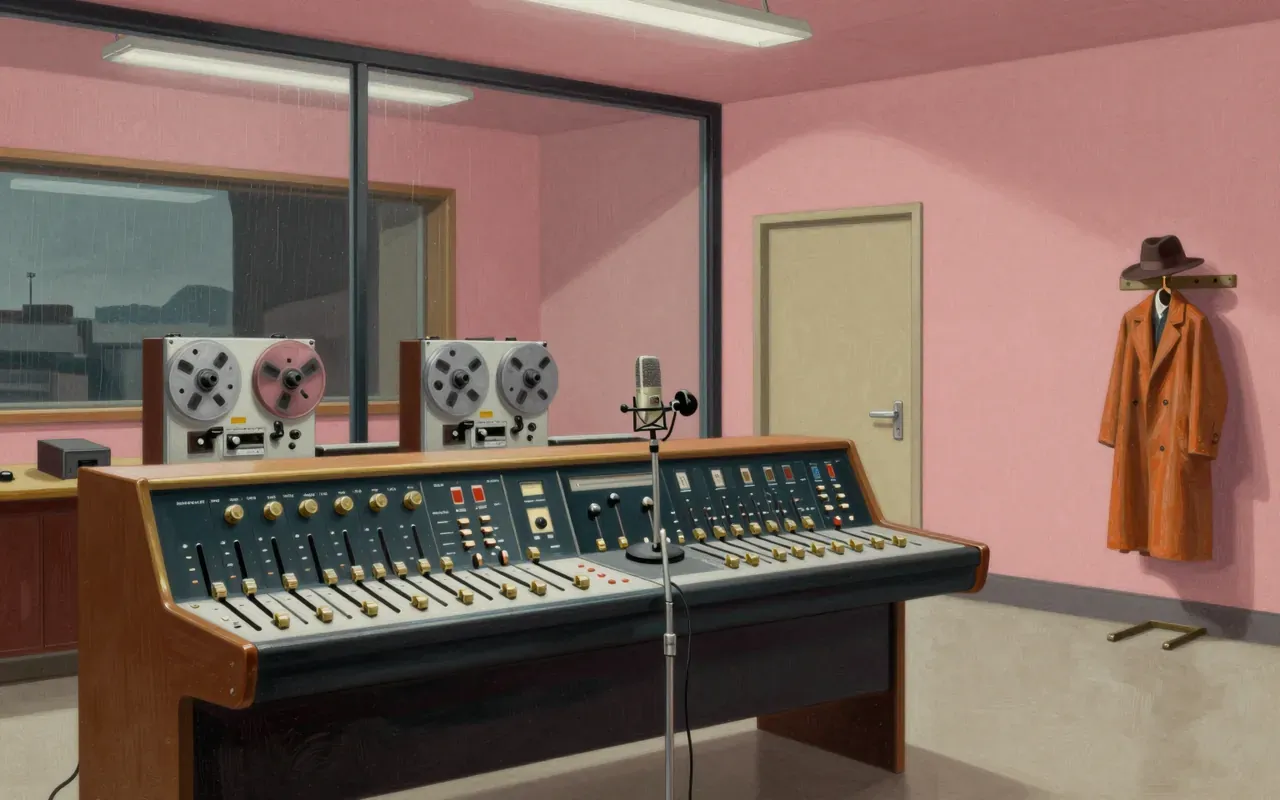
My Favorite Things is a modal jazz landmark built on repetition, not progression. It uses the soprano saxophone not for nostalgia but for incision. It replaces harmonic motion with tonal stasis. It is precise, not indulgent. It is demanding, not welcoming.
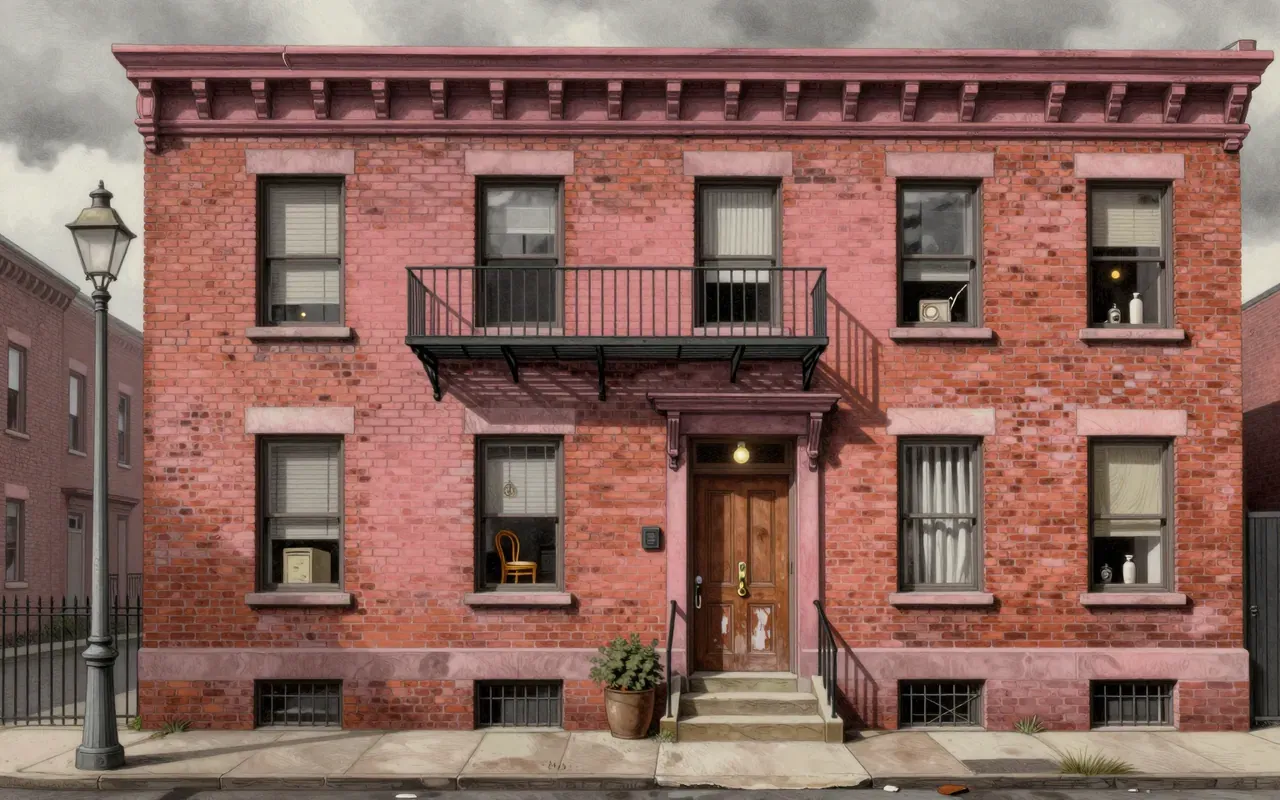
Physical Graffiti is Led Zeppelin’s 1975 double album — their first release on Swan Song. It contains fifteen tracks: eight recorded at Headley Grange in early 1974, and seven drawn from earlier sessions. It was conceived as a double LP after the new material nearly filled three sides of an LP.
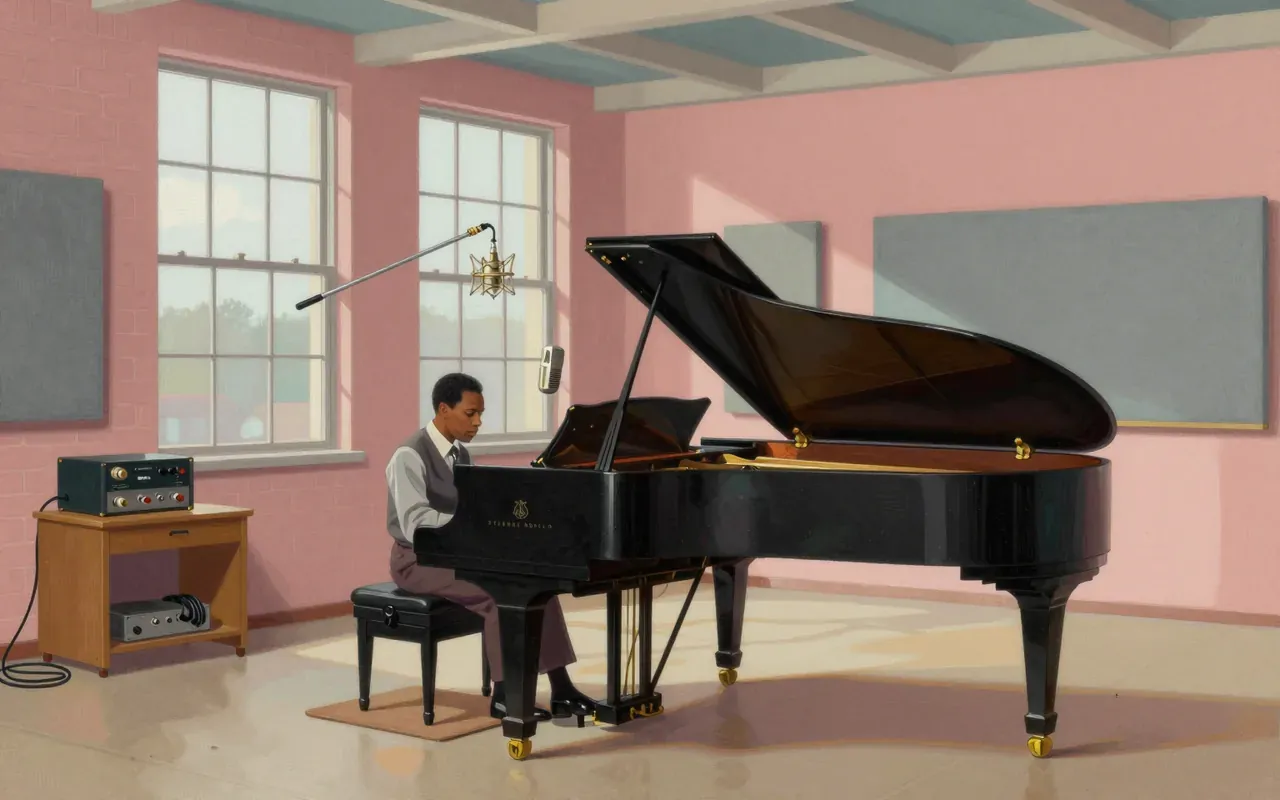
A 1959 Atlantic big band album. First Top 40 for Ray Charles. Two sides: big band swing (Side one) and string ballads (Side two). Arranged by Quincy Jones, Ernie Wilkins, Ralph Burns and others. Features tributes to Louis Jordan. Vocal focus — especially on 'Come Rain or Come Shine'. Peaked at No. 17 on Billboard.
The Yes Album is Yes’s third studio album, their first consisting entirely of original material, written and rehearsed at Langley Farm in Romansleigh, Devon, and recorded at Advision Studios in London in autumn 1970.

A live gospel album recorded over two nights in a Los Angeles Baptist church in January 1972, featuring Aretha Franklin, Rev. James Cleveland, and the Southern California Community Choir. Piano, choir, claps, stomps, and Franklin’s voice — unvarnished, unrehearsed, unseparated from the room. No studio polish. No overdubs except one track moved for vinyl length. Reinterprets gospel standards — including Mahalia Jackson’s 'How I Got Over' — as living tradition, not museum piece. Filmed for a concert film released 46 years later.
Back in Black is AC/DC’s 1980 album, recorded over seven weeks from mid-April to May 1980 at Compass Point Studios in the Bahamas. It followed Bon Scott’s death. Brian Johnson replaced him as vocalist. The songwriting began with Scott and concluded with Johnson.

Disco Inferno is a 1976 Philadelphia soul-disco record by The Trammps, produced by MFSB mainstays Ronnie Baker, Norman Harris and Earl Young, and co-written by MFSB arranger Ron Kersey. Its title track was inspired by the 1974 film The Towering Inferno. A Dolby noise reduction error during mixdown — later corrected by engineer Jay Mark — gave it an unusually wide dynamic range, making its kick drum and staccato strings hit with uncommon physical force. It landed on the Grammy-winning Saturday Night Fever soundtrack in 1977. The record is not subtle, not ambient, not ironic. It is urgent, rhythmic, and built for motion.

Free Jazz is the first full-length document of collective, non-idiomatic improvisation as compositional method. It uses stereo separation not for effect but for argument: two autonomous groups coexisting without hierarchy, negotiation, or synthesis.
A foundational disco record built on repetition, restraint, and vocal embodiment — not songwriting.
Lupe Fiasco’s Food & Liquor is a thematically dense, string-saturated hip-hop debut rooted in Chicago storefront logic—not abstract ambition. It lands where sound and subject align: 'Kick, Push', 'Daydreamin'', and 'American Terrorist'. It falters where runtime swells without function—especially the 'Outro'. No filler. No myth. Just food, liquor, strings, and scrutiny.
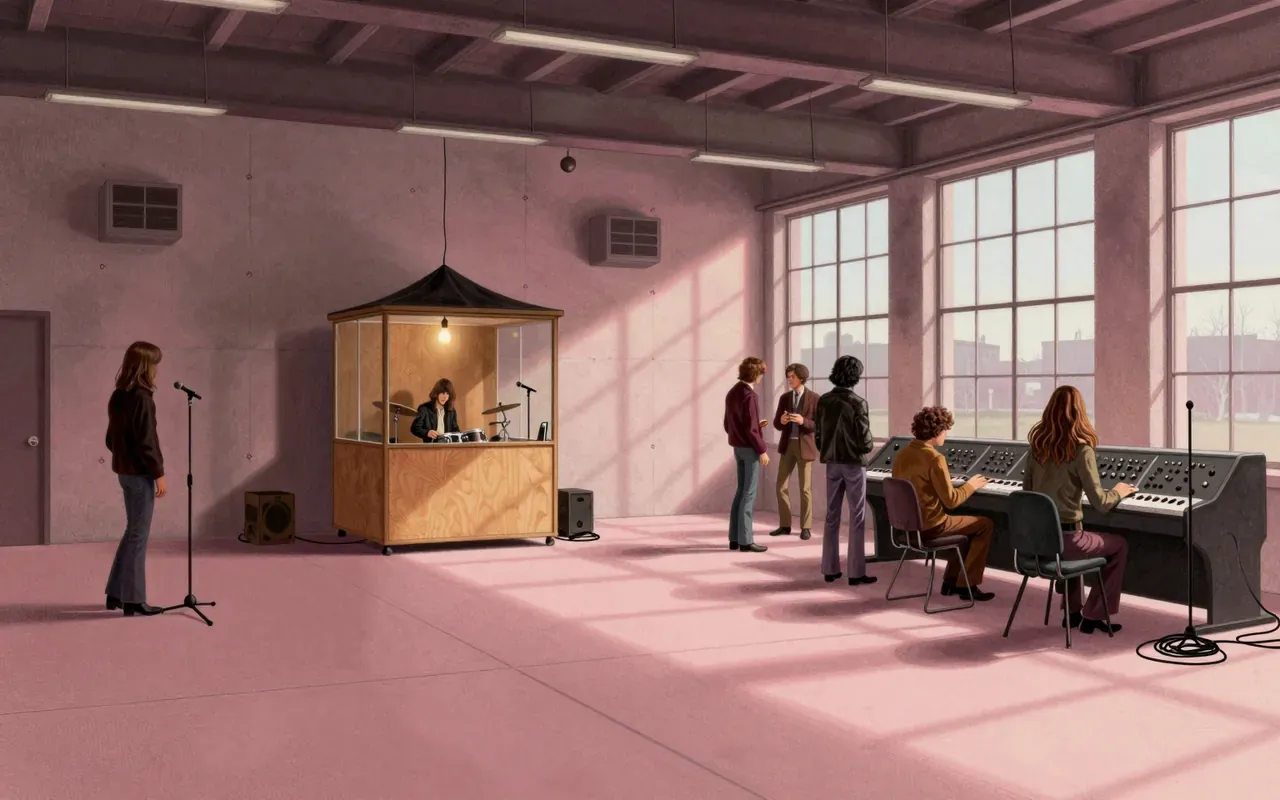
Risqué is a studio-built rhythm document — not a song cycle, not a concept, not a statement. It is a demonstration of how much can be done with three instruments, four microphones, and one room.
The Cool is a narrative-concentrated hip-hop record, anchored in loss and executed with structural rigour—not sonic novelty.
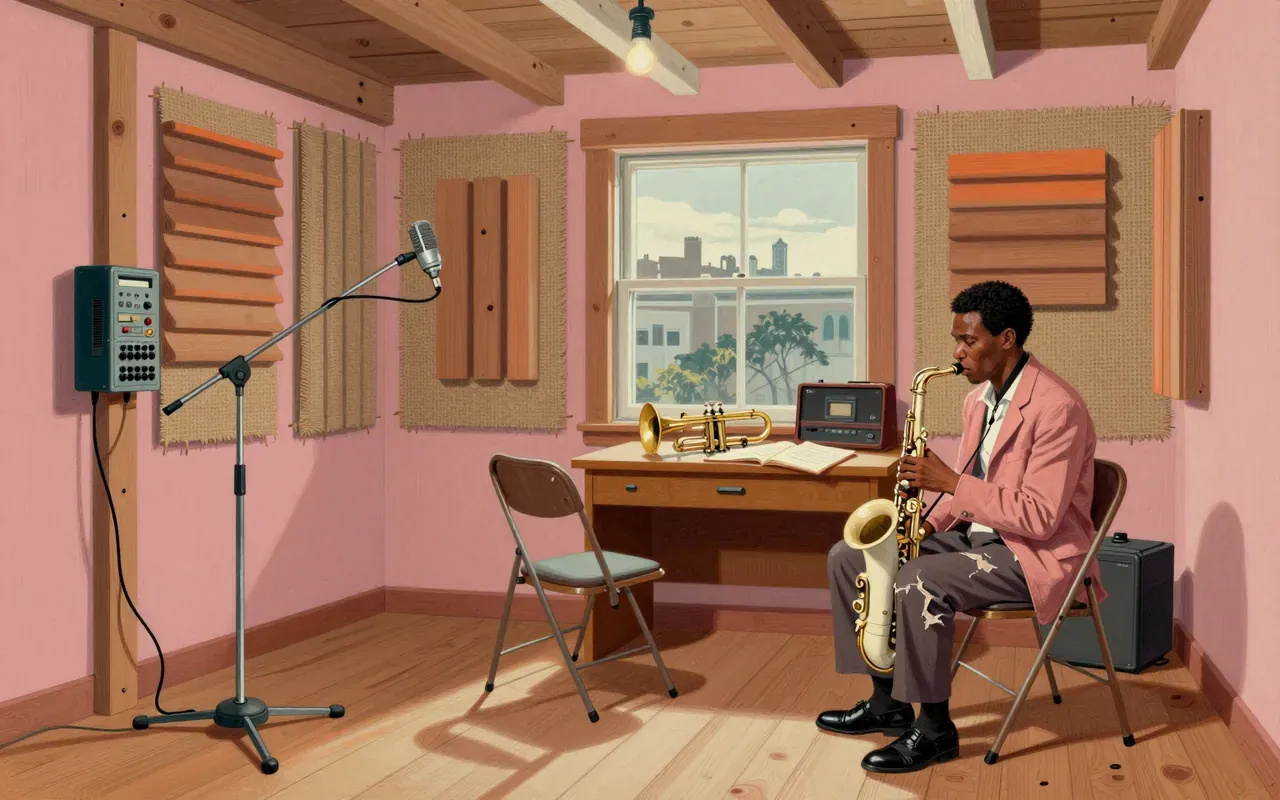
The Shape of Jazz to Come is Ornette Coleman’s third studio album and Atlantic Records debut, recorded on May 22, 1959, at Radio Recorders in Hollywood. It features Coleman (plastic Grafton saxophone), Don Cherry (cornet or pocket trumpet), Charlie Haden (bass), and Billy Higgins (drums). There is no chordal instrument. Each composition follows a structure of brief thematic statement, free improvisation, then repetition of the main theme—resembling bebop’s head-solo-head form but abandoning chord structures entirely. The album dispenses with harmonic accompaniment and focuses solely on improvised melodies and variations on themes and motifs. Its sound is defined by Coleman’s harsh Grafton timbre and the quartet’s collective, non-hierarchical interplay.
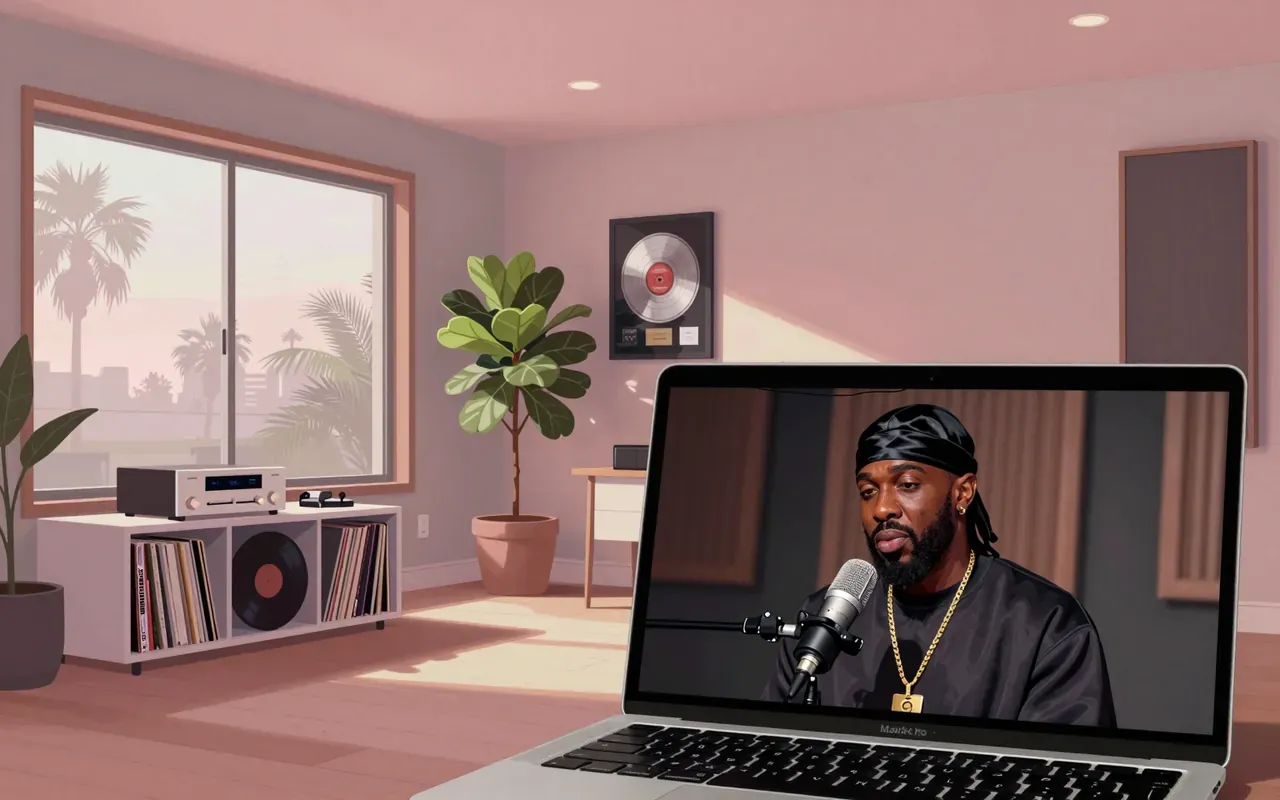
Twice as Tall is Burna Boy’s fifth studio album, released on 14 August 2020. It was recorded mainly in Ahoada, Nigeria during the 2020 pandemic. Burna Boy, Diddy and Bose Ogulu served as executive producers. Telz was the primary producer, with additional production from Rexxie, Timbaland and DJDS. Diddy provided spoken intros, including on 'Alarm Clock'. 'Bebo' was produced by Rexxie and addresses authenticity. 'Wonderful' and 'Onyeka' were produced by Telz and recorded in Nigerian pidgin and Yoruba. The album debuted at number one on the Billboard World Albums Chart and won the Grammy Award for Best Global Music Album at the 63rd Annual Grammy Awards.
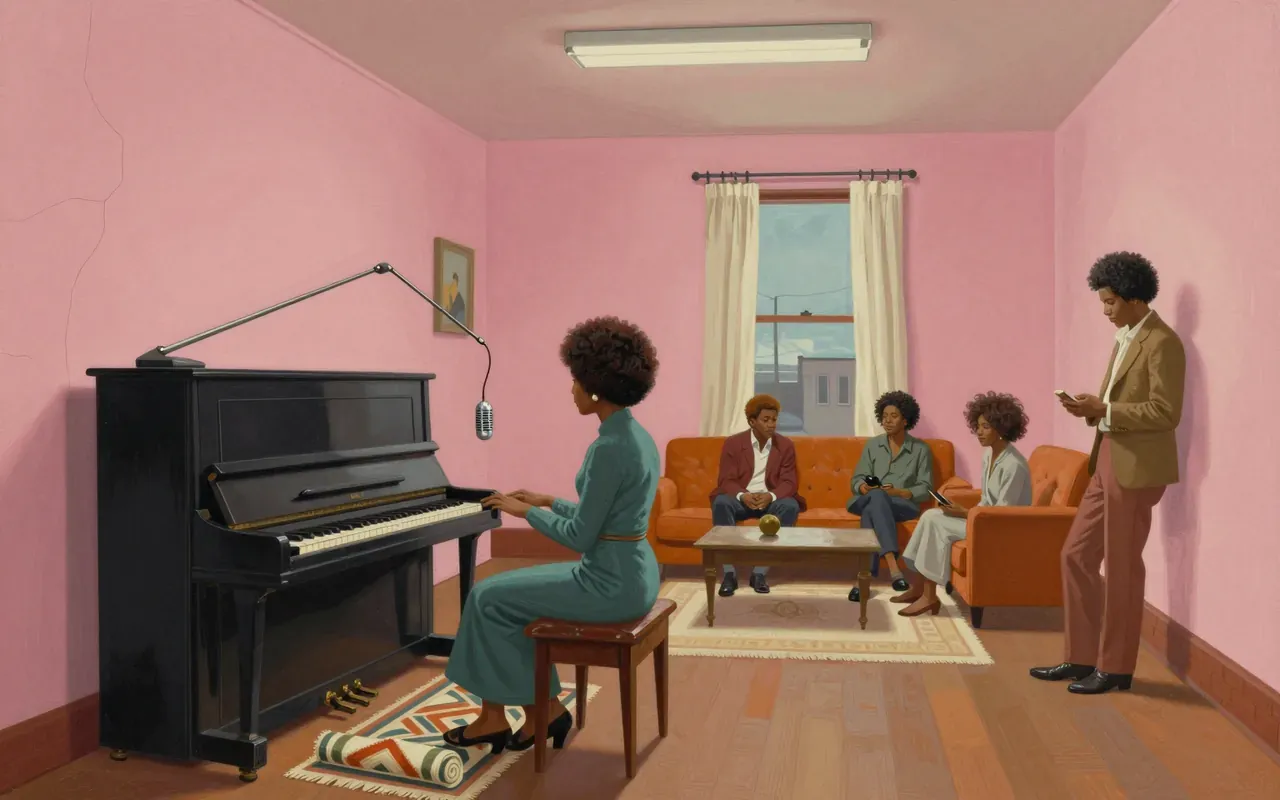
A tightly constructed studio statement from Franklin’s commercial and creative peak — rooted in Miami, built by Wexler/Dowd/Mardin, anchored by originals and reframed covers.
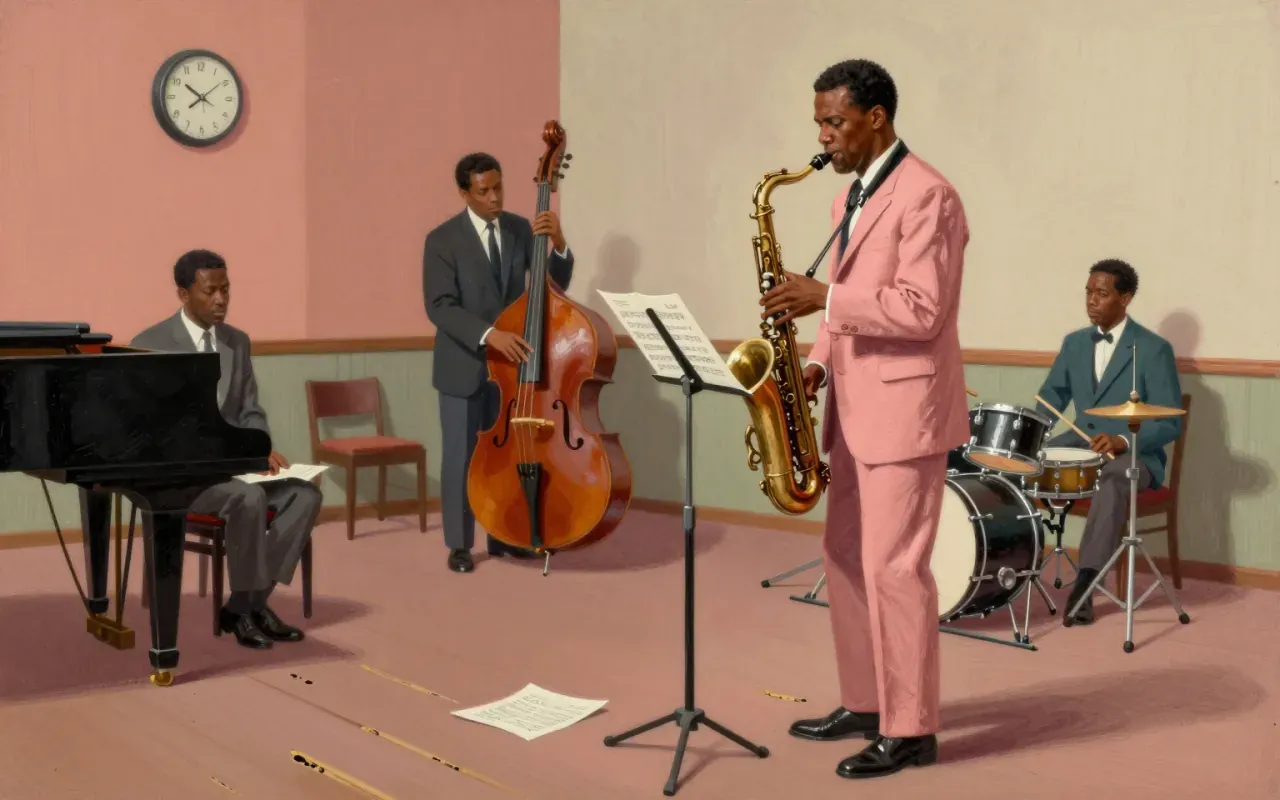
John Coltrane's first album as leader for Atlantic gathers sessions from three dates in 1959, built around a rapid, major-third chord movement that has since become a standard saxophone exercise. Alongside the title track's difficulty sit gentler pieces named for his family, including the ballad Naima, showing the same harmonic ideas turned toward tenderness.
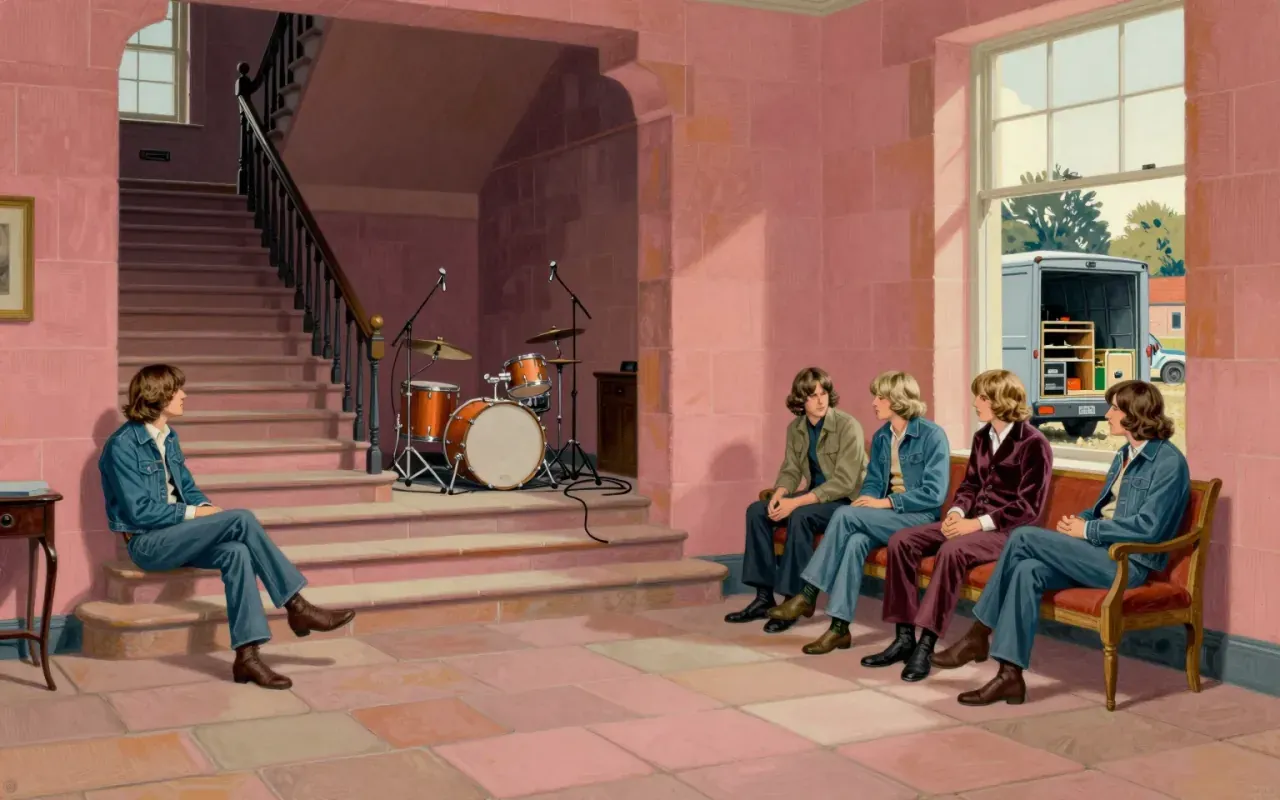
Recorded largely in the relaxed, distraction-free setting of a Hampshire country house after a cooler reception for its predecessor, Led Zeppelin's fourth album carries no title or band name at all, pairing folk instrumentation and English mythology with some of the group's heaviest studio recordings.
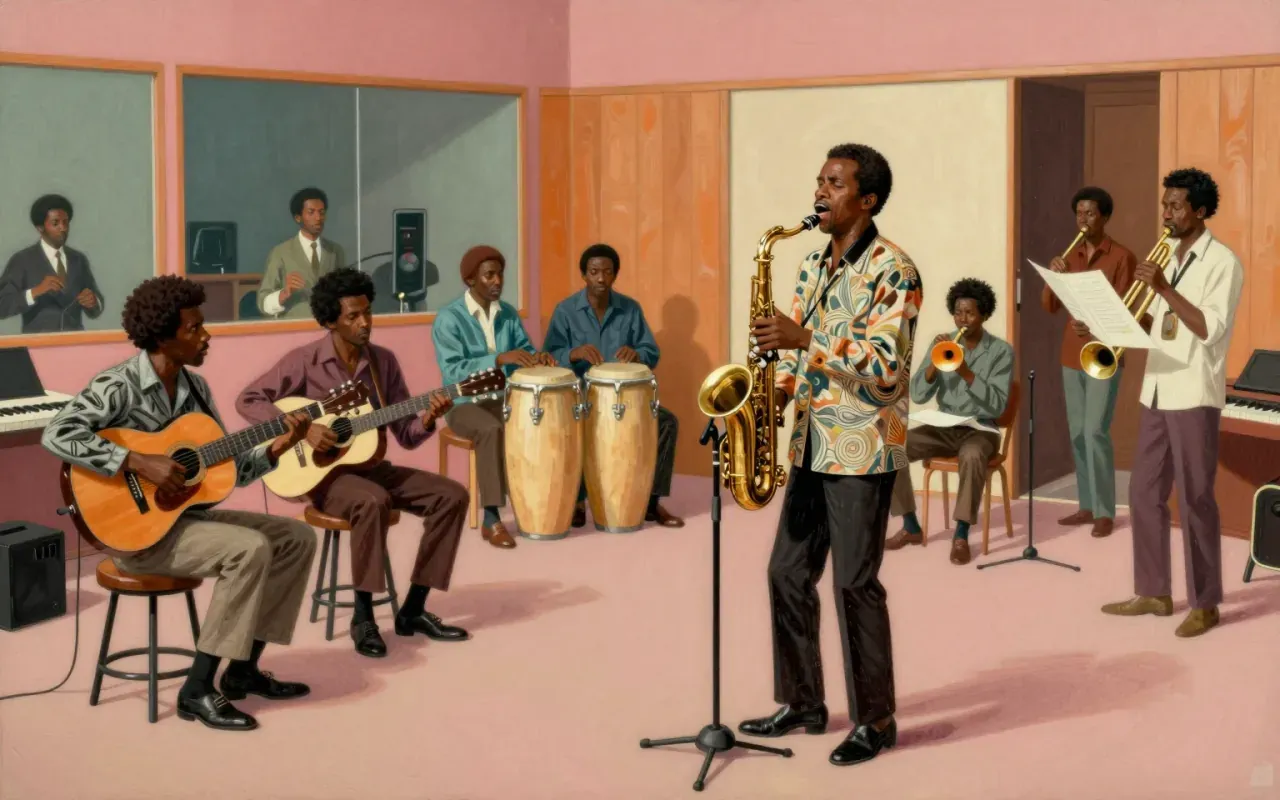
Built around the crossover single already circulating a year earlier, Manu Dibango's Soul Makossa sets Cameroonian makossa rhythm against jazz and funk phrasing across seven tracks. The title track's hook became the most sampled fragment in African popular music, a legacy the album now carries alongside the record's own, less-discussed range.