Saved
Worth your time

Yes.

1153 briefs · 10810 min · 577–672 on page 7 of 13
9:49

Faith

George Michael · 1987

Faith is a studio-built pop record that replaces live-band dynamics with drum-machine precision, overdubbed textures, and total authorial control. It landed as a commercial and critical phenomenon — but its sound is deliberate, isolated, and repeatable, not spontaneous or communal.

10:01

Fantastic Vol. 2

Slum Village · 2000

Fantastic, Vol. 2 is a foundational Detroit hip-hop document because it refuses to explain itself — it simply occupies space with warmth, restraint, and unbroken groove.

11:48

Fear of Music

Talking Heads · 1979

Fear of Music was recorded live in two days in Chris Frantz and Tina Weymouth’s Long Island City loft. Brian Eno co-produced and applied electronic treatments after the fact. David Byrne’s lyrics fixate on urban isolation and unnamed dread. The sound merges post-punk rock and funk. The recording environment — raw, wired, untreated — defines the album more than any instrument or melody.

10:10

Fetch the Bolt Cutters

Fiona Apple · 2020

Fetch the Bolt Cutters is Fiona Apple’s fifth studio album, recorded from 2015 to 2020 primarily in her Venice Beach home with Amy Aileen Wood, Sebastian Steinberg, and Davíd Garza. It uses GarageBand, found-object percussion, and domestic space as core instruments. The album consists of 13 self-produced tracks, won the Grammy for Best Alternative Music Album, and its lead single 'Shameika' won Best Rock Performance. It was in final stages as of September 2019 and released digitally on April 17, 2020.

10:10

Fever to Tell

Yeah Yeah Yeahs · 2003

Fever to Tell is a decisive, unpolished statement — not a slow-burn classic, but a live-wire document of a band refusing compromise. It trades finesse for force. Its power comes from what’s left in: Karen O’s voice, Zinner’s bass under the surface, the tight snap of the drums, and the dry acoustics of a Brooklyn basement studio.

8:58

Fleet Foxes

Fleet Foxes · 2008

Fleet Foxes’ self-titled 2008 debut was recorded mostly in domestic spaces — Pecknold’s parents’ basement and Wescott’s home — due to tight funds; it aimed for simplicity through harmonies and unconventional structures, underwent full re-recording and exhaustive revision, and was produced by Phil Ek with vocals added the night before final mixing. Its pastoral acoustic sound foregrounds vocal arrangements modelled on classical string textures, informed by folk, gospel, psychedelic pop and Sacred Harp styles, with lyrics rooted in Pecknold’s rural surroundings, philosophical reflection and personal abandonment — not love songs.

9:21

For Emma, Forever Ago

Bon Iver · 2007

For Emma, Forever Ago is a folk record defined by its limits — one room, one microphone, one voice multiplied, one guitar tuned to itself. It is not raw; it is meticulously assembled. It does not feel like confession — it feels like architecture.

9:43

For Your Pleasure

Roxy Music · 1973

For Your Pleasure is Roxy Music’s second studio album, released in March 1973. It was recorded in February 1973 at AIR Studios in Oxford Circus, London. Roxy Music self-produced it with Chris Thomas; John Middleton and John Punter handled audio engineering. The band spent more studio time on this album than on their debut, integrating Bryan Ferry’s songs with more elaborate production treatments. The title track ends with an elaborate fade-out using tape loop effects. Amanda Lear, Ferry’s girlfriend at the time, was photographed with a black jaguar for the front cover, while Ferry appears on the back cover as a dapper chauffeur standing behind a limousine. It marked the beginning of Roxy Music’s long, successful collaboration with producer Chris Thomas. It was promoted with the non-album single 'Pyjamarama'. It is the final Roxy Music album to feature Brian Eno, who departed soon after the supporting tour ended.

8:15

Forever Changes

Love · 1967

Forever Changes is a 1967 studio album by Love, recorded at Sunset Sound Recorders. It features acoustic guitars, orchestral arrangements, and dark lyrical themes. It was co-produced by Arthur Lee and Bruce Botnick.

9:50

Fragile

Yes · 1971

Fragile is Yes’s fourth studio album, released in late 1971. It marks Rick Wakeman’s debut and Tony Kaye’s departure over resistance to electronic keyboards. Recorded in August–September 1971 at Advision Studios on a 16-track machine, it features four group compositions and five individual member pieces — a structural choice driven by budget and time constraints. Eddy Offord co-produced with the band. The album introduced Wakeman’s expansive keyboard palette and established the band’s signature progressive sound.

9:48

Francis Albert Sinatra & Antônio Carlos Jobim

Francis Albert Sinatra · 1967

A 1967 studio collaboration between Sinatra and Jobim, recorded over two days in Hollywood with Claus Ogerman arranging and conducting a studio orchestra. Features bossa nova treatments of Jobim originals and three Great American Songbook standards. Sinatra sings unusually softly — likened to his 1950 vocal hemorrhage — and the mood is consistently romantic and regretful. Al Viola substituted on guitar for 'Change Partners'. Lyricists attended. Grammy-nominated. One of 1967’s best-selling albums.

9:54

Freak Out!

The Mothers of Invention · 1966

Freak Out! is a satirical, structurally ambitious double album that uses studio craft, quotation, and genre collision to dissect American pop culture. Its power lies in how deliberately every decision — from personnel to sequencing to censorship — serves that critique.

9:26

Fresh Fruit for Rotting Vegetables

Dead Kennedys · 1980

Fresh Fruit for Rotting Vegetables is a tightly wound, ideologically charged debut that uses minimal means — one drummer, one extra guitarist, sparse keyboards, stacked backing vocals on a single track — to deliver maximum friction. Its sound is stripped, urgent, and unrelenting. Its ideas are specific, prosecutorial, and unapologetic. It does not invite reflection — it demands reaction.

9:39

From Elvis in Memphis

Elvis Presley · 1969

From Elvis in Memphis is Elvis Presley’s tenth studio album, recorded at American Sound Studio in Memphis in January and February 1969 under producer Chips Moman with the Memphis Boys. It marked his return to non-soundtrack albums after fulfilling his MGM film contract and followed the success of his 1968 NBC television special. The sessions were deliberately chosen for their southern soul sound, resulting in a 'country soul' style characterized by country song selections and frequent use of the dobro. Though RCA’s policy required recording in its own studios, the label sent personnel to American Sound. Presley began recording while nursing a cold, and the sessions included contributions from American Sound engineer Ed Kollis on harmonica. The album features a blend of soul, country, gospel, and blues, with arrangements emphasizing the rhythm section and incorporating strings, brass, and syncopation. Twelve tracks were selected from thirty-four recorded, including standout performances like 'In the Ghetto' and 'Suspicious Minds'.

10:06

Full Moon Fever

Tom Petty · 1989

Full Moon Fever is Tom Petty’s first solo album, released in 1989. It was recorded in 1988 in Mike Campbell’s garage studio, co-produced by Petty, Campbell, and Jeff Lynne, with contributions from Roy Orbison and George Harrison. The sound is cleaner and glossier than previous Heartbreakers records, shaped by Lynne’s use of layered keyboards and backing vocals. It features the hit singles 'I Won’t Back Down', 'Free Fallin’' and 'Runnin’ Down a Dream', plus a Byrds cover ('Feel a Whole Lot Better') and a nod to Del Shannon. Two tracks were cut — 'Down the Line' and 'Don’t Treat Me Like a Stranger' — and released as B-sides. An early draft of 'Mary Jane’s Last Dance', titled 'Indiana Girl', was written during the sessions. The album was interrupted to record the first Traveling Wilburys album. Ringo Starr appears in the 'I Won’t Back Down' video but did not play on the track — Phil Jones did.

10:01

Fun House

The Stooges · 1970

Fun House is not chaotic by accident. It is chaotic by design—every choice made to collapse distance between player, instrument, room, and listener.

10:43

Funeral

Arcade Fire · 2004

Funeral is Arcade Fire’s debut studio album, recorded mostly over one week in August 2003 at Hotel2Tango in Montreal, with extra sessions at Win Butler and Régine Chassagne’s apartment, completed in 2004. It is a document of collective bereavement — Chassagne’s grandmother (June 2003), the Butlers’ grandfather Alvino Rey (February 2004), Parry’s aunts (April 2004) — and of a winter power outage remembered from the 1998 North American ice storm.

10:36

Funky Kingston

Toots & The Maytals · 1973

Funky Kingston is a 1973 reggae album by Toots & The Maytals, recorded at Dynamic Sound Studios in Kingston. It features authentic Jamaican arrangements with only minor producer interventions — most notably horn overdubs by the Ghanaian band Sons of the Jungle — and incorporates American R&B covers alongside original material. The album reflects working-class life in Jamaica and bridges reggae with soul inflections, particularly through Toots Hibbert’s vocal delivery. Personnel include core Maytals members plus additional drummers and horn players. Critical reception highlights its exuberance, authenticity, and significance as a foundational reggae document distinct from Bob Marley’s output, though assessments vary between the two versions due to their differing contents and production contexts. The title track has appeared widely in film, television, and video game soundtracks. The album’s title was suggested by producer Chris Blackwell, inspired by the crossover success of 'Funky Nassau' and the rising popularity of the term 'funky'.

11:26

Future Nostalgia

Dua Lipa · 2020

Future Nostalgia is a tightly wound, rhythm-first pop record built for motion. Its sound is defined by live-sounding funk bass, crisp synth stabs, and lush strings—all arranged with surgical consistency. It draws from 1970s–2000s pop textures but never fractures them. It lands where it aims: in the hips, not the head.

9:11

Gasoline Alley

Rod Stewart · 1970

Gasoline Alley is Rod Stewart’s second solo album, released in the autumn of 1969. It continues the musical approach of his debut and introduces mandolin into his sound.

9:59

Get Rich or Die Tryin’

50 Cent · 2003

Get Rich or Die Tryin’ is 50 Cent’s 2003 debut studio album, executive-produced by Eminem and Dr. Dre to fuse gangsta rap and R&B. It features production by Mike Elizondo, Sha Money XL, Mr. Porter, Rockwilder, Dirty Swift, and Megahertz. Guest appearances include Eminem, Young Buck, Nate Dogg, Lloyd Banks, and Tony Yayo. 'In da Club' was one of seven tracks recorded with Dr. Dre in five days. 'Back Down' repurposed an unused instrumental from Rakim’s unreleased Oh My God. The album debuted at #1 on the Billboard 200 with 872,000 copies sold in four days. It spawned two Billboard Hot 100 number-one singles: 'In da Club' and '21 Questions' (featuring Nate Dogg). Rolling Stone noted its 'dark synth grooves, buzzy keyboards and a persistently funky bounce'. The Source highlighted 'In da Club’s' 'blaring horns, funky organs, guitar riffs and sparse hand claps'. It received Multiple Platinum certification by the RIAA.

9:26

Ghosteen

Nick Cave and the Bad Seeds · 2019

Ghosteen is a deliberate reduction — of rhythm, of narrative, of band-as-unit — into sustained ambient texture and falsetto-led abstraction. Its power lies in what it omits.

10:20

Going to a Go‐Go

Smokey Robinson and The Miracles · 1965

A 1965 Tamla album assembled across 1963–1965 at Hitsville USA in Detroit. Six tracks predate the album’s release. Smokey Robinson produced and sang lead; Pete Moore arranged vocals and co-wrote seven songs; Marv Tarplin played guitar on three tracks; The Funk Brothers and Detroit Symphony Orchestra provided instrumentation. Four singles charted Top 20 on Billboard Hot 100 and Top 10 on R&B. Released under the name Smokey Robinson and the Miracles. Listed in Rolling Stone’s 500 Greatest Albums.

9:18

Golden Hour

Kacey Musgraves · 2018

Golden Hour is a pop-country record that merges acoustic instruments with electronics to evoke lightness, love, and cosmic scale. Its sound is smooth, its themes universal, its production deliberate. It does not challenge genre boundaries — it dissolves them quietly.

10:42

Goo

Sonic Youth · 1990

Goo is Sonic Youth’s 1990 DGC debut: a calculated expansion of their noise-pop vocabulary using expanded studio capacity, abstract mic placement, and heightened vocal roles. It landed ‘Kool Thing’ and ‘Mote’ with force, stumbled through brevity and excess, and proved accessibility need not mean simplicity. It is a record about making space—not for listeners, but for ideas, instruments, and friction.

10:38

Good Old Boys

Randy Newman · 1974

Good Old Boys is a piano-led, lyric-first concept album about the American South, built from irony, historical reference, and vocal ambiguity—not sonic spectacle. It trades resolution for resonance, and clarity for complicity.

9:29

Grace

Jeff Buckley · 1994

Grace is Jeff Buckley’s only studio album. Recorded 1993–1994. Primary location: Bearsville Studios, Woodstock. Core band: Mick Grøndahl (bass), Matt Johnson (drums). Key collaborators: Gary Lucas (guitar), Karl Berger (strings), Michael Tighe ('So Real'), Andy Wallace (producer/engineer/mixer), Clif Norrell ('So Real'). Released August 23, 1994.

9:04

Graceland

Paul Simon · 1986

Graceland is not a protest record—it’s a studio-as-collaboratory, where South African rhythm became Paul Simon’s new grammar.

10:31

Green Onions

Booker T. & the M.G.s · 1962

Green Onions is the sound of Memphis in summer 1962: dry, direct, unvarnished. Four players. One room. No safety net.

9:58

Green River

Creedence Clearwater Revival · 1969

Green River is Creedence Clearwater Revival’s third studio album, released August 1969. It was recorded March–June 1969 at Wally Heider Studios, with all four members playing live in the same room. John Fogerty wrote, produced, and arranged every track. The album topped the Billboard 200 and went Gold, spawning two major hits — ‘Green River’ and ‘Bad Moon Rising’, both reaching No. 2. Its sound is direct, dry, and disciplined — a rejection of psychedelic sprawl in favour of concise, narrative-driven roots-rock.

10:08

Greetings From L.A.

Tim Buckley · 1972

Tim Buckley's 1972 album Greetings From L.A. is a funk record made after he disbanded his Starsailor ensemble and assembled a new funk band in 1970. It features sexually frank lyrics that hindered radio airplay and alienated his earlier hippie fan base, though he retained a cult following.

11:12

Gunfighter Ballads and Trail Songs

Marty Robbins · 1959

Gunfighter Ballads and Trail Songs is a tightly constructed Western concept album recorded live in one session. Its sound is lean and declarative—vocals, guitars, bass, drums, fiddle, and close harmonies—with no documented effects, no spatial processing, and no instrumental indulgence. It establishes Robbins as a master of narrative economy, but offers no psychological depth, sonic variation, or formal risk. It rewards listeners who prioritise story logic over atmosphere.

11:47

Halcyon Digest

Deerhunter · 2010

Halcyon Digest is Deerhunter’s fifth studio album, released 27 September 2010. It was recorded in June 2010 at Chase Park Transduction studios in Athens, Georgia, with engineer David Barbe, by a four-piece band and producer Ben H. Allen. It is the band’s last album featuring bassist Josh Fauver. The final track, 'He Would Have Laughed', was recorded separately by Bradford Cox at Notown Sound in Marietta, Georgia, as a tribute to Jay Reatard. The album artwork, by Atlanta photographer George Mitchell, depicts Dennis Dinion from the 1982 Miss Star Lite Pageant at the Star Lite Lounge on Ponce de Leon Avenue in Atlanta — selected for its immediate connection to the music, especially 'Basement Scene'. It was Deerhunter’s first album distributed solely by 4AD worldwide.

12:39

Happy Sad

Tim Buckley · 1969

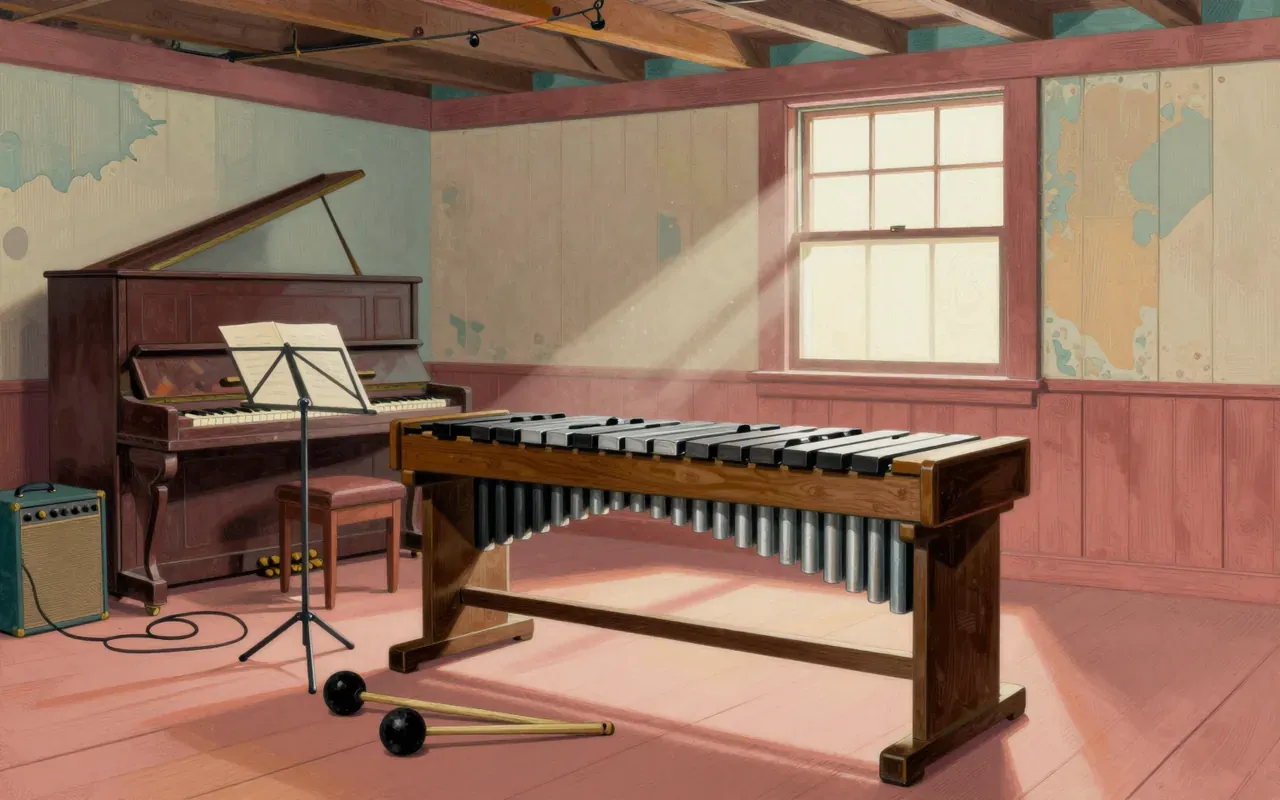
Happy Sad is Tim Buckley’s 1969 third album, recorded at Elektra Sound Recorders in Los Angeles and produced by Zal Yanovsky and Jerry Yester. It reflects folk and jazz influences, features David Friedman’s vibraphone as a defining textural element, and marks Buckley’s first full solo lyric writing after ending his collaboration with Larry Beckett. Its songs are significantly longer than his earlier work, and its vocals are stylized — used as an instrument for the first time. Though it reached No. 81 — Buckley’s commercial peak — it is neither a folk-rock consolidation nor a full avant-garde departure, but a liminal record where structure loosens and sound gains autonomy.

10:54

Happy Trails

Quicksilver Messenger Service · 1969

Happy Trails is a constructed live album — not a document, but a collage. It uses Fillmore recordings as source material, then edits, scores, overdubs and juxtaposes them to make something new: rhythmic, theatrical, and self-aware.

11:43

Heart Like a Wheel

Linda Ronstadt · 1974

Heart Like a Wheel is a technically exact, commercially dominant country-rock record from 1974. It prioritises vocal clarity, instrumental definition, and radio-ready pacing over mood, risk, or ambiguity. Every sound serves the song’s emotional architecture — nothing more, nothing less.

9:26

Heartbreaker

Ryan Adams · 2000

Heartbreaker is a dry, deliberate, folk-influenced debut — recorded fast, played straight, and built on restraint. It establishes Adams as a writer who trusts silence more than crescendo. It falls short of rhythmic urgency or textural surprise. Its ideas are narrow but deeply held. Its sound is the room, the players, and nothing else.

12:44

Help!

The Beatles · 1965

A studio pivot, not a stylistic peak. Lennon leads, McCartney expands. Flutes, strings, tape loops, and overdubs replace live-band urgency. The first Beatles record where the studio is the co-writer.

9:56

Here Are The Sonics!!!

The Sonics · 1965

Here Are The Sonics!!! is a foundational garage rock document — not because it is ‘raw’, but because its constraints (one drum mic, two-track tape, Seattle studio) produce a sound that refuses separation, polish or delay. It is loud, direct and unrelenting. It makes no argument for subtlety. It assumes the listener is already in the room.

10:23

Here’s Little Richard

Little Richard · 1957

Here’s Little Richard is not a retrospective — it is the moment rock and roll became audible. Twelve tracks. No fat. No delay. Just piano, voice, horns, bass, and drums — locked in, loud, and unrepentant.

8:38

High Violet

The National · 2010

High Violet is The National’s fifth studio album, self-produced with Peter Katis and recorded between March 2009 and January 2010 in Aaron Dessner’s Brooklyn garage, Tarquin Studios in Bridgeport, CT, and Kampo Studios in NYC. It features orchestration by Bryce Dessner, Padma Newsome, and Nico Muhly, and was mixed by Peter Katis and Greg Georgio, then mastered by Greg Calbi at Sterling Sound in NYC.

10:52

Highway 61 Revisited

Bob Dylan · 1965

Highway 61 Revisited is a 1965 rock record made in two sessions at Columbia's Studio A in Midtown Manhattan. It features Mike Bloomfield’s blues guitar and Al Kooper’s improvised organ riffs. 'Desolation Row' departs from the electric template, using acoustic guitar and understated bass. The album is named after the actual highway from Dylan’s Minnesota birthplace to New Orleans.

10:31

Home Video

Lucy Dacus · 2021

A precise, unsentimental reckoning with adolescence — made in Richmond, shaped by collaborators, anchored in what actually happened.

11:34

Homogenic

Björk · 1997

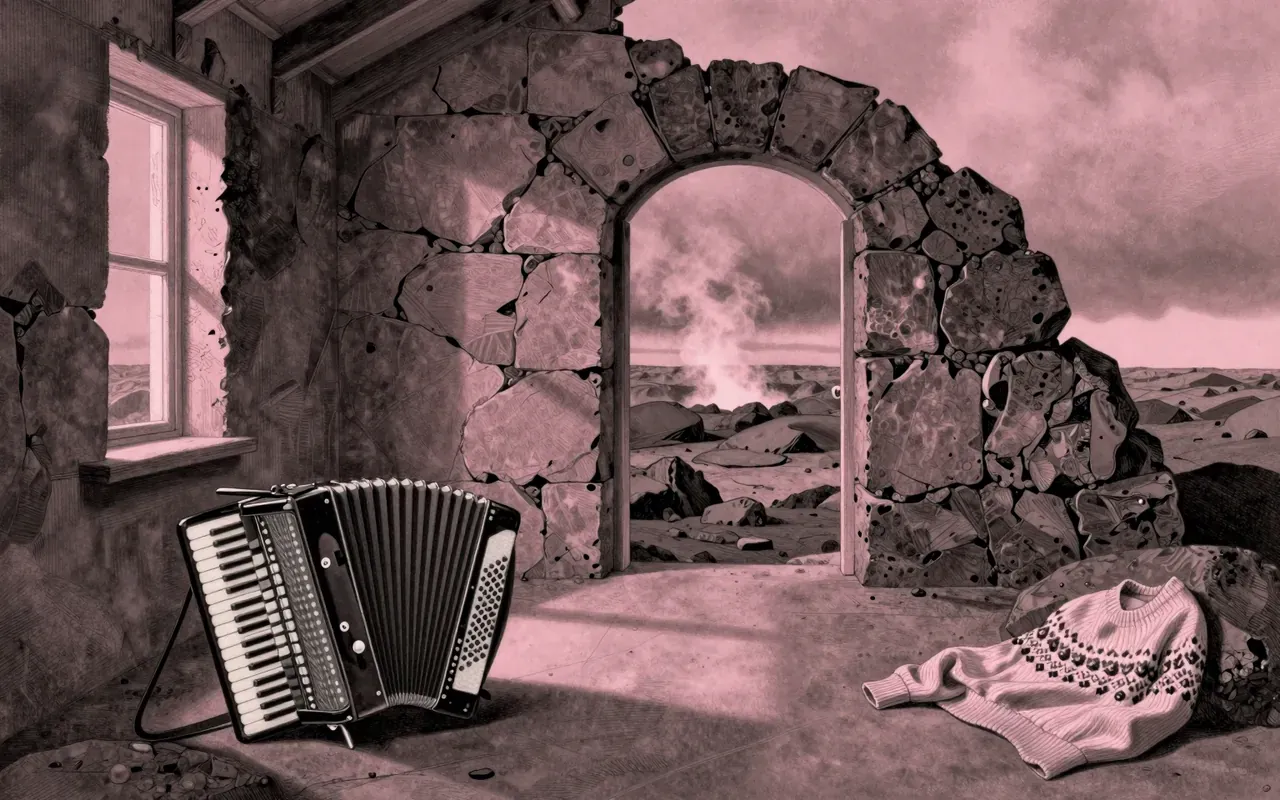
Homogenic is Björk’s third studio album, recorded in Spain in 1996 after halting London sessions due to media attention following a stalker’s murder attempt. Produced with Mark Bell, Guy Sigsworth, Howie B, and Markus Dravs, it fuses chilly strings from the Icelandic String Octet, stuttering abstract beats, and unconventional instruments like accordion and glass harmonica. It is conceptually rooted in Iceland — embodying volcanic rawness and technological modernity — and intended as a simple, one-flavoured departure from her earlier eclecticism. It retains electronic dance-music and techno-futurism but abandons the sweet melodies and peppy dance collages of Debut and Post. 'Unravel' incorporates a traditional Icelandic choral technique blending speech and song. Björk composed melodies on a Casio keyboard and involved non-professionals like babysitter Rebecca Storey in production. The album was delayed due to vocal dissatisfaction and cover reshoots, and released in September 1997.

14:25

Honky Château

Elton John · 1972

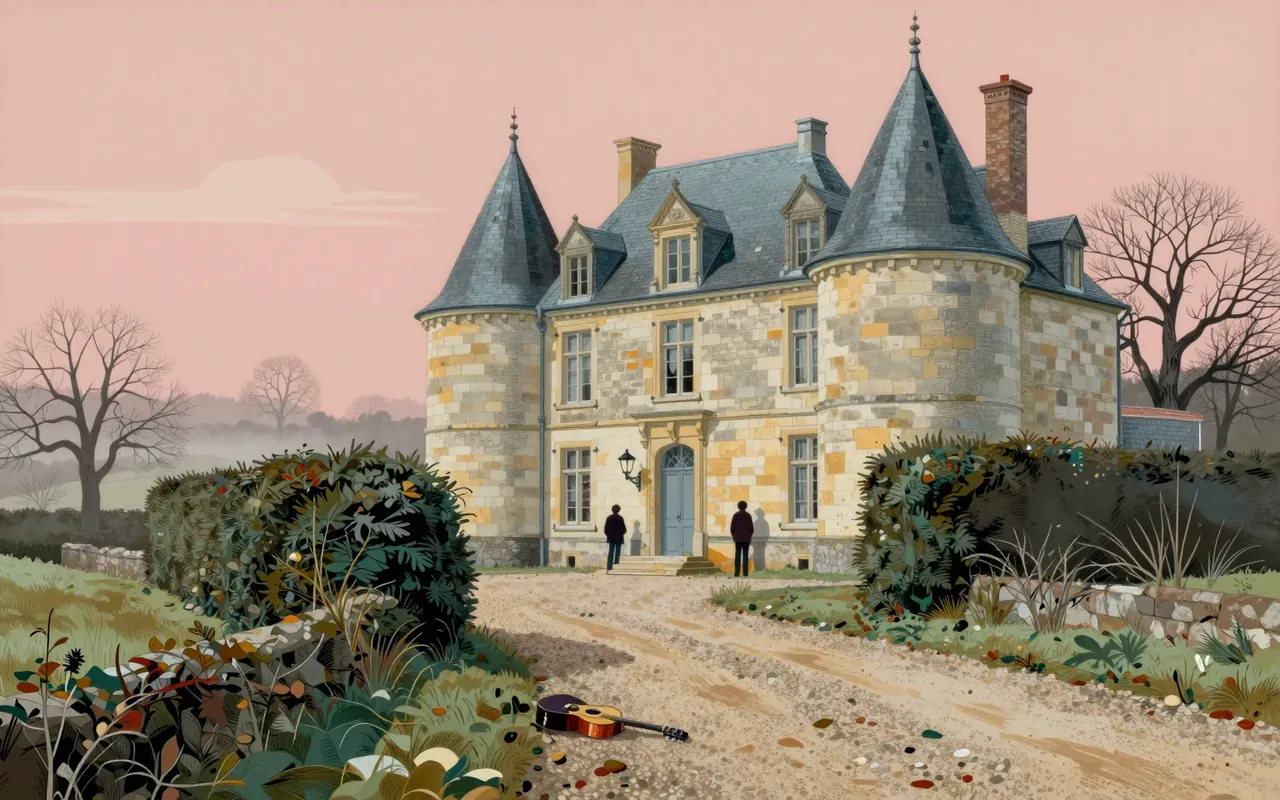
Honky Château is Elton John’s fifth studio album, recorded at Château d'Hérouville in France and released on 19 May 1972. It marks the first full-album studio collaboration with John's touring band — Dee Murray, Nigel Olsson, and newly permanent member Davey Johnstone — and features distinctive musical elements including a New Orleans funk opener with horn arrangements, the debut of the trio's trademark backing vocals on 'Rocket Man', and a remastered alternate version of 'Slave' added in 1995. The album was critically acclaimed for its eclecticism and focus, and it launched John's streak of US number-one albums.

13:23

Hot Rats

Frank Zappa · 1969

Hot Rats is a studio-constructed jazz-rock fusion record built on overdubs and dedicated to Zappa’s newborn son, Dweezil. It was recorded on a custom-built 16-track machine at TTG Studios, with four tracks reserved for stereo drum recording — the first time this was done on a rock album. Five of the six tracks are instrumental; only 'Willie the Pimp' features vocals, by Captain Beefheart. Zappa described it as 'a movie for your ears'. It features his first extended guitar solos and includes 'Peaches en Regalia', one of his most enduring compositions. Jazz, blues and R&B session players shaped its rhythmic and harmonic language. It became popular in England and had a major influence on jazz-rock fusion.

10:14

Hotel California

Eagles · 1976

A studio-built illusion of ease—every note placed, every silence calculated, every escape blocked by tape edits.

10:55

Hounds of Love

Kate Bush · 1985

Hounds of Love is a structurally intentional, sonically sourced, format-aware record — not a mood piece, not a retrospective, not a ‘masterpiece’ by default.

10:39

Houses of the Holy

Led Zeppelin · 1973

Houses of the Holy is Led Zeppelin’s 1973 studio album, recorded primarily at Stargroves in April 1972 using the Rolling Stones Mobile Studio, with additional sessions at Olympic Studios and Electric Lady Studios. It was produced by Jimmy Page and engineered by Eddie Kramer. The album marks a stylistic pivot toward cleaner, more eclectic sounds—incorporating reggae, funk, swing, and psychedelic elements—built from fully developed compositions Page and John Paul Jones brought from their home studios. It features experimental use of mellotron and synthesizers, avoids blues-rock distortion, and prioritises arrangement over improvisation. Its cover, designed by Hipgnosis, shows nude children at the Giant's Causeway and carried no band or album name—a deliberate, controversial choice. It topped global charts and anchored a record-breaking 1973 North American tour.

9:14

I Against I

Bad Brains · 1986

I Against I is a pivotal, uneven pivot — where Bad Brains trade velocity for vocabulary, and pay for it in cohesion.

11:28

I Never Loved a Man the Way I Love You

Aretha Franklin · 1967

The album was recorded partly at FAME Studios in Muscle Shoals, Alabama, and partly at Atlantic Studios in New York after an on-site altercation. The title track and 'Do Right Woman' began in Muscle Shoals with the Muscle Shoals Rhythm Section; both were completed in New York with those same musicians flown in. A tape-speed discrepancy between studios caused audible tuning inconsistencies, notably a faintly sharp piano against the Muscle Shoals rhythm bed.

11:13

I See a Darkness

Bonnie 'Prince' Billy · 1999

A factual anchor for a record whose sound remains undocumented in the source material.

9:31

If You’re Feeling Sinister

Belle and Sebastian · 1996

If You're Feeling Sinister is a tightly wound, quietly ambitious record made fast and faithfully — in a church hall, then a studio, with continuity as its compass.

10:34

Ill Communication

Beastie Boys · 1994

Ill Communication is the Beastie Boys’ fourth studio album, co-produced by the band and Mario Caldato, Jr., recorded between 1993 and 1994 at Tin Pan Alley and G-Son Studios. It expands on their live-instrument approach begun with Check Your Head, incorporating hip-hop, punk rock, jazz, and funk, and reflects influences from Miles Davis’s On the Corner and Agharta. Contributions include live instrumentation from Money Mark, Eric Bobo, and Amery Smith, plus guest vocals from Q-Tip and Biz Markie. The 'Sabotage' backing track—built around MCA’s fuzzed and twangy bass—was laid down at Tin Pan Alley and sat unused for a year under the working title 'Chris Rock' before final vocals were added. The album was released on May 23, 1994, and received widespread critical acclaim for its stylistic range and synthesis of the group’s earlier impulses with matured musicianship and lyrical depth. Its artwork features a 1964 Bruce Davidson photograph and Alex Grey’s 'Gaia'.

9:22

Illinois

Sufjan Stevens · 2005

Illinois is a tightly wound studio artefact—self-recorded, self-performed, self-constrained. Its power lies in how much it builds from so little: cheap mics, narrow bandwidth, and total solitude. It is not about Illinois. It is about what one person can assemble when they treat geography as grammar, not gospel.

11:27

I’m Wide Awake, It’s Morning

Bright Eyes · 2005

I’m Wide Awake, It’s Morning is a tightly arranged, guest-heavy folk record defined by its acoustic textures and deliberate, track-specific instrumentation. Its title anchors it to one lyric and one song — 'Road to Joy' — making that track the album’s philosophical and emotional centre. It avoids rock orthodoxy, digital processing, and sonic filler. Its strength is in restraint: pedal steel that answers rather than leads, trumpet that punctuates rather than proclaims, harmonies that deepen rather than decorate. It is not an album of arrival — it is an album of sustained attention.

11:50

Imagine

John Lennon · 1971

A 1971 studio album by John Lennon, recorded across Ascot Sound Studios, EMI Recording Studios, and the Record Plant in New York City. It was Lennon’s second solo studio album after Plastic Ono Band. He made it with Yoko Ono and Phil Spector as co-producers, aiming for major commercial success through a more accessible sound.

9:05

In‐A‐Gadda‐Da‐Vida

Iron Butterfly · 1968

Iron Butterfly’s 1968 album In-A-Gadda-Da-Vida is a two-part statement: four short psychedelic tracks on Side A, and a 17-minute title track filling Side B. It was made by the classic quartet — Ingle (Vox Continental organ, vocals), Brann (guitar, lead vocals on 'Termination'), Dorman (bass, backing vocals), and Bushy (drums, percussion). Ingle wrote all tracks except 'Termination', co-written by Brann and Dorman. The album was a commercial milestone — Atlantic’s first in-house platinum award — and its title track became a top-30 US hit when edited to 2:52. Critics identified its sound as a pioneering fusion of hard rock with acid-friendly textures, trippy exploration, open-ended jams, and a hard, distorted attack.

11:40

In Colour

Jamie xx · 2015

In Colour is a meticulously assembled electronic record that treats sampling as archival practice and editing as emotional architecture. Its strength lies in restraint: space, decay, and human imperfection are compositional tools — not accidents to be polished out.

10:43

In Rainbows

Radiohead · 2007

In Rainbows is Radiohead’s seventh studio album, self-released in 2007. It was recorded between March 2005 and June 2007 across four locations: their Oxfordshire studio, Halswell House, Tottenham House, and the Hospital Club in London. After initial unproductive sessions without Nigel Godrich and a failed collaboration with Spike Stent, the band re-enlisted Godrich in 2006. The lyrics are less political and more personal than previous albums, exploring mortality, embodiment, and transience. Production techniques include merging rhythm tracks, phasing guitars inspired by Steve Reich, and capturing white noise via full-scale string clusters. The album runs 45 minutes. Its release used a 'pay what you want' digital download model. It won the 2009 Grammy Award for Best Alternative Music Album.

12:04

In the Aeroplane Over the Sea

Neutral Milk Hotel · 1998

In the Aeroplane Over the Sea is Neutral Milk Hotel’s 1998 sophomore album, recorded July–September 1997 at Pet Sounds Studio in Denver under producer Robert Schneider. Its sound is defined by Mangum’s plugged-in acoustic guitar—recorded via Neumann U 87 microphones—and shaped by heavy compression, tube pre-amp proximity, and cassette saturation applied to every instrument. Musicians were isolated in separate rooms; electric guitar was rejected for failing to capture Mangum’s timbre. The quartet lineup enabled layered arrangements incorporating singing saw and uilleann pipes. Lyrical themes draw from Anne Frank’s diary but resist linear narrative. Initial sales were modest and reviews mixed, yet its production rigour and instrumental palette mark it as the band’s most fully realised work at release.

9:49

In the Wee Small Hours

Frank Sinatra · 1955

A monophonic 12-inch LP recorded in five late-night sessions in a small Hollywood studio. Sparse arrangements. No brass or strings on early tracks. Sinatra’s voice — maturing, controlled, rhythmically agile — carries the weight. Sequenced as 'the Ava album'. Melancholy is structural, not decorative.

10:25

In Utero

Nirvana · 1993

In Utero is a rock record defined by refusal: to please, to clarify, to separate, to emerge. Its sound comes from physical space — a kitchen, a console, a six-day window — not from processing or arrangement. Its title and band name both point to endings, not beginnings. It lands where others retreat: in dryness, in bleed, in unvarnished presence.

8:56

Inspiration Information

Shuggie Otis · 1974

Inspiration Information is Shuggie Otis’s third and final album for Epic Records, released in 1974 after nearly three years of solo writing, arranging, and recording. Otis produced it and performed most of its instrumental parts — including guitar, bass, drums, organ, piano, electric piano, vibraphone, percussion, and analog drum machines. Horns and some strings were played by session musicians. The album was dropped by Epic due to commercial underperformance despite critical admiration and stylistic innovation.

9:56

Is This It

The Strokes · 2001

Is This It is a document of live-take discipline, recorded fast and lean in a basement studio with no embellishment. Its sound comes from where it was made, how many tracks were used, and who was in the room — not from myth, influence, or ambition beyond that room.

9:38

It’s Too Late to Stop Now

Van Morrison · 1974

It's Too Late to Stop Now is a 1974 live double album capturing Van Morrison’s May–July 1973 tour with the eleven-piece Caledonia Soul Orchestra across the Troubadour (Los Angeles), Santa Monica Civic Auditorium, and Rainbow Theatre (London). It reflects an unusually disciplined, inventive, and collaborative phase: Morrison altered phrasing nightly, conducted the band physically onstage, and treated each performance as a unique improvisational event. No studio overdubbing was permitted; authenticity was enforced strictly, even excluding 'Moondance' over a single wrong guitar note.

10:10

Jagged Little Pill

Alanis Morissette · 1995

Jagged Little Pill is a 1995 rock record made by two people in a home studio. Its sound is defined by drum machines, guitars, keyboards, harmonica, and vocals recorded in one or two takes — all retained on the final release. It landed because of vocal urgency and KROQ-FM’s support of 'You Oughta Know', not because of polish or scale. It is worth hearing as a case study in minimalism, immediacy, and industry resistance.

9:53

Jazz Samba

Stan Getz · 1962

Jazz Samba is a 1962 bossa nova album by Stan Getz and Charlie Byrd, recorded at All Souls Unitarian Church in Washington, D.C., on February 13, 1962, and released by Verve in April. It features Getz on saxophone, Byrd on guitar, two bassists (Keter Betts and Joe Byrd), and two drummers (Buddy Deppenschmidt and Bill Reichenbach). Arrangements are by Byrd. Two tracks—'Desafinado' and 'Samba de Uma Nota Só'—are by Antônio Carlos Jobim and were released as singles. The album won Getz the 1963 Grammy for Best Jazz Performance and sold over one million copies. It was part of Getz’s effort to introduce bossa nova to the U.S. after Byrd’s 1961 State Department tour of Brazil.

10:27

John Barleycorn Must Die

Traffic · 1970

John Barleycorn Must Die is Traffic’s 1970 fourth studio album, emerging from sessions initially intended as Steve Winwood’s solo project Mad Shadows. It marks the band’s reunion without Dave Mason and a decisive turn toward jazz fusion, blues, and modernized traditional folk. The album features extensive multi-instrumental contributions from Winwood, Capaldi, and Wood, and was co-produced by Chris Blackwell and Winwood on most tracks, with Guy Stevens producing two. Its stylistic looseness and jam orientation distinguish it from prior Traffic work and set the course for their 1970s output.

9:18

John Lennon/Plastic Ono Band

John Lennon · 1970

John Lennon/Plastic Ono Band is a 1970 solo debut shaped by primal therapy. Recorded at Abbey Road Studios in September–October 1970 with Ringo Starr, Klaus Voormann, and co-producers John Lennon, Yoko Ono, and Phil Spector. Its lyrics confront childhood trauma and psychological suffering. Its sound is raw and minimalist—guitar, bass, drums, voice—recorded live with no overdubs or effects. It features 'Mother', 'Working Class Hero', and 'God'. It was critically acclaimed but commercially limited by its starkness and confrontational content. It established the template for emotionally unfiltered rock autobiography.

9:30

John Prine

John Prine · 1971

John Prine’s 1971 debut is a document of lyrical authority—not sonic ambition. It was made fast, in two studios, with musicians unused to his unswinging phrasing. Its power lies in what it names, not how it sounds.

10:51

Johnny Cash at San Quentin

Johnny Cash · 1969

Johnny Cash at San Quentin (1969) is a live album recorded at San Quentin State Prison on February 24, 1969. It is Cash’s first album without Luther Perkins, who had recently died. Two songs — 'San Quentin' and 'A Boy Named Sue' — debuted live there. Producer Bob Johnston chose to include both performances of 'San Quentin'. 'A Boy Named Sue' was performed spontaneously, with Cash using a lyric sheet while the band improvised. 'Starkville City Jail' and 'Blistered' were unintentionally slowed by half a step. 'Jackson' and 'Orange Blossom Special' were performed but omitted from the original LP. The album reached number one on both Billboard country and pop album charts. 'A Boy Named Sue' reached number one on country charts and number two on US pop charts. It won the Grammy for Best Male Country Vocal Performance and was certified triple platinum.

9:56

Just As I Am

Bill Withers · 1971

Just As I Am is a 1971 soul debut defined by acoustic guitar, vocal clarity, and disciplined arrangement. It was recorded in three sessions due to funding constraints, produced by Booker T. Jones, and features Stephen Stills on lead guitar, Al Jackson Jr. and Jim Keltner on drums, and Bobbye Hall on percussion. Its sound is dry, warm, and immediate — no reverb, no overdubs beyond live takes, no embellishment. It establishes Withers as a writer of quiet emotional precision, not grand gesture. It falls short only if you expect fireworks — there are none. This is music built to last because it refuses to shout.

12:02

Kick Out the Jams

MC5 · 1969

Kick Out the Jams is MC5’s debut live album, recorded over two nights at Detroit’s Grande Ballroom in October 1968 and released in February 1969. It is raw, in-your-face, savage and raging. Bruce Botnick engineered it. Jac Holzman and Botnick knew MC5 were at their best playing for a receptive audience. The band used no studio overdubs or edits — just five players captured in the room: Wayne Kramer on lead guitar and vocals for 'Ramblin' Rose', Fred 'Sonic' Smith on rhythm guitar, Michael Davis on bass, Dennis Thompson on drums, Rob Tyner on lead vocals. It contains politically explicit material: 'Motor City Is Burning' references the Detroit riots of 1967 and praises the Black Panthers. 'Starship' is co-credited to Sun Ra because its lyrics borrow from one of his poems. John Sinclair’s liner notes are inflammatory. It does not offer studio polish, instrumental nuance, or vocal control. It does not separate instruments in the mix. It does not mute the title track’s expletive in the original release. The title track lands as a full-throated, room-filling call to action. 'Rocket Reducer No. 62' lands as a proto-punk anthem with repetitive, driving force. 'Motor City Is Burning' lands as an extended, politically charged cover. 'Starship' lands as a spaced-out, lyrically borrowed piece. Yes — if you want to hear what unmediated live rock energy sounded like before production smoothed it out. No — if you need separation, clarity, or restraint.

9:00

Kid A

Radiohead · 2000

Kid A is Radiohead’s 2000 studio-as-instrument pivot: abstract lyrics, modular synths, ondes Martenot, jazz horns, and no guitar dominance. Recorded across Paris, Copenhagen, Gloucestershire and Oxfordshire with Nigel Godrich and no deadline. It replaces rock grammar with texture, silence, and editing—making it essential for listeners who hear arrangement as meaning.

9:00

L.A. Woman

The Doors · 1971

L.A. Woman is the Doors’ final studio album with Jim Morrison, recorded in their own rehearsal space after producer Paul Rothchild quit over creative differences. It foregrounds bass, rhythm guitar, and live-room feel—rejecting orchestration and synth for blues-rooted groove. Morrison was disciplined and present. The record captures the band’s cohesion at the end of their original run—not as myth, but as sound.
11:08

Last Splash

The Breeders · 1993

Last Splash is a record built on refusal: refusal to accept a bad room, refusal to separate performance from process, refusal to let gear choices remain neutral. Its sounds are specific, physical, and intentional — not atmospheric or symbolic. It is rock music as carpentry, not mythmaking.

8:49

Late for the Sky

Jackson Browne · 1974

Late for the Sky is a tightly focused, sparsely produced singer-songwriter album built around piano, acoustic guitar, lap steel, fiddle, strings, and jug. Written at Browne’s childhood home and recorded quickly with his touring band, it trades polish for presence. Its eight songs form a deliberate arc — from disorientation to cataclysm — held together by recurring motifs and restrained arrangements. It does not resolve. It does not soothe. It lands where it means to: in the space between a breath and a sigh.

11:22

Led Zeppelin II

Led Zeppelin · 1969

Led Zeppelin II is the sound of a band building its own world, one studio, one tour stop, one riff at a time — and refusing to wait for permission, equipment, or quiet.
11:53

Led Zeppelin III

Led Zeppelin · 1970

Led Zeppelin III is a 1970 album written at Bron-Yr-Aur, a remote Welsh cottage, and recorded mostly at Headley Grange using the Rolling Stones Mobile Studio. It is Led Zeppelin’s deliberate pivot toward folk and acoustic music — their first full reckoning with space, silence, and stringed texture.
11:09

Leftism

Leftfield · 1995

Leftism is a 1995 electronic album that reworks earlier singles with non-dance vocalists and live instrumentation, anchored by dub, breakbeat, and house textures. Its cohesion was achieved through revision, not design. It lands through contrast — Lydon’s bark, Halliday’s haze, Red’s toasting — all framed by cavernous, tactile production. It does not flatter the ear. It recalibrates it.

12:12

Let England Shake

PJ Harvey · 2011

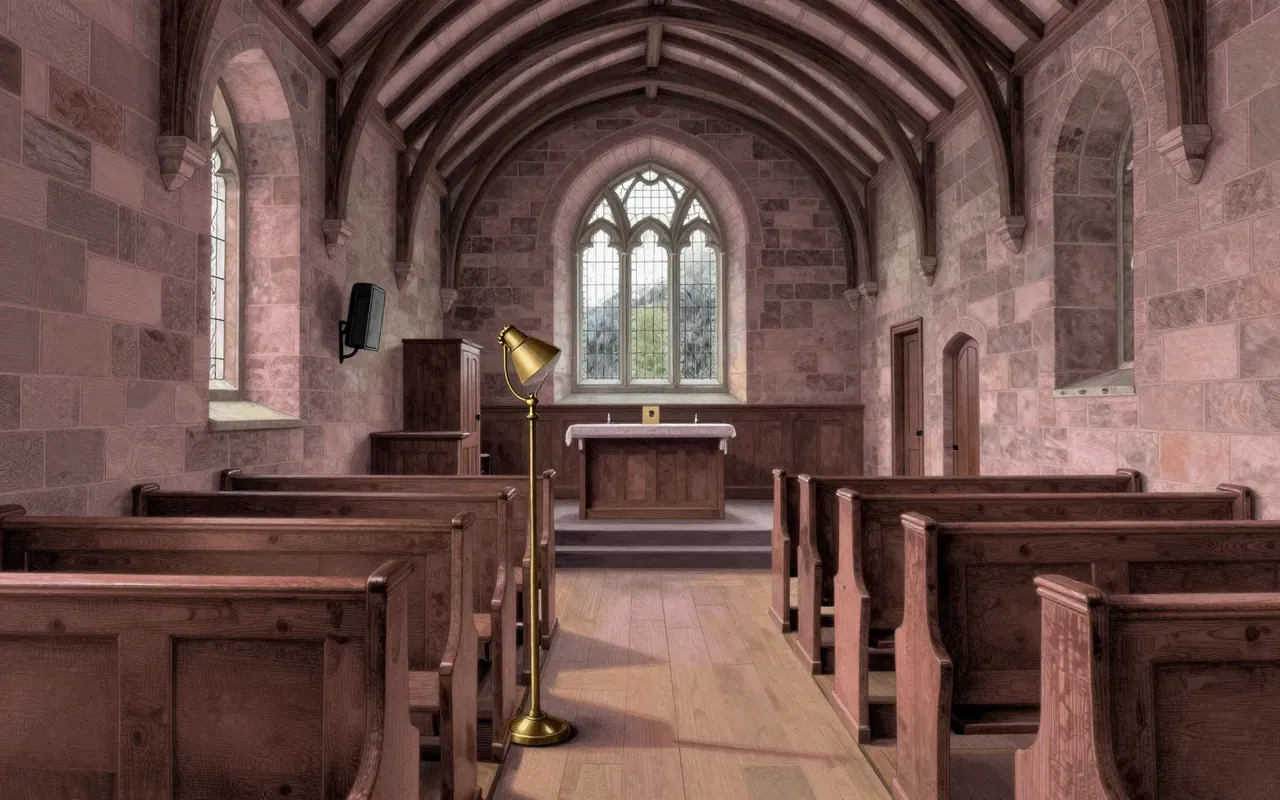
Let England Shake is a stark, live-recorded war record made in a Dorset church. It uses autoharp, saxophone, and sparse guitar. Its voice is narratorial, not expressive. Its subject is England’s violence — past and present — treated with precision, not symbolism. It won the 2011 Mercury Prize. It demands attention, not devotion.

10:10

Let It Be

The Replacements · 1984

The editorial brief must correct a fundamental misattribution: the material provided describes only the Beatles’ 1970 album Let It Be. There is no verified information supporting the existence of a 1984 Replacements album titled Let It Be—or any of its listed tracks—in the given sources. All references to The Replacements, film placements of 'I Will Dare' or 'Unsatisfied', and the running order are irrelevant to the document and cannot be used.

10:28

Let It Bleed

The Rolling Stones · 1969

Let It Bleed is the Rolling Stones’ final album of the 1960s, recorded between February and early November 1969 amid Brian Jones’s firing and Mick Taylor’s hiring. It reached No. 1 in the UK and No. 3 in the US. It features 'Gimme Shelter' with Merry Clayton, 'You Can’t Always Get What You Want' with the London Bach Choir, 'Midnight Rambler', and a cover of Robert Johnson’s 'Love in Vain'. Keith Richards played nearly all guitar parts; Jones contributed to only two tracks; Taylor added overdubs to two. Recording took place primarily at Olympic Studios in London and Elektra Sound Recorders in Los Angeles. Jimmy Miller produced. Charlie Watts did not play on 'You Can’t Always Get What You Want'.

11:16

Let’s Stay Together

Al Green · 1972

Al Green’s Let’s Stay Together (1972) is his fourth studio album, recorded at Royal Recording Studio in Memphis, Tennessee, and produced by Willie Mitchell. It launched his classic period, yielded his first number-one pop and R&B hit, and became his first gold-certified album. The Hi Rhythm Section, horn ensemble, and tightly arranged background vocals define its sound — precise, warm, and unhurried. It is soul music as craft, not spectacle.

9:34

Liege & Lief

Fairport Convention · 1969

Liege & Lief is the pivot point: Fairport Convention abandons covers for electrified English folk, anchored by Swarbrick’s fiddle, Mattacks’ drums, Thompson’s writing, and Denny’s voice. It was rehearsed in a Hampshire house and launched live at the Royal Festival Hall. No studio tricks. No American references. Just six traditional tracks — including two epics — and three originals in matching style. It lands in tradition, not nostalgia.

9:38

Live!

Bob Marley and The Wailers · 1975

Live! by Bob Marley and the Wailers is a title without a dossier. Verified facts are sparse: it exists in a list of live albums; it contains the Lyceum ‘No Woman, No Cry’ that charted in the UK in 1975; it credits multiple songwriters. Nothing confirms when or how it was recorded, who performed, or how it sounds beyond that single breakout moment. Its cultural weight comes from what happened after — covers, adaptations, film placements — not from what the record itself documents.

10:28

Live and Dangerous

Thin Lizzy · 1978

Live and Dangerous is a live double album by Thin Lizzy, compiled in early 1978 from archive recordings made across multiple concerts — primarily Hammersmith Odeon (14 November 1976), Tower Theater, Philadelphia (20–21 October 1977), and Seneca College Fieldhouse, Toronto (28 October 1977) — with additional material drawn from a Philadelphia soundcheck. Studio overdubs were added in Paris in January 1978. It was Thin Lizzy’s first live album and the last to feature Brian Robertson before his departure.

11:00

Live at Leeds

The Who · 1970

Live at Leeds is the Who’s only live album with their classic line-up — recorded at the University of Leeds Refectory on 14 February 1970, after scrapping earlier live tapes and abandoning plans for a double album. It features six raw, hard rock arrangements — no Tommy material, no audience noise, no studio processing — capturing the band’s volatile, physical live sound in stark contrast to their recent studio work.