Krautrock & kosmische
- 10
- briefs
- 10:29
- average
- 105 min
- in total
- 8
- artists
All briefs
Movies
Holger Czukay · 1979
The record 'Movies' is verifiably a 1979 solo album by Holger Czukay, released after his departure from Can, and remastered in 2007. Its production method is inferable only as likely involving shortwave radio and tape splicing—because the source states those were Czukay’s trademarks across his solo work, though it never links them specifically to this album. Nothing else about its sound, personnel, studio, instrumentation, or intent is documented. Its title and track names evoke film, but the source material confirms no connection between the album and cinematic practice beyond that nominal link. The appearance of 'Hollywood Symphony' in later films involves entirely separate orchestral recordings—not Czukay’s version. There is no evidence of composition, performance, reception, or cultural impact beyond these bare facts.
Black Monk Time
The Monks · 1966
Black Monk Time is a radical, rhythm-obsessed studio document made under physical exhaustion and technical constraint. It is not a precursor to be admired from afar — it is a working blueprint of what happens when every instrument is forbidden from doing anything but hit, pulse, grind, and yelp.
Ege Bamyasi
Can · 1972
Ege Bamyasi is Can’s third studio album, recorded in early 1972 at their newly established Inner Space Studio in Weilerswist — their first album made there — under intense time pressure to meet a June deadline. The band began with 'Spoon', then scrambled to complete material: 'Sing Swan Song', 'One More Night', and 'Pinch' were finished and edited by the day before the deadline, while 'Soup' emerged from an unedited, improvised ten-minute session that same afternoon. Karoli recorded acoustic guitar for 'Sing Swan Song' outdoors to escape drum bleed, and Schmidt and Suzuki’s daily chess games reportedly disrupted workflow. Czukay and Karoli handled editing, and the album incorporated previously released singles to fill out the tracklist. The new studio environment softened the drums and sharpened instrumental separation, and Suzuki’s pidgin English vocals contributed a distinctive textural element. Critics later praised its tight, danceable fusion of experimental music, avant-funk, and electronic sound — calling it one of Can’s most focused and tense records.
Lost in the Dream
The War on Drugs · 2014
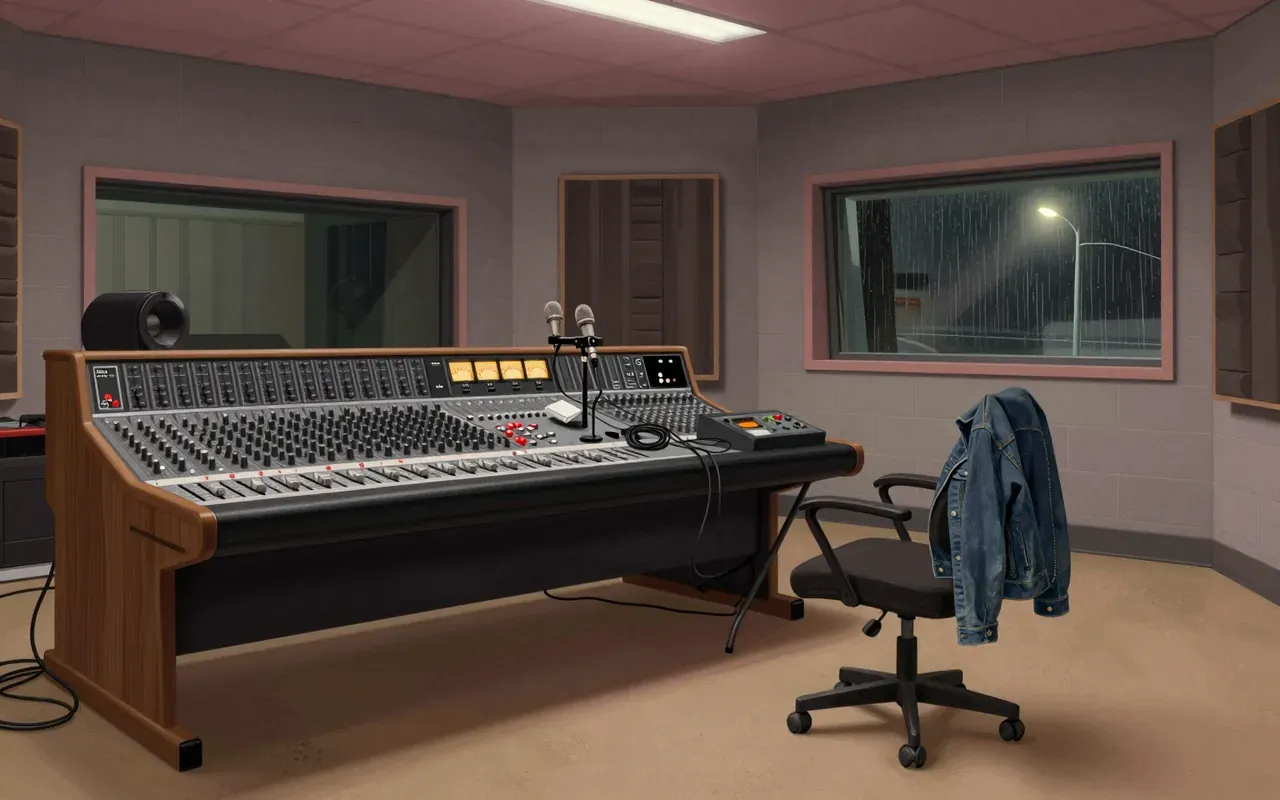
Lost in the Dream is a solo record disguised as a band album — a two-year excavation of mood, texture, and repetition, built from synthesizers, ambient guitars, horns, and keyboards. It lands where patience meets precision. It fails where urgency or concision are required. Its ideas are internal, its execution deliberate, its value tied entirely to whether you accept drifting as direction.

Neu! ’75
Neu! · 1975
Neu! ’75 is the third and final Neu! studio album of the 1970s, recorded at Conny Plank’s studio between December 1974 and January 1975. It emerged from irreconcilable creative directions between Michael Rother and Klaus Dinger, resulting in a split-sided structure — side one (Rother’s ambient, keyboard-led duo recordings) and side two (Dinger’s songs, performed with double drumming and expanded instrumentation).
Third
Portishead · 2008
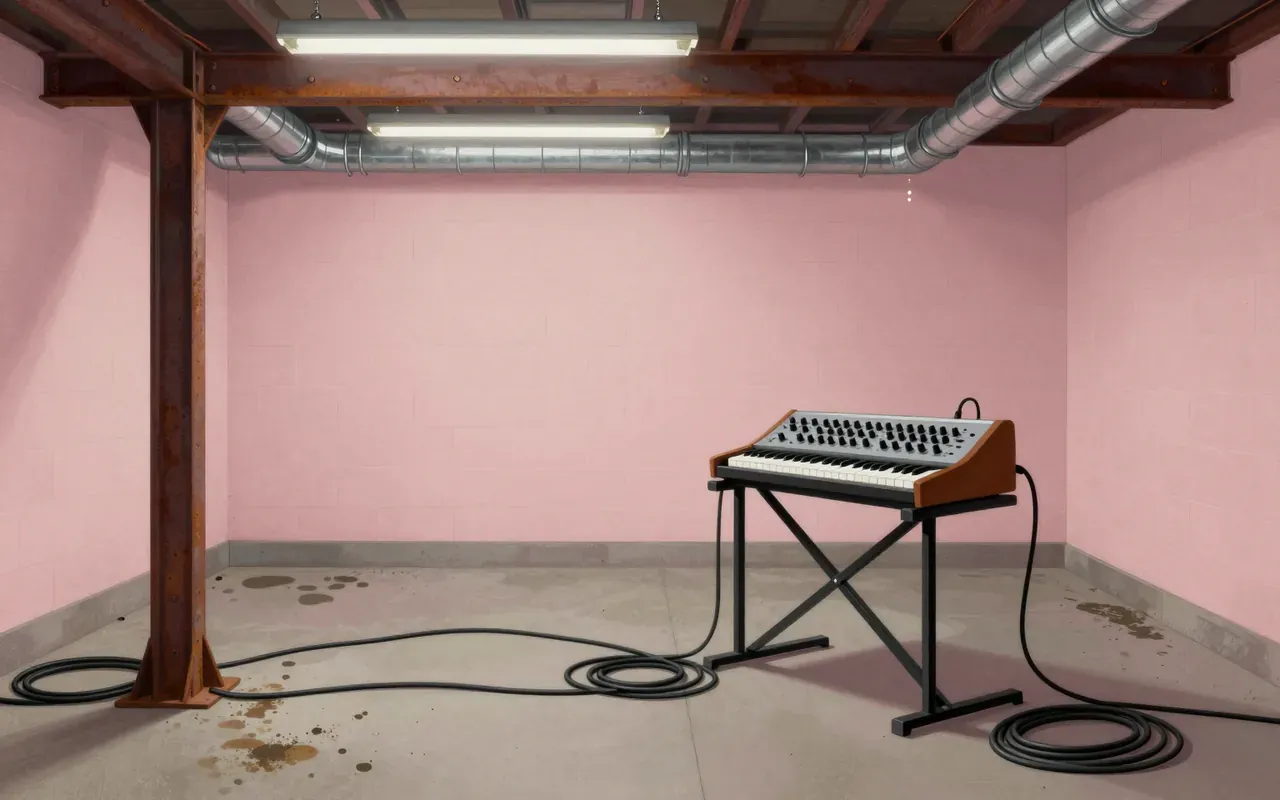
Third is Portishead’s 2008 studio album, recorded in Bristol after an eleven-year break. It abandons trip hop instrumentation and turntablism in favour of analogue synths, toy guitar, organ drum machines, and free jazz sax. Most songs were written in late 2007, many emerging from long-standing sketches. Band members swapped roles and embraced 'limited playing' — technique de-emphasised, authenticity prioritised. The result is stark, rhythmic, texturally dense, and structurally austere.

Future Days
Can · 1973
Made at Can's own Inner Space Studio after a scattering four-week holiday, Future Days trades the band's earlier rhythmic tension for unhurried, textured grooves built from Farfisa organ, field recordings and Jaki Liebezeit's constant, understated drumming, with Damo Suzuki's vocals reduced to a passing presence before his departure soon after.
Tago Mago
Can · 1971
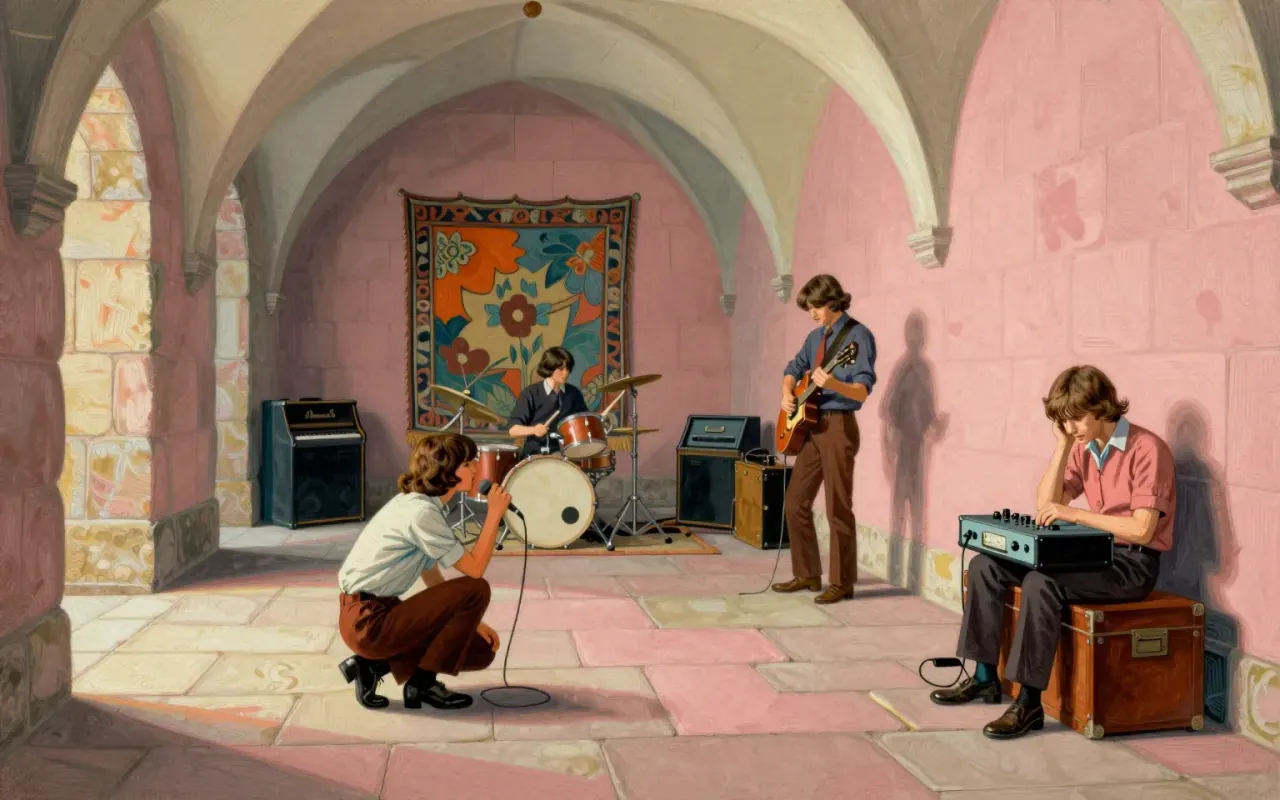
Recorded across three months in a rented castle, with Damo Suzuki newly installed as vocalist, Tago Mago pairs a first disc of confident, rhythm-driven songs with a second built almost entirely from Holger Czukay's tape editing and hidden studio recordings, a split the band's manager insisted stay intact.
Yeti
Amon Düül II · 1970
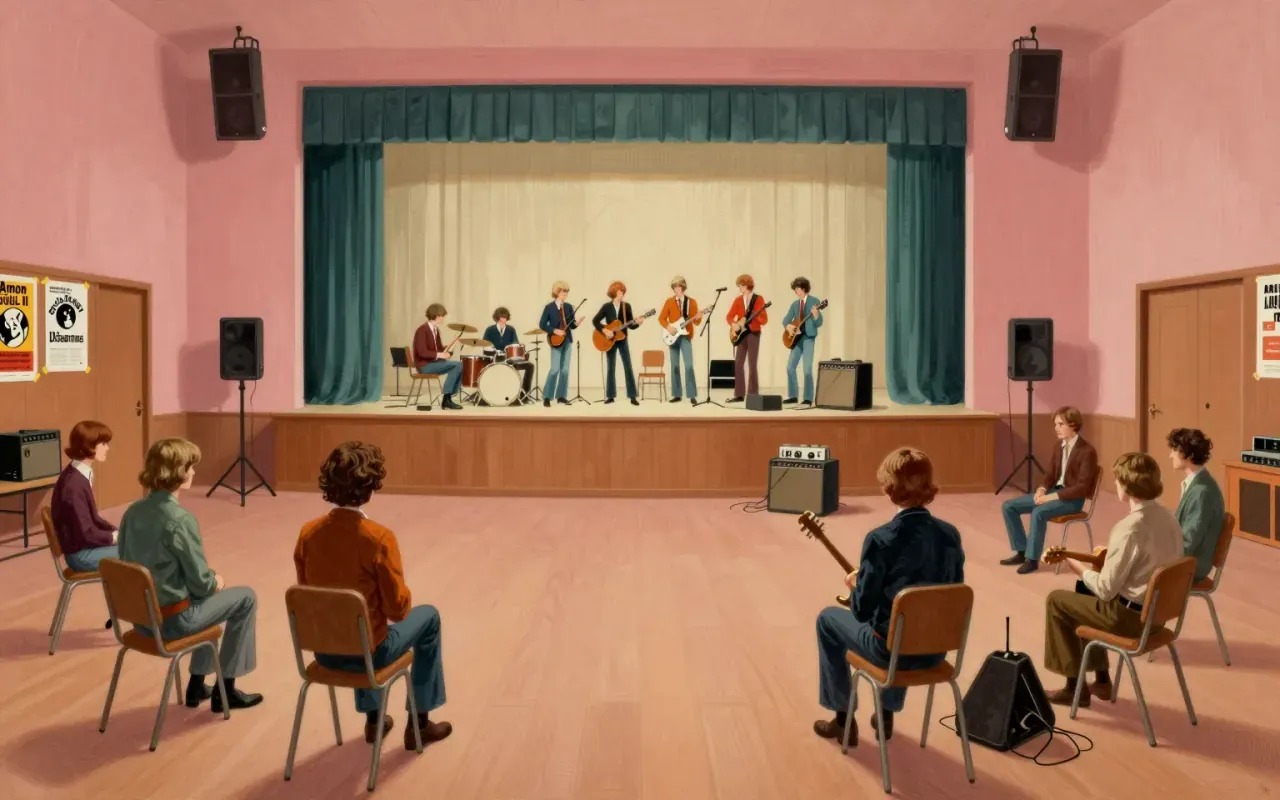
Recorded soon after splitting from the wider Amon Düül commune, Yeti pairs song-shaped tracks like Archangels Thunderbird with side-long improvised pieces, letting discipline and openness sit next to each other unresolved across a double LP whose cover mourns a crew member's death.