musicbriefs
Genre

World

18
briefs
9:26
average
170 min
in total
19
artists
All briefs18
1:52

Call of the Valley

Hariprasad Chaurasia, Brij Bhushan Kabra, Shivkumar Sharma · 1968

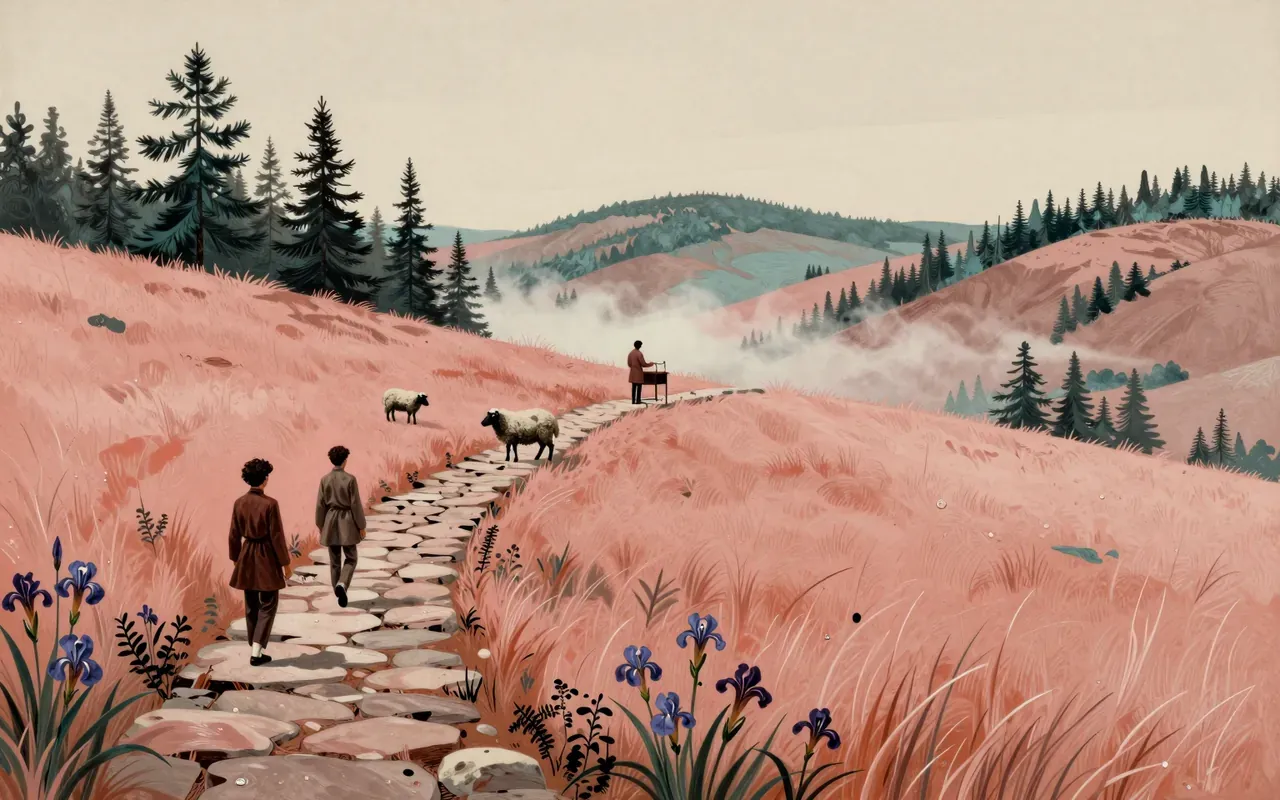
Call of the Valley brings Hariprasad Chaurasia, Brij Bhushan Kabra and Shivkumar Sharma together in a suite following a Kashmiri shepherd's day. This record uses the 1968 release dating found in the album reference and label-linked digital catalogue; some discographies date it 1967.
2:37

Talking Timbuktu

Ali Farka Touré, Ry Cooder · 1994

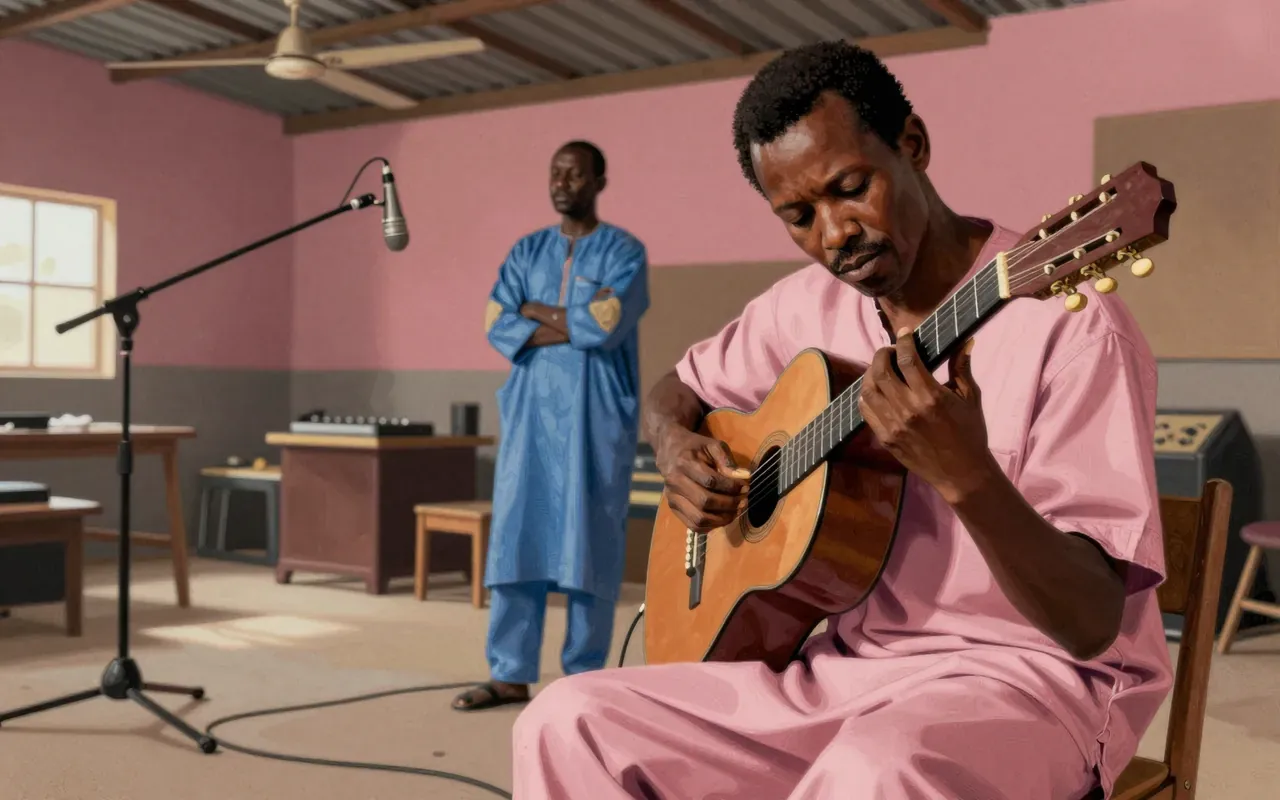
Talking Timbuktu is the 1994 collaboration between Malian guitarist Ali Farka Touré and American guitarist and producer Ry Cooder. Its ten tracks provide a meeting place for two musicians whose histories should remain visible even when their instruments suggest a connection. The album's identity begins with both names.

10:02

A Meeting by the River

Ry Cooder · 1993

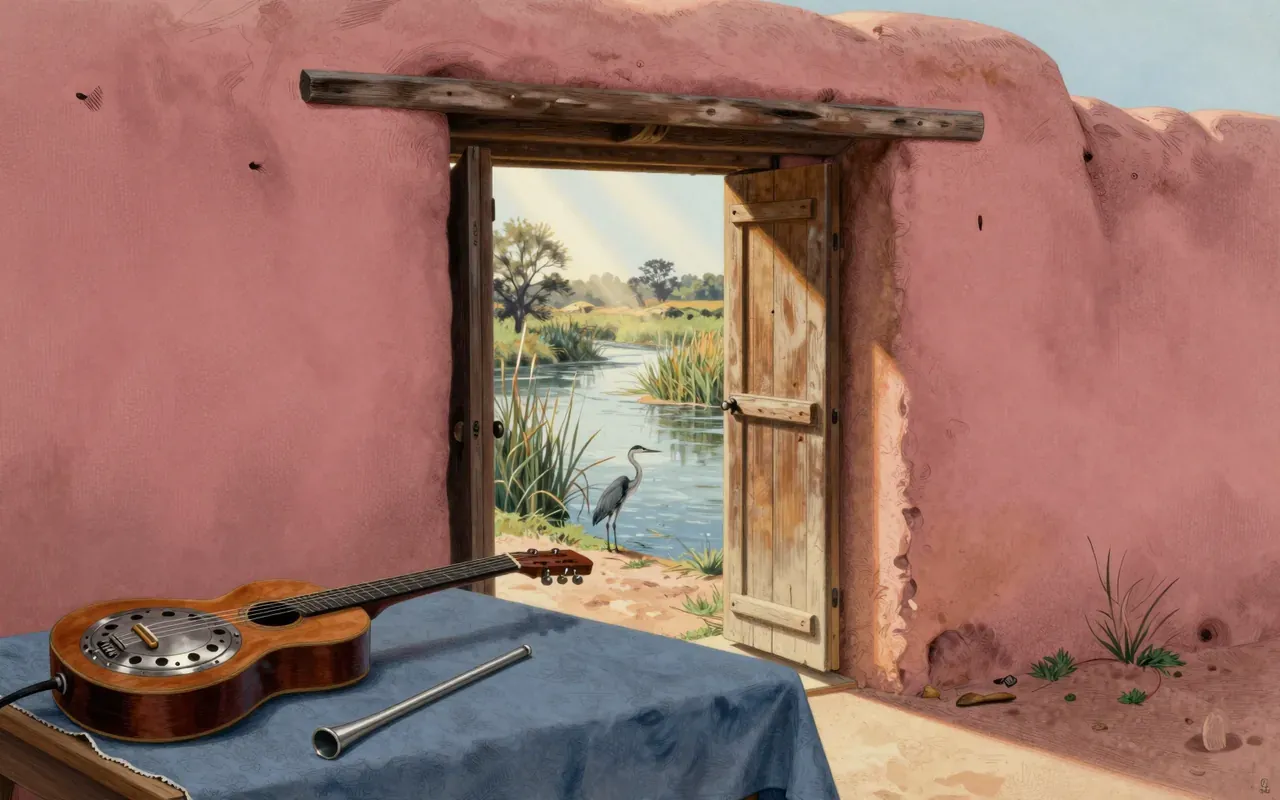
A Meeting by the River is a 1993 Grammy-winning world music crossover album recorded in September 1992 by Ry Cooder on slide guitar and Vishwa Mohan Bhatt on the Mohan veena—an instrument Bhatt created—with Joachim Cooder on dumbek and Sukhvinder Singh Namdhari on tabla. The session was unplanned and unrehearsed: Cooder and Bhatt met less than an hour before recording began. Produced and engineered by Kavichandran Alexander, it features voice-like phrasing, alternating and unison melodic lines, and improvisation rooted in Hindustani classical tradition and blues sensibility. Its four tracks—'A Meeting by the River', 'Longing', 'Ganges Delta Blues', and 'Isa Lei'—are noted for clarity, distinctness, and three-dimensional sound quality.

9:56

Arepa 3000: A Venezuelan Journey Into Space

Los Amigos Invisibles · 2000

Los Amigos Invisibles’ Arepa 3000: A Venezuelan Journey Into Space is a 2000 studio album produced by Philip Steir. It won a Latin Grammy for Best Rock Album and received a Grammy nomination for Best Latin Alternative Album. Its sound is tightly arranged, groove-first, and sonically frictionless — built for repeat listening and film placement, not deep excavation.

10:35

Calypso

Harry Belafonte · 1956

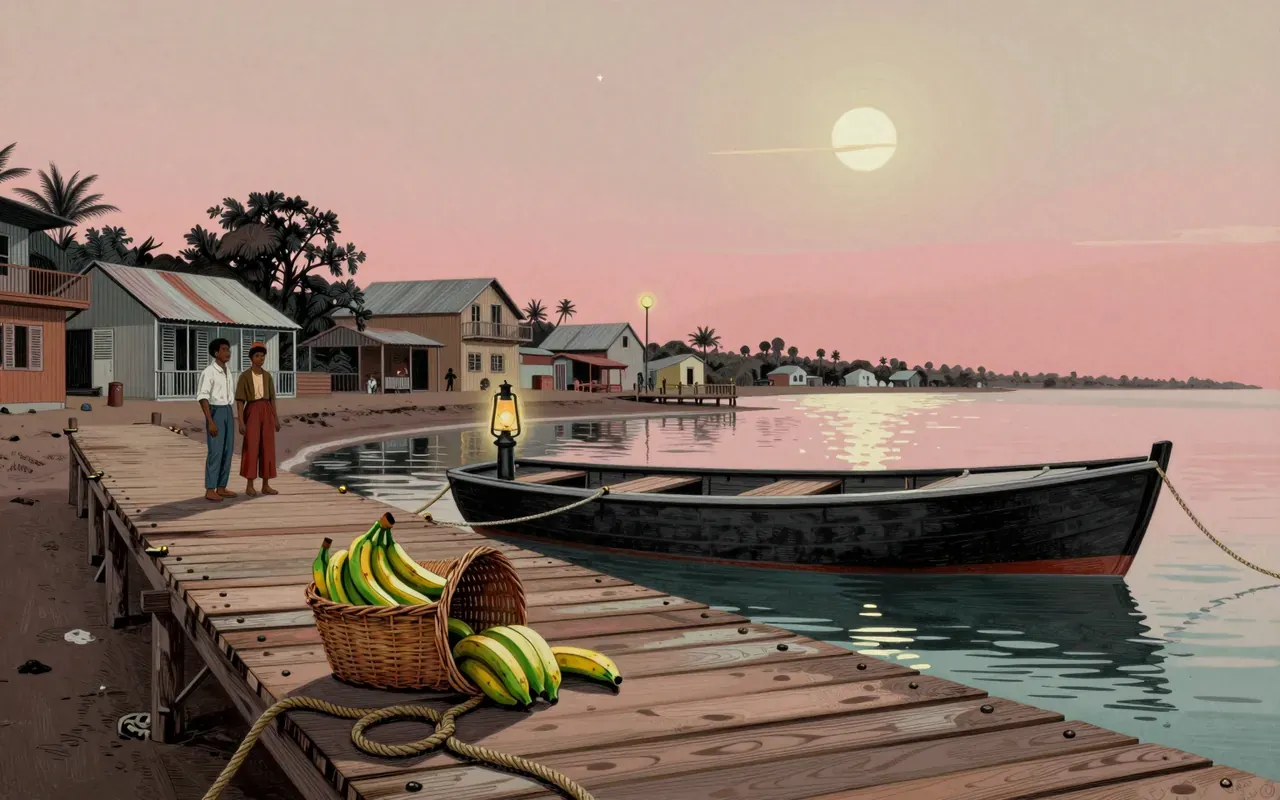
Calypso is Harry Belafonte's third studio album, released in 1956 on RCA Victor. It features vocal performances backed by guitarists Millard J. Thomas and Frantz Casseus, Tony Scott and His Orchestra, and The Norman Luboff Choir on select tracks. It includes 'Day-O (The Banana Boat Song)', sung from the perspective of banana dock workers awaiting daylight, alongside 'Star-O' as a lyrical variant reprise, and 'Jamaica Farewell', a mento folk song published here for the first time. Production involved multiple producers, a conductor, a chorus leader, and contributors to visual and textual elements of the release.

11:02

How Will the Wolf Survive?

Los Lobos · 1984

How Will the Wolf Survive? is Los Lobos’s major label debut (October 1984), composed informally at Louie Pérez’s brother-in-law’s home, drawing lyrical inspiration from a National Geographic article about survival and identity; musically, it fuses Mexican traditions with R&B, country, and blues, and centres immigrant experience in songs like 'A Matter of Time' and 'Will the Wolf Survive?'.

9:20

The Best of the Classic Years

King Sunny Adé · 2003

A functional, unadorned distillation of King Sunny Adé’s Island Records years — valuable for its fidelity to the original sequencing and instrumental palette, but silent on why these tracks, in this order, constitute ‘the best’.

10:10

The Sounds of India

Ravi Shankar · 1958

A pedagogical artefact, not a concert document. Recorded in New York in 1957, it uses spoken introductions and concise performances to frame Hindustani classical music for Western listeners. Its sound is defined by three acoustic instruments in a dry studio space: sitar, tabla, tambura. Nothing else enters the frame.

10:56

Buena Vista Social Club

Buena Vista Social Club · 1997

A six-day studio gathering in a frozen-in-time Havana room — not revival, but resurrection.

8:47

Clandestino

Manu Chao · 1998

Clandestino is a document of accidental minimalism — made mobile, made human, made urgent.

9:48

Francis Albert Sinatra & Antônio Carlos Jobim

Francis Albert Sinatra · 1967

A 1967 studio collaboration between Sinatra and Jobim, recorded over two days in Hollywood with Claus Ogerman arranging and conducting a studio orchestra. Features bossa nova treatments of Jobim originals and three Great American Songbook standards. Sinatra sings unusually softly — likened to his 1950 vocal hemorrhage — and the mood is consistently romantic and regretful. Al Viola substituted on guitar for 'Change Partners'. Lyricists attended. Grammy-nominated. One of 1967’s best-selling albums.

9:04

Graceland

Paul Simon · 1986

Graceland is not a protest record—it’s a studio-as-collaboratory, where South African rhythm became Paul Simon’s new grammar.

8:41

Ko Sira

Oumou Sangaré · 1993

Ko Sira is Oumou Sangaré’s 1993 album, recorded in Bamako and released internationally as Ko Sira and domestically in Mali as Bi Furu. It uses traditional Wassoulou instrumentation — kora, balafon, ngoni, calabash — with Sangaré’s voice leading tightly arranged, rhythmically insistent songs. Its themes are local and urgent: marriage, village loyalty, female agency. It makes no concessions to global pop form or production. It is cohesive, unwavering, and rooted.

12:04

Pata Pata

Miriam Makeba · 1967

A commercially successful but artistically marginal record — shaped by US production, English narration, and Makeba’s own ambivalence.

8:25

Shahen-shah

Nusrat Fateh Ali Khan · 1989

No verified information exists about the sound, structure, lyrics, reception, or artistic intent of 'Shahen-shah'. All claims must be limited to the three verified facts: it was recorded in 1989 at Zella Recording Studios in Birmingham, UK; commissioned by Oriental Star Agencies Ltd; and involved Andrew Kristy and Johnny Haynes.

13:00

Play

Moby · 1999

Made at Moby's own Manhattan studio after a career-threatening previous album, Play folds vocal hooks lifted from Alan Lomax's field recordings into electronic production, letting decades-old voices carry new songs. Slow to catch on, it eventually sold over twelve million copies largely through film and advertising licensing.

13:00

Soul Makossa

Manu Dibango · 1973

Built around the crossover single already circulating a year earlier, Manu Dibango's Soul Makossa sets Cameroonian makossa rhythm against jazz and funk phrasing across seven tracks. The title track's hook became the most sampled fragment in African popular music, a legacy the album now carries alongside the record's own, less-discussed range.