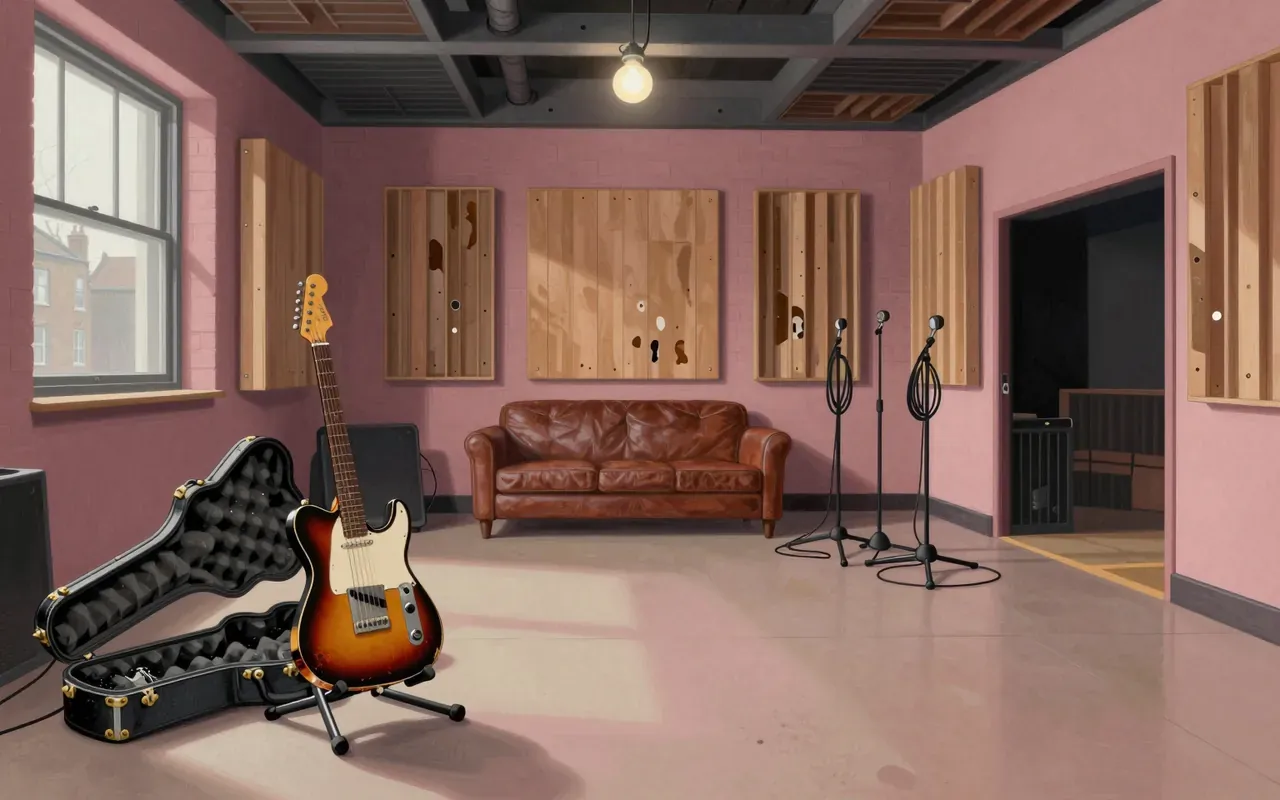
Up the Bracket
The Libertines · 2002
Up the Bracket is a live-wire debut — urgent, unvarnished, and built on two guitars, a drum kit, and a shared sense of London as both home and hazard.
An island that ran the world and has been adjusting ever since.
Up the Bracket is a live-wire debut — urgent, unvarnished, and built on two guitars, a drum kit, and a shared sense of London as both home and hazard.
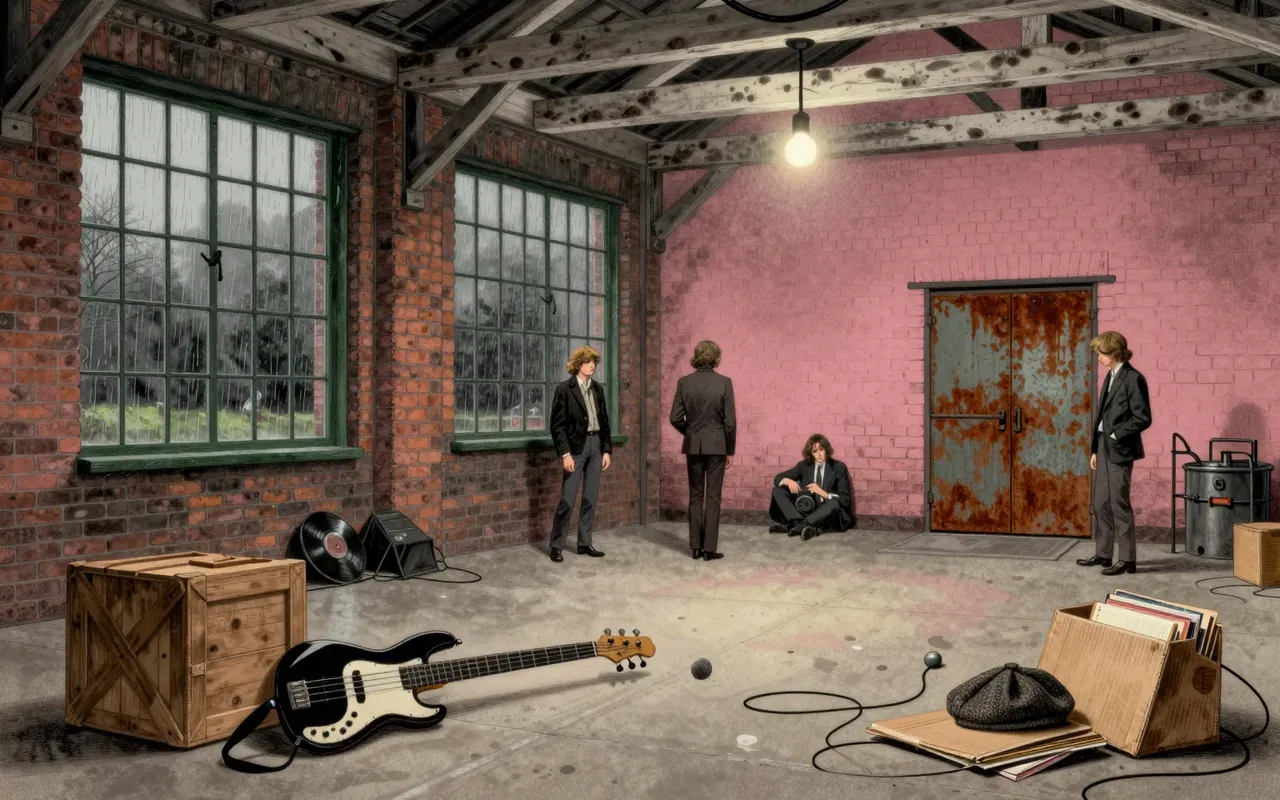
All Mod Cons is a re-recorded crisis album that treats the UK as a series of locked rooms — and makes every key turn with purpose.
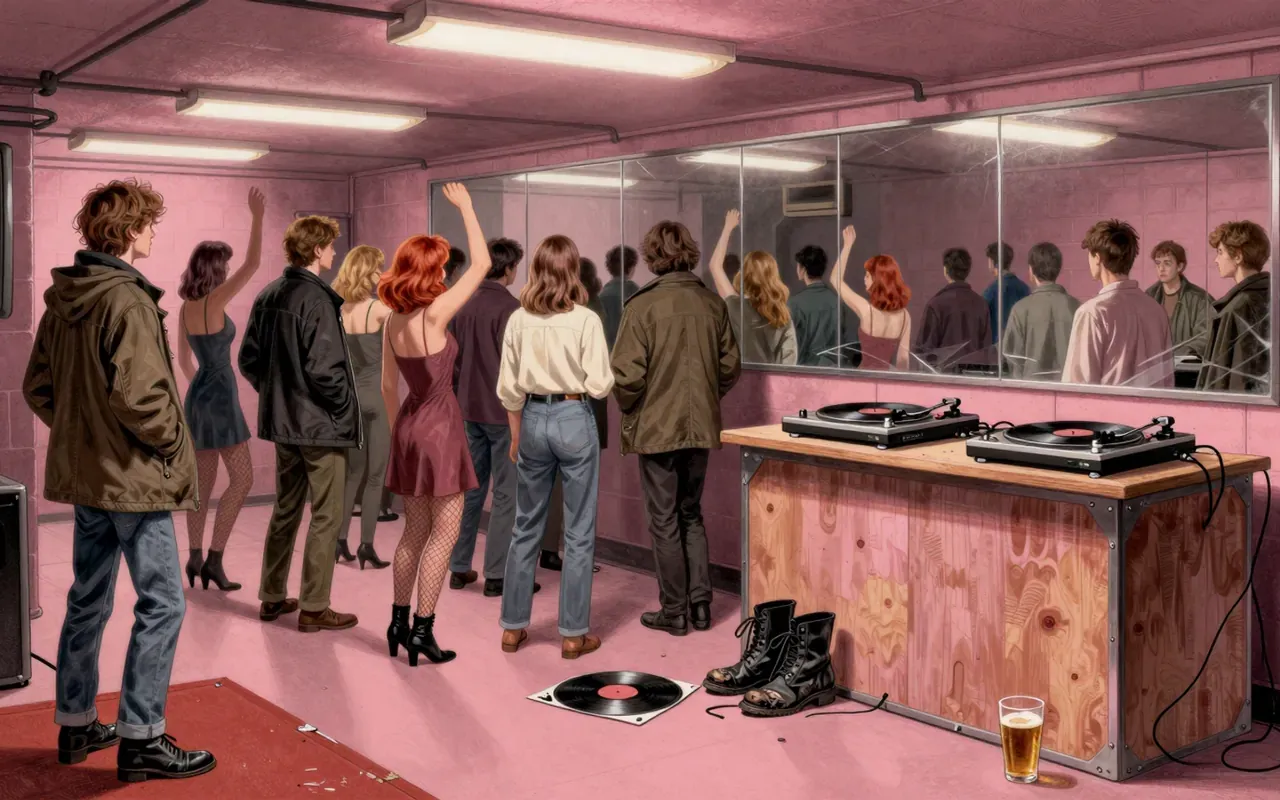
Different Class is Pulp’s fifth studio album, released in 1995. Its title came from a phrase Jarvis Cocker heard at Smashing, a club night in Eve’s Club on Regent Street in London. The sleeve design was by Blue Source and featured six double-sided inserts in initial pressings—cardboard cutouts of the band in staged scenarios. The cover photograph was taken at Dom O’Connor’s self-organized wedding, facilitated through a photographer who had previously worked with Blur and Elastica. The album’s back cover reads: 'We don't want no trouble, we just want the right to be different. That's all.'

If You're Feeling Sinister is a tightly wound, quietly ambitious record made fast and faithfully — in a church hall, then a studio, with continuity as its compass.
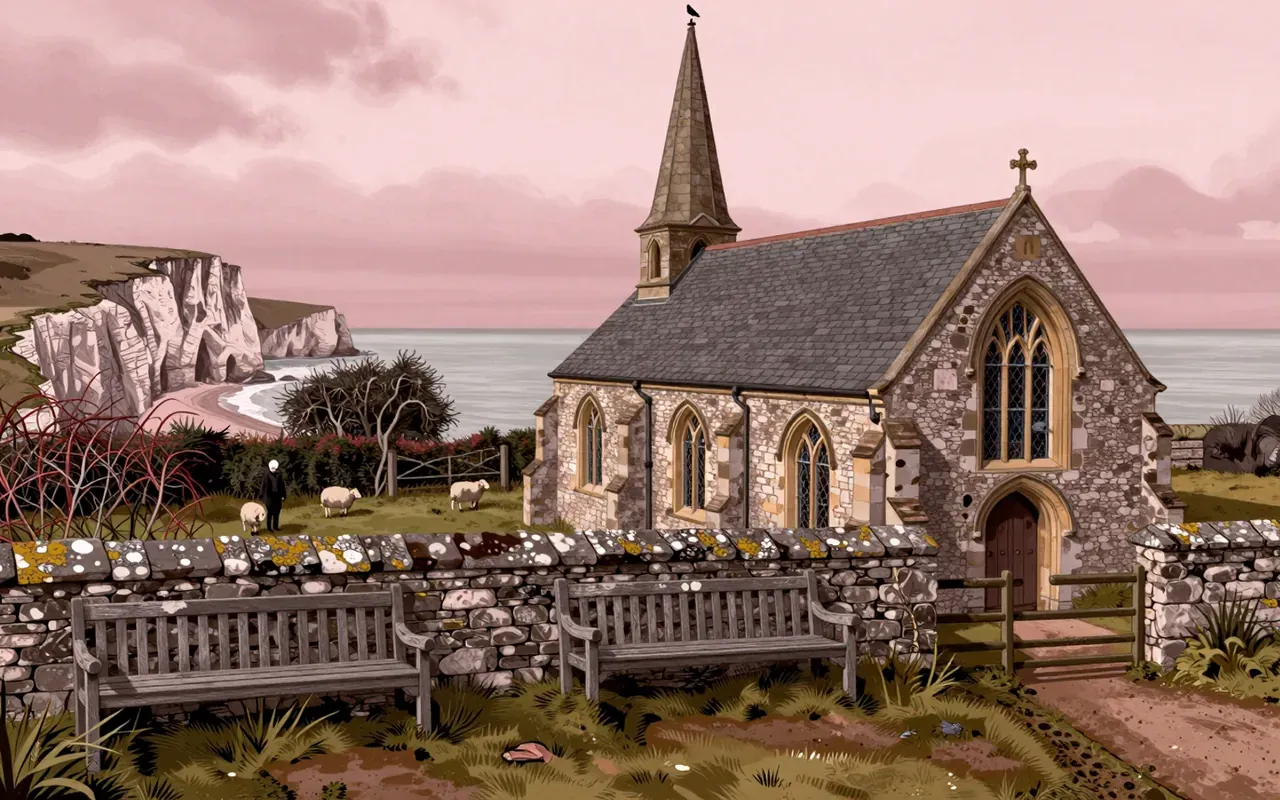
Let England Shake is a stark, live-recorded war record made in a Dorset church. It uses autoharp, saxophone, and sparse guitar. Its voice is narratorial, not expressive. Its subject is England’s violence — past and present — treated with precision, not symbolism. It won the 2011 Mercury Prize. It demands attention, not devotion.
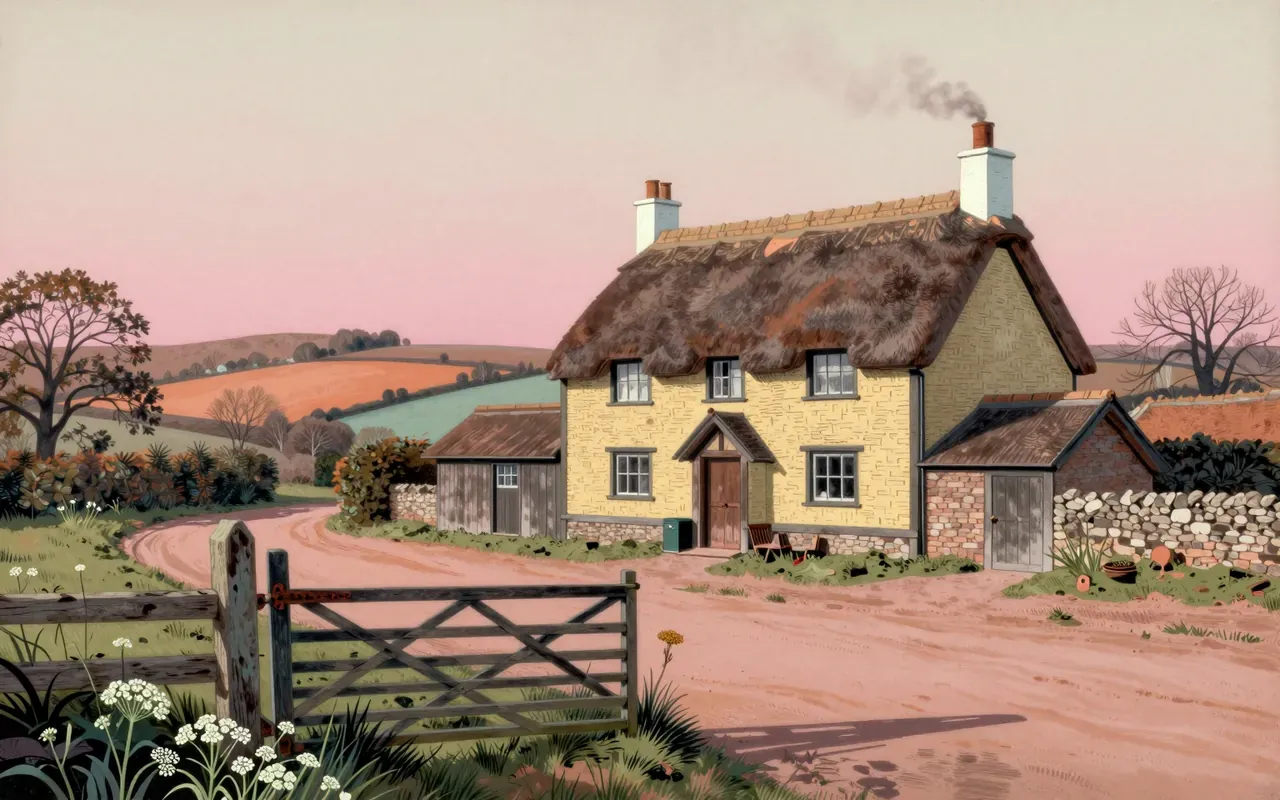
Liege & Lief is the pivot point: Fairport Convention abandons covers for electrified English folk, anchored by Swarbrick’s fiddle, Mattacks’ drums, Thompson’s writing, and Denny’s voice. It was rehearsed in a Hampshire house and launched live at the Royal Festival Hall. No studio tricks. No American references. Just six traditional tracks — including two epics — and three originals in matching style. It lands in tradition, not nostalgia.

A solitary, resourceful act of creation in a Brixton bedroom — no studio, no band, no analogue gear — that redefined British hip-hop by grounding it in place, process, and vernacular truth.

Parklife is Blur’s third studio album, recorded quickly at Maison Rouge studio in August 1993—except for 'This Is a Low'. Damon Albarn described it as a loosely linked concept album about the travels of a 'mystical lager-eater' who observes and comments on the world. Martin Amis’s novel London Fields was a major influence. The songs span multiple genres including synthpop, instrumental waltz, punk rock, spacey Syd Barrett-esque, and new wave. Some songs—including 'To the End' and 'Badhead'—lie in a more personal space than the album’s broader bittersweet portrayal of the UK's human patchwork. Stephen Street produced all tracks except 'To the End', which was produced by Stephen Hague with additional engineering.
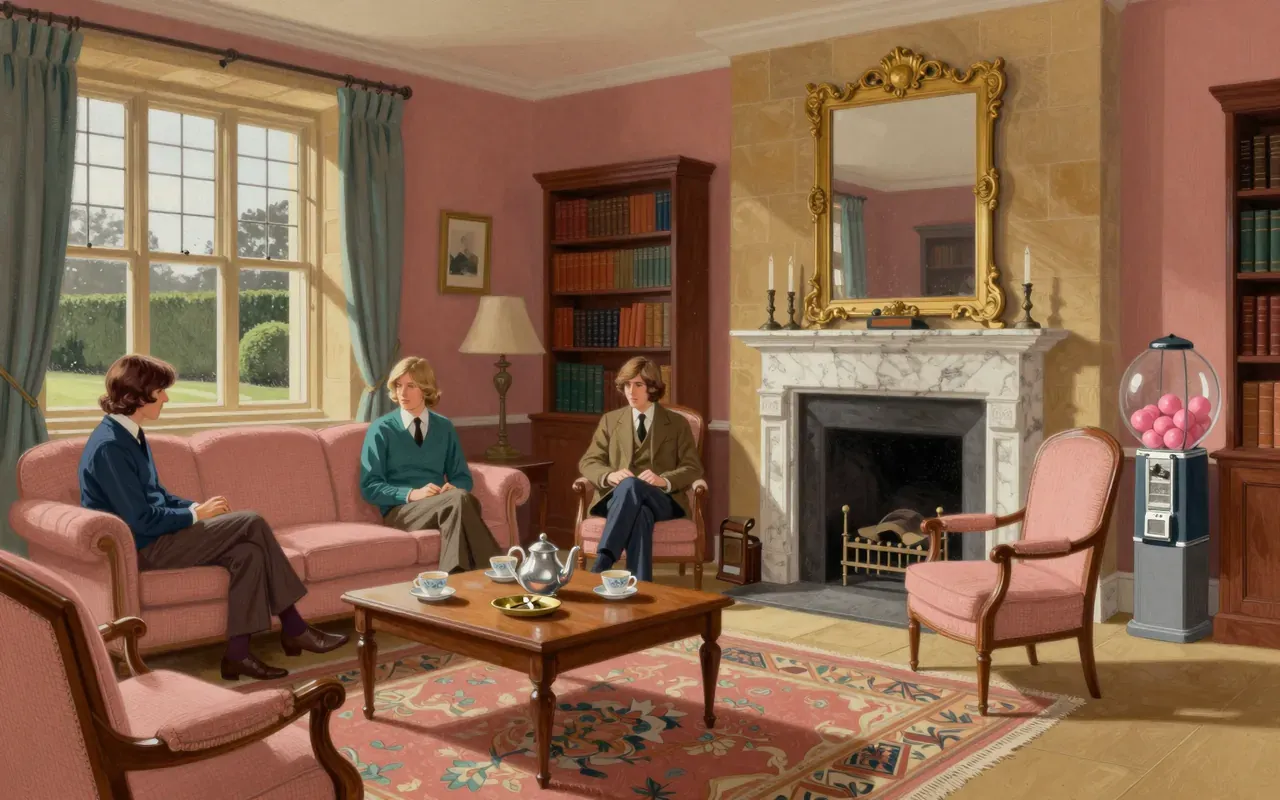
Selling England by the Pound is a 1973 Genesis record written in domestic rehearsal spaces — a rambling old stately home in Chessington and a basement beneath the Una Billings School of Dance. Its sound reflects those conditions: Phil Collins’ drumming uses complicated time signatures influenced by Mahavishnu Orchestra; Steve Hackett contributes guitar licks rather than full songs, lending a jazz fusion feel; and Gabriel writes all lyrics in two days. Recording at Island Studios uses an Echoplex and ARP Pro Soloist, prioritising sonic clarity and arrangement complexity. The album’s English identity is not mythic but material — curfews, bubble gum machines, living rooms, and firths. It lands strongest on ‘I Know What I Like’, ‘Dancing With the Moonlit Knight’, and ‘Firth of Fifth’. It does not sustain cohesion across its full runtime. It is worth your time if you listen for where music is made — not just what it says.
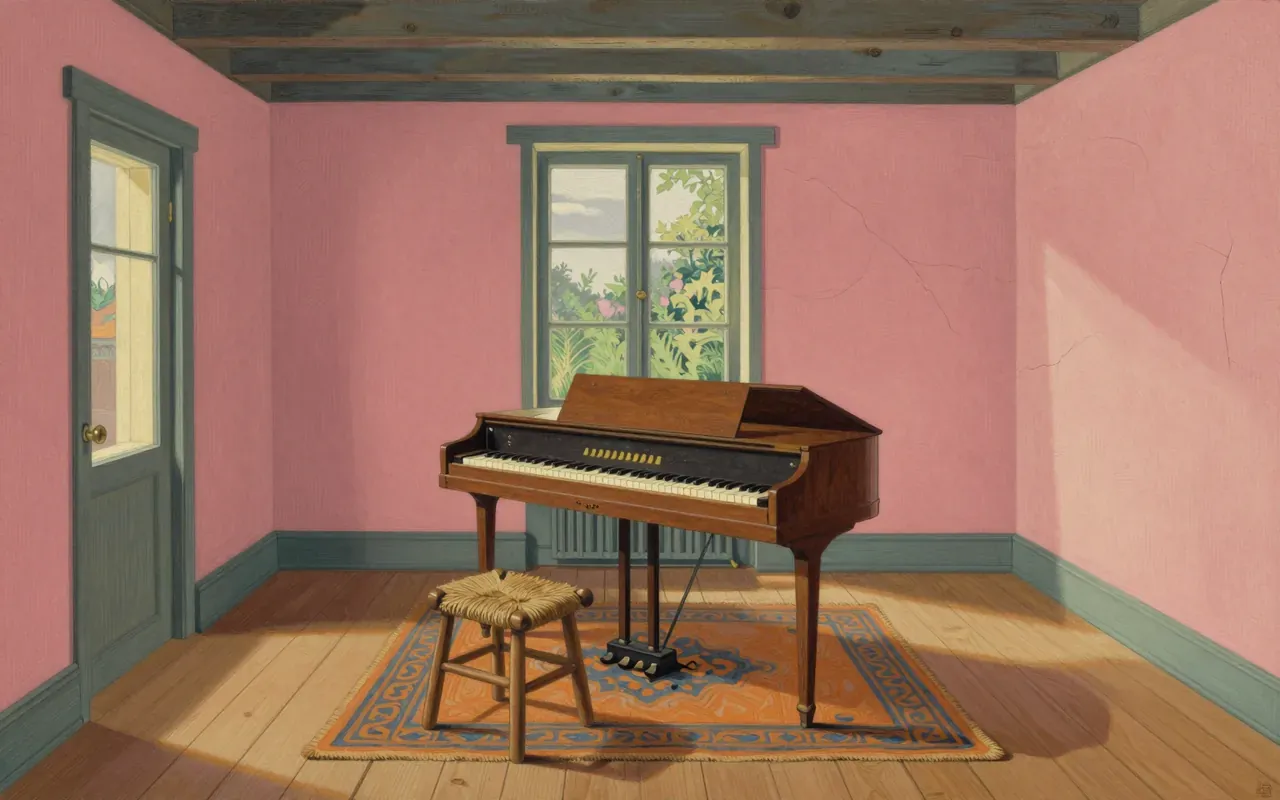
Something Else by the Kinks is the band’s fifth studio album, released 15 September 1967 by Pye Records. It was recorded between autumn 1966 and summer 1967, with one exception: 'End of the Season' was cut in April 1966. It marks Ray Davies’s full production control after Shel Talmy’s departure.
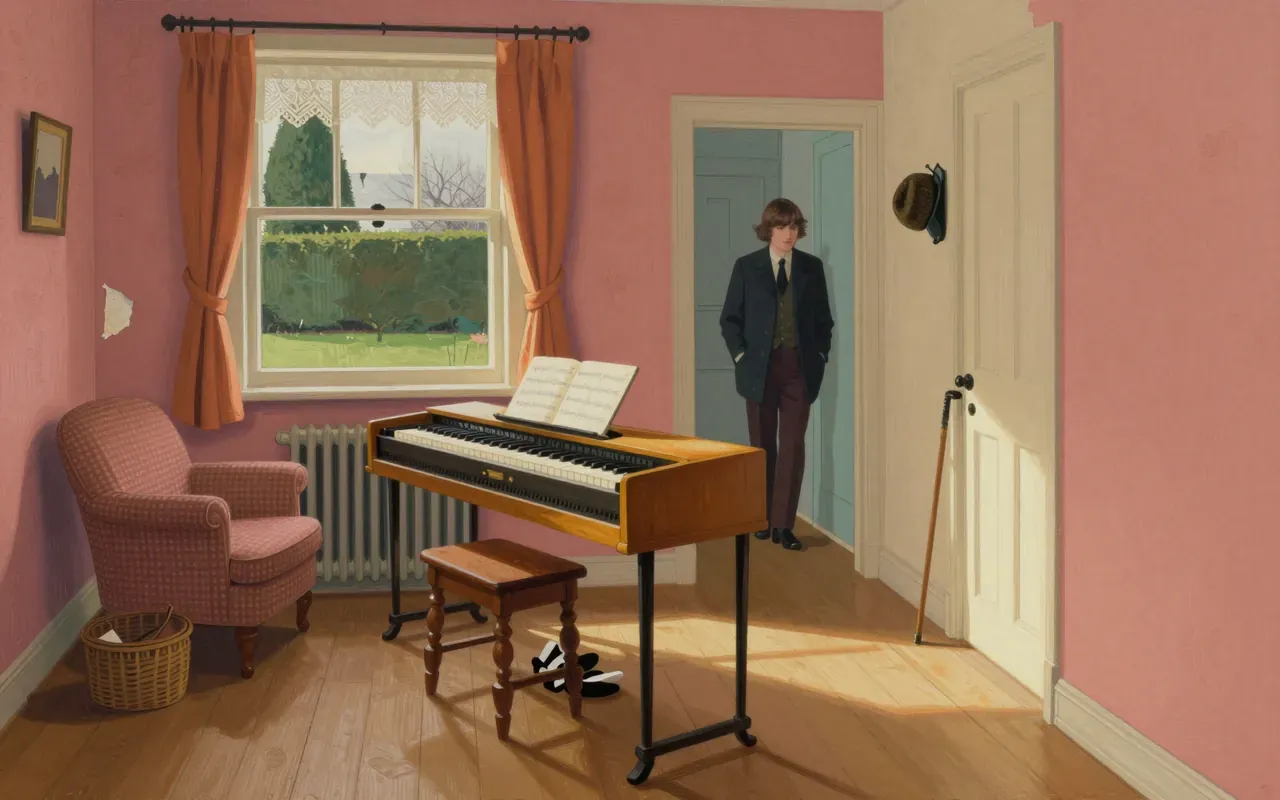
A 15-track studio album by The Kinks, recorded at Pye Studios in London between March and October 1968 (with one track dating to 1966–67), produced by Ray Davies — his first officially credited production. It uses harmonica, harpsichord, flute, and guitar feedback. Its sound is subdued, light on the bottom end, and demo-like. Assembled from songs written over two years, it presents thematic vignettes of English small-town life. Critically acclaimed on release but commercially modest (~100,000 copies), it later became the band’s best-selling original record.

Urban Hymns is a 1997 rock record made in London with strict studio discipline, then reshaped by Nick McCabe’s return and re-recorded guitar parts. Its biggest hit rests on an uncleared string sample. It landed at UK number 1, displaced Oasis, and dissolved the band within two years.
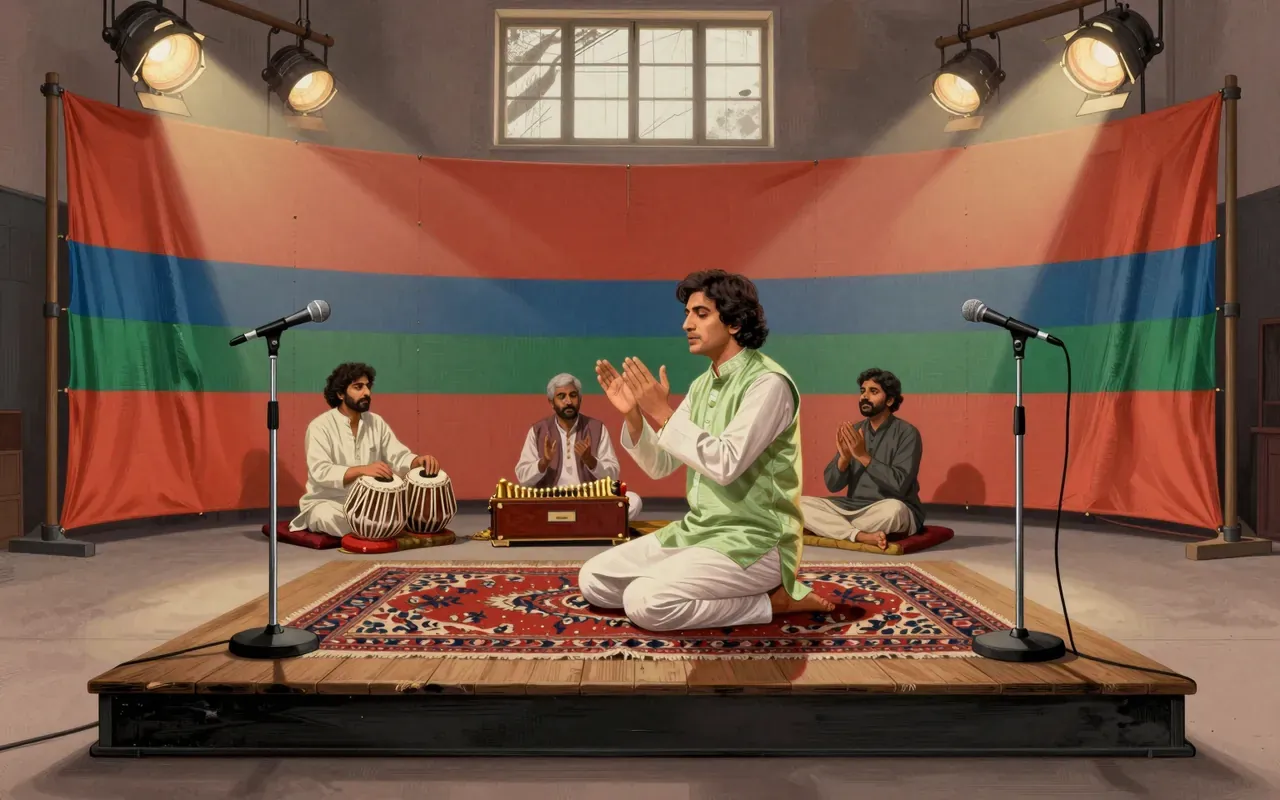
No verified information exists about the sound, structure, lyrics, reception, or artistic intent of 'Shahen-shah'. All claims must be limited to the three verified facts: it was recorded in 1989 at Zella Recording Studios in Birmingham, UK; commissioned by Oriental Star Agencies Ltd; and involved Andrew Kristy and Johnny Haynes.
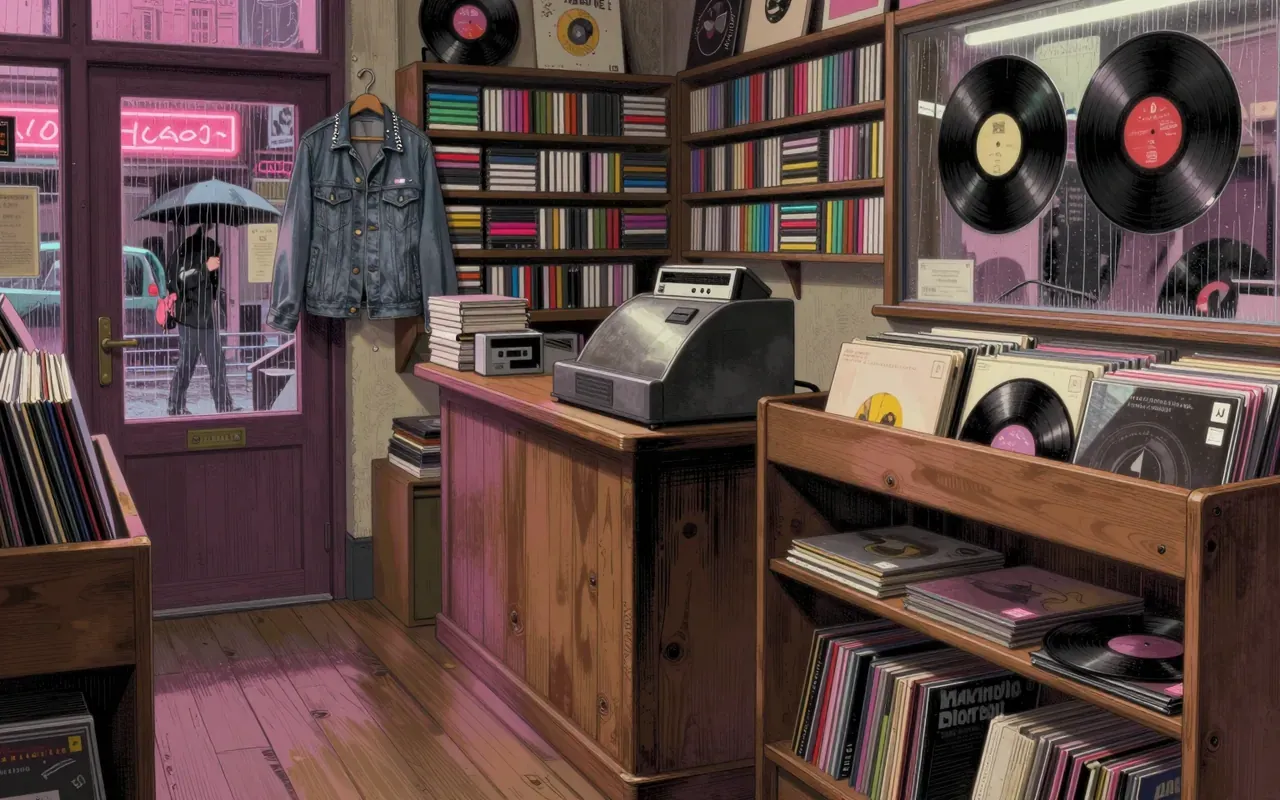
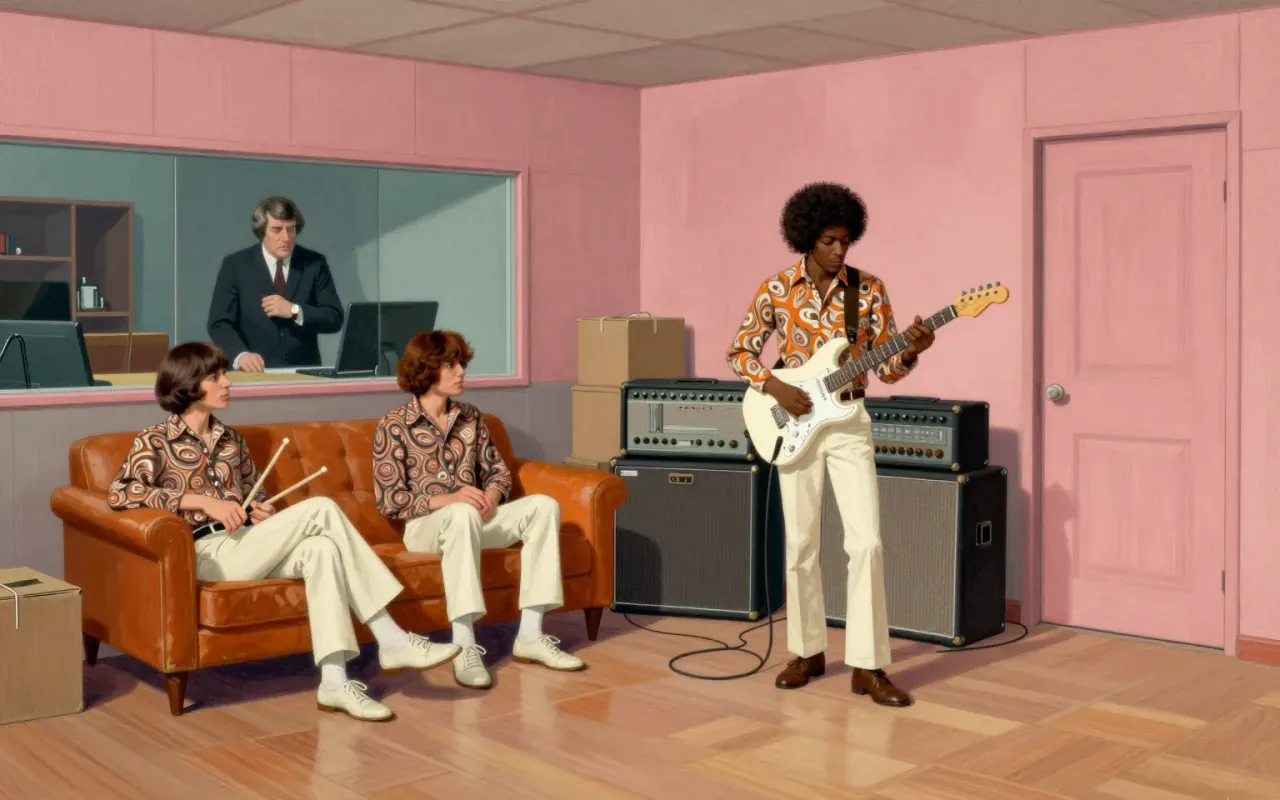
Are You Experienced is the debut studio album by the Jimi Hendrix Experience, built from sixteen sessions across three London studios over five months in 1966 and 1967. Produced by former Animals bassist Chas Chandler, who deliberately kept the band's newer members out of creative decisions, it introduced Hendrix's guitar playing and songwriting to Britain first, then America, and has stayed a fixture of best-album lists ever since.

Axis: Bold as Love followed the Jimi Hendrix Experience's debut by only seven months, moving from De Lane Lea and Olympic Studios in London through a disastrous side-one master left in the back of a taxi. Recorded with producer Chas Chandler and engineer Eddie Kramer, it trades some of the debut's raw force for looser, more melodic songwriting, and remains most closely associated with two tracks Hendrix kept playing live for the rest of his career.

Recorded without digital equipment in Bristol, Portishead's Dummy layers Beth Gibbons's vocals over sampled soul, spy-soundtrack strings and deliberately worn vinyl, a debut that helped define trip hop while staying stranger and colder than the genre it is credited with starting.
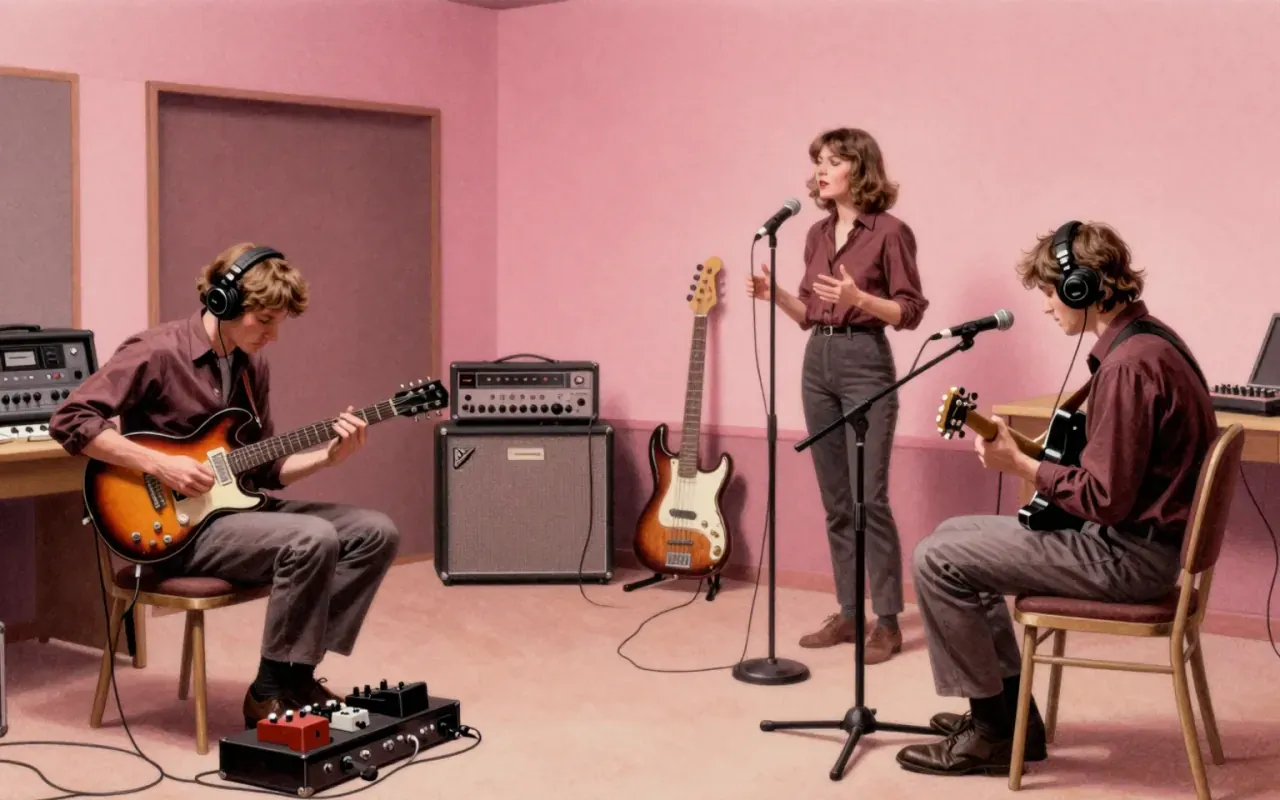
Head over Heels is the second Cocteau Twins album, released on 4AD in October 1983 after bassist Will Heggie left the band. Written quickly by Robin Guthrie and Elizabeth Fraser as a two-piece, it replaced the religious imagery of their debut with love songs built from reverberated guitar and increasingly wordless vocals, and it now stands as an early landmark of dream pop.
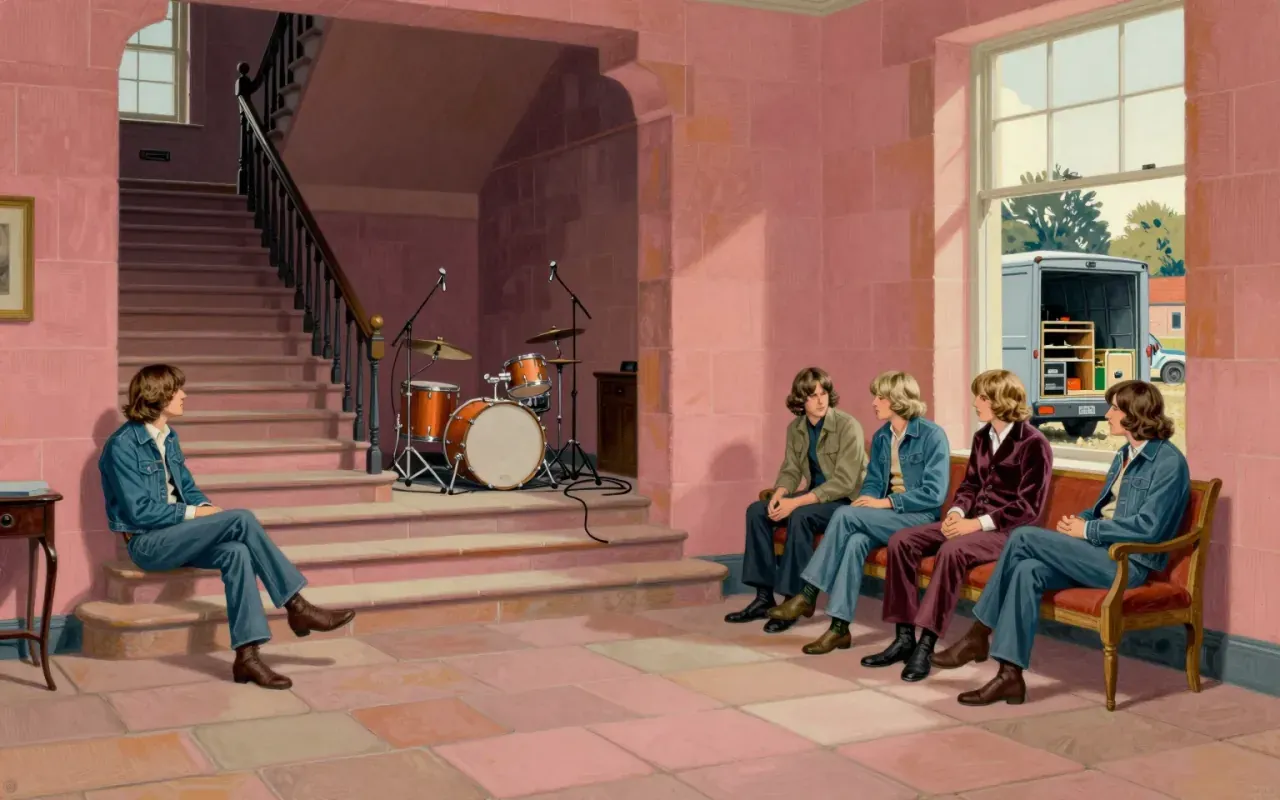
Recorded largely in the relaxed, distraction-free setting of a Hampshire country house after a cooler reception for its predecessor, Led Zeppelin's fourth album carries no title or band name at all, pairing folk instrumentation and English mythology with some of the group's heaviest studio recordings.

Loveless took My Bloody Valentine from February 1989 to September 1991 to finish, moving through nineteen studios and a rotating cast of engineers as Kevin Shields pursued a heavily layered, endlessly revised sound built on glide guitar and digital sampling. The cost and chaos nearly broke the band's label, Creation Records, but the finished album redefined what a guitar could sound like and became the defining record of the shoegaze scene.
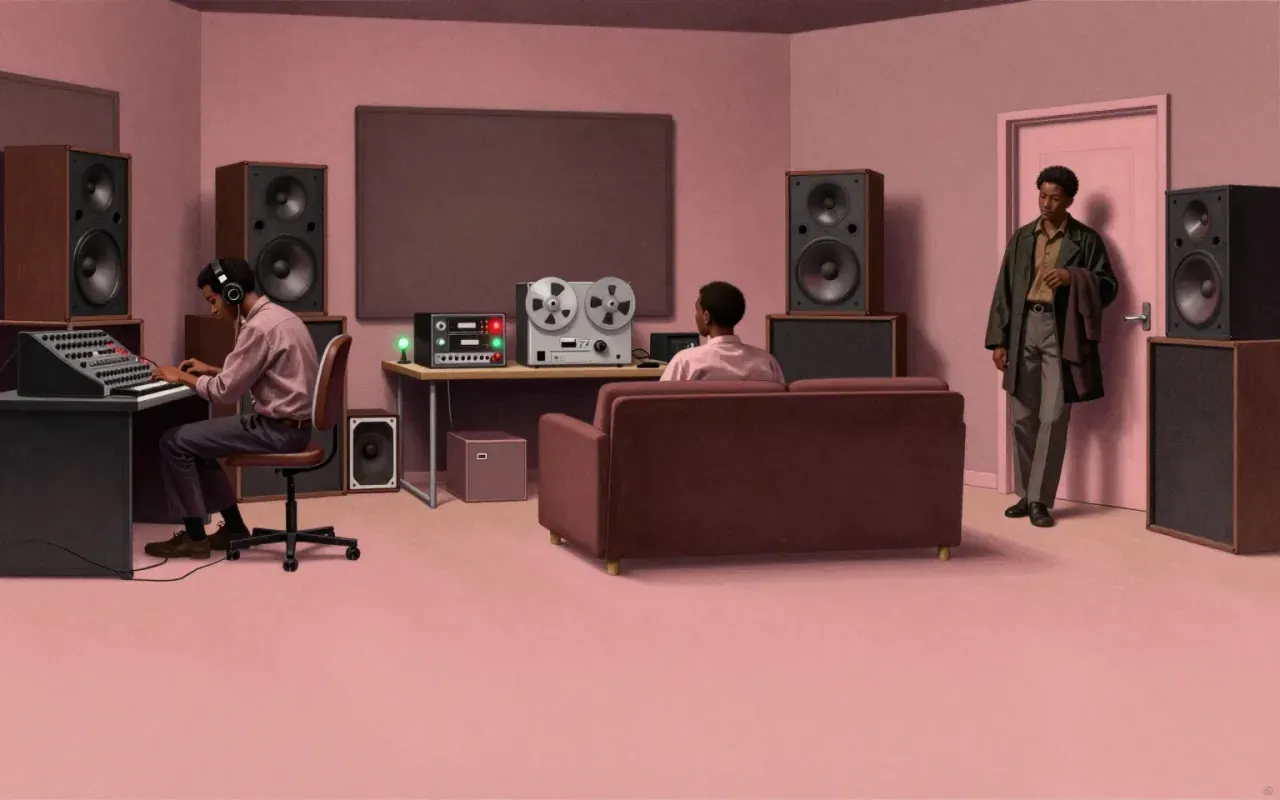
Built around post-punk and industrial reference points that unsettled at least one founding member, Mezzanine pushes Massive Attack's sample-based sound into darker, bass-heavy territory, pairing guest vocalists Elizabeth Fraser and Horace Andy with a production process tense enough to end Andrew Vowles's time in the group.
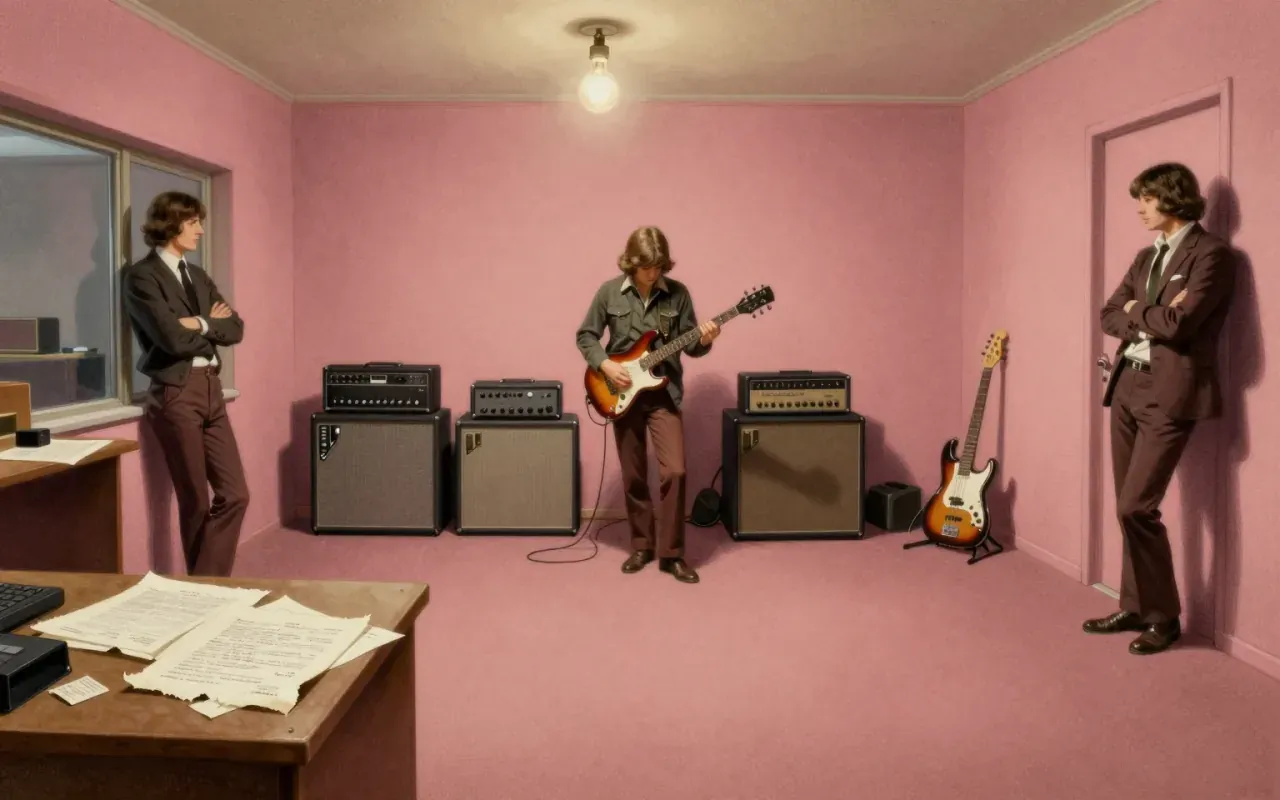
Never Mind the Bollocks Here's the Sex Pistols is the only studio album by the Sex Pistols, recorded piecemeal at Wessex Sound Studios in London between 1976 and 1977 with producers Chris Thomas and Bill Price, and released by Virgin in October 1977. Glen Matlock wrote much of the material before quitting, Sid Vicious replaced him but barely played on the record, and guitarist Steve Jones ended up covering most of the bass parts himself. Retailers refused to stock it and some charts wouldn't print its title, yet it still went to number one.
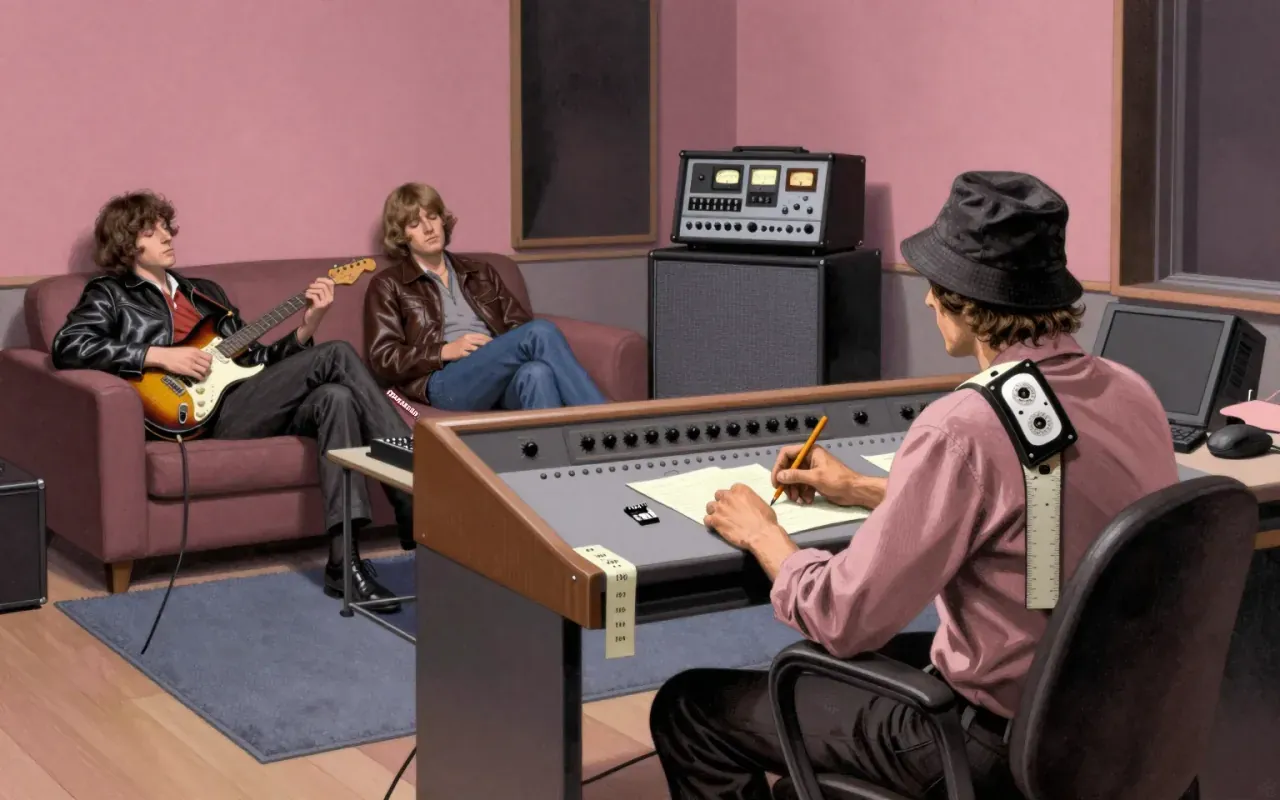
Working with the acid house DJ Andrew Weatherall and engineer Hugo Nicolson, a Scottish guitar band reassembled its own recordings into a record that moves from gospel-soul swagger to dub-inflected drift without settling on one genre. It won the first Mercury Prize and remains the clearest document of guitar music meeting the dancefloor on equal terms.
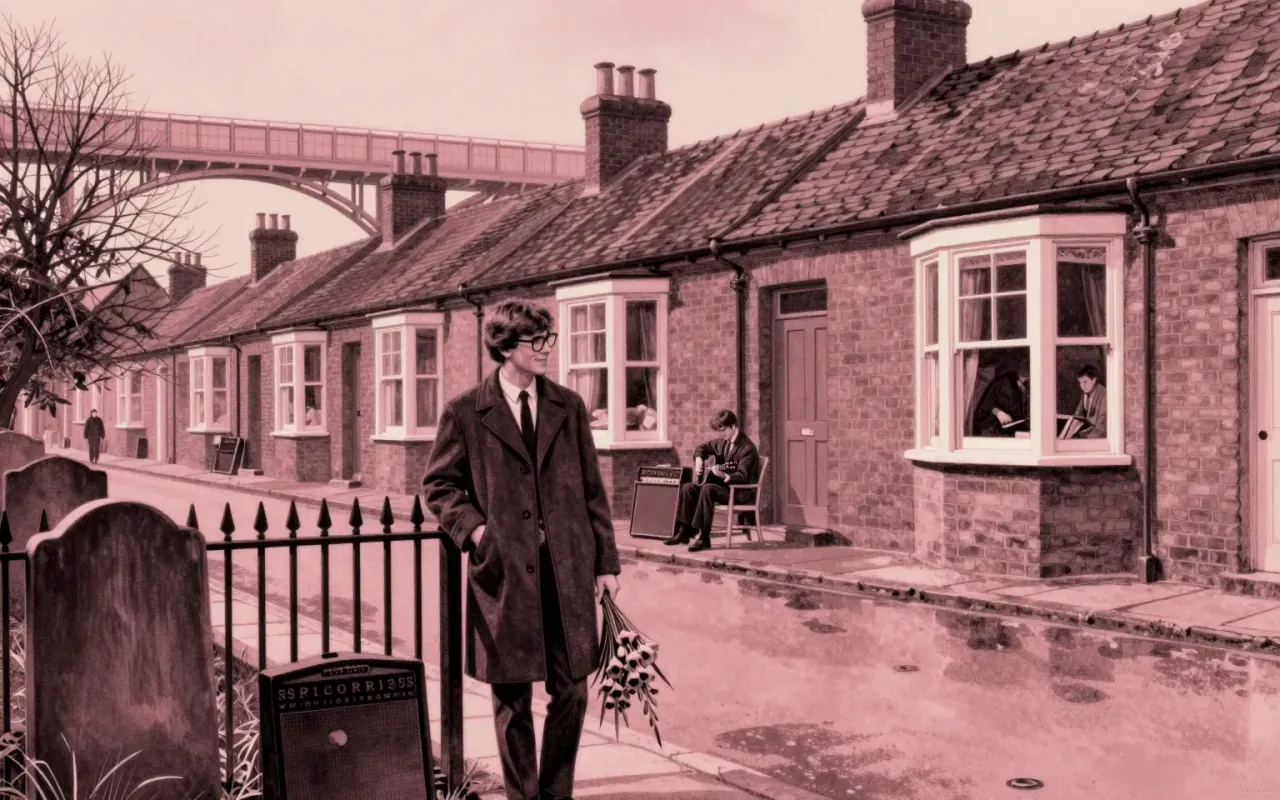
The Queen Is Dead is the Smiths' third album, written mostly at Johnny Marr's house in Bowdon and recorded across three studios between July and December 1985. Morrissey and Marr produced it themselves with engineer Stephen Street. It mixes jangling guitar pop with pointed lyrics about class, fame and the monarchy, and became the record most often cited as the band's best - later named the greatest album ever made in one influential magazine poll, a claim that says as much about the band's reputation as the record itself.