musicbriefs
Topic

Detroit

Cars, then no cars, and the music that came out of the gap.

5
in music
11:13
average
56 min
in total
17
across the network
Detroit across the network →
All briefs5
9:59

Get Rich or Die Tryin’

50 Cent · 2003

Get Rich or Die Tryin’ is 50 Cent’s 2003 debut studio album, executive-produced by Eminem and Dr. Dre to fuse gangsta rap and R&B. It features production by Mike Elizondo, Sha Money XL, Mr. Porter, Rockwilder, Dirty Swift, and Megahertz. Guest appearances include Eminem, Young Buck, Nate Dogg, Lloyd Banks, and Tony Yayo. 'In da Club' was one of seven tracks recorded with Dr. Dre in five days. 'Back Down' repurposed an unused instrumental from Rakim’s unreleased Oh My God. The album debuted at #1 on the Billboard 200 with 872,000 copies sold in four days. It spawned two Billboard Hot 100 number-one singles: 'In da Club' and '21 Questions' (featuring Nate Dogg). Rolling Stone noted its 'dark synth grooves, buzzy keyboards and a persistently funky bounce'. The Source highlighted 'In da Club’s' 'blaring horns, funky organs, guitar riffs and sparse hand claps'. It received Multiple Platinum certification by the RIAA.
10:20

Going to a Go‐Go

Smokey Robinson and The Miracles · 1965

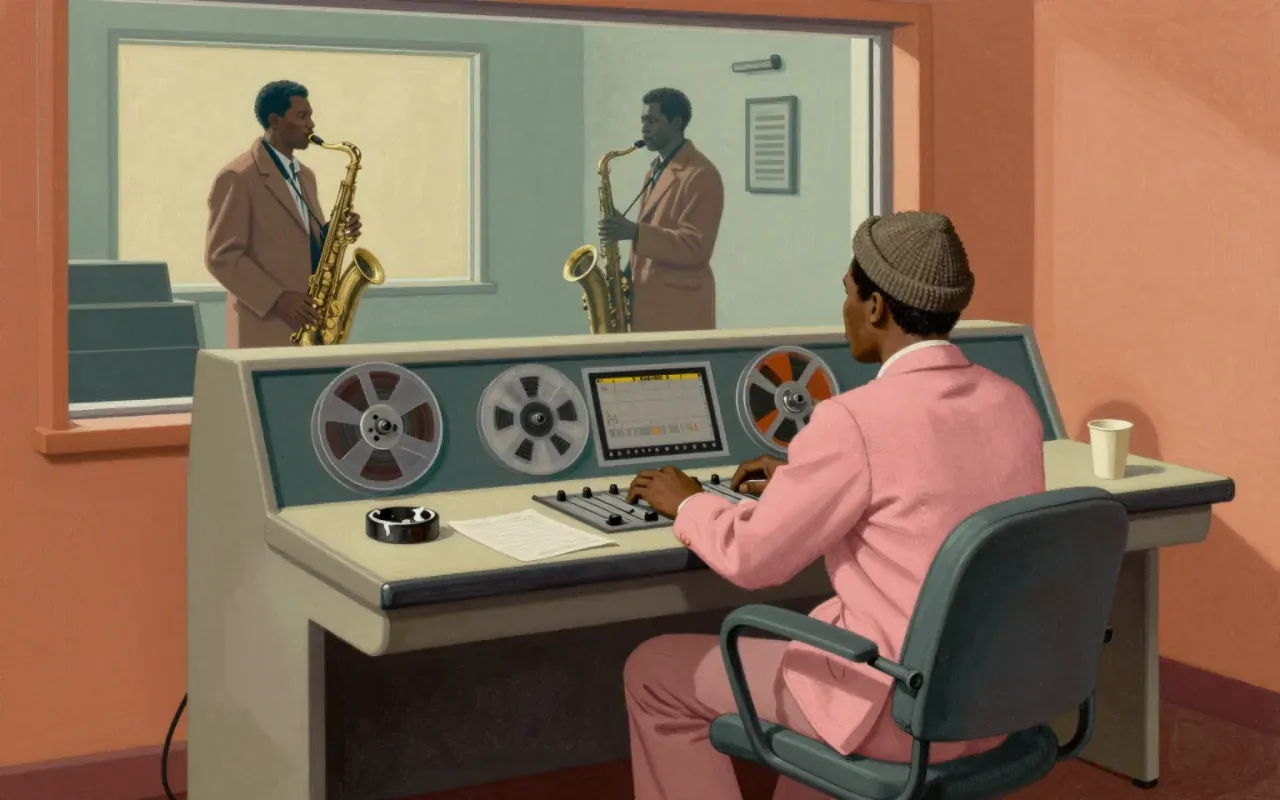
A 1965 Tamla album assembled across 1963–1965 at Hitsville USA in Detroit. Six tracks predate the album’s release. Smokey Robinson produced and sang lead; Pete Moore arranged vocals and co-wrote seven songs; Marv Tarplin played guitar on three tracks; The Funk Brothers and Detroit Symphony Orchestra provided instrumentation. Four singles charted Top 20 on Billboard Hot 100 and Top 10 on R&B. Released under the name Smokey Robinson and the Miracles. Listed in Rolling Stone’s 500 Greatest Albums.

12:02

Kick Out the Jams

MC5 · 1969

Kick Out the Jams is MC5’s debut live album, recorded over two nights at Detroit’s Grande Ballroom in October 1968 and released in February 1969. It is raw, in-your-face, savage and raging. Bruce Botnick engineered it. Jac Holzman and Botnick knew MC5 were at their best playing for a receptive audience. The band used no studio overdubs or edits — just five players captured in the room: Wayne Kramer on lead guitar and vocals for 'Ramblin' Rose', Fred 'Sonic' Smith on rhythm guitar, Michael Davis on bass, Dennis Thompson on drums, Rob Tyner on lead vocals. It contains politically explicit material: 'Motor City Is Burning' references the Detroit riots of 1967 and praises the Black Panthers. 'Starship' is co-credited to Sun Ra because its lyrics borrow from one of his poems. John Sinclair’s liner notes are inflammatory. It does not offer studio polish, instrumental nuance, or vocal control. It does not separate instruments in the mix. It does not mute the title track’s expletive in the original release. The title track lands as a full-throated, room-filling call to action. 'Rocket Reducer No. 62' lands as a proto-punk anthem with repetitive, driving force. 'Motor City Is Burning' lands as an extended, politically charged cover. 'Starship' lands as a spaced-out, lyrically borrowed piece. Yes — if you want to hear what unmediated live rock energy sounded like before production smoothed it out. No — if you need separation, clarity, or restraint.

10:46

The Slim Shady LP

Eminem · 1999

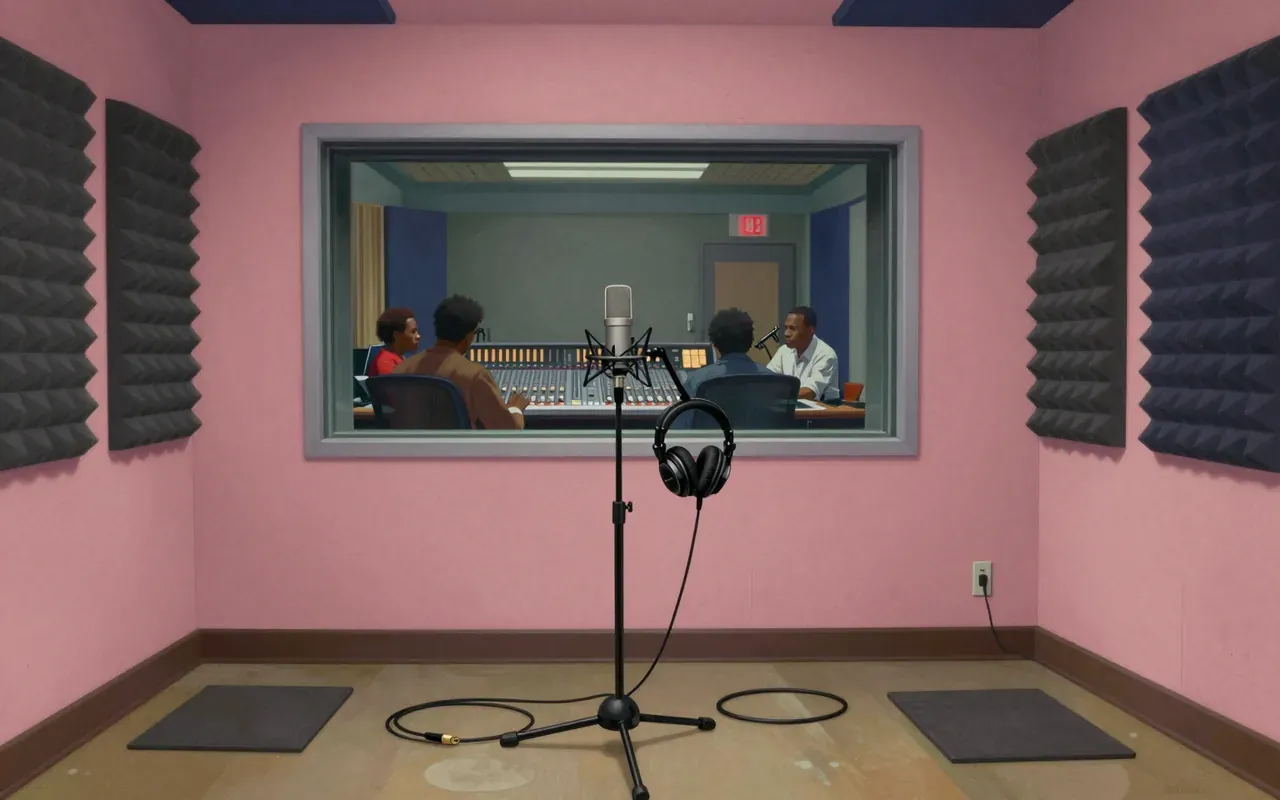
The Slim Shady LP is a tightly controlled studio document: recorded in one room, built from one workflow, anchored by one persona. Its power lies in execution—not concept, not legacy, not controversy as spectacle, but controversy as deliberate sonic placement.

13:00

What’s Going On

Marvin Gaye · 1971

Released in 1971 on Motown's Tamla imprint, What's Going On was the first Marvin Gaye album he produced himself, built from grief, a stalled football tryout and a label boss who initially wanted nothing to do with the title track. The result plays as one continuous piece rather than a run of singles, moving from a returning soldier's disillusionment to ecological unease without ever raising its voice.