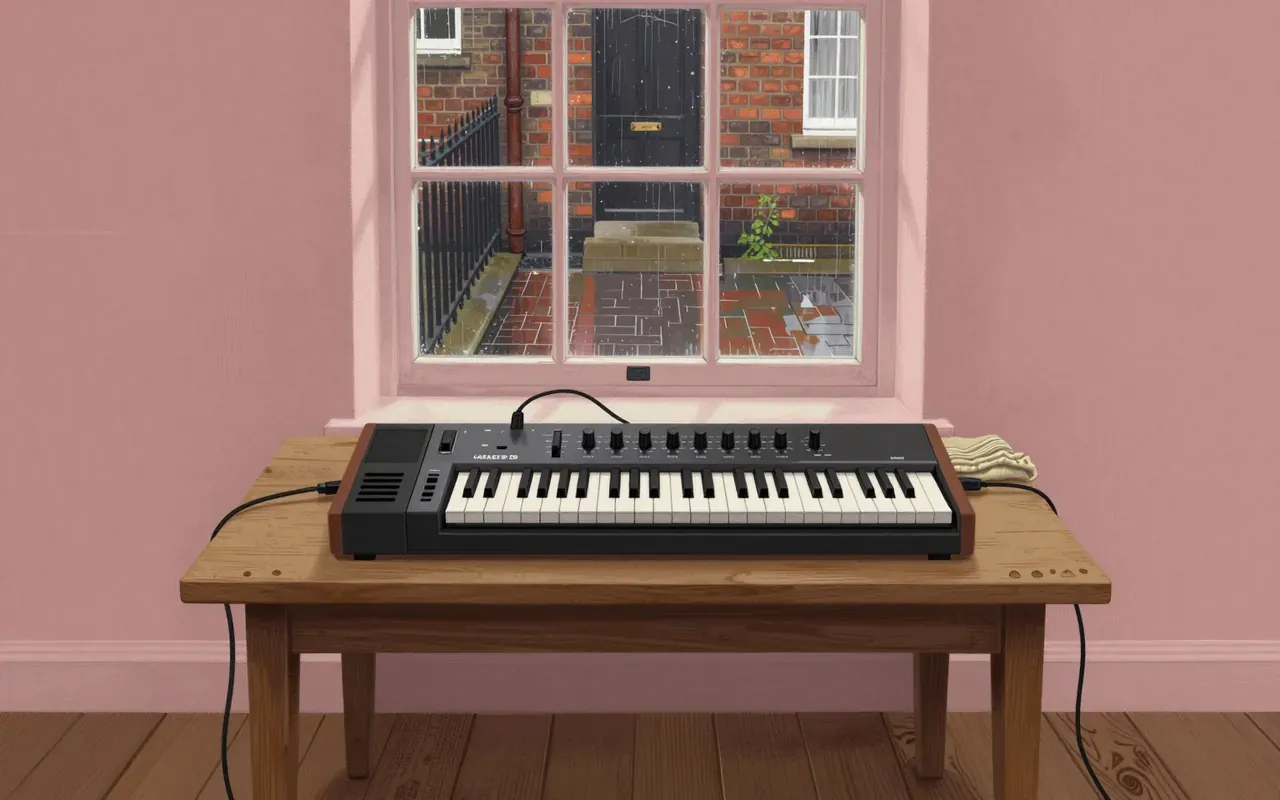
Ghosteen
Nick Cave and the Bad Seeds · 2019
Ghosteen is a deliberate reduction — of rhythm, of narrative, of band-as-unit — into sustained ambient texture and falsetto-led abstraction. Its power lies in what it omits.
Freedom without instructions, and the anxiety that comes with it.
Ghosteen is a deliberate reduction — of rhythm, of narrative, of band-as-unit — into sustained ambient texture and falsetto-led abstraction. Its power lies in what it omits.
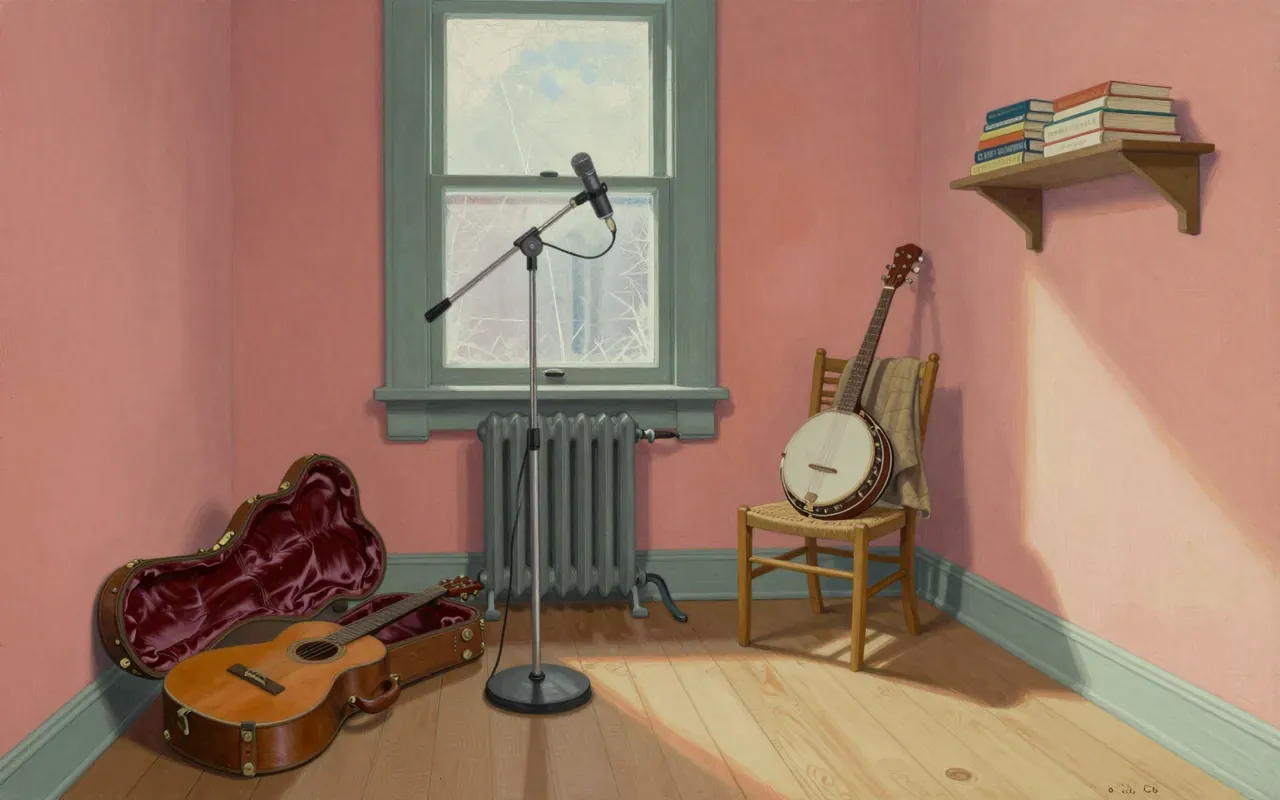
Songs From a Room is Leonard Cohen’s second studio album, released in 1969. It follows his 1967 debut and precedes Songs of Love and Hate (1971) and New Skin for the Old Ceremony (1974). Recorded in Nashville with Bob Johnston after abandoning sessions with David Crosby in Hollywood, it features Ron Cornelius, Charlie Daniels, Bubba Fowler, and Johnston himself. The sound is austere: acoustic guitar, banjo, fiddle, bass, keyboards, and ornamental Jew’s harp. Drums are sparse. Johnston treated the process as painting, and for ‘The Partisan’, he and Cohen travelled to France to overdub three female French singers. The album responds directly to criticism of the lushness of Cohen’s first record — it is stark, lyric-forward, and deliberately simple.
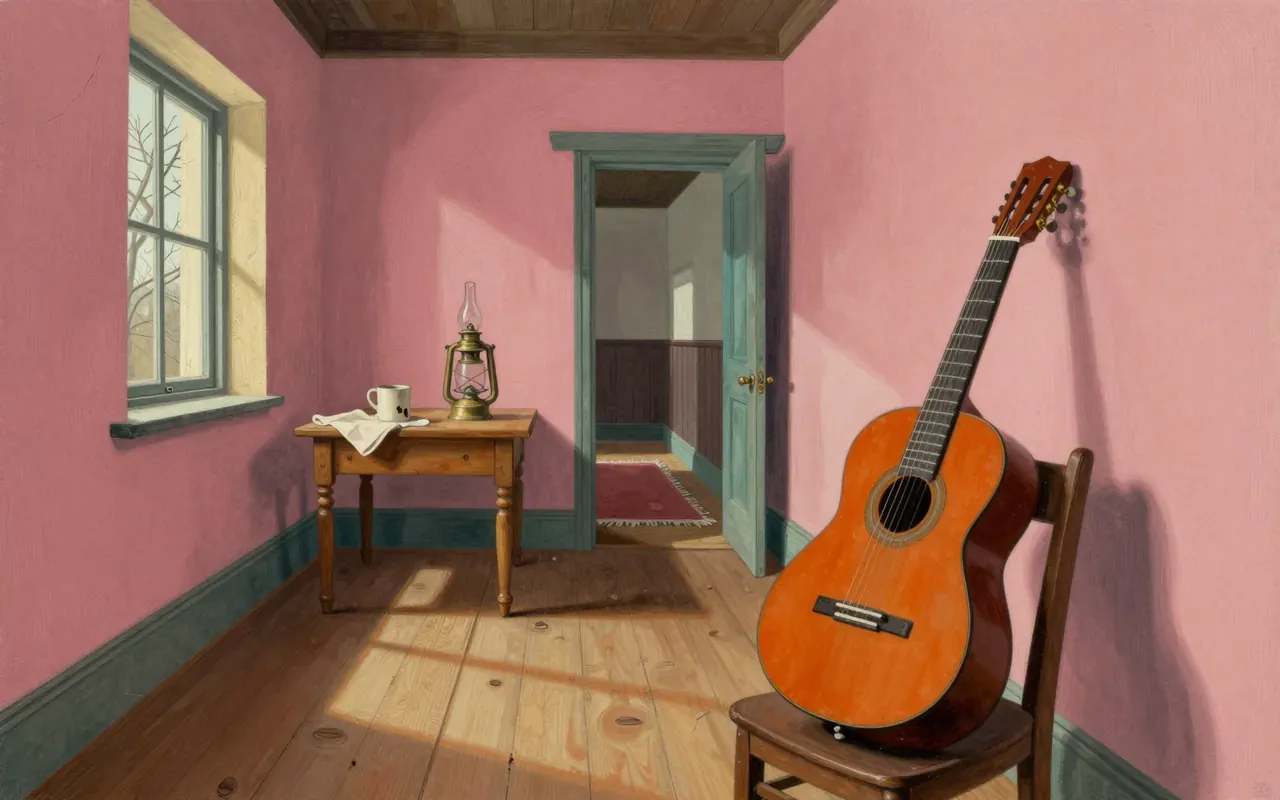
Songs of Love and Hate is Leonard Cohen’s third studio album, released in 1971. It follows Songs of Leonard Cohen (1967) and Songs from a Room (1969). It is part of his early sequence of folk music albums. Most of the album was recorded at Columbia Studio A in Nashville between 22 and 26 September 1970. 'Sing Another Song, Boys' was recorded live at the Isle of Wight Festival on 30 August 1970. Further recording took place at Trident Studios in London. Cohen reunited with producer Bob Johnston and brought back guitarist Ron Cornelius, who led the backing band called The Army. Cohen described 'Joan of Arc' as exploring how humans meet and embrace their destiny. He stated that 'Famous Blue Raincoat' is about a man writing to another man who had an affair with his wife, and that the title references his own blue Burberry raincoat. Cohen expressed dissatisfaction with 'Famous Blue Raincoat', feeling it was unfinished and revealed its compositional 'carpentry', though he praised its tune and some images. Cohen's syncopated classical guitar 'chop' is especially prominent on 'Avalanche', and he considered 'Dress Rehearsal Rag' unreperformable by him. Songs of Love and Hate was not referenced in the document as having been used in film soundtracks or performed on BBC TV.

Surf's Up is the Beach Boys' 1971 studio album, recorded intermittently between January and July 1971. Carl Wilson assumed de facto leadership and produced the bulk of the recordings, marking a shift from Brian Wilson’s earlier dominance. Brian Wilson was not especially active in the production, resulting in thinner vocal arrangements compared to Sunflower. Carl Wilson's first major solo compositions — 'Long Promised Road' and 'Feel Flows' — were recorded almost entirely by him. The title track 'Surf’s Up' was completed in June 1971 using archival recordings from late 1966, newly overdubbed by Carl and augmented with Moog and vocals. The album reflects a deliberate shift toward topical lyricism under Rieley’s influence, with socially conscious songs like 'Student Demonstration Time' and 'Don't Go Near the Water'. Brian contributed 'Til I Die', crafted over weeks amid existential crisis with drum machine, vibraphone, and organ, and co-wrote 'A Day in the Life of a Tree' with Jack Rieley, scored with antique and smaller pipe organs. Bruce Johnston wrote 'Disney Girls (1957)' in response to drug-affected youth in their audience, and Al Jardine contributed the Sunflower outtake 'Take a Load Off Your Feet' and co-wrote 'Lookin' at Tomorrow (A Welfare Song)' with Gary Winfrey.
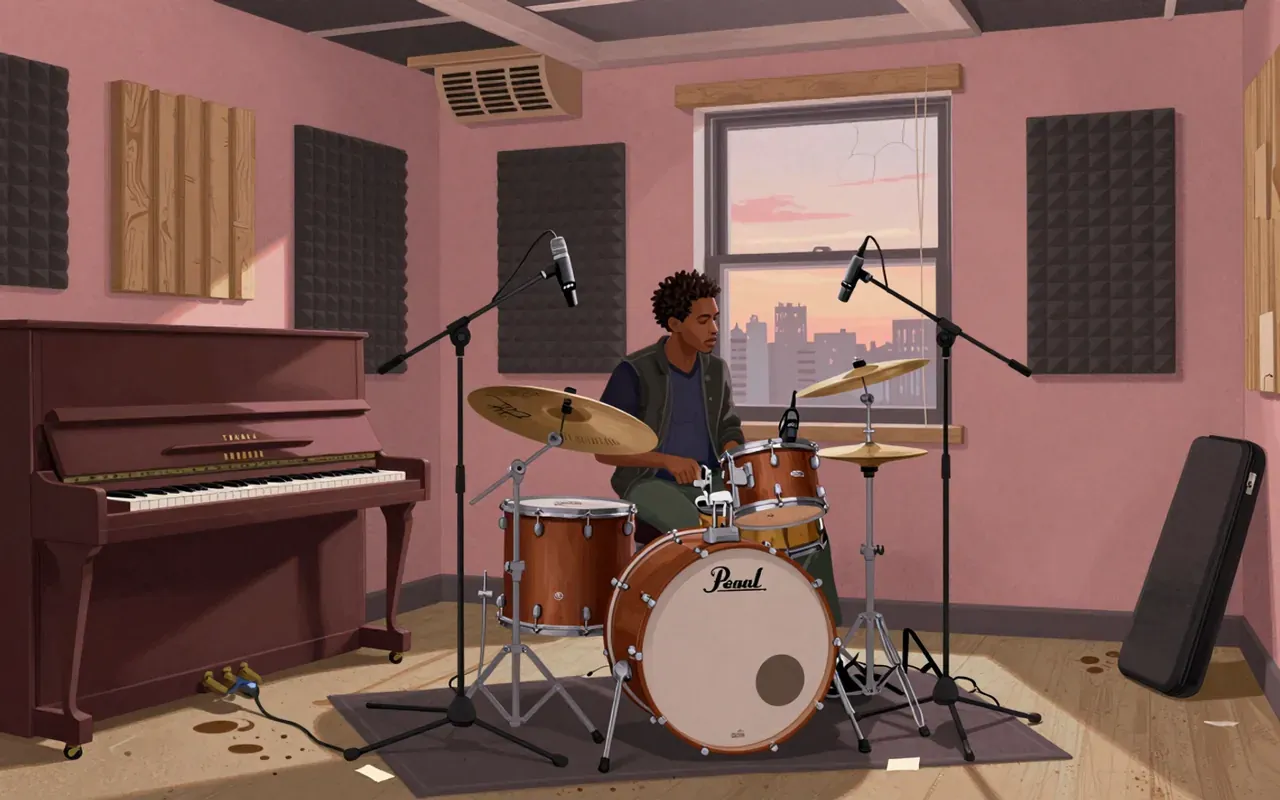
Undun is a reverse-chronological hip-hop concept album about Redford Stevens, a fictional man whose life ends before it begins. Recorded in Philadelphia and New York City, produced by Questlove, it uses neo soul and indie textures played live by The Roots’ full band—including sousaphone, guitar, and keyboards. Guest rappers and vocalists appear, but never as decoration: each voice marks a pivot in Redford’s narrowing path. It refuses catharsis. It refuses explanation. It insists the tragedy is structural—not personal.