
Rhythm & Sound
Rhythm & Sound · 2001
Rhythm & Sound’s 2001 self-titled album is a focused, collaborative re-engagement with Jamaican dub — defined by vocal partnerships, spatial production, and structural restraint.
Bass as a community technology.
Rhythm & Sound’s 2001 self-titled album is a focused, collaborative re-engagement with Jamaican dub — defined by vocal partnerships, spatial production, and structural restraint.
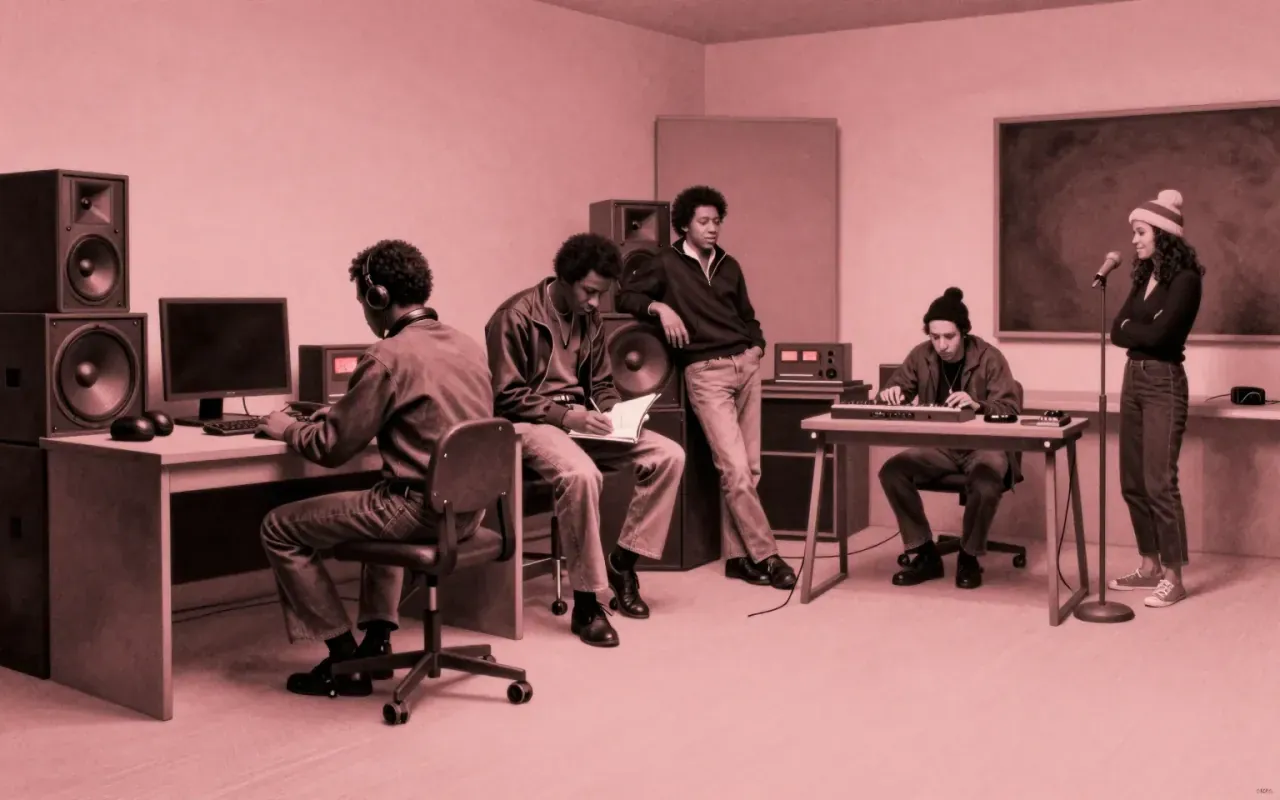
Built across eight months and half a dozen London studios, Blue Lines slows hip hop's breakbeats down to a reggae and soul pace, with Shara Nelson and Horace Andy carrying the vocals. It is the record most often credited with starting trip hop, made by a group working from instinct rather than any stated genre plan.
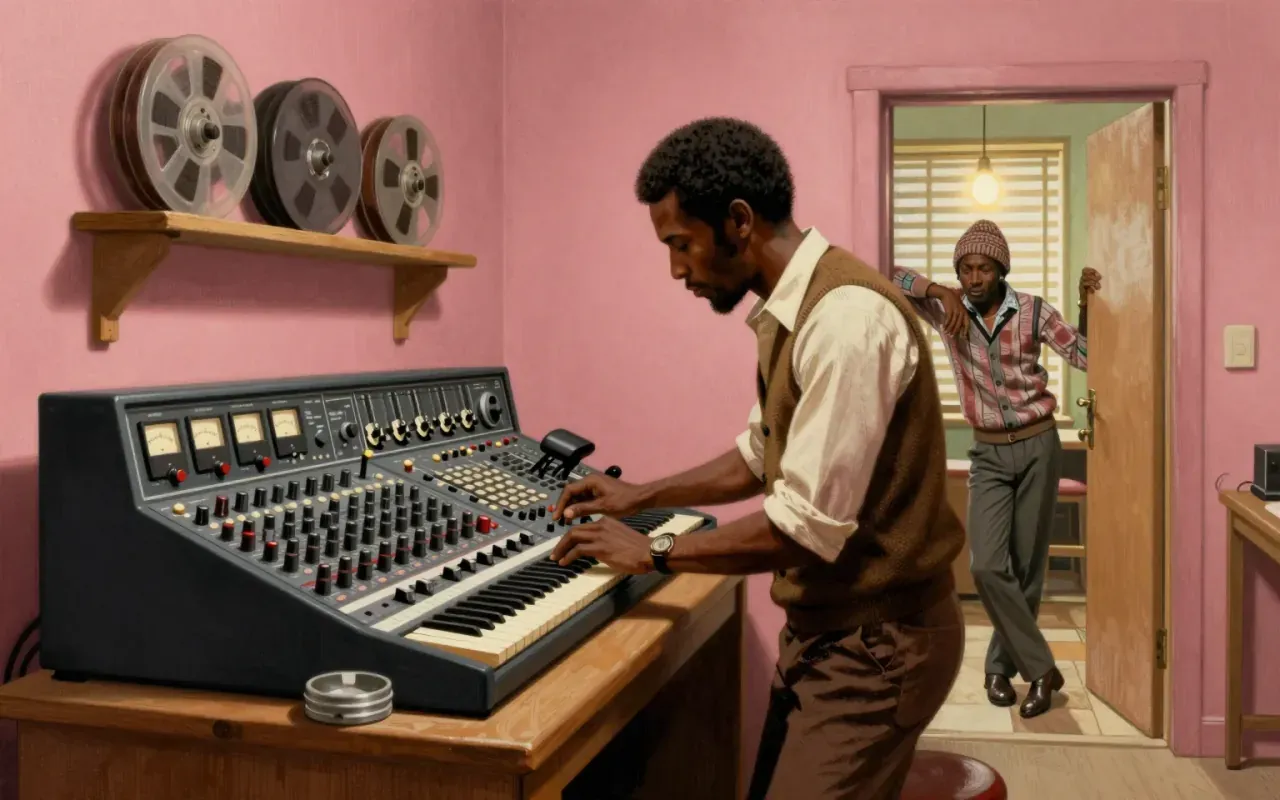
Augustus Pablo cut these tracks with a top-tier Kingston rhythm section, then carried the tapes to King Tubby's studio for mixing that turned rebuilt rhythms into a defining dub statement. Reissued repeatedly since 1976, it remains one of the most consistently reappraised dub records of its decade, anchored by a title track ranked among the greatest recordings in popular music.
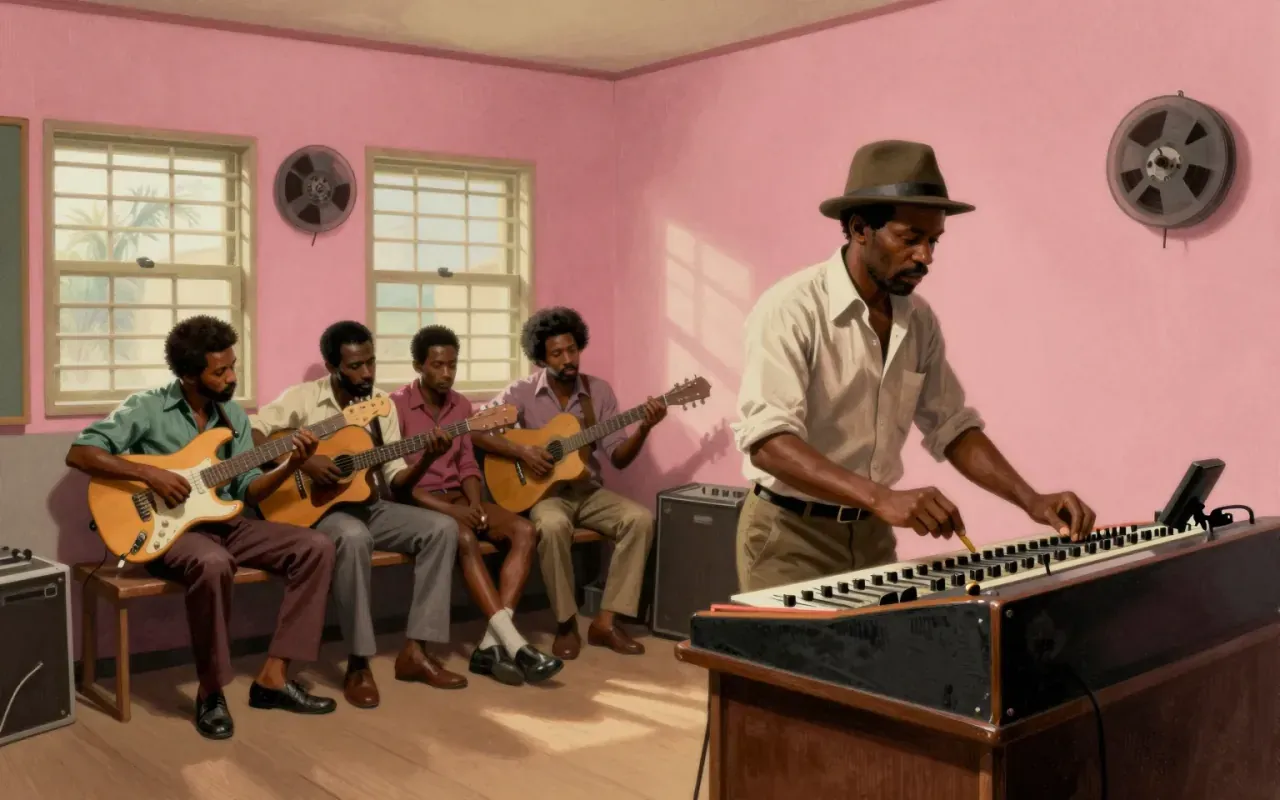
Credited to Perry's house band the Upsetters, Super Ape reached Jamaica and the rest of the world as two related but differently sequenced records in 1976. Built from echo, dropout and heavy re-recording rather than conventional songwriting, it stands as one of dub's clearest demonstrations of production as authorship.