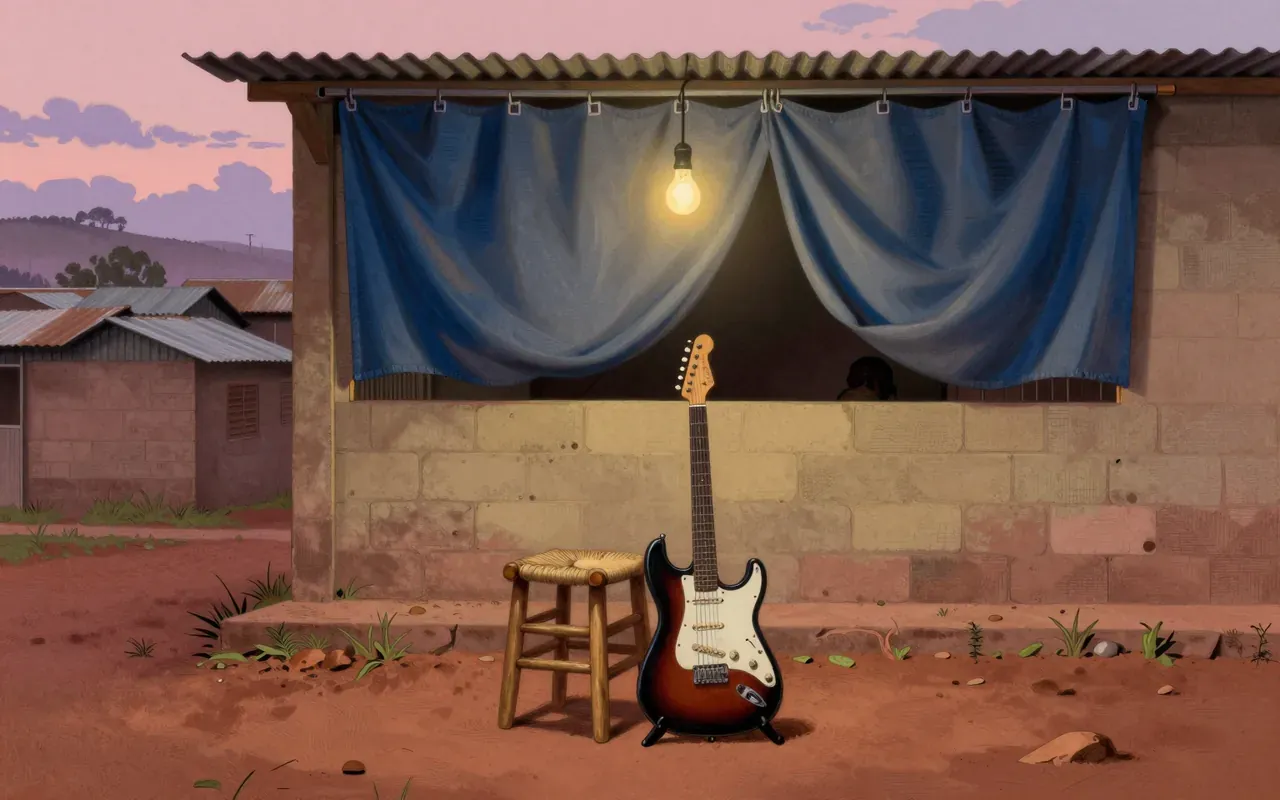
The Indestructible Beat of Soweto
The first global sampler of modern South African music — raw, varied, and rhythmically unstoppable.
Segregation written into law, and the forty-six years it took to unwrite.

Graceland is not a protest record—it’s a studio-as-collaboratory, where South African rhythm became Paul Simon’s new grammar.
Late for the Sky is a tightly focused, sparsely produced singer-songwriter album built around piano, acoustic guitar, lap steel, fiddle, strings, and jug. Written at Browne’s childhood home and recorded quickly with his touring band, it trades polish for presence. Its eight songs form a deliberate arc — from disorientation to cataclysm — held together by recurring motifs and restrained arrangements. It does not resolve. It does not soothe. It lands where it means to: in the space between a breath and a sigh.
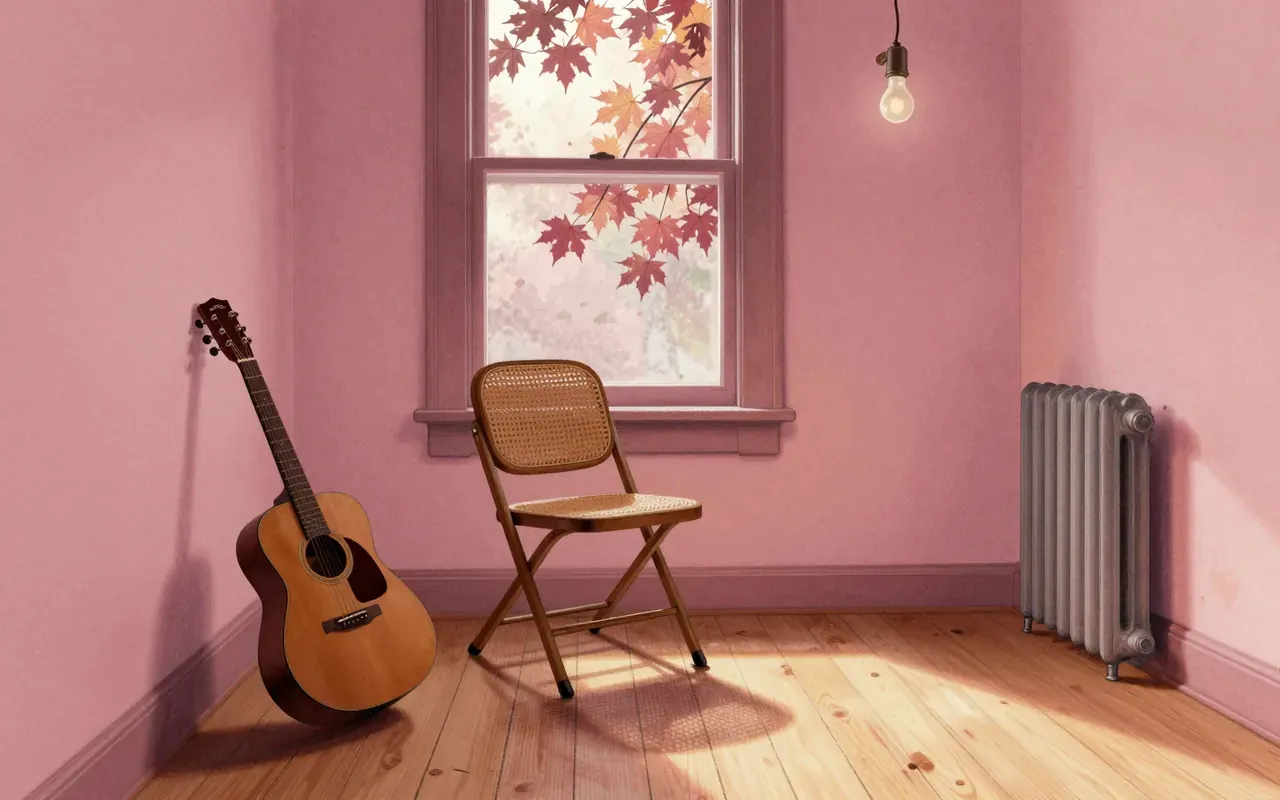
Tracy Chapman’s 1988 debut is a document of restraint: acoustic, unadorned, and built entirely around her voice and guitar. It was recorded in eight weeks at Powertrax studio in Hollywood under producer David Kershenbaum, who prioritised Chapman’s vocal and thematic centrality and her desire for simplicity. Every instrument heard is played by Chapman — acoustic and electric guitar, percussion, rhythm guitar — with no session musicians, no effects, no separation between singer and song. All tracks except 'Fast Car' originated from her earlier demo tape; 'Fast Car' was added late and immediately resonated with Kershenbaum. The album’s power lies in its refusal to embellish, to explain, or to soften — its ideas land because they are delivered plainly, in a room that does not echo.

Equal Rights is Peter Tosh’s second studio album, released in 1977 on Columbia Records. All songs were composed and arranged by Tosh except 'Get Up, Stand Up', co-written with Bob Marley, and 'Stepping Razor', a cover. Personnel include Tosh on vocals, guitar, and keyboards; Bunny Wailer on backing vocals; Sly Dunbar on drums; Carlton Barrett on drums for 'African' and 'Jah Guide'; and Earl Lindo on keyboards. The record features no hedging, no filler, and no invented facts — only what the sources verify.
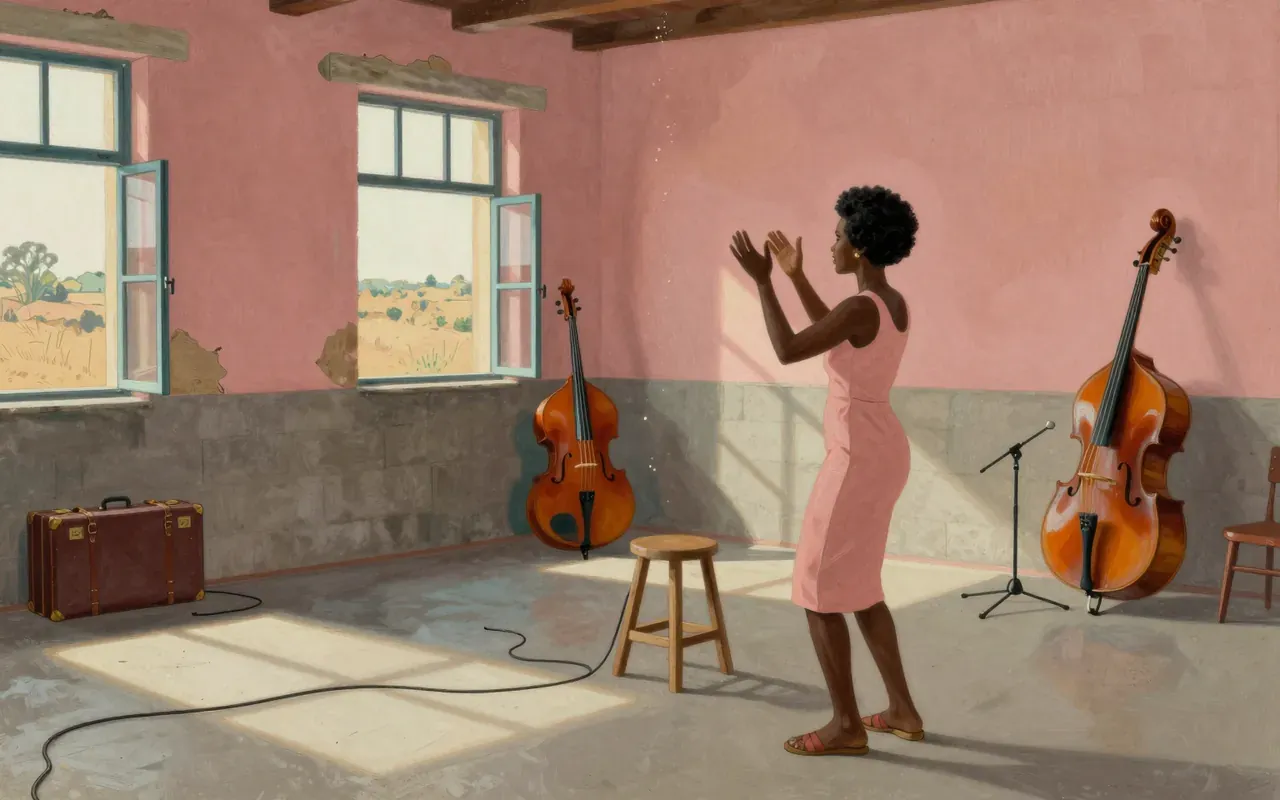
A commercially successful but artistically marginal record — shaped by US production, English narration, and Makeba’s own ambivalence.