
Black Sunday
Cypress Hill · 1993
Black Sunday is a landmark commercial and cultural achievement — not a document of its production process.
Who gets to decide what cannot be said, and on what grounds.
Black Sunday is a landmark commercial and cultural achievement — not a document of its production process.
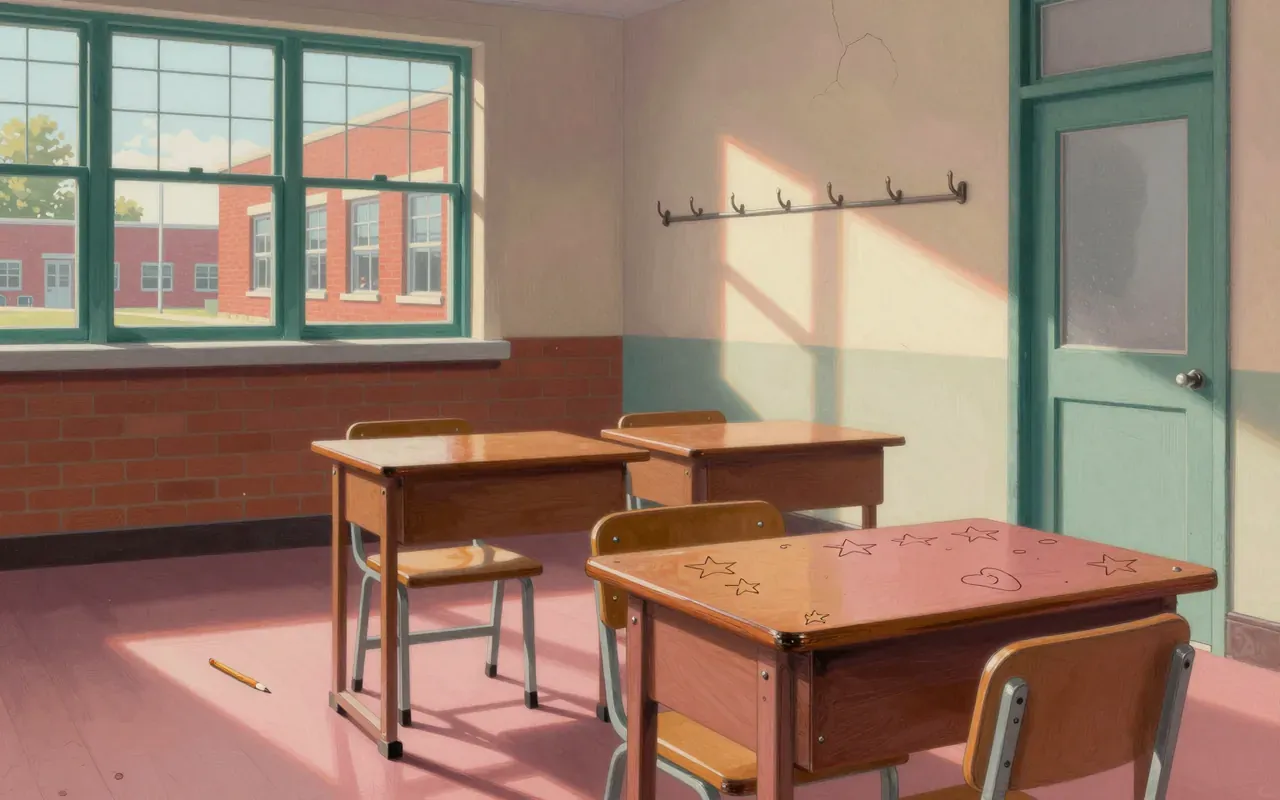
School's Out is a 1972 rock album by Alice Cooper, designed as a school desk with carved graffiti and wrapped in flammable paper panties. Its title track was a UK number one and US Top 10 hit. It marked a shift to a bratty, macho stage persona and provoked moral outrage — including a BBC video ban — without denting its popularity.
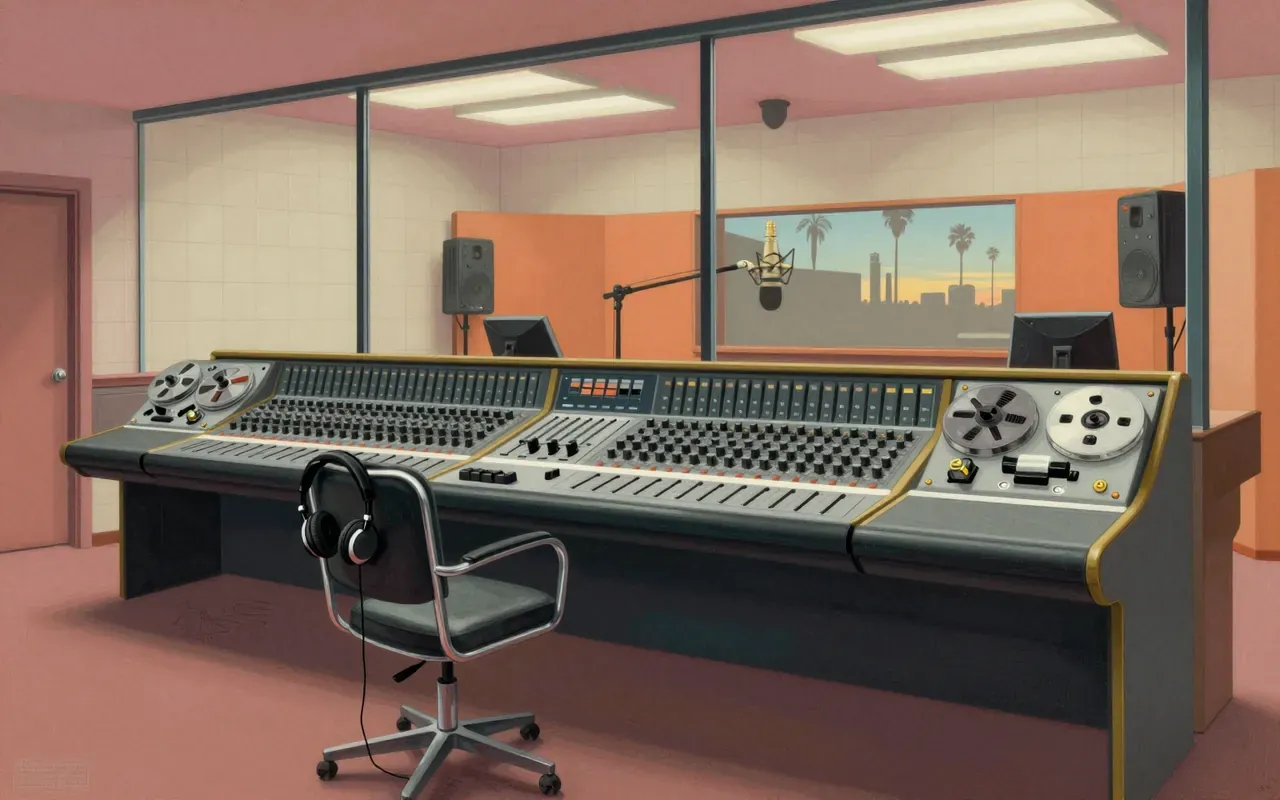
Freak Out! is a satirical, structurally ambitious double album that uses studio craft, quotation, and genre collision to dissect American pop culture. Its power lies in how deliberately every decision — from personnel to sequencing to censorship — serves that critique.
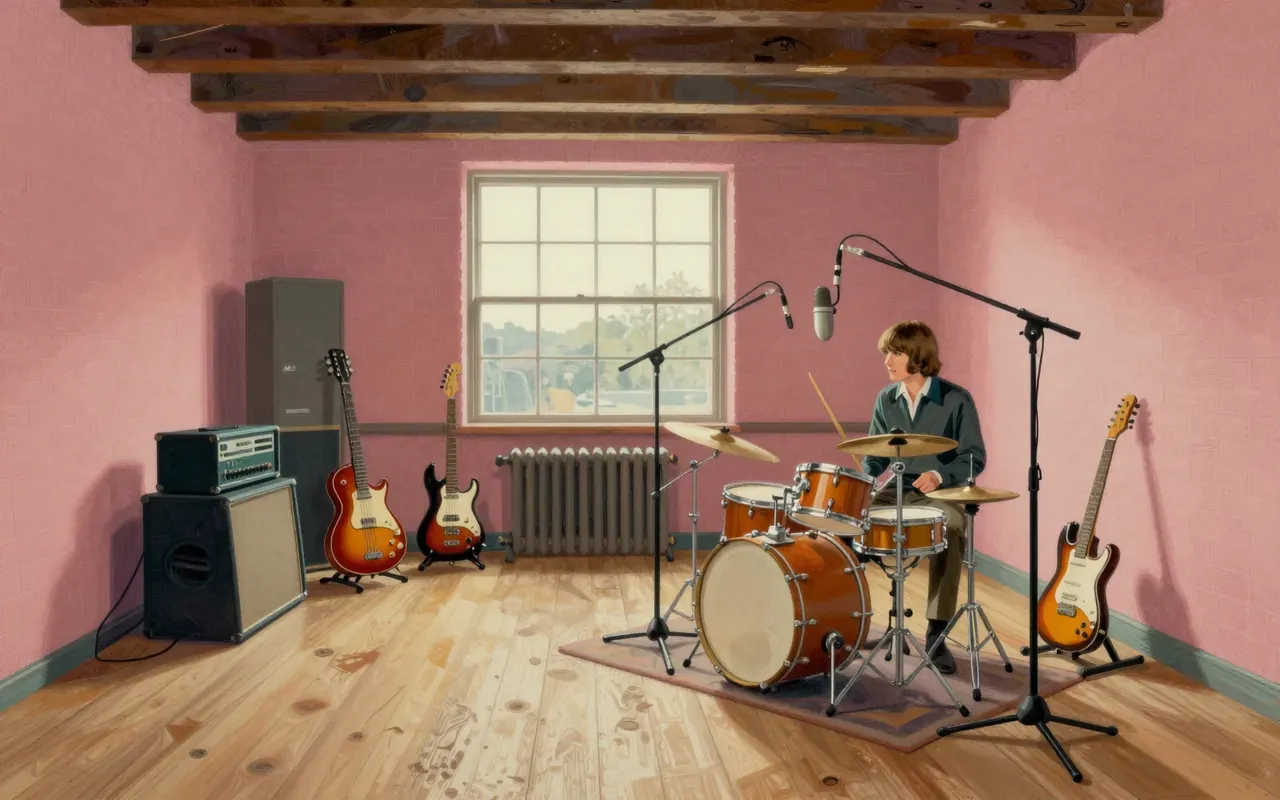
John Lennon/Plastic Ono Band is a 1970 solo debut shaped by primal therapy. Recorded at Abbey Road Studios in September–October 1970 with Ringo Starr, Klaus Voormann, and co-producers John Lennon, Yoko Ono, and Phil Spector. Its lyrics confront childhood trauma and psychological suffering. Its sound is raw and minimalist—guitar, bass, drums, voice—recorded live with no overdubs or effects. It features 'Mother', 'Working Class Hero', and 'God'. It was critically acclaimed but commercially limited by its starkness and confrontational content. It established the template for emotionally unfiltered rock autobiography.
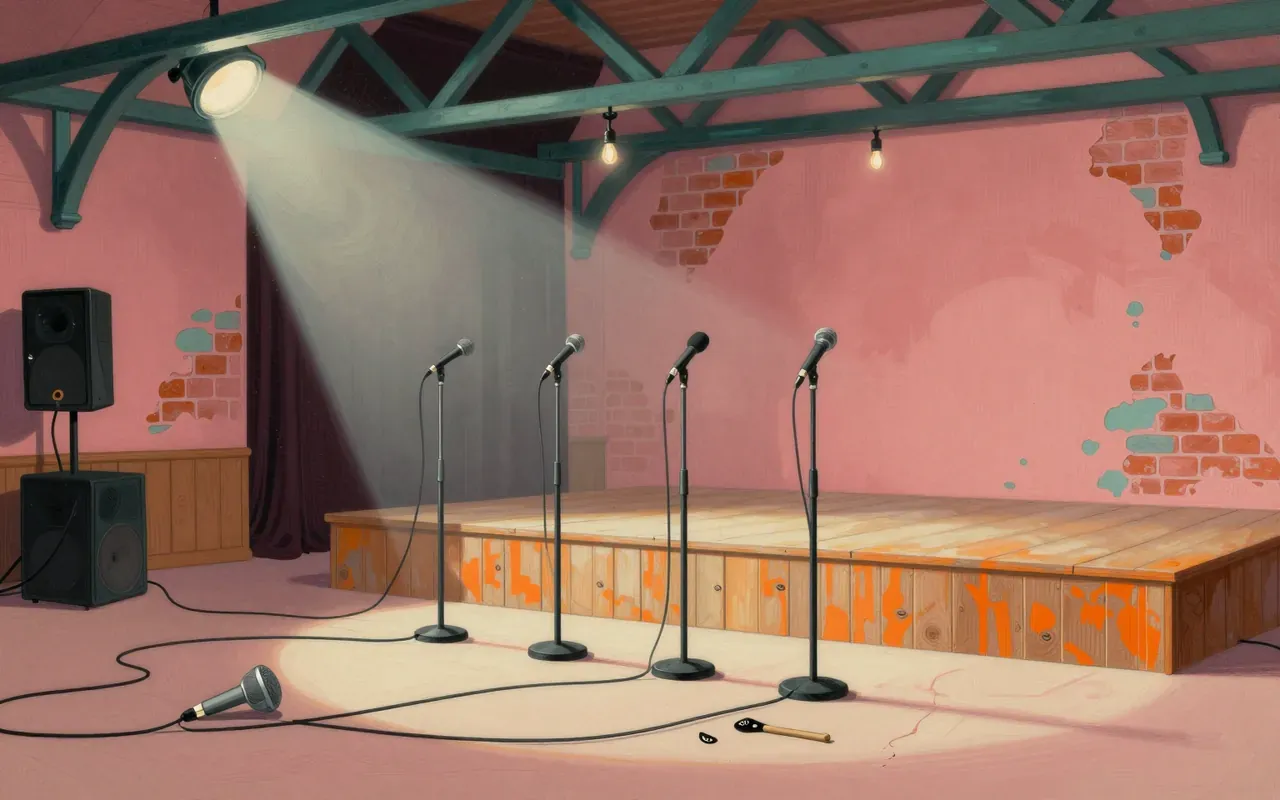
Kick Out the Jams is MC5’s debut live album, recorded over two nights at Detroit’s Grande Ballroom in October 1968 and released in February 1969. It is raw, in-your-face, savage and raging. Bruce Botnick engineered it. Jac Holzman and Botnick knew MC5 were at their best playing for a receptive audience. The band used no studio overdubs or edits — just five players captured in the room: Wayne Kramer on lead guitar and vocals for 'Ramblin' Rose', Fred 'Sonic' Smith on rhythm guitar, Michael Davis on bass, Dennis Thompson on drums, Rob Tyner on lead vocals. It contains politically explicit material: 'Motor City Is Burning' references the Detroit riots of 1967 and praises the Black Panthers. 'Starship' is co-credited to Sun Ra because its lyrics borrow from one of his poems. John Sinclair’s liner notes are inflammatory. It does not offer studio polish, instrumental nuance, or vocal control. It does not separate instruments in the mix. It does not mute the title track’s expletive in the original release. The title track lands as a full-throated, room-filling call to action. 'Rocket Reducer No. 62' lands as a proto-punk anthem with repetitive, driving force. 'Motor City Is Burning' lands as an extended, politically charged cover. 'Starship' lands as a spaced-out, lyrically borrowed piece. Yes — if you want to hear what unmediated live rock energy sounded like before production smoothed it out. No — if you need separation, clarity, or restraint.
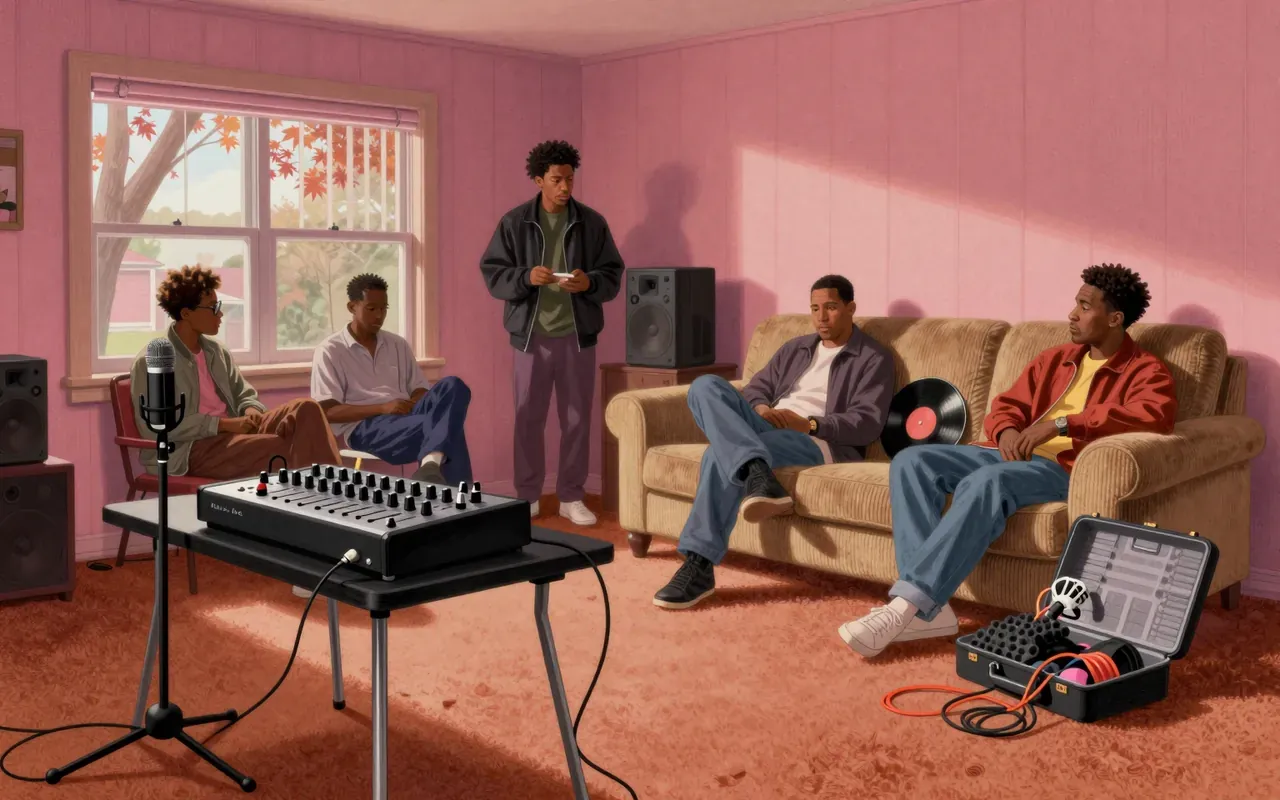
Mama Said Knock You Out is LL Cool J's fourth studio album, released in 1990 and produced primarily by Marley Marl. It was recorded at Marley Marl's 'House of Hits' home studio in Chestnut Ridge and at Chung King House of Metal in New York City. All tracks were co-written by James Todd Smith and Marlon Williams unless otherwise noted. The single version of 'Jingling Baby (Remixed but Still Jingling)' was remixed by Marley Marl. 'The Boomin' System' is censored on all album editions; the uncensored version appears only on the 12" single.

Nothing's Shocking is a bass-led, royalty-fractured 1988 debut that sounds like it was recorded mid-argument — and that’s why it still bites.

Reign in Blood is a surgical strike on metal production conventions. It replaces reverb with proximity. It replaces sprawl with velocity. It replaces myth with documentation. Its power comes from what it leaves out—not what it adds.
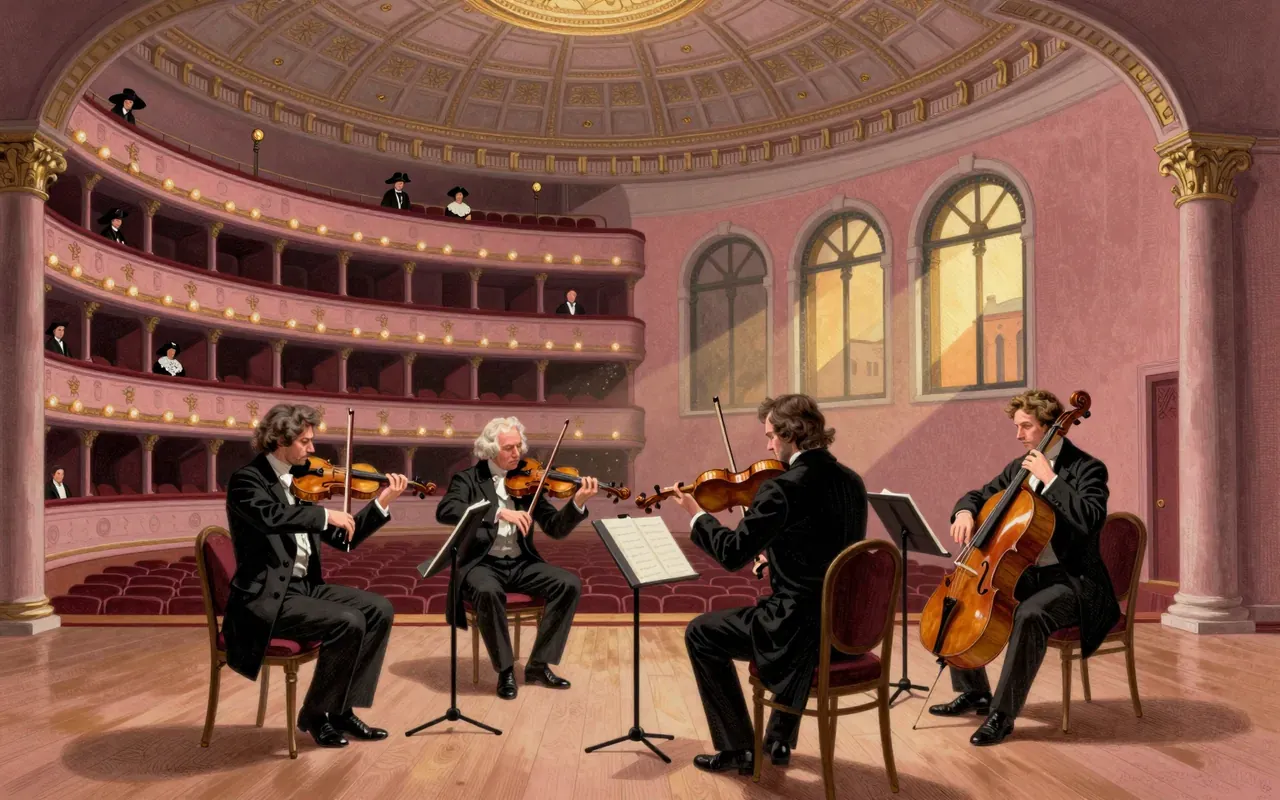
Rigoletto (1989) is a recording of Verdi’s 1851 opera, premiered at La Fenice in Venice. It uses offstage band, onstage chamber strings, and pit orchestra as distinct dramatic agents. Its innovations include melody assigned to low woodwinds and strings—not voices—in key duets; humming chorus as diegetic wind; and continuous pacing that replaces sectional numbers. Censorship shaped its structure: the Duke substitutes for royalty, and 'La donna è mobile' was rehearsed in isolation to control its impact. It contains only one conventional double aria and no concerted act finales. Julian Budden calls it revolutionary—comparable to Beethoven’s Eroica—for dissolving barriers between recitative and melody.