
Interstellar
Hans Zimmer · 2014
A functional, architecturally driven score that treats the cathedral as its primary instrument. It lands where space and gravity meet sound — and fails where melody or motion is expected.
The universe as a whole, reconstructed from very old light.
A functional, architecturally driven score that treats the cathedral as its primary instrument. It lands where space and gravity meet sound — and fails where melody or motion is expected.
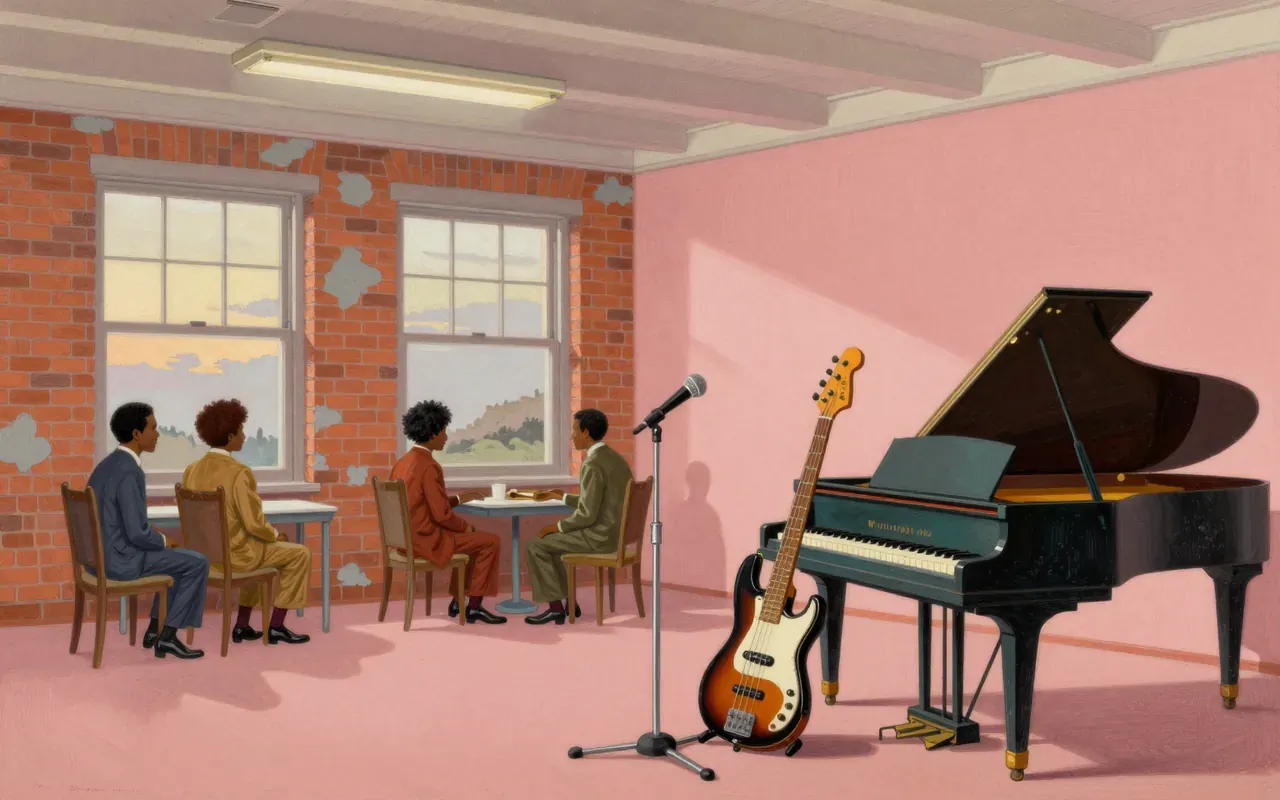
The Heliocentric Worlds of Sun Ra, Volume 1 is a 1965 album of compositions and arrangements by Sun Ra played by Sun Ra and his Solar Arkestra. It was recorded at Studio RLA in New York on April 20, 1965, engineered by Richard L Alderson. The music is heavily percussive but dispenses with a continuous beat, reconstructing itself around interweaving compositional and improvisatory creative principles with programmatic affects. It exemplifies a radical break from previous notions of melody or harmony. The interwoven lines of Ronnie Boykins' bass and Sun Ra's electronic keyboards provide cohesion. Sun Ra directed the session in real time—stopping takes, assigning rhythms, revising horn parts, and reassigning solos based on his understanding of each player's strengths. The album was originally released with a black-and-white sleeve designed by Sun Ra. It belongs to Sun Ra's New York phase, marked by experimentalism, tape delay, spatial sound, free improvisation, expanded instrumentation, and pioneering use of synthesizers and electronic keyboards.
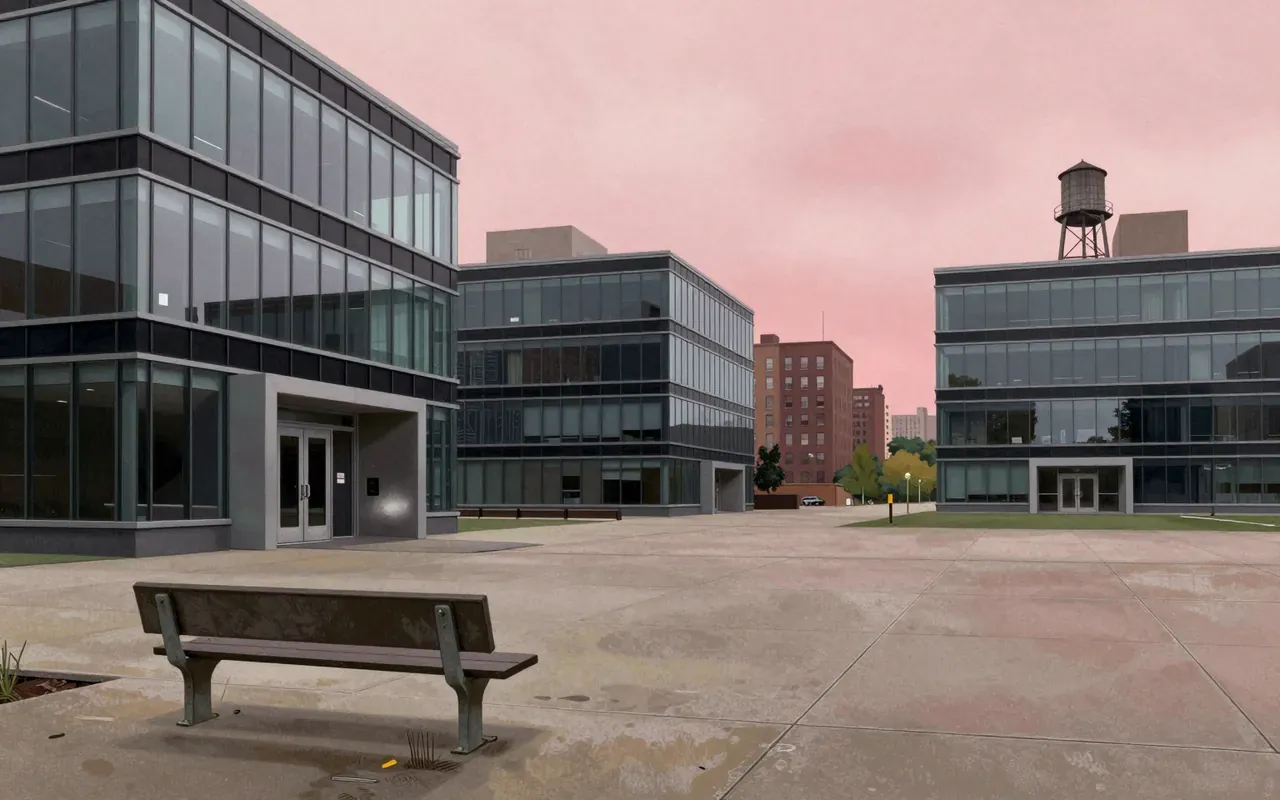
Glassworks is a six-movement chamber work Philip Glass wrote for the recording studio after his large concert and stage pieces, released by CBS in 1982 on LP and on cassette, each with its own mix. It was meant to bring his music to a wider audience, and it did: the album sold well and made his name widely known.
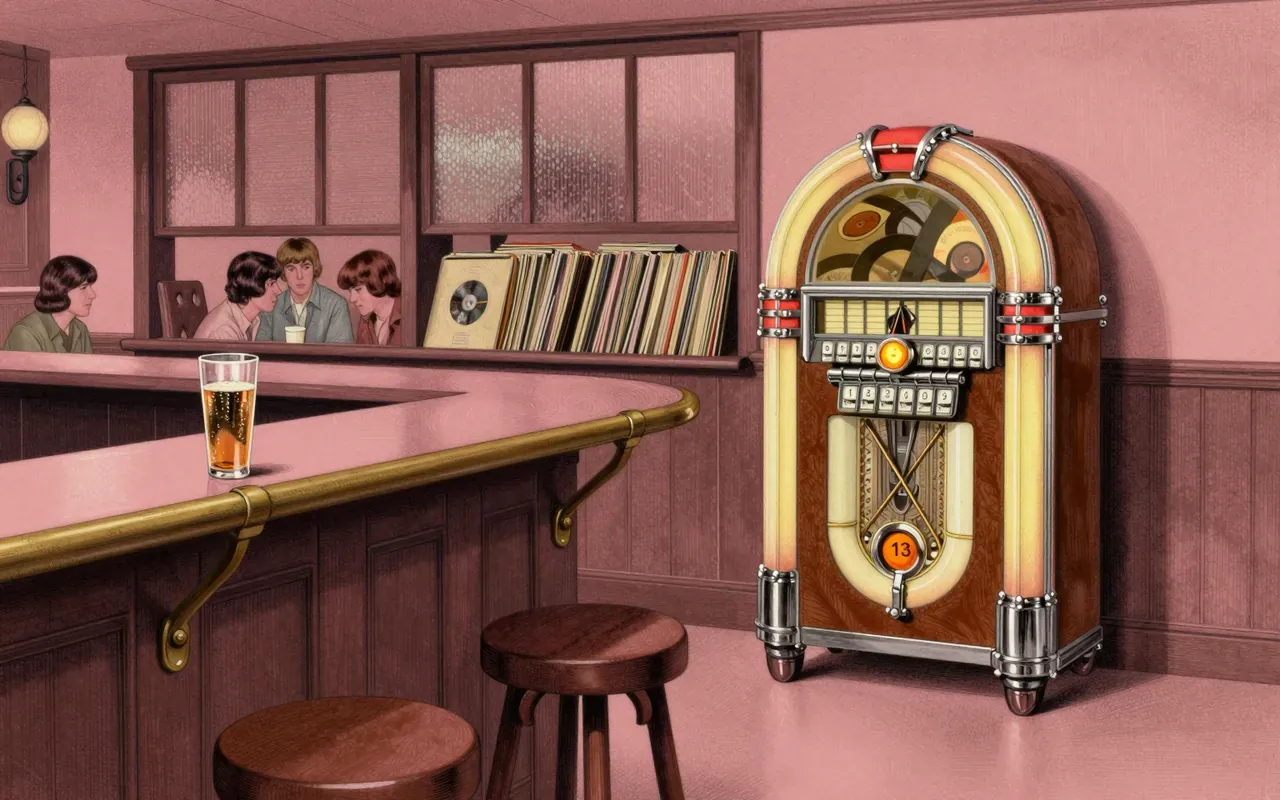
20 Golden Greats was first issued in Britain in 1978, collecting recordings associated with Buddy Holly and the Crickets from 1956–58. It also circulated as Buddy Holly Lives. The release date belongs to the retrospective, not to a newly assembled performing group.
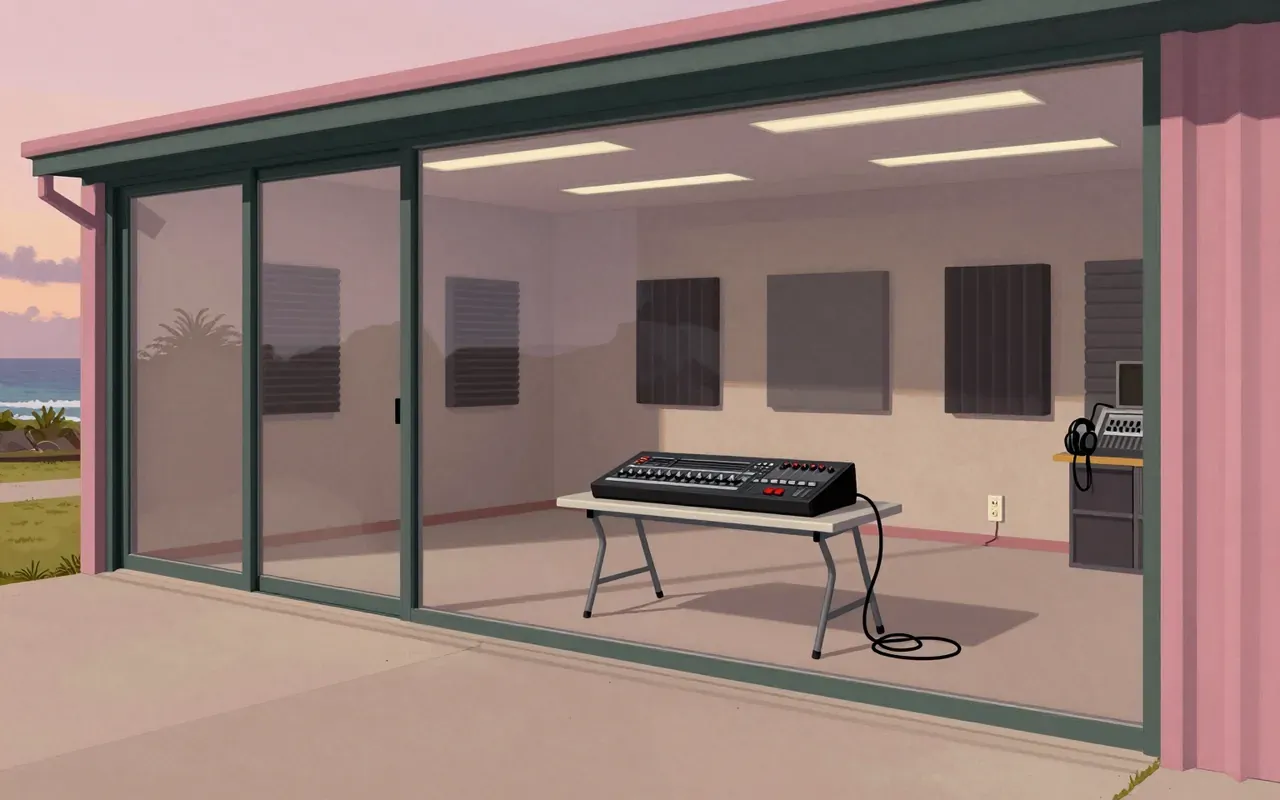
Released in 2008, 808s & Heartbreak followed the death of Kanye West's mother and the end of his engagement. His fourth studio album shifts much of its emphasis from rapping to singing. That change makes the handling of the voice the central question of the record.
Faces' third album was their second release of 1971. Glyn Johns shared production duties, helping shape a programme shorter and more concentrated than its predecessors. Rod Stewart's growing solo profile is part of the context, but Ronnie Lane's three lead vocals make the group's broader identity essential.