Saved
Topic

Dada

Art as refusal, made by people who had seen the trenches.

2
in music
9:09
average
18 min
in total
12
across the network
Dada across the network →
All briefs2
8:36

D.o.A. The Third and Final Report

Throbbing Gristle · 1978

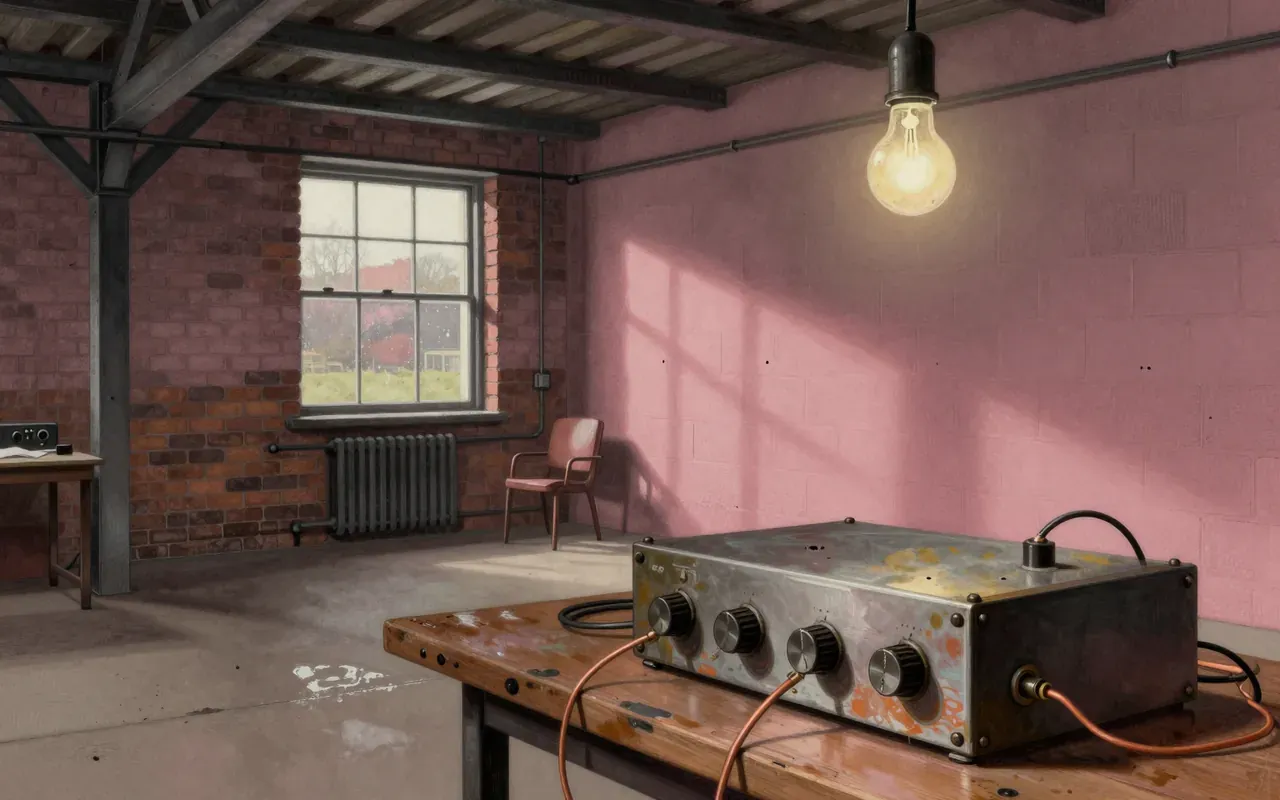
D.o.A. The Third and Final Report is Throbbing Gristle’s 1978 studio album, released on their own Industrial Records label as the follow-up to The Second Annual Report (1977) and the single 'United / Zyklon B Zombie'. It employs pre-recorded tape samples and self-modified effects units to produce a highly distorted sound, usually accompanied by spoken-word or lyrical delivery by Tutti or P-Orridge. The album builds on their transgressive and confrontational aesthetic.
9:42

Q: Are We Not Men? A: We Are Devo!

DEVO · 1978

Q: Are We Not Men? A: We Are Devo! is a controlled demolition of rock vocabulary. It replaces swing with syncopated rigidity. It replaces vocal expression with monotone delivery. It replaces room sound with dead air. It establishes post-punk as architecture, not attitude. It falls short only where it tries to be funny — the jokes land flat because the music refuses to wink.

More from music

All briefs →
8:58

Glassworks

Philip Glass · 1982

Glassworks is a six-movement chamber work Philip Glass wrote for the recording studio after his large concert and stage pieces, released by CBS in 1982 on LP and on cassette, each with its own mix. It was meant to bring his music to a wider audience, and it did: the album sold well and made his name widely known.

2:00

20 Golden Greats

Buddy Holly, The Crickets · 1978

20 Golden Greats was first issued in Britain in 1978, collecting recordings associated with Buddy Holly and the Crickets from 1956–58. It also circulated as Buddy Holly Lives. The release date belongs to the retrospective, not to a newly assembled performing group.

2:05

808s & Heartbreak

Kanye West · 2008

Released in 2008, 808s & Heartbreak followed the death of Kanye West's mother and the end of his engagement. His fourth studio album shifts much of its emphasis from rapping to singing. That change makes the handling of the voice the central question of the record.

2:10

A Nod Is As Good As a Wink... to a Blind Horse

Faces · 1971

Faces' third album was their second release of 1971. Glyn Johns shared production duties, helping shape a programme shorter and more concentrated than its predecessors. Rod Stewart's growing solo profile is part of the context, but Ronnie Lane's three lead vocals make the group's broader identity essential.