musicbriefs
Topic

The nineties

The end of history, briefly believed.

10
in music
11:05
average
111 min
in total
26
across the network
The nineties across the network →
All briefs10
8:47

Live Through This

Hole · 1994

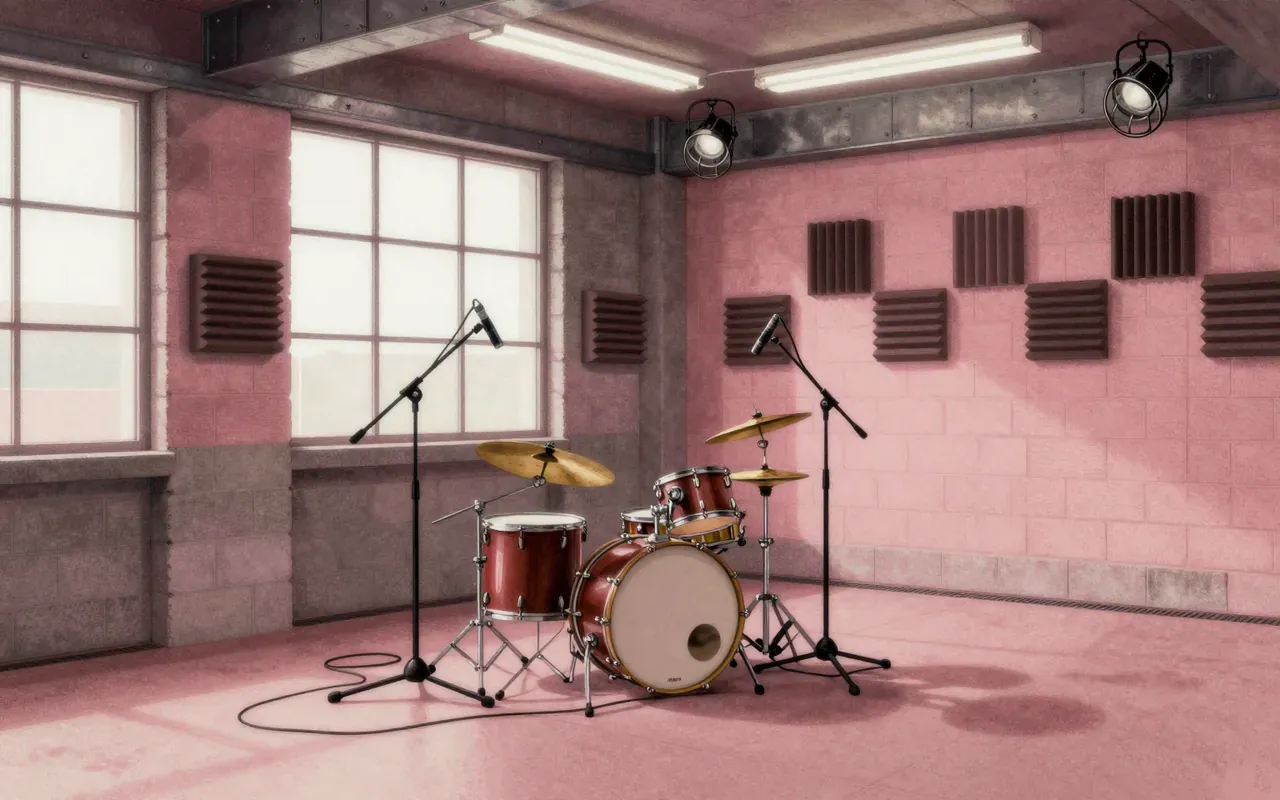
Live Through This is a rock record defined by constraint: three weeks, one room, one week of basic tracking, no vocal double-tracking, no bass overdubs. Its power comes from what was left in — cracks, breath, bleed — and what was left out — polish, padding, pretence. It is neither cathartic nor consoling. It is structural. It is specific. It is complete.
11:04

Exile in Guyville

Liz Phair · 1993

A lo-fi indie rock record where deadpan vocals and sparse arrangements make honesty sound like a physical object — not a confession.

10:42

Goo

Sonic Youth · 1990

Goo is Sonic Youth’s 1990 DGC debut: a calculated expansion of their noise-pop vocabulary using expanded studio capacity, abstract mic placement, and heightened vocal roles. It landed ‘Kool Thing’ and ‘Mote’ with force, stumbled through brevity and excess, and proved accessibility need not mean simplicity. It is a record about making space—not for listeners, but for ideas, instruments, and friction.

10:20

Nevermind

Nirvana · 1991

Nevermind is a 1991 rock record recorded at Sound City Studios in Van Nuys and Smart Studios in Madison in May and June, mastered in Hollywood in August. It is the product of daily eight- to ten-hour sessions, divided labour among band members, and a late pivot to a cleaner mix.

9:00

Parklife

Blur · 1994

Parklife is Blur’s third studio album, recorded quickly at Maison Rouge studio in August 1993—except for 'This Is a Low'. Damon Albarn described it as a loosely linked concept album about the travels of a 'mystical lager-eater' who observes and comments on the world. Martin Amis’s novel London Fields was a major influence. The songs span multiple genres including synthpop, instrumental waltz, punk rock, spacey Syd Barrett-esque, and new wave. Some songs—including 'To the End' and 'Badhead'—lie in a more personal space than the album’s broader bittersweet portrayal of the UK's human patchwork. Stephen Street produced all tracks except 'To the End', which was produced by Stephen Hague with additional engineering.

13:00

Enter the Wu‐Tang (36 Chambers)

Wu‐Tang Clan · 1993

Produced almost entirely by RZA on a tight budget, Enter the Wu-Tang (36 Chambers) turns nine distinct voices and a stack of martial-arts film samples into a single, gritty debut that reintroduced New York to the top of hip-hop.

13:00

Illmatic

Nas · 1994

Recorded across Manhattan studios by a teenager from Queensbridge, Illmatic sets Nas's dense, internal-rhyme narration against beats built separately by DJ Premier, Pete Rock, Q-Tip, Large Professor and L.E.S, arriving as a compact, unhurried document of one New York housing project.

13:00

Selected Ambient Works 85–92

Aphex Twin · 1992

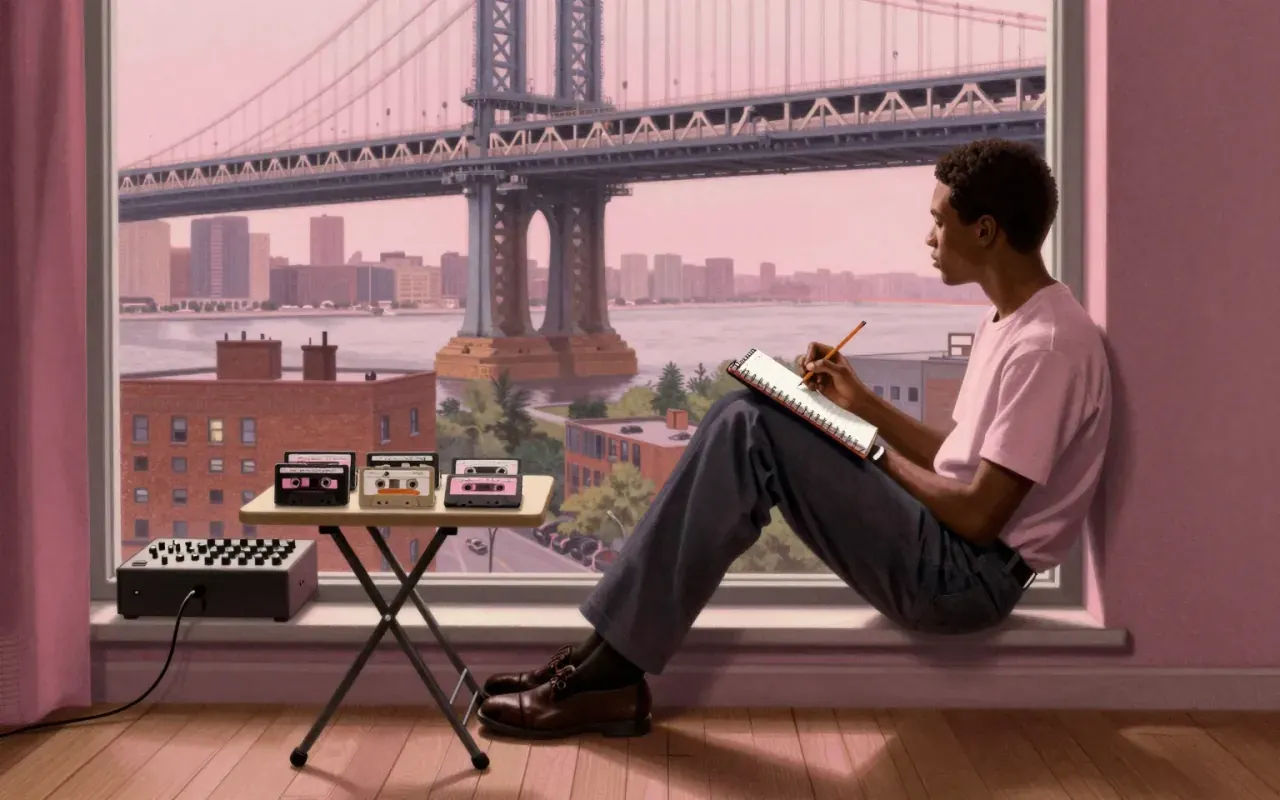
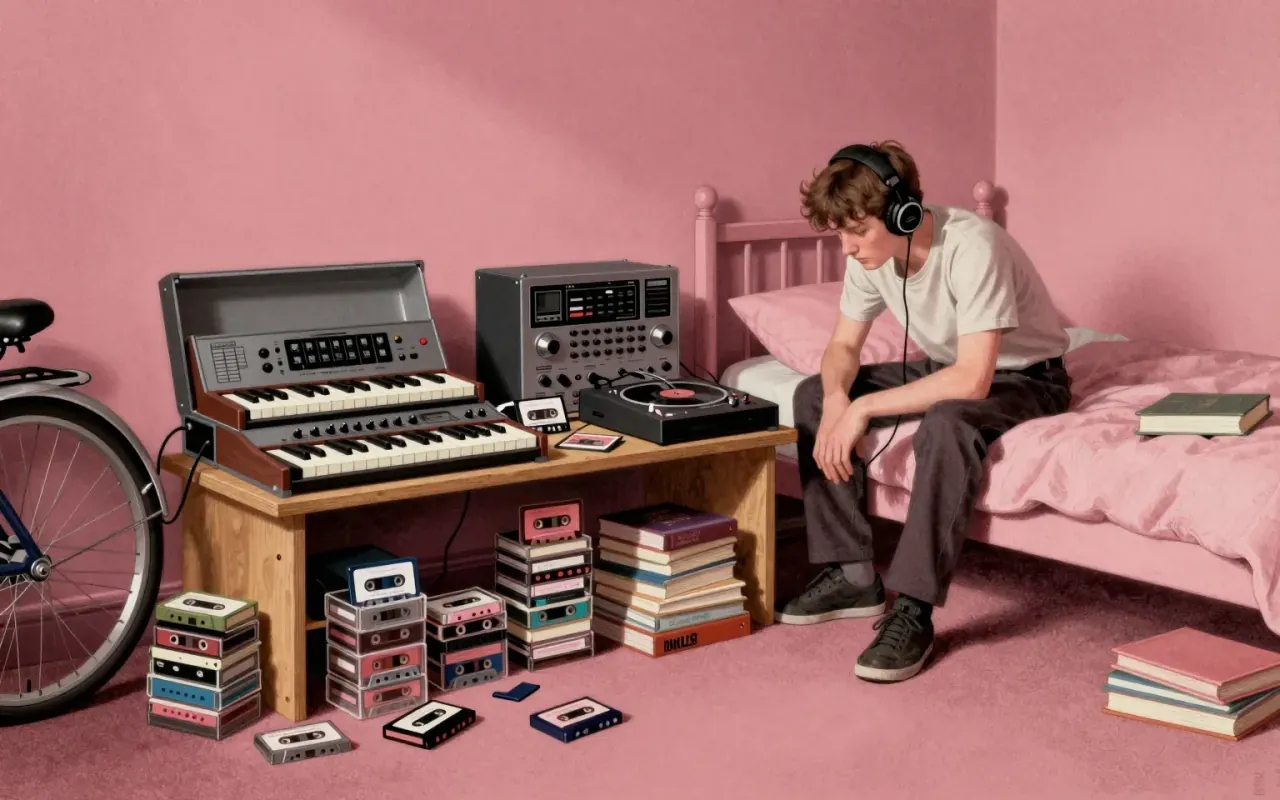
Selected from years of cassette recordings Richard D. James made from age thirteen on equipment he built himself, this debut curated by label head Renaat Vandepapeliere reads as a fully formed statement rather than a curiosity. Its melodic, sometimes industrial tracks pair beauty with unease and remain a founding document of ambient techno.

13:00

Selected Ambient Works, Volume II

Aphex Twin · 1994

Aphex Twin's second album moves almost entirely into slow, largely beatless ambient composition, built from old analogue synthesizers and, by Richard D. James's own account, half-remembered fragments of dream. Nearly all twenty-four tracks went out untitled, leaving fans to name pieces that reward patient, undistracted listening across a two-and-a-half-hour running time.