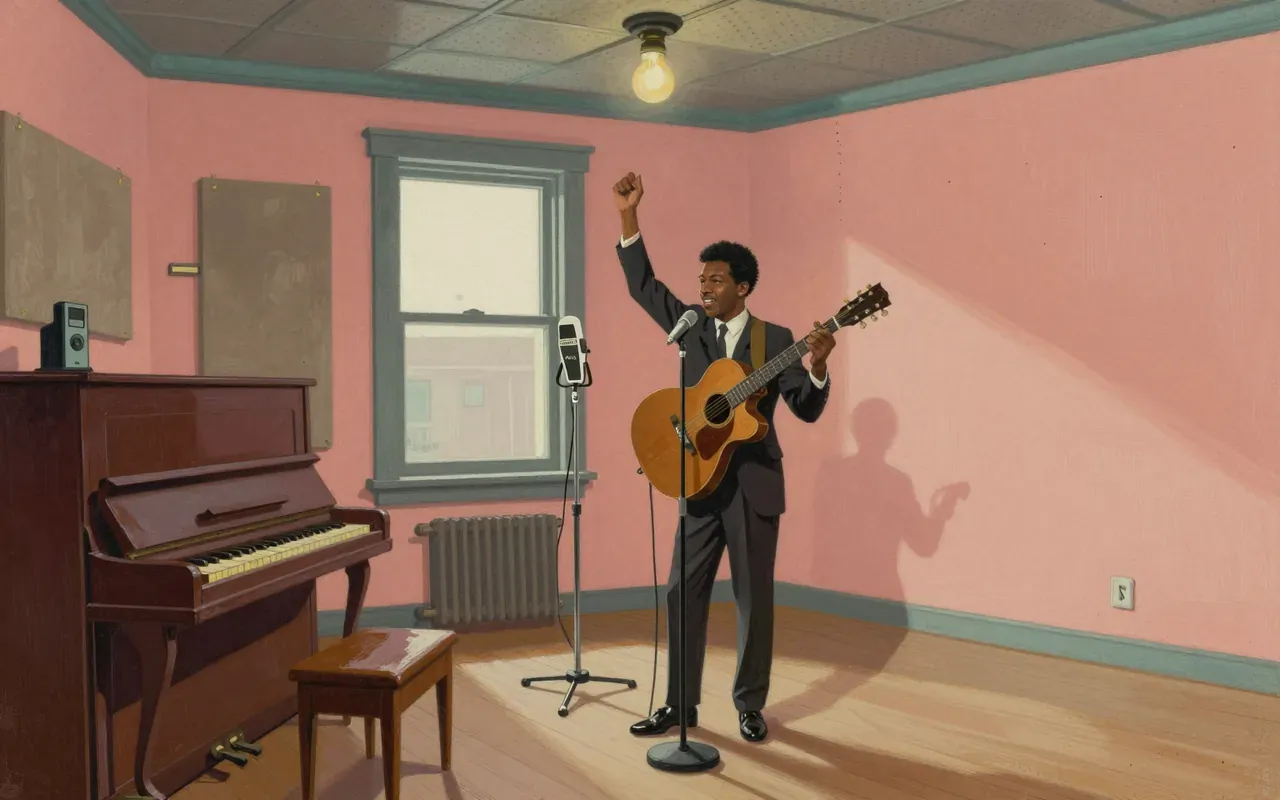
Go Bo Diddley
Bo Diddley · 1959
Go Bo Diddley is a mono document of rhythmic insistence — not a curated album but a functional stack of takes, anchored by maracas, guitar, and a hambone pulse that refuses to yield.
A decade of unlicensed parties that changed the law.
Go Bo Diddley is a mono document of rhythmic insistence — not a curated album but a functional stack of takes, anchored by maracas, guitar, and a hambone pulse that refuses to yield.
Leftism is a 1995 electronic album that reworks earlier singles with non-dance vocalists and live instrumentation, anchored by dub, breakbeat, and house textures. Its cohesion was achieved through revision, not design. It lands through contrast — Lydon’s bark, Halliday’s haze, Red’s toasting — all framed by cavernous, tactile production. It does not flatter the ear. It recalibrates it.
Music for the Jilted Generation is a breakbeat techno record defined by its political stance, sampling rigour, and studio discipline. It rejects commercial rave tropes while expanding the form’s emotional and structural range. It is not nostalgic. It is not ambient. It is not collaborative beyond Howlett and Reality. It is urgent, specific, and sonically uncompromising.
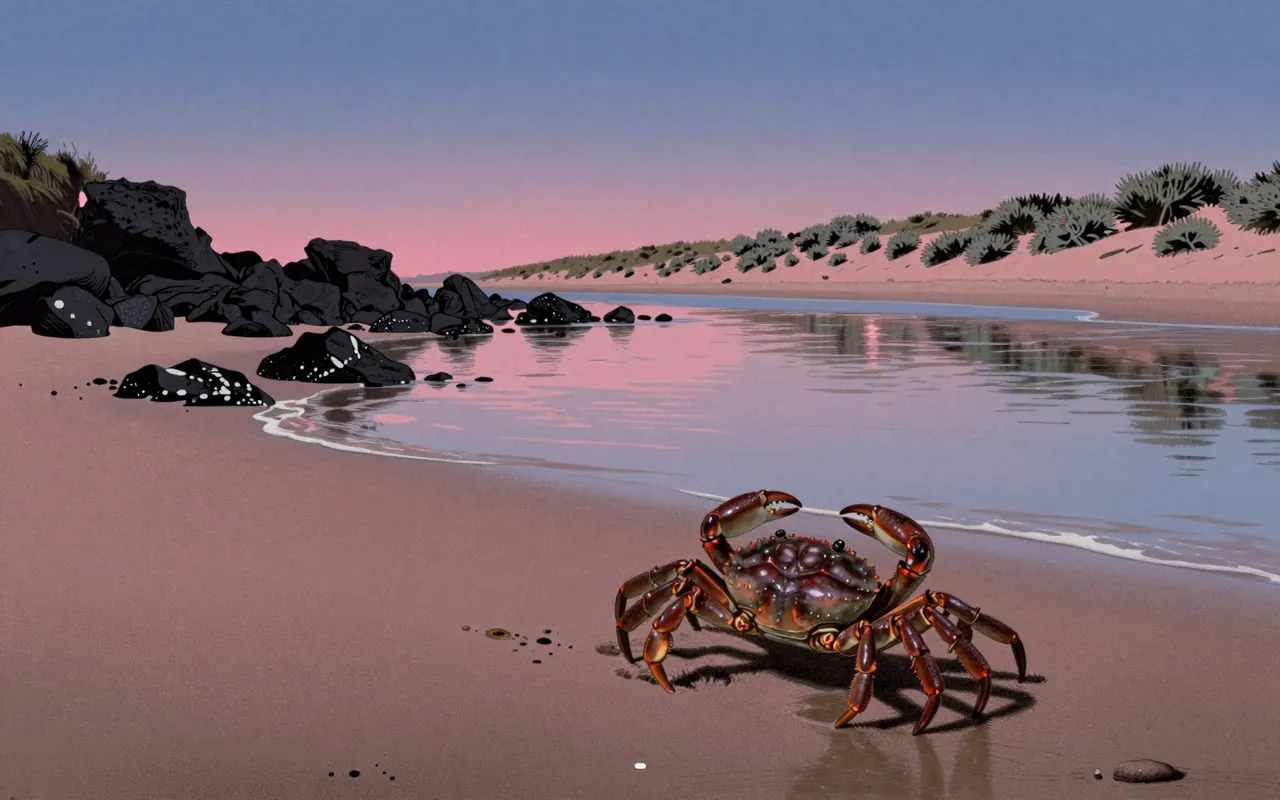
The Fat of the Land is Prodigy’s 1997 third album — their first with Keith Flint’s vocals, titled from an old English phrase, and defined by its Costa Rican crab cover and ant logo.
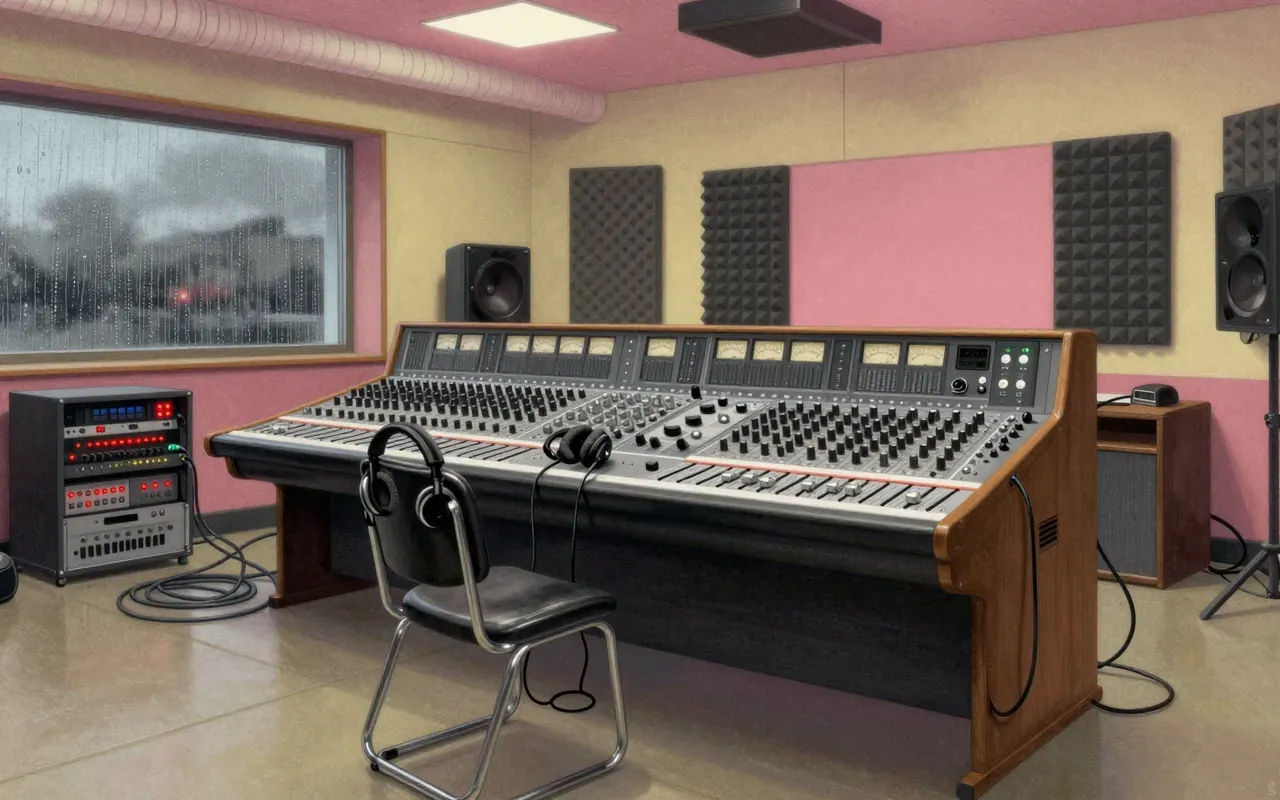
The Stone Roses’ 1989 debut is a document of studio friction: ambitious songwriting, underpowered production, and a band certain they’d outgrown the result before it shipped.
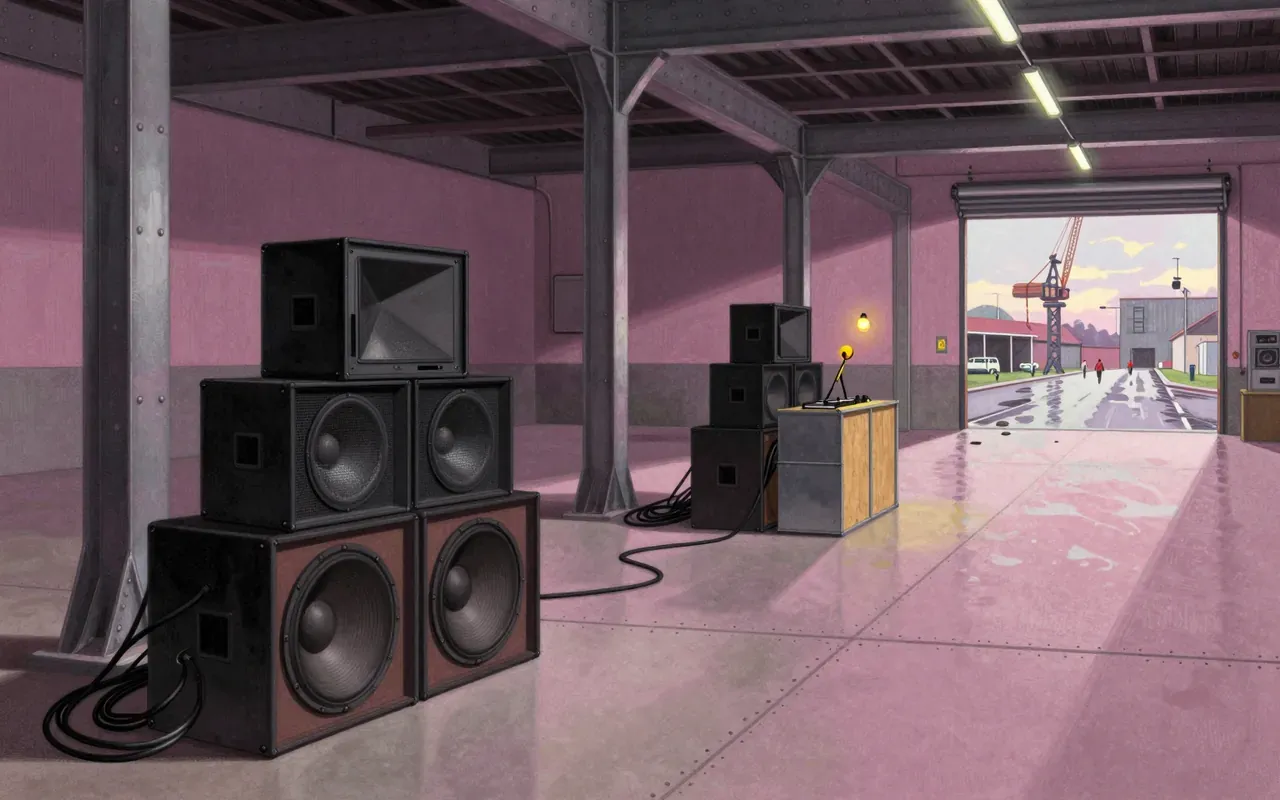

Stankonia is OutKast’s fourth album, recorded spring 1999–spring 2000 at their newly owned Stankonia Studios in Atlanta, released October 2000. It began life as Sandbox. It is a hip-hop record built on studio autonomy, guitar-led composition, and deliberate stylistic pivot from their earlier, darker work.