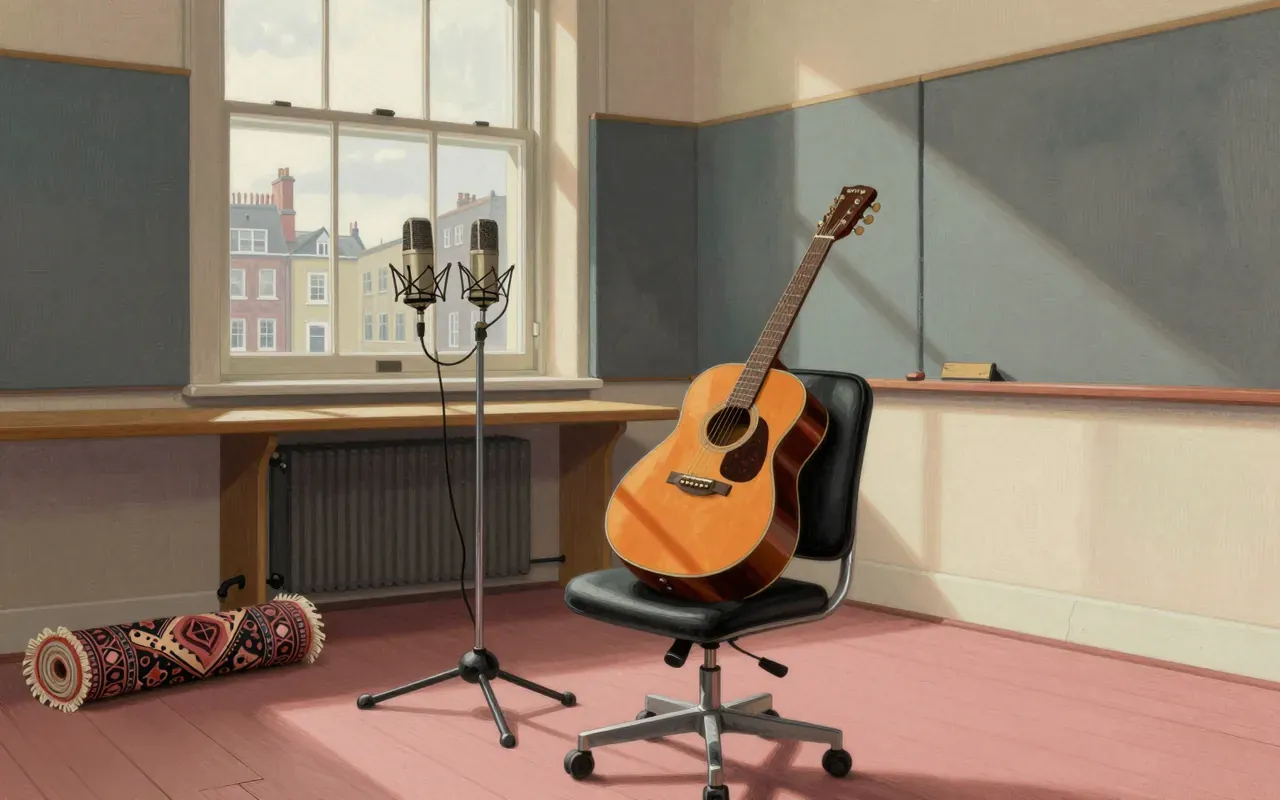
Cat Stevens · 1970
Tea for the Tillerman is Cat Stevens’s fourth studio album, recorded between May and July 1970 across three London studios — Morgan, Island, and Olympic — and features contributions from Alun Davies (guitar, backing vocals), Harvey Burns (drums and percussion), John Ryan (double bass), Del Newman (string arrangements), Jack Rothstein (solo violin), and Paul Samwell-Smith (backing vocals), alongside Stevens’s multi-instrumental and vocal performances. The album includes iconic songs such as 'Wild World' and 'Father and Son', and Stevens also created the front cover illustration. A previously unreleased version of 'But I Might Die Tonight' was used in the 1970 film Deep End and later released in 2020. The album has been reissued multiple times, including a 2020 Super Deluxe Edition with remastered and newly mixed versions, and a reimagined version titled Tea for the Tillerman2, released the same year. Critical reception varied contemporaneously but grew more laudatory over time, with retrospective praise for its themes and melodic craftsmanship, and inclusion in numerous 'greatest albums' lists. It was released on 23 November 1970 by Island Records in the UK and A&M in North America. All songs were written by Cat Stevens. The personnel details are adapted from the liner notes of the 2020 CD reissue. Shepard 'Shep' Sherbell provided photography for the album. The album reached the top 10 in the US and top 20 in the UK, and has been certified and referenced widely in popular culture, including films and television shows. The original release included eleven tracks, all written by Stevens, and the Deluxe Edition added demos and live recordings. The Super Deluxe Edition contains five discs, including remasters, new mixes, Tea for the Tillerman2, music videos, live videos, and a 12" vinyl of 1970 Troubadour recordings. In November 2008, a Deluxe Edition was released; in January 2012, a hi-res 24/192 kHz remaster appeared on HDtracks.com. On 28 May 2020, Yusuf announced Tea for the Tillerman2, released 18 September 2020, described as a reimagining of the same eleven songs for a new age with dramatic results. Four songs from the album appeared in Harold and Maude (1971), and 'Father and Son' featured in Guardians of the Galaxy Vol. 2 (2017) and The Boat That Rocked (2009). The album was used as the closing title track of the British sitcom Extras, and its artwork was parodied in a 2014 episode of The Simpsons. The album was included in 1001 Albums You Must Hear Before You Die (2006), The Definitive 200 Albums of All Time (2007), and Colin Larkin's All Time Top 1000 Albums (voted number 342). Rolling Stone ranked it number 205 in its 2020 revision of the 500 Greatest Albums of All Time. Robert Christgau found the music monotonous in a contemporary Village Voice review, while Ben Gerson of Rolling Stone noted its resonance despite occasional overuse of dynamics. William Ruhlmann of AllMusic praised its spirituality and melodic craft, calling it a big seller and crediting it with making Stevens a pop star for the second time in four years. Stevens, a former art student, created the cover artwork. The album features songs including 'Where Do the Children Play?', 'Hard Headed Woman', 'Wild World', 'Sad Lisa', 'Into White', and 'Father and Son'.