Saved
Topic

Therapy

Talking as treatment, and the evidence for it.

3
in music
9:38
average
29 min
in total
20
across the network
Therapy across the network →
All briefs3
9:04

Fontessa

The Modern Jazz Quartet · 1956

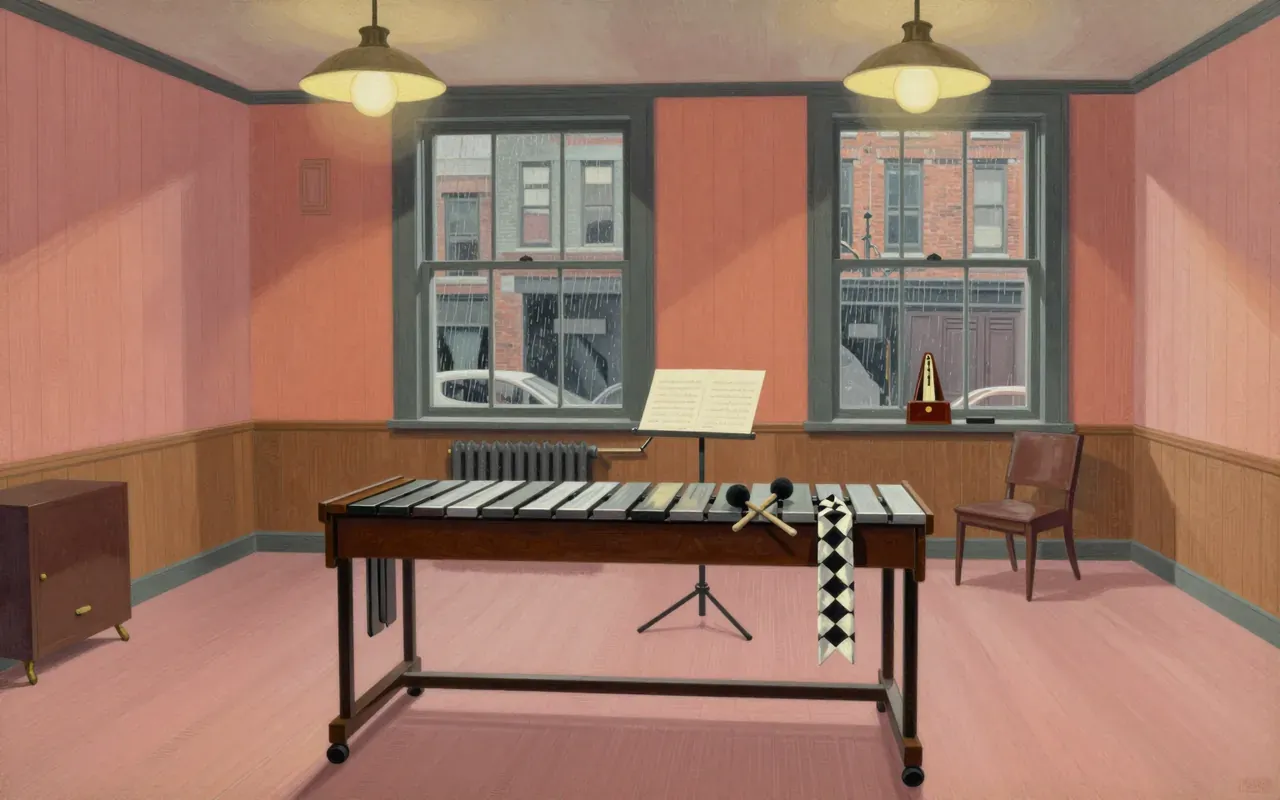
Fontessa is the Modern Jazz Quartet’s 1956 Atlantic debut: their first formal guest collaboration (with Jimmy Giuffre), their first album after moving from Prestige, and their first recording following their 1956 European debut tour. The 11-minute title suite was composed by John Lewis and inspired by Commedia dell’arte, with its four characters illustrated on the cover. Lewis described it as a suite whose sketchy plot invites improvisation. The Prelude opens and closes the work. Harlequin is evoked by vibraphone improvisation in older jazz style. Pierrot appears in piano-led 'less older jazz'. Pantaloon emerges in drum-led 'still later jazz', developing the main motif. Colombine is represented by the recurring three-note 'Fontessa' motif. The mono version was issued in the USA on Atlantic’s black label, catalogue number 1231. The stereo release contained technical flaws: mains hum, tape hiss, and reduced bass level.
10:07

69 Love Songs

The Magnetic Fields · 1999

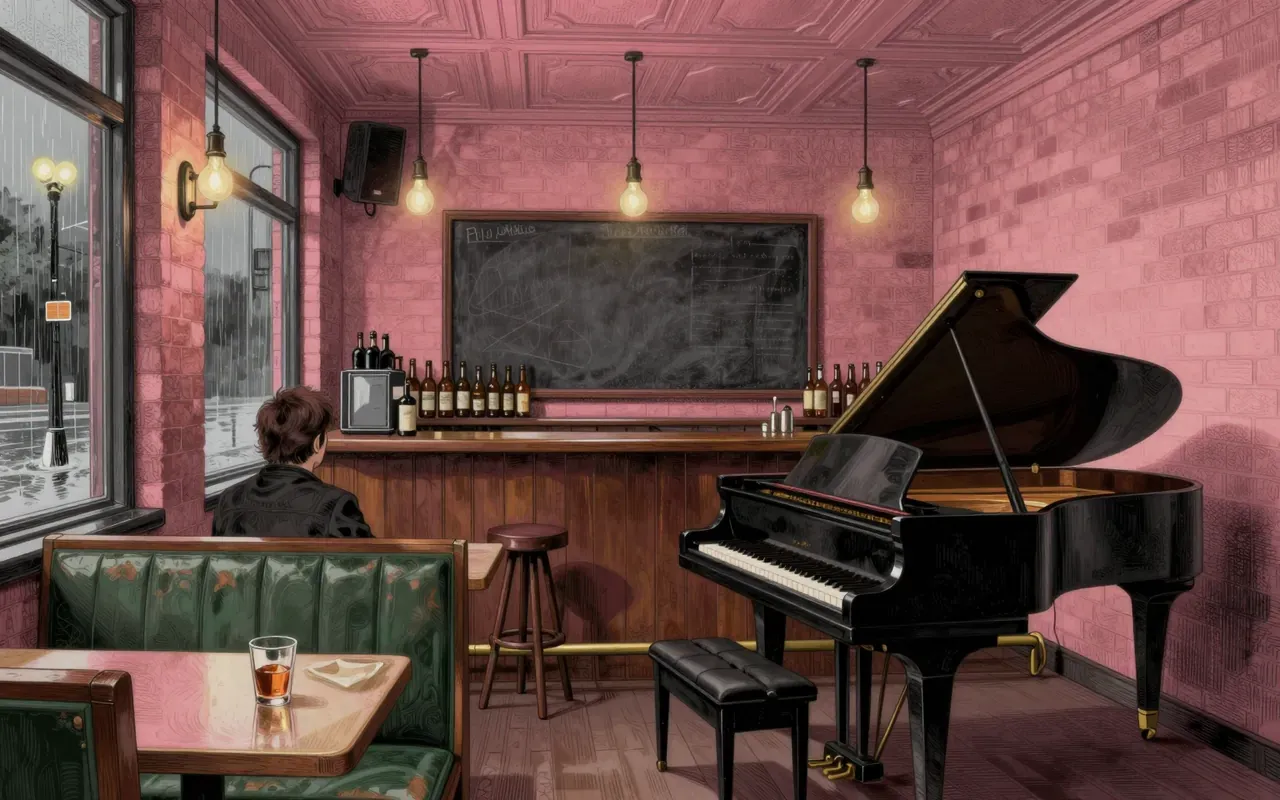
69 Love Songs is the Magnetic Fields’ sixth studio album, released on September 7, 1999, by Merge Records. It is a three-volume concept album comprising 69 love songs, all written by Stephin Merritt. Conceived as a theatrical revue inspired by Stephen Sondheim and Charles Ives’ 114 Songs, it was composed largely at Dick’s Bar in New York. The album features ukulele, banjo, accordion, cello, mandolin, flute, xylophone, Marxophone, synthesizers, guitars, and effects. Shirley Simms, Dudley Klute, L.D. Beghtol, and Claudia Gonson each sing lead on six songs; Daniel Handler plays accordion; Christopher Ewen serves as guest arranger/synthesist. It is the band’s best-known work.

9:43

For Your Pleasure

Roxy Music · 1973

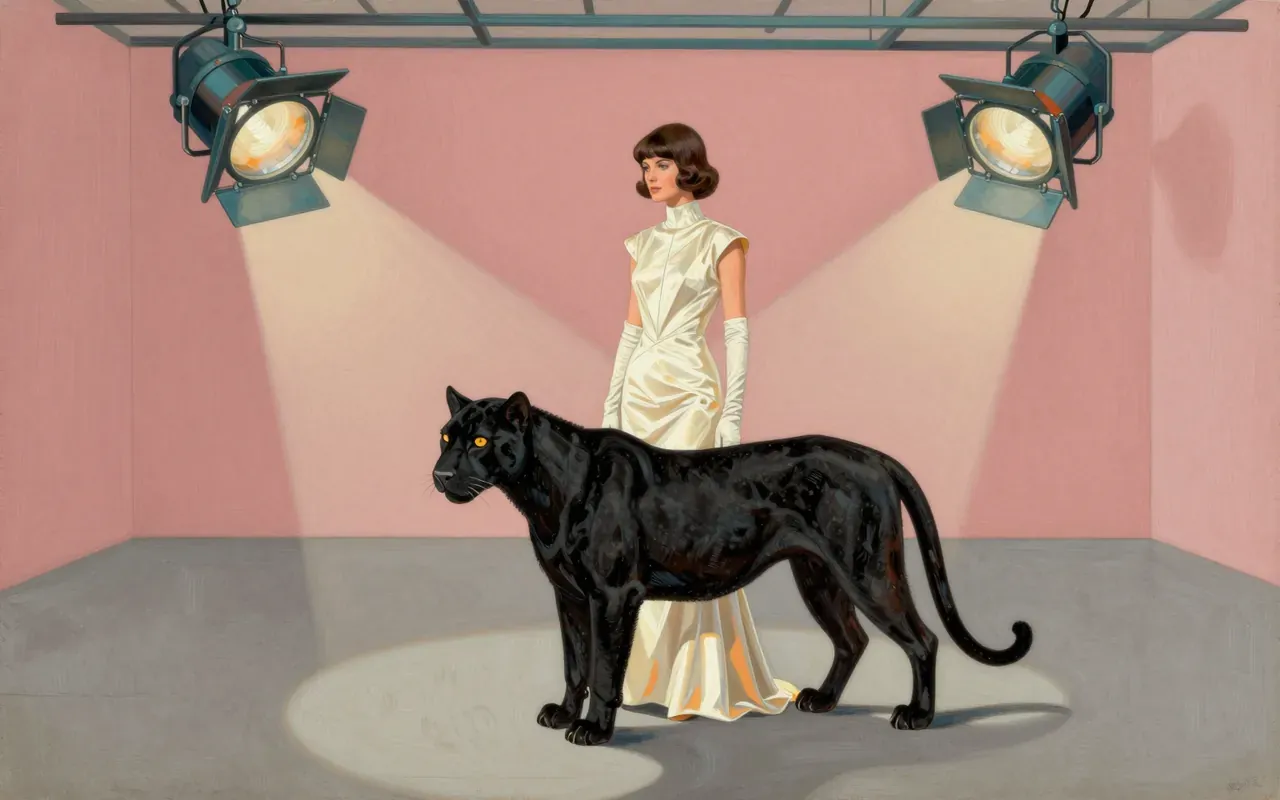
For Your Pleasure is Roxy Music’s second studio album, released in March 1973. It was recorded in February 1973 at AIR Studios in Oxford Circus, London. Roxy Music self-produced it with Chris Thomas; John Middleton and John Punter handled audio engineering. The band spent more studio time on this album than on their debut, integrating Bryan Ferry’s songs with more elaborate production treatments. The title track ends with an elaborate fade-out using tape loop effects. Amanda Lear, Ferry’s girlfriend at the time, was photographed with a black jaguar for the front cover, while Ferry appears on the back cover as a dapper chauffeur standing behind a limousine. It marked the beginning of Roxy Music’s long, successful collaboration with producer Chris Thomas. It was promoted with the non-album single 'Pyjamarama'. It is the final Roxy Music album to feature Brian Eno, who departed soon after the supporting tour ended.

More from music

All briefs →
8:58

Glassworks

Philip Glass · 1982

Glassworks is a six-movement chamber work Philip Glass wrote for the recording studio after his large concert and stage pieces, released by CBS in 1982 on LP and on cassette, each with its own mix. It was meant to bring his music to a wider audience, and it did: the album sold well and made his name widely known.

2:00

20 Golden Greats

Buddy Holly, The Crickets · 1978

20 Golden Greats was first issued in Britain in 1978, collecting recordings associated with Buddy Holly and the Crickets from 1956–58. It also circulated as Buddy Holly Lives. The release date belongs to the retrospective, not to a newly assembled performing group.

2:05

808s & Heartbreak

Kanye West · 2008

Released in 2008, 808s & Heartbreak followed the death of Kanye West's mother and the end of his engagement. His fourth studio album shifts much of its emphasis from rapping to singing. That change makes the handling of the voice the central question of the record.

2:10

A Nod Is As Good As a Wink... to a Blind Horse

Faces · 1971

Faces' third album was their second release of 1971. Glyn Johns shared production duties, helping shape a programme shorter and more concentrated than its predecessors. Rod Stewart's growing solo profile is part of the context, but Ronnie Lane's three lead vocals make the group's broader identity essential.