Blackout
Britney Spears · 2007
Blackout is Britney Spears’ fifth studio album and the only one she executive-produced. Recording began earnestly in 2006. It was released in October 2007.
The rhythm boxes that were commercial failures and then genres.
Blackout is Britney Spears’ fifth studio album and the only one she executive-produced. Recording began earnestly in 2006. It was released in October 2007.

Dare is a methodically engineered synth-pop record, built from Linn LM-1 patterns and charted arrangements at Genetic Sound Studios in Berkshire. It uses a defined suite of early-1980s instruments and rejects avant-garde electronics in favour of emotional calibration. Its success rests on procedural discipline — not inspiration, myth, or unverified context.
If You're Reading This It's Too Late is a production document disguised as a mixtape. Its strength is not mood, melody, or message — it is the granular, track-by-track assignment of bass, drums, and keys to specific Toronto-based musicians. Nothing here is left to chance, improvisation, or room acoustics. It is built to be parsed, not felt.
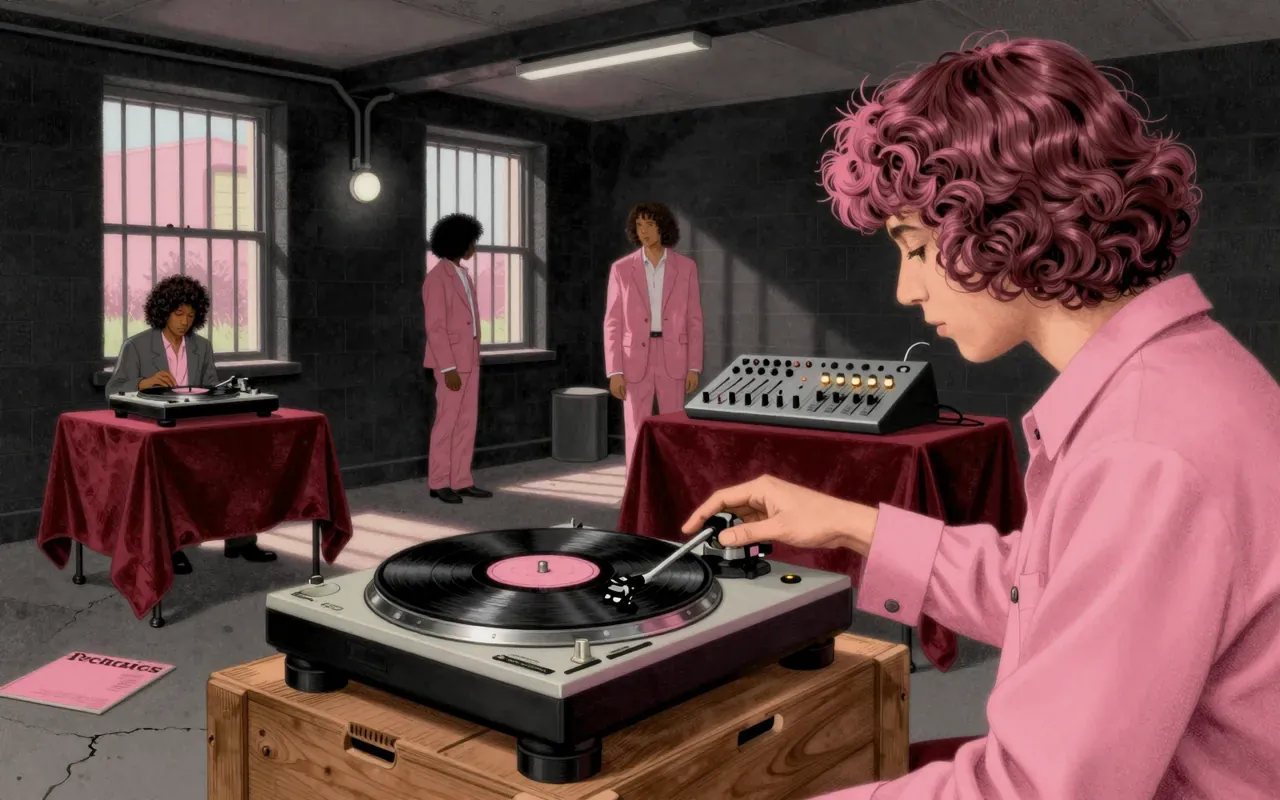
Run-D.M.C. (1984) is a debut defined by subtraction: Oberheim DMX beats, Jam Master Jay’s scratches, Eddie Martinez’s guitar riffs. No basslines beyond the drum machine’s pulse. No melodic relief. No studio reverb. Just staccato vocals, rhythmic tension, and social framing — all assembled by Russell Simmons and Larry Smith. It landed as new school hip hop because it refused the old rules — not by adding, but by stripping away.
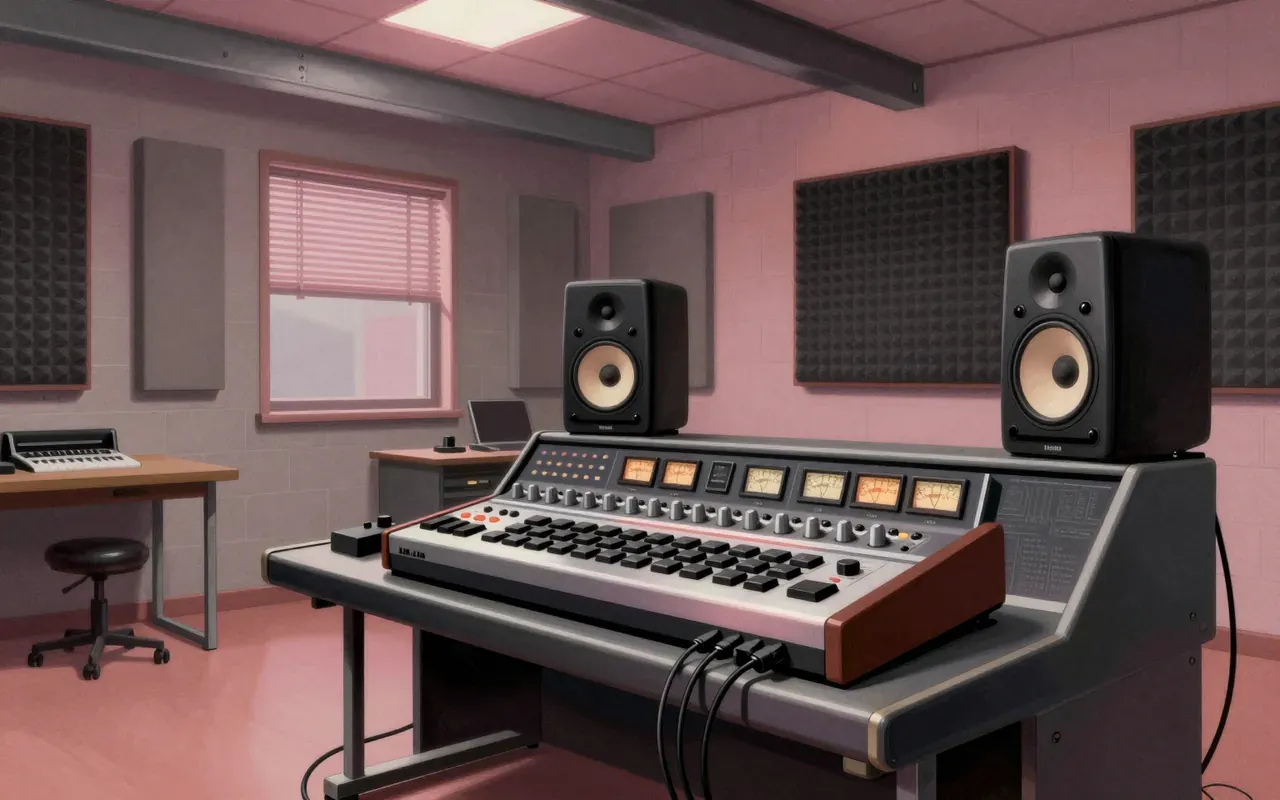
1999 is Prince’s 1982 double LP, his first with the Revolution, defined by synth-and-drum machine-heavy arrangements that codified the Minneapolis sound. It uses ARP Omni, Oberheim OB-SX, OB-X, OB-Xa, OB-8 synths and the Linn LM-1 drum machine. Themes include nuclear anxiety, Computer Age alienation, eroticism, and spiritual gratitude. Its production is tightly controlled, layered, and mechanised—no live drums, no guitar solos, no acoustic piano leads. It landed with urgency, intimacy, rhythmic insistence, theatricality, and groove. It is worth hearing if you want to understand how funk became electronic without losing its body.
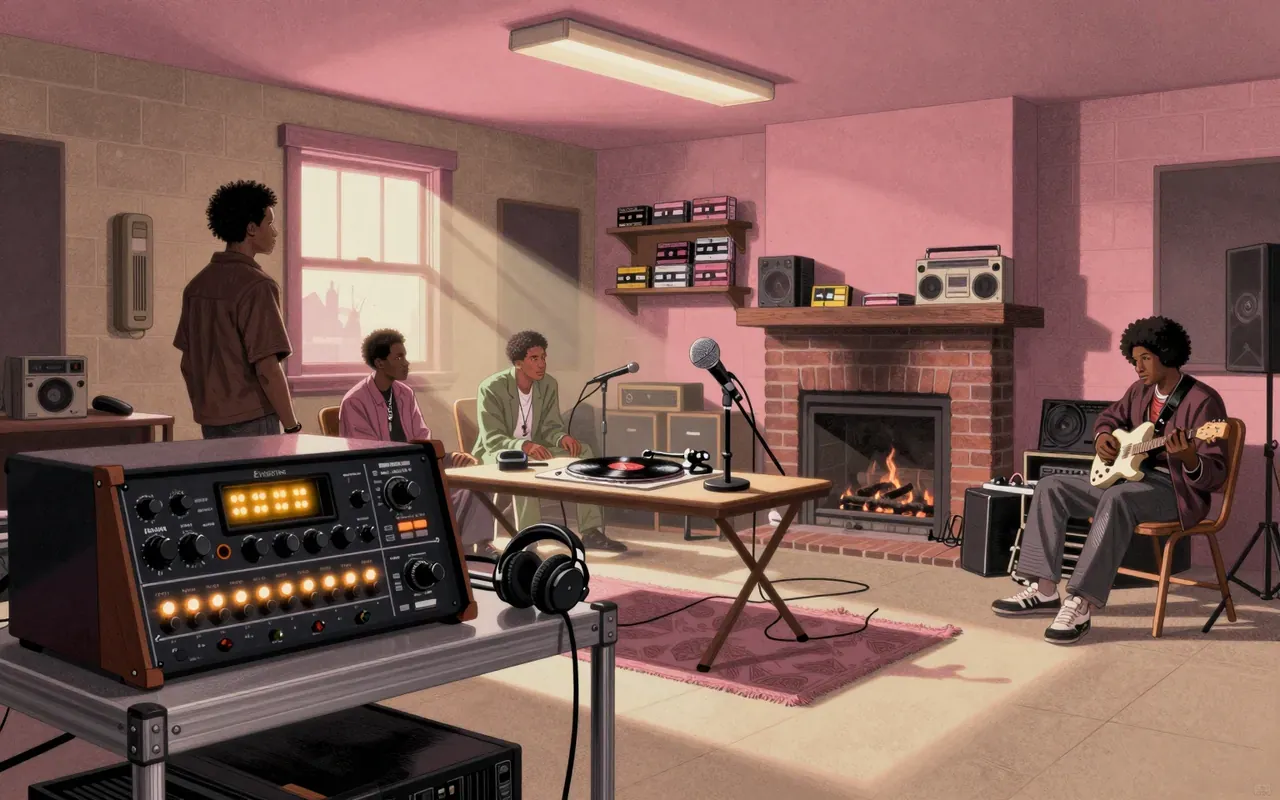
3 Feet High and Rising is De La Soul’s 1989 debut — a sample-heavy, psychedelic-influenced hip-hop record built with the Casio RZ-1 and Eventide Harmonizer. It introduced the 'D.A.I.S.Y. Age' concept ('Da Inner Sound, Y'all'), used quiz show skits to structure its flow, and drew from funk, soul, doo-wop, psychedelic rock, and children’s music. It was certified platinum, added to the Library of Congress National Recording Registry in 2010, and remained unavailable digitally until 2023 due to sample clearance issues.
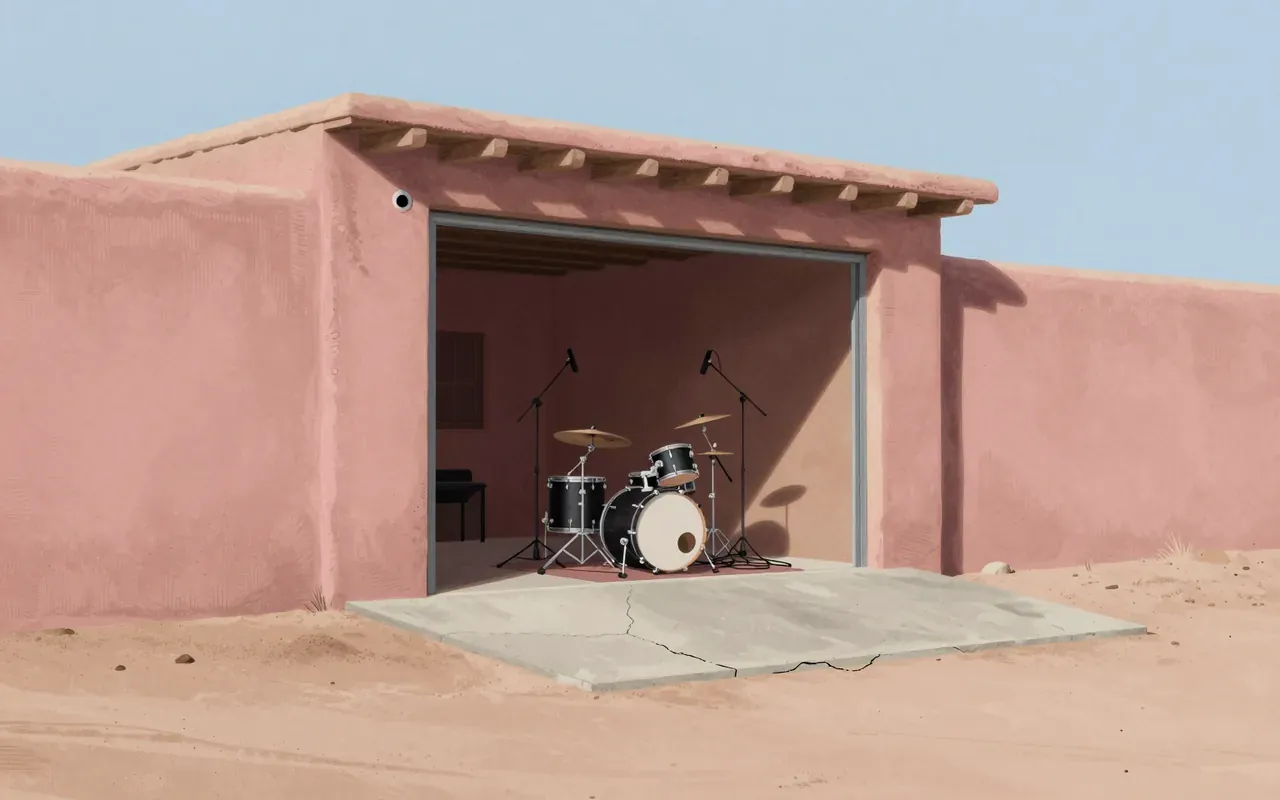
AM is Arctic Monkeys’ fifth studio album, released 9 September 2013. It marks their first venture into a hip hop-influenced sound, achieved by recording bass and drums first, using unconventional drum setups, and incorporating new instruments including the Hohner Guitaret, celeste, and vintage drum machine. It was produced by James Ford and co-produced by Ross Orton at Sage & Sound Recording in Los Angeles and Rancho De La Luna in Joshua Tree, California. Thematically, it concerns frustration surrounding tainted romance, sex and loneliness. Guest appearances include Josh Homme, Pete Thomas, and Bill Ryder-Jones—with Homme’s contribution to 'Knee Socks' singled out by Alex Turner as his favourite moment on the record. Turner described the sound as 'like a Dr. Dre beat, but we've given it an Ike Turner bowl-cut and sent it galloping across the desert on a Stratocaster', and said 'Arabella' expresses the album’s two dominant styles—hip-hop beats and 1970s heavy rock—most effectively in one track.
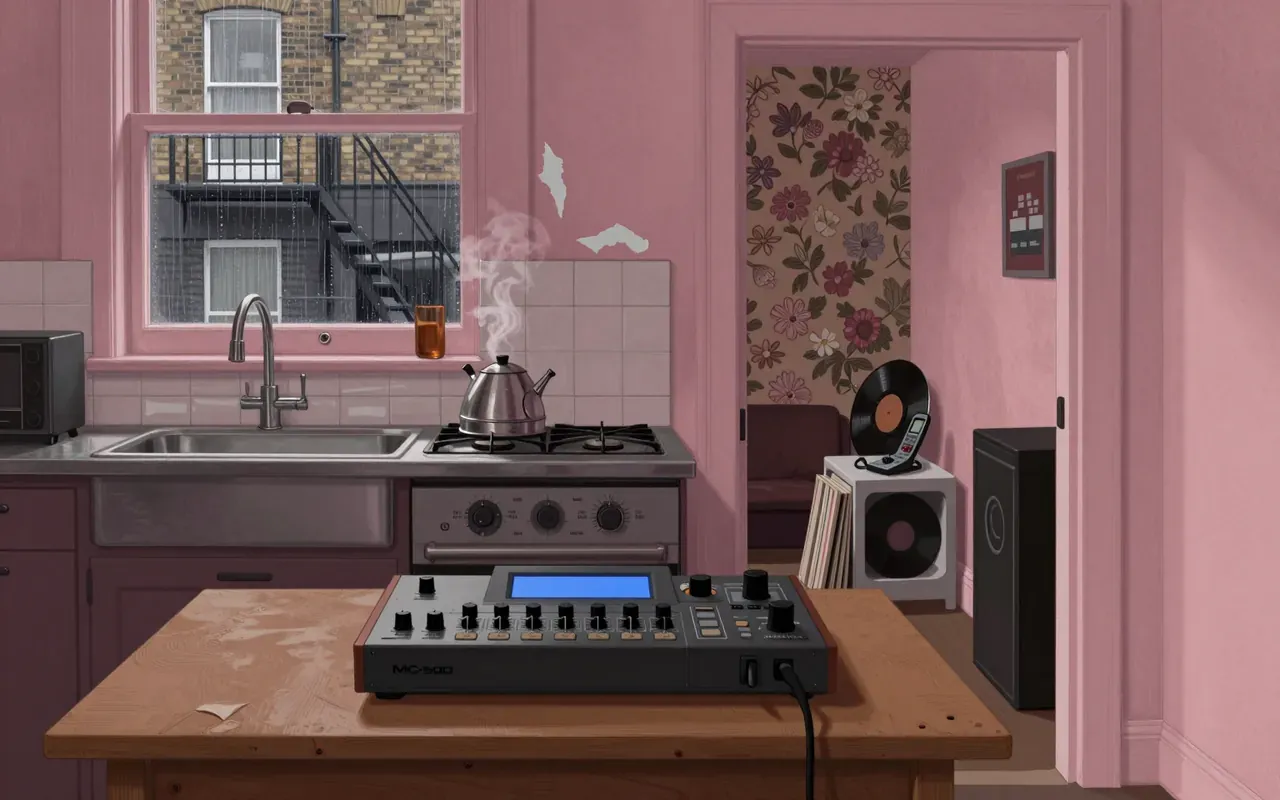
Arular is a debut shaped by constraint: one machine, one room, one voice. Its power lies in what it excludes — space, polish, convention — not what it adds.
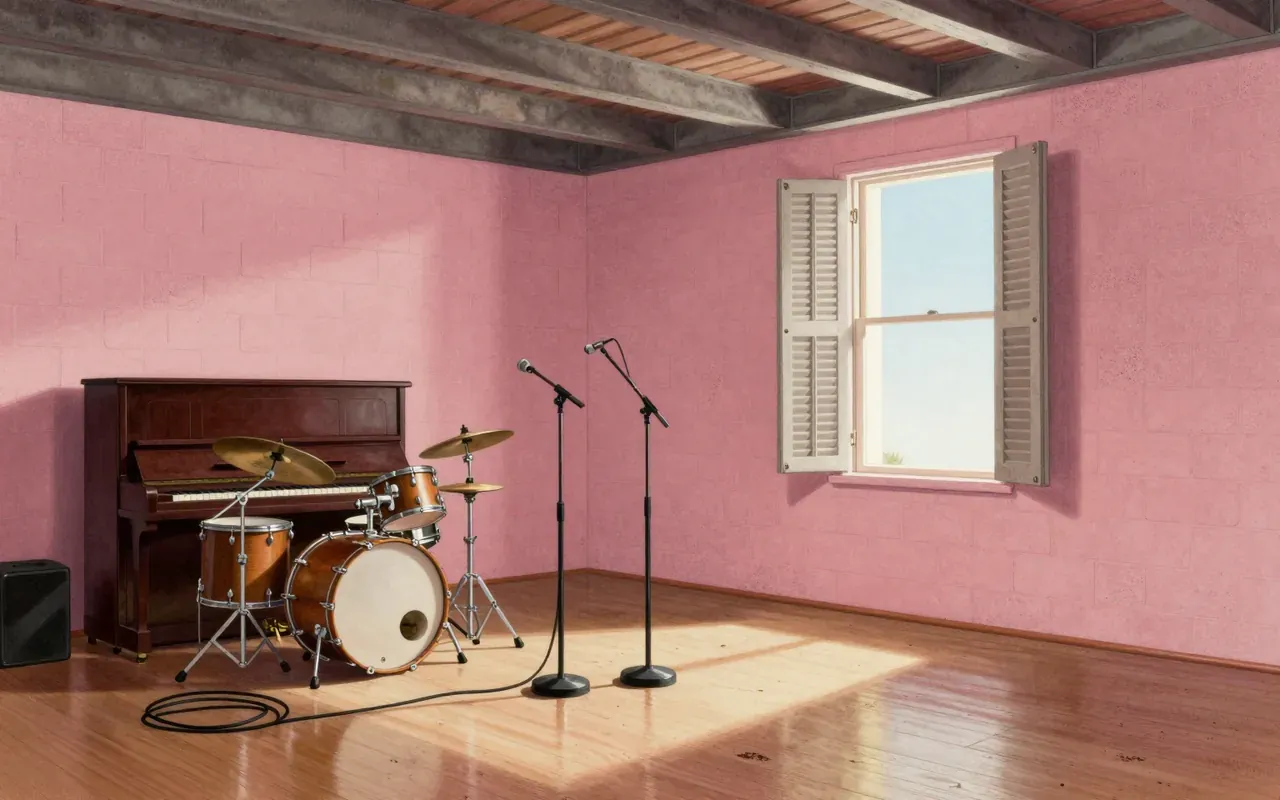
Avalon is Roxy Music’s final studio album, recorded between 1981 and 1982 across three studios. It marks a decisive turn toward atmospheric, synth-laden minimalism—built on Linn LM-1 drum machine foundations, shaped at Compass Point, and polished at Power Station. Its success was commercial and critical: UK No. 1, Platinum in the US and Canada, and widely praised for its production. Yanick Étienne’s improvised vocal coda on the title track remains its most haunting sonic signature.

Currents is a tightly controlled, emotionally exposed electronic pop record made alone in a beach house. It replaces guitar-layered psychedelia with vintage synths, drum machines, and clear vocals. Its strength is precision — its weakness is airlessness. It rewards attention to texture, not spectacle.

Faith is a studio-built pop record that replaces live-band dynamics with drum-machine precision, overdubbed textures, and total authorial control. It landed as a commercial and critical phenomenon — but its sound is deliberate, isolated, and repeatable, not spontaneous or communal.
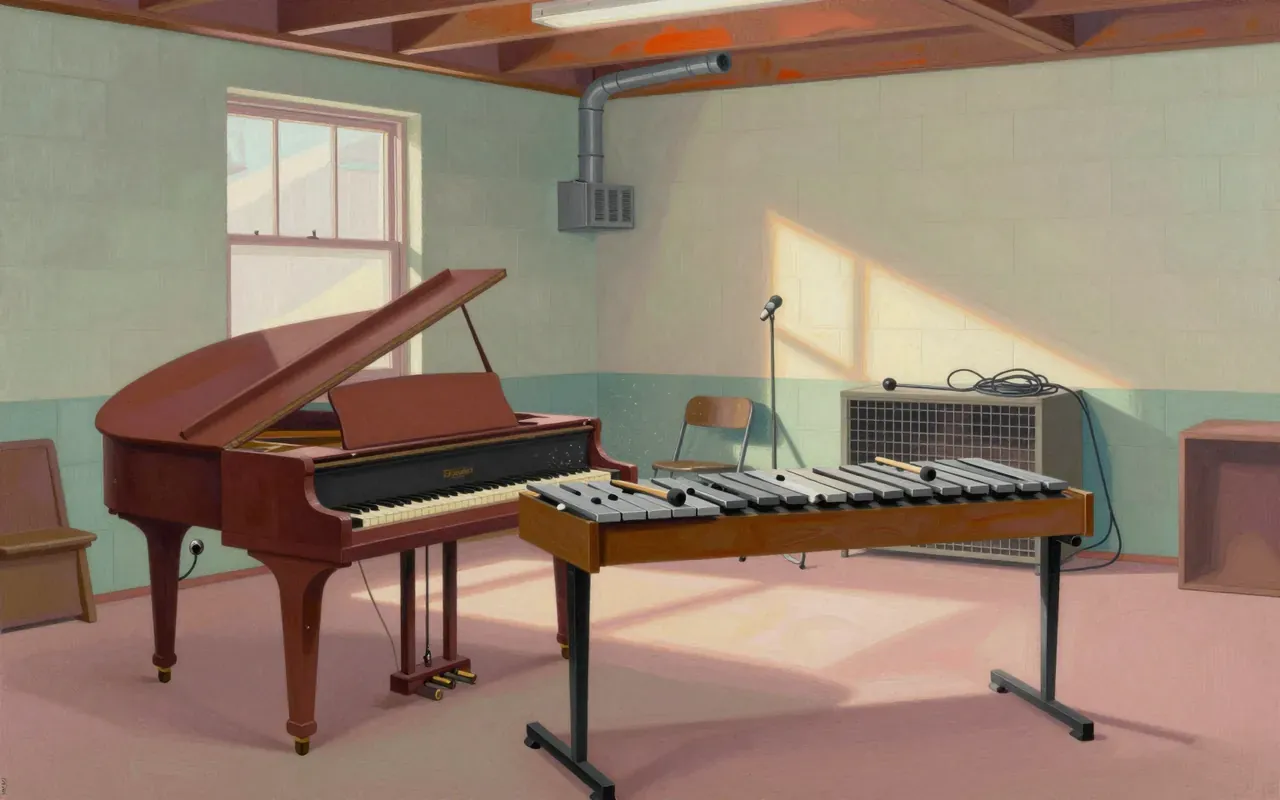
Inspiration Information is Shuggie Otis’s third and final album for Epic Records, released in 1974 after nearly three years of solo writing, arranging, and recording. Otis produced it and performed most of its instrumental parts — including guitar, bass, drums, organ, piano, electric piano, vibraphone, percussion, and analog drum machines. Horns and some strings were played by session musicians. The album was dropped by Epic due to commercial underperformance despite critical admiration and stylistic innovation.

Music of My Mind is the pivot point: the moment Stevie Wonder swapped Motown’s assembly line for a one-man synth lab. It is not warm. It is not nostalgic. It is precise, integrated, and politically aware — and it changed how soul records could be made.

Neu! ’75 is the third and final Neu! studio album of the 1970s, recorded at Conny Plank’s studio between December 1974 and January 1975. It emerged from irreconcilable creative directions between Michael Rother and Klaus Dinger, resulting in a split-sided structure — side one (Rother’s ambient, keyboard-led duo recordings) and side two (Dinger’s songs, performed with double drumming and expanded instrumentation).
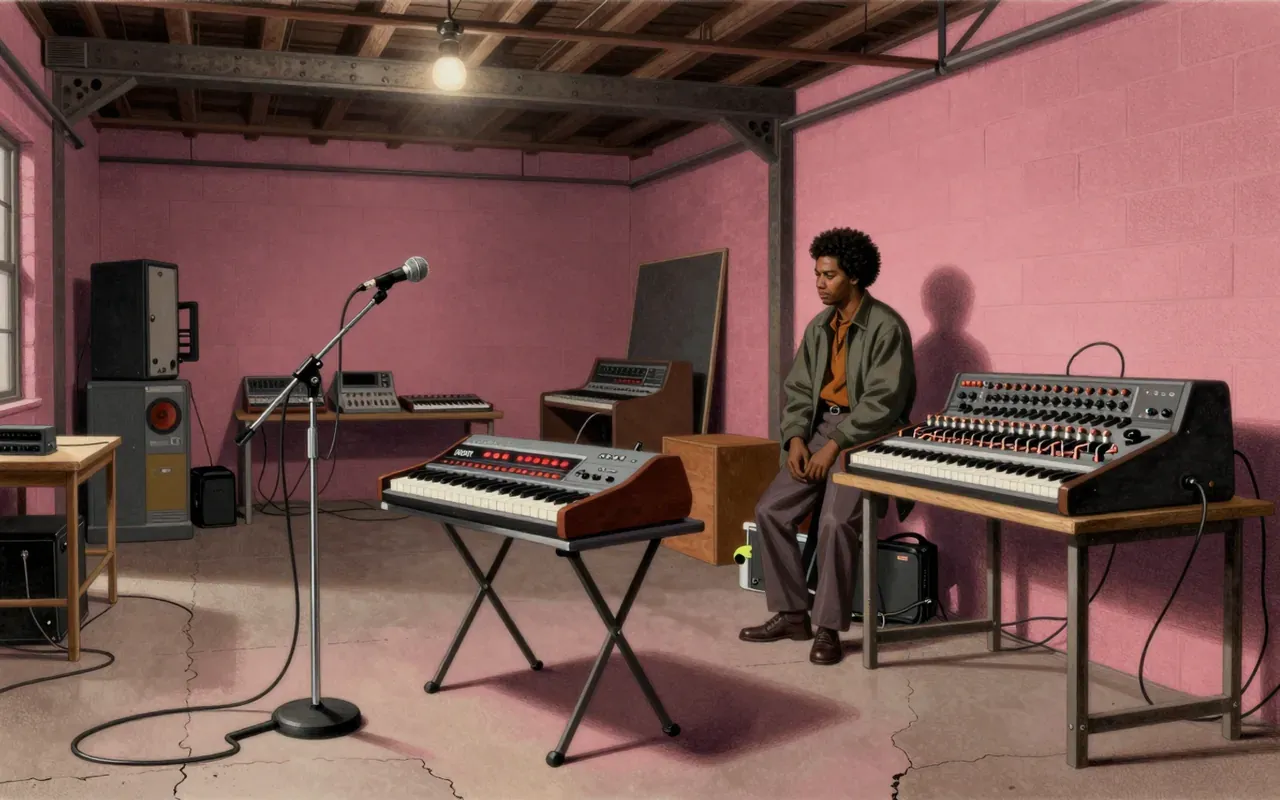
A foundational electro-funk record defined by its 1982 production: TR-808 rhythms, Kraftwerk synth hooks, and sample-based construction — not as collage, but as architectural logic.
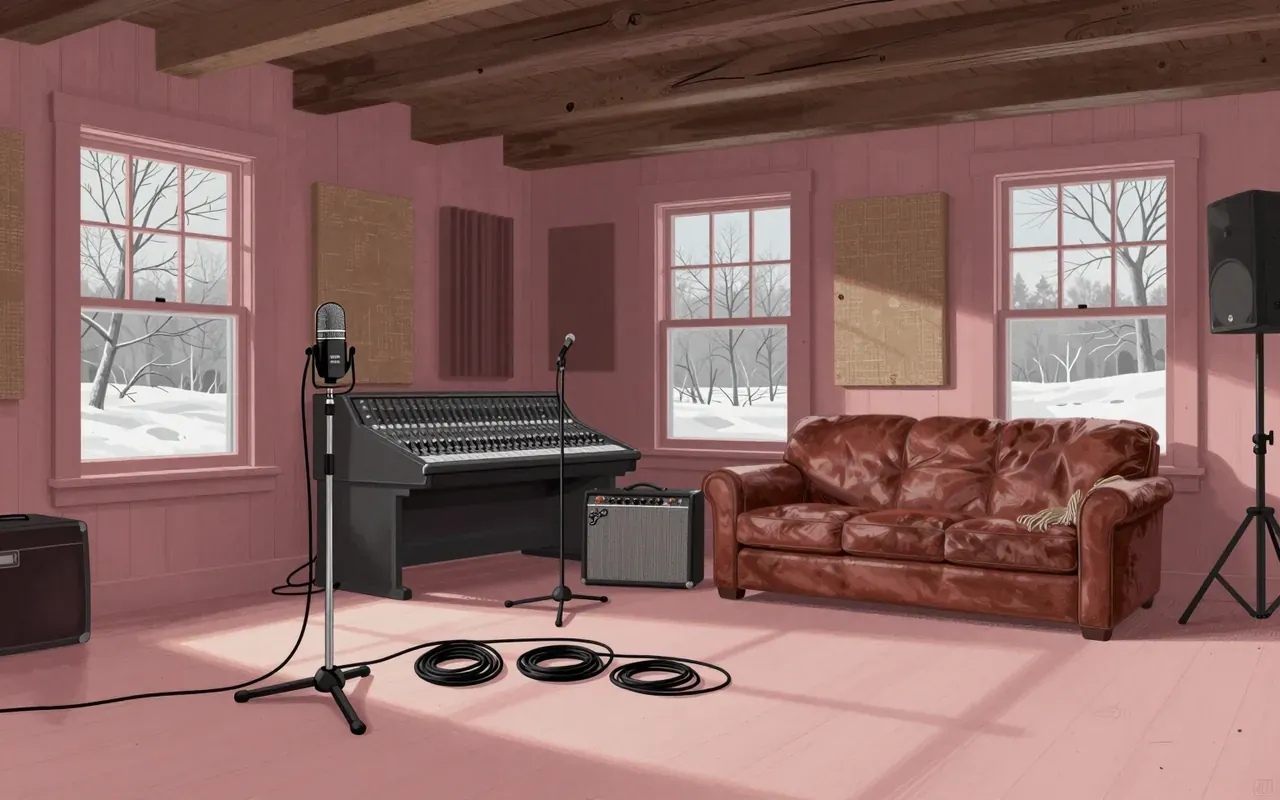
Sound of Silver is LCD Soundsystem’s third studio album, released on March 20, 2007. It was produced by the DFA and recorded in 2006 at Long View Farm in North Brookfield, Massachusetts and DFA Studios in New York City. James Murphy covered the entire studio in silver fabric and tin foil during recording. He found recording his own vocals uncomfortable, describing it as 'horrifying'. Several songs incorporate elements from the band's 2006 composition '45:33', especially 'Someone Great', which appears there as an instrumental. The album was dedicated to the memory of Dr. George Kamen (1942–2006). It was preceded by the single 'North American Scum' (February 2007), followed by 'All My Friends' — which spawned an EP featuring covers by Franz Ferdinand, John Cale, and Joy Division — and later 'Someone Great' (late 2007). In September 2007, the band released the A Bunch of Stuff EP and toured with Arcade Fire. In December 2007, Sound of Silver received a Grammy nomination for Best Electronic/Dance Album.
A double album released 23 September 2003 after two years of work. It comprises Big Boi’s Speakerboxxx and André 3000’s The Love Below — two solo projects packaged as one OutKast release under pressure from Arista Records, which rejected separate releases.
Supa Dupa Fly is a foundational hip-hop record because it treats rhythm as architecture, voice as texture, and production as world-building — all in under two weeks.
Fresh is Sly & the Family Stone’s 1973 album, made amid personnel losses and Sly’s escalating cocaine use. It follows There’s a Riot Goin’ On. It contains a track purportedly sourced from a 1968 outtake.
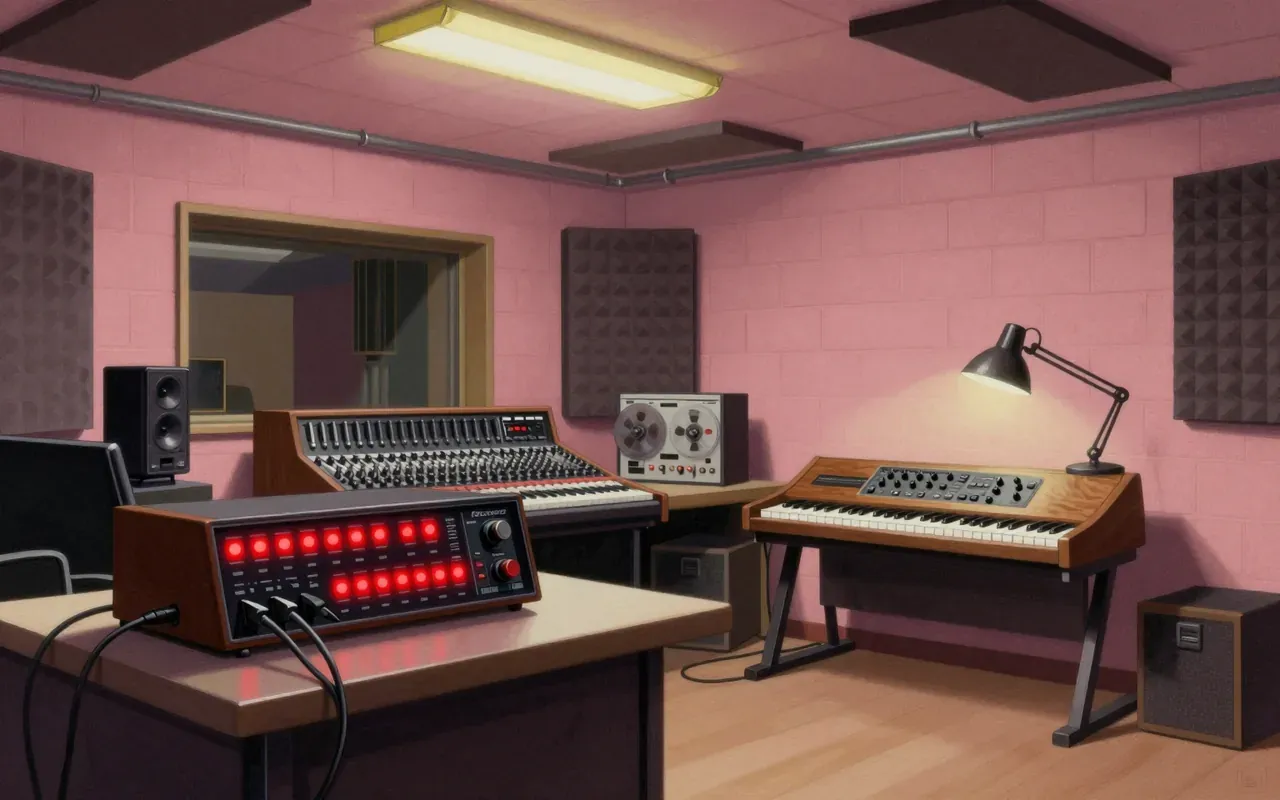
Midnight Star (1988) is a post-breakout album with no documented commercial performance, stylistic departure, or critical repositioning. It relies on the same R&B/funk/vocoder foundation established by No Parking on the Dance Floor (1983), but none of its tracks charted, none received significant airplay, and none are cited as defining the band’s identity.
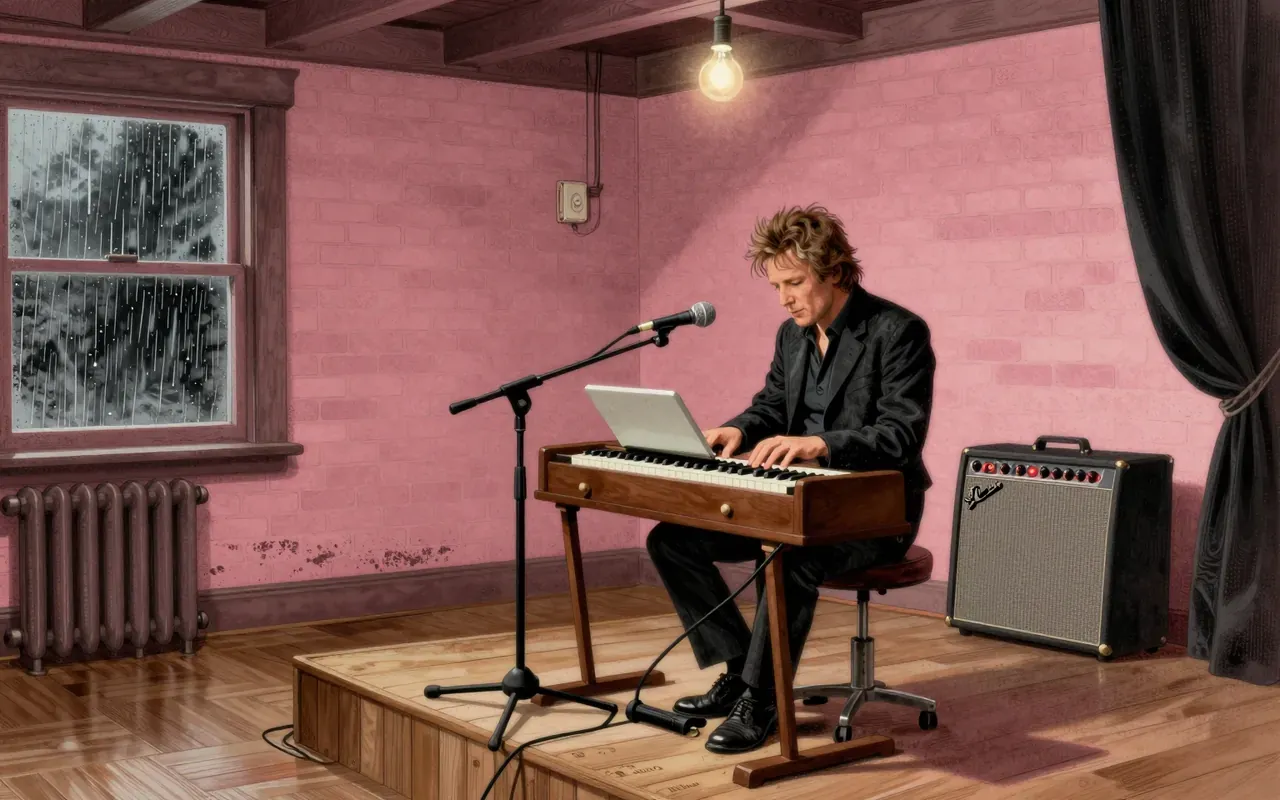
Tunnel of Love is a 1987 studio album by Bruce Springsteen. It is not officially an E Street Band album. Springsteen recorded most of it himself using drum machines and synthesizers. The record is sedate and contemplative. It reflects maturely on love found, lost and squandered. The full E Street Band sound is included only selectively. Roy Bittan played synthesizers on 'Tunnel of Love' and acoustic piano on 'Brilliant Disguise'. Danny Federici played Hammond organ on 'Tougher Than the Rest', 'Spare Parts', and 'Brilliant Disguise'. Clarence Clemons contributed backing vocals on 'When You're Alone'. Nils Lofgren performed a guitar solo on 'Tunnel of Love' and backing vocals on 'When You're Alone'. Patti Scialfa provided backing vocals on 'Tunnel of Love', 'One Step Up', and 'When You're Alone'.
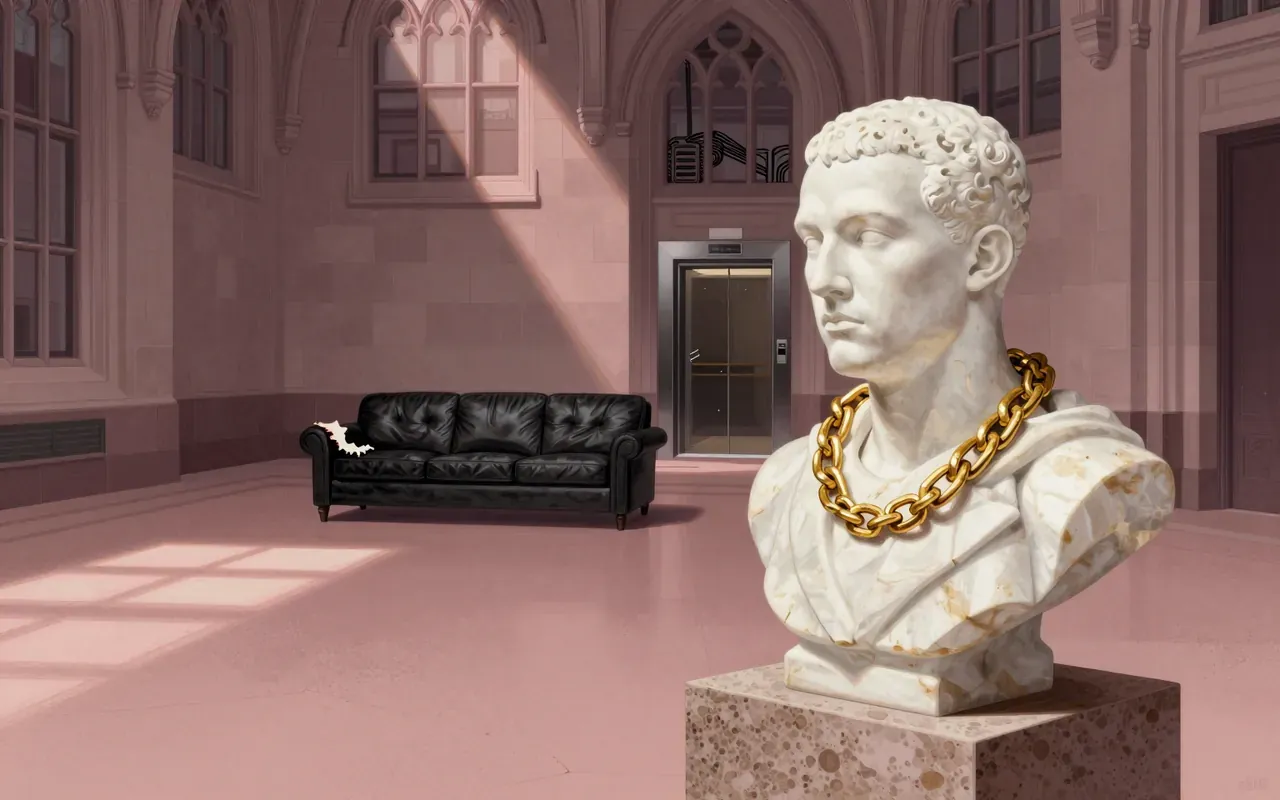
Yeezus is a record defined by constraint: made in a bad room, stripped under deadline, and built from industrial textures rather than melody.