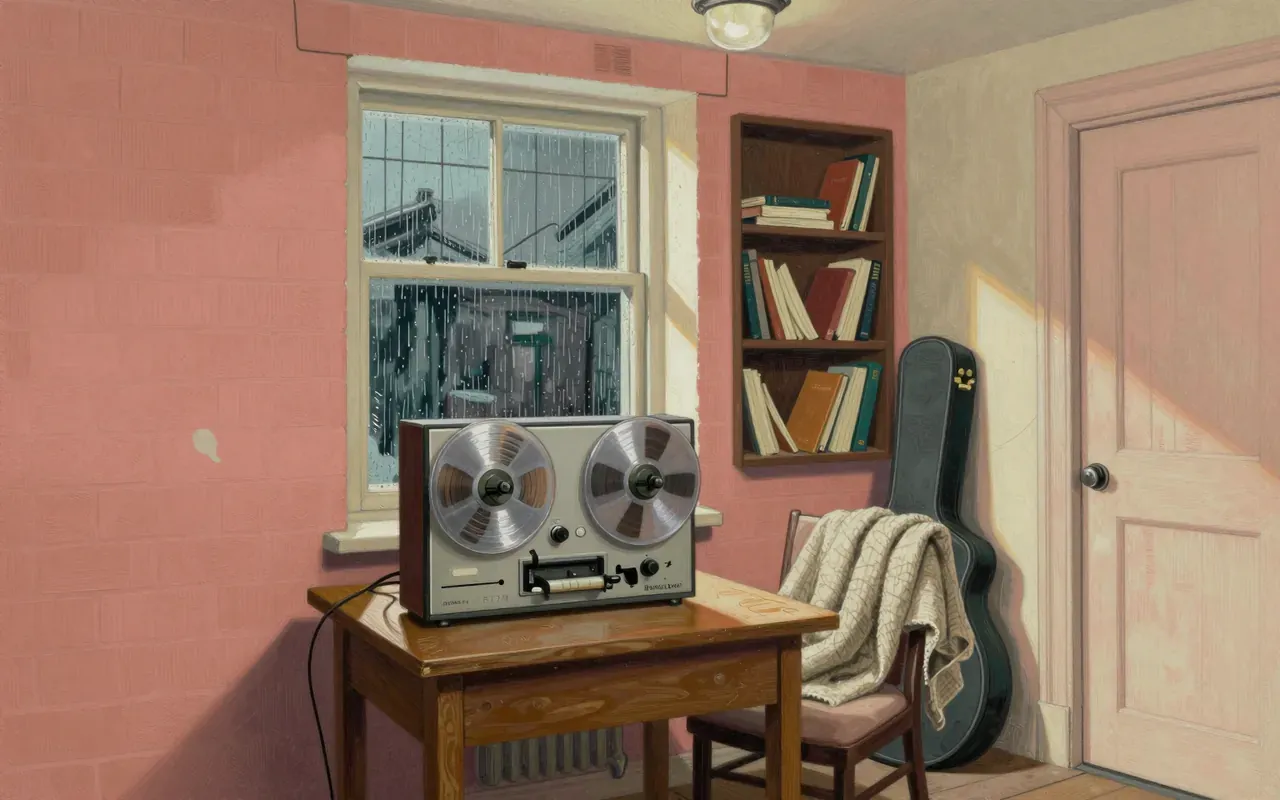
Bert Jansch
Bert Jansch · 1965
A home-recorded folk album that rewrote guitar grammar before anyone noticed.
Pressure applied from outside the institutions.
A home-recorded folk album that rewrote guitar grammar before anyone noticed.
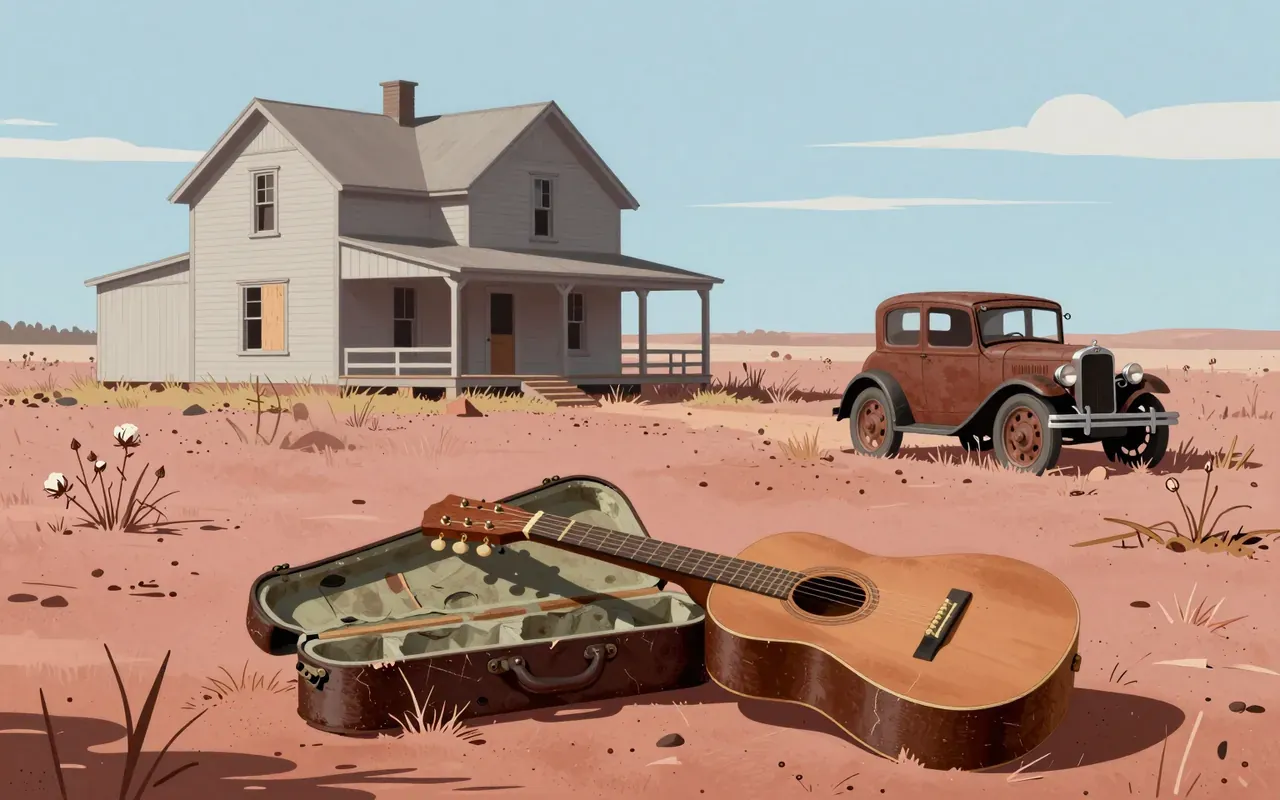
Dust Bowl Ballads is Woody Guthrie’s first commercial recording, made in two sessions at Victor Studios in Camden, New Jersey — primarily on April 26, 1940, with two additional tracks recorded on May 3 — and originally issued in 1940 as eleven songs across two three-disc 78 rpm sets. Twelve sides were pressed, with 'Tom Joad' split across both sides of one disc due to its length; two other recorded songs were excluded from the original release for the same reason.
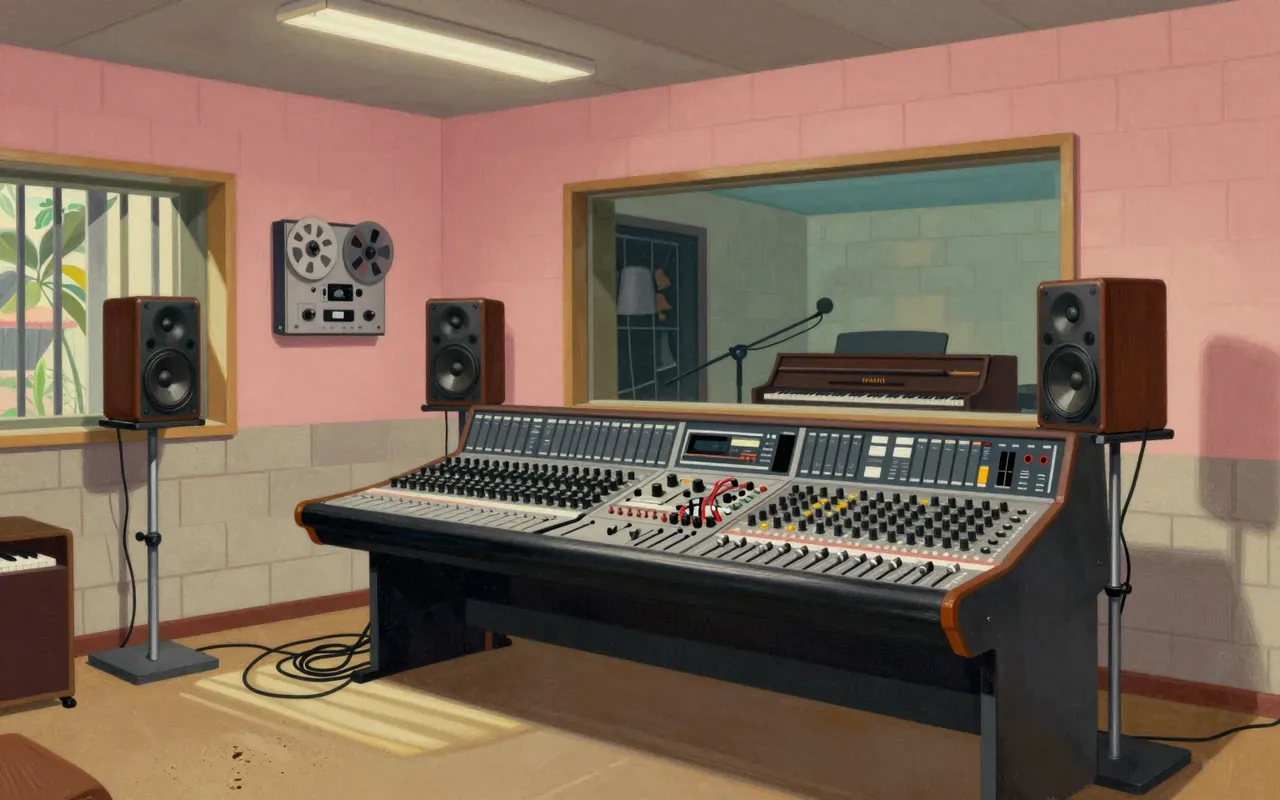
Natty Dread is Bob Marley & The Wailers' seventh album, released in October 1974. It is their first without Peter Tosh and Bunny Wailer, and their first with the I-Threes. All songs were written by Marley. Jean Roussel arranged 'No Woman No Cry', 'Natty Dread', and 'Lively Up Yourself'. Personnel included Aston and Carlton Barrett, Al Anderson, Bernard 'Touter' Harvey, Lee Jaffe, and the I-Threes. Engineers were Sylvan Morris and Phil Ault; Sid Bucknor mixed it; Chris Blackwell and The Wailers produced it. The original demo of 'Lively Up Yourself' was recorded in 1973. The original version of 'No Woman, No Cry' was in gospel style, featuring Peter Tosh and unknown female backing vocals, cut for Island in 1973. The album contains 'No Woman, No Cry', 'Lively Up Yourself', and the politically charged 'Them Belly Full (But We Hungry)'.
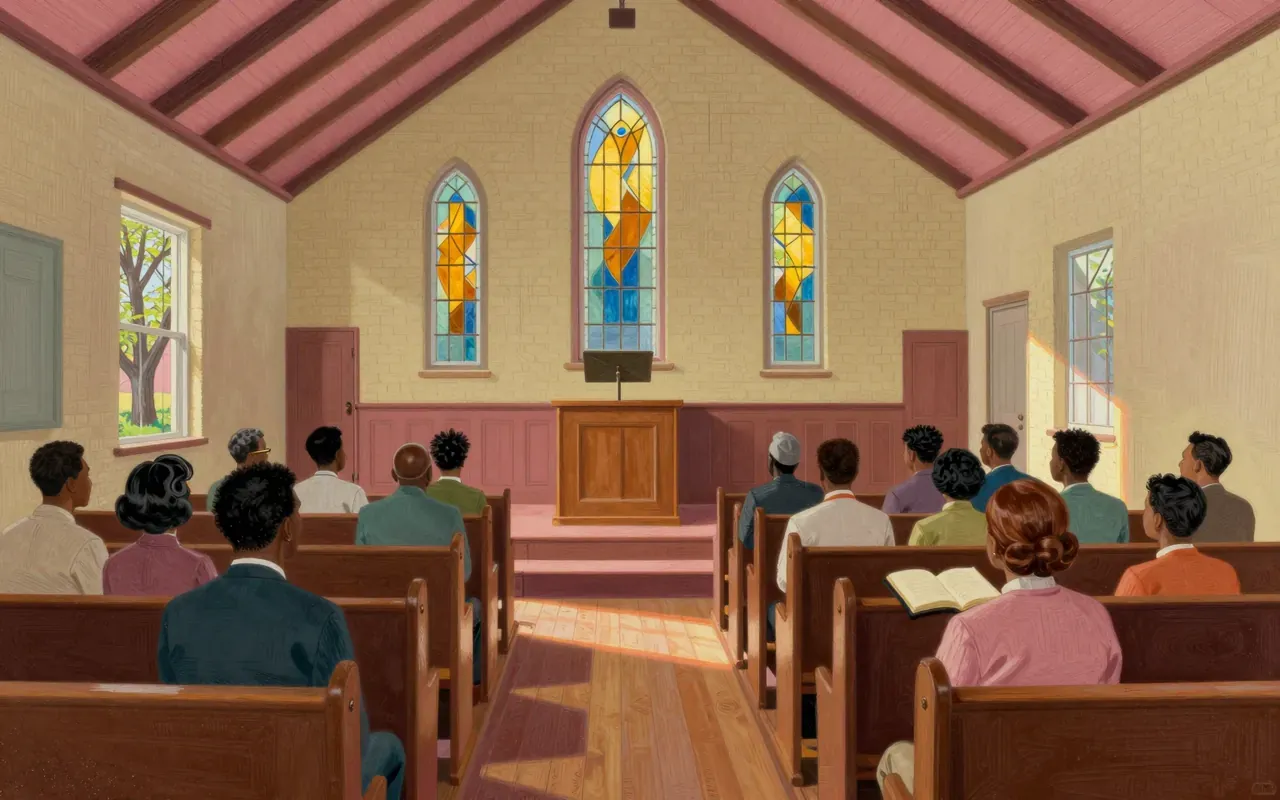
A gospel-influenced 1965 single by The Impressions, composed by Curtis Mayfield, featuring his first guitar break on an Impressions hit and drawing its language and structure from Black American freedom-song tradition and church teaching.
Sheryl Crow’s 1996 self-titled album is a self-produced, self-performed pivot — rich in texture, rooted in New Orleans, and unflinching in its lyrics. It trades collaboration for control, ambiguity for consequence, and polish for presence.
We Insist! is a 1960 jazz suite commissioned for the Emancipation Proclamation centennial. Abbey Lincoln sings. Oscar Brown Jr. writes the lyrics. Nothing more is verifiable.
American Idiot is a punk rock opera built from 30-second musical fragments, recorded in album sequence across two California studios, using analog tape compression on drums to anchor its urgency. It functions as direct protest art, centred on the character 'Jesus of Suburbia', and landed at number one on the Billboard 200 in September 2004 — two months before George W. Bush’s reelection.
Beggars Banquet is the Rolling Stones’ 1968 album — their first with producer Jimmy Miller, their last released in Brian Jones’s lifetime, and their decisive turn from psychedelic pop to roots rock, blues rock, and instrumentally experimental global idioms. It was recorded in early 1968, following 'Jumpin’ Jack Flash', and delayed six months by cover controversy.

Curtis is Curtis Mayfield’s 1970 solo debut, produced by Mayfield and released on Curtom Records. It departs from The Impressions’ pop-soul sound toward funk and psychedelic-influenced arrangements, with a harder-edged sonic character. It features politically charged lyrics and stylistic duality — hard funk versus soft soul — realised through Mayfield’s self-directed vision and collaborative studio execution with a large ensemble. It was a top-20 commercial and critical success, won the 1972 Prix Otis Redding, and ranks No. 275 on Rolling Stone’s 500 Greatest Albums. It precedes and is compared to Marvin Gaye’s What’s Going On for its engagement with social change. No source provides details about instruments, tempos, rooms, mics, or specific production techniques.
Document is R.E.M.'s fifth studio album, released on August 31, 1987, by I.R.S. Records. It marks their first collaboration with producer Scott Litt, featuring clearer production, muscular rock riffs, and expanded instrumentation — including dulcimer on 'King of Birds' and saxophone on 'Fireplace', played by Steve Berlin due to his prior relationship with Litt. The band began swapping instruments in the studio to generate new sounds. 'Strange' is a cover of Wire’s song from Pink Flag. The album contains overtly political lyrics responding to the Reagan-era conservative political environment, especially on 'Welcome to the Occupation' and 'Exhuming McCarthy'. All songs were written by Bill Berry, Peter Buck, Mike Mills and Michael Stipe, except 'Strange' by Bruce Gilbert, Graham Lewis, Colin Newman, Robert Grey.
Fresh Fruit for Rotting Vegetables is a tightly wound, ideologically charged debut that uses minimal means — one drummer, one extra guitarist, sparse keyboards, stacked backing vocals on a single track — to deliver maximum friction. Its sound is stripped, urgent, and unrelenting. Its ideas are specific, prosecutorial, and unapologetic. It does not invite reflection — it demands reaction.
Live! by Bob Marley and the Wailers is a title without a dossier. Verified facts are sparse: it exists in a list of live albums; it contains the Lyceum ‘No Woman, No Cry’ that charted in the UK in 1975; it credits multiple songwriters. Nothing confirms when or how it was recorded, who performed, or how it sounds beyond that single breakout moment. Its cultural weight comes from what happened after — covers, adaptations, film placements — not from what the record itself documents.
Rage Against the Machine (1992) is a self-titled debut album built from the band’s own demo tape, released November 1992. It fuses funk and heavy metal, uses no samples, keyboards or synthesizers, and features politically charged lyrics. Produced by Garth Richardson, the core quartet each contributed to production and art direction. Its cover uses Malcolm Browne’s Pulitzer Prize-winning photograph of Thích Quảng Đức’s 1963 self-immolation in Saigon. 'Killing in the Name' — the incendiary lead single — contains only eight lines of lyrics and was accidentally broadcast uncut on BBC Radio 1 in February 1993.
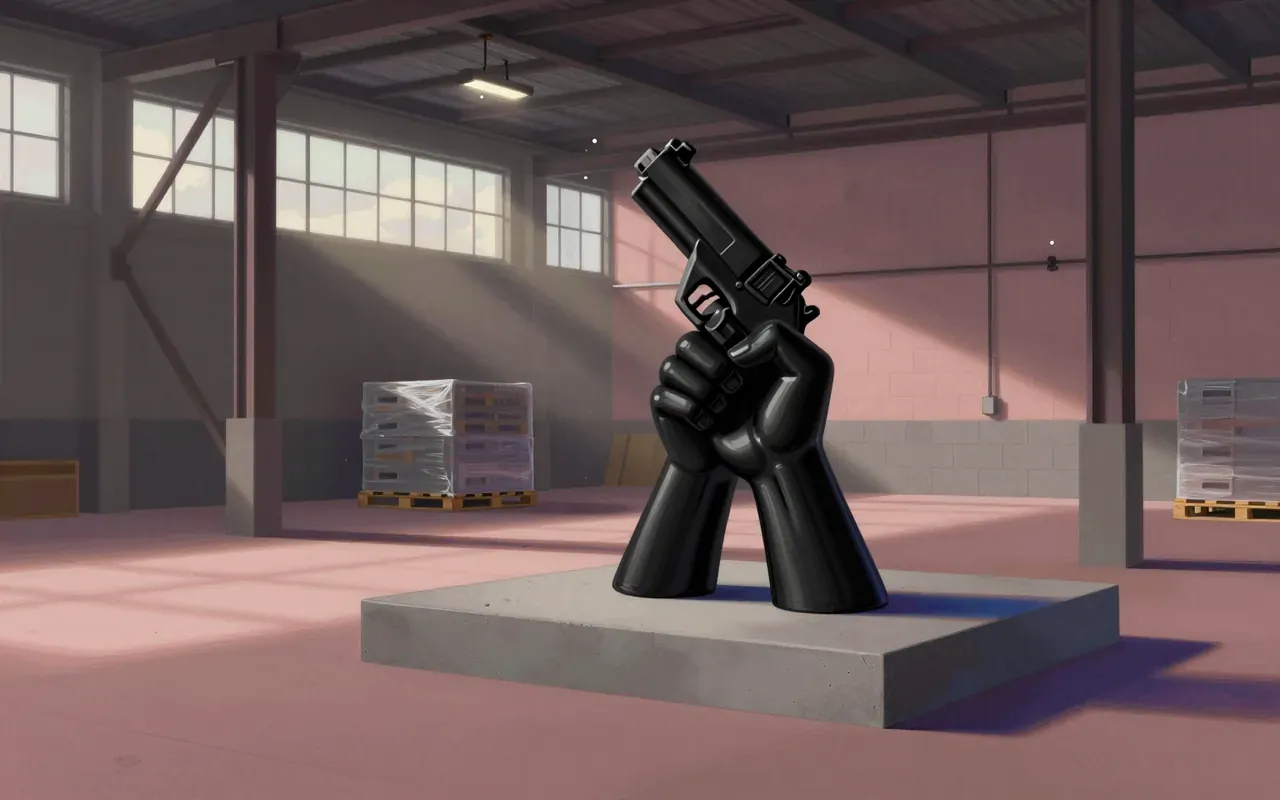
RTJ4 is Run the Jewels’ fourth studio album, released digitally on June 3, 2020 — two days ahead of its scheduled June 5 date — as a direct response to nationwide protests against racial injustice. All tracks were produced by El-P, with co-production by Little Shalimar and Wilder Zoby on most. Its cover art was conceived by El-P and realised by Tim Saccenti as a low-poly 3D-printed sculpture of the duo’s logo, photographed under multi-coloured lighting to reference past album palettes. The record is officially titled RTJ4 — the first in the series to use the abbreviated form — and features guest appearances from Greg Nice, DJ Premier, 2 Chainz, Pharrell Williams, Mavis Staples, Josh Homme, and Zack de la Rocha. Its lead singles were 'Yankee and the Brave (ep.4)' and 'Ooh LA LA', and it was performed in full during the voter-engagement YouTube stream Holy Calamavote on October 18, 2020.
Stand! is a live-wire document of funk’s emergence—not a polished statement, but a working argument made in real time, in one room, with shifting roles and urgent ideas.

Surf's Up is the Beach Boys' 1971 studio album, recorded intermittently between January and July 1971. Carl Wilson assumed de facto leadership and produced the bulk of the recordings, marking a shift from Brian Wilson’s earlier dominance. Brian Wilson was not especially active in the production, resulting in thinner vocal arrangements compared to Sunflower. Carl Wilson's first major solo compositions — 'Long Promised Road' and 'Feel Flows' — were recorded almost entirely by him. The title track 'Surf’s Up' was completed in June 1971 using archival recordings from late 1966, newly overdubbed by Carl and augmented with Moog and vocals. The album reflects a deliberate shift toward topical lyricism under Rieley’s influence, with socially conscious songs like 'Student Demonstration Time' and 'Don't Go Near the Water'. Brian contributed 'Til I Die', crafted over weeks amid existential crisis with drum machine, vibraphone, and organ, and co-wrote 'A Day in the Life of a Tree' with Jack Rieley, scored with antique and smaller pipe organs. Bruce Johnston wrote 'Disney Girls (1957)' in response to drug-affected youth in their audience, and Al Jardine contributed the Sunflower outtake 'Take a Load Off Your Feet' and co-wrote 'Lookin' at Tomorrow (A Welfare Song)' with Gary Winfrey.

U2's War is a studio document of ideological hardening. It trades echo for impact, doubt for declaration, and intimacy for broadcast. Every production choice serves the message — not the mood.
Willy and the Poor Boys is a tightly wound, politically charged, sonically lean rock record rooted in American vernacular — jug-band instrumentation, Lead Belly covers, Oakland geography, and John Fogerty’s singular voice as writer, singer, guitarist, and producer.
Born in the U.S.A. is a 1984 rock-pop album by Bruce Springsteen, recorded with the E Street Band in New York City from January 1982 to March 1984. It draws material from the Nebraska demo tape. Its title track is a bitter commentary on Vietnam veterans, but its anthemic music and title led to widespread misinterpretation. Chuck Plotkin judged the full-band performances as less meaningful, less compelling, and less honest than the demos. The album was co-produced by Springsteen, Jon Landau, Steven Van Zandt, and Chuck Plotkin. Toby Scott engineered at the Power Station in April 1982. 'Cover Me' was originally written for Donna Summer. The recording sessions yielded 70–90 songs.
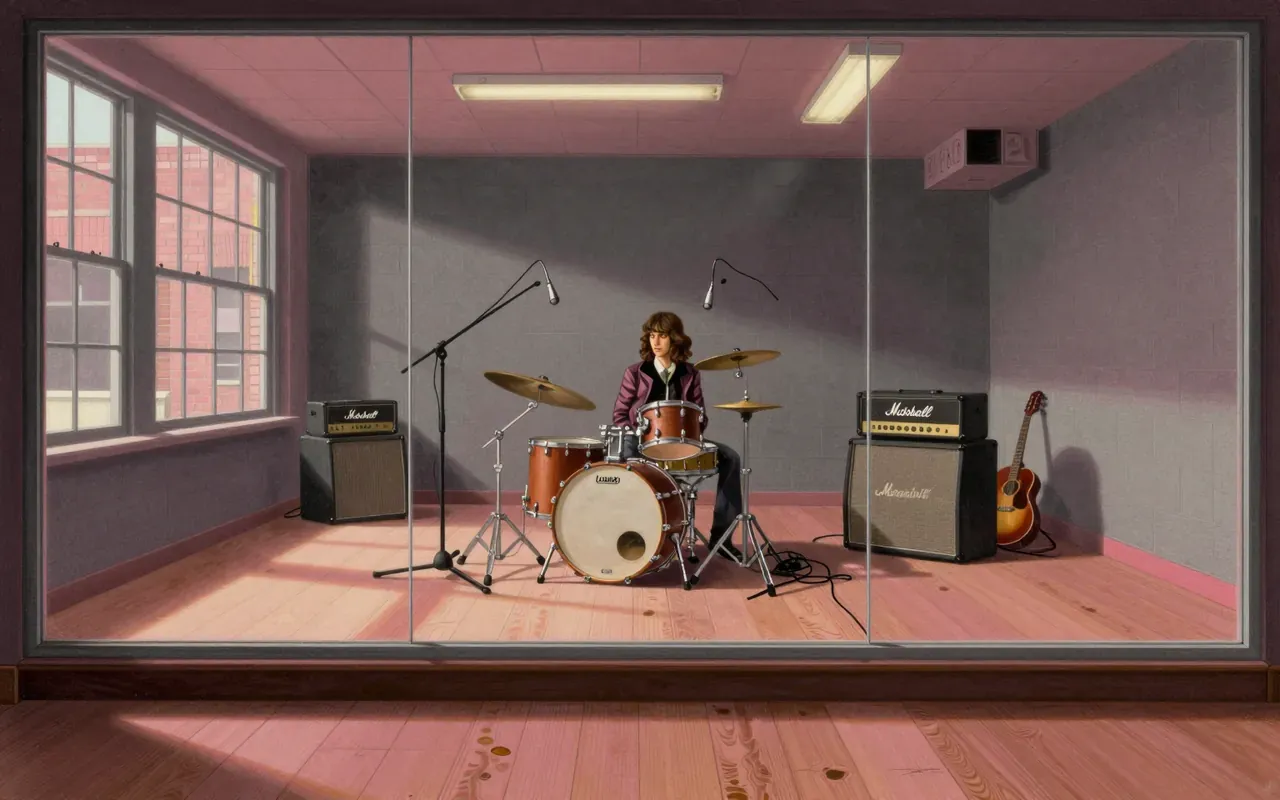
Easter is a 1978 rock record defined by instrumental specificity, stylistic range, and credited absence. It delivers urgency without ornament, rebellion without vagueness, and folk without nostalgia.
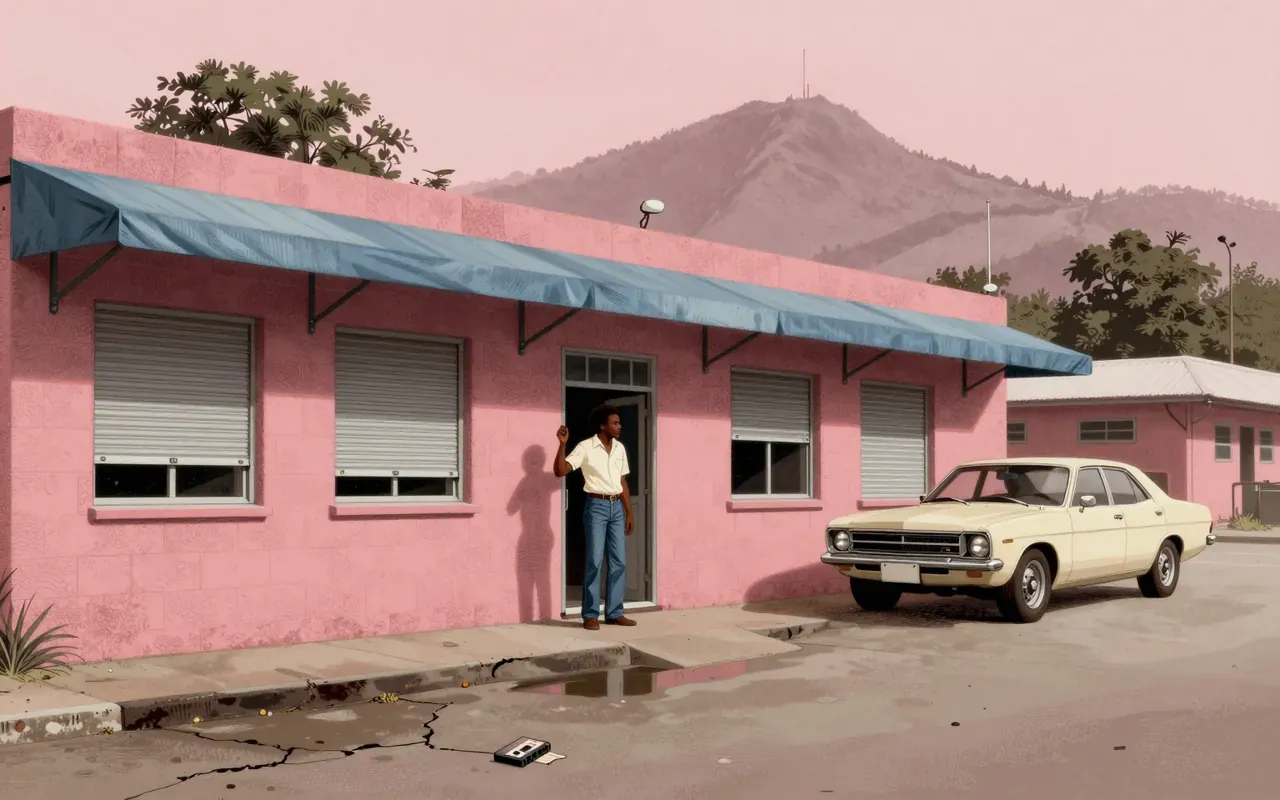
Legalize It is Peter Tosh’s debut studio album. It was recorded at Treasure Isle and Randy's in Kingston between 1975 and 1976. It was released in June 1976 on CBS Records. All tracks were composed by Tosh except where indicated. The title track became popular among cannabis legalization advocates, reggae fans, and Rastafari worldwide, and was a concert favourite.
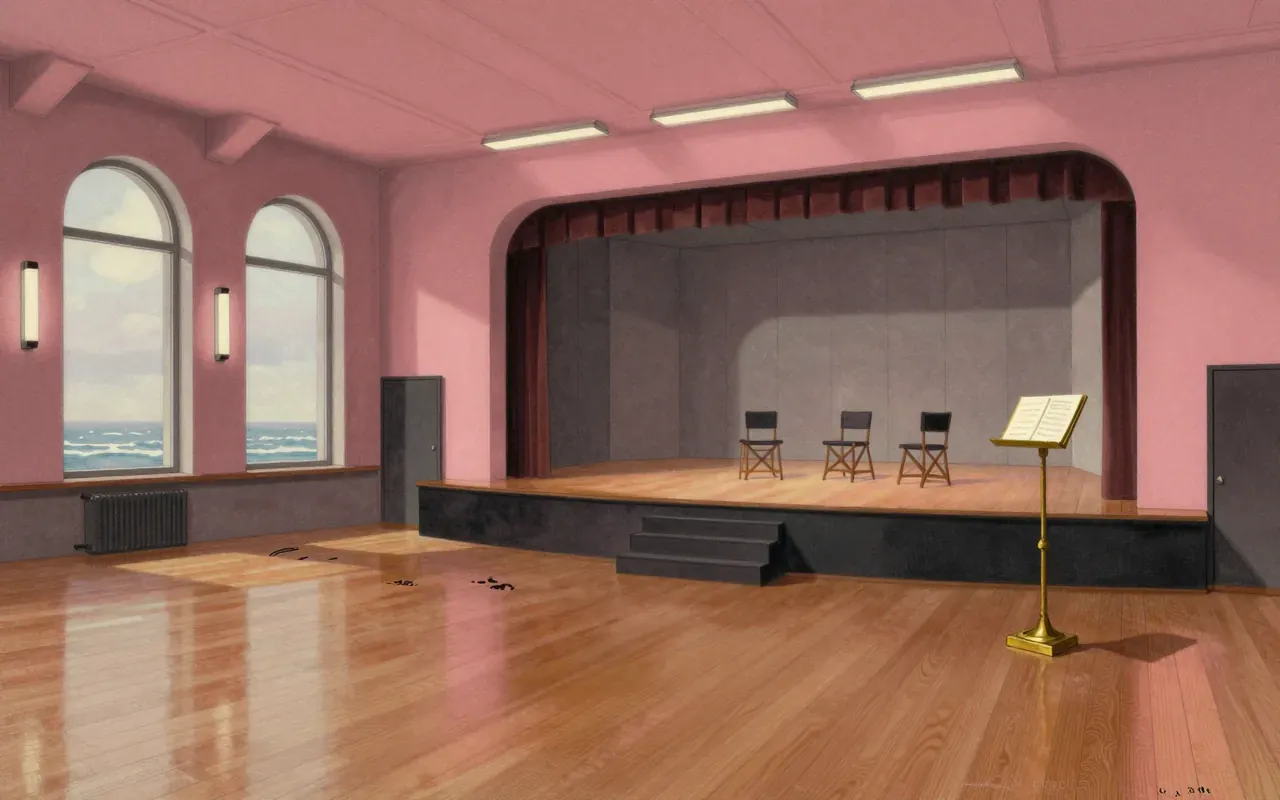
Satyagraha is Philip Glass’s 1979 opera, recorded in 1985, based on Gandhi’s early South African years. It uses Sanskrit text, symphony orchestra, chorus, and solo voices to embody the concept of satyagraha — not narrate it. Repetition is its grammar. Resistance is its rhythm. It does not explain. It insists.
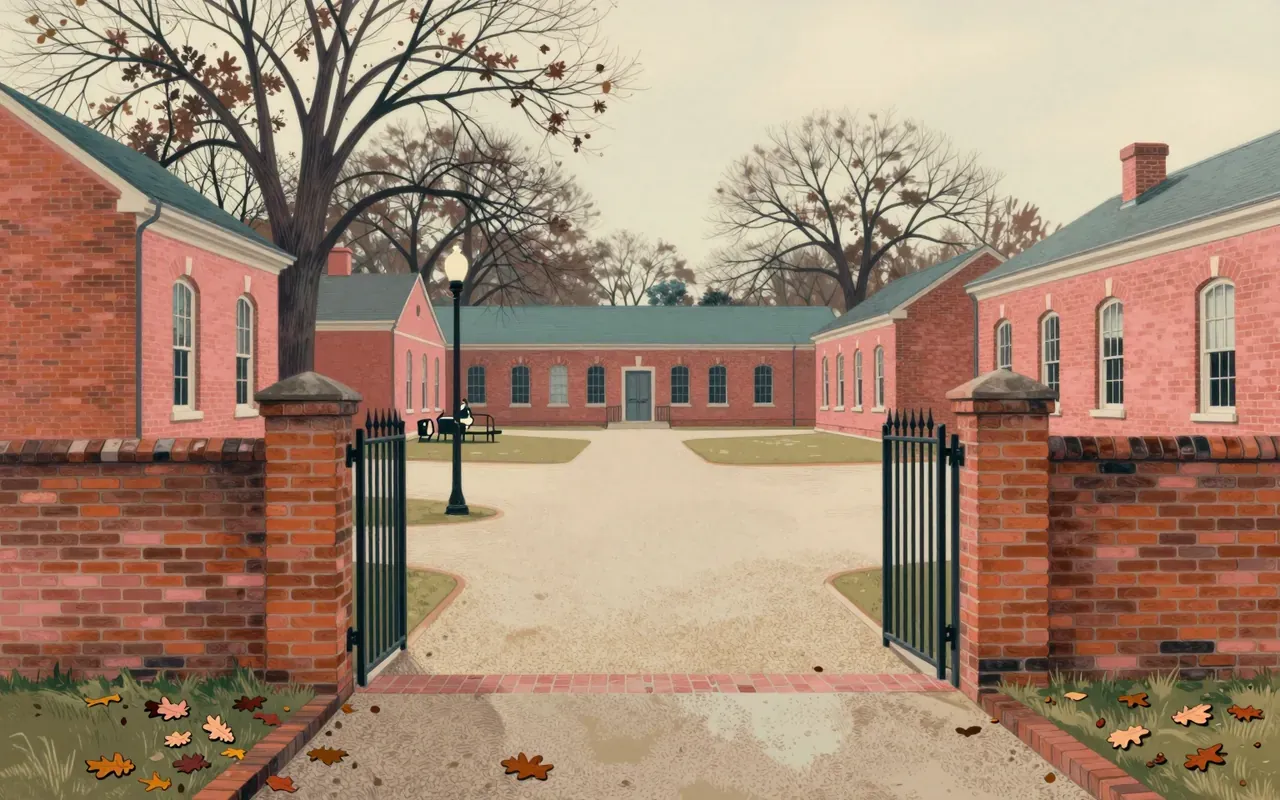
The Freewheelin’ Bob Dylan is Bob Dylan’s second album, released in May 1963. It was assembled from eight recording sessions at Columbia Records Studio A in New York City between April 1962 and April 1963. It established Dylan as a significant singer-songwriter. Many of the songs were protest songs, inspired by Woody Guthrie and influenced by Pete Seeger's passion for topical songs. The album included love songs and surreal talking blues. 'Oxford Town' was an account of James Meredith's ordeal as the first Black student at the University of Mississippi. 'Blowin’ in the Wind' partly derived its melody from the traditional slave song 'No More Auction Block', while its lyrics wondered whether war and injustice would ever end. 'A Hard Rain’s a-Gonna Fall' was based on the folk ballad 'Lord Randall'. Both songs marked a new direction in songwriting, blending a stream-of-consciousness, imagist lyrical attack with traditional folk form.
The Times They Are A‐Changin’ is Bob Dylan’s third album (1964). It reflects a more politicized phase. Songs address the murders of Medgar Evers and Hattie Carroll, the despair of rural economic collapse, and Dylan’s angry response to a hostile Newsweek profile.
Uprising is the final Bob Marley & The Wailers album released in Marley's lifetime — June 1980. It affirms Marley's Rastafarian beliefs. It contains 'Forever Loving Jah', 'Redemption Song' (described as solo acoustic and folk-based), and 'Could You Be Loved' (a successful single). 'Redemption Song' is the only track with verified sonic description: solo, acoustic, folk-based. The record is framed externally by the concept of rebellion as organized resistance against government — but no source verifies how the music itself enacts that idea.
After the Gold Rush grew out of a home studio in Topanga Canyon and an unproduced apocalyptic screenplay by Young's friend Dean Stockwell. Recorded with members of both Crazy Horse and Crosby, Stills, Nash and Young, it moves between hushed piano ballads and rougher rock without settling into either, and its mix of environmental dread, personal breakup and blunt protest song has outlasted the film it was meant to score.
Recorded in 1975 out of the Kalakuta Republic compound, Expensive Shit compresses Fela Kuti's long standoff with Nigeria's police into two extended Africa '70 tracks: a title piece built from a real, absurd arrest, and Water No Get Enemy's gentler appeal to a Yoruba proverb about nature's staying power. Short in length, it is unusually complete for a Kuti record.
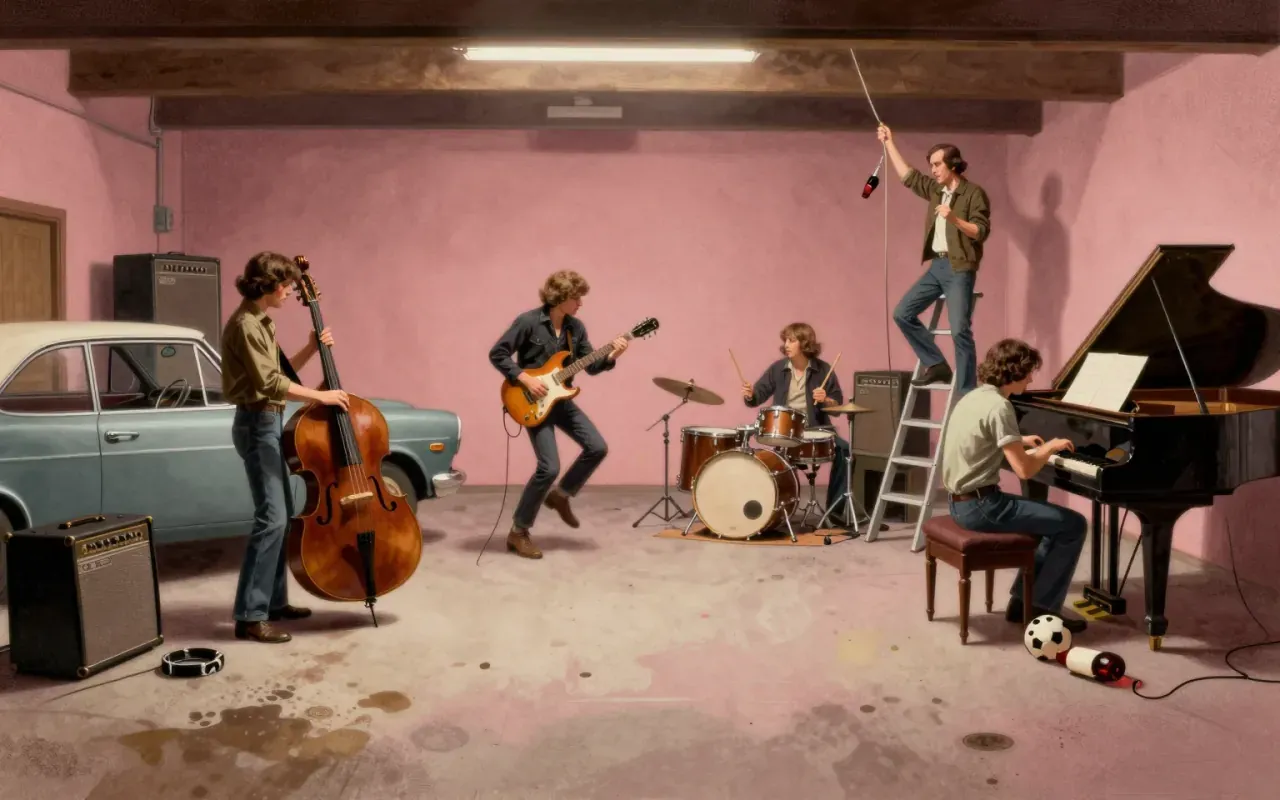
London Calling is the Clash's third album, an eighteen-song double LP recorded at Wessex Sound Studios over roughly six weeks in 1979 under producer Guy Stevens, with Bill Price engineering. After a year of writer's block, the band rehearsed in a Pimlico garage and returned with material stretched across reggae, rockabilly, ska and American R&B rather than straight punk. Released in December 1979 in Britain, it sold at the price of a single record and has since sold several million copies worldwide.
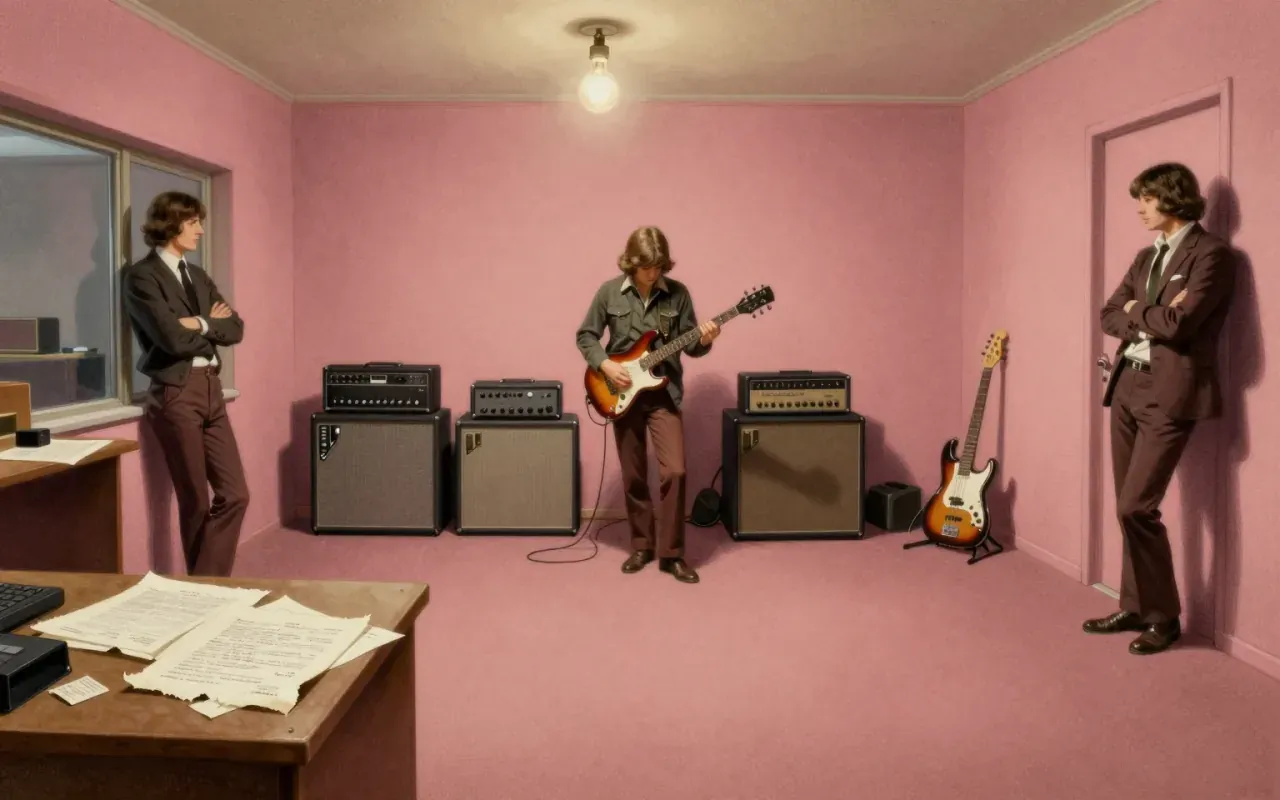
Never Mind the Bollocks Here's the Sex Pistols is the only studio album by the Sex Pistols, recorded piecemeal at Wessex Sound Studios in London between 1976 and 1977 with producers Chris Thomas and Bill Price, and released by Virgin in October 1977. Glen Matlock wrote much of the material before quitting, Sid Vicious replaced him but barely played on the record, and guitarist Steve Jones ended up covering most of the bass parts himself. Retailers refused to stock it and some charts wouldn't print its title, yet it still went to number one.
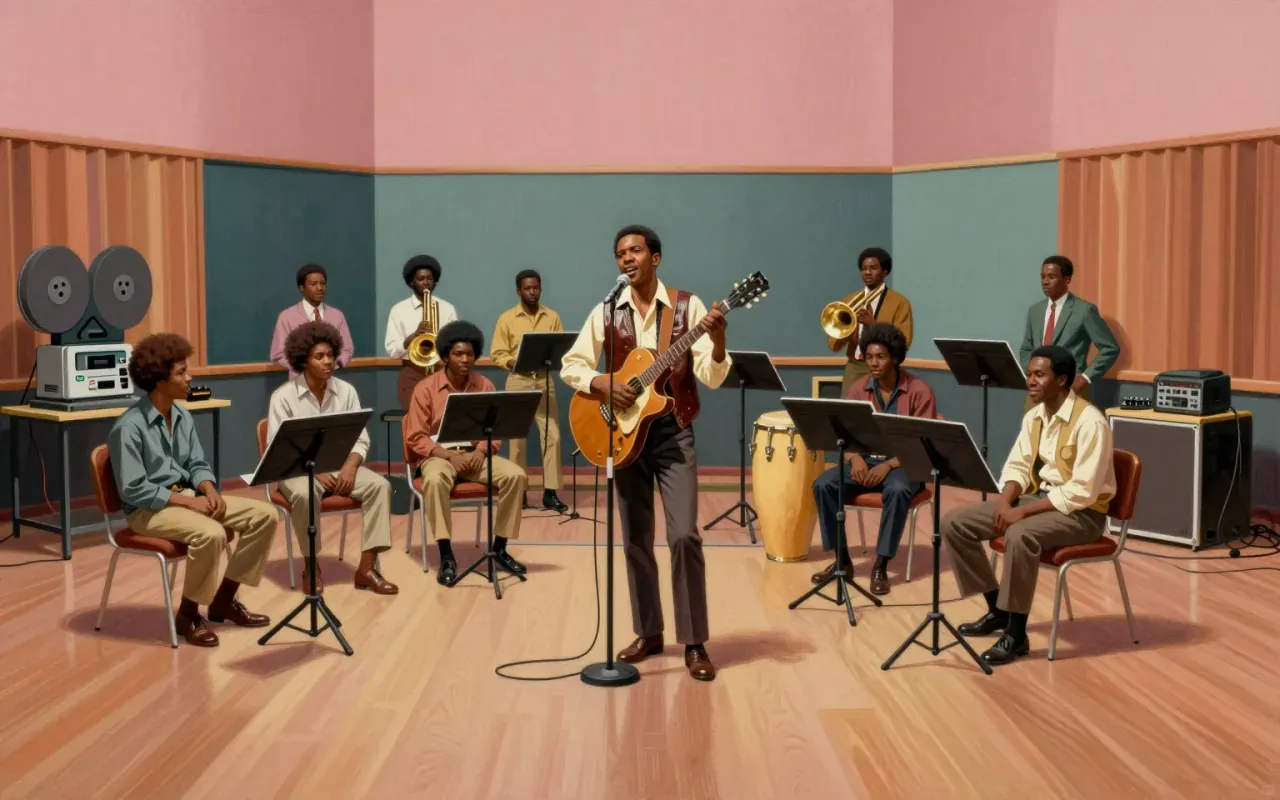
Curtis Mayfield's soundtrack to the 1972 blaxploitation film built a concept album around drug culture and poverty, written partly as a corrective to the picture's own ambivalence about its subject. Recorded with a large Chicago ensemble after early sessions in New York, it outsold the film itself and earned Mayfield a Grammy nomination for the score.
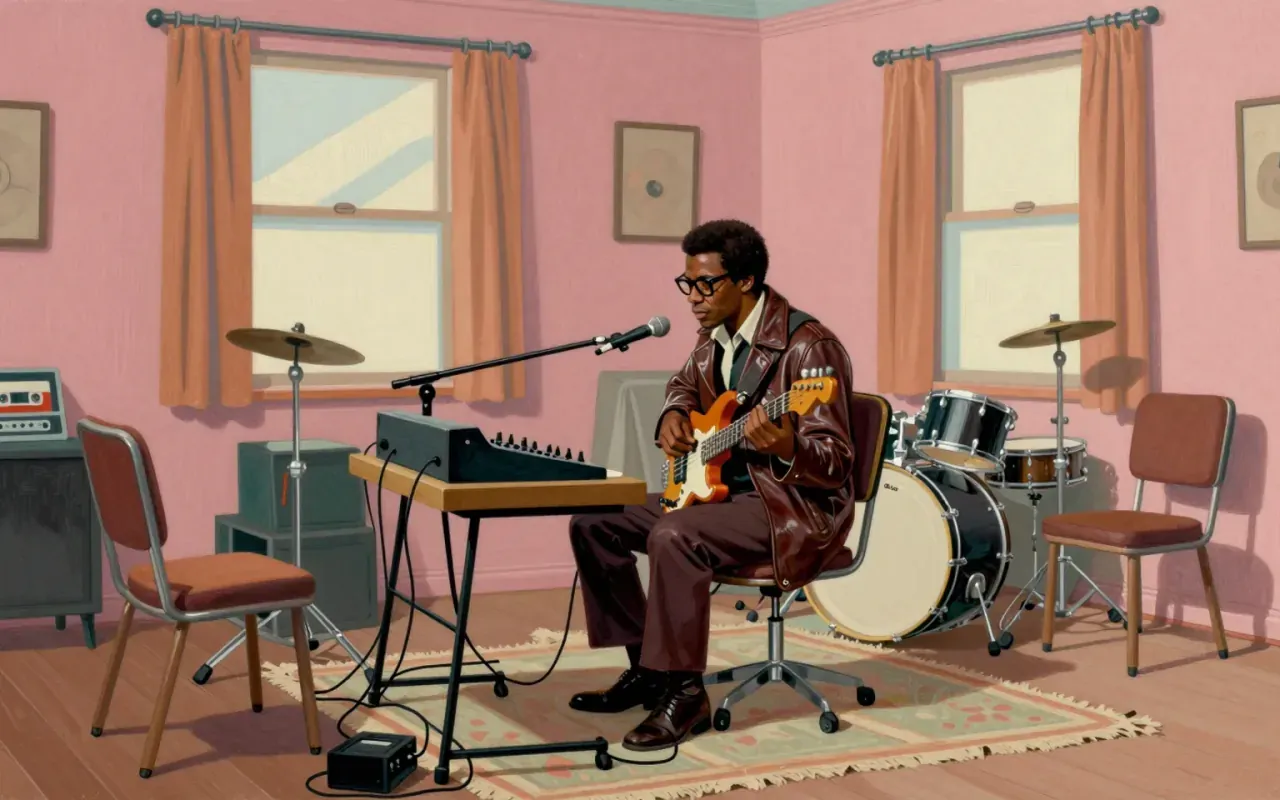
Recorded largely alone by an increasingly isolated Sly Stone, There's a Riot Goin' On trades the Family Stone's earlier warmth for a murky, overdubbed sound that turns disillusionment into its own kind of groove.
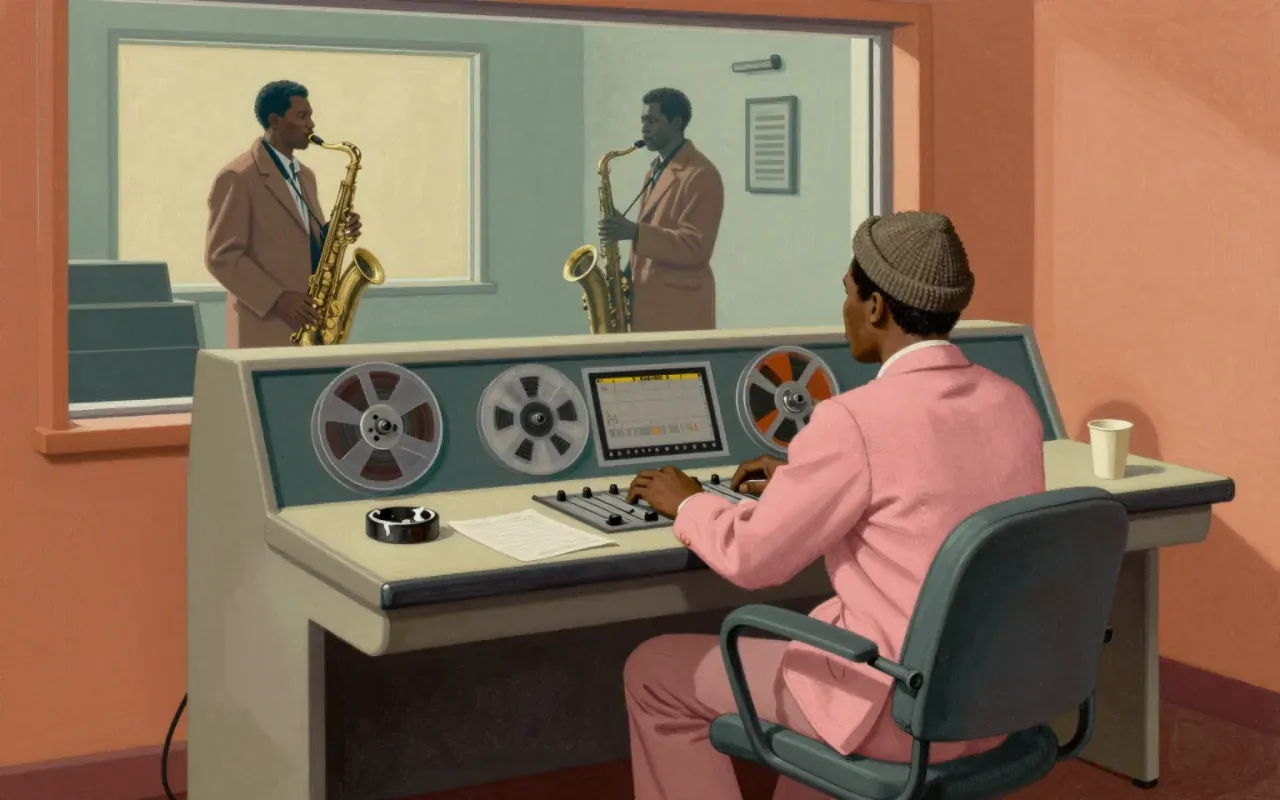
Released in 1971 on Motown's Tamla imprint, What's Going On was the first Marvin Gaye album he produced himself, built from grief, a stalled football tryout and a label boss who initially wanted nothing to do with the title track. The result plays as one continuous piece rather than a run of singles, moving from a returning soldier's disillusionment to ecological unease without ever raising its voice.