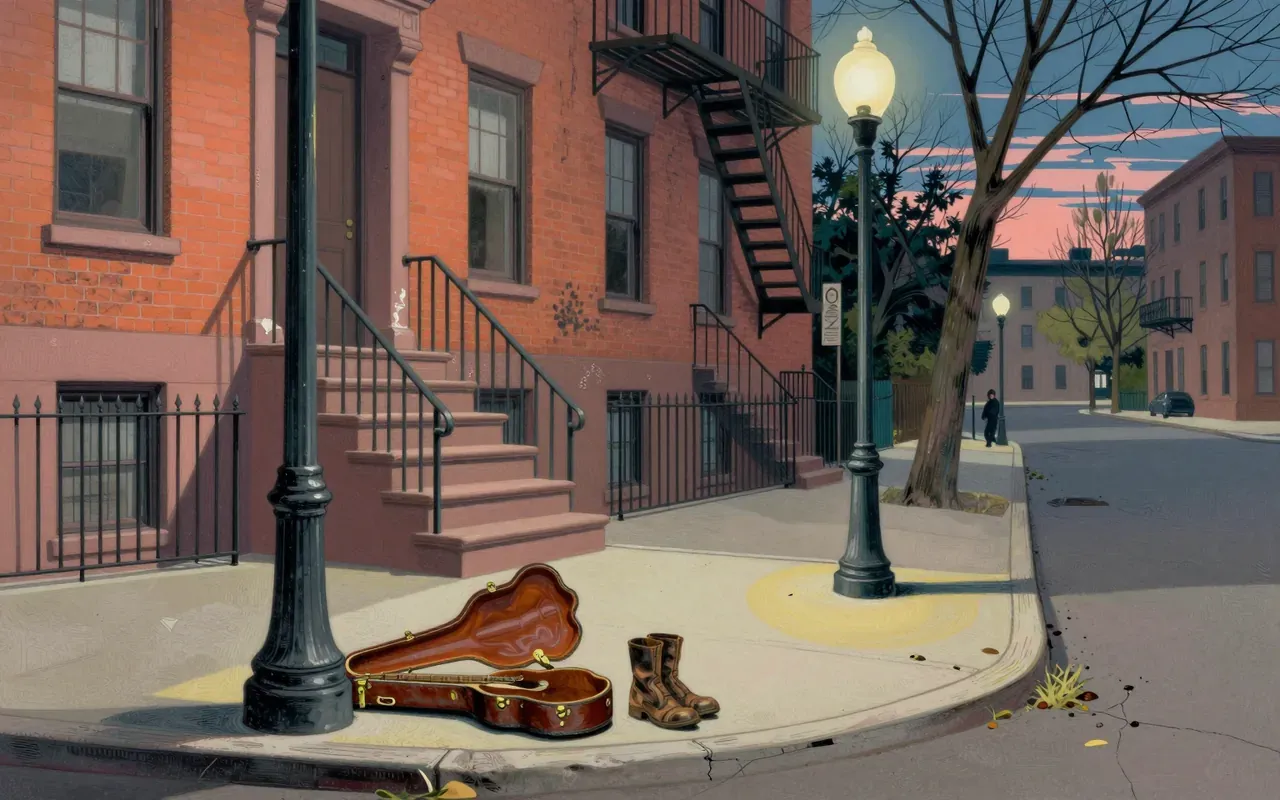
Harlem Street Singer
Blind Gary Davis · 1961
A solo gospel session. Twenty songs. Three hours. One guitar. No compromise.
Belief as practice, institution and inheritance, not only conviction.
A solo gospel session. Twenty songs. Three hours. One guitar. No compromise.
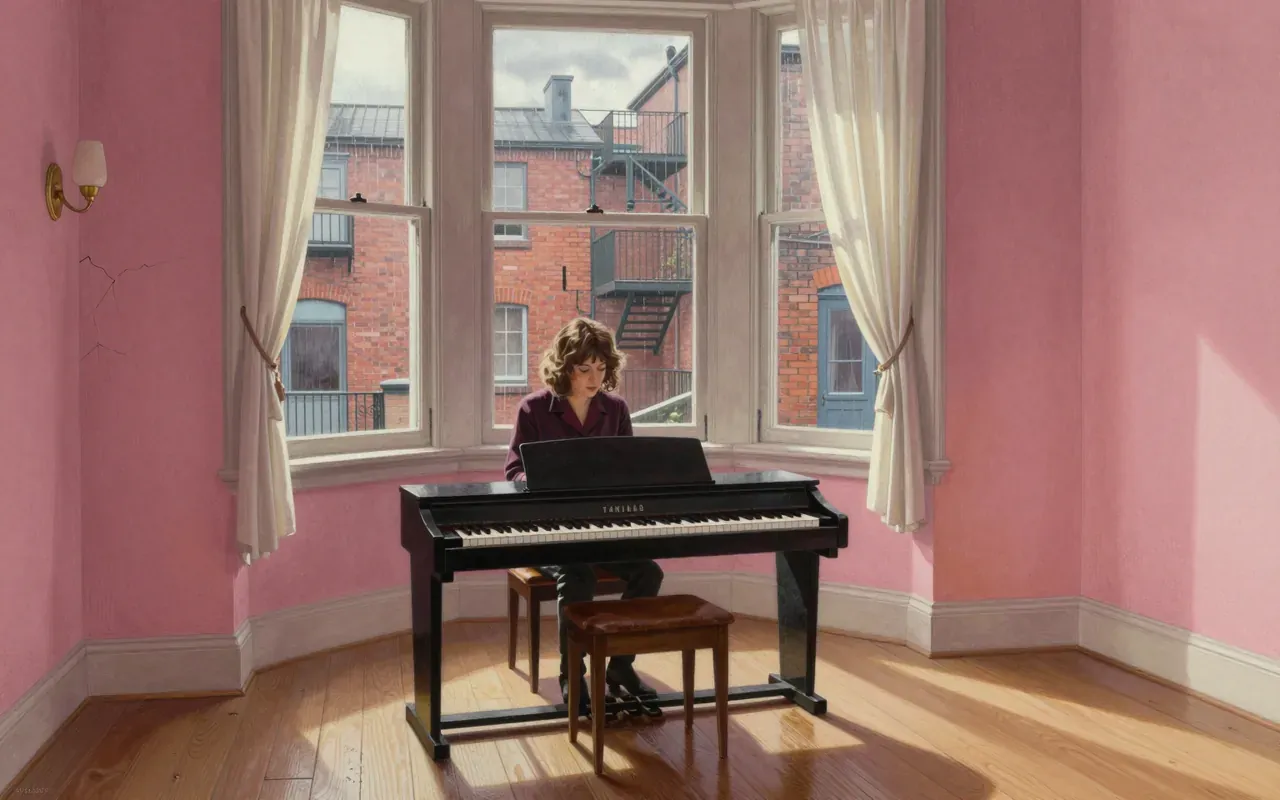
A piano-and-voice record that refuses to comfort — it names trauma, rejects polish, and builds its power on what it leaves out.
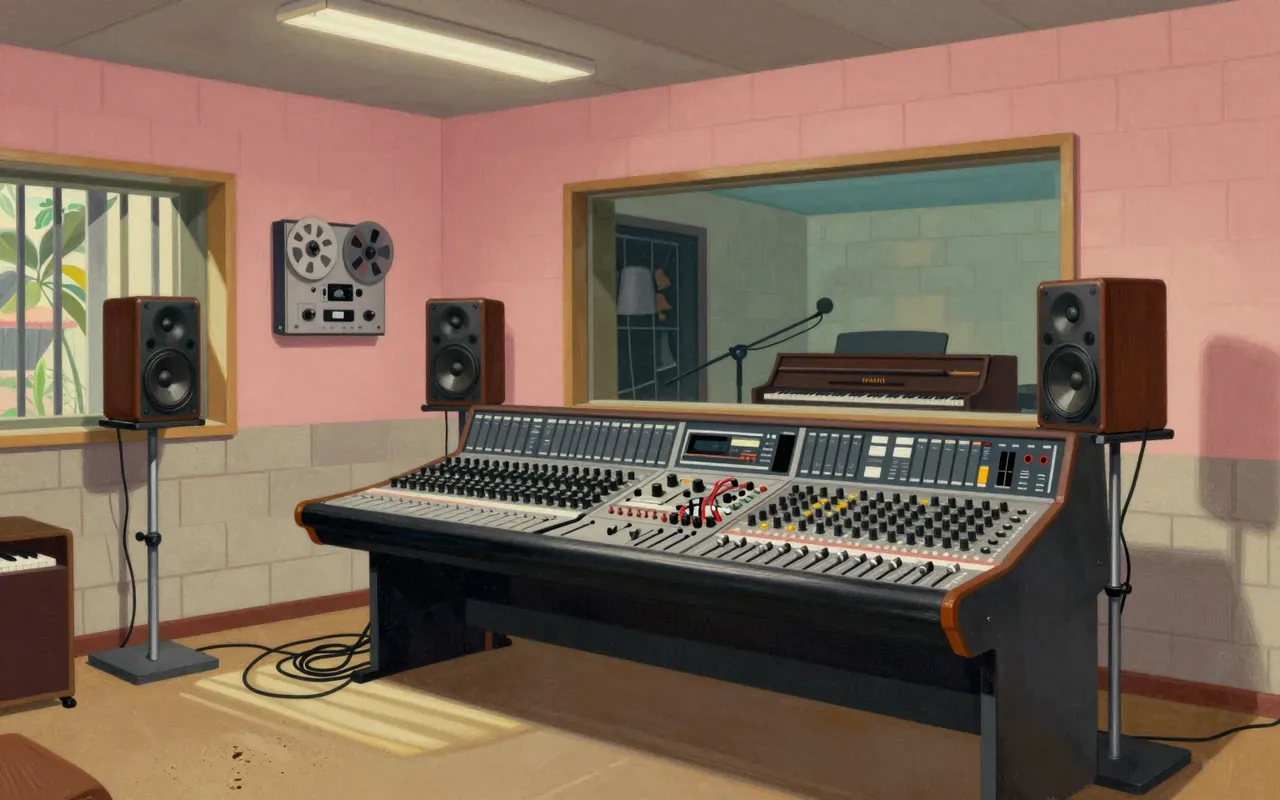
Natty Dread is Bob Marley & The Wailers' seventh album, released in October 1974. It is their first without Peter Tosh and Bunny Wailer, and their first with the I-Threes. All songs were written by Marley. Jean Roussel arranged 'No Woman No Cry', 'Natty Dread', and 'Lively Up Yourself'. Personnel included Aston and Carlton Barrett, Al Anderson, Bernard 'Touter' Harvey, Lee Jaffe, and the I-Threes. Engineers were Sylvan Morris and Phil Ault; Sid Bucknor mixed it; Chris Blackwell and The Wailers produced it. The original demo of 'Lively Up Yourself' was recorded in 1973. The original version of 'No Woman, No Cry' was in gospel style, featuring Peter Tosh and unknown female backing vocals, cut for Island in 1973. The album contains 'No Woman, No Cry', 'Lively Up Yourself', and the politically charged 'Them Belly Full (But We Hungry)'.
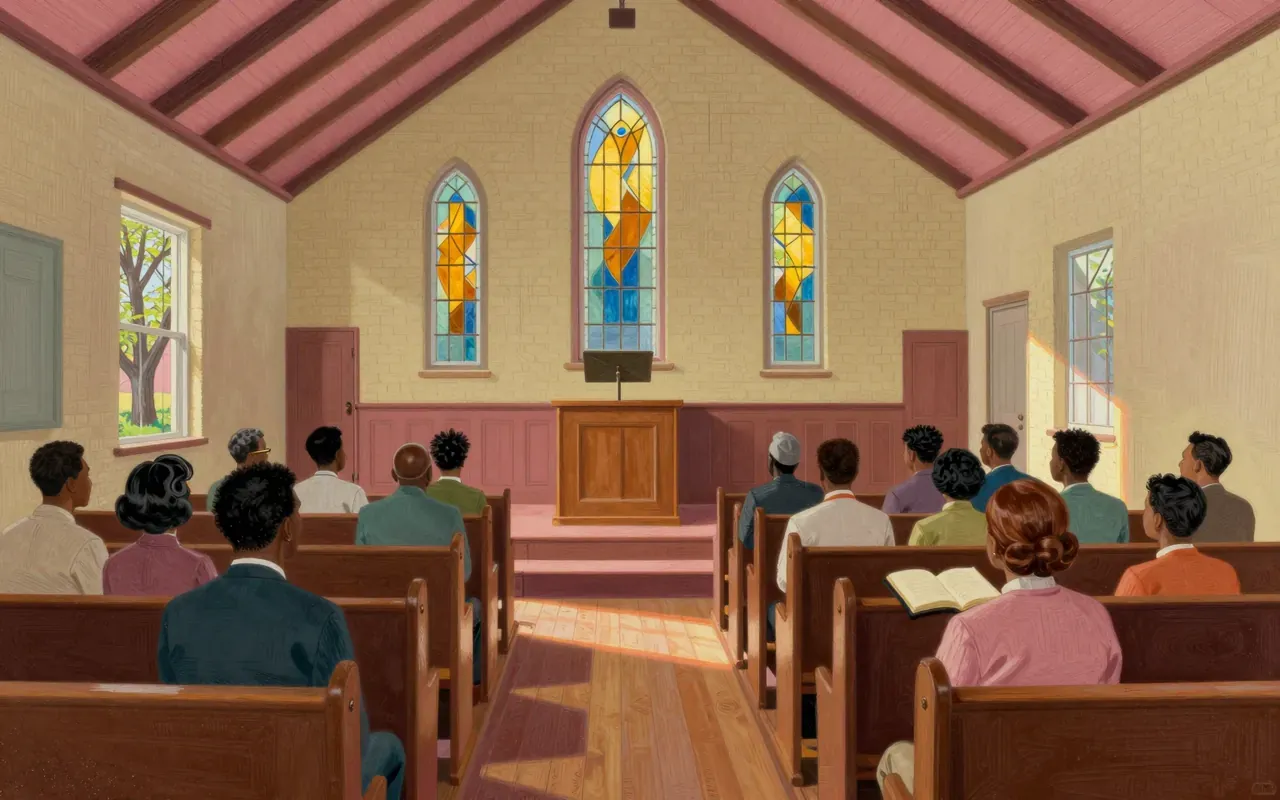
A gospel-influenced 1965 single by The Impressions, composed by Curtis Mayfield, featuring his first guitar break on an Impressions hit and drawing its language and structure from Black American freedom-song tradition and church teaching.
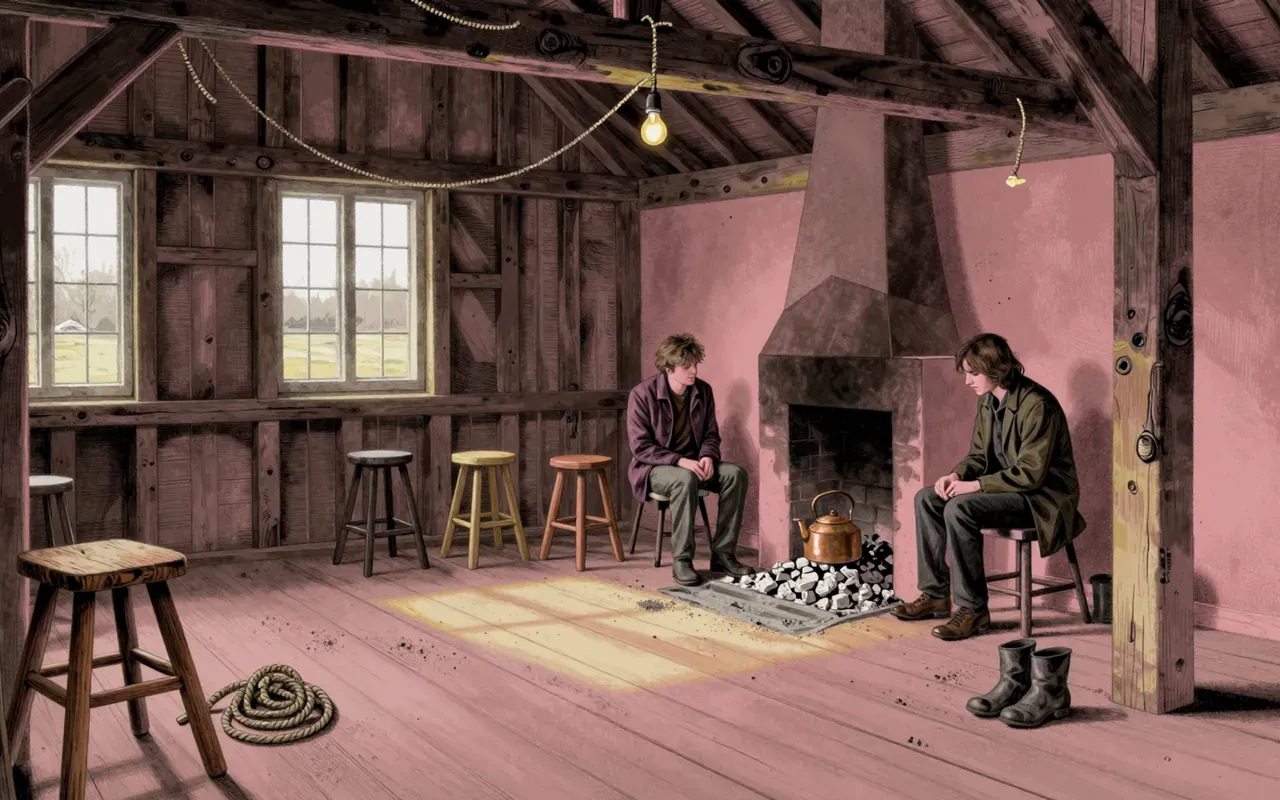
Sigh No More is Mumford & Sons’ 2009 debut studio album, recorded with producer Markus Dravs after the band self-financed it and arrived at sessions without their own instruments. Only one track — 'Little Lion Man' — came from their prior EP Love Your Ground. The album features multi-instrumental performances by the core band (vocals, banjo, mandolin, double bass, drums, keyboards, accordion), augmented by trumpet, flugelhorn, trombone, violin, viola, and cello. Production includes unconventional elements such as 'a nail and a piano string'. Engineering was by François Chevallier, mixing by Ruadhri Cushnan, and mastering by Bob Ludwig. A live recording included in the deluxe edition was made at Shepherd's Bush Empire on 14 March 2010.
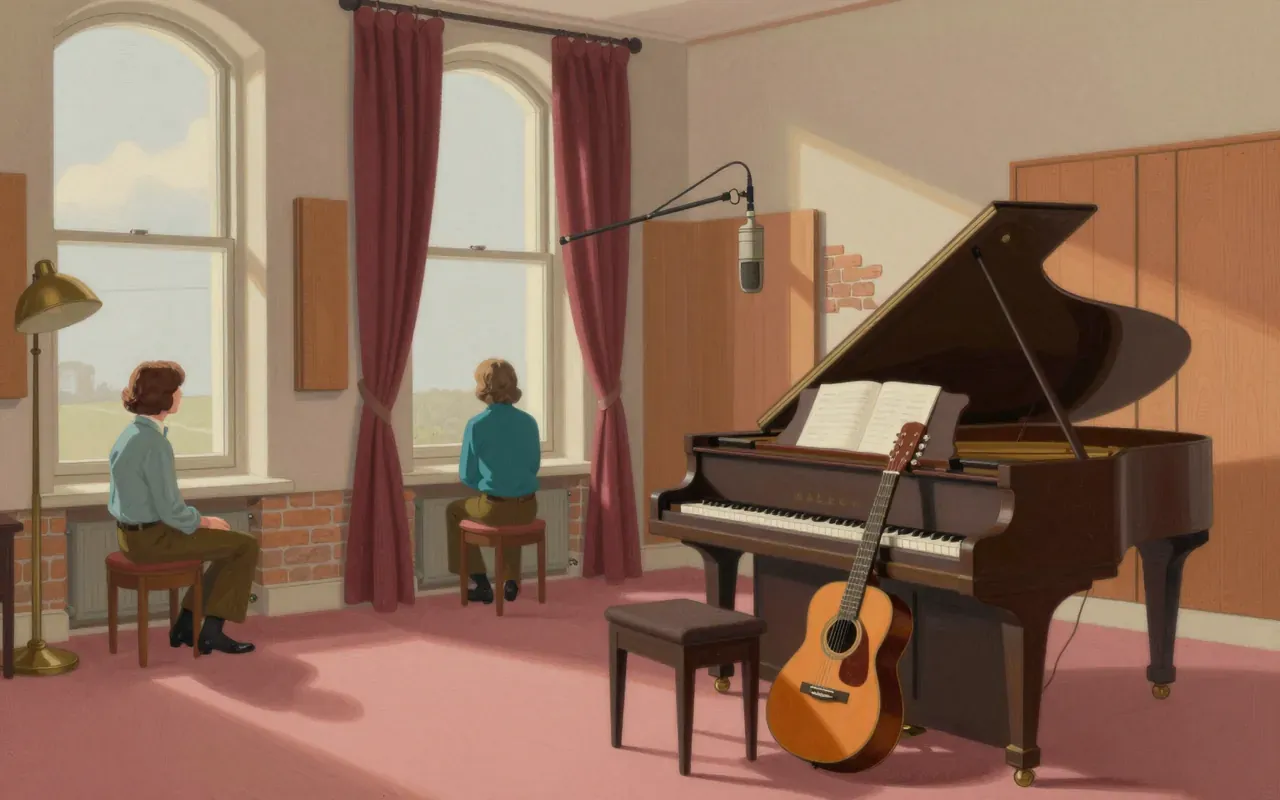
Tea for the Tillerman is Cat Stevens’s fourth studio album, recorded between May and July 1970 across three London studios — Morgan, Island, and Olympic — and features contributions from Alun Davies (guitar, backing vocals), Harvey Burns (drums and percussion), John Ryan (double bass), Del Newman (string arrangements), Jack Rothstein (solo violin), and Paul Samwell-Smith (backing vocals), alongside Stevens’s multi-instrumental and vocal performances. The album includes iconic songs such as 'Wild World' and 'Father and Son', and Stevens also created the front cover illustration. A previously unreleased version of 'But I Might Die Tonight' was used in the 1970 film Deep End and later released in 2020. The album has been reissued multiple times, including a 2020 Super Deluxe Edition with remastered and newly mixed versions, and a reimagined version titled Tea for the Tillerman2, released the same year. Critical reception varied contemporaneously but grew more laudatory over time, with retrospective praise for its themes and melodic craftsmanship, and inclusion in numerous 'greatest albums' lists. It was released on 23 November 1970 by Island Records in the UK and A&M in North America. All songs were written by Cat Stevens. The personnel details are adapted from the liner notes of the 2020 CD reissue. Shepard 'Shep' Sherbell provided photography for the album. The album reached the top 10 in the US and top 20 in the UK, and has been certified and referenced widely in popular culture, including films and television shows. The original release included eleven tracks, all written by Stevens, and the Deluxe Edition added demos and live recordings. The Super Deluxe Edition contains five discs, including remasters, new mixes, Tea for the Tillerman2, music videos, live videos, and a 12" vinyl of 1970 Troubadour recordings. In November 2008, a Deluxe Edition was released; in January 2012, a hi-res 24/192 kHz remaster appeared on HDtracks.com. On 28 May 2020, Yusuf announced Tea for the Tillerman2, released 18 September 2020, described as a reimagining of the same eleven songs for a new age with dramatic results. Four songs from the album appeared in Harold and Maude (1971), and 'Father and Son' featured in Guardians of the Galaxy Vol. 2 (2017) and The Boat That Rocked (2009). The album was used as the closing title track of the British sitcom Extras, and its artwork was parodied in a 2014 episode of The Simpsons. The album was included in 1001 Albums You Must Hear Before You Die (2006), The Definitive 200 Albums of All Time (2007), and Colin Larkin's All Time Top 1000 Albums (voted number 342). Rolling Stone ranked it number 205 in its 2020 revision of the 500 Greatest Albums of All Time. Robert Christgau found the music monotonous in a contemporary Village Voice review, while Ben Gerson of Rolling Stone noted its resonance despite occasional overuse of dynamics. William Ruhlmann of AllMusic praised its spirituality and melodic craft, calling it a big seller and crediting it with making Stevens a pop star for the second time in four years. Stevens, a former art student, created the cover artwork. The album features songs including 'Where Do the Children Play?', 'Hard Headed Woman', 'Wild World', 'Sad Lisa', 'Into White', and 'Father and Son'.
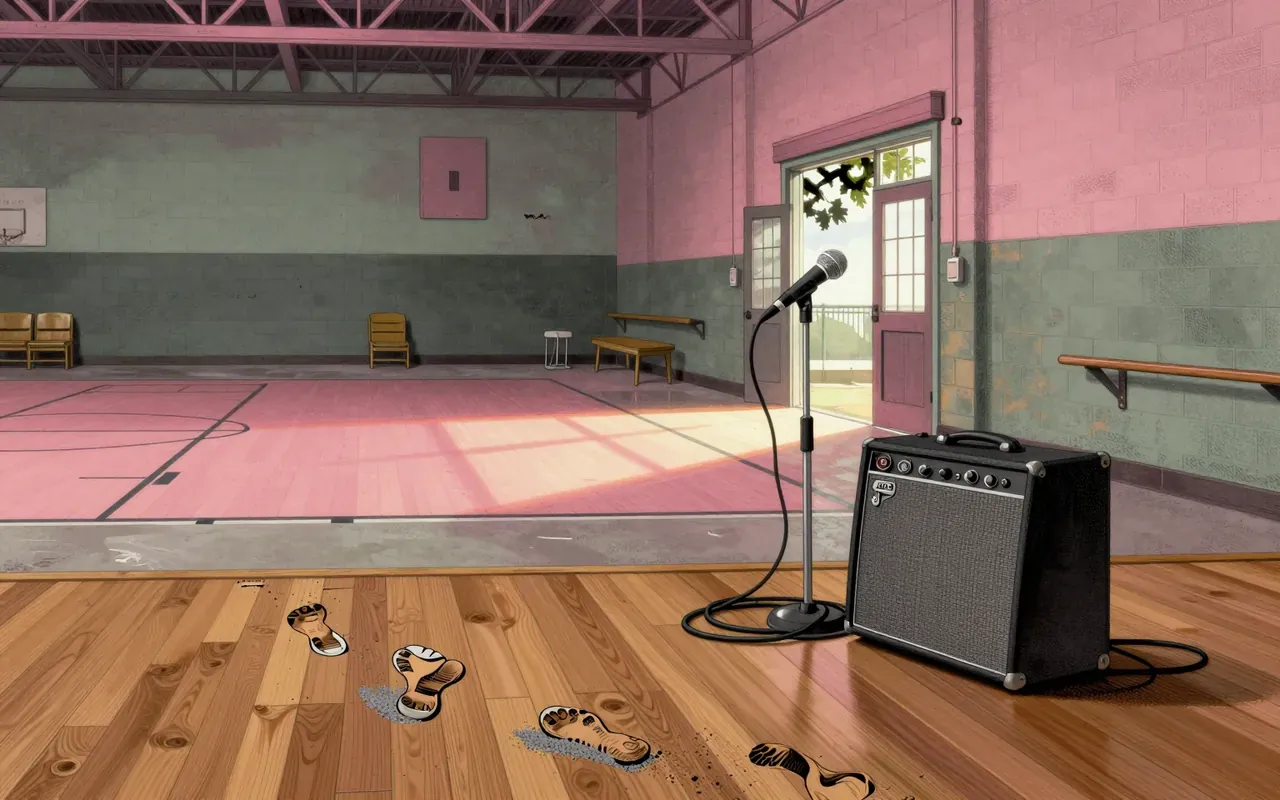
A debut album that replaces sampling with live playing, aggression with inquiry, and punchlines with parables.

Aqualung is Jethro Tull’s fourth studio album, recorded mostly in December 1970 at Island Records’ newly opened Basing Street Studios in London. It marks the debut of Jeffrey Hammond on bass and John Evan as a full-time keyboardist, and Clive Bunker’s final appearance with the band. Technical difficulties at the new studio—including cold, echoey acoustics—shaped the record’s raw, textural sound. Two tracks were laid down earlier in 1970 at Morgan Studios with Glenn Cornick on bass; he was fired after the last 1970 US tour and replaced by Hammond. The album rejects the 'concept album' label despite recurring themes of homelessness, religion, and alienation. Its sonic identity rests on Ian Anderson’s flute, Martin Barre’s electric guitar, and John Evan’s Mellotron—recorded in a room that refused to behave.
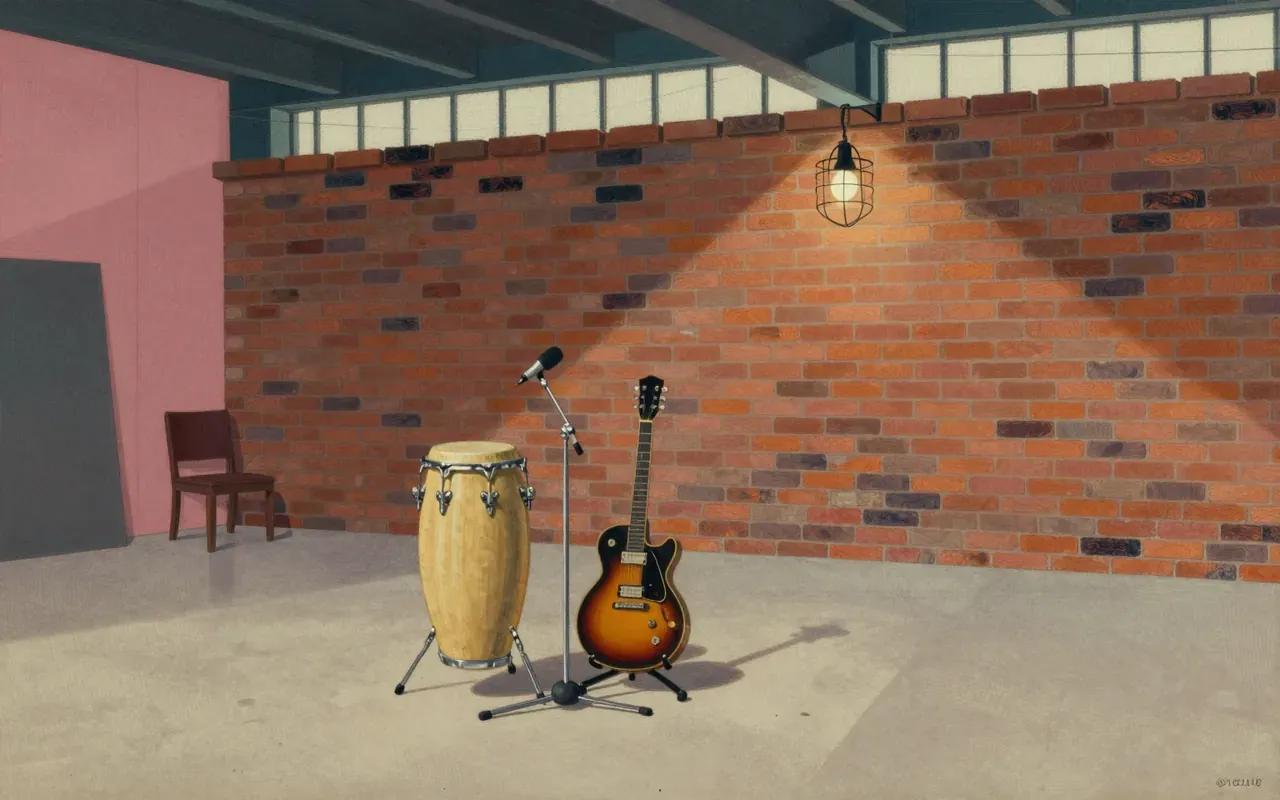
Beggars Banquet is the Rolling Stones’ 1968 album — their first with producer Jimmy Miller, their last released in Brian Jones’s lifetime, and their decisive turn from psychedelic pop to roots rock, blues rock, and instrumentally experimental global idioms. It was recorded in early 1968, following 'Jumpin’ Jack Flash', and delayed six months by cover controversy.
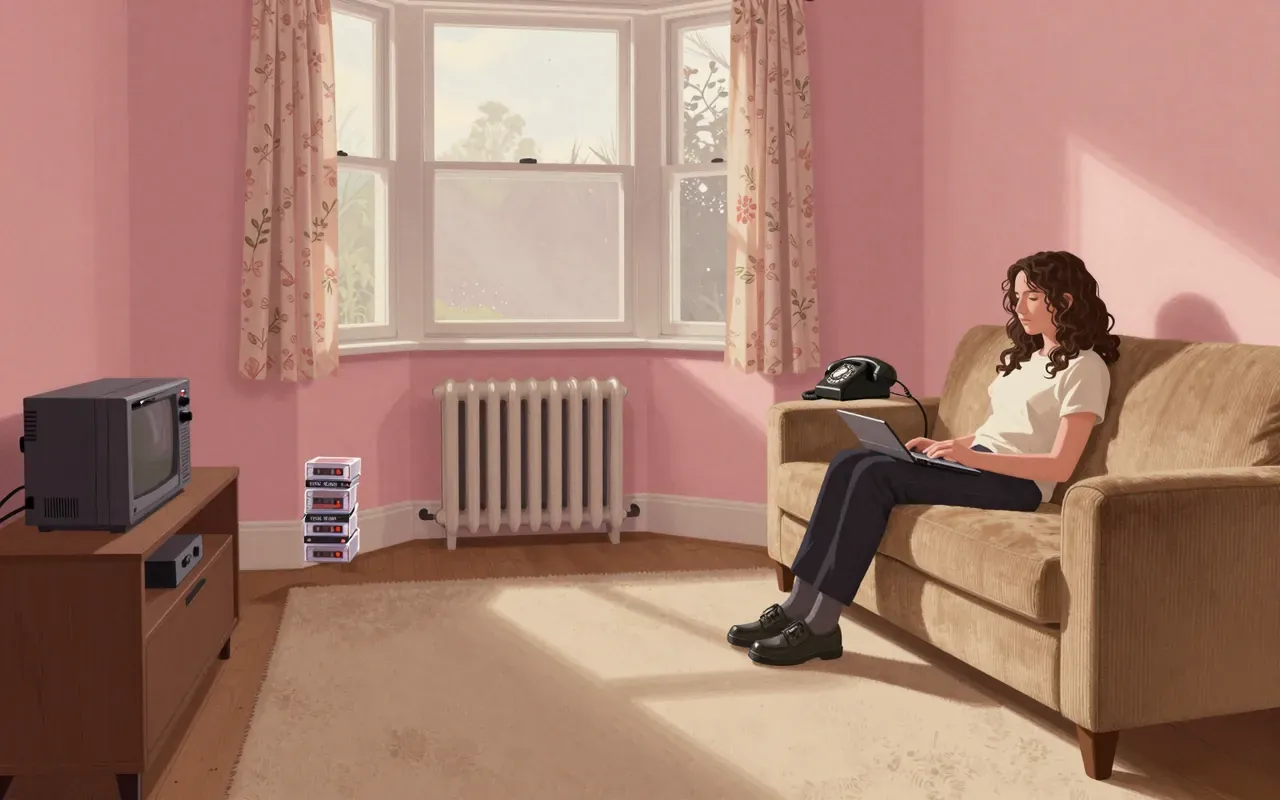
A precise, unsentimental reckoning with adolescence — made in Richmond, shaped by collaborators, anchored in what actually happened.
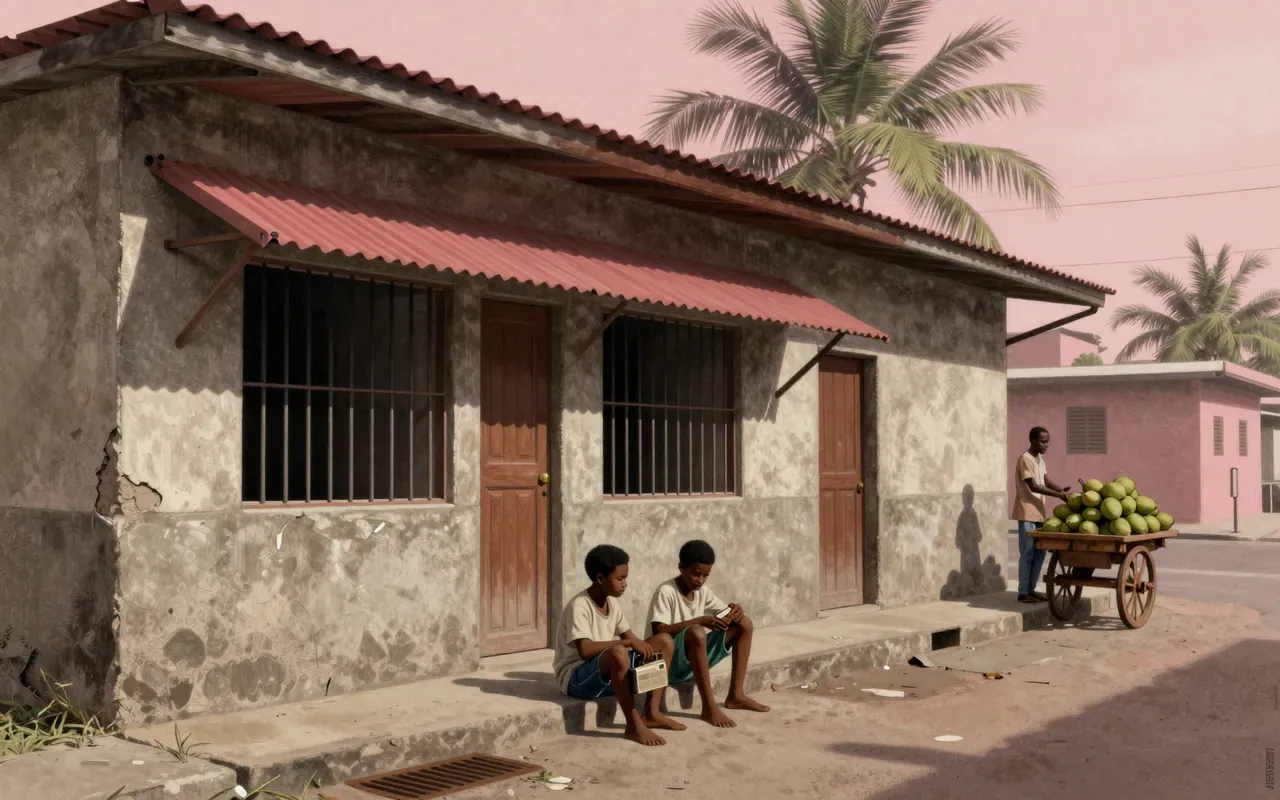
Marcus Garvey is a 1975 reggae album recorded live in Kingston with Jack Ruby and the Black Disciples. It is politically direct, sonically grounded in studio realism, and defined by its resistance to commercial remixing. It belongs in the reggae-and-dub category. Topics include colonialism, Jamaica, religion, and recording.

Modern Vampires of the City is Vampire Weekend’s third studio album, released in May 2013. It marks their first collaboration with an outside producer — Ariel Rechtshaid — and their first use of piano, acoustic guitar, and organ as central instruments. Written in Rostam Batmanglij’s Brooklyn apartment and a Martha’s Vineyard cottage, it was recorded across five locations including Downtown Studios (NYC), Echo Park Back House, Vox Studios (LA), Slow Death Studios (Burbank), and Batmanglij’s apartment. Digital voice modulation appears in 'Diane Young' and 'Ya Hey', continuing a technique first used on 'California English' from Contra. Ezra Koenig described it as 'darker and more organic' and 'very much the last of a trilogy.'
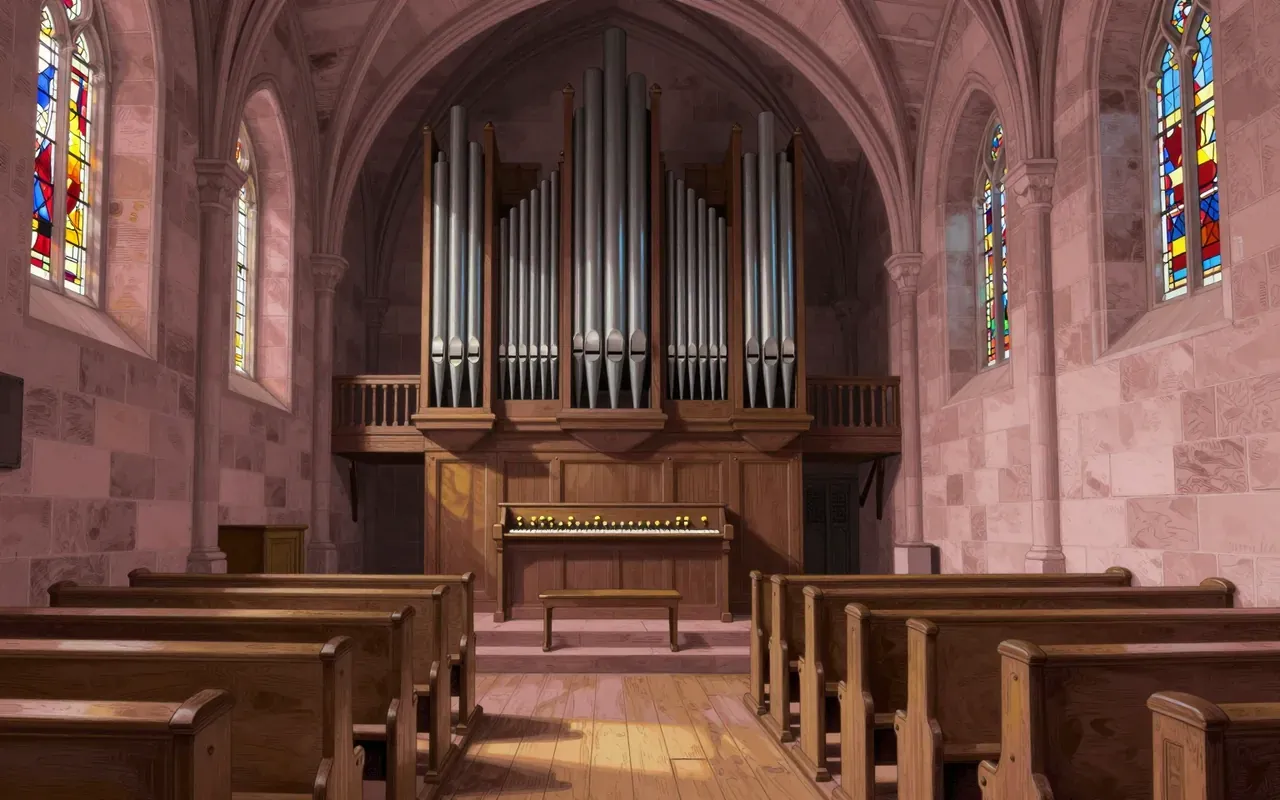
Neon Bible is Arcade Fire’s second studio album, recorded mostly in a renovated church in Farnham, Quebec, with additional sessions in Budapest and along the Hudson River. It features pipe organ, hurdy-gurdy, mandolin, accordion, military choir, and orchestra. Self-produced by the band, it was mixed by Nick Launay over a month with engineer Marcus Strauss. The album explores television’s influence and oceanic imagery as symbols of loss of control, anchored by a neon Bible sign — not the John Kennedy Toole novel — which also inspired the Juno Award–winning artwork. Critics praised its grandiosity, but it avoids intimacy, favouring scale and texture over immediacy.

The Number of the Beast is Iron Maiden’s third studio album, released in 1982. It marks Bruce Dickinson’s debut and Clive Burr’s final appearance. Adrian Smith and Clive Burr contributed songwriting for the first time. Steve Harris adapted his writing specifically for Dickinson’s voice. Recorded in five weeks at Battery Studios. Five songs had been performed live before recording. Only 'The Number of the Beast' and 'Gangland' were newly written after the 1981 tour. The title track opens with a spoken passage from Revelation. The album sparked US controversy over religious imagery but was defended by the band as metaphorical and narrative-driven. It became Iron Maiden’s first UK number 1 album and has sold nearly 20 million copies worldwide.
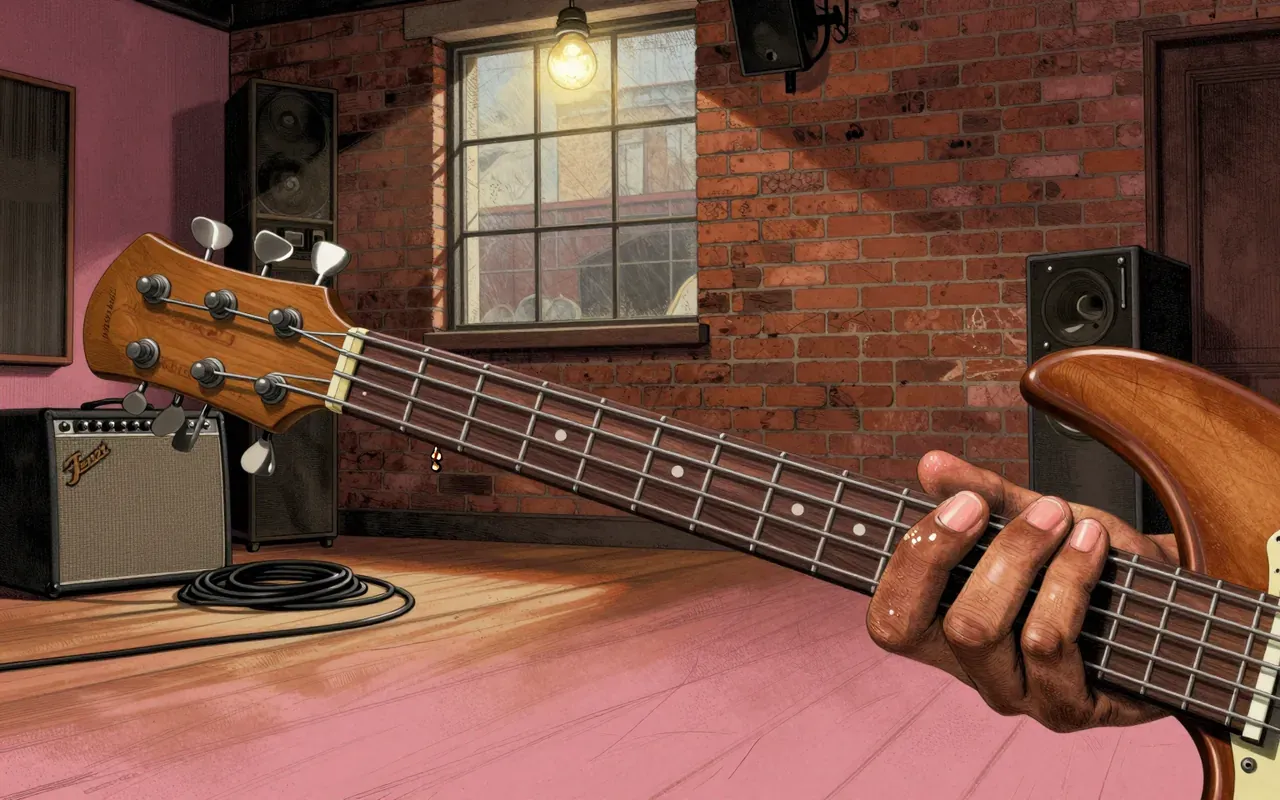
Exodus is a reggae album recorded in London in early 1977 by Bob Marley & The Wailers, following their relocation after an assassination attempt in Kingston. Its production is laid-back, featuring pulsating bass beats, piano, trumpet and guitar. It departs from cryptic storytelling in favour of clear themes: religious politics in the first half, making love and keeping faith in the second. Musically, it fuses blues, soul and British rock beneath a reggae façade — sounding unlike contemporaneous Jamaican reggae. The title and title track respond to Michael Manley’s campaign slogan ‘We Know Where We’re Going’.
Karma is Kamelot’s fifth studio album, released a few months after their mid-2000 New Allegiance Tour. It is one of fourteen studio albums the band released as of 2026. The album uses the Sanskrit concept of karma—action and its consequences—as a structural device, particularly in the three-part 'Elizabeth' suite. It features layered guitar harmonies, orchestral synth pads, and clean, high-register vocals. Drums are both programmed and live, with gated reverb on snares. Bass is present but recessed. Vocals are double-tracked and treated with plate reverb. The album does not incorporate Indian musical elements. It is worth hearing for fans of early-2000s European power metal who value narrative continuity over instrumental complexity.
Legalize It is Peter Tosh’s debut studio album. It was recorded at Treasure Isle and Randy's in Kingston between 1975 and 1976. It was released in June 1976 on CBS Records. All tracks were composed by Tosh except where indicated. The title track became popular among cannabis legalization advocates, reggae fans, and Rastafari worldwide, and was a concert favourite.
Mozart’s Requiem K. 626 is an uncompleted liturgical setting composed in his final year. It divides the Dies irae into multiple movements and belongs to a tradition that evolved from sacred service to concert hall. It is among his best-known works from that period, but remains structurally and textually incomplete.
Uprising is the final Bob Marley & The Wailers album released in Marley's lifetime — June 1980. It affirms Marley's Rastafarian beliefs. It contains 'Forever Loving Jah', 'Redemption Song' (described as solo acoustic and folk-based), and 'Could You Be Loved' (a successful single). 'Redemption Song' is the only track with verified sonic description: solo, acoustic, folk-based. The record is framed externally by the concept of rebellion as organized resistance against government — but no source verifies how the music itself enacts that idea.