Damn the Torpedoes
Tom Petty and the Heartbreakers · 1979
A 1979 rock record built by known hands in two LA studios — not a revolution, but a documented step forward in production credit.
Oil shocks, bad economics and an extraordinary run of records.
A 1979 rock record built by known hands in two LA studios — not a revolution, but a documented step forward in production credit.
C’est Chic is Chic’s second studio album, released in 1978 on Atlantic Records. It contains 'Le Freak', which topped US Hot 100, R&B, and Club Play in October 1978, and 'I Want Your Love', which reached number 5 on US R&B, number 7 on US Pop, and number 4 in the UK. The European version was originally titled Très Chic, featured a more risqué cover, and had a different track listing before being withdrawn. The Globe and Mail described it as 'a sleekly elegant variation' of disco; the Los Angeles Times judged that, aside from 'Le Freak', the album consists of pedestrian disco pieces and plodding R&B ballads. All songs were written by Bernard Edwards and Nile Rodgers unless noted otherwise.
A double album that works because it refuses to behave like one.
Parallel Lines is a pop record made under duress. Its sound is precise, detached, and deliberately constructed—not discovered. It trades punk’s immediacy for pop’s control, and its ideas orbit romantic risk, not rebellion. It is worth hearing for how it reveals production as power.
Some Girls is a tightly wound, reactive rock record — bright, aggressive, and uncluttered. It trades myth for muscle, and legacy for immediacy.
This Year's Model is Elvis Costello's second album and his first with the Attractions. Recorded in eleven days at Eden Studios in west London between November 1977 and January 1978, during short breaks from touring. Produced by Nick Lowe, engineered by Roger Béchirian. Most songs were written and performed live earlier in 1977. Lowe prioritised capturing live performances with few overdubs; some of Costello’s guide vocals remained in the final mix. The sessions were energetic and collaborative. Key tracks like 'Pump It Up' and '(I Don't Want to Go to) Chelsea' were completed in a single afternoon. Sonic influences include the Rolling Stones’ Aftermath (1966), the Who, the Kinks, Small Faces, and Talking Heads.
Arrival is ABBA’s fourth studio album, recorded between August 1975 and September 1976 at Metronome and Glen studios in Stockholm. It produced three major international singles — 'Dancing Queen', 'Money, Money, Money', and 'Knowing Me, Knowing You' — each defined by precise studio execution and clear emotional framing. The album reached number one in the UK, Australia, and parts of Europe, and number three in Canada and Japan.
Waterloo is ABBA’s first album under that name — recorded in Stockholm between September and November 1973. It introduces their signature blend of crisp vocal harmony, theatrical lyricism and tightly arranged pop. Its strength lies in consistency of craft, not innovation. Its weakness is uneven ambition — especially on 'King Kong Song'.
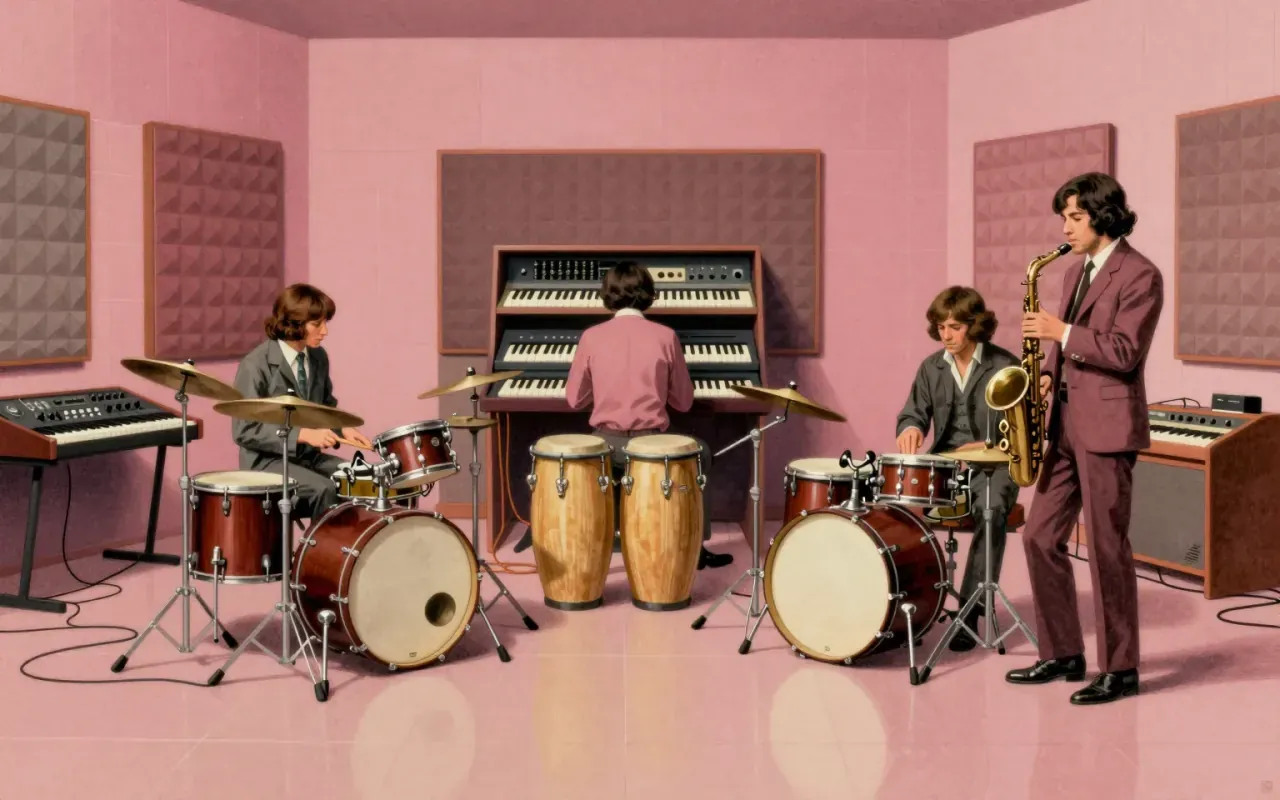
Weather Report's sixth album, recorded at Devonshire Studios in North Hollywood over the turn of 1975 into 1976, leans into African-derived percussion and Joe Zawinul's synthesizer textures rather than the soloistic fusion of earlier records. Wayne Shorter's Lyricon blurs horn and machine, Alex Acuña's congas anchor two drummers, and Jaco Pastorius makes his first, understated appearance on bass across two tracks.
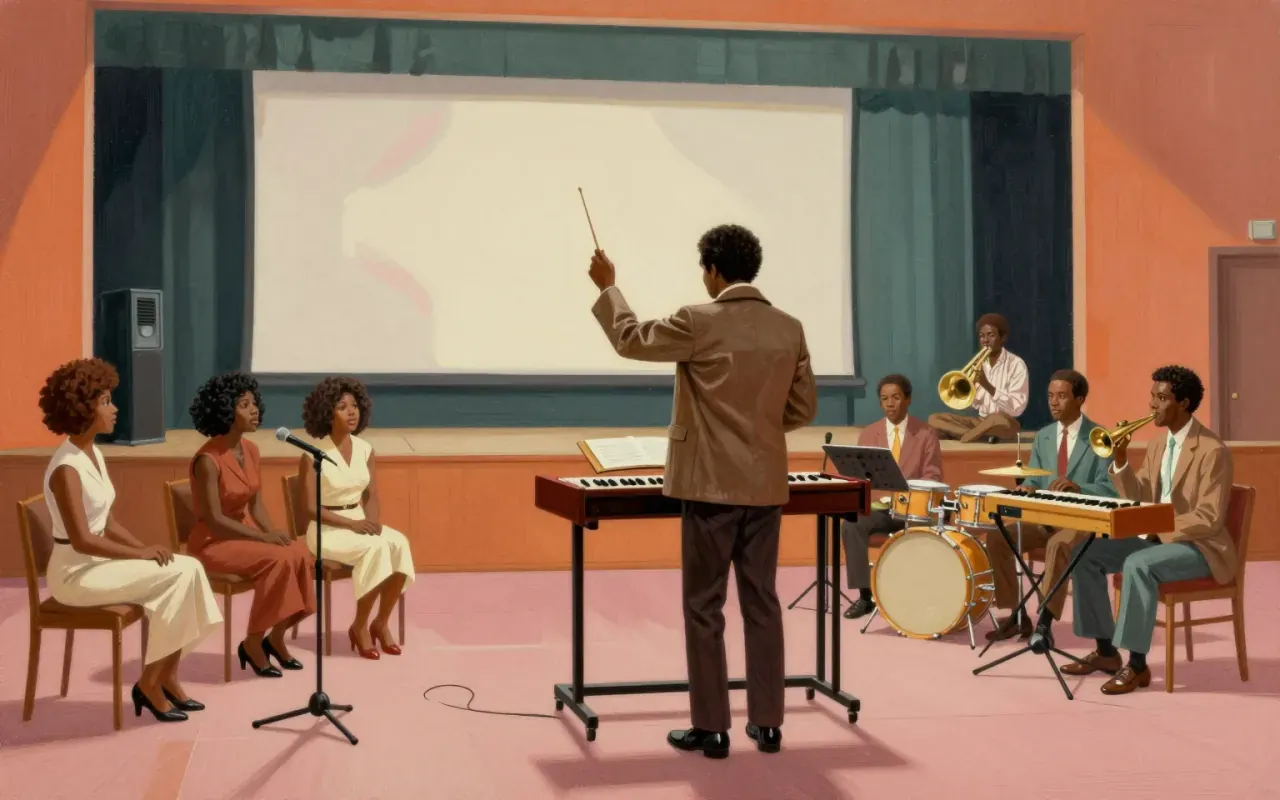
Composed, arranged and conducted by Roy Ayers for the 1973 film of the same name, Coffy pairs a full jazz-funk band with strings, horns and vocal cues sung by Dee Dee Bridgewater, Wayne Garfield and Ayers himself. Split between orchestral action cues and proper soul numbers, it holds up as music independent of the picture it was built to serve.
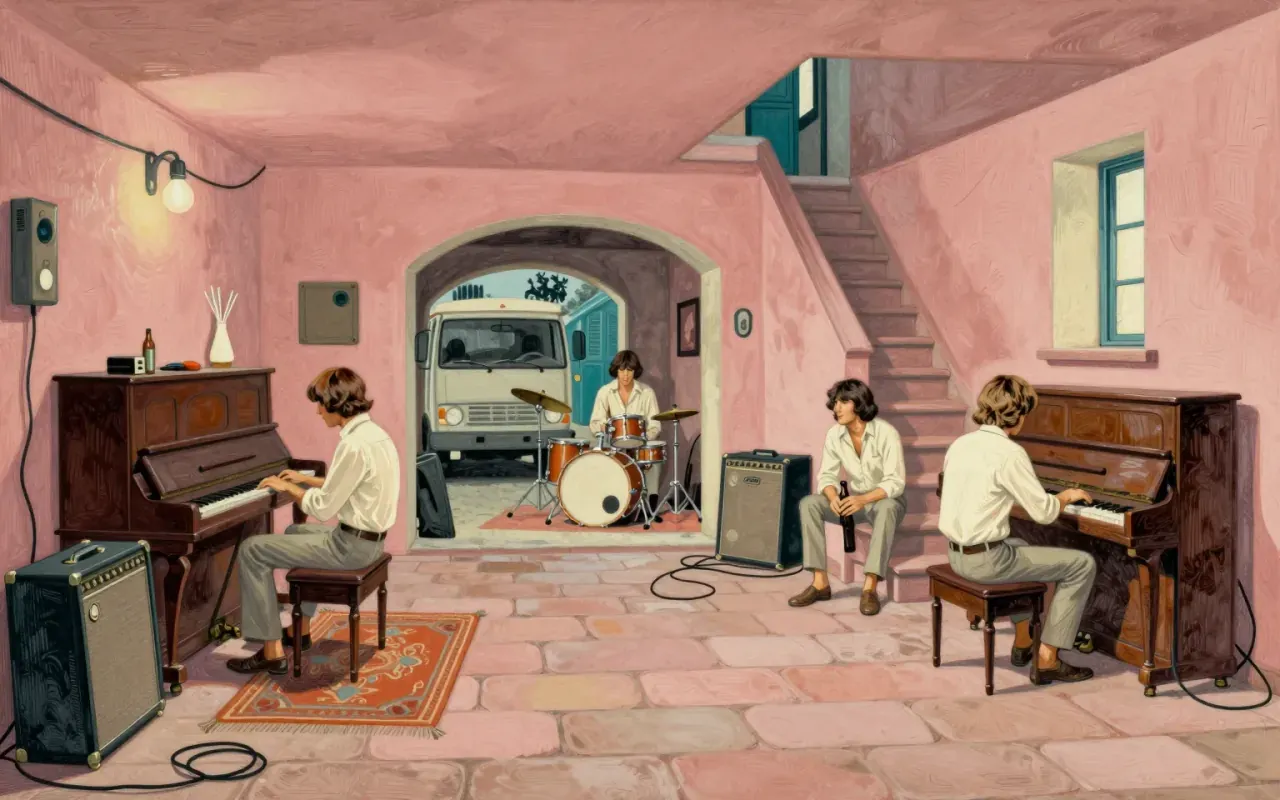
Exile on Main St. is the Rolling Stones' tenth studio album, recorded between 1969 and 1972 in sessions that moved from Olympic Studios in London to Keith Richards's rented villa at Nellcote in the south of France, where the band had relocated after a tax dispute, and finally to Sunset Sound in Los Angeles for overdubs. Producer Jimmy Miller worked with a rotating cast including Nicky Hopkins, Bobby Keys and Dr. John. The eighteen-track double album drew on blues, gospel and country and was received coolly at first, before critics spent the rest of the decade reversing that judgement.
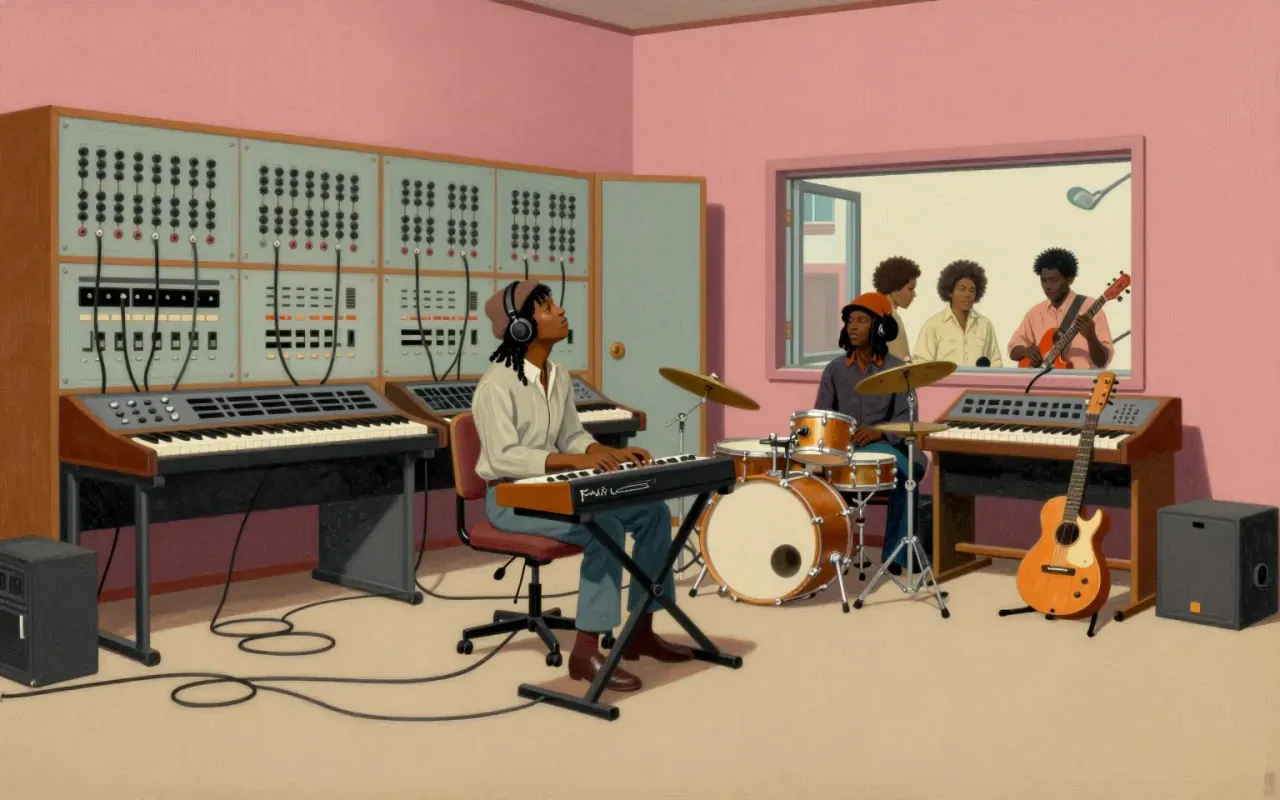
Recorded largely single-handed with the TONTO synthesizer rig and released three days before the car crash that nearly ended his career, Innervisions finds Stevie Wonder swapping love songs for reportage, from drug addiction and urban decay to a coded jab at the White House.
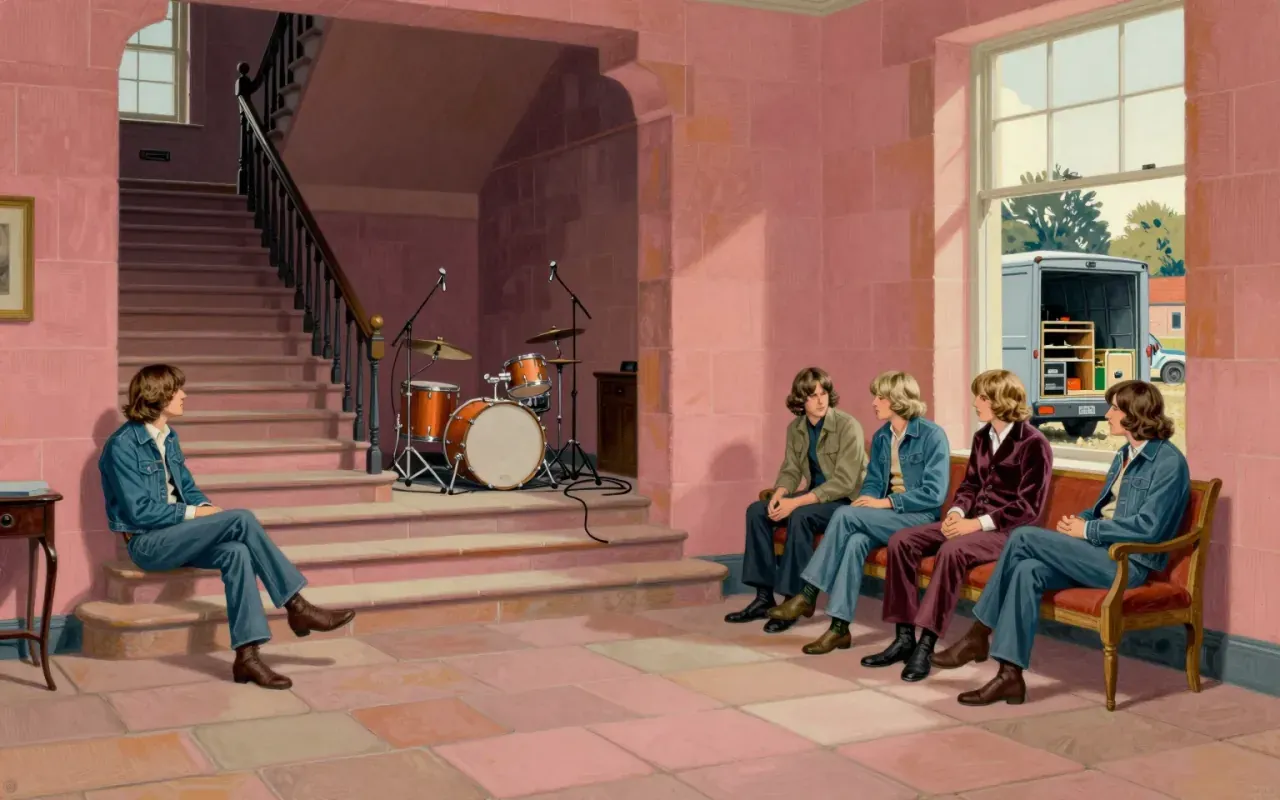
Recorded largely in the relaxed, distraction-free setting of a Hampshire country house after a cooler reception for its predecessor, Led Zeppelin's fourth album carries no title or band name at all, pairing folk instrumentation and English mythology with some of the group's heaviest studio recordings.

Yellow Magic Orchestra's second album turns Hideki Matsutake's Microcomposer sequencing and Chris Mosdell's English lyrics into fully electronic pop songs, repurposing a watch-commercial jingle into Behind the Mask and naming a coming genre outright in Technopolis, years before Detroit techno existed to claim the word.

Made after Stevie Wonder seriously considered leaving music to work with disabled children abroad, and released only once he had signed one of the largest recording contracts in history, this double album plus bonus EP moves through faith, parenthood, injustice and romance while Wonder plays the overwhelming majority of the instruments himself.

Sticky Fingers is the Rolling Stones' ninth studio album, released in April 1971 on their newly formed Rolling Stones Records label. Recorded between December 1969 and 1971 at Muscle Shoals in Alabama, Olympic Studios in London, and via the band's mobile studio at Stargroves, it was the first Stones album to feature guitarist Mick Taylor throughout and the first since the death of Brian Jones. Jimmy Miller produced, with Andy Warhol contributing the album's famous zip-fastened cover. It became the band's first album to reach number one in both Britain and America.
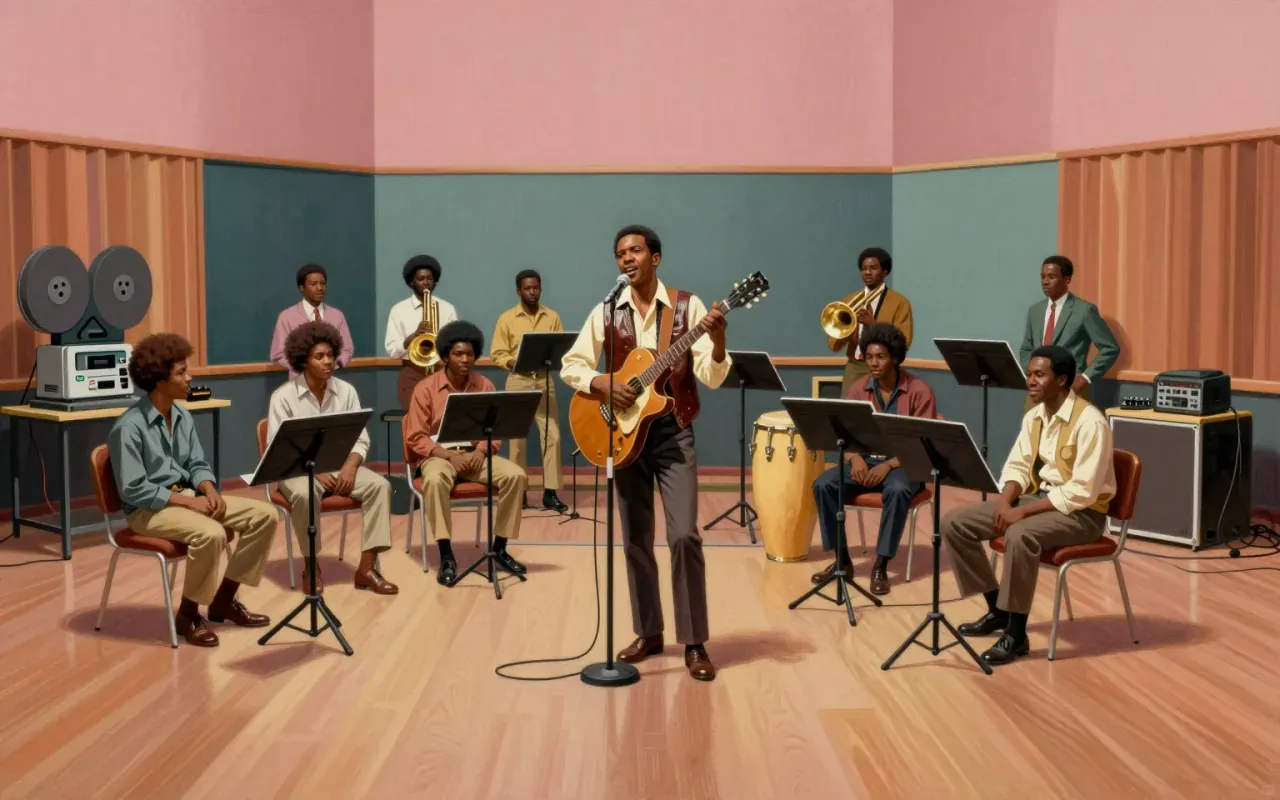
Curtis Mayfield's soundtrack to the 1972 blaxploitation film built a concept album around drug culture and poverty, written partly as a corrective to the picture's own ambivalence about its subject. Recorded with a large Chicago ensemble after early sessions in New York, it outsold the film itself and earned Mayfield a Grammy nomination for the score.
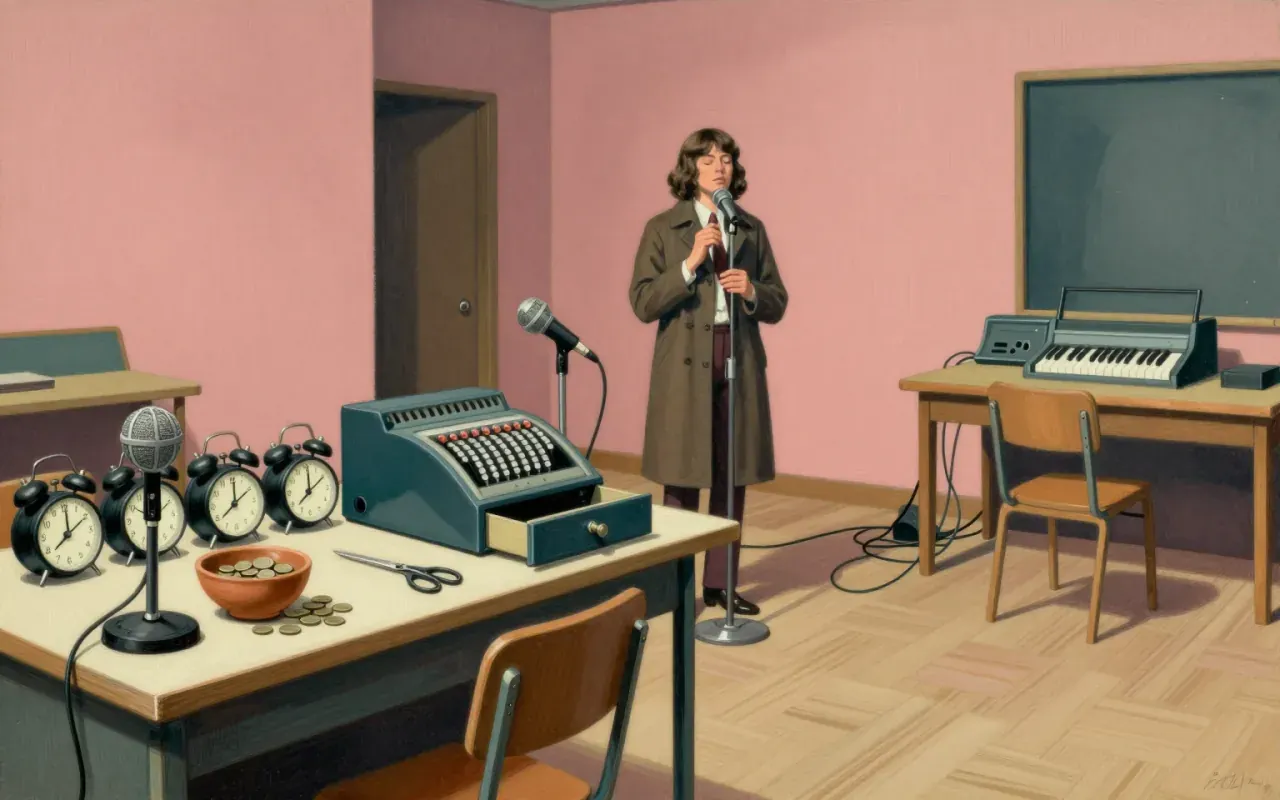
Pink Floyd's eighth album, built around a theme Roger Waters proposed at a 1971 band meeting and tested on tour for more than a year before it was finished, sets songs about time, money, conflict and mental collapse inside some of the clearest studio production of its decade.
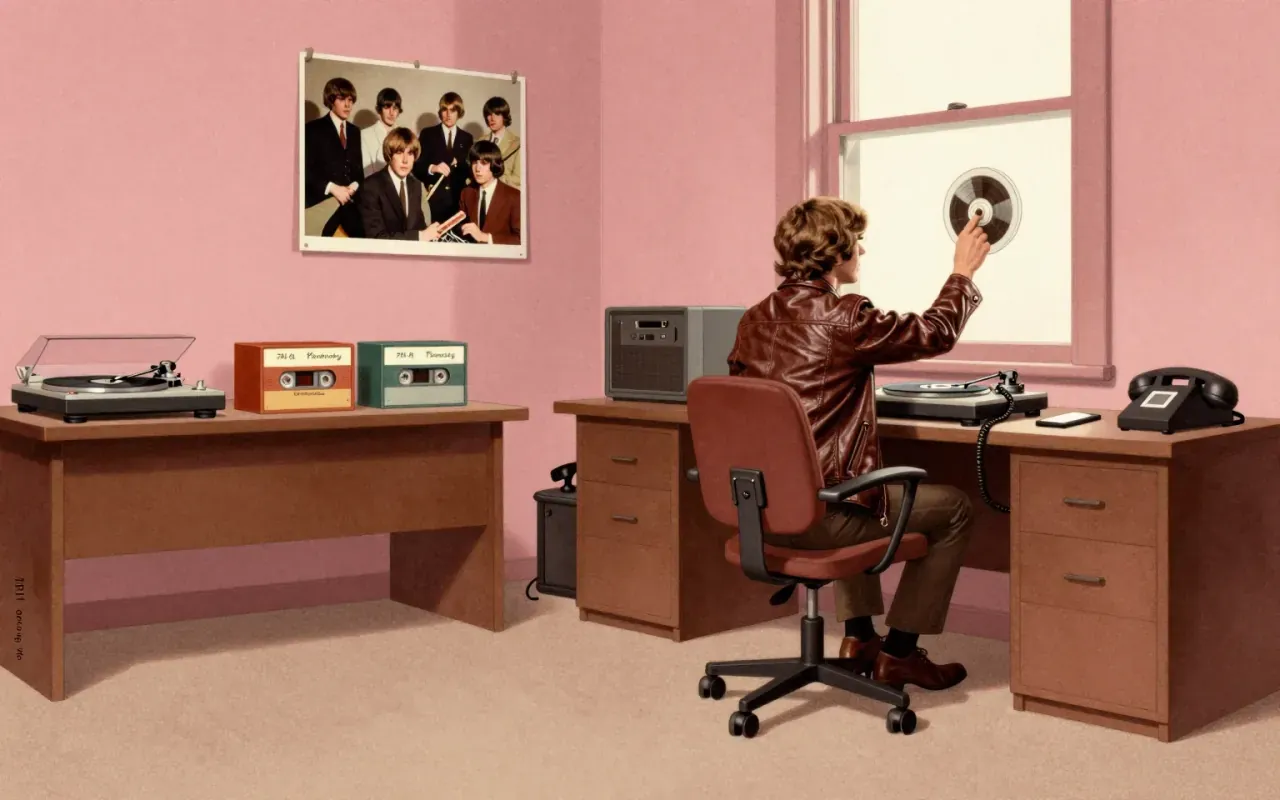
Recorded piecemeal between 1971 and 1972 by a teenage Jonathan Richman's band, with John Cale producing half the tracks, The Modern Lovers only became an album in 1976, patched together from abandoned label sessions into a record its own maker no longer fully claimed.
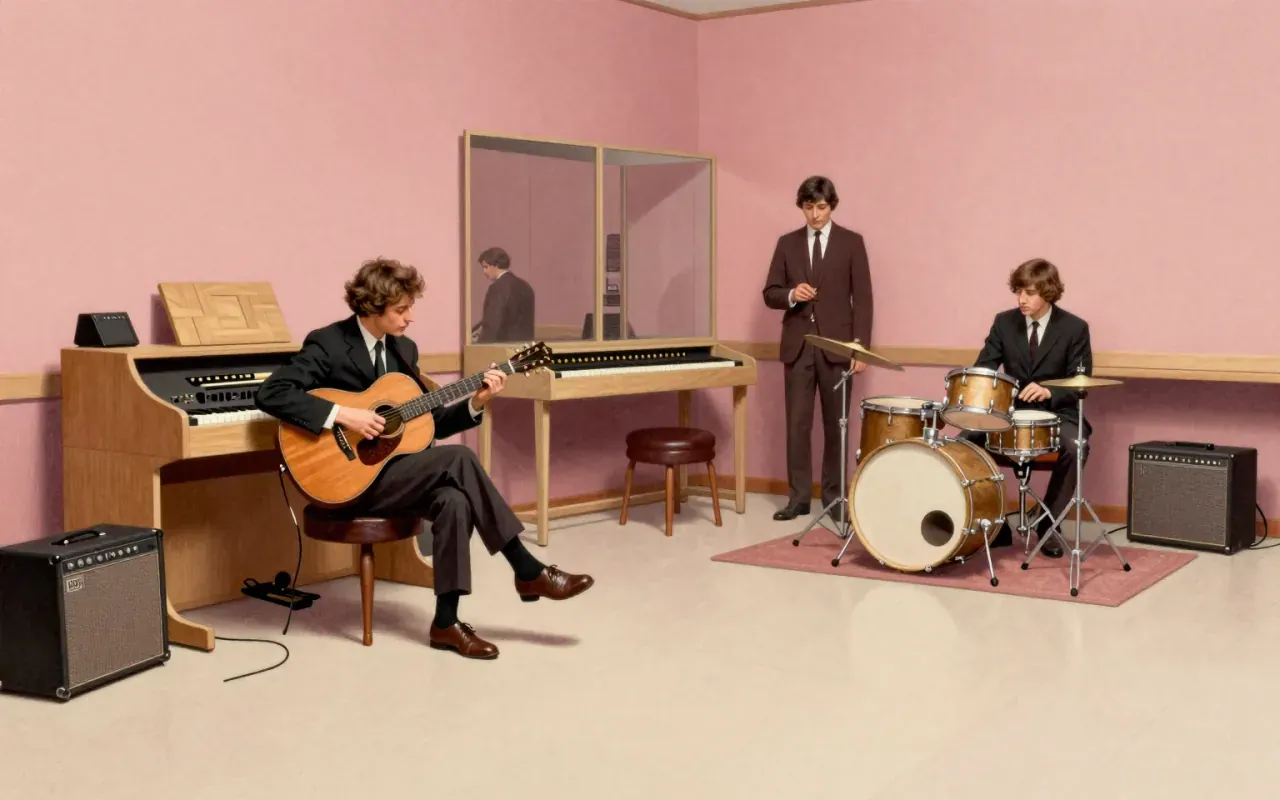
John Abercrombie's 1975 debut as a leader pairs him with organist and synthesist Jan Hammer and drummer Jack DeJohnette for a quiet, conversational take on fusion, cut over two days for ECM. It is patient rather than showy, and its reputation has grown slowly on the strength of the interplay between three musicians clearly listening to each other.
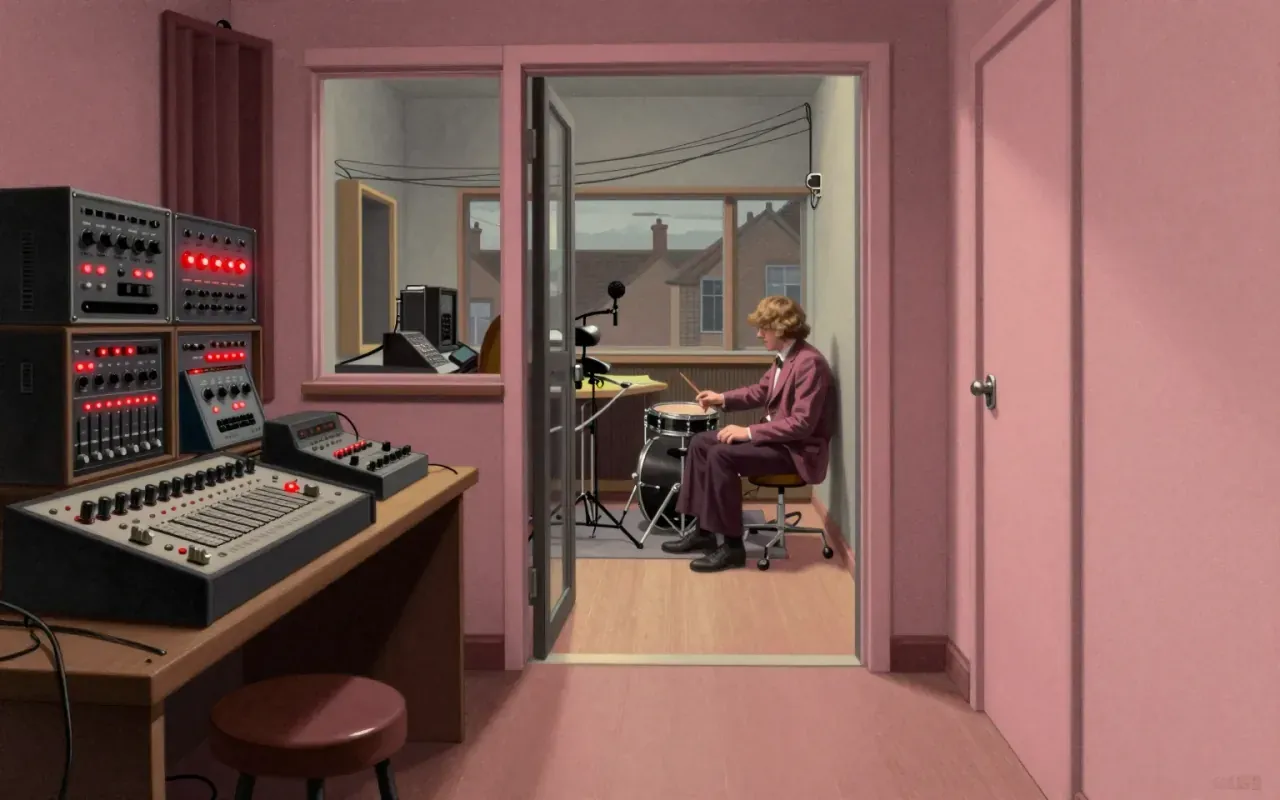
Unknown Pleasures is the 1979 debut from Joy Division, made at Strawberry Studios in Stockport with producer Martin Hannett and released on Tony Wilson's Factory label. Ian Curtis, Peter Hook, Bernard Sumner and Stephen Morris arrived with a harder live set; Hannett rebuilt it around delay units, tape echo and studio noise borrowed from the building itself. The band's own verdict on the result was divided for years. It sold no singles at all and still became one of the most cited records in British rock.

Pink Floyd's ninth album wraps an attack on the music business around a long tribute to former member Syd Barrett, and was shadowed by his own unannounced, unrecognisable appearance in the studio while the band mixed the very song written for him.