musicbriefs
Topic

Textiles

Cloth, and the labour behind every metre.

1
in music
11:22
average
11 min
in total
97
across the network
Textiles across the network →
All briefs1
11:22

Neon Bible

Arcade Fire · 2007

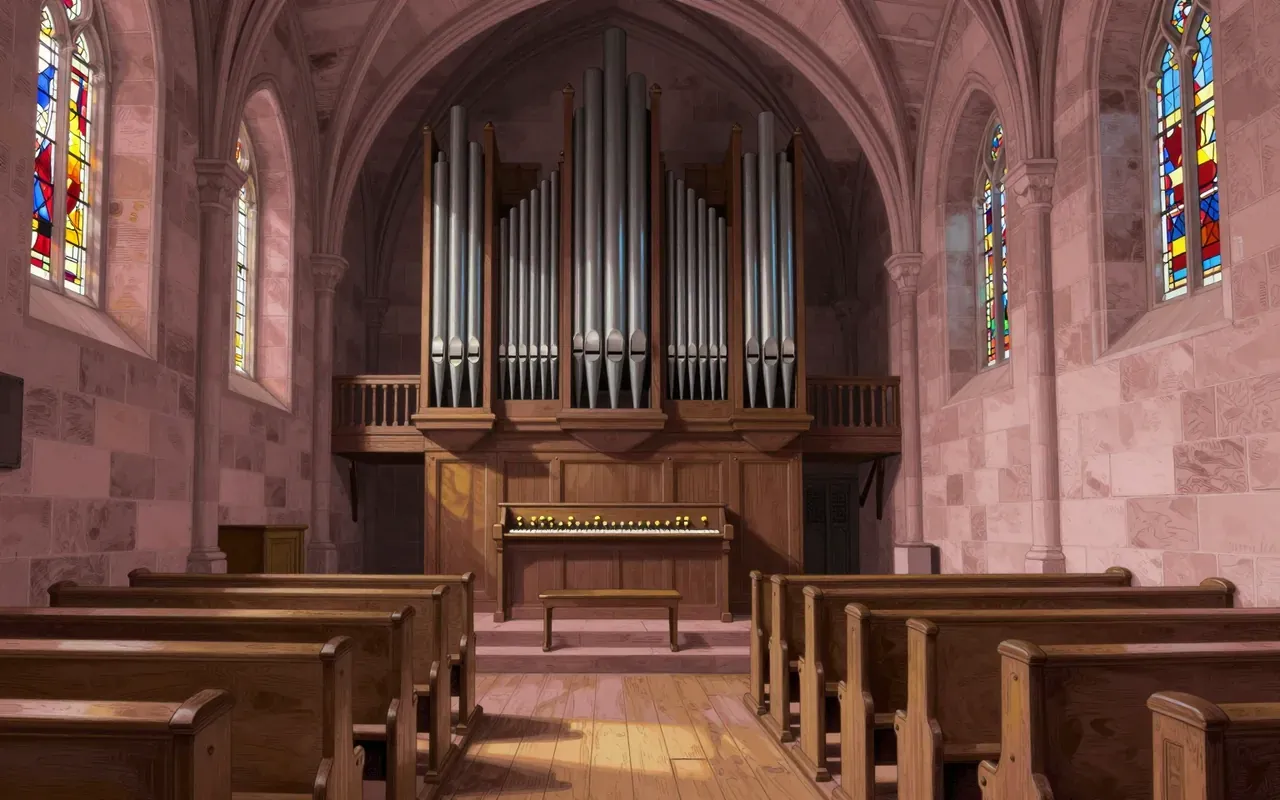
Neon Bible is Arcade Fire’s second studio album, recorded mostly in a renovated church in Farnham, Quebec, with additional sessions in Budapest and along the Hudson River. It features pipe organ, hurdy-gurdy, mandolin, accordion, military choir, and orchestra. Self-produced by the band, it was mixed by Nick Launay over a month with engineer Marcus Strauss. The album explores television’s influence and oceanic imagery as symbols of loss of control, anchored by a neon Bible sign — not the John Kennedy Toole novel — which also inspired the Juno Award–winning artwork. Critics praised its grandiosity, but it avoids intimacy, favouring scale and texture over immediacy.

More from music

All briefs →
8:58

Glassworks

Philip Glass · 1982

Glassworks is a six-movement chamber work Philip Glass wrote for the recording studio after his large concert and stage pieces, released by CBS in 1982 on LP and on cassette, each with its own mix. It was meant to bring his music to a wider audience, and it did: the album sold well and made his name widely known.

2:00

20 Golden Greats

Buddy Holly, The Crickets · 1978

20 Golden Greats was first issued in Britain in 1978, collecting recordings associated with Buddy Holly and the Crickets from 1956–58. It also circulated as Buddy Holly Lives. The release date belongs to the retrospective, not to a newly assembled performing group.

2:05

808s & Heartbreak

Kanye West · 2008

Released in 2008, 808s & Heartbreak followed the death of Kanye West's mother and the end of his engagement. His fourth studio album shifts much of its emphasis from rapping to singing. That change makes the handling of the voice the central question of the record.

2:10

A Nod Is As Good As a Wink... to a Blind Horse

Faces · 1971

Faces' third album was their second release of 1971. Glyn Johns shared production duties, helping shape a programme shorter and more concentrated than its predecessors. Rod Stewart's growing solo profile is part of the context, but Ronnie Lane's three lead vocals make the group's broader identity essential.