musicbriefs
Shortest first

All briefs

1188 briefs · 11103 min · 1153–1188 on page 13 of 13
13:00

Spirit of Eden

Talk Talk · 1988

The fourth Talk Talk album, recorded at Wessex Studios through 1987 and 1988 with producer Tim Friese-Greene, turned hours of improvised playing into six songs of near-silence and sudden noise. It flopped commercially and became, over decades, one of the most influential records of its kind.

13:00

Station to Station

David Bowie · 1976

David Bowie's tenth album, cut at Cherokee Studios in late 1975 while he shot a film and lived on a diet of peppers and cocaine, sets the funk band from Young Americans against a new, mechanical pulse borrowed from German records. The result is the hinge between his LA period and the trilogy that followed.

13:00

Sticky Fingers

The Rolling Stones · 1971

Sticky Fingers is the Rolling Stones' ninth studio album, released in April 1971 on their newly formed Rolling Stones Records label. Recorded between December 1969 and 1971 at Muscle Shoals in Alabama, Olympic Studios in London, and via the band's mobile studio at Stargroves, it was the first Stones album to feature guitarist Mick Taylor throughout and the first since the death of Brian Jones. Jimmy Miller produced, with Andy Warhol contributing the album's famous zip-fastened cover. It became the band's first album to reach number one in both Britain and America.

13:00

Super Ape

The Upsetters · 1976

Credited to Perry's house band the Upsetters, Super Ape reached Jamaica and the rest of the world as two related but differently sequenced records in 1976. Built from echo, dropout and heavy re-recording rather than conventional songwriting, it stands as one of dub's clearest demonstrations of production as authorship.

13:00

Superfly

Curtis Mayfield · 1972

Curtis Mayfield's soundtrack to the 1972 blaxploitation film built a concept album around drug culture and poverty, written partly as a corrective to the picture's own ambivalence about its subject. Recorded with a large Chicago ensemble after early sessions in New York, it outsold the film itself and earned Mayfield a Grammy nomination for the score.

13:00

Tago Mago

Can · 1971

Recorded across three months in a rented castle, with Damo Suzuki newly installed as vocalist, Tago Mago pairs a first disc of confident, rhythm-driven songs with a second built almost entirely from Holger Czukay's tape editing and hidden studio recordings, a split the band's manager insisted stay intact.

13:00

Talking Heads: 77

Talking Heads · 1977

Talking Heads: 77 was recorded at Sundragon and Mediasound in New York across late 1976 and early 1977, with the newly complete four-piece working around a producer they found condescending by tracking vocals when he left the room. The result carries the tight, wiry sound of a band still finding its footing, built on a set of songs about restlessness, routine and getting a grip on your own life.

13:00

Tapestry

Carole King · 1971

Recorded at A&M's Hollywood studios with James Taylor and a small circle of session players, Tapestry lets Carole King sing her own catalogue for the first time, trading polish for conviction across twelve mostly piano-led songs.

13:00

The Dark Side of the Moon

Pink Floyd · 1973

Pink Floyd's eighth album, built around a theme Roger Waters proposed at a 1971 band meeting and tested on tour for more than a year before it was finished, sets songs about time, money, conflict and mental collapse inside some of the clearest studio production of its decade.

13:00

The Miseducation of Lauryn Hill

Lauryn Hill · 1998

Written and largely produced by Lauryn Hill after she left the Fugees and became pregnant, The Miseducation of Lauryn Hill mixes hip-hop, soul and reggae recorded partly at Tuff Gong in Kingston, built around live instrumentation and a set of collaborators later credited only after a lawsuit.

13:00

The Modern Lovers

The Modern Lovers · 1976

Recorded piecemeal between 1971 and 1972 by a teenage Jonathan Richman's band, with John Cale producing half the tracks, The Modern Lovers only became an album in 1976, patched together from abandoned label sessions into a record its own maker no longer fully claimed.

13:00

The Queen Is Dead

The Smiths · 1986

The Queen Is Dead is the Smiths' third album, written mostly at Johnny Marr's house in Bowdon and recorded across three studios between July and December 1985. Morrissey and Marr produced it themselves with engineer Stephen Street. It mixes jangling guitar pop with pointed lyrics about class, fame and the monarchy, and became the record most often cited as the band's best - later named the greatest album ever made in one influential magazine poll, a claim that says as much about the band's reputation as the record itself.

13:00

The Rise and Fall of Ziggy Stardust and the Spiders From Mars

David Bowie · 1972

Recorded fast at Trident Studios with Mick Ronson's guitar doing much of the heavy lifting, Ziggy Stardust turns a loosely stitched science-fiction plot into cover for songwriting about sex, stardom and ruin that the early-seventies charts would not otherwise have carried under Bowie's own name.

13:00

The Velvet Underground & Nico

The Velvet Underground, Nico · 1967

Financed by Andy Warhol and mostly recorded in four days in a Manhattan studio in 1966, this debut pairs a minimalist's drone instincts with Lou Reed's flatly reported songs about addiction and the demimonde around Warhol's circle, and sold almost nothing on release before becoming one of the most cited records in rock.

13:00

There’s a Riot Goin’ On

Sly & the Family Stone · 1971

Recorded largely alone by an increasingly isolated Sly Stone, There's a Riot Goin' On trades the Family Stone's earlier warmth for a murky, overdubbed sound that turns disillusionment into its own kind of groove.

13:00

Time Out

The Dave Brubeck Quartet · 1959

Recorded in 1959 at Columbia's 30th Street Studio, Time Out grew out of Dave Brubeck's overseas tours for the State Department, where he heard rhythms outside the usual pulse of American jazz. The Dave Brubeck Quartet built seven tracks around metres like nine-eight and five-four, including Take Five, composed by saxophonist Paul Desmond almost as an afterthought, which went on to outsell every jazz single before it.

13:00

Timeless

John Abercrombie · 1975

John Abercrombie's 1975 debut as a leader pairs him with organist and synthesist Jan Hammer and drummer Jack DeJohnette for a quiet, conversational take on fusion, cut over two days for ECM. It is patient rather than showy, and its reputation has grown slowly on the strength of the interplay between three musicians clearly listening to each other.

13:00

Trans Europa Express

Kraftwerk · 1977

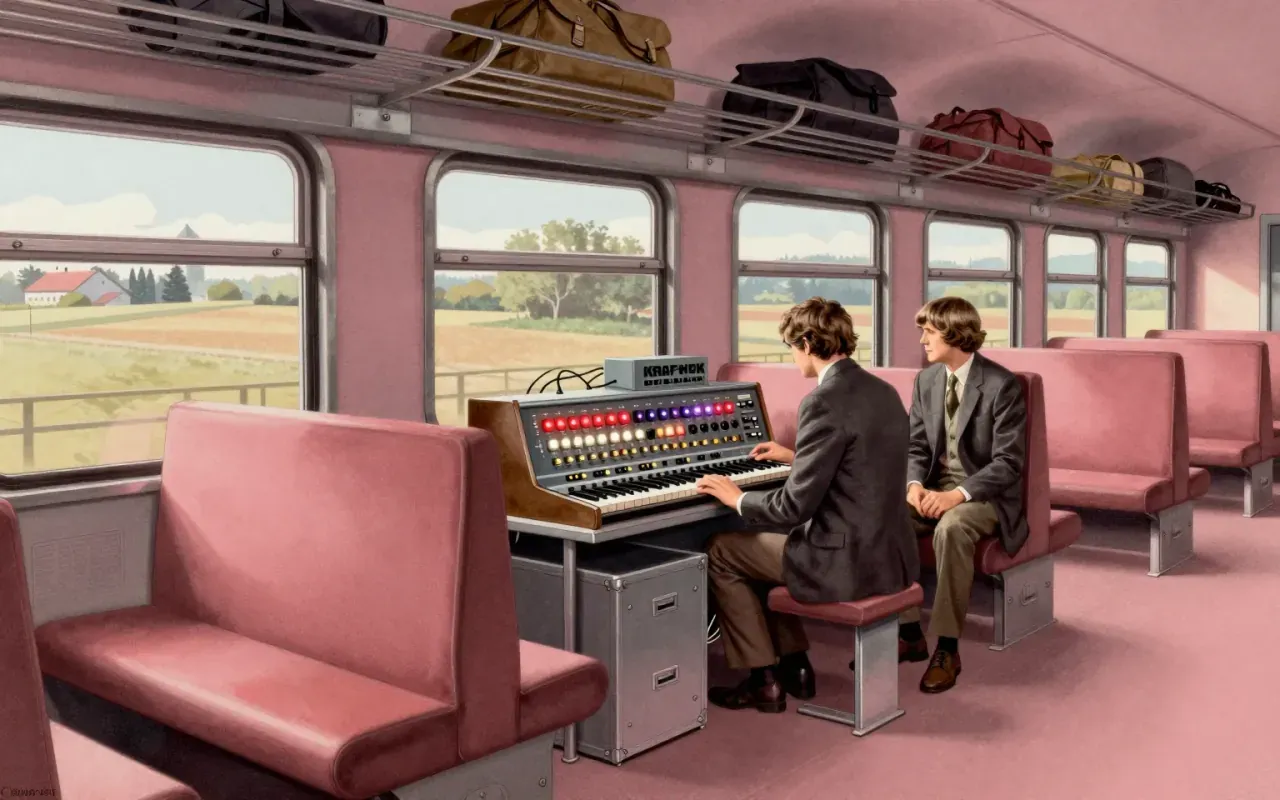
Recorded at the band's own Kling Klang facility in Düsseldorf and finished with sessions in Hamburg and Los Angeles, this sixth Kraftwerk album refines the group's earlier improvised style into tight, sequenced songcraft. Built around a new custom sequencer and versions cut separately in German, English and French, it turns a train service into a symbol for a Europe the band wanted to claim as their own, apart from war-era associations attached to their earlier work.

13:00

Unknown Pleasures

Joy Division · 1979

Unknown Pleasures is the 1979 debut from Joy Division, made at Strawberry Studios in Stockport with producer Martin Hannett and released on Tony Wilson's Factory label. Ian Curtis, Peter Hook, Bernard Sumner and Stephen Morris arrived with a harder live set; Hannett rebuilt it around delay units, tape echo and studio noise borrowed from the building itself. The band's own verdict on the result was divided for years. It sold no singles at all and still became one of the most cited records in British rock.

13:00

Untrue

Burial · 2007

Made alone with the software Sound Forge rather than a studio, Untrue pulls apart vocal samples and phone recordings into androgynous, half-familiar fragments set over skipping garage-inflected beats. It turned a London producer's private, late-night working method into one of the more significant electronic records of its decade.

13:00

What’s Going On

Marvin Gaye · 1971

Released in 1971 on Motown's Tamla imprint, What's Going On was the first Marvin Gaye album he produced himself, built from grief, a stalled football tryout and a label boss who initially wanted nothing to do with the title track. The result plays as one continuous piece rather than a run of singles, moving from a returning soldier's disillusionment to ecological unease without ever raising its voice.

13:00

Wish You Were Here

Pink Floyd · 1975

Pink Floyd's ninth album wraps an attack on the music business around a long tribute to former member Syd Barrett, and was shadowed by his own unannounced, unrecognisable appearance in the studio while the band mixed the very song written for him.

13:00

Yellow Magic Orchestra

Yellow Magic Orchestra · 1978

Yellow Magic Orchestra's 1978 debut turned a mocking cover of a 1959 exotica tune into a synth-pop landmark, built almost entirely on a Roland Microcomposer and a rack of early synthesizers. Playful, cool and stranger than its chart success suggests, it is now heard less as a novelty than as an ancestor of electro, techno and much of the sampling culture that followed.

13:00

Yeti

Amon Düül II · 1970

Recorded soon after splitting from the wider Amon Düül commune, Yeti pairs song-shaped tracks like Archangels Thunderbird with side-long improvised pieces, letting discipline and openness sit next to each other unresolved across a double LP whose cover mourns a crew member's death.

13:02

Music for the Jilted Generation

The Prodigy · 1994

Music for the Jilted Generation is a breakbeat techno record defined by its political stance, sampling rigour, and studio discipline. It rejects commercial rave tropes while expanding the form’s emotional and structural range. It is not nostalgic. It is not ambient. It is not collaborative beyond Howlett and Reality. It is urgent, specific, and sonically uncompromising.

13:05

CrazySexyCool

TLC · 1994

CrazySexyCool is a tightly constructed R&B album that uses hip hop soul textures, layered vocals, and precise studio craft to explore adult romance and self-possession. Its strength lies in restraint: fewer rap verses, more space for groove and tone, and lyrics that observe rather than preach. It is not revolutionary. It is deliberate.

13:08

No Other

Gene Clark · 1974

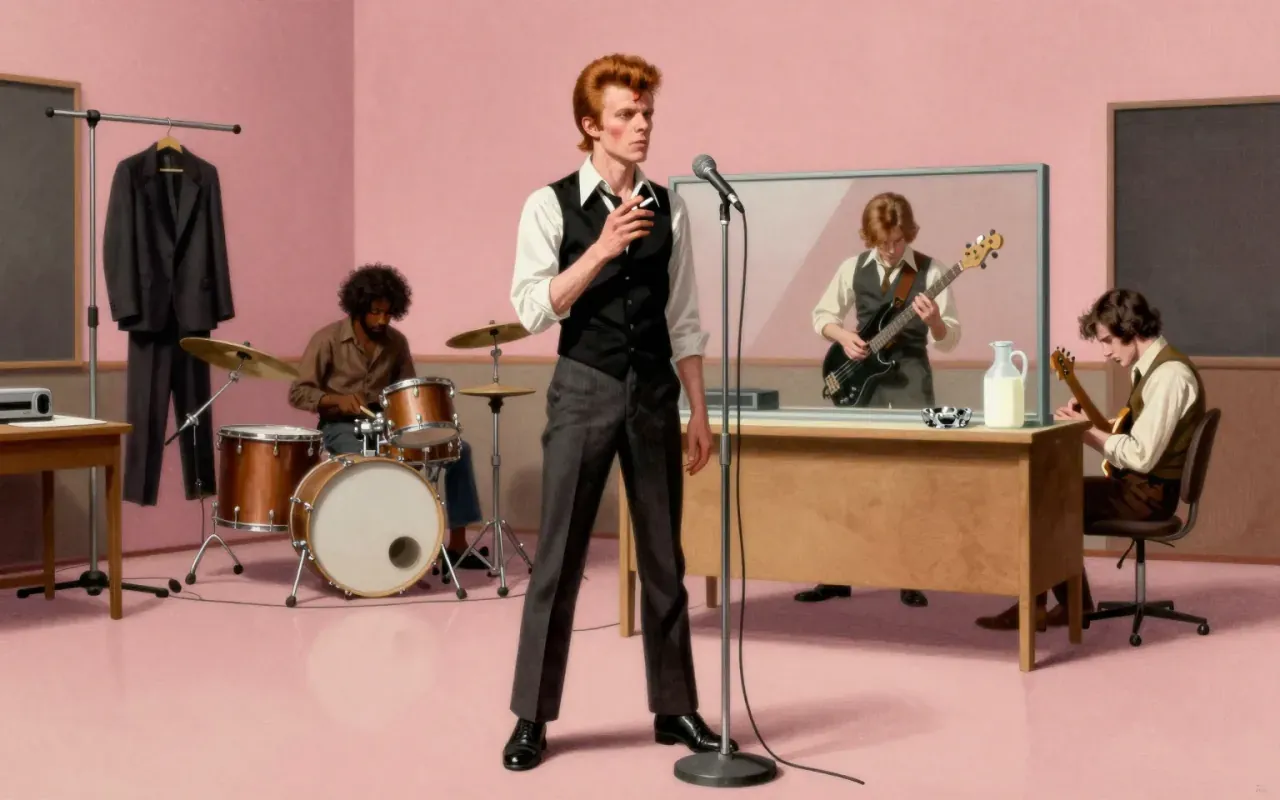
No Other is Gene Clark’s 1974 Asylum Records album, produced by Thomas Jefferson Kaye in Los Angeles. Thirteen or fourteen songs were demoed acoustically; nine were recorded with a large ensemble of elite session musicians — including members of The Section and the Allman Brothers Band — and backing singers. Kaye’s production features intricate vocal harmonies and heavily overdubbed, vertiginous arrangements intended as his 'answer to Brian Wilson and Phil Spector'. The title track has a pronounced R&B/funk feel, often attributed to Sly Stone’s presence. Clark composed much of the album while gazing at the Pacific Ocean from his home’s picture window. Though critics praised its ambition and unconventional arrangements — which anticipated later innovations by Fleetwood Mac members — the album stalled at No. 144 on the Billboard chart due to high production costs (over $100,000), minimal promotion, and its demanding sonic density. Its legacy grew over time, culminating in a 2013 tribute performance and a 2019 remastered/remixed reissue.
13:16

Pretzel Logic

Steely Dan · 1974

Pretzel Logic is Steely Dan’s decisive turn from band to studio construct — dry, precise, and ruthlessly edited.

13:21

Radio City

Big Star · 1974

Radio City is a fragmented, urgent pop record made by a reformed trio in Memphis’ Ardent Studios — full of uncredited co-writes, rotating rhythm sections, and wishful thinking named in its title.

13:22

In My Lifetime, Vol. 1

Jay‐Z · 1997

In My Lifetime, Vol. 1 is Jay-Z’s 1997 sophomore album. It follows Reasonable Doubt. It was shaped by The Notorious B.I.G.’s death. It marks a stylistic shift toward the 'jiggy' era.

13:23

Hot Rats

Frank Zappa · 1969

Hot Rats is a studio-constructed jazz-rock fusion record built on overdubs and dedicated to Zappa’s newborn son, Dweezil. It was recorded on a custom-built 16-track machine at TTG Studios, with four tracks reserved for stereo drum recording — the first time this was done on a rock album. Five of the six tracks are instrumental; only 'Willie the Pimp' features vocals, by Captain Beefheart. Zappa described it as 'a movie for your ears'. It features his first extended guitar solos and includes 'Peaches en Regalia', one of his most enduring compositions. Jazz, blues and R&B session players shaped its rhythmic and harmonic language. It became popular in England and had a major influence on jazz-rock fusion.

14:22

Drukqs

Aphex Twin · 2001

Drukqs is a double album released in 2001 by Aphex Twin. It contains tracks dating back seven or eight years, though most were relatively new. James rushed its release after accidentally leaving an MP3 player with new tracks on a plane, aiming to preempt an internet leak.

14:25

Honky Château

Elton John · 1972

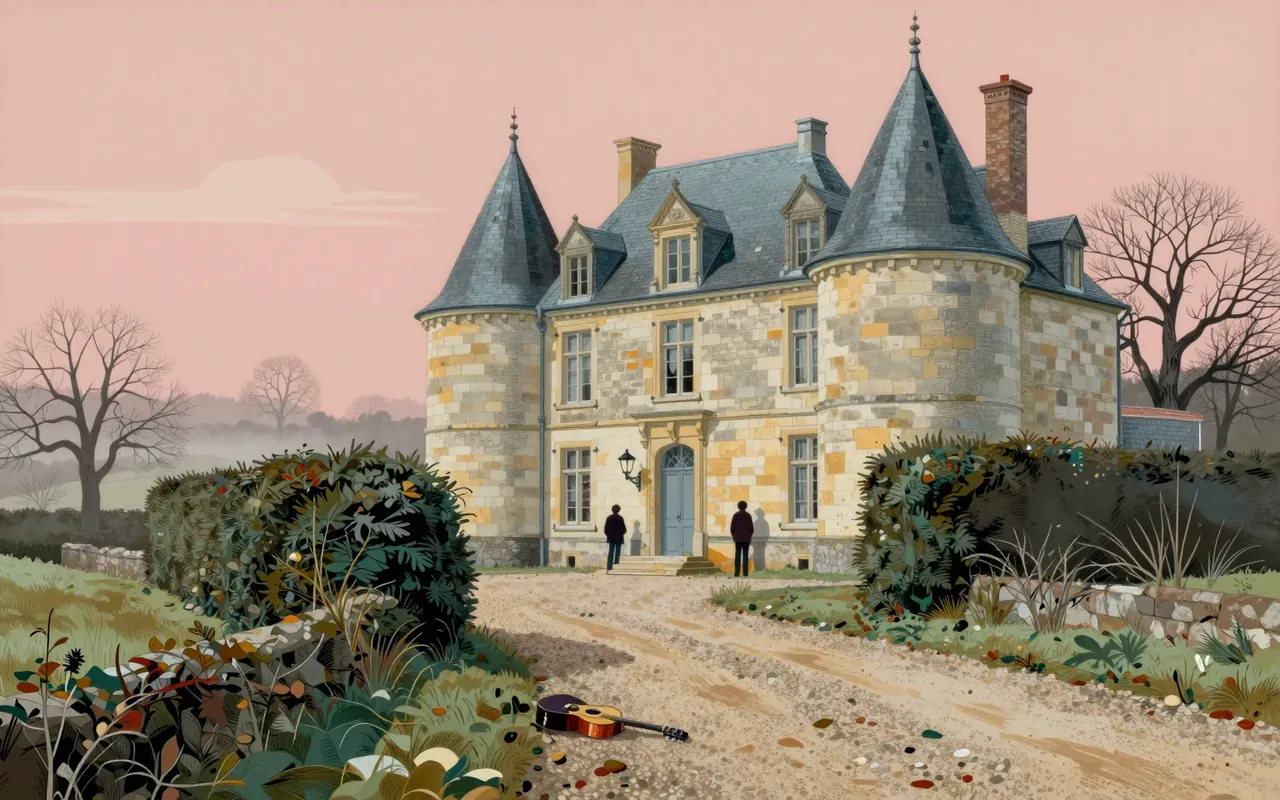
Honky Château is Elton John’s fifth studio album, recorded at Château d'Hérouville in France and released on 19 May 1972. It marks the first full-album studio collaboration with John's touring band — Dee Murray, Nigel Olsson, and newly permanent member Davey Johnstone — and features distinctive musical elements including a New Orleans funk opener with horn arrangements, the debut of the trio's trademark backing vocals on 'Rocket Man', and a remastered alternate version of 'Slave' added in 1995. The album was critically acclaimed for its eclecticism and focus, and it launched John's streak of US number-one albums.

14:52

The Kick Inside

Kate Bush · 1978

The Kick Inside is Kate Bush’s 1978 debut album, recorded in July and August 1977 at AIR Studios in London under producer Andrew Powell. EMI required Bush to use experienced session musicians — including Ian Bairnson, Duncan Mackay, and Stuart Elliott — rather than her KT Bush Band. Two songs originated as June 1975 demos. The album features orchestral arrangements on most tracks, with Bush on vocals and piano, and draws inspiration from a 1967 TV adaptation of Wuthering Heights, Gurdjieff, and the ballad of Lizie Wan.

16:02

Yoshimi Battles the Pink Robots

The Flaming Lips · 2002

Yoshimi Battles the Pink Robots is a 2002 electronic pop record that foregrounds texture over narrative, borrowing melody while avoiding resolution. Its ideas land where its sound does — in the space between acoustic warmth and digital precision.

75:40

School’s Out

Alice Cooper · 1972

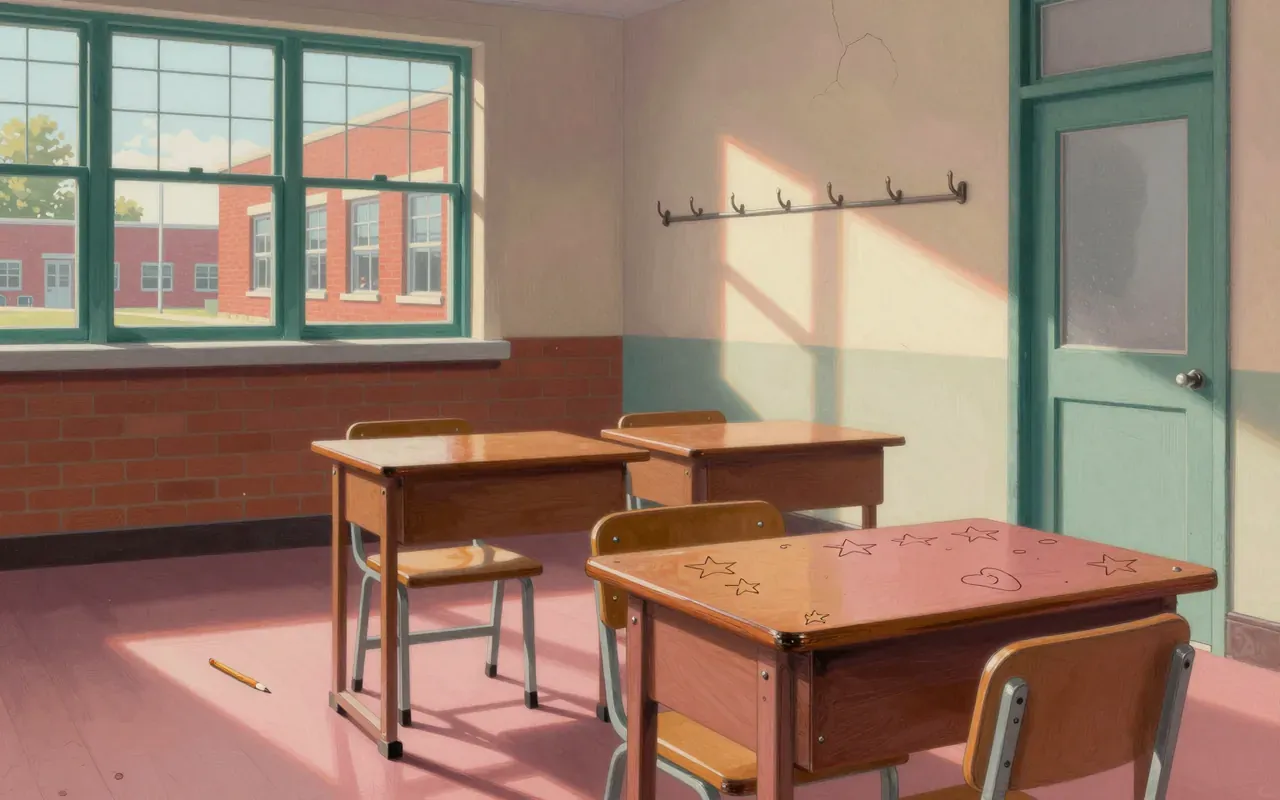
School's Out is a 1972 rock album by Alice Cooper, designed as a school desk with carved graffiti and wrapped in flammable paper panties. Its title track was a UK number one and US Top 10 hit. It marked a shift to a bratty, macho stage persona and provoked moral outrage — including a BBC video ban — without denting its popularity.