musicbriefs
Longest first

All briefs

1188 briefs · 11103 min · 1–96 on page 1 of 13
75:40

School’s Out

Alice Cooper · 1972

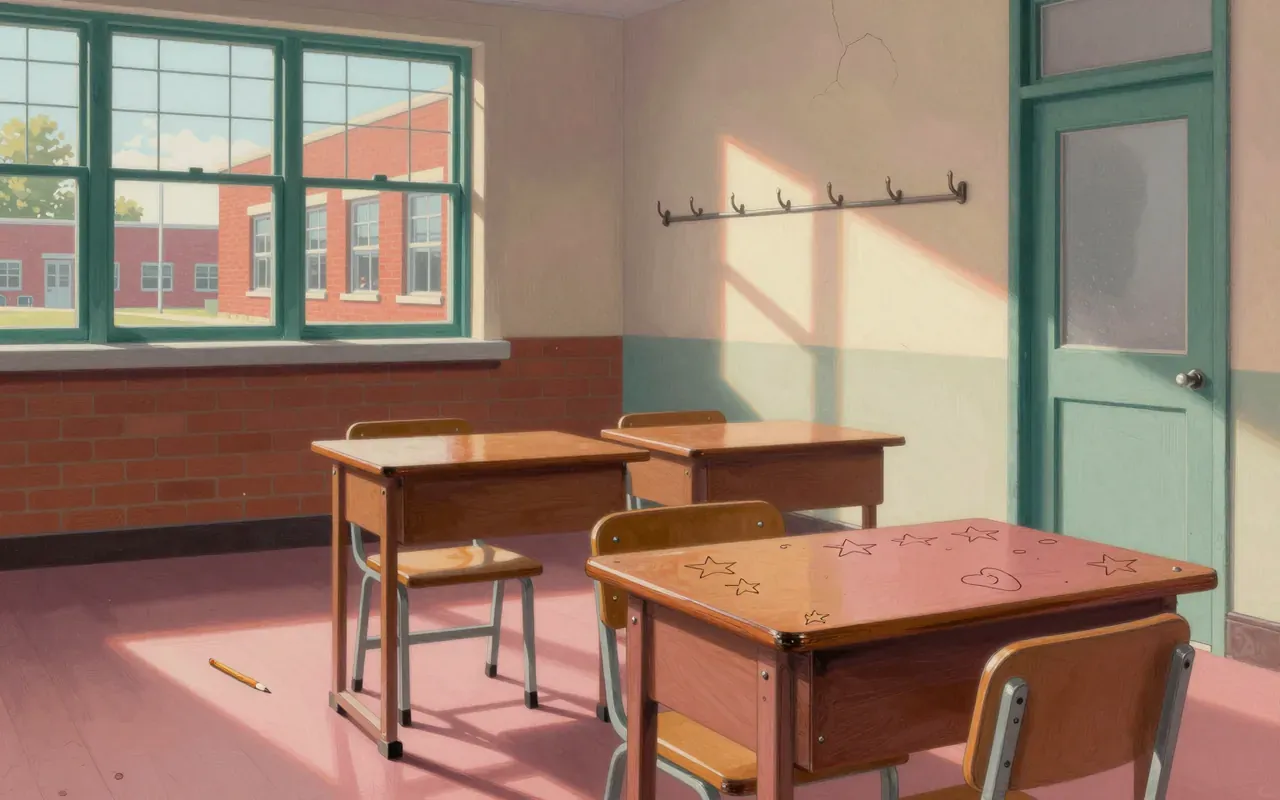
School's Out is a 1972 rock album by Alice Cooper, designed as a school desk with carved graffiti and wrapped in flammable paper panties. Its title track was a UK number one and US Top 10 hit. It marked a shift to a bratty, macho stage persona and provoked moral outrage — including a BBC video ban — without denting its popularity.

16:02

Yoshimi Battles the Pink Robots

The Flaming Lips · 2002

Yoshimi Battles the Pink Robots is a 2002 electronic pop record that foregrounds texture over narrative, borrowing melody while avoiding resolution. Its ideas land where its sound does — in the space between acoustic warmth and digital precision.

14:52

The Kick Inside

Kate Bush · 1978

The Kick Inside is Kate Bush’s 1978 debut album, recorded in July and August 1977 at AIR Studios in London under producer Andrew Powell. EMI required Bush to use experienced session musicians — including Ian Bairnson, Duncan Mackay, and Stuart Elliott — rather than her KT Bush Band. Two songs originated as June 1975 demos. The album features orchestral arrangements on most tracks, with Bush on vocals and piano, and draws inspiration from a 1967 TV adaptation of Wuthering Heights, Gurdjieff, and the ballad of Lizie Wan.

14:25

Honky Château

Elton John · 1972

Honky Château is Elton John’s fifth studio album, recorded at Château d'Hérouville in France and released on 19 May 1972. It marks the first full-album studio collaboration with John's touring band — Dee Murray, Nigel Olsson, and newly permanent member Davey Johnstone — and features distinctive musical elements including a New Orleans funk opener with horn arrangements, the debut of the trio's trademark backing vocals on 'Rocket Man', and a remastered alternate version of 'Slave' added in 1995. The album was critically acclaimed for its eclecticism and focus, and it launched John's streak of US number-one albums.

14:22

Drukqs

Aphex Twin · 2001

Drukqs is a double album released in 2001 by Aphex Twin. It contains tracks dating back seven or eight years, though most were relatively new. James rushed its release after accidentally leaving an MP3 player with new tracks on a plane, aiming to preempt an internet leak.

13:23

Hot Rats

Frank Zappa · 1969

Hot Rats is a studio-constructed jazz-rock fusion record built on overdubs and dedicated to Zappa’s newborn son, Dweezil. It was recorded on a custom-built 16-track machine at TTG Studios, with four tracks reserved for stereo drum recording — the first time this was done on a rock album. Five of the six tracks are instrumental; only 'Willie the Pimp' features vocals, by Captain Beefheart. Zappa described it as 'a movie for your ears'. It features his first extended guitar solos and includes 'Peaches en Regalia', one of his most enduring compositions. Jazz, blues and R&B session players shaped its rhythmic and harmonic language. It became popular in England and had a major influence on jazz-rock fusion.

13:22

In My Lifetime, Vol. 1

Jay‐Z · 1997

In My Lifetime, Vol. 1 is Jay-Z’s 1997 sophomore album. It follows Reasonable Doubt. It was shaped by The Notorious B.I.G.’s death. It marks a stylistic shift toward the 'jiggy' era.

13:21

Radio City

Big Star · 1974

Radio City is a fragmented, urgent pop record made by a reformed trio in Memphis’ Ardent Studios — full of uncredited co-writes, rotating rhythm sections, and wishful thinking named in its title.

13:16

Pretzel Logic

Steely Dan · 1974

Pretzel Logic is Steely Dan’s decisive turn from band to studio construct — dry, precise, and ruthlessly edited.

13:08

No Other

Gene Clark · 1974

No Other is Gene Clark’s 1974 Asylum Records album, produced by Thomas Jefferson Kaye in Los Angeles. Thirteen or fourteen songs were demoed acoustically; nine were recorded with a large ensemble of elite session musicians — including members of The Section and the Allman Brothers Band — and backing singers. Kaye’s production features intricate vocal harmonies and heavily overdubbed, vertiginous arrangements intended as his 'answer to Brian Wilson and Phil Spector'. The title track has a pronounced R&B/funk feel, often attributed to Sly Stone’s presence. Clark composed much of the album while gazing at the Pacific Ocean from his home’s picture window. Though critics praised its ambition and unconventional arrangements — which anticipated later innovations by Fleetwood Mac members — the album stalled at No. 144 on the Billboard chart due to high production costs (over $100,000), minimal promotion, and its demanding sonic density. Its legacy grew over time, culminating in a 2013 tribute performance and a 2019 remastered/remixed reissue.
13:05

CrazySexyCool

TLC · 1994

CrazySexyCool is a tightly constructed R&B album that uses hip hop soul textures, layered vocals, and precise studio craft to explore adult romance and self-possession. Its strength lies in restraint: fewer rap verses, more space for groove and tone, and lyrics that observe rather than preach. It is not revolutionary. It is deliberate.

13:02

Music for the Jilted Generation

The Prodigy · 1994

Music for the Jilted Generation is a breakbeat techno record defined by its political stance, sampling rigour, and studio discipline. It rejects commercial rave tropes while expanding the form’s emotional and structural range. It is not nostalgic. It is not ambient. It is not collaborative beyond Howlett and Reality. It is urgent, specific, and sonically uncompromising.

13:00

A Love Supreme

John Coltrane · 1965

Recorded in one day in December 1964 at Rudy Van Gelder's New Jersey studio, A Love Supreme is John Coltrane's four-movement statement of gratitude, made with the quartet of McCoy Tyner, Jimmy Garrison and Elvin Jones. Built around a four-note bass figure that becomes a chanted phrase and later a saxophone recitation of Coltrane's own written poem, it plays as a single sustained piece rather than a collection of tunes.

13:00

Abbey Road

The Beatles · 1969

Recorded mainly across April, July and August 1969 at Abbey Road and other London studios, Abbey Road was the Beatles' final recorded album, made under producer George Martin on the condition that the group work with the discipline of their earlier records. Built around McCartney's push for a continuous medley on side two and Harrison's two strongest contributions to the catalogue, it closed the group's studio career with the Moog synthesiser and a solid-state mixing desk giving it a different texture from anything they had made before.

13:00

After the Gold Rush

Neil Young · 1970

After the Gold Rush grew out of a home studio in Topanga Canyon and an unproduced apocalyptic screenplay by Young's friend Dean Stockwell. Recorded with members of both Crazy Horse and Crosby, Stills, Nash and Young, it moves between hushed piano ballads and rougher rock without settling into either, and its mix of environmental dread, personal breakup and blunt protest song has outlasted the film it was meant to score.

13:00

Ambient 1: Music for Airports

Brian Eno · 1978

Brian Eno's 1978 EMI release grew out of a bad afternoon at Cologne's airport and a conviction that background music could be more than wallpaper. Made from looped tape rather than a band, it named ambient music as a genre in the act of making it.

13:00

Are You Experienced

The Jimi Hendrix Experience · 1967

Are You Experienced is the debut studio album by the Jimi Hendrix Experience, built from sixteen sessions across three London studios over five months in 1966 and 1967. Produced by former Animals bassist Chas Chandler, who deliberately kept the band's newer members out of creative decisions, it introduced Hendrix's guitar playing and songwriting to Britain first, then America, and has stayed a fixture of best-album lists ever since.

13:00

Astral Weeks

Van Morrison · 1968

Astral Weeks is Van Morrison's second solo album, recorded in three sessions at Century Sound Studios in New York in late 1968 with a group of jazz musicians assembled by producer Lewis Merenstein. A sharp break from his pop singles, it sold modestly on release and has since been treated as one of the defining records of its era.

13:00

Autobahn

Kraftwerk · 1974

Kraftwerk's fourth album, cut partly at their own Kling Klang studio and mostly at Conny Plank's countryside facility outside Cologne, marks the point where the group traded free improvisation for synthesiser-and-drum-machine pop. The side-long title piece, built to mimic the sound and feeling of a motorway journey, became an unlikely American hit and set the template the band refined for the rest of the decade.

13:00

Axis: Bold as Love

The Jimi Hendrix Experience · 1967

Axis: Bold as Love followed the Jimi Hendrix Experience's debut by only seven months, moving from De Lane Lea and Olympic Studios in London through a disastrous side-one master left in the back of a taxi. Recorded with producer Chas Chandler and engineer Eddie Kramer, it trades some of the debut's raw force for looser, more melodic songwriting, and remains most closely associated with two tracks Hendrix kept playing live for the rest of his career.

13:00

Bitches Brew

Miles Davis · 1970

Recorded across three days in August 1969 at Columbia's Studio B, Bitches Brew pushed Miles Davis's turn toward electric instruments into a full, sprawling double album built from loose sketches, two bassists, up to three drummers and three electric pianists playing at once. Producer Teo Macero then spliced and looped the tapes into their final shape, a process as central to the record's identity as anything played live in the room.

13:00

Black Market

Weather Report · 1976

Weather Report's sixth album, recorded at Devonshire Studios in North Hollywood over the turn of 1975 into 1976, leans into African-derived percussion and Joe Zawinul's synthesizer textures rather than the soloistic fusion of earlier records. Wayne Shorter's Lyricon blurs horn and machine, Alex Acuña's congas anchor two drummers, and Jaco Pastorius makes his first, understated appearance on bass across two tracks.

13:00

Blue

Joni Mitchell · 1971

Written and produced entirely by Joni Mitchell and recorded at A&M Studios in Hollywood through late 1970 and early 1971, Blue works through the end of her relationship with Graham Nash, a new one with James Taylor, and a daughter she had given up for adoption years earlier. Built mostly around her own guitar, piano and Appalachian dulcimer with a handful of guest players, it became the record against which her later work, and much of the singer-songwriter movement that followed, has been measured.

13:00

Blue Lines

Massive Attack · 1991

Built across eight months and half a dozen London studios, Blue Lines slows hip hop's breakbeats down to a reggae and soul pace, with Shara Nelson and Horace Andy carrying the vocals. It is the record most often credited with starting trip hop, made by a group working from instinct rather than any stated genre plan.

13:00

Closer

Joy Division · 1980

Closer is Joy Division's second and final album, made at Britannia Row Studios in London in March 1980 and released that July, two months after Curtis's suicide. Martin Hannett produced again, pushing further into synthesisers and drum machines than on the debut, while Hook and Sumner still argued with his mixing choices. J.G. Ballard's fiction shaped several lyrics, most directly on the opening track. The record topped critics' year-end lists before its title became impossible to hear as anything but literal.

13:00

Coffy

Roy Ayers · 1973

Composed, arranged and conducted by Roy Ayers for the 1973 film of the same name, Coffy pairs a full jazz-funk band with strings, horns and vocal cues sung by Dee Dee Bridgewater, Wayne Garfield and Ayers himself. Split between orchestral action cues and proper soul numbers, it holds up as music independent of the picture it was built to serve.

13:00

Computerwelt

Kraftwerk · 1981

Kraftwerk's eighth album, built at the band's own Düsseldorf studio and released in 1981 in matching German and English editions, imagines home computers, pocket calculators and digital surveillance years before most listeners had encountered any of them. Made without a single piece of computer technology, it went on to shape early hip-hop, electro and dance production far beyond its own modest chart run.

13:00

Die Mensch·Maschine

Kraftwerk · 1978

Recorded entirely at the band's own Kling Klang studio in Düsseldorf and released in 1978, this seventh Kraftwerk album pares the group's mechanical style down further and points it toward the dance floor. Six tracks address the Cold War, industrial manufacturing and the growing closeness between people and machines, wrapped in artwork built on Russian avant-garde design, and it left a direct mark on the synth-pop and new wave that followed.

13:00

Discovery

Daft Punk · 2001

Built at Thomas Bangalter's home studio in Paris over two years, Discovery pairs vintage drum machines and keyboards with heavily processed vocals to turn childhood memory into pop songwriting. It moved the duo from raw club tracks toward a more song-based sound and remains a high point for vocoder-driven dance music.

13:00

Dummy

Portishead · 1994

Recorded without digital equipment in Bristol, Portishead's Dummy layers Beth Gibbons's vocals over sampled soul, spy-soundtrack strings and deliberately worn vinyl, a debut that helped define trip hop while staying stranger and colder than the genre it is credited with starting.

13:00

Electric Ladyland

The Jimi Hendrix Experience · 1968

Electric Ladyland is the Jimi Hendrix Experience's third and final album, a double LP recorded across New York and London studios with Hendrix credited as sole producer for the first and only time. Built from marathon takes, borrowed guests including Steve Winwood and Jack Casady, and engineer Eddie Kramer's studio experiments, it moves between blues jam, psychedelic pop and a Bob Dylan cover that outsold everything else the band released.

13:00

Endtroducing.....

DJ Shadow · 1996

Assembled over two years from an Akai MPC60 sampler and crates of used vinyl, DJ Shadow's Endtroducing turns funk, jazz, psychedelia and film dialogue into an almost entirely instrumental debut, moving between moods largely without a rapped verse to anchor them.

13:00

Enter the Wu‐Tang (36 Chambers)

Wu‐Tang Clan · 1993

Produced almost entirely by RZA on a tight budget, Enter the Wu-Tang (36 Chambers) turns nine distinct voices and a stack of martial-arts film samples into a single, gritty debut that reintroduced New York to the top of hip-hop.

13:00

Exile on Main St.

The Rolling Stones · 1972

Exile on Main St. is the Rolling Stones' tenth studio album, recorded between 1969 and 1972 in sessions that moved from Olympic Studios in London to Keith Richards's rented villa at Nellcote in the south of France, where the band had relocated after a tax dispute, and finally to Sunset Sound in Los Angeles for overdubs. Producer Jimmy Miller worked with a rotating cast including Nicky Hopkins, Bobby Keys and Dr. John. The eighteen-track double album drew on blues, gospel and country and was received coolly at first, before critics spent the rest of the decade reversing that judgement.

13:00

Expensive Shit

Fela Kuti · 1975

Recorded in 1975 out of the Kalakuta Republic compound, Expensive Shit compresses Fela Kuti's long standoff with Nigeria's police into two extended Africa '70 tracks: a title piece built from a real, absurd arrest, and Water No Get Enemy's gentler appeal to a Yoruba proverb about nature's staying power. Short in length, it is unusually complete for a Kuti record.

13:00

Fela's London Scene

Fela Kuti, Nigeria 70 · 1971

Made on tour in London rather than at home in Lagos, Fela's London Scene pairs Fela Kuti and Nigeria 70 with a second drummer, Ginger Baker, for five extended tracks built on horn riffs and dense percussion. Lighter on political narrative than Kuti's mid-seventies work, it is best heard as the sound of a band finding the architecture it would spend the rest of the decade refining.

13:00

Fleetwood Mac

Fleetwood Mac · 1975

Fleetwood Mac's second self-titled album is the record where a band in crisis became the group that would make Rumours. Recorded fast at Sound City in Los Angeles with new arrivals Lindsey Buckingham and Stevie Nicks, it trades one songwriting voice for three, and though not every track carries equal weight, the hits and the quieter songs beside them still hold up fifty years on.

13:00

Future Days

Can · 1973

Made at Can's own Inner Space Studio after a scattering four-week holiday, Future Days trades the band's earlier rhythmic tension for unhurried, textured grooves built from Farfisa organ, field recordings and Jaki Liebezeit's constant, understated drumming, with Damo Suzuki's vocals reduced to a passing presence before his departure soon after.

13:00

Giant Steps

John Coltrane · 1960

John Coltrane's first album as leader for Atlantic gathers sessions from three dates in 1959, built around a rapid, major-third chord movement that has since become a standard saxophone exercise. Alongside the title track's difficulty sit gentler pieces named for his family, including the ballad Naima, showing the same harmonic ideas turned toward tenderness.

13:00

Harvest

Neil Young · 1972

Harvest turned an accident into Neil Young's biggest record. Unable to stand for long after hurting his back, he wrote and sang from a brace, recruited Nashville session players he called the Stray Gators, and folded in the London Symphony Orchestra for two tracks. The result gave him a number one single and a sound so widely copied he spent much of the next decade running from it.

13:00

Head Hunters

Herbie Hancock · 1973

Assembled after three increasingly abstract Mwandishi records, Head Hunters strips Hancock's sound down to bass, drums, reeds and Clavinet, turning a fifteen-minute groove into jazz's best-selling record of its era.

13:00

Head Over Heels

Cocteau Twins · 1983

Head over Heels is the second Cocteau Twins album, released on 4AD in October 1983 after bassist Will Heggie left the band. Written quickly by Robin Guthrie and Elizabeth Fraser as a two-piece, it replaced the religious imagery of their debut with love songs built from reverberated guitar and increasingly wordless vocals, and it now stands as an early landmark of dream pop.

13:00

Heaven or Las Vegas

Cocteau Twins · 1990

On their sixth album the Cocteau Twins let daylight into their sound: Elizabeth Fraser's voice sits further forward, Simon Raymonde's bass fills the space Robin Guthrie's shrinking studio time left behind, and private upheaval, a new daughter, a dead father, shapes the record from underneath without ever being named.

13:00

“Heroes”

David Bowie · 1977

Bowie, Brian Eno and Tony Visconti regrouped at Hansa Studio 2 in West Berlin in mid-1977, months after finishing Low, and built songs largely from scratch in the room with a returning rhythm section and a guest guitarist flown in on short notice. The setting bleeds into the record, and the title track has outlasted almost everything else Bowie made.

13:00

Homework

Daft Punk · 1997

Made in their own Paris studio without label input, Homework turns disco, funk and soul samples into house and techno tracks built around a single insistent hook apiece. Some of that repetition wears thin over sixteen tracks, but the record helped push French house to an audience dance music rarely reached before.

13:00

Hunky Dory

David Bowie · 1971

Made after his backing band and management both fell away, Hunky Dory finds David Bowie composing on piano for the first time, tipping between domestic tenderness and grand artistic reinvention across eleven songs recorded at Trident Studios.

13:00

Illmatic

Nas · 1994

Recorded across Manhattan studios by a teenager from Queensbridge, Illmatic sets Nas's dense, internal-rhyme narration against beats built separately by DJ Premier, Pete Rock, Q-Tip, Large Professor and L.E.S, arriving as a compact, unhurried document of one New York housing project.

13:00

In a Silent Way

Miles Davis · 1969

Recorded in a single February 1969 session at Columbia's Studio B and shaped afterward by producer Teo Macero's editing, In a Silent Way marked Miles Davis's full turn toward electric instruments. Built from just two long pieces stitched from a handful of takes by an expanded band including three electric pianists and a guitarist new to New York, it plays as a hushed, largely beatless record that unsettled jazz and rock critics alike on release.

13:00

Innervisions

Stevie Wonder · 1973

Recorded largely single-handed with the TONTO synthesizer rig and released three days before the car crash that nearly ended his career, Innervisions finds Stevie Wonder swapping love songs for reportage, from drug addiction and urban decay to a coded jab at the White House.

13:00

Kind of Blue

Miles Davis · 1959

Recorded in two sessions in March and April 1959 at Columbia's 30th Street Studio, Kind of Blue found Miles Davis trading bebop's dense chord changes for loose modal sketches, handed to his sextet with barely any rehearsal. The gamble produced five tracks, from So What to Flamenco Sketches, that have shaped how musicians well outside jazz think about improvisation ever since.

13:00

King Tubbys Meets Rockers Uptown

Augustus Pablo · 1976

Augustus Pablo cut these tracks with a top-tier Kingston rhythm section, then carried the tapes to King Tubby's studio for mixing that turned rebuilt rhythms into a defining dub statement. Reissued repeatedly since 1976, it remains one of the most consistently reappraised dub records of its decade, anchored by a title track ranked among the greatest recordings in popular music.

13:00

Laughing Stock

Talk Talk · 1991

Recorded across a year at Wessex Sound Studios with producer Tim Friese-Greene, Laughing Stock is the final Talk Talk album, made by a reduced duo of Mark Hollis and Lee Harris after bassist Paul Webb's departure. Built from improvisation and ruthless editing, it closed the band's career on a record now treated as a landmark of post-rock.

13:00

[Led Zeppelin IV]

Led Zeppelin · 1971

Recorded largely in the relaxed, distraction-free setting of a Hampshire country house after a cooler reception for its predecessor, Led Zeppelin's fourth album carries no title or band name at all, pairing folk instrumentation and English mythology with some of the group's heaviest studio recordings.

13:00

Let’s Get It On

Marvin Gaye · 1973

Built across three years and two coasts, Let's Get It On finds Marvin Gaye multi-tracking his own voice into a private choir, treating physical desire as material as weighty as anything on his more overtly political previous record.

13:00

London Calling

The Clash · 1979

London Calling is the Clash's third album, an eighteen-song double LP recorded at Wessex Sound Studios over roughly six weeks in 1979 under producer Guy Stevens, with Bill Price engineering. After a year of writer's block, the band rehearsed in a Pimlico garage and returned with material stretched across reggae, rockabilly, ska and American R&B rather than straight punk. Released in December 1979 in Britain, it sold at the price of a single record and has since sold several million copies worldwide.

13:00

Loveless

my bloody valentine · 1991

Loveless took My Bloody Valentine from February 1989 to September 1991 to finish, moving through nineteen studios and a rotating cast of engineers as Kevin Shields pursued a heavily layered, endlessly revised sound built on glide guitar and digital sampling. The cost and chaos nearly broke the band's label, Creation Records, but the finished album redefined what a guitar could sound like and became the defining record of the shoegaze scene.

13:00

Low

David Bowie · 1977

Made after Bowie left a Los Angeles addiction behind for Europe, Low pairs Tony Visconti's harmonized drum sound with Brian Eno's ambient textures, opening with fractured songs before giving its second side over to instrumental mood pieces.

13:00

Maggot Brain

Funkadelic · 1971

Recorded just before its original lineup scattered, Maggot Brain pairs Eddie Hazel's ten-minute unscripted guitar solo with tighter songs about unity and dread, closing out Funkadelic's founding chapter on its own terms.

13:00

Marquee Moon

Television · 1977

Marquee Moon is Television's debut, recorded at A&R Recording in New York in November 1976 after the CBGB regulars spent years turning down record deals they judged wrong for them. Produced by frontman Tom Verlaine and engineer Andy Johns, it favours interlocking guitar lines and extended structures over the blunt riffs of the punk scene the band emerged from, and its influence on the rock guitar playing that followed has far outpaced its modest original sales.

13:00

Maxinquaye

Tricky · 1995

Tricky's debut, made after leaving Massive Attack, pairs his low, rapped vocals with Martina Topley-Bird's softer delivery over samples reworked past recognition through dub-influenced production. Recorded largely at his own home studio in 1994, the album explores intimacy, drug culture and the private grief of his mother's death beneath its hazy, downbeat surface.

13:00

Mezzanine

Massive Attack · 1998

Built around post-punk and industrial reference points that unsettled at least one founding member, Mezzanine pushes Massive Attack's sample-based sound into darker, bass-heavy territory, pairing guest vocalists Elizabeth Fraser and Horace Andy with a production process tense enough to end Andrew Vowles's time in the group.

13:00

Mingus Ah Um

Charles Mingus · 1959

Charles Mingus's first album for Columbia, recorded in May 1959, gathers tributes to Lester Young, Duke Ellington and Jelly Roll Morton alongside Fables of Faubus, a satire of Arkansas's segregationist governor recorded without its banned lyrics. A tight sextet, led from the bass, turns gospel, blues and big-band writing into a single, coherent argument about jazz's own history.
13:00

Moondance

Van Morrison · 1970

Moondance is Van Morrison's third studio album, recorded at A&R Studios in New York in 1969 with Morrison producing for the first time in his career. Trading the loose, extended pieces of Astral Weeks for tighter songs built around a horn section, it became an immediate commercial and critical success and gave Morrison the sound he would be known for.

13:00

Music From Big Pink

The Band · 1968

Recorded live with minimal overdubbing after years spent behind Bob Dylan, Music From Big Pink lets Rick Danko, Levon Helm and Richard Manuel trade lead vocals over Garth Hudson's organ and Robbie Robertson's economical guitar, trading psychedelic ambition for a communal, backward-looking sound that quietly reshaped rock's direction.

13:00

Music Has the Right to Children

Boards of Canada · 1998

Recorded at their own studio in the Pentland Hills on tape and vintage synthesisers left deliberately out of tune, this debut folds samples of children's television into a haze that sits somewhere between comfort and unease. At seventeen tracks it asks patience of a listener, but its sustained atmosphere remains close to unmatched.

13:00

Never Mind the Bollocks Here’s the Sex Pistols

Sex Pistols · 1977

Never Mind the Bollocks Here's the Sex Pistols is the only studio album by the Sex Pistols, recorded piecemeal at Wessex Sound Studios in London between 1976 and 1977 with producers Chris Thomas and Bill Price, and released by Virgin in October 1977. Glen Matlock wrote much of the material before quitting, Sid Vicious replaced him but barely played on the record, and guitarist Steve Jones ended up covering most of the bass parts himself. Retailers refused to stock it and some charts wouldn't print its title, yet it still went to number one.

13:00

Paul’s Boutique

Beastie Boys · 1989

Recorded with the Dust Brothers in a Los Angeles apartment and mixed at the Record Plant, Paul's Boutique layers over a hundred samples from funk, soul, rock and jazz beneath the Beastie Boys' densest, most reference-packed writing, a commercial miss on release that became hip-hop's most studied sample record.

13:00

Pet Sounds

The Beach Boys · 1966

Written mostly with advertising lyricist Tony Asher after Brian Wilson stepped back from touring, this eleventh Beach Boys album replaced the group's own playing with hired Los Angeles session musicians and spent an unprecedented budget chasing a more introspective, orchestrally arranged kind of pop than the band had attempted before.

13:00

Pink Moon

Nick Drake · 1972

Pink Moon is Nick Drake's third and final studio album, recorded in October 1971 at Sound Techniques in London with just Drake and engineer John Wood present. Twenty-nine minutes of voice, acoustic guitar and one piano overdub, it sold poorly on release and has since become one of the most quietly influential folk records of its decade.

13:00

Play

Moby · 1999

Made at Moby's own Manhattan studio after a career-threatening previous album, Play folds vocal hooks lifted from Alan Lomax's field recordings into electronic production, letting decades-old voices carry new songs. Slow to catch on, it eventually sold over twelve million copies largely through film and advertising licensing.

13:00

Purple Rain

Prince, The Revolution · 1984

Purple Rain is the sixth studio album by Prince and his band the Revolution, released in June 1984 as the soundtrack to the film of the same name. Recorded mostly between May 1983 and March 1984 at several Minneapolis and Los Angeles studios, with the closing three tracks captured live at Minneapolis's First Avenue club, the record layers synthesisers, drum machines and guitar around songs Prince wrote almost entirely himself. It spent twenty-four weeks at number one on the American album chart and remains one of the best-selling records ever made.

13:00

Remain in Light

Talking Heads · 1980

Made across studios in Nassau and New York with producer Brian Eno in mid-1980, Remain in Light grew out of instrumental jams built on African polyrhythm rather than finished songs, with David Byrne adding scattered, half-improvised lyrics only once the band returned to the United States. Extra musicians, a struggling frontman and a near-collapse in the writing process all shaped a record now widely treated as the band's finest hour.

13:00

Revolver

The Beatles · 1966

Made in the months after the Beatles stepped back from touring, this seventh album turns Abbey Road into an instrument in its own right — tape loops, a string octet, a sitar-led raga and songs about death, taxes and transcendence sit side by side across a lean thirty-five minutes.

13:00

Rumours

Fleetwood Mac · 1977

Rumours is the eleventh Fleetwood Mac album, made in 1976 at the Record Plant in Sausalito while the band's two couples were separating and drug use ran unchecked through the sessions. Produced by the band with Ken Caillat and Richard Dashut, it became one of the best-selling albums ever made and remains the group's defining statement.

13:00

Screamadelica

Primal Scream · 1991

Working with the acid house DJ Andrew Weatherall and engineer Hugo Nicolson, a Scottish guitar band reassembled its own recordings into a record that moves from gospel-soul swagger to dub-inflected drift without settling on one genre. It won the first Mercury Prize and remains the clearest document of guitar music meeting the dancefloor on equal terms.

13:00

Selected Ambient Works 85–92

Aphex Twin · 1992

Selected from years of cassette recordings Richard D. James made from age thirteen on equipment he built himself, this debut curated by label head Renaat Vandepapeliere reads as a fully formed statement rather than a curiosity. Its melodic, sometimes industrial tracks pair beauty with unease and remain a founding document of ambient techno.

13:00

Selected Ambient Works, Volume II

Aphex Twin · 1994

Aphex Twin's second album moves almost entirely into slow, largely beatless ambient composition, built from old analogue synthesizers and, by Richard D. James's own account, half-remembered fragments of dream. Nearly all twenty-four tracks went out untitled, leaving fans to name pieces that reward patient, undistracted listening across a two-and-a-half-hour running time.

13:00

Sgt. Pepper’s Lonely Hearts Club Band

The Beatles · 1967

Recorded across five months after the Beatles gave up live performance for good, this eighth album frames itself as a set by an imaginary Edwardian troupe, mixing music-hall whimsy, Indian classical instrumentation and orchestral overdubs into a record that helped establish the album, rather than the single, as pop's serious form.

13:00

Sign “☮︎” the Times

Prince · 1987

Stripped from an abandoned triple album down to a still-vast double, Sign o' the Times finds Prince alone in the studio job-lot of genres — funk, gospel, electro, rock — sung partly through a pitched-up alter ego and driven by a house-bound cluster of drum machines and samplers.

13:00

Solid State Survivor

Yellow Magic Orchestra · 1979

Yellow Magic Orchestra's second album turns Hideki Matsutake's Microcomposer sequencing and Chris Mosdell's English lyrics into fully electronic pop songs, repurposing a watch-commercial jingle into Behind the Mask and naming a coming genre outright in Technopolis, years before Detroit techno existed to claim the word.

13:00

Songs in the Key of Life

Stevie Wonder · 1976

Made after Stevie Wonder seriously considered leaving music to work with disabled children abroad, and released only once he had signed one of the largest recording contracts in history, this double album plus bonus EP moves through faith, parenthood, injustice and romance while Wonder plays the overwhelming majority of the instruments himself.

13:00

Soul Makossa

Manu Dibango · 1973

Built around the crossover single already circulating a year earlier, Manu Dibango's Soul Makossa sets Cameroonian makossa rhythm against jazz and funk phrasing across seven tracks. The title track's hook became the most sampled fragment in African popular music, a legacy the album now carries alongside the record's own, less-discussed range.

13:00

Spirit of Eden

Talk Talk · 1988

The fourth Talk Talk album, recorded at Wessex Studios through 1987 and 1988 with producer Tim Friese-Greene, turned hours of improvised playing into six songs of near-silence and sudden noise. It flopped commercially and became, over decades, one of the most influential records of its kind.

13:00

Station to Station

David Bowie · 1976

David Bowie's tenth album, cut at Cherokee Studios in late 1975 while he shot a film and lived on a diet of peppers and cocaine, sets the funk band from Young Americans against a new, mechanical pulse borrowed from German records. The result is the hinge between his LA period and the trilogy that followed.

13:00

Sticky Fingers

The Rolling Stones · 1971

Sticky Fingers is the Rolling Stones' ninth studio album, released in April 1971 on their newly formed Rolling Stones Records label. Recorded between December 1969 and 1971 at Muscle Shoals in Alabama, Olympic Studios in London, and via the band's mobile studio at Stargroves, it was the first Stones album to feature guitarist Mick Taylor throughout and the first since the death of Brian Jones. Jimmy Miller produced, with Andy Warhol contributing the album's famous zip-fastened cover. It became the band's first album to reach number one in both Britain and America.

13:00

Super Ape

The Upsetters · 1976

Credited to Perry's house band the Upsetters, Super Ape reached Jamaica and the rest of the world as two related but differently sequenced records in 1976. Built from echo, dropout and heavy re-recording rather than conventional songwriting, it stands as one of dub's clearest demonstrations of production as authorship.

13:00

Superfly

Curtis Mayfield · 1972

Curtis Mayfield's soundtrack to the 1972 blaxploitation film built a concept album around drug culture and poverty, written partly as a corrective to the picture's own ambivalence about its subject. Recorded with a large Chicago ensemble after early sessions in New York, it outsold the film itself and earned Mayfield a Grammy nomination for the score.

13:00

Tago Mago

Can · 1971

Recorded across three months in a rented castle, with Damo Suzuki newly installed as vocalist, Tago Mago pairs a first disc of confident, rhythm-driven songs with a second built almost entirely from Holger Czukay's tape editing and hidden studio recordings, a split the band's manager insisted stay intact.

13:00

Talking Heads: 77

Talking Heads · 1977

Talking Heads: 77 was recorded at Sundragon and Mediasound in New York across late 1976 and early 1977, with the newly complete four-piece working around a producer they found condescending by tracking vocals when he left the room. The result carries the tight, wiry sound of a band still finding its footing, built on a set of songs about restlessness, routine and getting a grip on your own life.

13:00

Tapestry

Carole King · 1971

Recorded at A&M's Hollywood studios with James Taylor and a small circle of session players, Tapestry lets Carole King sing her own catalogue for the first time, trading polish for conviction across twelve mostly piano-led songs.

13:00

The Dark Side of the Moon

Pink Floyd · 1973

Pink Floyd's eighth album, built around a theme Roger Waters proposed at a 1971 band meeting and tested on tour for more than a year before it was finished, sets songs about time, money, conflict and mental collapse inside some of the clearest studio production of its decade.

13:00

The Miseducation of Lauryn Hill

Lauryn Hill · 1998

Written and largely produced by Lauryn Hill after she left the Fugees and became pregnant, The Miseducation of Lauryn Hill mixes hip-hop, soul and reggae recorded partly at Tuff Gong in Kingston, built around live instrumentation and a set of collaborators later credited only after a lawsuit.

13:00

The Modern Lovers

The Modern Lovers · 1976

Recorded piecemeal between 1971 and 1972 by a teenage Jonathan Richman's band, with John Cale producing half the tracks, The Modern Lovers only became an album in 1976, patched together from abandoned label sessions into a record its own maker no longer fully claimed.

13:00

The Queen Is Dead

The Smiths · 1986

The Queen Is Dead is the Smiths' third album, written mostly at Johnny Marr's house in Bowdon and recorded across three studios between July and December 1985. Morrissey and Marr produced it themselves with engineer Stephen Street. It mixes jangling guitar pop with pointed lyrics about class, fame and the monarchy, and became the record most often cited as the band's best - later named the greatest album ever made in one influential magazine poll, a claim that says as much about the band's reputation as the record itself.

13:00

The Rise and Fall of Ziggy Stardust and the Spiders From Mars

David Bowie · 1972

Recorded fast at Trident Studios with Mick Ronson's guitar doing much of the heavy lifting, Ziggy Stardust turns a loosely stitched science-fiction plot into cover for songwriting about sex, stardom and ruin that the early-seventies charts would not otherwise have carried under Bowie's own name.

13:00

The Velvet Underground & Nico

The Velvet Underground, Nico · 1967

Financed by Andy Warhol and mostly recorded in four days in a Manhattan studio in 1966, this debut pairs a minimalist's drone instincts with Lou Reed's flatly reported songs about addiction and the demimonde around Warhol's circle, and sold almost nothing on release before becoming one of the most cited records in rock.