musicbriefs
Highest rated

All briefs

1188 briefs · 11103 min · 1–96 on page 1 of 13
11:14

Air Lore

Air · 1979

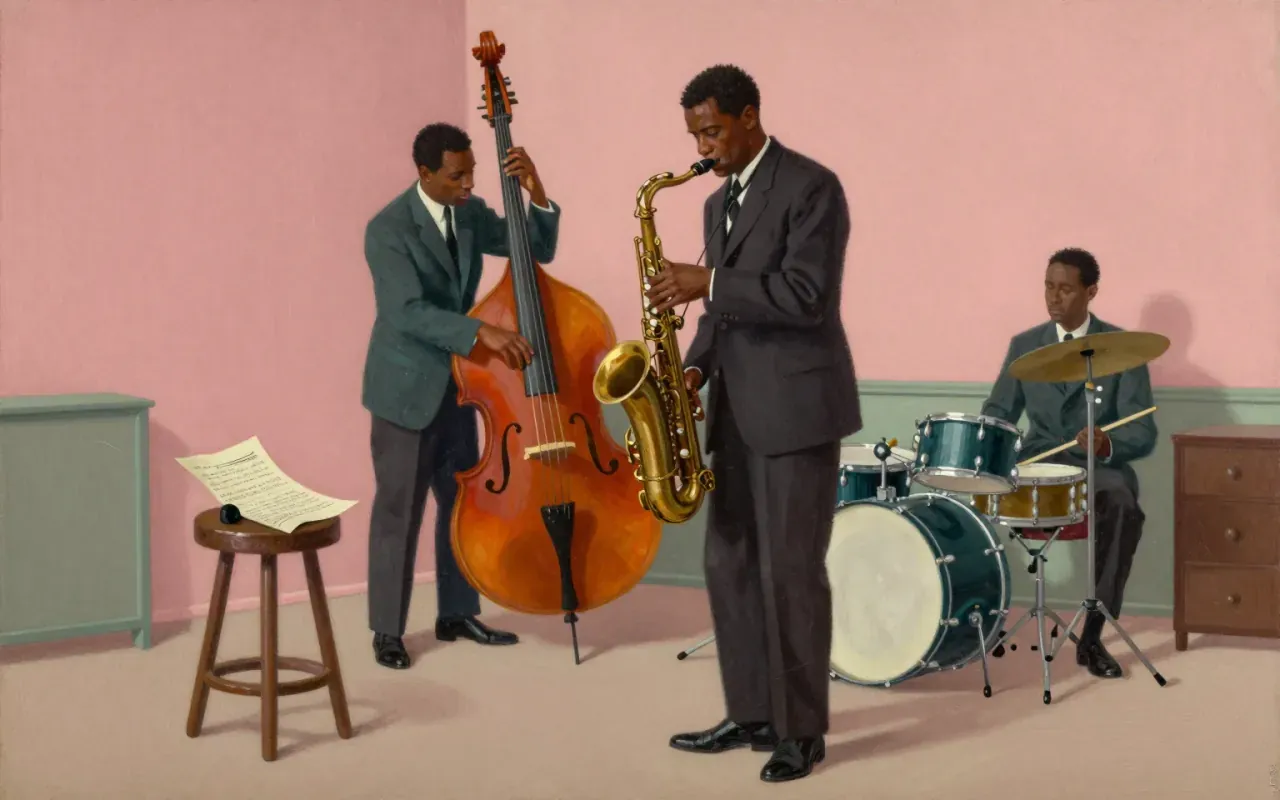
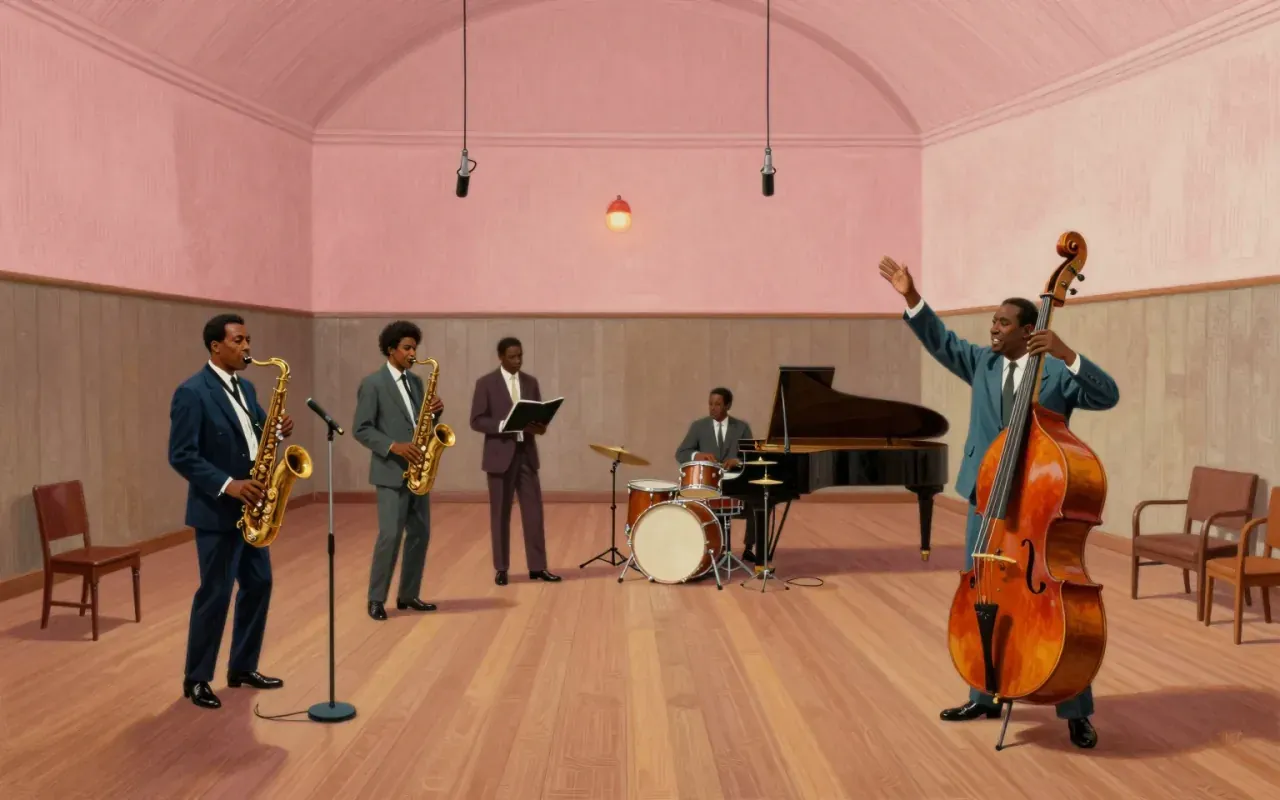
Air Lore is a 1979 album by the improvisational trio Air — Henry Threadgill (alto and tenor saxophones, flute), Fred Hopkins (double bass), and Steve McCall (drums, percussion) — performing radical reinterpretations of compositions by Scott Joplin and Jelly Roll Morton. Critics acclaim it as Air's most beloved and most remarkable work. It rejects academicism and repertory dogma in favour of ambiguity, absurdity, and avant-garde vaudeville energy. It is widely loved for its joy and irreverence, and for bringing early jazz compositions into focus as revolutionary improvisational templates rather than updating them. It is considered the essential Air album and an unsurpassed statement of historical homage to Scott Joplin rags and Jelly Roll Morton tunes from the perspective of the frontiers. Gary Giddins considers it Threadgill's key statement against repertory mania and academicism in jazz. DownBeat awarded it 5 stars, describing it as 'jazz of the absurd' — an avant-garde vaudeville infused with wackiness, where old and new coexist and emotional boundaries blur, resulting in an oddball masterpiece. The title 'Air Lore' evokes Earth's atmospheric layer of mixed gas retained by gravity, serving as a protective buffer and composed precisely of nitrogen, oxygen, argon, carbon dioxide, and trace gases.
10:23

Here’s Little Richard

Little Richard · 1957

Here’s Little Richard is not a retrospective — it is the moment rock and roll became audible. Twelve tracks. No fat. No delay. Just piano, voice, horns, bass, and drums — locked in, loud, and unrepentant.

10:37

The Rite of Spring

Igor Stravinsky · 1960

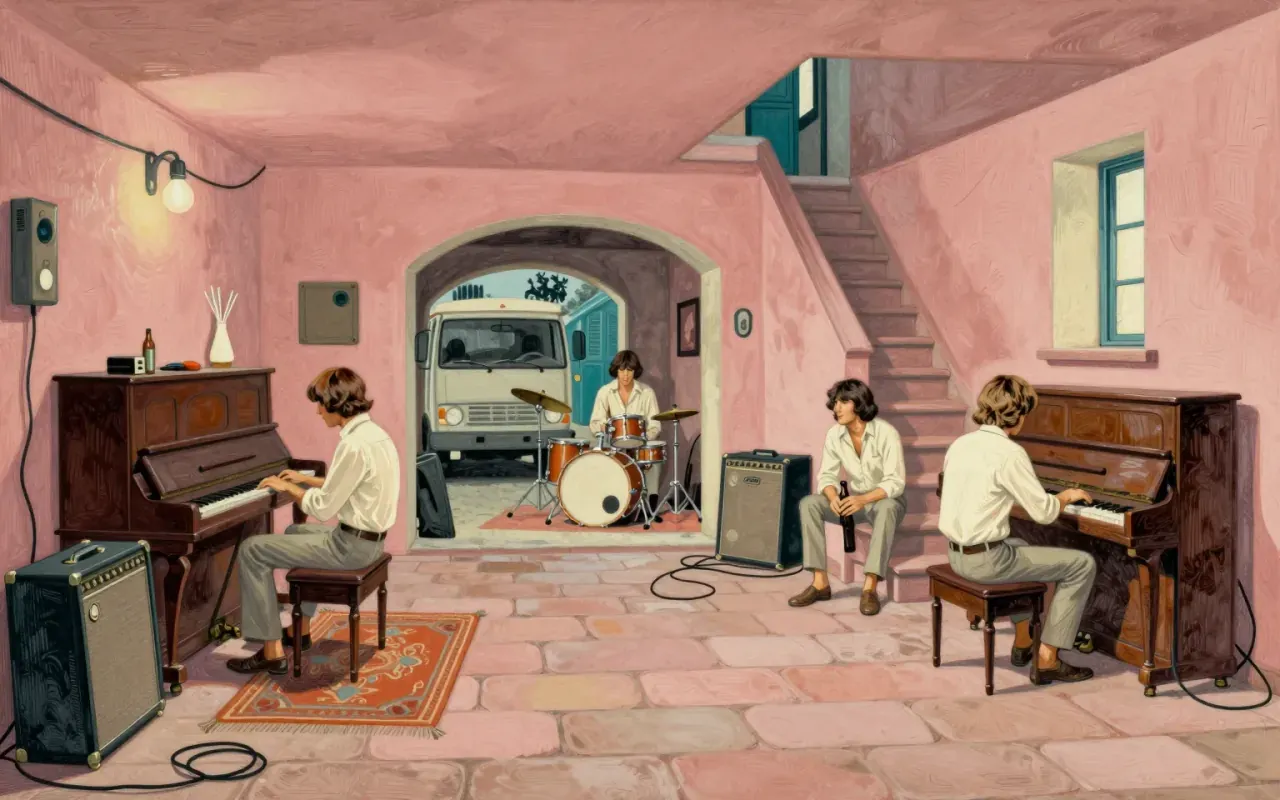
A 1960 recording of Stravinsky’s 1913 ballet score, conceived as a solemn pagan rite depicting a young girl dancing herself to death. Composed in a tiny room in Clarens, Switzerland, using a muted upright piano. Its sound features uneven rhythms, superimposed harmonies, atonality, and extensive instrumentation. The opening bassoon melody derives from a Lithuanian folk song anthology. Its 1913 premiere caused a near-riot due to its avant-garde nature. It scattered musical language irreversibly, influencing composers including Copland, Glass, Bartók, and Boulez.

13:00

A Love Supreme

John Coltrane · 1965

Recorded in one day in December 1964 at Rudy Van Gelder's New Jersey studio, A Love Supreme is John Coltrane's four-movement statement of gratitude, made with the quartet of McCoy Tyner, Jimmy Garrison and Elvin Jones. Built around a four-note bass figure that becomes a chanted phrase and later a saxophone recitation of Coltrane's own written poem, it plays as a single sustained piece rather than a collection of tunes.
13:00

Abbey Road

The Beatles · 1969

Recorded mainly across April, July and August 1969 at Abbey Road and other London studios, Abbey Road was the Beatles' final recorded album, made under producer George Martin on the condition that the group work with the discipline of their earlier records. Built around McCartney's push for a continuous medley on side two and Harrison's two strongest contributions to the catalogue, it closed the group's studio career with the Moog synthesiser and a solid-state mixing desk giving it a different texture from anything they had made before.

13:00

Astral Weeks

Van Morrison · 1968

Astral Weeks is Van Morrison's second solo album, recorded in three sessions at Century Sound Studios in New York in late 1968 with a group of jazz musicians assembled by producer Lewis Merenstein. A sharp break from his pop singles, it sold modestly on release and has since been treated as one of the defining records of its era.

13:00

Blue

Joni Mitchell · 1971

Written and produced entirely by Joni Mitchell and recorded at A&M Studios in Hollywood through late 1970 and early 1971, Blue works through the end of her relationship with Graham Nash, a new one with James Taylor, and a daughter she had given up for adoption years earlier. Built mostly around her own guitar, piano and Appalachian dulcimer with a handful of guest players, it became the record against which her later work, and much of the singer-songwriter movement that followed, has been measured.

13:00

Closer

Joy Division · 1980

Closer is Joy Division's second and final album, made at Britannia Row Studios in London in March 1980 and released that July, two months after Curtis's suicide. Martin Hannett produced again, pushing further into synthesisers and drum machines than on the debut, while Hook and Sumner still argued with his mixing choices. J.G. Ballard's fiction shaped several lyrics, most directly on the opening track. The record topped critics' year-end lists before its title became impossible to hear as anything but literal.

13:00

Die Mensch·Maschine

Kraftwerk · 1978

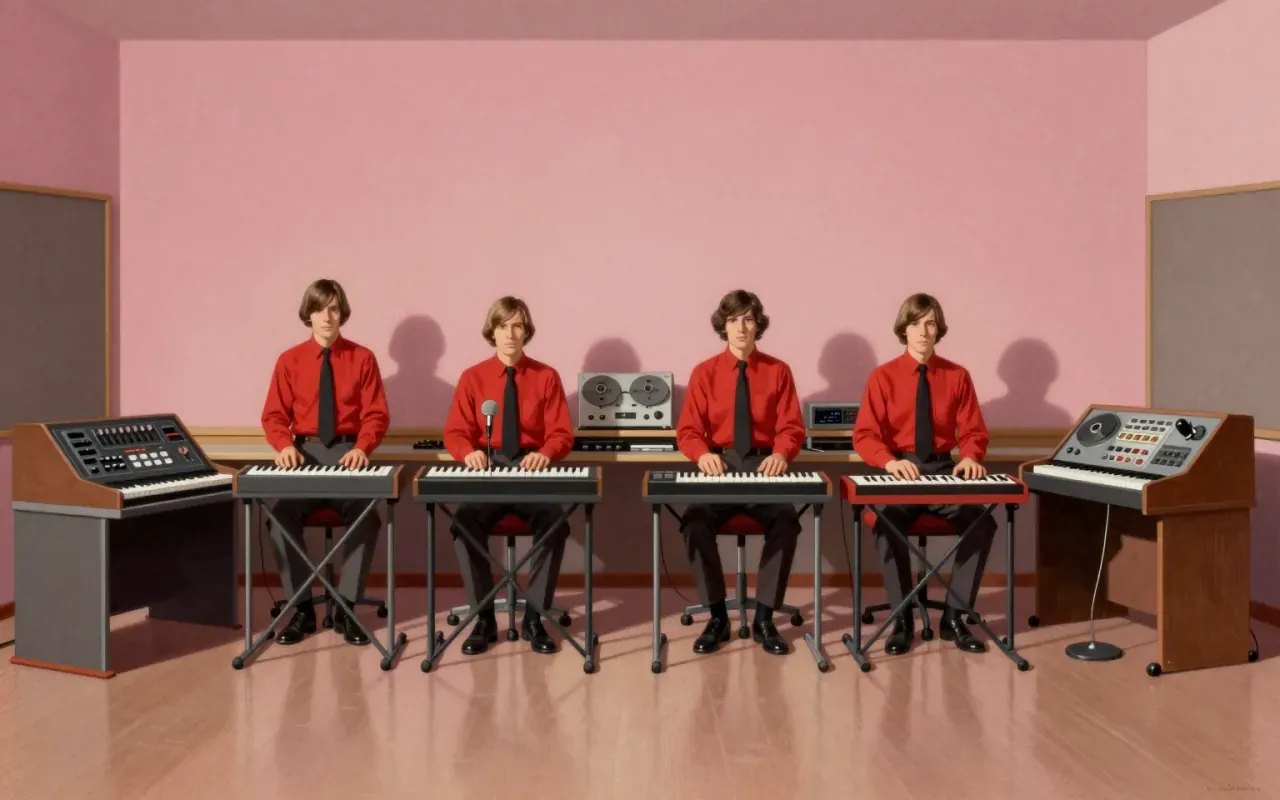
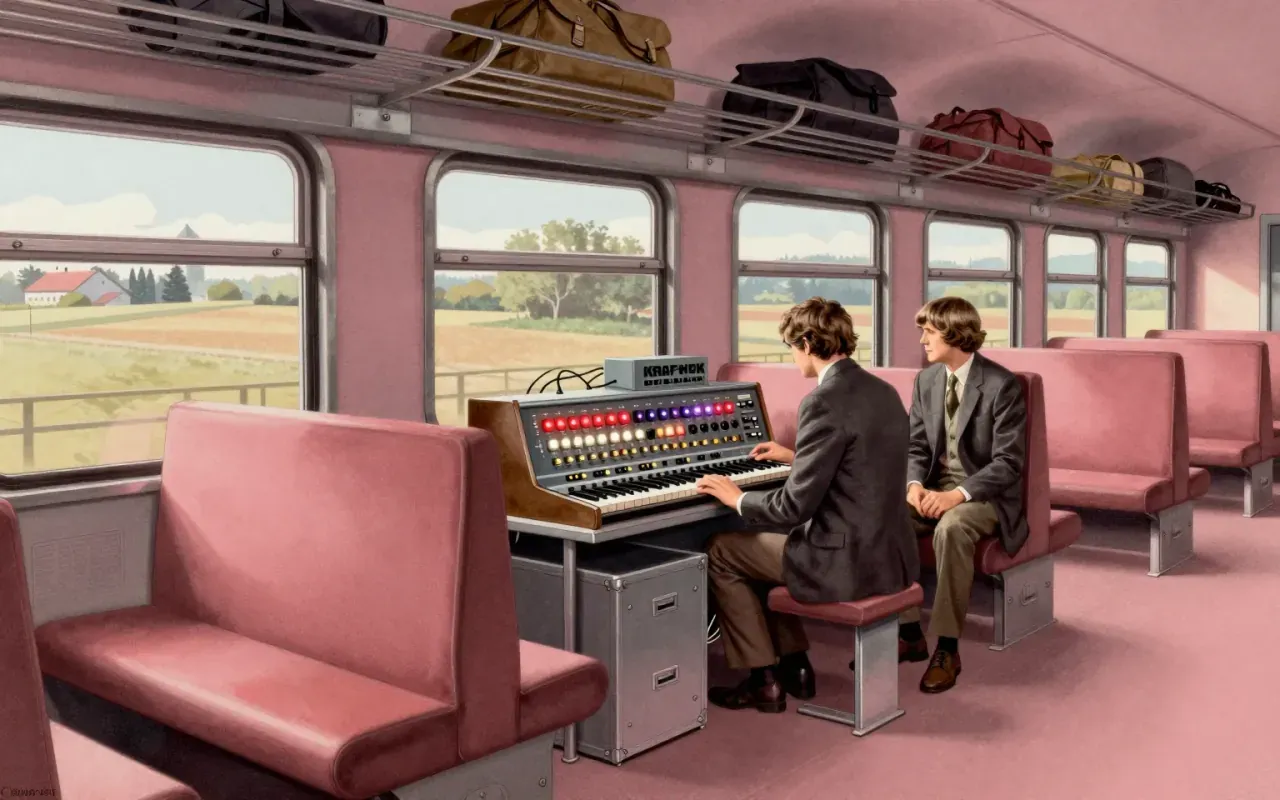
Recorded entirely at the band's own Kling Klang studio in Düsseldorf and released in 1978, this seventh Kraftwerk album pares the group's mechanical style down further and points it toward the dance floor. Six tracks address the Cold War, industrial manufacturing and the growing closeness between people and machines, wrapped in artwork built on Russian avant-garde design, and it left a direct mark on the synth-pop and new wave that followed.

13:00

Dummy

Portishead · 1994

Recorded without digital equipment in Bristol, Portishead's Dummy layers Beth Gibbons's vocals over sampled soul, spy-soundtrack strings and deliberately worn vinyl, a debut that helped define trip hop while staying stranger and colder than the genre it is credited with starting.

13:00

Enter the Wu‐Tang (36 Chambers)

Wu‐Tang Clan · 1993

Produced almost entirely by RZA on a tight budget, Enter the Wu-Tang (36 Chambers) turns nine distinct voices and a stack of martial-arts film samples into a single, gritty debut that reintroduced New York to the top of hip-hop.

13:00

Exile on Main St.

The Rolling Stones · 1972

Exile on Main St. is the Rolling Stones' tenth studio album, recorded between 1969 and 1972 in sessions that moved from Olympic Studios in London to Keith Richards's rented villa at Nellcote in the south of France, where the band had relocated after a tax dispute, and finally to Sunset Sound in Los Angeles for overdubs. Producer Jimmy Miller worked with a rotating cast including Nicky Hopkins, Bobby Keys and Dr. John. The eighteen-track double album drew on blues, gospel and country and was received coolly at first, before critics spent the rest of the decade reversing that judgement.

13:00

“Heroes”

David Bowie · 1977

Bowie, Brian Eno and Tony Visconti regrouped at Hansa Studio 2 in West Berlin in mid-1977, months after finishing Low, and built songs largely from scratch in the room with a returning rhythm section and a guest guitarist flown in on short notice. The setting bleeds into the record, and the title track has outlasted almost everything else Bowie made.

13:00

Illmatic

Nas · 1994

Recorded across Manhattan studios by a teenager from Queensbridge, Illmatic sets Nas's dense, internal-rhyme narration against beats built separately by DJ Premier, Pete Rock, Q-Tip, Large Professor and L.E.S, arriving as a compact, unhurried document of one New York housing project.

13:00

Kind of Blue

Miles Davis · 1959

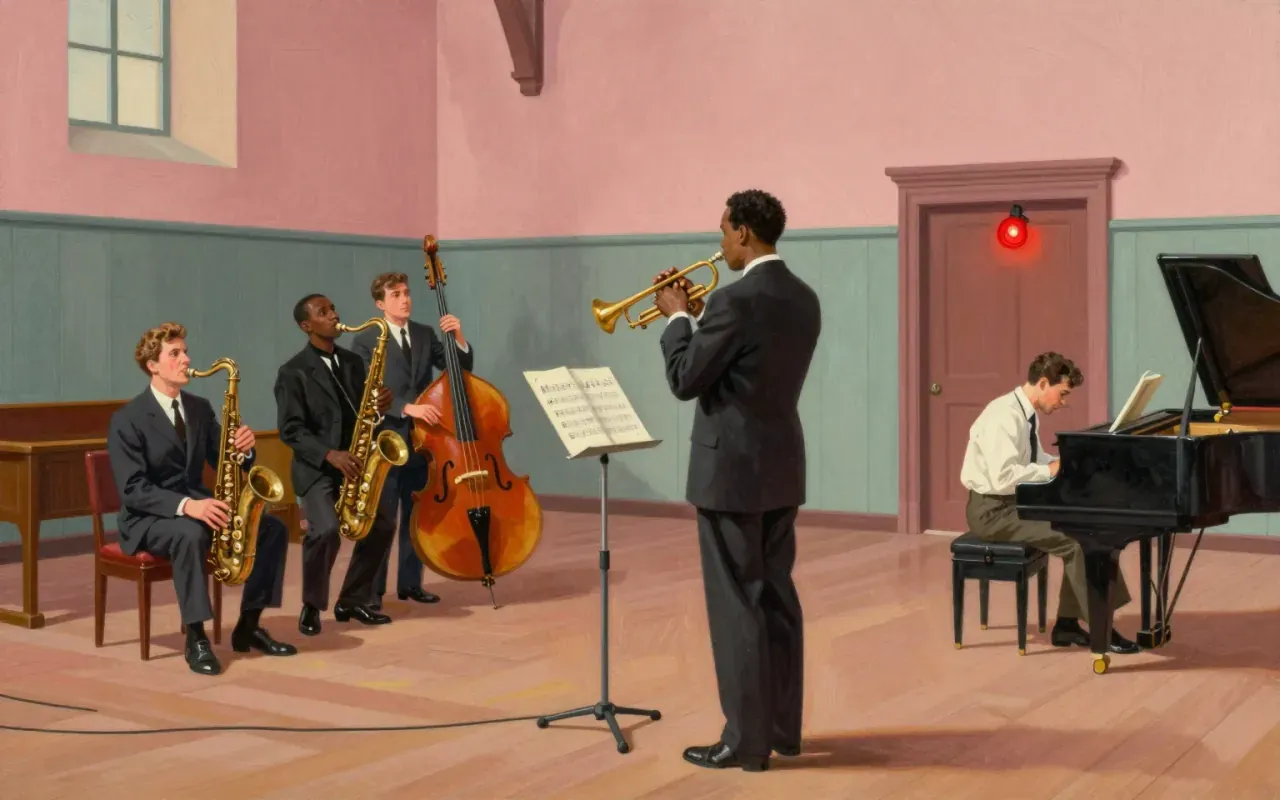
Recorded in two sessions in March and April 1959 at Columbia's 30th Street Studio, Kind of Blue found Miles Davis trading bebop's dense chord changes for loose modal sketches, handed to his sextet with barely any rehearsal. The gamble produced five tracks, from So What to Flamenco Sketches, that have shaped how musicians well outside jazz think about improvisation ever since.

13:00

King Tubbys Meets Rockers Uptown

Augustus Pablo · 1976

Augustus Pablo cut these tracks with a top-tier Kingston rhythm section, then carried the tapes to King Tubby's studio for mixing that turned rebuilt rhythms into a defining dub statement. Reissued repeatedly since 1976, it remains one of the most consistently reappraised dub records of its decade, anchored by a title track ranked among the greatest recordings in popular music.

13:00

Laughing Stock

Talk Talk · 1991

Recorded across a year at Wessex Sound Studios with producer Tim Friese-Greene, Laughing Stock is the final Talk Talk album, made by a reduced duo of Mark Hollis and Lee Harris after bassist Paul Webb's departure. Built from improvisation and ruthless editing, it closed the band's career on a record now treated as a landmark of post-rock.

13:00

[Led Zeppelin IV]

Led Zeppelin · 1971

Recorded largely in the relaxed, distraction-free setting of a Hampshire country house after a cooler reception for its predecessor, Led Zeppelin's fourth album carries no title or band name at all, pairing folk instrumentation and English mythology with some of the group's heaviest studio recordings.

13:00

London Calling

The Clash · 1979

London Calling is the Clash's third album, an eighteen-song double LP recorded at Wessex Sound Studios over roughly six weeks in 1979 under producer Guy Stevens, with Bill Price engineering. After a year of writer's block, the band rehearsed in a Pimlico garage and returned with material stretched across reggae, rockabilly, ska and American R&B rather than straight punk. Released in December 1979 in Britain, it sold at the price of a single record and has since sold several million copies worldwide.

13:00

Loveless

my bloody valentine · 1991

Loveless took My Bloody Valentine from February 1989 to September 1991 to finish, moving through nineteen studios and a rotating cast of engineers as Kevin Shields pursued a heavily layered, endlessly revised sound built on glide guitar and digital sampling. The cost and chaos nearly broke the band's label, Creation Records, but the finished album redefined what a guitar could sound like and became the defining record of the shoegaze scene.

13:00

Low

David Bowie · 1977

Made after Bowie left a Los Angeles addiction behind for Europe, Low pairs Tony Visconti's harmonized drum sound with Brian Eno's ambient textures, opening with fractured songs before giving its second side over to instrumental mood pieces.

13:00

Marquee Moon

Television · 1977

Marquee Moon is Television's debut, recorded at A&R Recording in New York in November 1976 after the CBGB regulars spent years turning down record deals they judged wrong for them. Produced by frontman Tom Verlaine and engineer Andy Johns, it favours interlocking guitar lines and extended structures over the blunt riffs of the punk scene the band emerged from, and its influence on the rock guitar playing that followed has far outpaced its modest original sales.

13:00

Mingus Ah Um

Charles Mingus · 1959

Charles Mingus's first album for Columbia, recorded in May 1959, gathers tributes to Lester Young, Duke Ellington and Jelly Roll Morton alongside Fables of Faubus, a satire of Arkansas's segregationist governor recorded without its banned lyrics. A tight sextet, led from the bass, turns gospel, blues and big-band writing into a single, coherent argument about jazz's own history.

13:00

Music From Big Pink

The Band · 1968

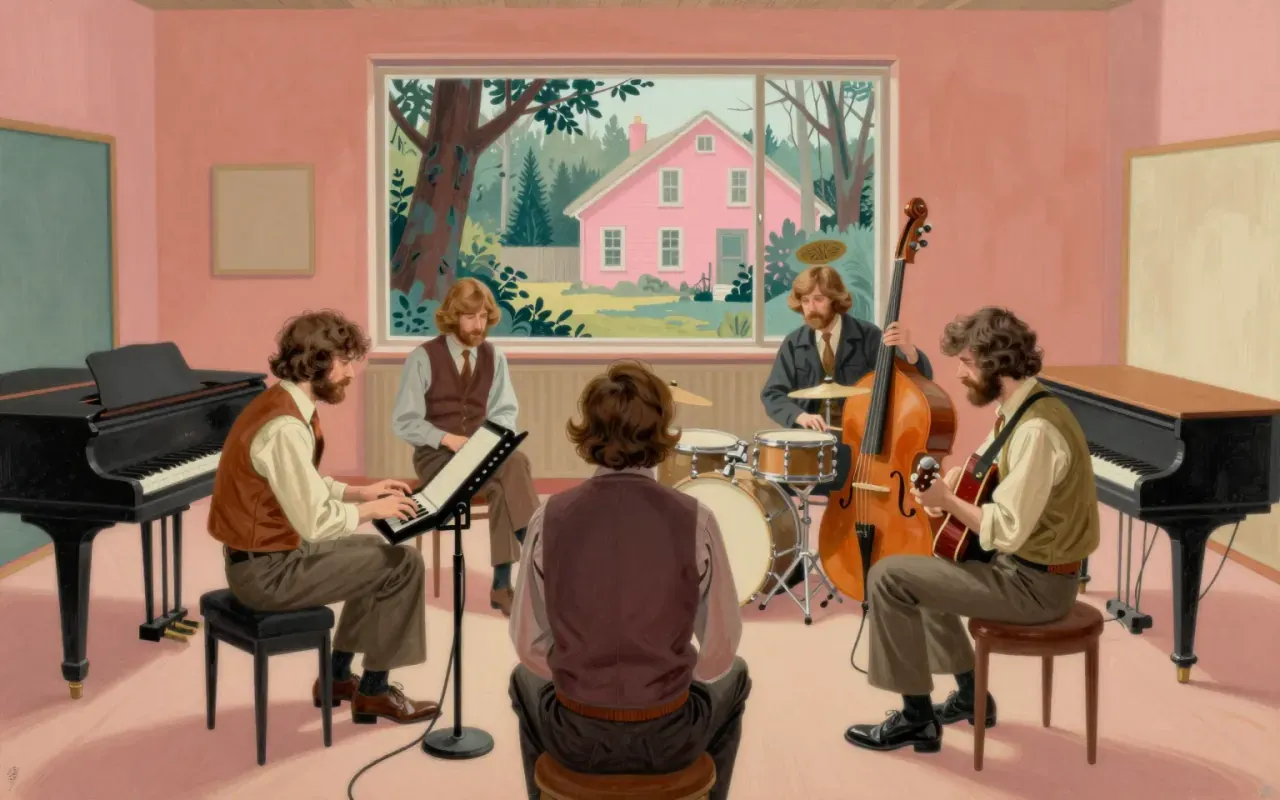
Recorded live with minimal overdubbing after years spent behind Bob Dylan, Music From Big Pink lets Rick Danko, Levon Helm and Richard Manuel trade lead vocals over Garth Hudson's organ and Robbie Robertson's economical guitar, trading psychedelic ambition for a communal, backward-looking sound that quietly reshaped rock's direction.

13:00

Paul’s Boutique

Beastie Boys · 1989

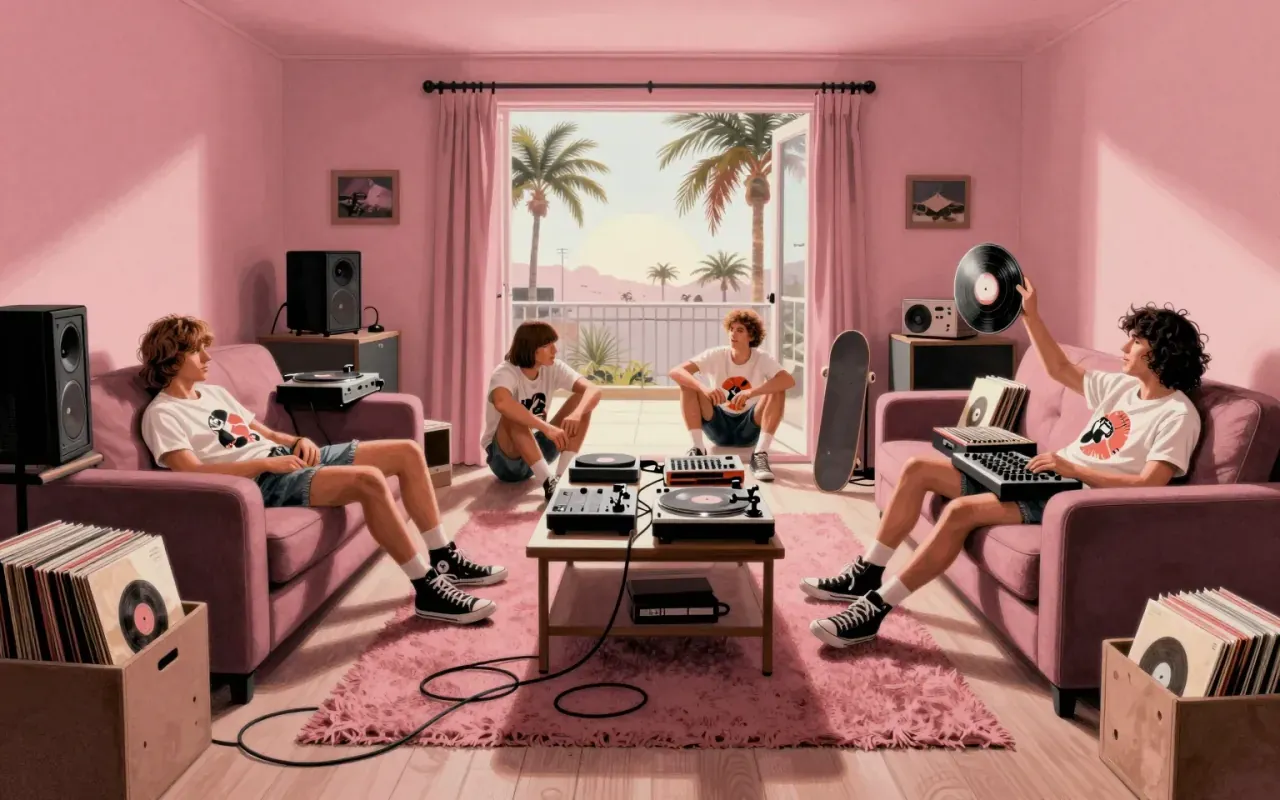
Recorded with the Dust Brothers in a Los Angeles apartment and mixed at the Record Plant, Paul's Boutique layers over a hundred samples from funk, soul, rock and jazz beneath the Beastie Boys' densest, most reference-packed writing, a commercial miss on release that became hip-hop's most studied sample record.

13:00

Pet Sounds

The Beach Boys · 1966

Written mostly with advertising lyricist Tony Asher after Brian Wilson stepped back from touring, this eleventh Beach Boys album replaced the group's own playing with hired Los Angeles session musicians and spent an unprecedented budget chasing a more introspective, orchestrally arranged kind of pop than the band had attempted before.

13:00

Remain in Light

Talking Heads · 1980

Made across studios in Nassau and New York with producer Brian Eno in mid-1980, Remain in Light grew out of instrumental jams built on African polyrhythm rather than finished songs, with David Byrne adding scattered, half-improvised lyrics only once the band returned to the United States. Extra musicians, a struggling frontman and a near-collapse in the writing process all shaped a record now widely treated as the band's finest hour.

13:00

Revolver

The Beatles · 1966

Made in the months after the Beatles stepped back from touring, this seventh album turns Abbey Road into an instrument in its own right — tape loops, a string octet, a sitar-led raga and songs about death, taxes and transcendence sit side by side across a lean thirty-five minutes.

13:00

Rumours

Fleetwood Mac · 1977

Rumours is the eleventh Fleetwood Mac album, made in 1976 at the Record Plant in Sausalito while the band's two couples were separating and drug use ran unchecked through the sessions. Produced by the band with Ken Caillat and Richard Dashut, it became one of the best-selling albums ever made and remains the group's defining statement.

13:00

Selected Ambient Works 85–92

Aphex Twin · 1992

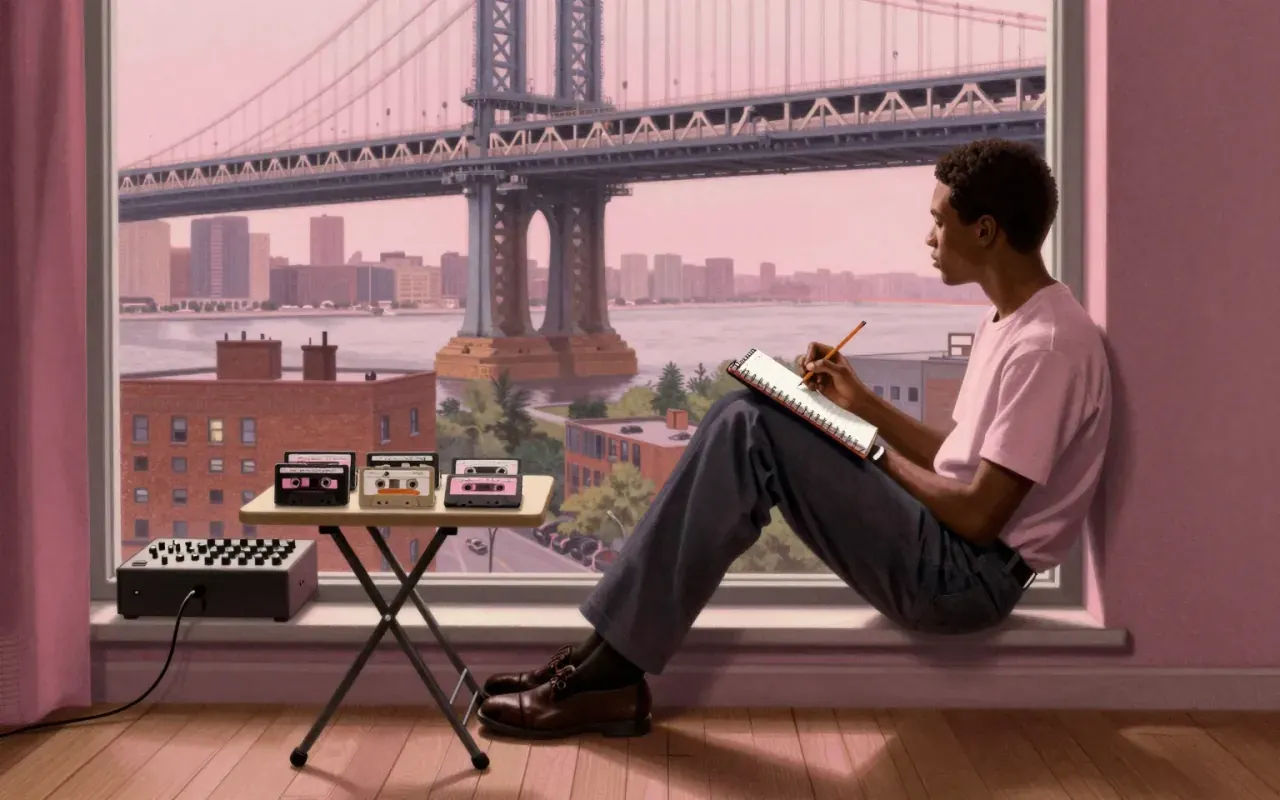
Selected from years of cassette recordings Richard D. James made from age thirteen on equipment he built himself, this debut curated by label head Renaat Vandepapeliere reads as a fully formed statement rather than a curiosity. Its melodic, sometimes industrial tracks pair beauty with unease and remain a founding document of ambient techno.

13:00

Sign “☮︎” the Times

Prince · 1987

Stripped from an abandoned triple album down to a still-vast double, Sign o' the Times finds Prince alone in the studio job-lot of genres — funk, gospel, electro, rock — sung partly through a pitched-up alter ego and driven by a house-bound cluster of drum machines and samplers.

13:00

Songs in the Key of Life

Stevie Wonder · 1976

Made after Stevie Wonder seriously considered leaving music to work with disabled children abroad, and released only once he had signed one of the largest recording contracts in history, this double album plus bonus EP moves through faith, parenthood, injustice and romance while Wonder plays the overwhelming majority of the instruments himself.

13:00

Spirit of Eden

Talk Talk · 1988

The fourth Talk Talk album, recorded at Wessex Studios through 1987 and 1988 with producer Tim Friese-Greene, turned hours of improvised playing into six songs of near-silence and sudden noise. It flopped commercially and became, over decades, one of the most influential records of its kind.

13:00

Tago Mago

Can · 1971

Recorded across three months in a rented castle, with Damo Suzuki newly installed as vocalist, Tago Mago pairs a first disc of confident, rhythm-driven songs with a second built almost entirely from Holger Czukay's tape editing and hidden studio recordings, a split the band's manager insisted stay intact.

13:00

The Dark Side of the Moon

Pink Floyd · 1973

Pink Floyd's eighth album, built around a theme Roger Waters proposed at a 1971 band meeting and tested on tour for more than a year before it was finished, sets songs about time, money, conflict and mental collapse inside some of the clearest studio production of its decade.

13:00

The Miseducation of Lauryn Hill

Lauryn Hill · 1998

Written and largely produced by Lauryn Hill after she left the Fugees and became pregnant, The Miseducation of Lauryn Hill mixes hip-hop, soul and reggae recorded partly at Tuff Gong in Kingston, built around live instrumentation and a set of collaborators later credited only after a lawsuit.

13:00

The Rise and Fall of Ziggy Stardust and the Spiders From Mars

David Bowie · 1972

Recorded fast at Trident Studios with Mick Ronson's guitar doing much of the heavy lifting, Ziggy Stardust turns a loosely stitched science-fiction plot into cover for songwriting about sex, stardom and ruin that the early-seventies charts would not otherwise have carried under Bowie's own name.

13:00

The Velvet Underground & Nico

The Velvet Underground, Nico · 1967

Financed by Andy Warhol and mostly recorded in four days in a Manhattan studio in 1966, this debut pairs a minimalist's drone instincts with Lou Reed's flatly reported songs about addiction and the demimonde around Warhol's circle, and sold almost nothing on release before becoming one of the most cited records in rock.

13:00

Trans Europa Express

Kraftwerk · 1977

Recorded at the band's own Kling Klang facility in Düsseldorf and finished with sessions in Hamburg and Los Angeles, this sixth Kraftwerk album refines the group's earlier improvised style into tight, sequenced songcraft. Built around a new custom sequencer and versions cut separately in German, English and French, it turns a train service into a symbol for a Europe the band wanted to claim as their own, apart from war-era associations attached to their earlier work.

13:00

Untrue

Burial · 2007

Made alone with the software Sound Forge rather than a studio, Untrue pulls apart vocal samples and phone recordings into androgynous, half-familiar fragments set over skipping garage-inflected beats. It turned a London producer's private, late-night working method into one of the more significant electronic records of its decade.

13:00

What’s Going On

Marvin Gaye · 1971

Released in 1971 on Motown's Tamla imprint, What's Going On was the first Marvin Gaye album he produced himself, built from grief, a stalled football tryout and a label boss who initially wanted nothing to do with the title track. The result plays as one continuous piece rather than a run of singles, moving from a returning soldier's disillusionment to ecological unease without ever raising its voice.

8:42

12 Songs

Randy Newman · 1970

12 Songs is Randy Newman’s second studio album, released in April 1970 by Reprise Records. It features a swampy style of roots music with introspective, satirical songwriting; demonstrates Newman's eccentric mix of traditional pop song structures and sardonic, satirical humor; contains his most mordant character studies, which boast a recognizable humanity; counterposes his indolent drawl against instrumental settings ranging from rock to bottleneck to various shades of jazz; includes several songs previously recorded by other artists; features a stellar trio of guitarists — Ry Cooder, Clarence White, and Ron Elliott; and replaces the orchestra with an Americana rock rhythm section.

8:43

400 Degreez

Juvenile · 1998

400 Degreez is a foundational New Orleans hip-hop record defined by its production method — lyrics first, live keyboards only, no sampling — and its regional coherence. It is not a crossover bid. It is a local document made with daily discipline and total instrumental control.

10:02

A Meeting by the River

Ry Cooder · 1993

A Meeting by the River is a 1993 Grammy-winning world music crossover album recorded in September 1992 by Ry Cooder on slide guitar and Vishwa Mohan Bhatt on the Mohan veena—an instrument Bhatt created—with Joachim Cooder on dumbek and Sukhvinder Singh Namdhari on tabla. The session was unplanned and unrehearsed: Cooder and Bhatt met less than an hour before recording began. Produced and engineered by Kavichandran Alexander, it features voice-like phrasing, alternating and unison melodic lines, and improvisation rooted in Hindustani classical tradition and blues sensibility. Its four tracks—'A Meeting by the River', 'Longing', 'Ganges Delta Blues', and 'Isa Lei'—are noted for clarity, distinctness, and three-dimensional sound quality.

8:46

A Moon Shaped Pool

Radiohead · 2016

A Moon Shaped Pool is Radiohead’s ninth studio album, released in 2016. It features Jonny Greenwood’s orchestral arrangements, includes older material such as 'True Love Waits', and incorporates strings and choral vocals by the London Contemporary Orchestra. The album was released digitally in May 2016 and physically in June via XL Recordings. Its sessions were affected by personal events including Nigel Godrich's father's death and Thom Yorke's separation from and later loss of his wife Rachel Owen, who died from cancer in 2016. The album was promoted with music videos for 'Daydreaming' and 'Burn the Witch' and received critical acclaim, appearing on year-end best-album lists and earning Grammy nominations including Best Alternative Music Album and Best Rock Song for 'Burn the Witch'. It became Radiohead's sixth UK number-one album and reached number three in the US. It was also nominated for the Mercury Prize, making Radiohead the most shortlisted act in Mercury history. The album was recorded at La Fabrique studio near Saint-Rémy-de-Provence, France, after initial work began in September 2014. Radiohead had previously attempted to write a theme for the James Bond film Spectre, but both submissions were rejected and later released independently. The album's release marked a return to more emotionally resonant and less cynical lyrical themes compared to earlier works, conveying wonder and amazement rather than alienation or political anger. It was followed by extensive touring across Europe, Japan, and North and South America, featuring Clive Deamer on drums until 2018, and later Chris Vatalaro on the 2025 tour. The album's production involved long-standing collaborators Nigel Godrich (producer), Stanley Donwood (cover artist), and Paul Thomas Anderson (music video director).

11:45

A Night at the Village Vanguard

Sonny Rollins · 1957

A Night at the Village Vanguard is a live 1957 Sonny Rollins album recorded on November 3 at the Village Vanguard in New York City. Released by Blue Note in 1958. The first live recording ever made at that venue. Features three sets: one afternoon with Donald Bailey and Pete LaRoca, two evenings with Wilbur Ware and Elvin Jones. Pianoless tenor-bass-drums trio format — pioneering 'strolling'. No studio mediation. No overdubs.

9:47

A Sailor’s Guide to Earth

Sturgill Simpson · 2016

A Sailor’s Guide to Earth is a live-recorded, self-produced orchestral-soul detour from country orthodoxy — anchored by real strings, real horns, real steel guitar, and real ensemble interplay.

11:02

Ace of Spades

Motörhead · 1980

Ace of Spades is Motörhead’s most focused album — recorded fast, mixed clean, performed tighter, and released without delay. It trades nothing for chart success. It is not metal. It is not punk. It is Motörhead: bass, guitar, drums, attitude, and zero waste.

9:59

After School Session

Chuck Berry · 1957

After School Session is Chuck Berry’s debut studio album, released in May 1957 by Chess Records. It compiles twelve tracks recorded across five sessions at Universal Recording Corporation in Chicago between May 1955 and January 1957. Most songs had previously appeared as singles. The album features Chuck Berry on vocals and guitar, Johnnie Johnson on piano, and contributions from Willie Dixon, Fred Below, L. C. Davis, Jasper Thomas, Ebby Hardy, Otis Spann, Jimmy Rogers, and Jerome Green. Steel guitar appears on 'Deep Feeling'. The sequencing reflects single release order, not recording chronology. It arrived during Berry’s peak commercial and creative period, when he was already an established star with hit records, film appearances, and a touring career.

9:33

Ágætis byrjun

Sigur Rós · 1999

Ágætis byrjun is Sigur Rós’s second studio album, recorded between summer 1998 and spring 1999 with producer Ken Thomas. It marks a stylistic shift from Von, introducing Jónsi’s cello-bowed guitar and orchestration including a double string octet. It features self-reference (backmasked title track in the intro; 'Avalon' as a slowed alternate take of 'Starálfur'), palindromic strings on 'Starálfur', and vocals in Icelandic except for 'Olsen Olsen' and the final section of the title track, both in Vonlenska. It brought international acclaim, spread by word of mouth, and appeared in Vanilla Sky and The Life Aquatic.

10:56

Amor Prohibido

Selena · 1994

Amor Prohibido is Selena’s fourth studio album, released 22 March 1994. It was recorded over six months at Manny Guerra’s San Antonio studio, engineered by Brian "Red" Moore, squeezed between touring and boutique openings. Keyboard sequencing opened the first session — which ran until 4 a.m. — followed by instrumental tracking, then Selena’s vocals (completed in two weeks), then two weeks of post-production. The band rehearsed all music in advance. Progress stalled; the band rushed to meet a deadline. The album explores forbidden love, infidelity, and heartbreak. It popularised Tejano music among a younger and wider audience than at any other time in the genre’s history. It spawned four US Latin number-one singles: 'Amor Prohibido', 'Bidi Bidi Bom Bom', 'No Me Quidra Más', and 'Fotos Y Recuerdos'. It became one of the best-selling Latin albums in the US and was among the best-selling US albums of 1995 — certified 36× platinum by the RIAA for 2.16 million album-equivalent units.

10:00

Art Pepper Meets the Rhythm Section

Art Pepper · 1957

Art Pepper Meets the Rhythm Section is a 1957 jazz album recorded in one day at Contemporary’s Studios in Los Angeles, featuring Art Pepper on alto saxophone and the Miles Davis rhythm section — Red Garland, Paul Chambers, and Philly Joe Jones — musicians Pepper had never met before and learned he would play with only that morning. He played on a malfunctioning instrument while struggling with addiction. Accounts differ on how long he’d gone without playing — two weeks or six months — but the pressure was real, and the sound bears it. It is one of Pepper’s best-known 1950s albums, released on Contemporary in 1957 — not a comeback, not a debut, but a sudden, singular convergence.

9:08

Ascenseur pour l’échafaud

Miles Davis · 1958

Ascenseur pour l’échafaud is the 1958 soundtrack album for Louis Malle’s Elevator to the Gallows, recorded in Paris in November 1957 by Miles Davis and a quartet of French and American musicians during a single improvised session.

10:48

At the Five Spot, Volume 1

Eric Dolphy · 1961

At the Five Spot, Volume 1 documents a single live night in 1961 by the co-led quintet of Eric Dolphy and Booker Little at the Five Spot Café in Manhattan. The rhythm section is Richard Davis, Mal Waldron, and Ed Blackwell. Released in 1961 on New Jazz Records.

10:35

“Awaken, My Love!”

Childish Gambino · 2016

‘Awaken, My Love!’ is a committed, cohesive plunge into psychedelic soul—no hedging, no genre tourism, no rap. It works because it trusts the weight of groove, the heat of analogue texture, and the authority of Glover’s voice as instrument first, storyteller second.

8:15

Bert Jansch

Bert Jansch · 1965

A home-recorded folk album that rewrote guitar grammar before anyone noticed.

10:12

Black Sunday

Cypress Hill · 1993

Black Sunday is a landmark commercial and cultural achievement — not a document of its production process.

11:30

Blackout

Britney Spears · 2007

Blackout is Britney Spears’ fifth studio album and the only one she executive-produced. Recording began earnestly in 2006. It was released in October 2007.

11:44

BLACKsummers’night

Maxwell · 2009

BLACKsummers'night is Maxwell’s fourth studio album and first in eight years. It was recorded between 2007 and 2009 at Chung King Studios, Bowery Digital, and Platinum Sound Recording Studios in New York City. Maxwell and Hod David produced the entire album. It is the first part of a scheduled trilogy. Its music is rooted in soul and features a more straightforward structure than Embrya. The lyrics reflect Maxwell’s romantic experiences during his sabbatical — inspired by a real-life relationship that surprised him.

10:06

Buddy Holly

Buddy Holly · 1958

Buddy Holly (1958) is his only studio album released in his lifetime. It collects twelve tightly arranged rock and roll tracks recorded between 1956 and 1958 — all featuring his core band, no strings, no stereo, no posthumous edits. It is direct, economical, and rhythmically emphatic. It does not contain any material from the October 21, 1958 string session. Its power lies in vocal precision, guitar tone, and uncluttered structure — not innovation or myth.

10:00

By All Means Necessary

Boogie Down Productions · 1988

By All Means Necessary is Boogie Down Productions’ 1988 second studio album, released April 12, 1988. KRS-One wrote, produced, and performed every track alone. It features minimalist production and hard-hitting drum beats. Sampling is central: 'My Philosophy' uses Stanley Turrentine’s 'Sister Sanctified'; 'Ya Slippin’' interpolates Deep Purple’s 'Smoke on the Water' and reuses the 'Poetry' beat; 'Stop the Violence' uses Courtney Melody’s 'This Sound a Dem Trouble' riddim; 'Illegal Business' samples Fat Albert’s 'Creativity' and Jefferson Starship’s 'Rock Music'; 'Nervous' samples Rhythm Heritage’s 'Sky’s the Limit' and War’s 'Galaxy'; 'I’m Still #1' samples All the People’s 'Cramp Your Style'. Themes include government and police corruption, safe sex, government involvement in the drug trade, and intra-community violence. It marks KRS-One’s adoption of the 'Teacha' identity and follows DJ Scott La Rock’s murder.

9:17

Carrie & Lowell

Sufjan Stevens · 2015

Carrie & Lowell is Sufjan Stevens’ seventh studio album, released March 31, 2015. It is a set of songs written and recorded in 2014, prompted by his mother Carrie’s death from stomach cancer in 2012 and shaped by his relationship with her and his stepfather Lowell Brams.

9:40

Change of the Century

Ornette Coleman · 1960

A working model of collective improvisation — not theory, not rebellion, but four musicians building form as they go.

11:51

Chega de saudade

João Gilberto · 1959

João Gilberto’s 1958 'Chega de saudade' single inaugurated bossa nova. It used two microphones — one for voice, one for guitar — to establish equal sonic footing between them. The voice was delivered at conversational volume. The song is 68 measures long: 32 in minor, 36 in parallel major. Elizeth Cardoso recorded it first in 1957; Gilberto’s version became the hit and defined the genre. It was released on 78 rpm at Odeon in August 1958, with arrangements by Antônio Carlos Jobim and participation by Milton Banana.

9:42

Chutes Too Narrow

The Shins · 2003

Chutes Too Narrow is a pop record built for listening, not mythmaking. It trades the debut’s lo-fi haze for clean guitar-led arrangements, recorded in a Portland basement under financial constraint and physical risk. Its strength lies in what it leaves out: no filler, no obfuscation, no sonic indulgence. It lands because every decision serves the song — not the scene, not the story, not the brand.

11:13

Cloud Nine

The Temptations · 1969

‘Cloud Nine’ is the first Temptations album with Dennis Edwards and the first fully realised psychedelic soul record from Motown — made after Otis Williams told Norman Whitfield to copy Sly & the Family Stone’s ‘Dance to the Music’. It replaces balladry with traded vocals, hard-hitting drums, and droning organ lines. ‘Runaway Child, Running Wild’ stretches to nine minutes of rhythmic escalation. The record won Motown its first Grammy for Best R&B Vocal Group Performance.

10:04

Coal Miner’s Daughter

Loretta Lynn · 1970

Coal Miner's Daughter is Loretta Lynn’s sixteenth solo studio album, released 4 January 1971 by Decca Records. Five of its eleven tracks were recorded earlier for other albums, including the title song, cut 1 October 1969. It was recorded across four sessions at Bradley's Barn in Mount Juliet, Tennessee, produced by Owen Bradley, engineered by Jim Williamson, and mastered by Darrell Johnson. The ensemble features steel guitar, Dobro, banjo, multiple bass players, and The Jordanaires’ background vocals. The title track reached No. 1 on the Billboard Country Chart in 1970 and became Lynn’s first entry on the Billboard Hot 100 (No. 83). It inspired her 1976 autobiography and the 1980 Oscar-winning film.

8:52

Concert by the Sea

Erroll Garner · 1956

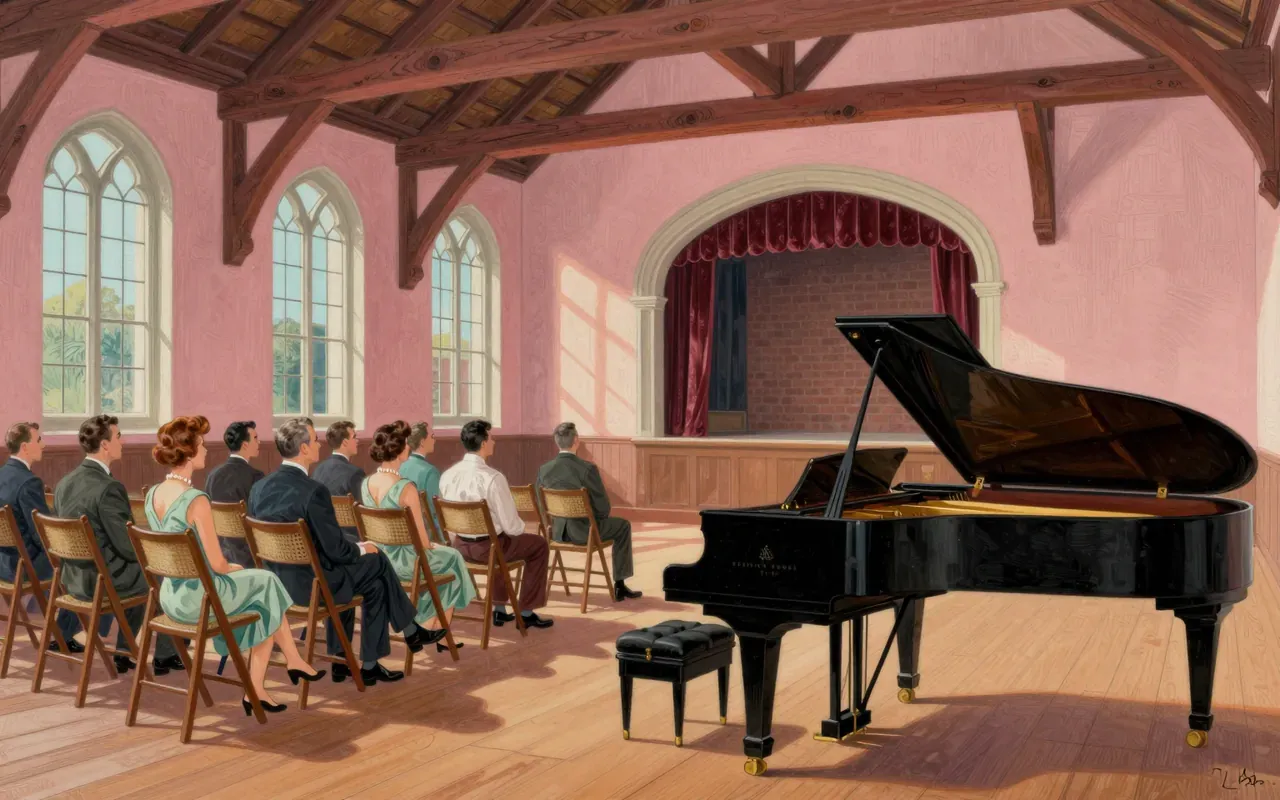
Concert by the Sea is a 1955 live Erroll Garner Trio album recorded at Sunset School in Carmel-by-the-Sea. It features Eddie Calhoun on bass and Denzil Best on drums. The piano is out of tune. The bass and drums are receded. The acoustics are poor. The recording was made with primitive sound equipment. It was captured unofficially by Armed Forces Radio Network engineer Will Thornbury. Manager Martha Glaser discovered the tape backstage, edited it, and persuaded George Avakian to release it. Servicemen from Fort Ord were bused to attend. The concert took place in a gothic-revivalist assembly hall. It was a best-selling jazz album in its day. The decision to release it was easy for Avakian.

11:32

Country Life

Roxy Music · 1974

Country Life is Roxy Music’s fourth studio album, released on 15 November 1974. It entered the US Billboard 200 Top 40 at No. 37. Rolling Stone described it as 'a cabaret for psychotics'. Its sound features Eddie Jobson’s flanged violin, German oom-pah band passages, Elizabethan textures, and boogie-blues edges. The title and cover parody the British magazine Country Life. The original cover caused US retailers to wrap the album in opaque plastic. An alternative forest-only cover was later issued.

11:07

Dare

The Human League · 1981

Dare is a methodically engineered synth-pop record, built from Linn LM-1 patterns and charted arrangements at Genetic Sound Studios in Berkshire. It uses a defined suite of early-1980s instruments and rejects avant-garde electronics in favour of emotional calibration. Its success rests on procedural discipline — not inspiration, myth, or unverified context.

10:36

Dirt

Alice in Chains · 1992

Dirt is Alice in Chains’ second studio album, released on September 29, 1992. It was recorded from April to July 1992 across three studios — Eldorado in Burbank, London Bridge in Seattle, and One on One in Los Angeles — during the 1992 Los Angeles riots. The band evacuated to Joshua Tree with Tom Araya for four or five days before resuming work. Producer Dave Jerden returned from Facelift and crafted the album’s signature guitar tone using three distinct amps: a Bogner Fish preamp for low end, a Bogner Ecstacy for mids, and a Rockman Headphone amp for highs. "Would?" was recorded earlier by Rick Parashar for the Singles soundtrack. Jerry Cantrell wrote most songs; Layne Staley wrote "Hate to Feel" and "Angry Chair" solo and played guitar on both. Six of the thirteen songs address addiction. Cantrell described the process as soul searching and cleansing accumulated emotional poison. The album yielded five Mainstream Rock charting singles and remained on the charts for nearly two years.

9:30

Dónde están los ladrones?

Shakira · 1998

Dónde Están los Ladrones? is Shakira’s fourth studio album, released in September 1998. Recorded over nine months at Crescent Moon Studios in Miami—the studio of Gloria and Emilio Estefan—it features rock en español blended with Latin pop and Middle Eastern musical influences. Shakira led artistic production with full control over material, arrangements, and final approval; Emilio Estefan served as executive producer. Vintage equipment—including old amplifiers and a 40-year-old German microphone—was used alongside innovative instrumental mixes. Collaborators included Luis Fernando Ochoa, Lester Mendez, Javier Garza, Pablo Flores, and Estéfano Salgado. The album topped the U.S. Latin Albums chart for 11 weeks, sold over 7 million copies globally, and earned a 1999 Grammy nomination for Best Latin Rock or Alternative Album. It represents the culmination of Shakira’s early Spanish-language career and the foundation for her subsequent global expansion.

9:54

Dust Bowl Ballads

Woody Guthrie · 1940

Dust Bowl Ballads is Woody Guthrie’s first commercial recording, made in two sessions at Victor Studios in Camden, New Jersey — primarily on April 26, 1940, with two additional tracks recorded on May 3 — and originally issued in 1940 as eleven songs across two three-disc 78 rpm sets. Twelve sides were pressed, with 'Tom Joad' split across both sides of one disc due to its length; two other recorded songs were excluded from the original release for the same reason.

9:43

Eli and the Thirteenth Confession

Laura Nyro · 1968

Laura Nyro’s 1968 album Eli and the Thirteenth Confession is a densely layered, piano-driven work built from multi-tracked vocals, strings, and a rotating ensemble of session players. It merges pop form with avant-garde jazz sensibility and centres on themes of passion, love, death, and drugs. Widely regarded as one of her best works, it was written entirely by Nyro and arranged and co-produced by Charlie Calello.

10:22

Elvis

Elvis Presley · 1956

Elvis Presley’s 1956 debut album is a pivot point made audible: five Sun recordings and seven RCA tracks, with guitar replacing piano on R&B covers, vocals prioritised over polish, and zero studio artifice. It topped Billboard for ten weeks — not as novelty, but as necessity.

11:32

Elvis Is Back!

Elvis Presley · 1960

Elvis Is Back! is a decisive, studio-crafted pivot — not a nostalgic return. Its sound is anchored by new technology (three-track, U-47 mics), deliberate personnel choices (Moore, Fontana, Randolph, Jordanaires), and Presley’s own acoustic guitar work. It avoids film material and pre-army tropes. It lands hardest where it commits to blues menace and vocal precision — not charm or spectacle. It rewards attention to process, not persona.

10:20

Fine Line

Harry Styles · 2019

Fine Line is a studio-recorded, emotionally direct pop record shaped by personal rupture and musical lineage. Its power lies in tactile choices — the dulcimer’s resonance, the room’s air, the decision to let a piano note decay instead of cutting it. It refuses to resolve its contradictions. That is its line — fine, deliberate, and held.

10:32

First Take

Roberta Flack · 1969

First Take is a piano-and-voice record made in ten hours. It is elegant. It is fused. It is ‘The First Time Ever I Saw Your Face’. Nothing more, nothing less.

9:57

Five Leaves Left

Nick Drake · 1969

Five Leaves Left is Nick Drake’s 1968 debut, recorded live at Sound Techniques in London between May 1968 and April 1969. Drake sang and played acoustic guitar simultaneously with a string section—no overdubbing. Producer Joe Boyd pursued an intimate vocal sound with no shiny pop reverb, inspired by John Simon’s work on Leonard Cohen’s Songs of Leonard Cohen. String arrangements were by Robert Kirby (most tracks) and Harry Robinson ('River Man'). Backing musicians included Richard Thompson and Danny Thompson. Sessions were irregular and rushed, occurring during downtime from Fairport Convention’s Unhalfbricking production. Tension emerged between Boyd’s studio-centric methodology and Drake’s preference for organic sound. Bootleg recordings reveal Drake’s anxiety and Boyd’s unsuccessful instrumentation attempts.

9:16

Fly

Dixie Chicks · 1999

Fly is the Dixie Chicks’ 1999 sophomore Monument Records album, produced by Blake Chancey and Paul Worley, with five co-written tracks, string arrangements by Dennis Burnside on 'Without You', Keith Urban’s guitar on 'Some Days You Gotta Dance', and controversy sparked by 'Goodbye Earl' and 'Sin Wagon'.

11:27

Fox Confessor Brings the Flood

Neko Case · 2006

Fox Confessor Brings the Flood is a tightly controlled act of withholding — in lyric, structure, and space. Its power lies in what it omits, not what it declares.

10:06

Frank Sinatra Sings for Only the Lonely

Frank Sinatra · 1958

Frank Sinatra Sings for Only the Lonely is a 1958 Capitol Records studio album defined by its torch-song repertoire, emotionally charged context—including Sinatra’s recent divorce and Riddle’s personal losses—and distinctive recording practices involving separate mono and stereo sessions with differing microphone setups. Its arrangements, crafted by Nelson Riddle, feature expressive instrumental solos by Harry Edison, Ray Sims, and Bill Miller. Though initially recorded with Riddle, the usable tracks came from a session led by Felix Slatkin, and the album marked the end of Capitol’s era of dual-format separate-recording techniques. The original stereo release omitted two tracks present on the mono version, and the album won the Grammy Award for Best Album Cover in 1959. It is widely regarded as one of Sinatra’s most introspective and artistically cohesive works, with Sinatra himself naming it his favorite album in the mid-1970s. The front cover, painted by Nicholas Volpe, depicts Sinatra as a sullen, Pagliacci-like clown, and the back cover features a lamppost—a recurring visual motif in Sinatra’s album art. The album was recorded during the transitional period when stereo was entering the marketplace, and Capitol’s engineering choices—including the use of eight microphones for mono and two or three for stereo—produced audible differences between formats, with audio engineer Steve Hoffman favoring the mono version. The album’s emotional gravity, arrangement precision, and sonic craftsmanship collectively establish it as a landmark in vocal jazz and concept-album history. The album’s legacy includes critical acclaim, chart success, and enduring cultural resonance, notably being named No. 1 on Q magazine’s list of the '15 Greatest Stoner Albums of All Time'.

9:48

Freedom Suite

Sonny Rollins · 1958

A 1958 sax-bass-drums trio record by Sonny Rollins. Recorded with Oscar Pettiford and Max Roach. Originally released briefly before being repackaged as part of Shadow Waltz.

9:44

Full House

Wes Montgomery · 1962

Full House is Wes Montgomery’s final unvarnished jazz statement — live, lean, and frontline-focused.

11:14

Genius of Modern Music, Volume 2

Thelonious Monk · 1952

Monk’s Blue Note Sessions are not about expression — they’re about architecture. Every silence is placed. Every dissonance is justified. Every track is a working model of how rhythm and harmony can resist expectation without abandoning form.

9:26

Genius + Soul = Jazz

Ray Charles · 1961

Genius + Soul = Jazz is a tightly focused, instrumentally unified statement — not a genre experiment, but a logistical execution of a clear idea: jazz as architecture, not improvisation.

9:34

Germfree Adolescents

X‐Ray Spex · 1978

Germfree Adolescents is X-Ray Spex’s 1978 debut album. All twelve tracks were written by Poly Styrene. Five had previously appeared on singles’ A-sides or B-sides. The core band was Poly Styrene (vocals), Jak Airport (guitar), Paul Dean (bass), Rudi Thomson (saxophone), and B.P. Hurding (drums). Rudi Thomson played saxophone on the album.

8:54

Go

Dexter Gordon · 1962

Go! is a 1962 Blue Note album by Dexter Gordon, recorded in August 1962 with Sonny Clark, Butch Warren, and Billy Higgins. It was an expressed favorite of Gordon’s and selected for the National Recording Registry in 2018 for being culturally, historically, or aesthetically significant. It forms part of his New York renaissance.

10:13

Goodbye and Hello

Tim Buckley · 1967

A 20-year-old Tim Buckley, given full creative control by Elektra, recorded Goodbye and Hello in Los Angeles in June 1967. He sang in both lower register and falsetto, played bottleneck guitar, kalimba, and vibraphone, and worked with an ensemble including double bass, harpsichord, and congas. Larry Beckett’s lyrics explored the psychological nature of war; Buckley’s addressed estrangement from his wife and child. Critics noted improved lyrical and melodic qualities. The album peaked at No. 171. It distinguished itself from Buckley’s debut through thematic depth, varied time signatures, and late-1960s poetic sensibility.

10:35

Greatest Hits

Al Green · 1975

A definitive, no-frills distillation of Al Green’s Memphis soul peak — precise, warm, and deeply rhythmic.

10:36

Groovin' High

Dizzy Gillespie Big Band · 1990

A 1945 bebop composition by Dizzy Gillespie, first performed in February and preserved in full on December 29, 1945, by Armed Forces Radio Service. It uses the chord structure of the 1920 standard 'Whispering'. It is a pleasant medium-tempo tune demonstrating Gillespie's skill in fashioning interesting textures using only six instruments. It features a two-bar unison figure by Gillespie and Charlie Parker at the opening and a Gillespie coda at the end. Parker's 16-bar solo is praised for its lovely, logical, melodic construction. It was regarded as the first famous bebop recording. It sounds radically different, harmonically and rhythmically, from the swing popular at the time.

10:37

Hard Again

Muddy Waters · 1977

Hard Again is a 1977 studio album by Muddy Waters, produced by Johnny Winter for Blue Sky Records. It was recorded in three days with Waters’s touring band — Bob Margolin, Pinetop Perkins, Willie 'Big Eyes' Smith — plus James Cotton and Charles Calmese. It includes re-recordings of Chess-era staples and new co-writes. Critics describe it as Waters’s comeback album. It won a Grammy.

10:19

Harlem Street Singer

Blind Gary Davis · 1961

A solo gospel session. Twenty songs. Three hours. One guitar. No compromise.

8:21

Histoire de Melody Nelson

Serge Gainsbourg · 1971

Histoire de Melody Nelson is a 1971 concept album by Serge Gainsbourg, co-written and arranged by Jean-Claude Vannier and produced by Jean-Claude Desmarty. It features funk-style electric guitar and bass guitar, Gainsbourg’s spoken word and Sprechgesang vocals, and lush string and choral arrangements. Personnel include Vic Flick, Big Jim Sullivan, Dave Richmond, Dougie Wright, Jean-Luc Ponty, and Jane Birkin. At just under twenty-eight minutes, its short running time and stylistic consistency give it qualities more in line with an extended play or a single continuous suite.

11:24

Hot Buttered Soul

Isaac Hayes · 1969

Hot Buttered Soul is a landmark Southern soul album that redefined structure, scale, and authorial control in Black popular music. Recorded across Memphis and Detroit in 1969, it features four extended tracks—including a 12-minute 'Walk On By' and an almost 19-minute 'By the Time I Get to Phoenix'—built on live Hammond organ and vocals, conducted by Hayes while performing, and augmented by Detroit-arranged strings and horns. Its production deployed pre-delay reverb to unify geographically split sessions. It established Hayes as a visionary auteur, not just a performer, and remains foundational to soul, R&B, and film scoring.