Genius + Soul = Jazz
Ray Charles · 1961
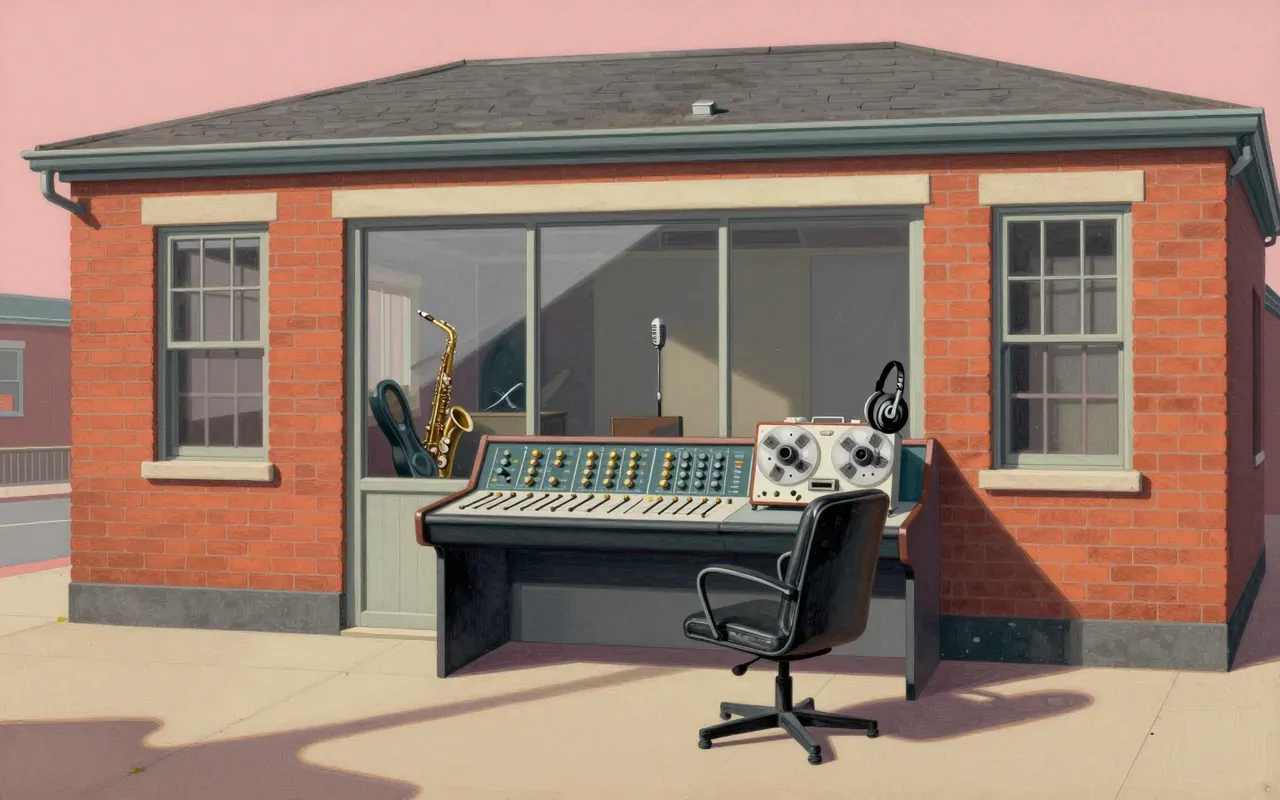
Genius + Soul = Jazz is a tightly focused, instrumentally unified statement — not a genre experiment, but a logistical execution of a clear idea: jazz as architecture, not improvisation.
Genius + Soul = Jazz is a tightly focused, instrumentally unified statement — not a genre experiment, but a logistical execution of a clear idea: jazz as architecture, not improvisation.
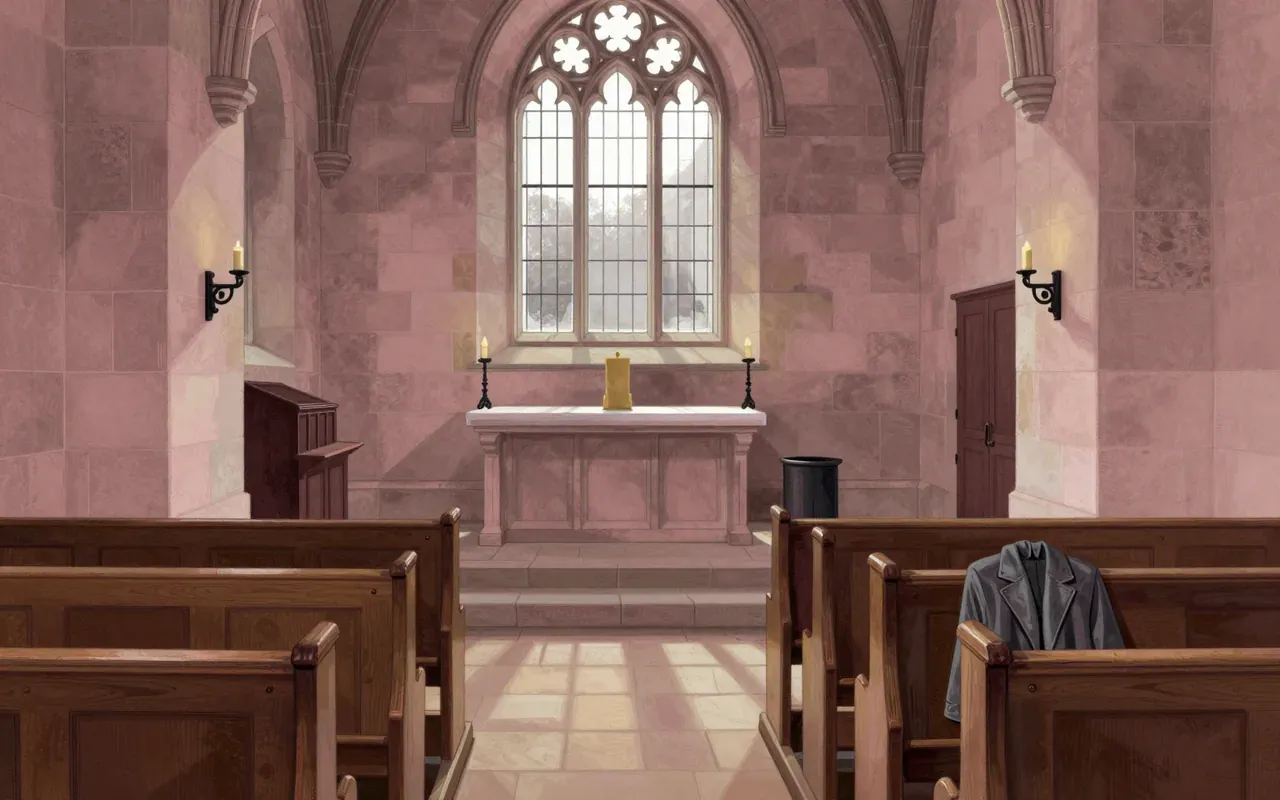
A record built on enforced difference — one studio, four producers, no repeated instruments, no shared vocal register, no returning motif. It trades intimacy for scale, confession for image, consistency for contrast.
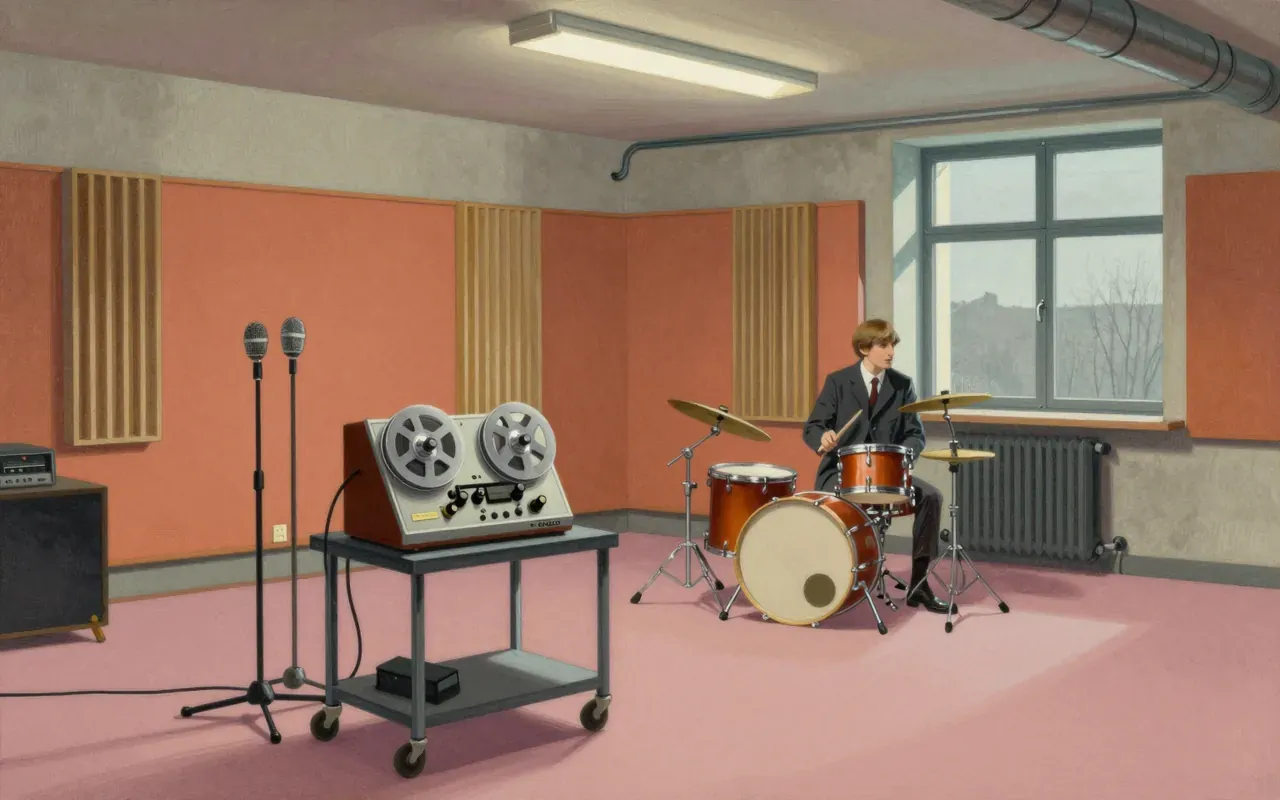
Black Monk Time is a radical, rhythm-obsessed studio document made under physical exhaustion and technical constraint. It is not a precursor to be admired from afar — it is a working blueprint of what happens when every instrument is forbidden from doing anything but hit, pulse, grind, and yelp.
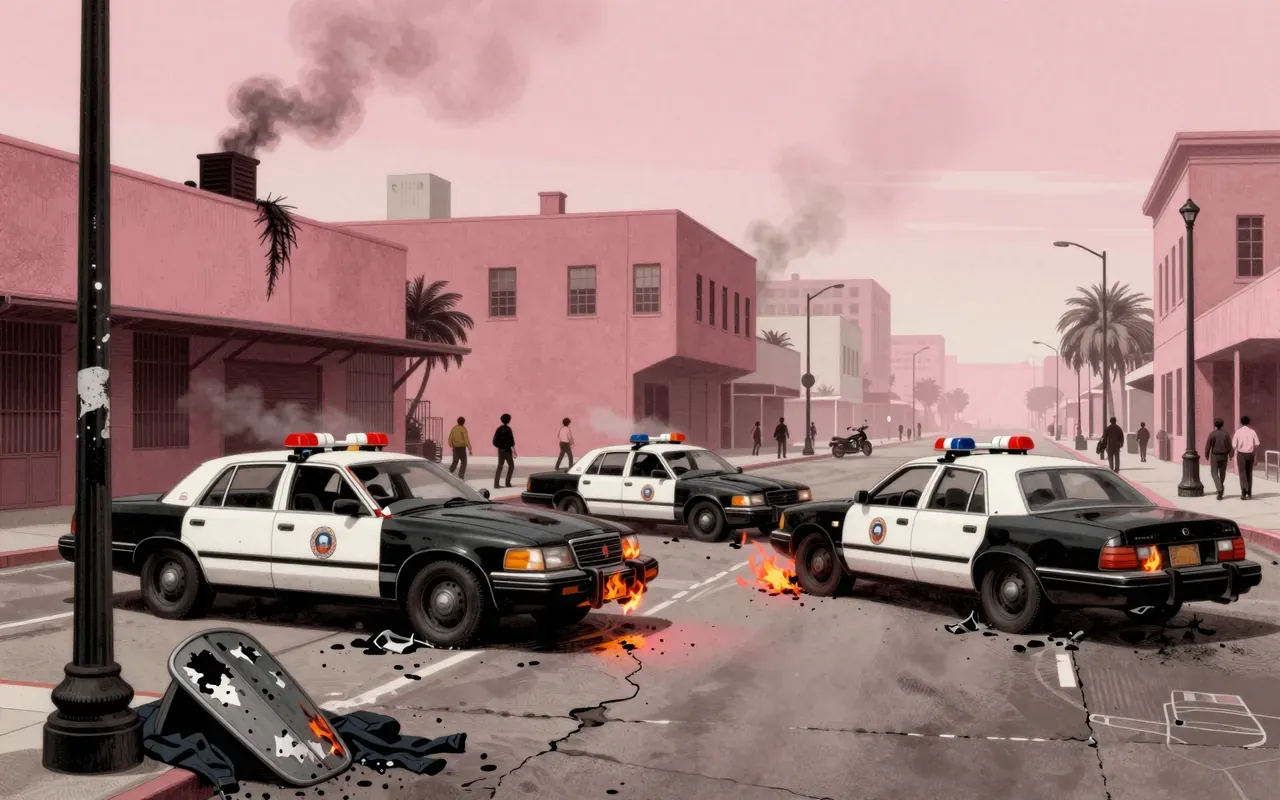
Fresh Fruit for Rotting Vegetables is a tightly wound, ideologically charged debut that uses minimal means — one drummer, one extra guitarist, sparse keyboards, stacked backing vocals on a single track — to deliver maximum friction. Its sound is stripped, urgent, and unrelenting. Its ideas are specific, prosecutorial, and unapologetic. It does not invite reflection — it demands reaction.
Ghosteen is a deliberate reduction — of rhythm, of narrative, of band-as-unit — into sustained ambient texture and falsetto-led abstraction. Its power lies in what it omits.
Heartbreaker is a dry, deliberate, folk-influenced debut — recorded fast, played straight, and built on restraint. It establishes Adams as a writer who trusts silence more than crescendo. It falls short of rhythmic urgency or textural surprise. Its ideas are narrow but deeply held. Its sound is the room, the players, and nothing else.
A vocal architecture record. Tight. Dry. Precise. Built for listening, not lounging.
The Hissing of Summer Lawns is Joni Mitchell’s 1975 studio album that introduced Moog and ARP synthesizers to her work and featured the first commercially released sample—a looped field recording of The Drummers of Burundi on 'The Jungle Line'. Produced by Mitchell with Henry Lewy, it blends jazz, avant-pop, world music, and electronic elements, exploring women's experiences under patriarchy and the underbelly of Southern California suburbia. Backing comes from L.A. Express and The Crusaders, with guest appearances by James Taylor, David Crosby, and Graham Nash.
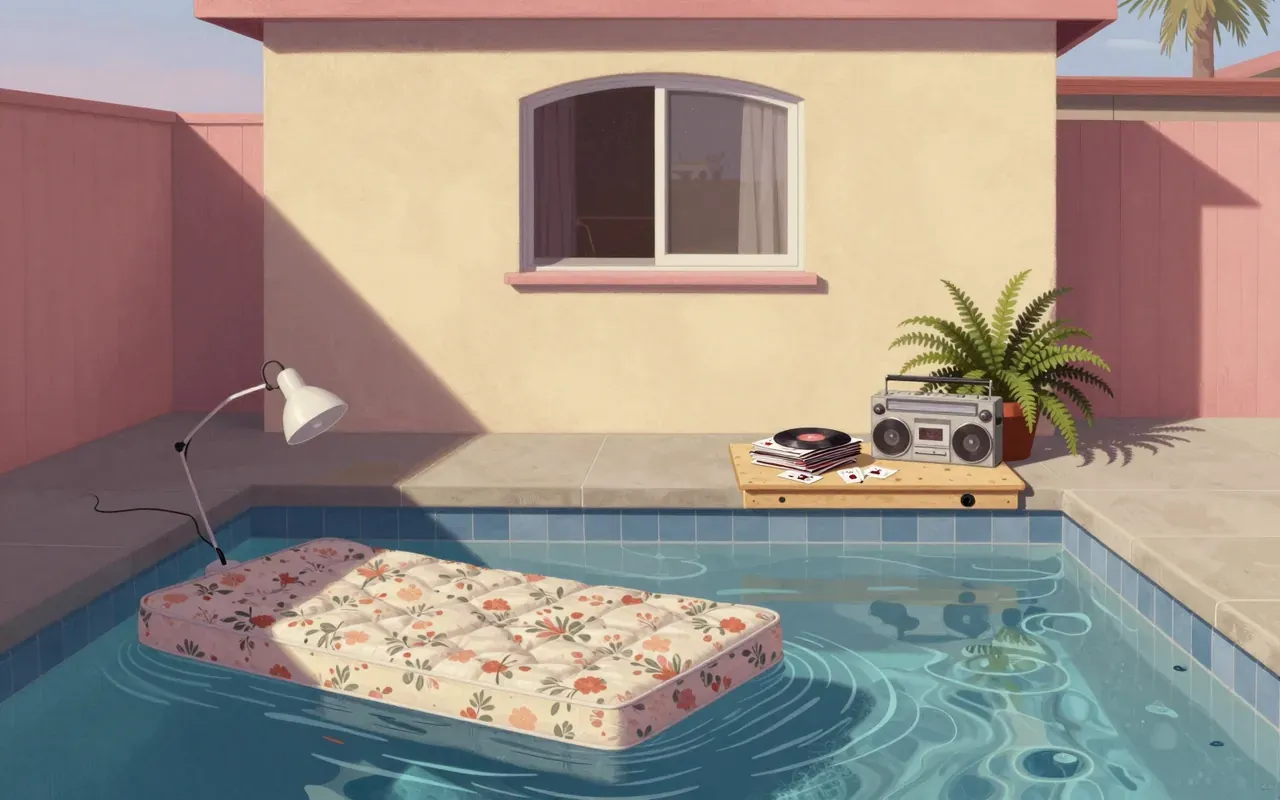
A soft rock record about the world ending — and why holding someone’s hand still matters.

Disco Inferno is a 1976 Philadelphia soul-disco record by The Trammps, produced by MFSB mainstays Ronnie Baker, Norman Harris and Earl Young, and co-written by MFSB arranger Ron Kersey. Its title track was inspired by the 1974 film The Towering Inferno. A Dolby noise reduction error during mixdown — later corrected by engineer Jay Mark — gave it an unusually wide dynamic range, making its kick drum and staccato strings hit with uncommon physical force. It landed on the Grammy-winning Saturday Night Fever soundtrack in 1977. The record is not subtle, not ambient, not ironic. It is urgent, rhythmic, and built for motion.
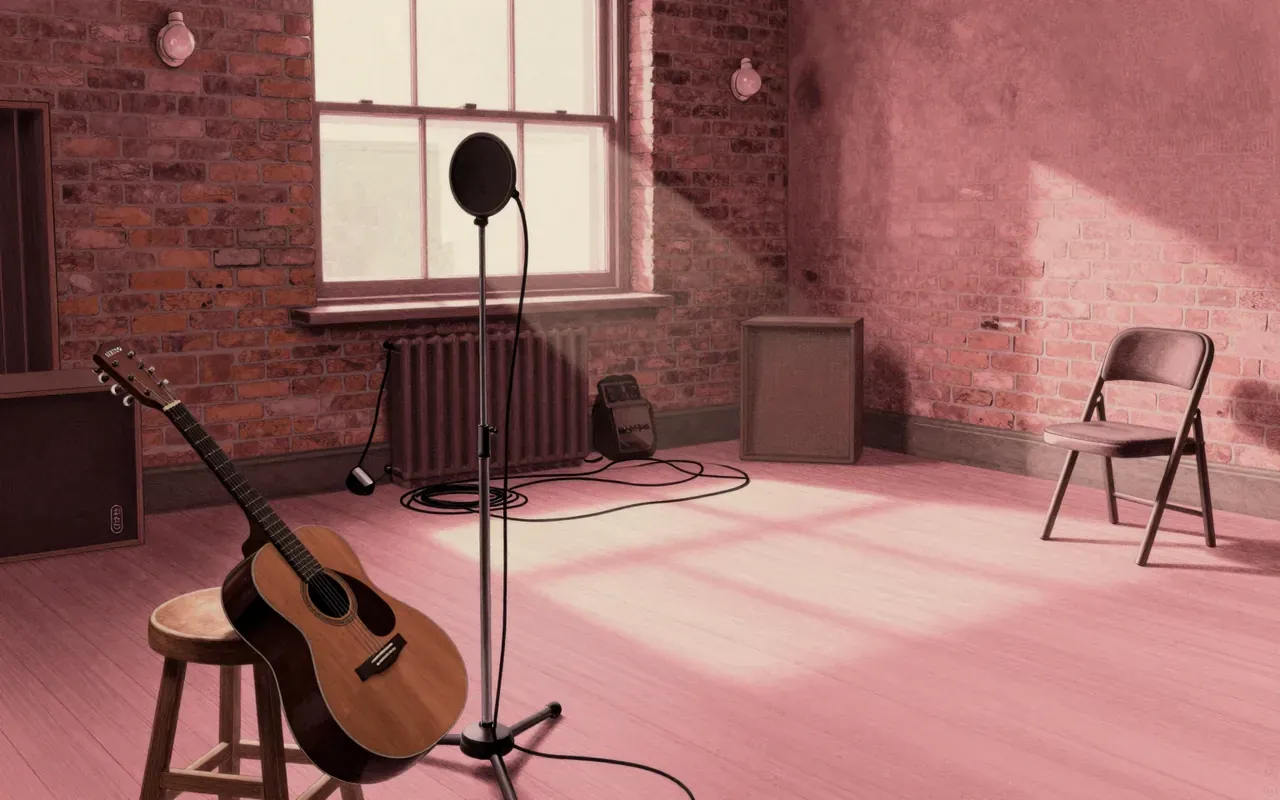
Joan Armatrading (1976) is a London-recorded studio album produced by Glyn Johns. It features slide guitar on 'Like Fire', steel guitar on 'Down to Zero', alto saxophone on 'Love and Affection', and string arrangement on 'Help Yourself'. It mixed acoustic work with jazz-influenced material and spawned the Top-10 hit 'Love and Affection'. Johns considered it the best album he had ever been associated with. He used strings, added guitars and voices with economy and precision — strengthening each song without overcrowding the singer or the song.
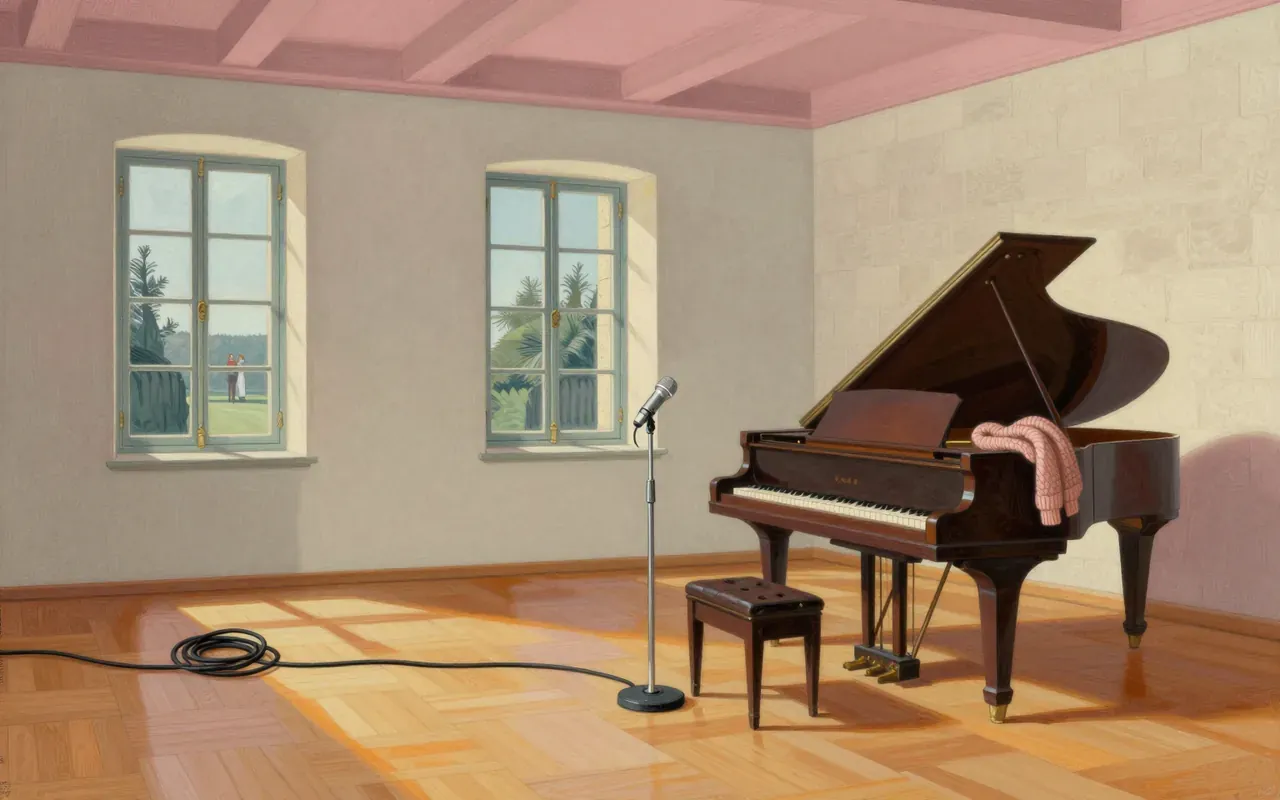
The Slider is T. Rex’s 1972 album, written and demoed during their UK tour in fall and winter 1971. It was recorded across Rosenberg Studios (Copenhagen), Trident Studios (London), and Strawberry Studios in Château d'Hérouville — the latter chosen to avoid British taxing laws. Tony Visconti produced throughout. Marc Bolan’s drinking and cocaine use affected his personality during sessions, but recordings progressed quickly and efficiently. Musically, it features layered electric guitars, phasing, reverb, backwards guitars, string arrangements by Visconti, and androgynous backing vocals — though Visconti later claimed Flo & Eddie sang on only three tracks. Its lyrical themes include vulnerability, godhead imagery, and emotional states like sadness expressed in the title track’s refrain 'and when I'm sad, I slide'.
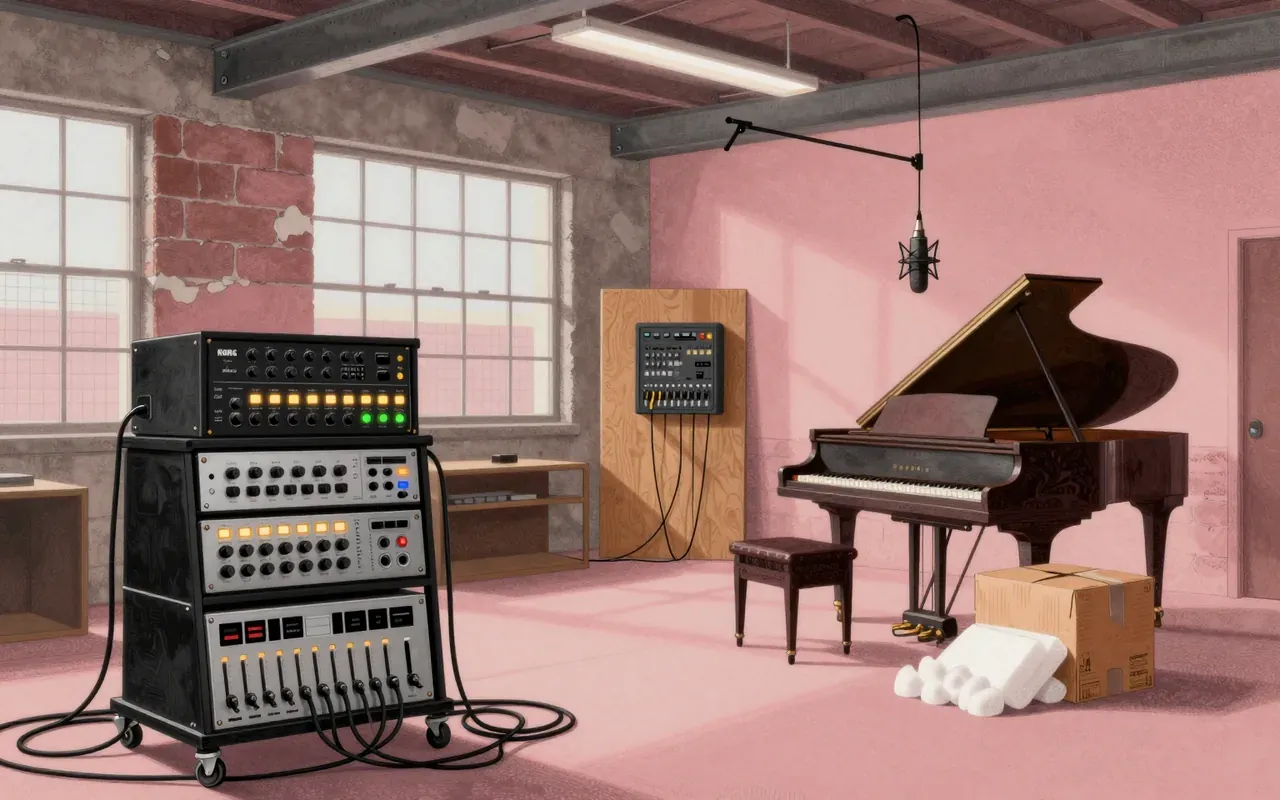
The Soft Bulletin is a studio-built symphony of rock and synthesis — no strings, no hedging, no filler. It trades psychedelic chaos for meticulous, emotionally charged construction.
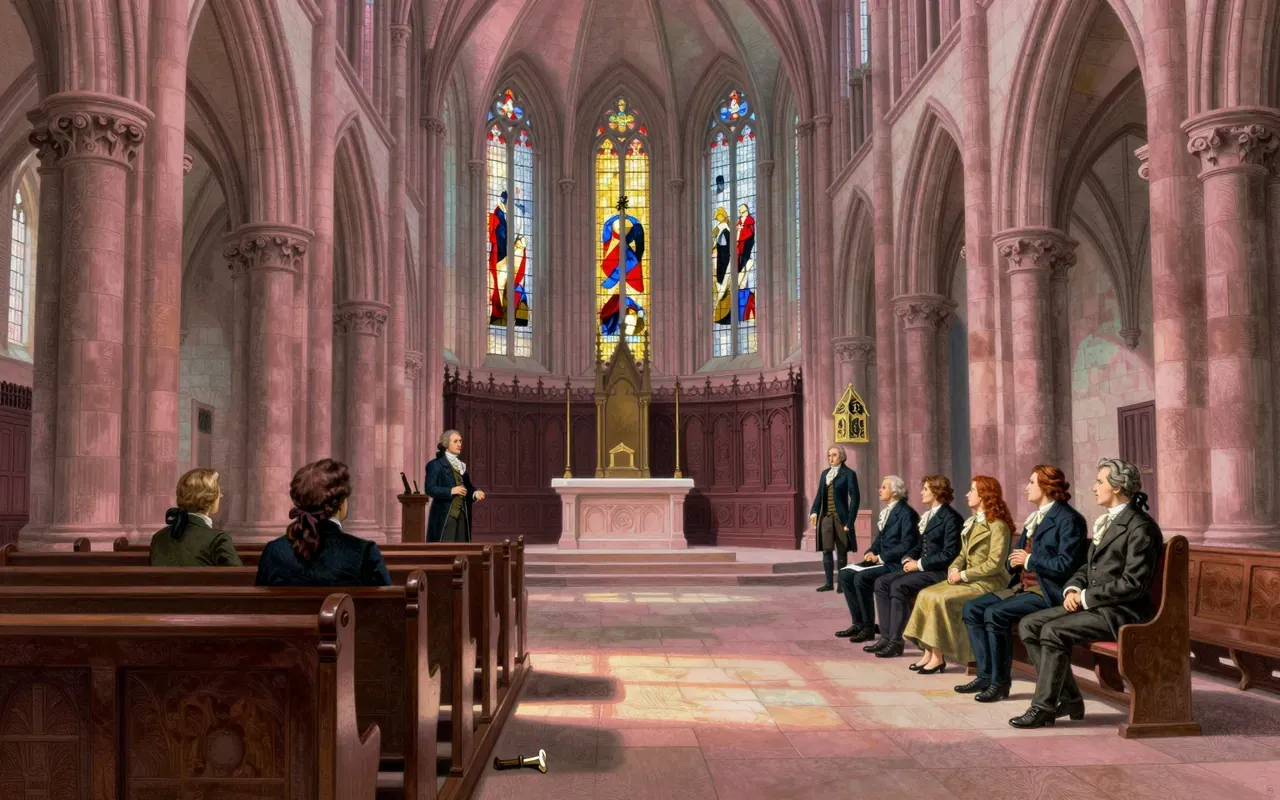
Mozart’s Requiem K. 626 is an uncompleted liturgical setting composed in his final year. It divides the Dies irae into multiple movements and belongs to a tradition that evolved from sacred service to concert hall. It is among his best-known works from that period, but remains structurally and textually incomplete.
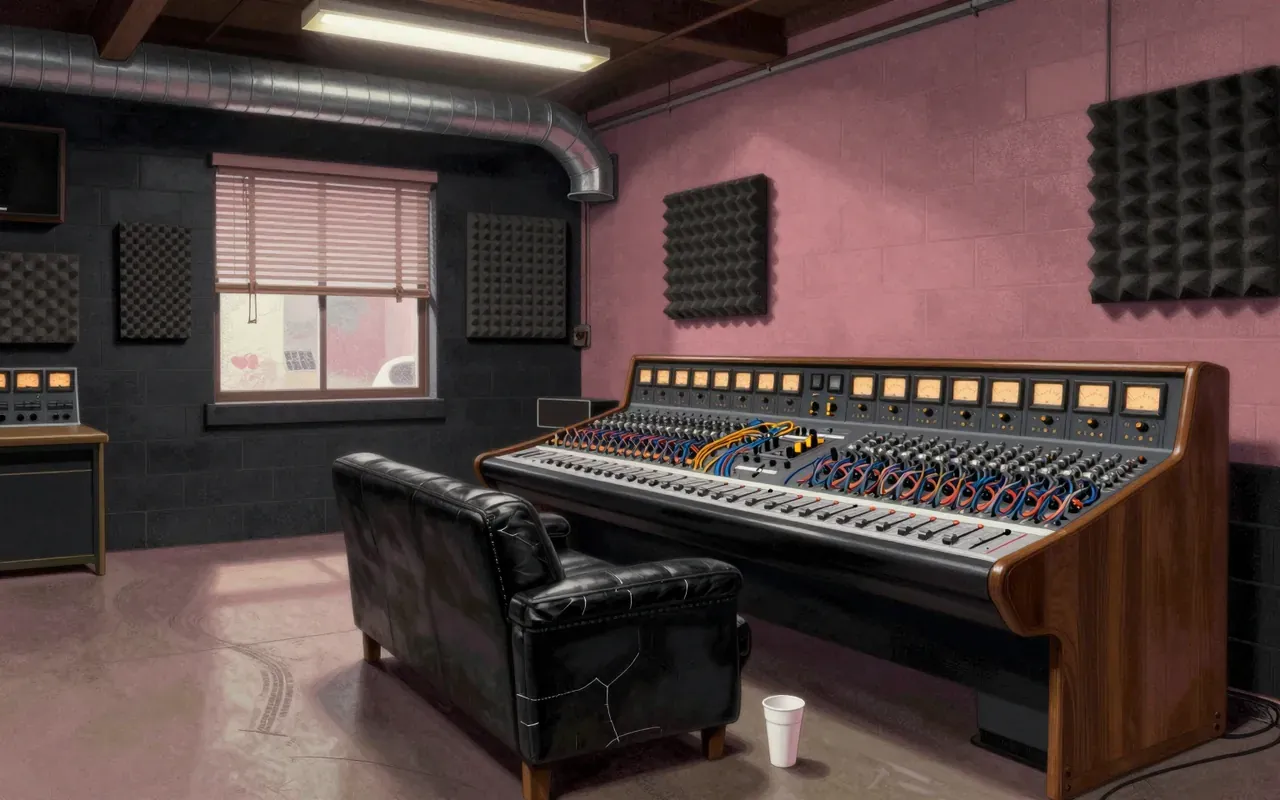
The Chronic is Dr. Dre’s 1992 debut solo album, released under Death Row Records with Suge Knight as executive producer. Recorded at Death Row Studios in Los Angeles and Bernie Grundman Mastering in Hollywood, it established G-funk through fat, blunted Parliament-Funkadelic beats, live rolling basslines, whiny synths, and soulful backing vocals — using only one or few samples per song. Jon Pareles described its production as swampy synth bass, lone whistling or blipping keyboard lines, and wide-open spaces filled sparsely with rhythm guitar or keyboard chords. The Death Row Inmates — including Snoop Dogg, The D.O.C., Daz Dillinger, RBX, Kurupt, Lady of Rage, Warren G, Nate Dogg, Jewell, Colin Wolfe, and Chris 'The Glove' Taylor — convened at Dre’s Calabasas mansion and Solar Studios to write and record. Snoop contributed lyrics grounded in lived street experience and performed on nearly every track, often writing and developing melodies over partial beats during all-night sessions. Singles 'Nuthin' but a "G" Thang', 'Let Me Ride', and 'Fuck wit Dre Day' featured Snoop and defined the album’s cultural impact. 'Let Me Ride' won Best Rap Solo Performance at the 36th Annual Grammy Awards. The Chronic was certified triple platinum in 1993 and credited with launching G-funk into mainstream dominance.
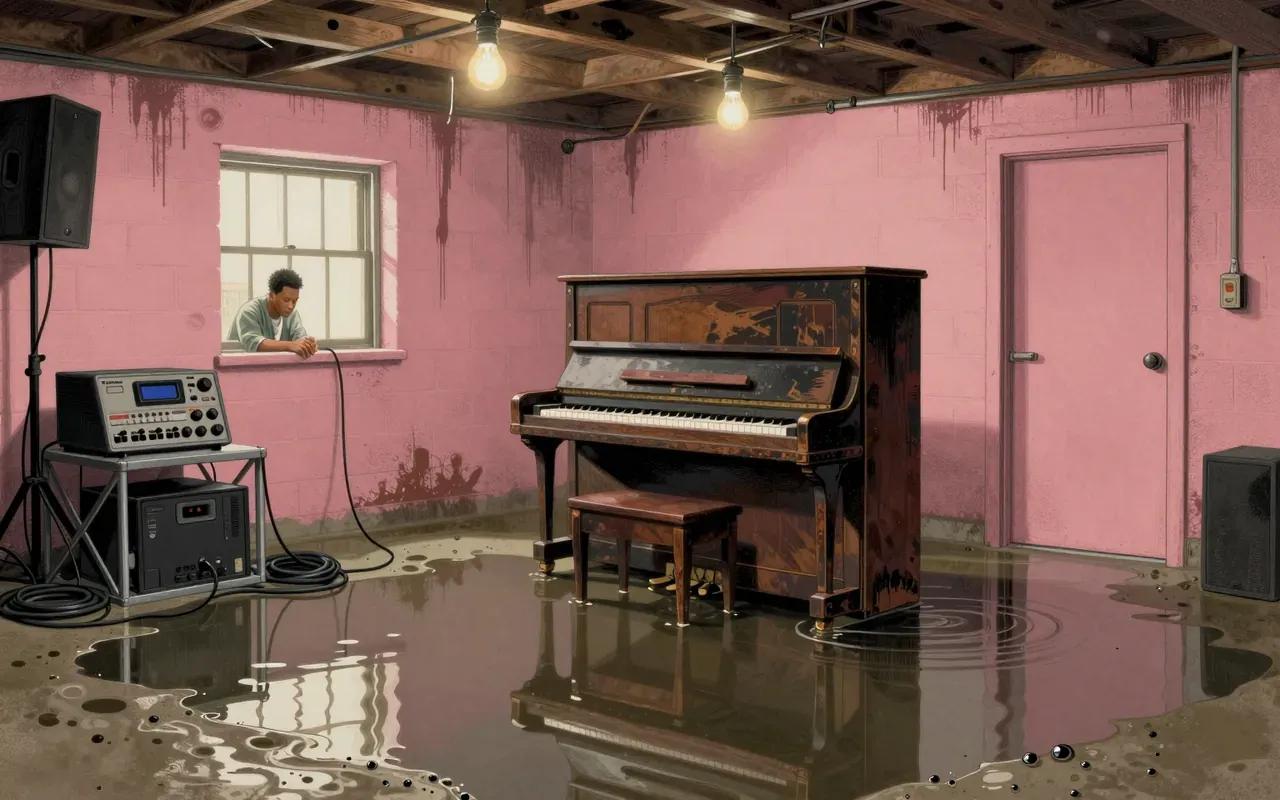
Ironman is Ghostface Killah’s 1996 solo debut, produced almost entirely by RZA using dark keyboard tones and early-1970s soul samples drawn from blaxploitation films. A flood destroyed the original studio, forcing vocals to be recorded elsewhere with different equipment — altering Ghostface’s voice and deepening his vulnerability. The album features substantial storytelling rap and Ghostface’s signature uptempo, stream-of-consciousness rhyming. Though billed as a solo record, Ghostface appears alone on only four tracks; Raekwon and Cappadonna feature heavily. Two songs originated in film soundtracks. Critics received it well.
The source provides only three verifiable facts: the Odeon contract offer tied to Clube da Esquina contributions; the album’s nickname and cover detail; and Borges’ immediate departure from Rio after completion. Nothing else about the album’s music, production, personnel, or internal content is established.
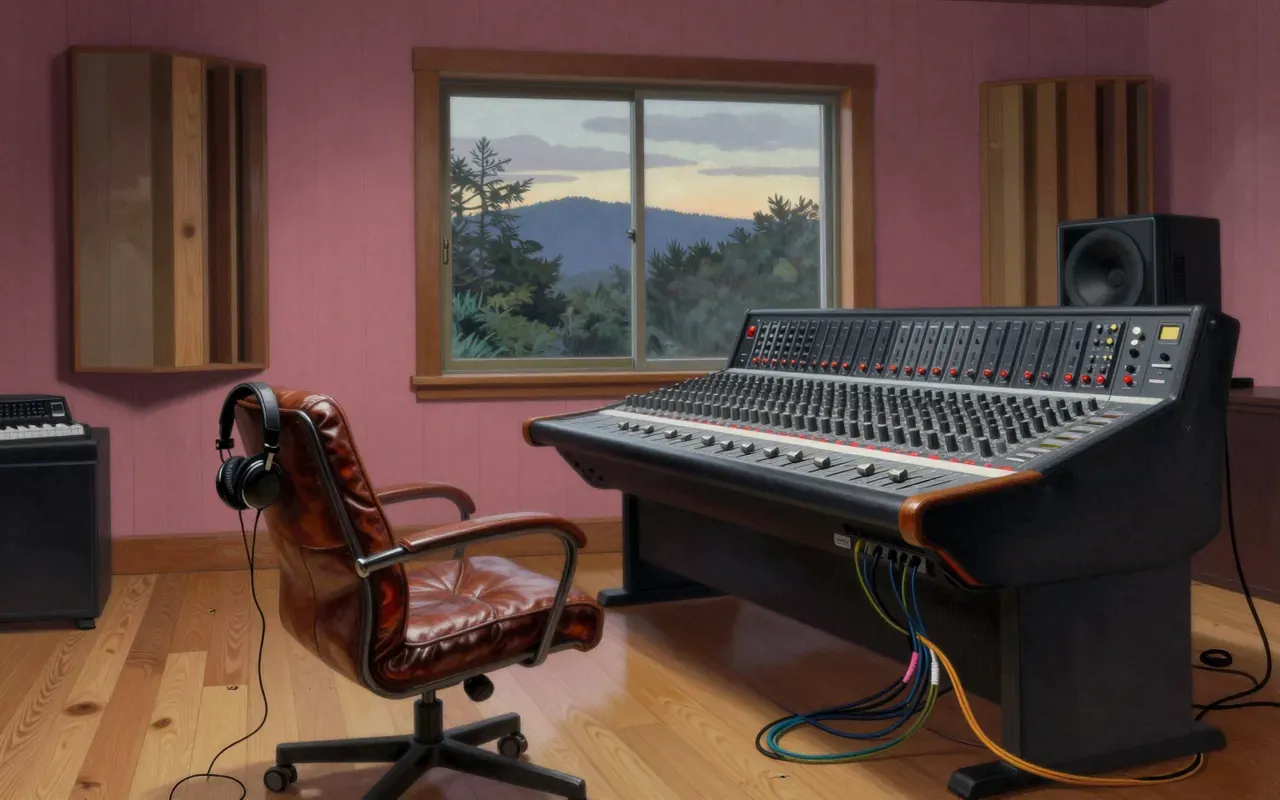
Grace is Jeff Buckley’s only studio album. Recorded 1993–1994. Primary location: Bearsville Studios, Woodstock. Core band: Mick Grøndahl (bass), Matt Johnson (drums). Key collaborators: Gary Lucas (guitar), Karl Berger (strings), Michael Tighe ('So Real'), Andy Wallace (producer/engineer/mixer), Clif Norrell ('So Real'). Released August 23, 1994.
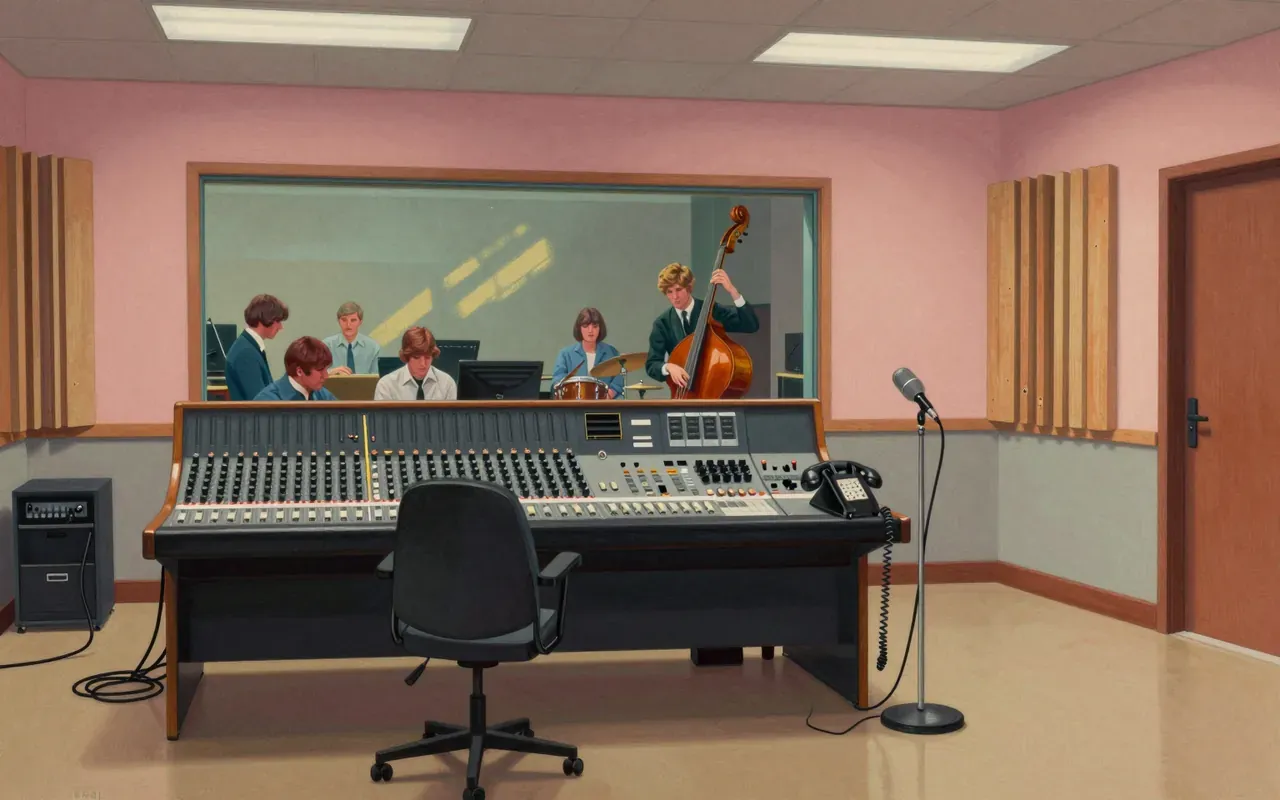
A foundational but fractured record — the single is a studio construct; the album is the band asserting itself. Its sound is defined by compression, unison harmony, and the pivot from Dylan’s 2/4 to 4/4. Its idea is that literary lyrics belong in bright, tight pop arrangements. Its value lies in hearing genre formation as negotiation — not revelation.
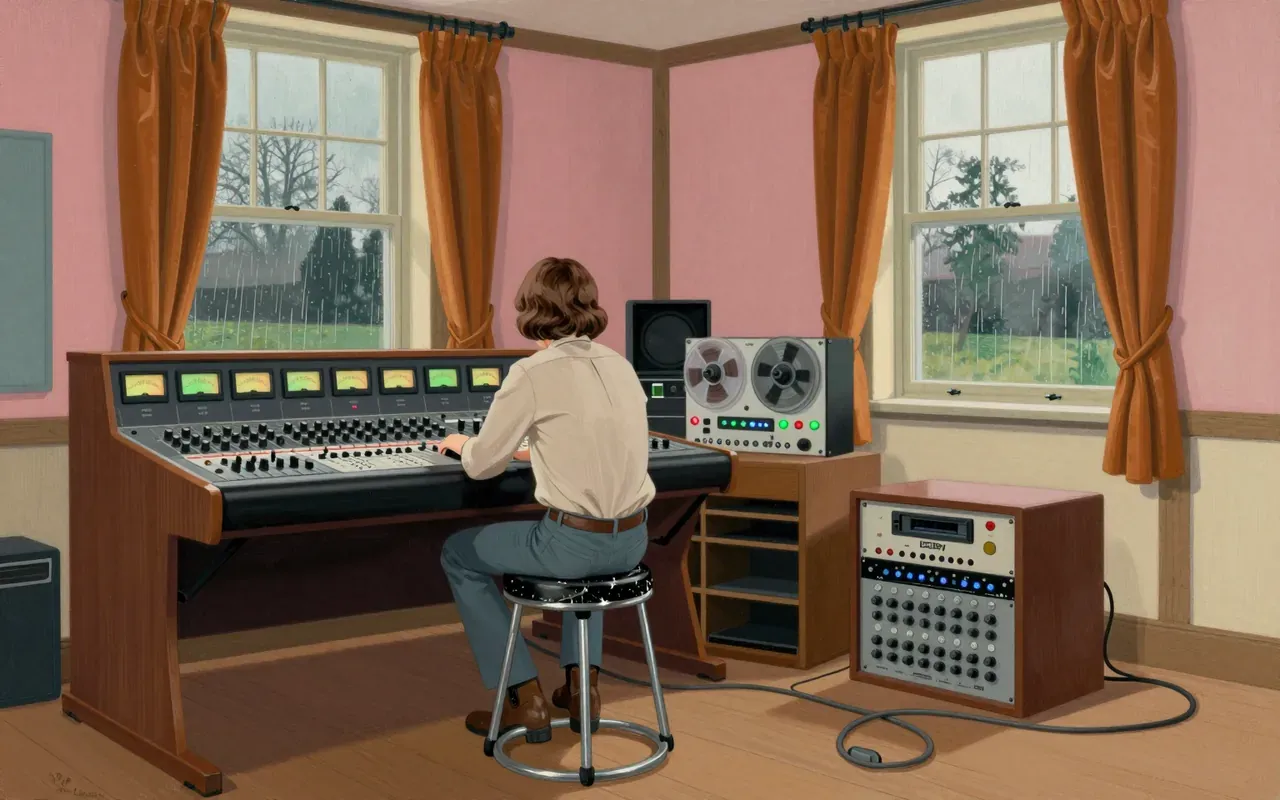
Tubular Bells is a self-performed, structurally bifurcated, technically inventive record made by a 19-year-old working alone in a single studio across two distinct sessions — one week in 1971, nights in early 1973.
Chief is a country record built on rock instrumentation and vocal processing—not as compromise, but as conviction.
Dónde Están los Ladrones? is Shakira’s fourth studio album, released in September 1998. Recorded over nine months at Crescent Moon Studios in Miami—the studio of Gloria and Emilio Estefan—it features rock en español blended with Latin pop and Middle Eastern musical influences. Shakira led artistic production with full control over material, arrangements, and final approval; Emilio Estefan served as executive producer. Vintage equipment—including old amplifiers and a 40-year-old German microphone—was used alongside innovative instrumental mixes. Collaborators included Luis Fernando Ochoa, Lester Mendez, Javier Garza, Pablo Flores, and Estéfano Salgado. The album topped the U.S. Latin Albums chart for 11 weeks, sold over 7 million copies globally, and earned a 1999 Grammy nomination for Best Latin Rock or Alternative Album. It represents the culmination of Shakira’s early Spanish-language career and the foundation for her subsequent global expansion.
A gospel-influenced 1965 single by The Impressions, composed by Curtis Mayfield, featuring his first guitar break on an Impressions hit and drawing its language and structure from Black American freedom-song tradition and church teaching.
John Prine’s 1971 debut is a document of lyrical authority—not sonic ambition. It was made fast, in two studios, with musicians unused to his unswinging phrasing. Its power lies in what it names, not how it sounds.
If I Could Only Remember My Name is David Crosby’s 1971 solo debut, recorded at Wally Heider Studios in San Francisco. It features contributions from Graham Nash, Neil Young, Joni Mitchell, Jerry Garcia, and members of Jefferson Airplane, Quicksilver Messenger Service, and Santana. The loose ensemble was informally dubbed The Planet Earth Rock and Roll Orchestra by Paul Kantner, though Crosby clarified it was not an organised collective. Five tracks contain lyrics, including 'Orleans', a 15th-century round about French cathedrals. The final two tracks feature Crosby alone. The album was panned on release by Rolling Stone but has since been reappraised and remains in print. In a 2010 list published by L'Osservatore Romano, it ranked second to the Beatles' Revolver.
Karen Dalton’s 1969 debut is a document of extraction: voice, guitar, banjo, bass, all captured in one night after deception and intervention. It refuses studio convention. It offers no comfort, no clarity, no finish — only presence, weight, and the sound of someone singing as if no one were listening.

If You're Feeling Sinister is a tightly wound, quietly ambitious record made fast and faithfully — in a church hall, then a studio, with continuity as its compass.
So is Peter Gabriel’s fifth studio album, recorded at Ashcombe House in Somerset between February 1985 and February 1986, co-produced with Daniel Lanois, and completed at Power Station Studios in New York.
Night Life is Ray Price’s sixth album, released in 1963 on Columbia Records, featuring his touring band the Cherokee Cowboys and musicians including Willie Nelson, Johnny Paycheck, and Buddy Emmons. Retrospective commentary positions it as bridging honky tonk and the Nashville sound—or as country’s first concept album—but no source confirms compositional intent, production method, or sonic character beyond personnel and release facts.

Bookends is a tightly wound, formally precise meditation on time — not a sprawling statement, but a sequence of calibrated sonic decisions: acoustic guitar alone, viola tuning, nursing home voices, Moog bass, whispered pop phrases. Its power lies in restraint, not scale.
Brown Sugar is D’Angelo’s 1995 debut. It launched neo-soul — a term coined soon after by his manager Kedar Massenburg. It features the original title track, a cover of Smokey Robinson’s 'Cruisin’', and 'Lady', which reached the top ten of the Billboard Hot 100. It was certified platinum and received critical acclaim.
Ágætis byrjun is Sigur Rós’s second studio album, recorded between summer 1998 and spring 1999 with producer Ken Thomas. It marks a stylistic shift from Von, introducing Jónsi’s cello-bowed guitar and orchestration including a double string octet. It features self-reference (backmasked title track in the intro; 'Avalon' as a slowed alternate take of 'Starálfur'), palindromic strings on 'Starálfur', and vocals in Icelandic except for 'Olsen Olsen' and the final section of the title track, both in Vonlenska. It brought international acclaim, spread by word of mouth, and appeared in Vanilla Sky and The Life Aquatic.
Soul Station is Hank Mobley’s most rewarding listen—not because it breaks ground, but because it fulfils a hard bop ideal with total command: clear lines, deep swing, no excess.
A 16-track sprawl where every stylistic turn is earned by the room, the players, and the silence between them.

A low, dark opera built by deleting violins — and a Western fantasy dressed as ancient ritual.
The Heliocentric Worlds of Sun Ra, Volume 1 is a 1965 album of compositions and arrangements by Sun Ra played by Sun Ra and his Solar Arkestra. It was recorded at Studio RLA in New York on April 20, 1965, engineered by Richard L Alderson. The music is heavily percussive but dispenses with a continuous beat, reconstructing itself around interweaving compositional and improvisatory creative principles with programmatic affects. It exemplifies a radical break from previous notions of melody or harmony. The interwoven lines of Ronnie Boykins' bass and Sun Ra's electronic keyboards provide cohesion. Sun Ra directed the session in real time—stopping takes, assigning rhythms, revising horn parts, and reassigning solos based on his understanding of each player's strengths. The album was originally released with a black-and-white sleeve designed by Sun Ra. It belongs to Sun Ra's New York phase, marked by experimentalism, tape delay, spatial sound, free improvisation, expanded instrumentation, and pioneering use of synthesizers and electronic keyboards.
Germfree Adolescents is X-Ray Spex’s 1978 debut album. All twelve tracks were written by Poly Styrene. Five had previously appeared on singles’ A-sides or B-sides. The core band was Poly Styrene (vocals), Jak Airport (guitar), Paul Dean (bass), Rudi Thomson (saxophone), and B.P. Hurding (drums). Rudi Thomson played saxophone on the album.
A 1956 Atlantic album pairing four tape-manipulated studio experiments (1954–1955) with five unedited live recordings (11 June 1955, The Sing-Song Room, Confucius Restaurant, New York). Studio tracks use overdubbing and tape speed shifts; 'Turkish Mambo' layers three conflicting left-hand rhythms. Live tracks rely on contrapuntal group listening, with no pre-set harmony or tempo. Bassist Peter Ind played on the album and later defended the tape techniques as legitimate artistic tools. The 1949 free improvisations 'Intuition' and 'Digression' are not on this record—but their conceptual lineage informs its live side.
Never Too Much is Luther Vandross’s 1981 debut solo studio album on Epic Records, released after he left the group Change. It is mostly composed by Vandross himself. The title track is a self-penned, self-produced post-disco single that topped the Hot Soul Singles chart for two weeks and crossed over to the Billboard Hot 100. Vandross’s rendition of 'A House Is Not a Home' is extended to seven minutes — a deliberate, radical re-arrangement that became a live showstopper. Bassist Marcus Miller plays on many tracks. The album topped the Billboard R&B Albums chart and was certified double-platinum. It earned Vandross his first Grammy nomination for Best New Artist in 1982.
The Hottest New Group in Jazz is a 1959 Columbia Records album by Lambert, Hendricks & Ross. Its title quotes Downbeat magazine. It features the Ike Isaacs Trio on all tracks. Irving Townsend co-produced it. It is the fourth album by the trio and the first of three Columbia LPs they recorded beginning in 1959.
Liege & Lief is the pivot point: Fairport Convention abandons covers for electrified English folk, anchored by Swarbrick’s fiddle, Mattacks’ drums, Thompson’s writing, and Denny’s voice. It was rehearsed in a Hampshire house and launched live at the Royal Festival Hall. No studio tricks. No American references. Just six traditional tracks — including two epics — and three originals in matching style. It lands in tradition, not nostalgia.
Mellon Collie and the Infinite Sadness is a 1995 double album by The Smashing Pumpkins. It contains 28 songs spanning over two hours. It was recorded with producers Flood and Alan Moulder, abandoning longtime producer Butch Vig. The band recorded first in a rehearsal space, used two rooms simultaneously, and employed Pro Tools for overdubs. All guitars were tuned down a half-step. The album was conceived as a double album from the outset, partly inspired by the Beatles' self-titled album. Corgan described it as 'The Wall for Generation X'. The songs were intended to symbolise the cycle of life and death. Time magazine praised it as 'the group's most ambitious and accomplished work yet'. It debuted at number one on the Billboard 200 in October 1995.
A foundational electro-funk record defined by its 1982 production: TR-808 rhythms, Kraftwerk synth hooks, and sample-based construction — not as collage, but as architectural logic.
Some Girls is a tightly wound, reactive rock record — bright, aggressive, and uncluttered. It trades myth for muscle, and legacy for immediacy.

Veckatimest is Grizzly Bear’s third studio album, recorded in summer 2008 at Allaire Studios in the Catskill Mountains, produced by Chris Taylor, and distinguished by a new collaborative writing process, tape-based recording with rich sonic detail, contributions from Nico Muhly and additional musicians including the Brooklyn Youth Choir and Acme String Quartet, and instrumental roles including omnichord and string arrangements by band members. The album’s title references Veckatimest Island in Massachusetts, tied to Ed Droste’s family connection to the region. An unmastered version leaked before release, compromising audio fidelity despite the band’s meticulous production efforts. The artwork was created by William O'Brien and selected by Droste, who had known the artist since high school. The album received widespread critical acclaim and appeared in multiple year-end lists, while several tracks were later used in films Jack Goes Boating and Blue Valentine. It was released on May 26, 2009, by Warp Records, debuted at
Weezer’s 1994 Blue Album is a tightly wound pop-rock record made at Electric Lady Studios in New York City with Ric Ocasek. Jason Cropper was fired during recording and replaced by Brian Bell. It merges alternative rock, power pop, and polished production — delivering geeky humour, cultural references, and huge hooks. Its sound is distinct: a '70s trash-rock predilection wrapped in studio clarity.
A self-produced hip-hop debut released in February 2004 after three postponements from its initial August 2003 date. It emerged from four years of beat-collecting, apartment-based production, LA studio sessions, and post-leak revision.
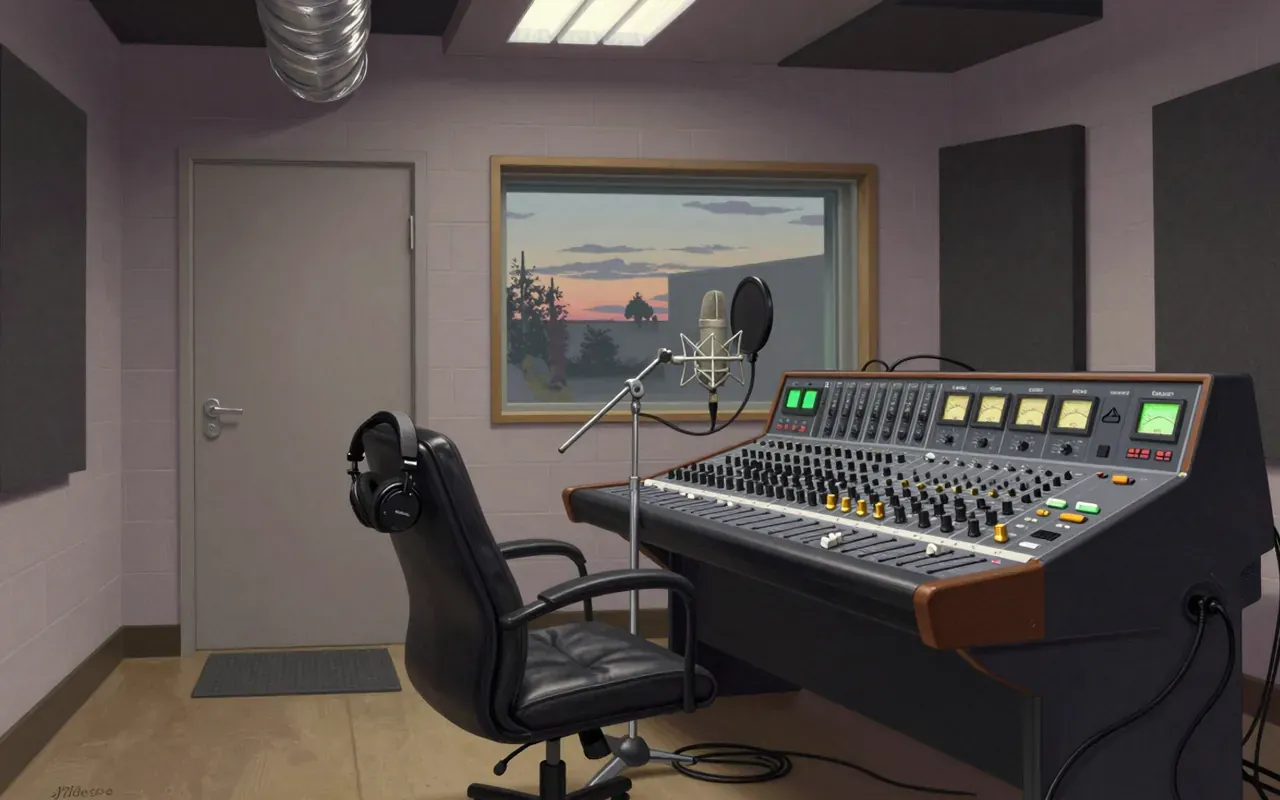
The Cool is a narrative-concentrated hip-hop record, anchored in loss and executed with structural rigour—not sonic novelty.
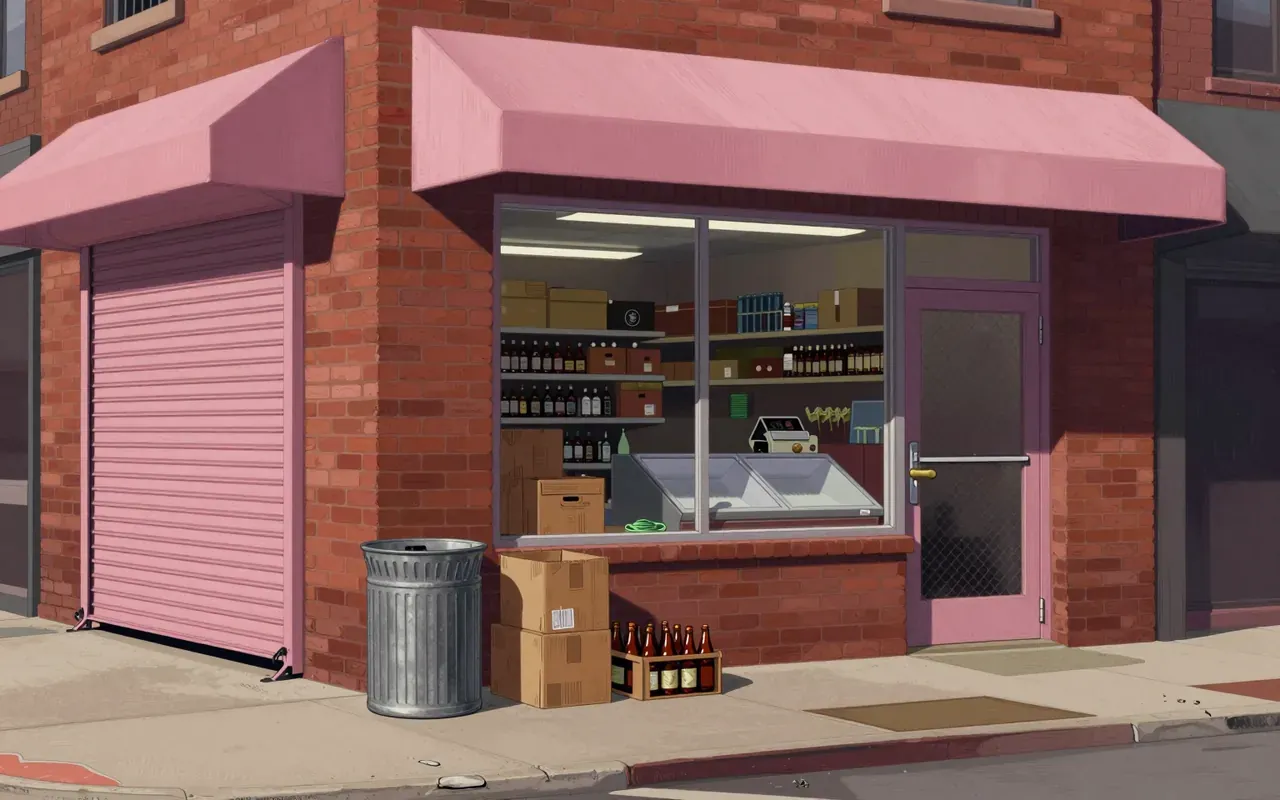
Lupe Fiasco’s Food & Liquor is a thematically dense, string-saturated hip-hop debut rooted in Chicago storefront logic—not abstract ambition. It lands where sound and subject align: 'Kick, Push', 'Daydreamin'', and 'American Terrorist'. It falters where runtime swells without function—especially the 'Outro'. No filler. No myth. Just food, liquor, strings, and scrutiny.
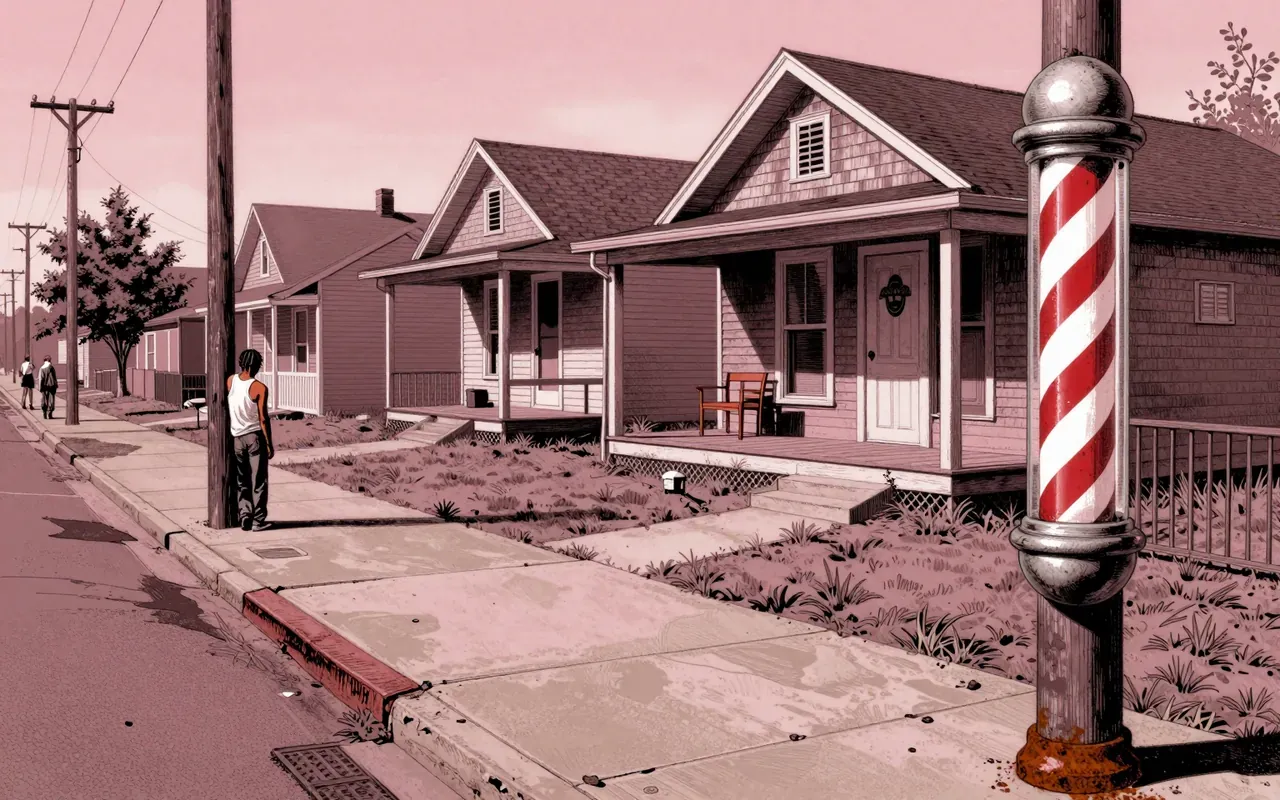
Tha Carter is a hip-hop record built on Mannie Fresh’s New Orleans bounce production and Lil Wayne’s freestyled, instinctive delivery. It marks a stylistic pivot — not a debut, not a culmination, but a decisive turn toward voice-first, groove-led rap.
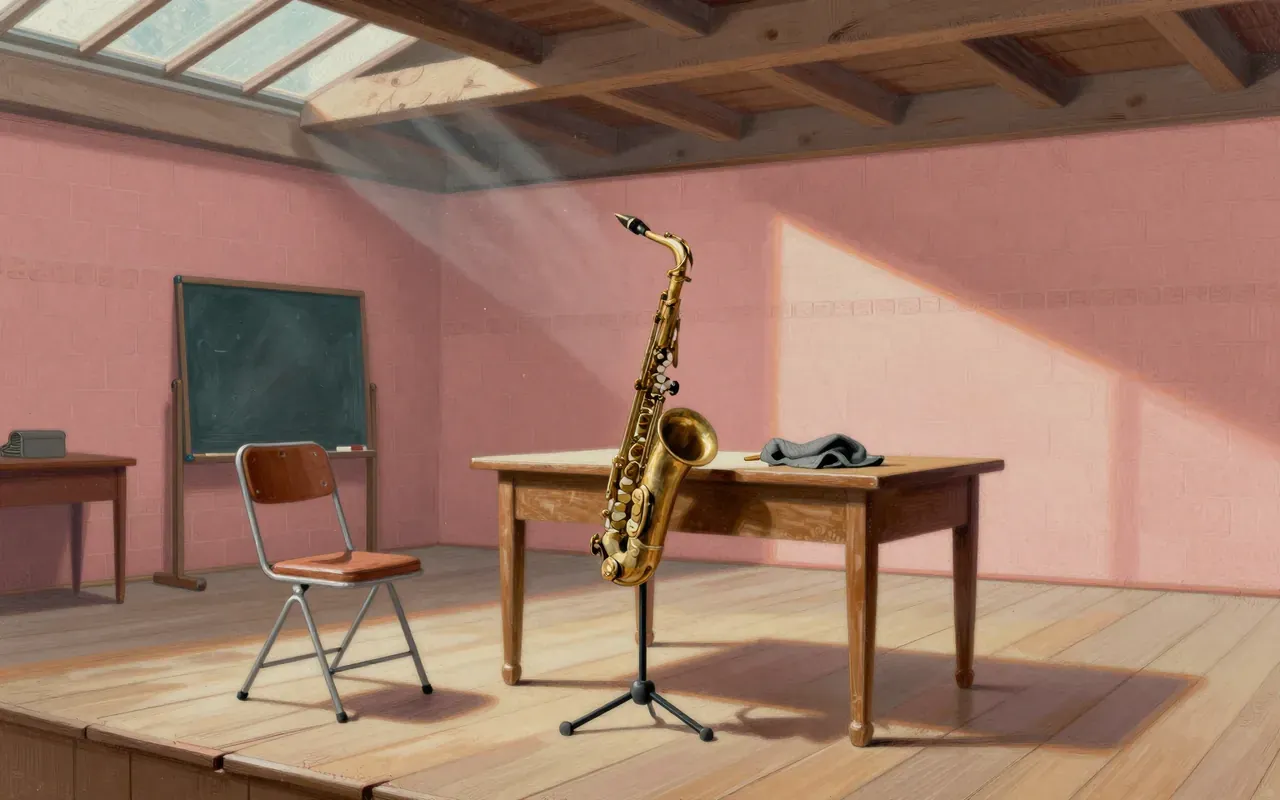
Motion is a 1961 Verve trio session by Lee Konitz, Elvin Jones, and Sonny Dallas. Spontaneous. Standards only. No piano. Chromatic phrasing over loose time. Physics in sound.
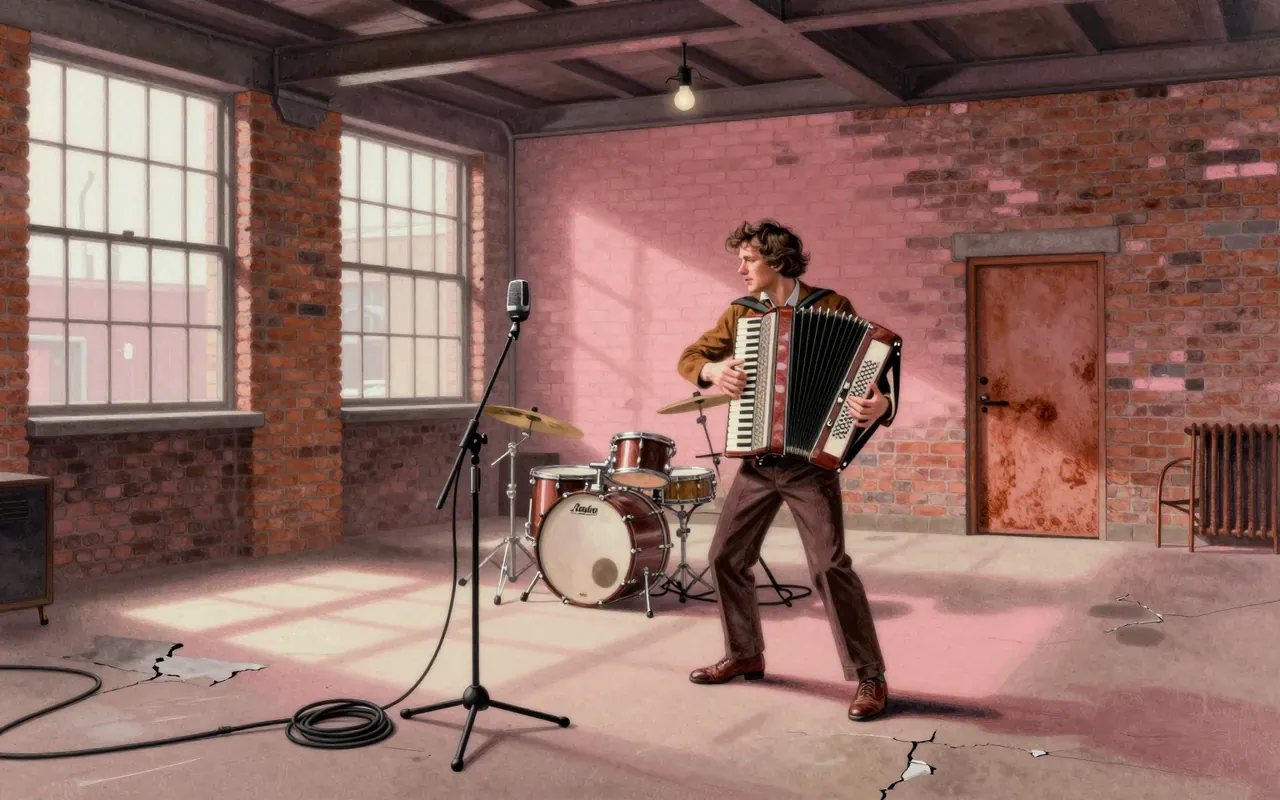
Rum Sodomy & the Lash is The Pogues’ 1985 second studio album, recorded live at Elephant Studios in Wapping with Elvis Costello producing after initially being hired for just two tracks. Its production prioritised natural acoustic presence and raw ensemble performance — Costello described his role as capturing the band’s 'dilapidated glory' before external interference altered it. The title references a misattributed Churchill quote about naval tradition; the cover reimagines Géricault’s The Raft of the Medusa with painted band members’ faces replacing those of the original figures. Musically, it pivots from traditional covers to Shane MacGowan’s original songwriting — mythic, urban, fatalistic — while retaining authoritative renditions of 'Dirty Old Town' and 'And the Band Played Waltzing Matilda'. It does not sound polished, controlled, or studio-perfect. There are no synthesizers, no overdubbed strings, no vocal comping, no reverb tails stretched for effect. It lands strongest where rhythm and narrative lock: 'The Sick Bed of Cuchulainn' opens with harp-like guitar urgency; 'Dirty Old Town' closes the first side as a bruised, communal lament. It is worth your time if you want folk music that bites, not soothes — if you listen for rhythm first, then story — and if you distrust studio sheen. Not for those who need clarity, comfort, or clean separation between instruments.
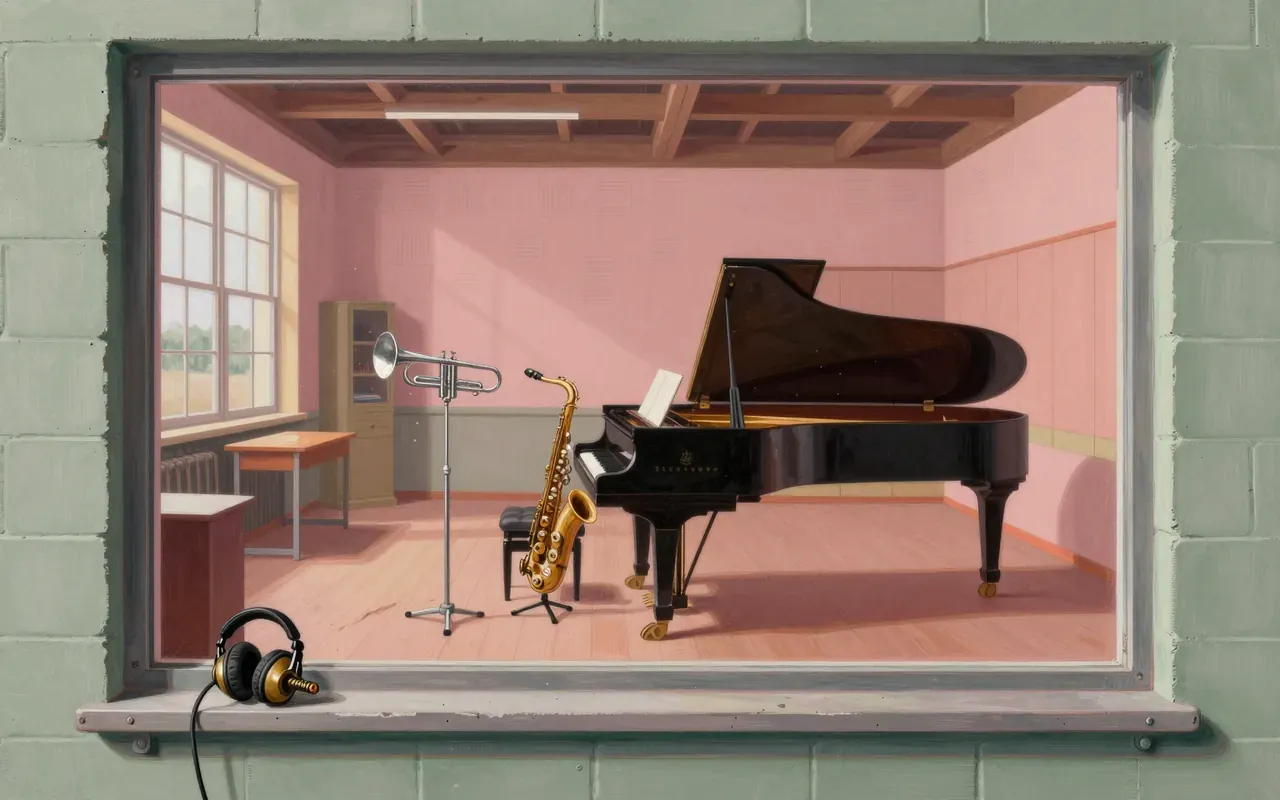
Tijuana Moods is a constructed object — not a captured event. Its value lies in hearing how Mingus used editing as an instrument, not in hearing what the band sounded like on a given night.

Berlin is a concept album about two amphetamine-addicted lovers in Berlin. Lou Reed plays acoustic guitar throughout. The title track is re-arranged for solo piano, with simplified structure and a changed key. 'Oh, Jim' uses the Velvet Underground outtake 'Oh, Gin'. 'Caroline Says II' rewrites 'Stephanie Says'. 'Sad Song' revises an earlier Velvet Underground demo with milder lyrics. 'Men of Good Fortune' was played by the Velvet Underground as early as 1966. The album was recorded as a 64-minute double LP but edited down by RCA. An untitled one-minute piano solo by Allan Macmillan appears between 'Berlin' and 'Lady Day' on early 8-track and cassette editions.
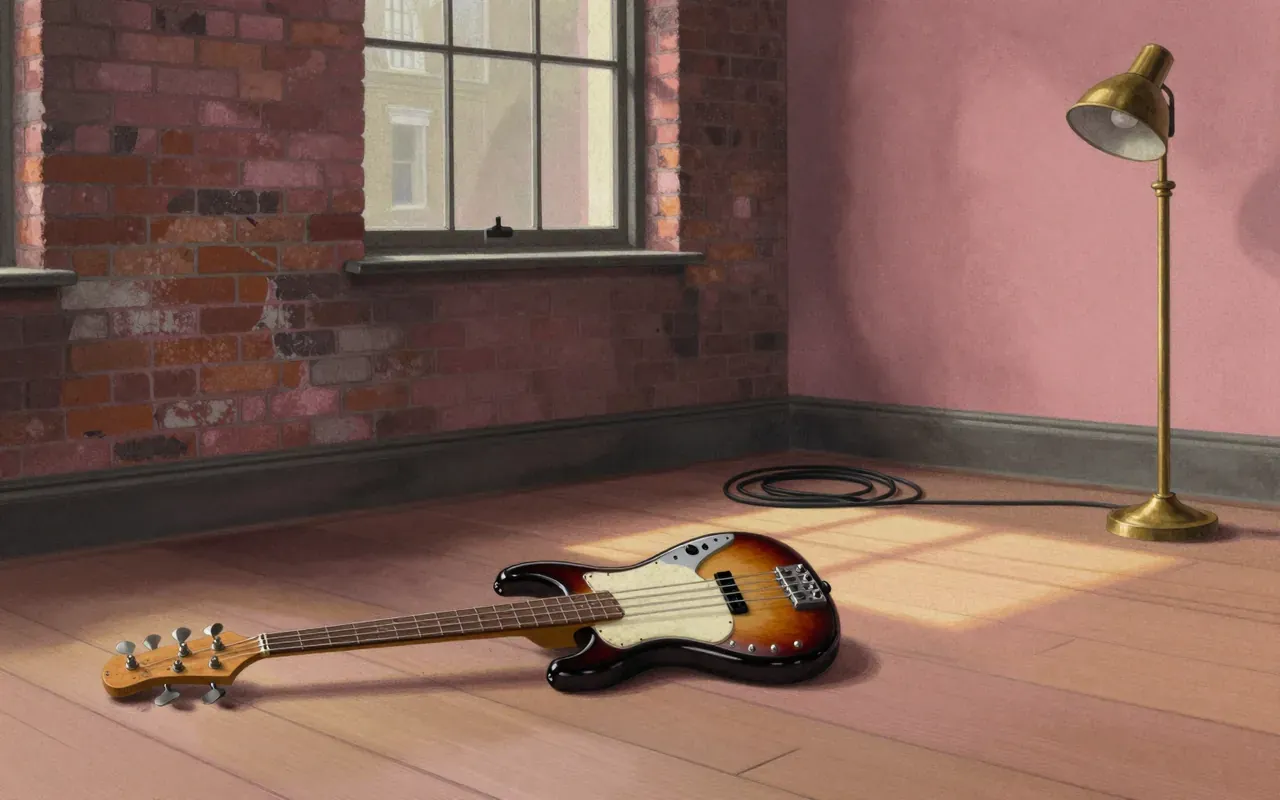
Cut is the Slits’ 1979 debut album, recorded at Ridge Farm Studios in Rusper and produced by Dennis Bovell. It fuses punk and reggae innovatively and incorporates restless, offbeat art pop. All tracks were written by Viv Albertine, Tessa Pollitt, Ariane Forster (aka Ari Up), and Paloma Romero (aka Palmolive). The core band consisted of Ari Up on vocals, Viv Albertine on guitar, Tessa Pollitt on bass guitar, and Budgie on drums; additional contributors included Bruce Smith (uncredited voice on 'Love und Romance'), Dennis Bovell (sound effects), Max 'Maxi' Edwards (drums on 'I Heard It Through the Grapevine'), and Neneh Cherry (uncredited backing vocals). Mike Dunne served as engineer. The album was originally released on Island Records in the UK and Antilles in the US, and has since been reissued multiple times, including a 2009 two-disc 30th Anniversary Deluxe Edition featuring remastered audio, BBC John Peel Session recordings, demos, rough mixes, and alternate versions. Its influence spans post-punk, riot grrrl, and beyond, with praise for its sonic adventurousness, defiant attitude, and pioneering embrace of Jamaican music influences. Critics have highlighted Ari Up's vocal style and the album’s raw, inventive character. Kurt Cobain listed it among his 50 favorite records. The album has received numerous accolades, appearing in major critical lists including Rolling Stone’s 500 Greatest Albums and The Observer’s 100 Greatest British Albums. It includes original tracks such as 'Typical Girls', 'Shoplifting', and 'FM', plus bonus material like covers and demos across reissues. Personnel credits also note Brian Gaylor and Viv Albertine for inner sleeve cartoons, Pennie Smith for photography, and Rema, Stuart Henderson, and the Slits for production on 'I Heard It Through the Grapevine'.
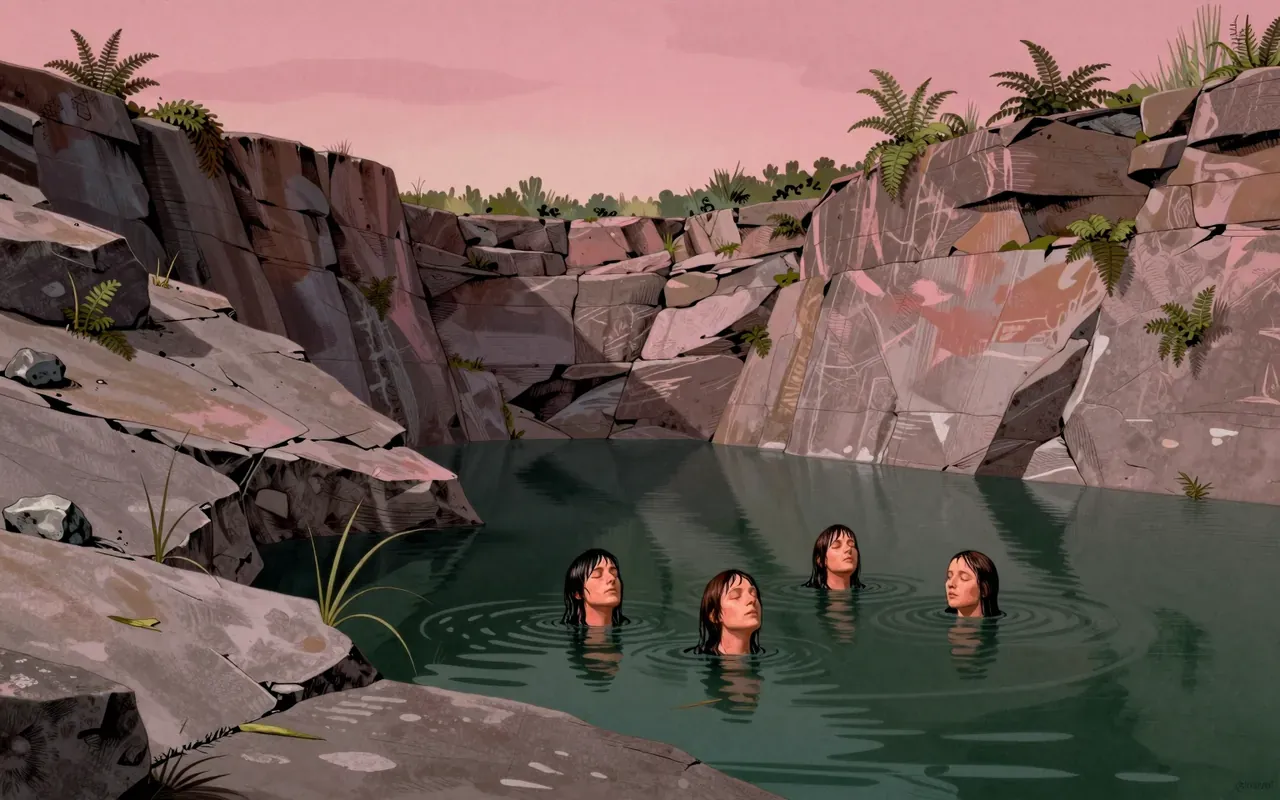
Spiderland is a live-recorded, effects-free document of four musicians playing in a room under pressure—both musical and psychological. Its influence is real, but its power lies in what it refuses: polish, explanation, relief.
The Gilded Palace of Sin is the Flying Burrito Brothers’ 1969 debut, recorded at A&M Studios in Hollywood with producer Larry Marks and engineer Henry Lewy. It features Sneaky Pete Kleinow’s B6-tuned pedal steel guitar — routed through a rotating Hammond Leslie amplifier and fuzzbox — alongside vocal harmonies modelled on the Everly and Louvin Brothers. Most songs were written by Gram Parsons and Chris Hillman at their San Fernando Valley residence, ‘Burrito Manor’. The album includes originals by Parsons, Hillman, and Chris Ethridge, plus two covers by Dan Penn and Chips Moman. Fast Eddie Hoh was dismissed mid-session due to substance abuse, leading to use of session drummers including Jon Corneal and Popeye Phillips. Its themes fuse country, soul, and psychedelic rock with lyrical references to Larry Spector and Robert F. Kennedy, framed by irony — ‘gilded’ as surface opulence masking moral decay.
Bob Dylan’s 1962 debut is not a statement of intent—it’s a ledger of absorption. Twelve traditional songs, two originals, recorded in three afternoons with no retakes, no polish, no plan beyond fidelity to what Dylan had heard and internalised. It sounds like one room, one guitar, one voice insisting on its own terms.
Ricky Sings Again is a 1959 pop album defined by its writers, its singers, and its binary pacing — nothing more, nothing less.
Face to Face is The Kinks’ fourth studio album, released on 28 October 1966. It marks a stylistic departure from beat music toward baroque pop and music hall. It is their first album of entirely original material and has been regarded as one of rock’s earliest concept albums — unified by Ray Davies’ observational and satirical songwriting about English culture, class, and the music industry. Recording occurred after Davies’ nervous breakdown and amid personnel instability. Nicky Hopkins contributed piano and harpsichord. The album reached

It's Too Late to Stop Now is a 1974 live double album capturing Van Morrison’s May–July 1973 tour with the eleven-piece Caledonia Soul Orchestra across the Troubadour (Los Angeles), Santa Monica Civic Auditorium, and Rainbow Theatre (London). It reflects an unusually disciplined, inventive, and collaborative phase: Morrison altered phrasing nightly, conducted the band physically onstage, and treated each performance as a unique improvisational event. No studio overdubbing was permitted; authenticity was enforced strictly, even excluding 'Moondance' over a single wrong guitar note.
Live! by Bob Marley and the Wailers is a title without a dossier. Verified facts are sparse: it exists in a list of live albums; it contains the Lyceum ‘No Woman, No Cry’ that charted in the UK in 1975; it credits multiple songwriters. Nothing confirms when or how it was recorded, who performed, or how it sounds beyond that single breakout moment. Its cultural weight comes from what happened after — covers, adaptations, film placements — not from what the record itself documents.

Run the Jewels 2 is a hip-hop album defined by its credited instrumental and vocal additions — not its themes, sound design, or production philosophy. It names who played what, and where. Nothing more is established.
Sweet Baby James is a tightly recorded, emotionally exposed folk-rock album made quickly and economically in Los Angeles. Its sound is defined by acoustic intimacy, uncluttered arrangements, and vocal delivery that treats silence as structural material. It succeeds where it commits to clarity—not where it attempts breadth.

Graduation is Kanye West’s third studio album, released in September 2007. It was recorded between 2005 and 2007 across studios in New York and Los Angeles, beginning immediately after Late Registration. West intended a twelve-track album by late September 2005; the final version contains 13 tracks (14 digitally), omitting two African-influenced interludes.
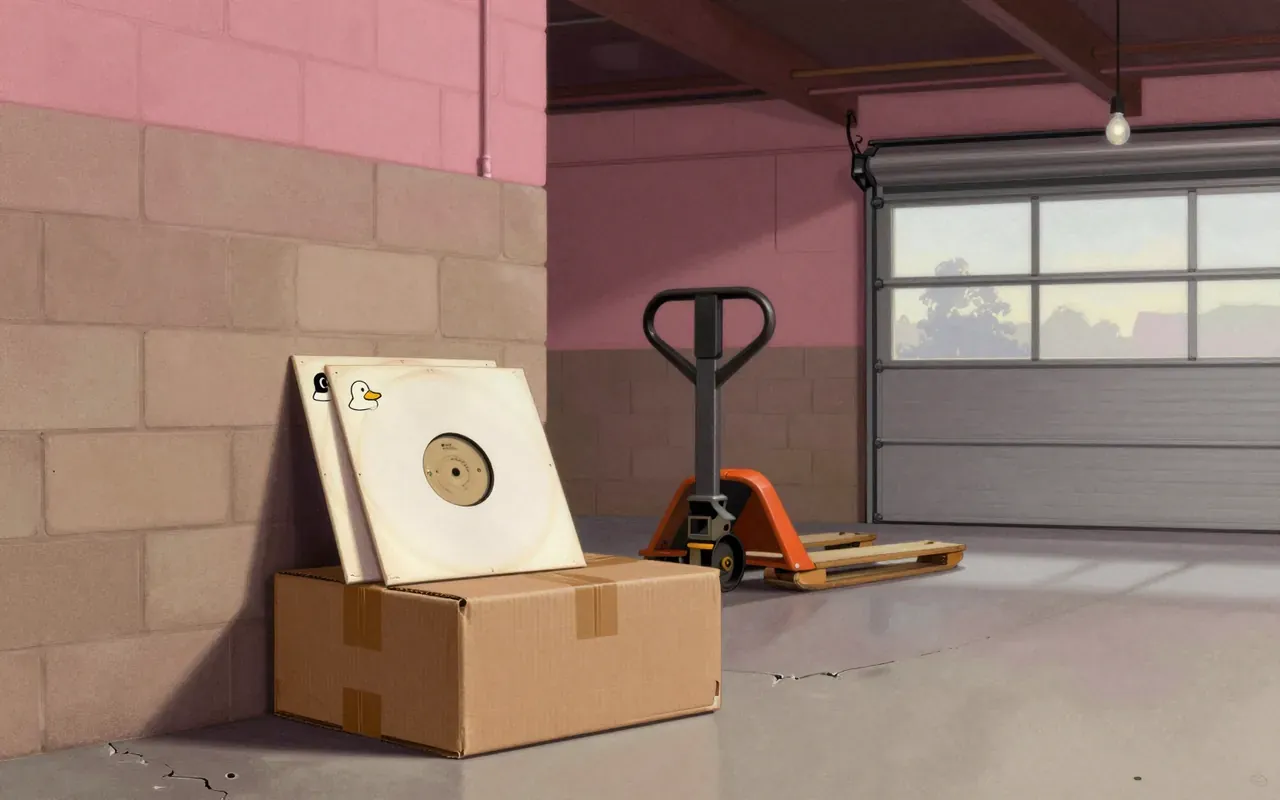
Duck Stab / Buster & Glen is a functional 1978 release — not a creative milestone. Its value lies entirely in its role as a commercial pivot: packaging existing and concurrent recordings to sustain momentum after Duck Stab! drew press attention. Nothing in the source confirms its sonic character, production method or internal logic. It is archival infrastructure, not art.
From Elvis in Memphis is Elvis Presley’s tenth studio album, recorded at American Sound Studio in Memphis in January and February 1969 under producer Chips Moman with the Memphis Boys. It marked his return to non-soundtrack albums after fulfilling his MGM film contract and followed the success of his 1968 NBC television special. The sessions were deliberately chosen for their southern soul sound, resulting in a 'country soul' style characterized by country song selections and frequent use of the dobro. Though RCA’s policy required recording in its own studios, the label sent personnel to American Sound. Presley began recording while nursing a cold, and the sessions included contributions from American Sound engineer Ed Kollis on harmonica. The album features a blend of soul, country, gospel, and blues, with arrangements emphasizing the rhythm section and incorporating strings, brass, and syncopation. Twelve tracks were selected from thirty-four recorded, including standout performances like 'In the Ghetto' and 'Suspicious Minds'.
Horses is a document of negotiation — between poetry and rock, spontaneity and structure, live force and studio craft. It lands where it commits: in voice, rhythm, and refusal. It falters where it sprawls.
Satyagraha is Philip Glass’s 1979 opera, recorded in 1985, based on Gandhi’s early South African years. It uses Sanskrit text, symphony orchestra, chorus, and solo voices to embody the concept of satyagraha — not narrate it. Repetition is its grammar. Resistance is its rhythm. It does not explain. It insists.

A compilation bundling Aphex Twin’s two most provocative late-90s singles — 'Come to Daddy' (1997) and 'Windowlicker' (1999) — plus remixes and instrumentals. Released in 2000. All tracks built electronically. Videos by Chris Cunningham. Charted in the UK Top 40. Satirical intent confirmed by artist statement.
A working model of collective improvisation — not theory, not rebellion, but four musicians building form as they go.

“(Sittin’ on) The Dock of the Bay” is Otis Redding’s final recording — an intentionally atypical, non-R&B song co-written with Steve Cropper, recorded in two sessions at Stax in November and December 1967, and mixed posthumously with seagull and wave sounds per Redding’s request. It features restrained vocals, succinct guitar, no backing vocals, and ends with Redding’s whistle — a deliberate substitution for a fadeout rap. Redding considered it unfinished and planned to re-record it, but died three days after the final session. Released in January 1968, it became his first number-one hit on both the Billboard Hot 100 and R&B charts.
Appetite for Destruction is a controlled detonation—not a spark. Every element was tested, rejected, rebuilt. Its power lies in its precision, not its chaos.
Ella Fitzgerald Sings the Cole Porter Song Book is a 1956 studio double album recorded in Hollywood over four sessions in February and March 1956; it features Fitzgerald singing Cole Porter’s songs with a studio orchestra conducted and arranged by Buddy Bregman, under producer Norman Granz’s conceptual direction to expand her audience while preserving jazz inflections through orchestral arrangement choices. It was the inaugural release on Verve Records and launched Fitzgerald’s acclaimed Song Book series.
Spiritual Unity is a radical act of presence — three players, one room, one afternoon, no safety net.

Swordfishtrombones is Tom Waits’s eighth studio album, released in 1983 on Island Records. It marks his first self-produced record, written during a two-week trip to Ireland and recorded at Sunset Sound. It departs from piano-based songwriting and jazz idiom, introducing banjo, accordion, bass-marimba, metal aunglongs, African squeeze drum, calliope, and harmonium—and deliberately excludes saxophone. Lyrically, it shifts from intimate tales of drunkenness and heartbreak to surreal, geographically expansive stories about societal misfits. Asylum Records rejected the finished album. Critical reception was immediate and enduring, praising its originality and compositional daring.
New Order’s Power, Corruption & Lies is their second studio album, released 2 May 1983 by Factory Records. It features more electronic tracks and heavier synthesiser use than Movement. It combines post-punk roots with electronic influences into synth-pop, electropop, new wave, synth-rock, dance-rock, post-punk and dance-punk. At the time, it was the heaviest the band had ever flirted with electronica. Its sound has been characterised as a gentle portrait of ambient, post-industrial tenderness. '5-8-6' has been called a literal interpretation of early house music, with noted influences from Kraftwerk and Giorgio Moroder. Darker songs such as 'We All Stand' and 'Your Silent Face' are contrasted with brighter, more optimistic songs such as 'The Village'. 'Blue Monday' was recorded in the same sessions and released separately as a non-album twelve-inch single.
A companion LP to Billie Holiday’s 1956 autobiography. Released in June 1956. Compiled from two sessions: September 1954 at Capitol Studios and June 1956 at Fine Sound Studios in New York City. Four tracks are new; eight are re-recordings of her biggest hits.
Lemonade is a 2016 visual album and hour-long musical film, released simultaneously on HBO and Tidal. It is a song cycle structured around emotional stages derived from the Kübler-Ross model, conceived and executed as a unified work of sound and image.
A contractual and personnel landmark — not a sonic manifesto.
2112 is Rush’s fourth studio album, recorded in January 1976 at Toronto Sound Studios with producer Terry Brown. It followed financial and creative crisis after Caress of Steel underperformed. The band composed material on the road in 1975—Peart writing lyrics first, Lee and Lifeson building songs on acoustic guitars to match their mood—departing from prior electric-based writing. They minimized overdubbing for live fidelity, used varied guitars (ES-335, Les Paul, B-45, Dove, Stratocaster), Fender amps, and Lee’s stereo-output Rickenbacker bass routed unconventionally. 'The Temples of Syrinx' was developed backstage in Sault Ste. Marie; the 'Overture' was the final piece written. It was the first Rush album to 'really sound like Rush'.

A technically assured, narratively precise soundtrack built for mass appeal and cinematic utility. It delivers exactly what it promises: songs that advance plot, underscore emotion, and vanish from memory once the credits roll.
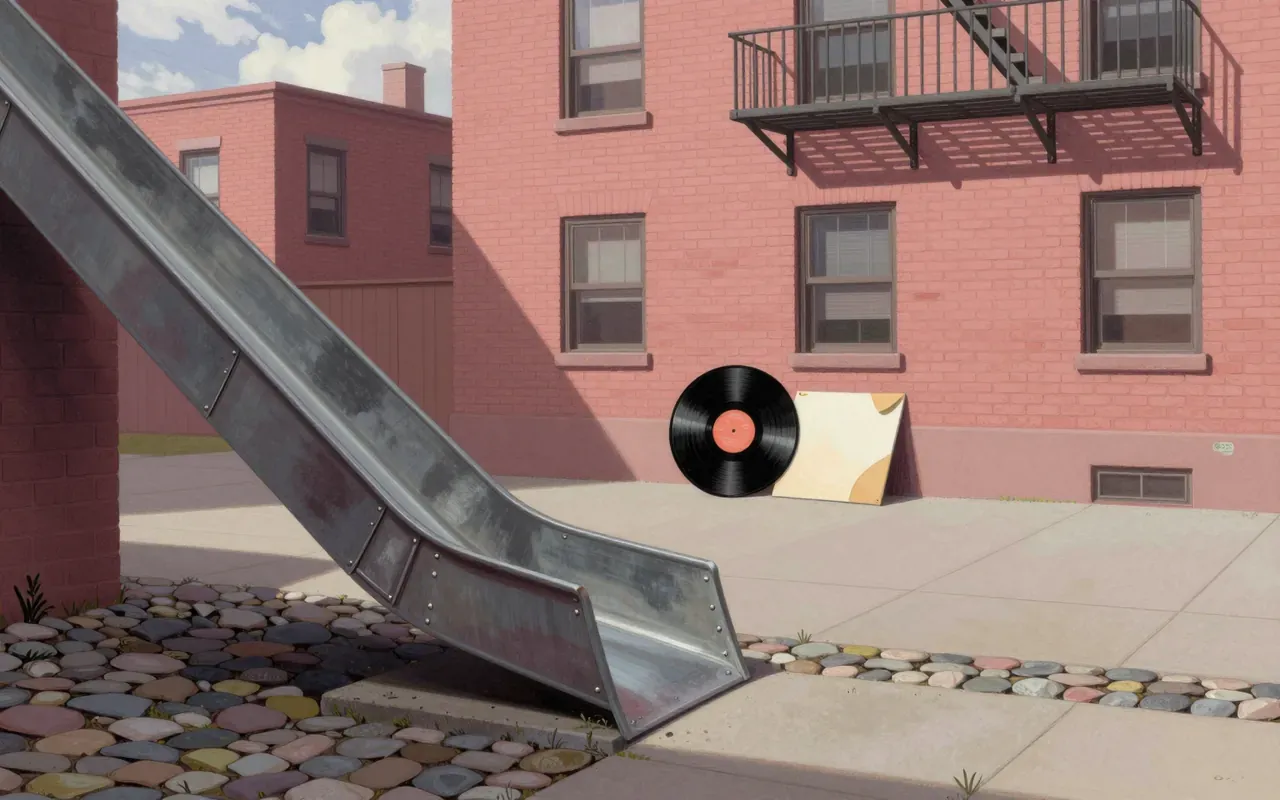
Chutes Too Narrow is a pop record built for listening, not mythmaking. It trades the debut’s lo-fi haze for clean guitar-led arrangements, recorded in a Portland basement under financial constraint and physical risk. Its strength lies in what it leaves out: no filler, no obfuscation, no sonic indulgence. It lands because every decision serves the song — not the scene, not the story, not the brand.
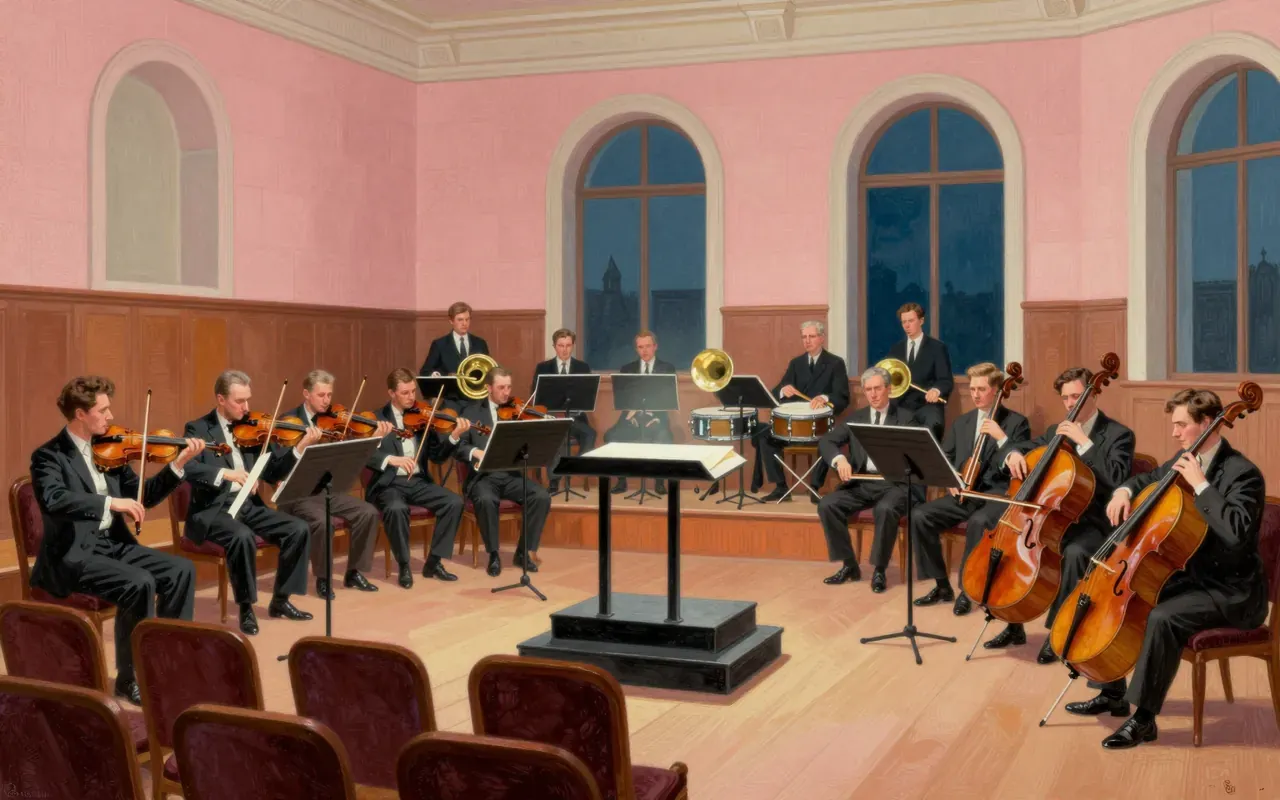
No recording is described. Only the 1943 composition is verified — commissioned by Koussevitzky, premiered by the Boston Symphony Orchestra in 1944, scored for symphony orchestra, structured in five movements, and defined by rotating soloistic emphasis. Everything else — sound, performance, recording, interpretation — is absent from the evidence.
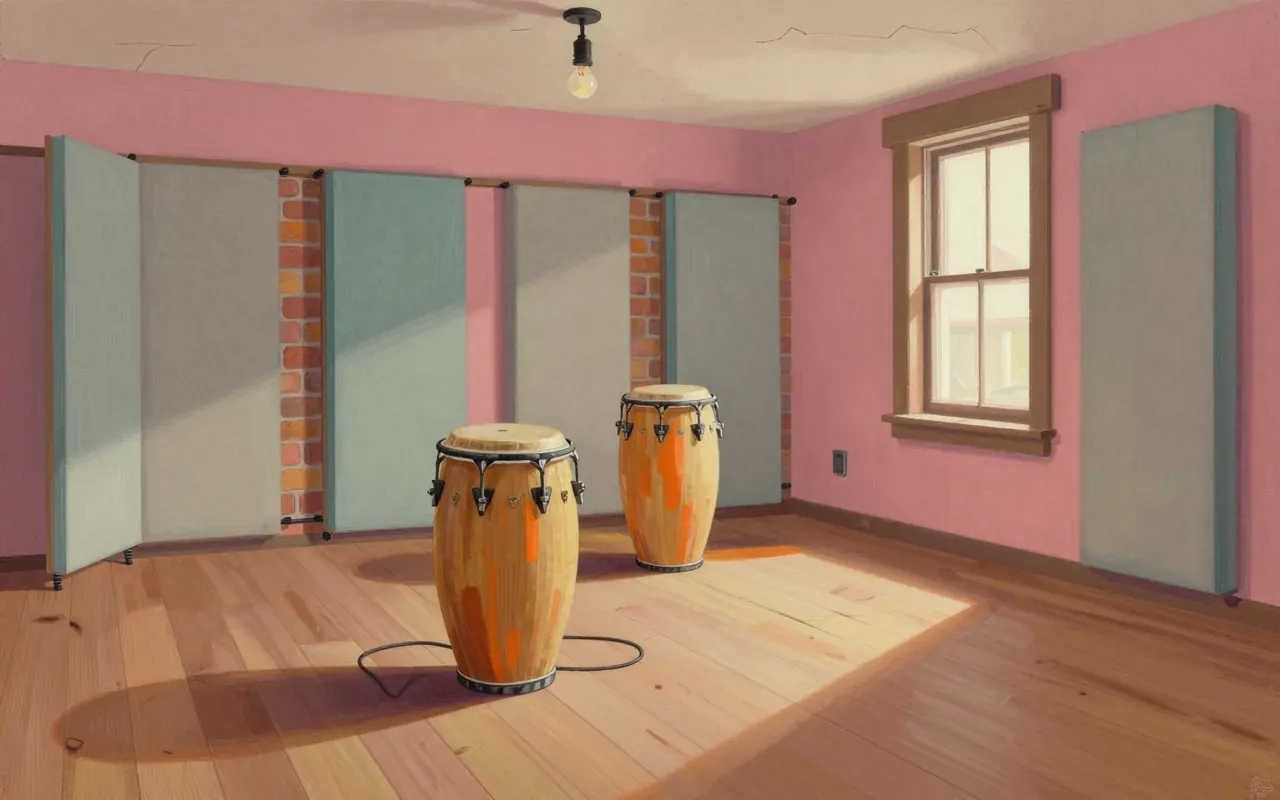

Kimono My House is a precise, high-wire pop record. It uses limited tools — Rickenbacker bass, Echoplex-delayed Electra-Piano, angular guitar — to build ten tightly wound songs. Its wit is structural, not lyrical. Its drama is in timing, not volume. It does not invite affection. It demands attention.
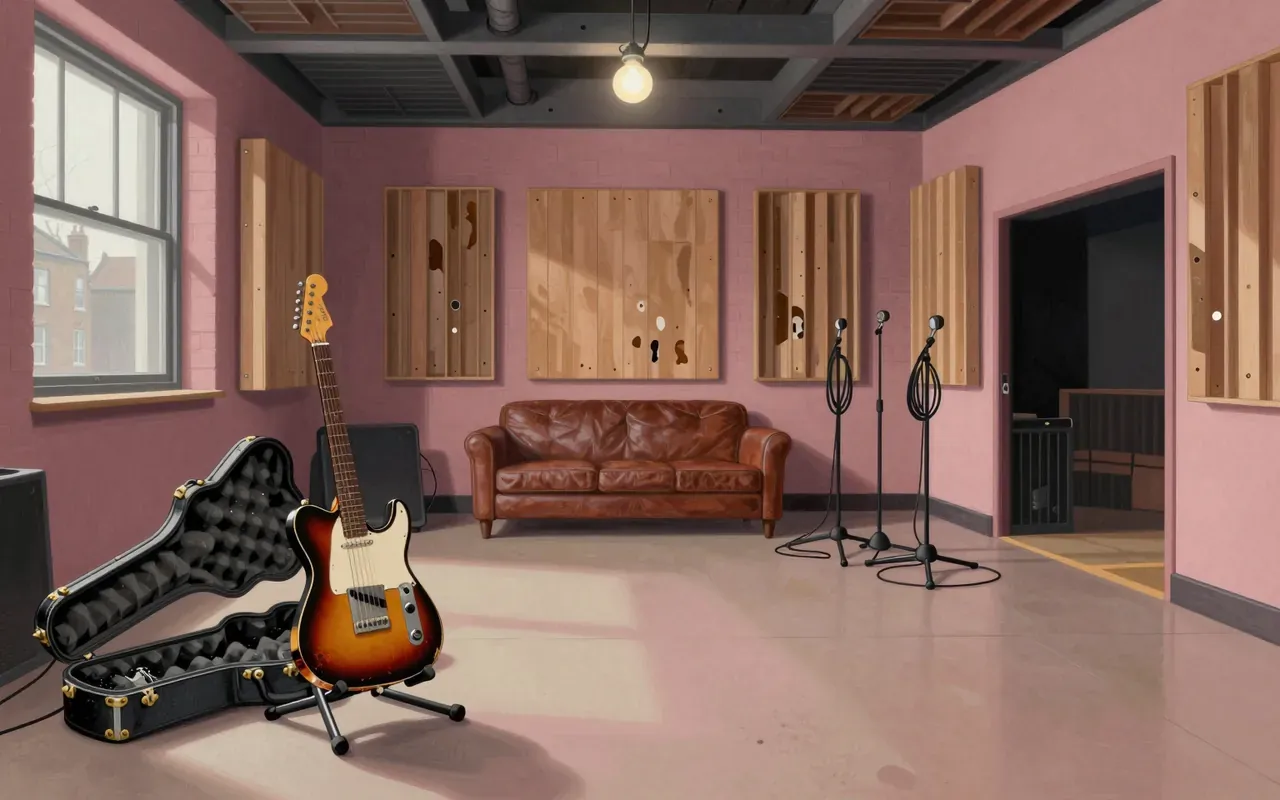
Up the Bracket is a live-wire debut — urgent, unvarnished, and built on two guitars, a drum kit, and a shared sense of London as both home and hazard.
Los Angeles is X's 1980 debut studio album, produced by Ray Manzarek, who also contributed organ and synthesizer parts; it features the core quartet of John Doe, Exene, Billy Zoom, and D. J. Bonebrake, and includes a cover of The Doors' 'Soul Kitchen'; critical reception was highly positive from release, with retrospective acclaim positioning it among punk's finest recordings.
Moby Grape is the 1967 debut studio album by the San Francisco rock band Moby Grape. It was recorded in Los Angeles over six weeks in March–April 1967. David Rubinson produced it. Thirteen tracks were completed. An unfinished track, 'Rounder', had no lyrics or vocals.
Paris 1919 is John Cale’s third solo studio album, recorded in 1972–1973 at Sunwest Studios in Los Angeles and produced by Chris Thomas to add objectivity. It features Lowell George, Richie Hayward, Wilton Felder, and the UCLA Symphony Orchestra — uncredited on the original LP. Musically, it departs from Cale’s experimental tendencies toward an orchestral singer-songwriter style influenced by Brian Wilson, the Bee Gees, and Procol Harum’s 1972 live album. Lyrically, it references the 1919 Paris Peace Conference, Dylan Thomas, and Graham Greene. Critically acclaimed upon release and since, it is widely regarded as Cale’s most accessible and traditionally structured solo work — and retrospectively considered his masterpiece.
Q: Are We Not Men? A: We Are Devo! is a controlled demolition of rock vocabulary. It replaces swing with syncopated rigidity. It replaces vocal expression with monotone delivery. It replaces room sound with dead air. It establishes post-punk as architecture, not attitude. It falls short only where it tries to be funny — the jokes land flat because the music refuses to wink.
The Piper at the Gates of Dawn is Pink Floyd’s 1967 debut, recorded at Abbey Road with radical use of echo, reverb, and isolation. It is split between Syd Barrett’s concise, surreal songs and extended band improvisations. Its sound is defined by technical choices—not genre conventions.
Fresh is Sly & the Family Stone’s 1973 album, made amid personnel losses and Sly’s escalating cocaine use. It follows There’s a Riot Goin’ On. It contains a track purportedly sourced from a 1968 outtake.