A Night at Birdland, Volume 2
The Art Blakey Quintet · 1956
A Night at Birdland, Volume 2 is a live 1954 Birdland recording, part of the A Night at Birdland series, captured during the session where Blakey declared his commitment to young musicians.
A Night at Birdland, Volume 2 is a live 1954 Birdland recording, part of the A Night at Birdland series, captured during the session where Blakey declared his commitment to young musicians.
A functional, unvarnished hard bop document — not a statement, not a departure, just the band working the tune as written.
Headquarters is The Monkees’ third album, released May 22, 1967, after firing Don Kirshner and winning full creative control. It is their first record made entirely with their own instruments and original writing — six songs by the band, two experimental interludes, and production by Chip Douglas.
II is a 1994 Motown album by Boyz II Men. It sold over 12 million copies in the US and won the 1995 Grammy for Best R&B Album. Its sound is defined by high-profile producers — Tim & Bob (five tracks), Babyface (two), Jimmy Jam and Terry Lewis (two) — and Boyz II Men’s songwriting and production on several tracks. More than 20 songs were recorded; most were omitted. The interlude 'Khalil' honours road manager Roderick 'Khalil' Rountree, killed in Chicago in May 1992. No technical or sonic detail beyond these facts is established in the sources.
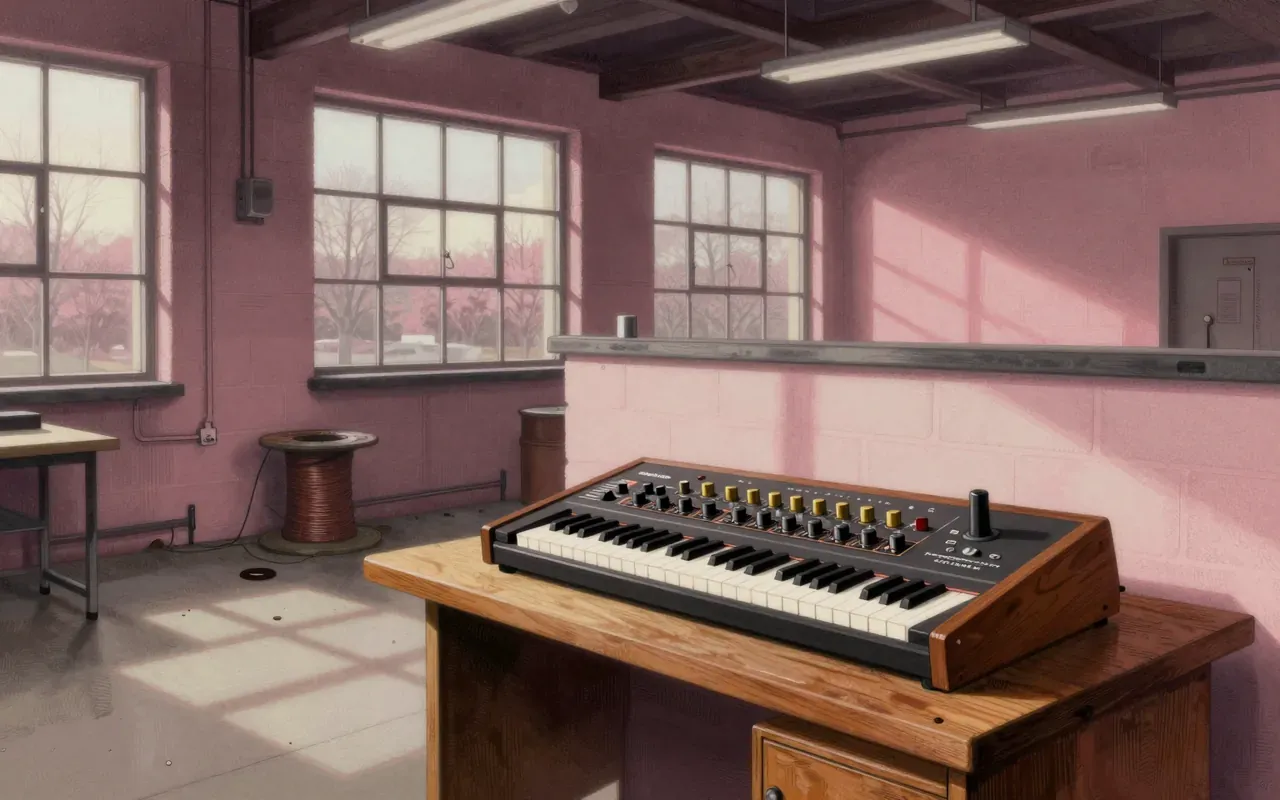
Mutations is a live-recorded, country-influenced 1998 album built from Moog keyboards, acoustic guitars, and string arrangements. It rejects Odelay’s sampling and hip hop textures in favour of room-captured performances. Its somber tone, contractual friction with Geffen, and Grammy win for Best Alternative Music Performance mark a decisive turn toward restraint and interiority.
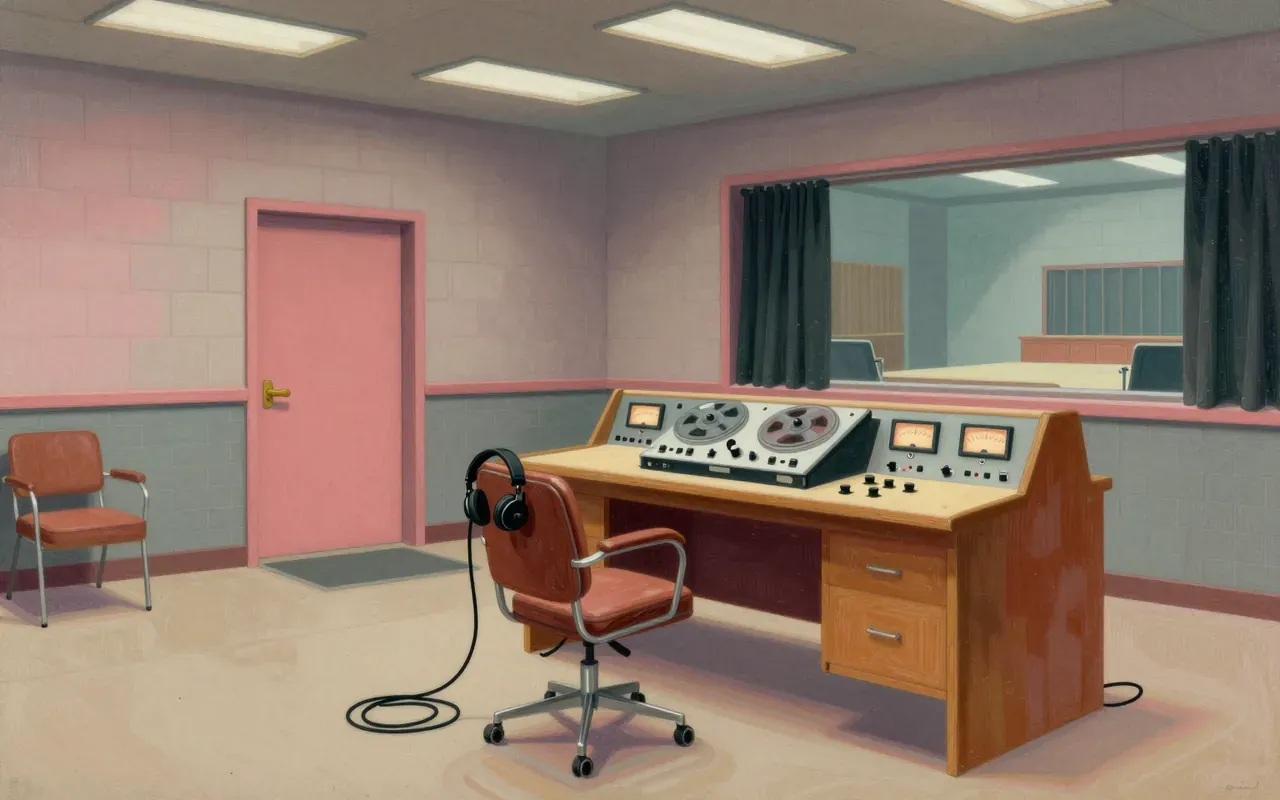
Please Please Me is the Beatles’ debut studio album, recorded in a single day on 11 February 1963 at EMI Studios, with overdubs added on 20 February. It captures their live stage repertoire — originals and covers — with minimal production. John Lennon sang 'Twist and Shout' while ill, in one take at 10 pm. The album was conceived as a live broadcast, not a studio construction. It reflects instinctive, derivative songwriting — sound over lyric, ensemble over individuality. It is essential as a document of performance energy, not as a polished record.
Transformer is Lou Reed’s second solo album, co-produced by David Bowie and Mick Ronson at Trident Studios, London, in 1972. Four tracks originated in the Velvet Underground and were slowed for this version. Ronson contributed guitar, piano, recorder, backing vocals and the string arrangement for 'Perfect Day'. 'Walk on the Wild Side' features Herbie Flowers’ bass and Ronnie Ross’ saxophone. The cover art resulted from an accidental over-exposure of a Mick Rock photograph. The album includes references to Warhol superstars and Nelson Algren’s novel.

Come Fly With Me is a 1958 concept album by Frank Sinatra arranged by Billy May as a musical world tour. It reached number one on the Billboard album chart for five weeks and was nominated for Album of the Year at the inaugural Grammy Awards. Seven songs were recorded in a single session on May 29; 'Lush Life' was abandoned for being too technically demanding. The title track was written for Sinatra and became one of his best-known standards.
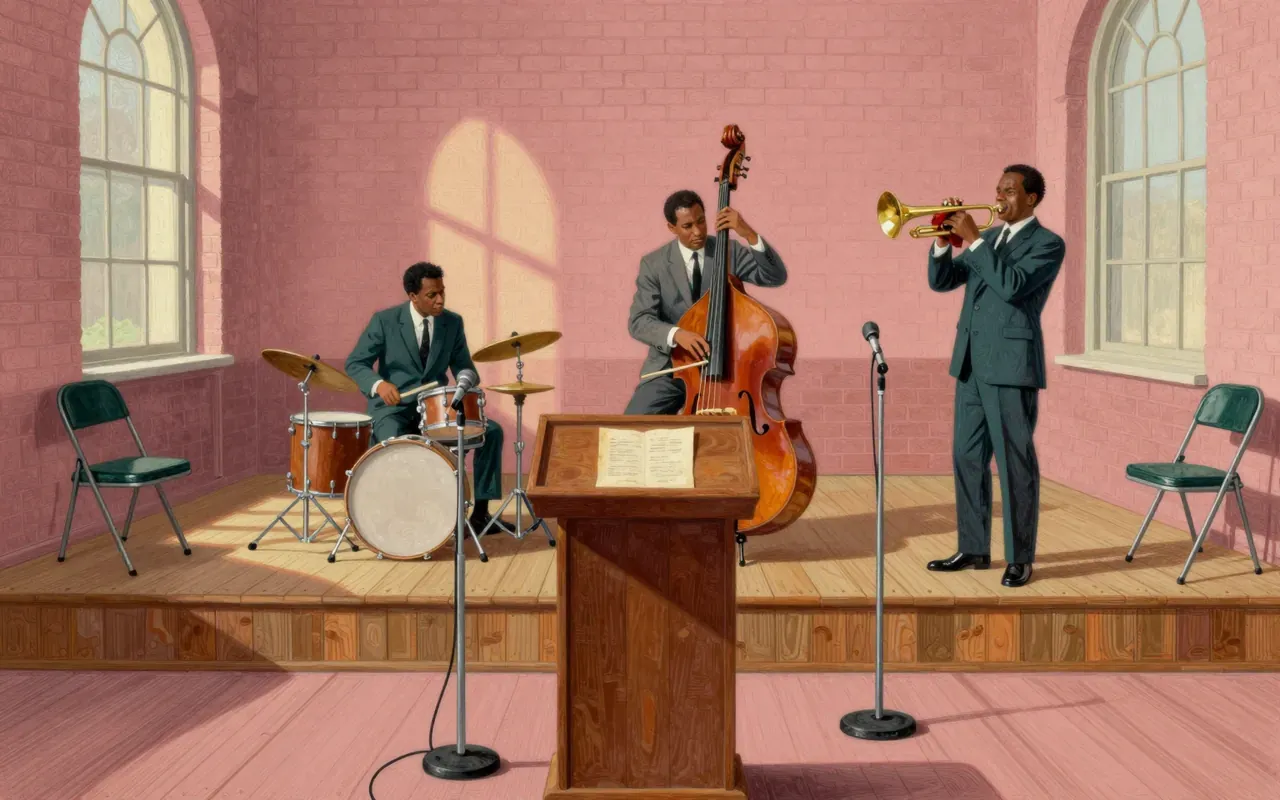
We Insist! is a 1960 jazz suite commissioned for the Emancipation Proclamation centennial. Abbey Lincoln sings. Oscar Brown Jr. writes the lyrics. Nothing more is verifiable.
Gasoline Alley is Rod Stewart’s second solo album, released in the autumn of 1969. It continues the musical approach of his debut and introduces mandolin into his sound.

A studio recording of Verdi’s Aida, made in 1989. Contains all vocal and orchestral numbers across four acts. Omits Verdi’s rejected overture. No source material describes performers, conductor, recording venue, or engineering choices.
Supernatural is a pop-oriented 1999 album produced under Clive Davis’s guidance at Arista, built around radio-friendly melodies and structured collaborations with contemporary artists. It marks a deliberate departure from Santana’s earlier instrumental focus.
The Art of Fugue is not a piece to be performed. It is a set of problems posed in musical notation. Its 1995 recording makes no claim to solve them — only to present the lines as clearly as possible. It is austere. It is complete in its incompleteness. It asks only that you follow the voices.
A foundational work of programme music — vivid, intentional, and tightly bound to its textual guides.
Eternally Yours is The Saints’ 1978 second album, produced by Chris Bailey and Ed Kuepper, featuring an R&B-influenced sound with horn arrangements and new bassist Algy Ward. Recorded at Wessex Studios under the original title International Robots, the sessions yielded stripped-down versions later issued as bonus tracks. Bailey regarded it as the band’s first proper release—distinct from the demo character of their debut—though its horn-heavy approach reportedly alienated some listeners at the time. Retrospective assessments have elevated it as a punk classic, praised for consistency, variety, and influence, with endorsements from major musicians including Kurt Cobain and Mark Lanegan.
Queen II is a decisive pivot toward studio-as-instrument. It is precise, intentional, and unromantic about process. Its sound is built on vocal layering, guitar doubling, and rigid scheduling—not mystique. It fails where it reaches too far, succeeds where it stays tight.
The 1955 EmArcy album 'Sarah Vaughan' — reissued as 'Sarah Vaughan with Clifford Brown' — is Vaughan’s only recorded collaboration with Clifford Brown. It features Vaughan’s voice, Brown’s trumpet, and a tight ensemble arranged and conducted by Ernie Wilkins. Vaughan reconfigures melody so deliberately that lyrics lose sense — linguistic phrasing replaced by musical phrasing. Brown’s bop virtuosity anchors the session. It is one of the most important jazz-meets-vocal sessions ever recorded. None of the listed tracks (East of the Sun, Ain’t Misbehavin’, etc.) appear on this album. The film citations are irrelevant to this record.
The Score is a 1996 hip-hop album recorded in a basement with live guitar, DJ scratches and heavy interpolation — structured like a radio play, not a collection of songs.

Currents is a tightly controlled, emotionally exposed electronic pop record made alone in a beach house. It replaces guitar-layered psychedelia with vintage synths, drum machines, and clear vocals. Its strength is precision — its weakness is airlessness. It rewards attention to texture, not spectacle.
Quadrophenia is a concept album about Jimmy, a young mod with a four-way split personality, set in 1965 London and Brighton. It features four interwoven musical themes representing each band member, layered synthesizers recorded at home, overdubbed horns, and field recordings. It was recorded using Ronnie Lane’s Mobile Studio due to delays in completing Ramport Studios. The album reached No. 2 in both the UK and US charts.
Ascenseur pour l’échafaud is the 1958 soundtrack album for Louis Malle’s Elevator to the Gallows, recorded in Paris in November 1957 by Miles Davis and a quartet of French and American musicians during a single improvised session.
Bridge Over Troubled Water is Simon & Garfunkel’s final studio album, released in January 1970. It was their first to credit session musicians in the liner notes. It was recorded amid deepening personal and artistic strain, and it marked a deliberate shift away from their earlier folk rock sound.
A foundational disco record built on repetition, restraint, and vocal embodiment — not songwriting.
A debut made by people teaching themselves how to record—sharp guitars, no safety net, zero pretence.
Songs of Leonard Cohen is Leonard Cohen’s 1967 debut folk album, released by Columbia Records. It was recorded amid creative tension between Cohen and producer John Simon, following John Hammond’s withdrawal. Cohen preferred a sparse, intimate sound — working first with bassist Willie Ruff — and resisted Simon’s ornate arrangements involving strings, horns, and drums, which he had explicitly forbidden. He insisted on using a mirror during recording and objected to specific production choices: the orchestration on 'Suzanne', the softness of 'Hey, That's No Way to Say Goodbye', excessive bass, and a disruptive pause in 'So Long, Marianne'. Some of Simon’s additions proved irreversible due to technical limitations of the four-track master tape. Instrumentalists — including members of Kaleidoscope — were personally recruited by Cohen but remained uncredited on the original sleeve. All tracks are written solely by Cohen.
Is the Actor Happy? is Vic Chesnutt’s 1995 folk rock album, produced by John Keane, with Michael Stipe on vocals for 'Guilty by Association'. Chesnutt wrote the songs while opening for Live in 1994. The Sunday Times noted he learned to write for a band — brushed drums and ringing lead-guitar lines layered over his simple strumming. AllMusic described arrangements shifting from heartbreakingly delicate folk rock to crashing guitar crescendos. Pitchfork called it his most extroverted record, extending subject matter beyond himself into relationships and the Southern landscape. Forrest Gander wrote the liner notes. The Guardian offered a dissenting view, calling the songs unremarkable.
Midnight Marauders is A Tribe Called Quest’s third studio album, released 9 November 1993. It synthesises jazz, funk, soul and R&B sampling into a gritty, cohesive whole — built across nine months in three New York City studios, with foundational work in Phife Dawg’s grandmother’s basement. Q-Tip and Phife Dawg refine their lyrical interplay, supported by deliberate production choices: retained sample noise, SSL sheen, layered drums, and a recurring tour guide voice. Guests include Large Professor, Busta Rhymes and Raphael Saadiq (credited as Raphael Wiggins). The album was mixed at Battery Studios and mastered at The Hit Factory.
Skeleton Tree is a record shaped by absence — not just in subject, but in arrangement, timbre and space. Its electronic palette is functional, not decorative. Its lyrics avoid direct address. Its production leaves room tone intact. It assumes the listener will sit with unresolved feeling.

ABBA Gold: Greatest Hits is a 1992 compilation album compiled by Chris Griffin, Jackie Stansfield, George McManus, Ingemar Bergman, and John Tobler, with sequencing designed as a radio show—opening with 'Dancing Queen' and closing with 'Waterloo'—and featuring representative tracks from nearly all ABBA studio albums up to that point. It draws on performances by Agnetha Fältskog, Anni-Frid Lyngstad, Björn Ulvaeus, and Benny Andersson, and was produced by Andersson and Ulvaeus, with engineering and remastering by Michael B. Tretow (1992), Jon Astley (1999–2004), and Henrik Jonsson (2008).

Iron Butterfly’s 1968 album In-A-Gadda-Da-Vida is a two-part statement: four short psychedelic tracks on Side A, and a 17-minute title track filling Side B. It was made by the classic quartet — Ingle (Vox Continental organ, vocals), Brann (guitar, lead vocals on 'Termination'), Dorman (bass, backing vocals), and Bushy (drums, percussion). Ingle wrote all tracks except 'Termination', co-written by Brann and Dorman. The album was a commercial milestone — Atlantic’s first in-house platinum award — and its title track became a top-30 US hit when edited to 2:52. Critics identified its sound as a pioneering fusion of hard rock with acid-friendly textures, trippy exploration, open-ended jams, and a hard, distorted attack.
Lonerism is a studio-built world where pop melody meets ambient alienation. It uses synthesizers, dictaphone field recordings, and spatial production to evoke isolation — not as absence, but as a deliberate, textured condition.
Fontessa is the Modern Jazz Quartet’s 1956 Atlantic debut: their first formal guest collaboration (with Jimmy Giuffre), their first album after moving from Prestige, and their first recording following their 1956 European debut tour. The 11-minute title suite was composed by John Lewis and inspired by Commedia dell’arte, with its four characters illustrated on the cover. Lewis described it as a suite whose sketchy plot invites improvisation. The Prelude opens and closes the work. Harlequin is evoked by vibraphone improvisation in older jazz style. Pierrot appears in piano-led 'less older jazz'. Pantaloon emerges in drum-led 'still later jazz', developing the main motif. Colombine is represented by the recurring three-note 'Fontessa' motif. The mono version was issued in the USA on Atlantic’s black label, catalogue number 1231. The stereo release contained technical flaws: mains hum, tape hiss, and reduced bass level.
ANTI is Rihanna’s eighth studio album, released exclusively on Tidal on January 28, 2016, after her departure from Def Jam to Roc Nation. It is eclectic by design, blending pop, dancehall, psychedelic soul, lo-fi beats, soul, and trap — shaped by creative struggles and emotional turmoil — and it became her second number-one album on the Billboard 200.

Graceland is not a protest record—it’s a studio-as-collaboratory, where South African rhythm became Paul Simon’s new grammar.
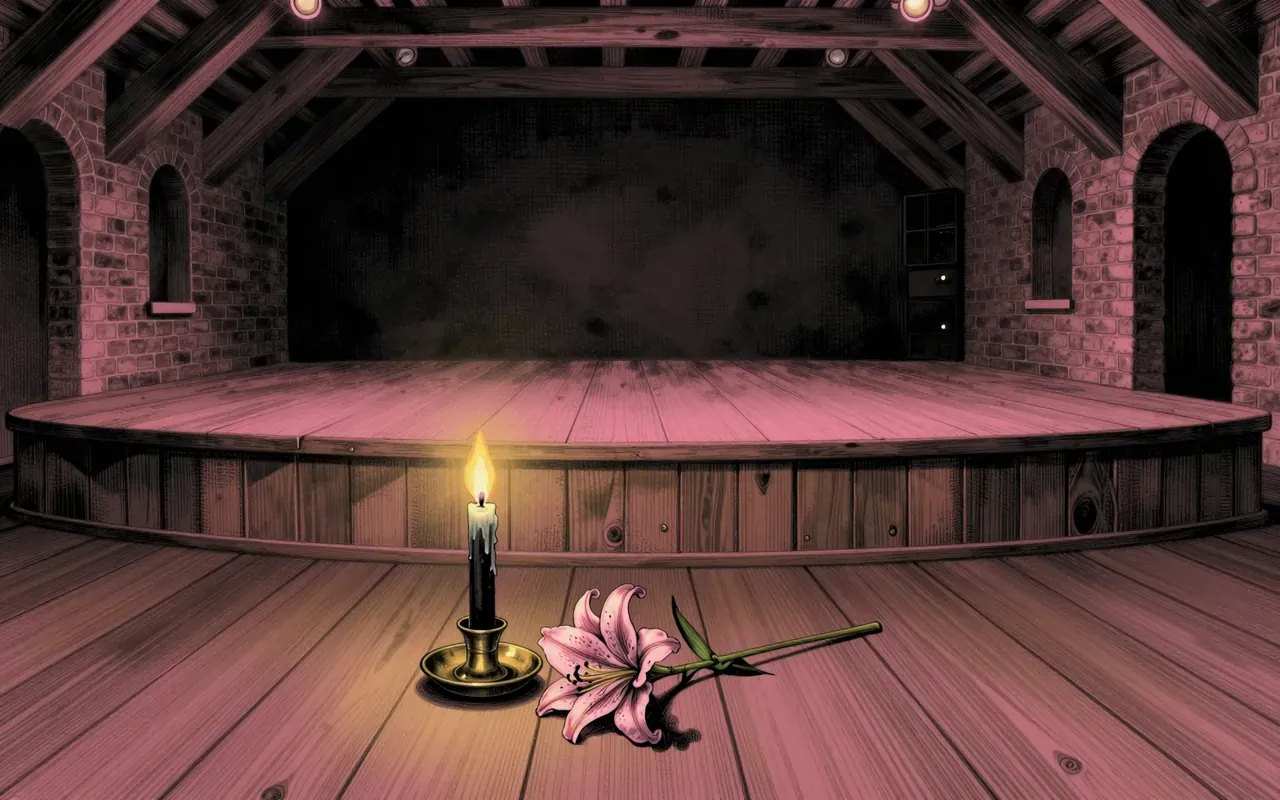
MTV Unplugged in New York is Nirvana’s 1994 live album, recorded at Sony Music Studios in Hell’s Kitchen, Manhattan, on November 18, 1993. It documents their MTV Unplugged appearance — 14 songs, filmed in one continuous take. Cobain insisted on running his acoustic guitar through an amplifier and effects pedals, disguised by a fake box built in front of the amp. He described the stage design — stargazer lilies, black candles, and a crystal chandelier — as 'like a funeral'. The title alludes to the Indian religious concept of nirvana: a 'blown out, extinguished' state of liberation from suffering and rebirth, first used soteriologically by Buddhists.

Free Jazz is the first full-length document of collective, non-idiomatic improvisation as compositional method. It uses stereo separation not for effect but for argument: two autonomous groups coexisting without hierarchy, negotiation, or synthesis.
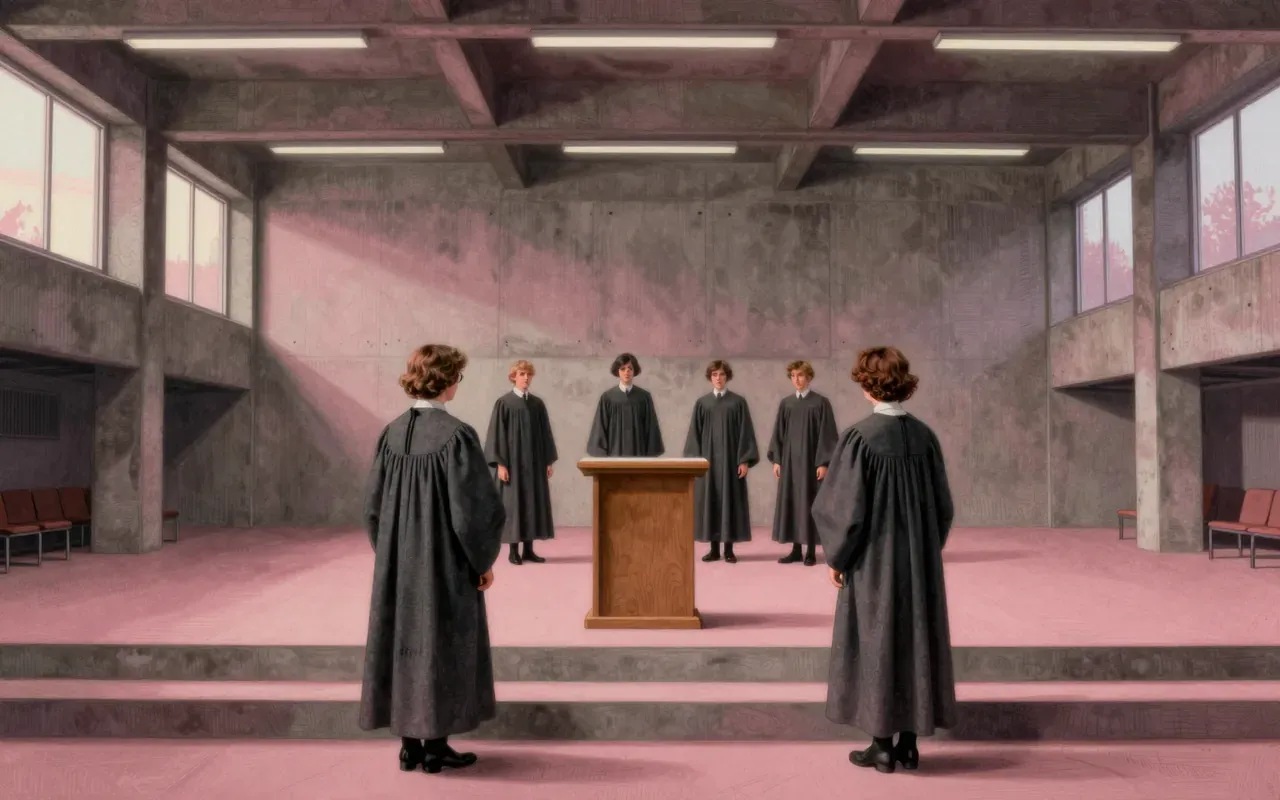
The 1983 album of Philip Glass’s score for Koyaanisqatsi is a landmark application of minimalism to film: nine movements built from repetition, brass sustain, choral tonality, and synth-driven ostinatos—performed by the Philip Glass Ensemble and the Western Wind Vocal Ensemble under Michael Riesman. It does not develop themes, resolve harmonically, or prioritise individual expression. It treats musical time as malleable, like the film’s time-lapse and slow motion. It is essential for listeners who treat sound as architecture—not atmosphere.


Julie Is Her Name is a debut album of sparse, controlled vocal interpretations. It is not lush. It is not improvised. It is not nostalgic. It is precise.
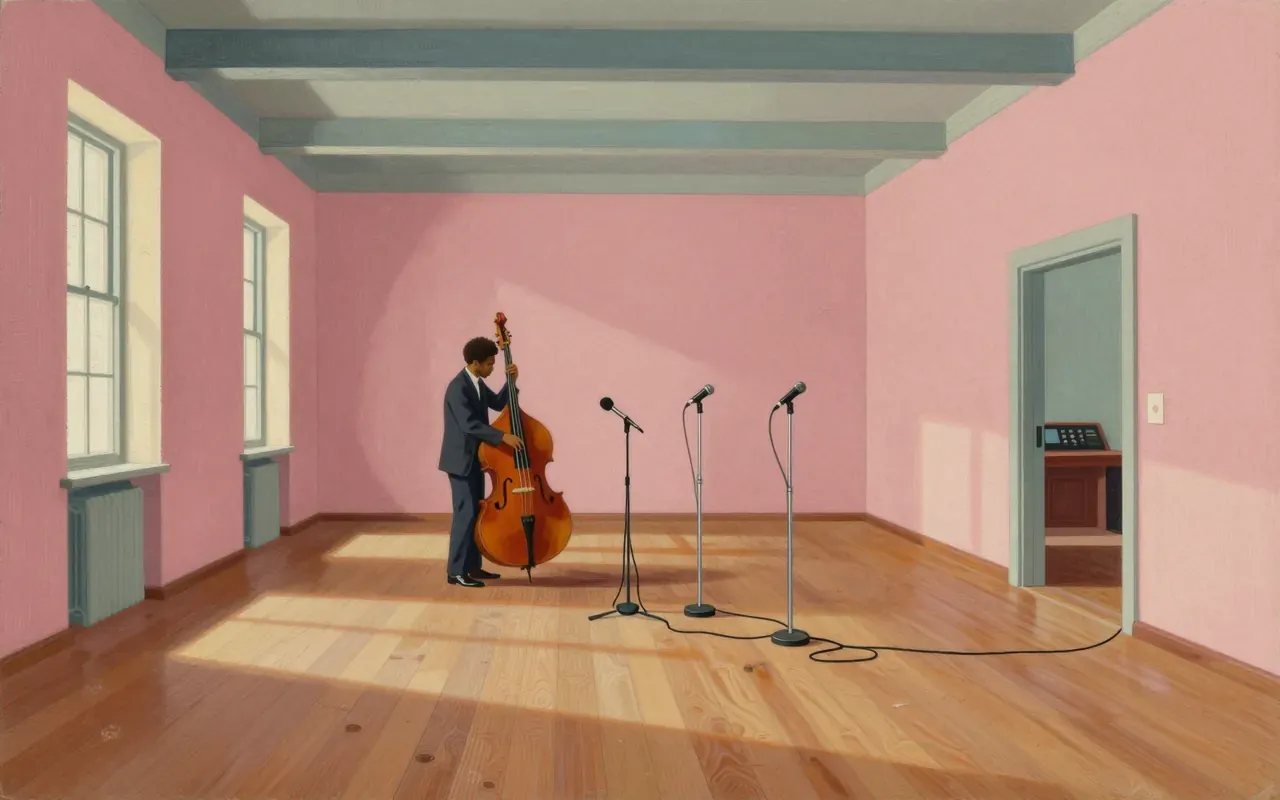
Ascension is a 38-minute, two-take studio recording made unrehearsed on June 28, 1965, at Van Gelder Studio in Englewood Cliffs, New Jersey. Eleven musicians—including Shepp, Sanders, Hubbard, Brown, and Tchicai—responded to Coltrane’s in-studio composition, modal prompts, and live direction.

Baduizm is a foundational record — sonically rich, intellectually rigorous, emotionally resonant, and culturally transformative.
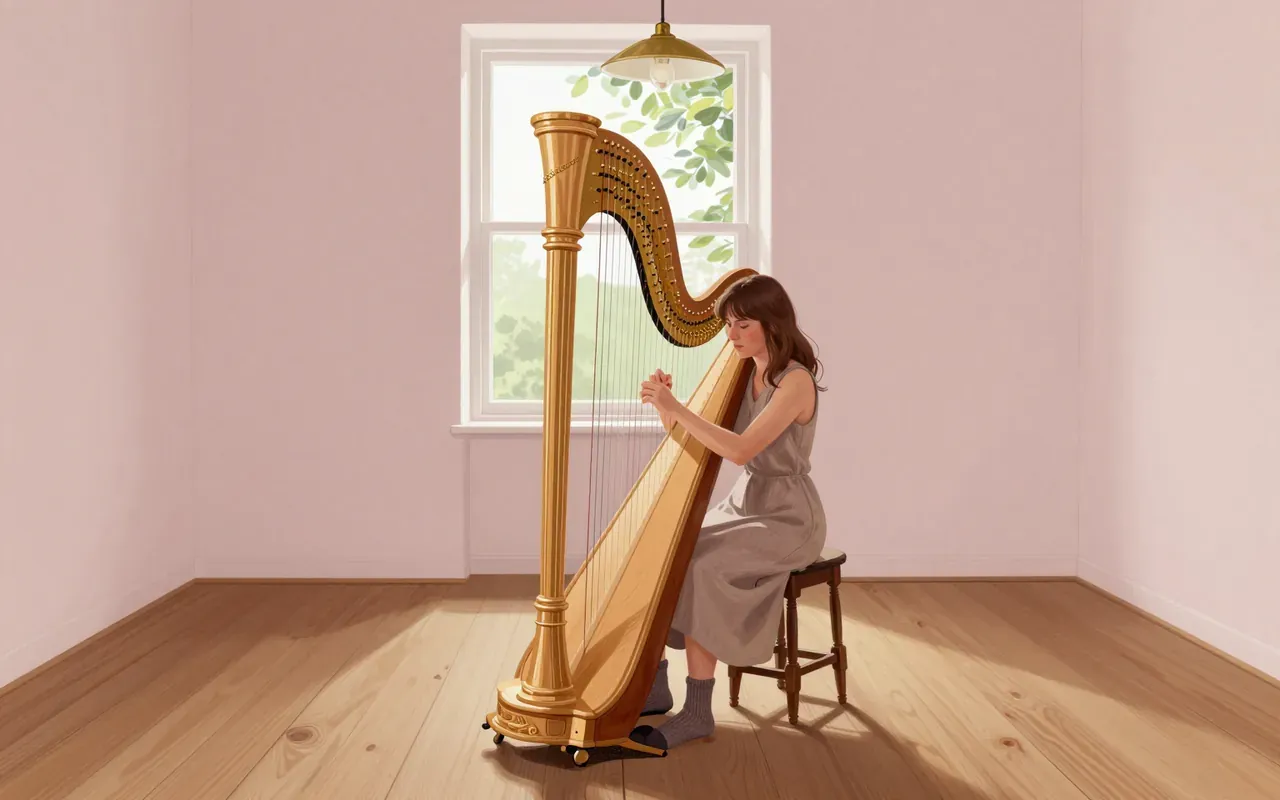
Ys is Joanna Newsom’s second studio album, released November 14, 2006, by Drag City. It features full orchestral arrangements by Van Dyke Parks on four of its five tracks. Harp and vocals were recorded by Steve Albini in December 2005 at Village Recording Studio; orchestration was recorded by Tim Boyle in May–June 2006 at Entourage Studios. The album was mixed by Jim O'Rourke to tape and mastered at Abbey Road Studios. Its five long-form songs explore grief, illness, and relationship turmoil, referencing the mythical Breton city of Ys. There is no title track.
No factual detail about Beach Samba appears in the provided source material. All assertions about it derive solely from the prompt’s givens: title, artist, year, track list, and film placements. Nothing about its recording, musicians, producer, studio, or critical reception is verifiable from the text. The brief therefore treats it strictly as a node in Gilberto’s documented Verve sequence — not as a standalone event.
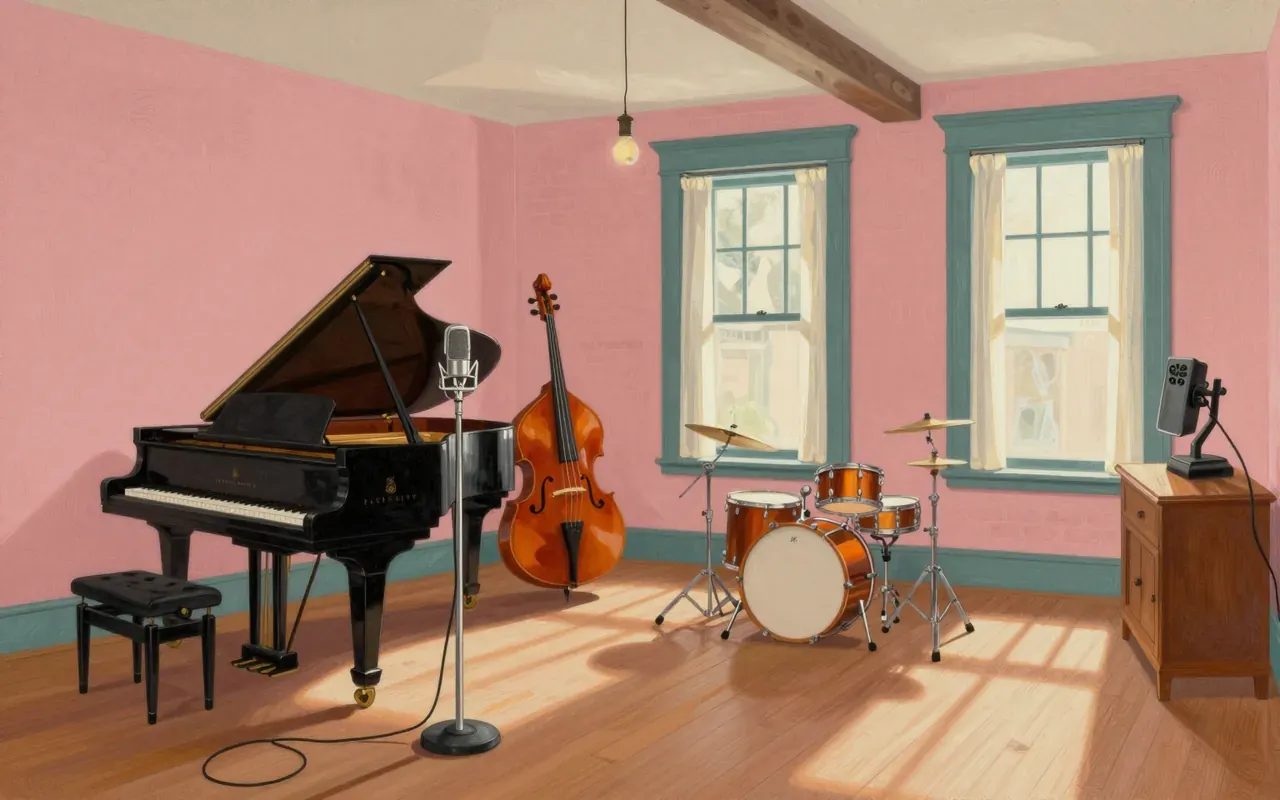
Kelly Blue is a 1959 Riverside LP — Wynton Kelly’s second for the label — recorded with his Miles Davis rhythm section (Paul Chambers, Jimmy Cobb) and guests Nat Adderley, Bobby Jaspar, and Benny Golson on two tracks. Produced by Orrin Keepnews, engineered by Jack Higgins, built around a blues concept. Three originals, four standards. No vocals. No effects. No digressions.
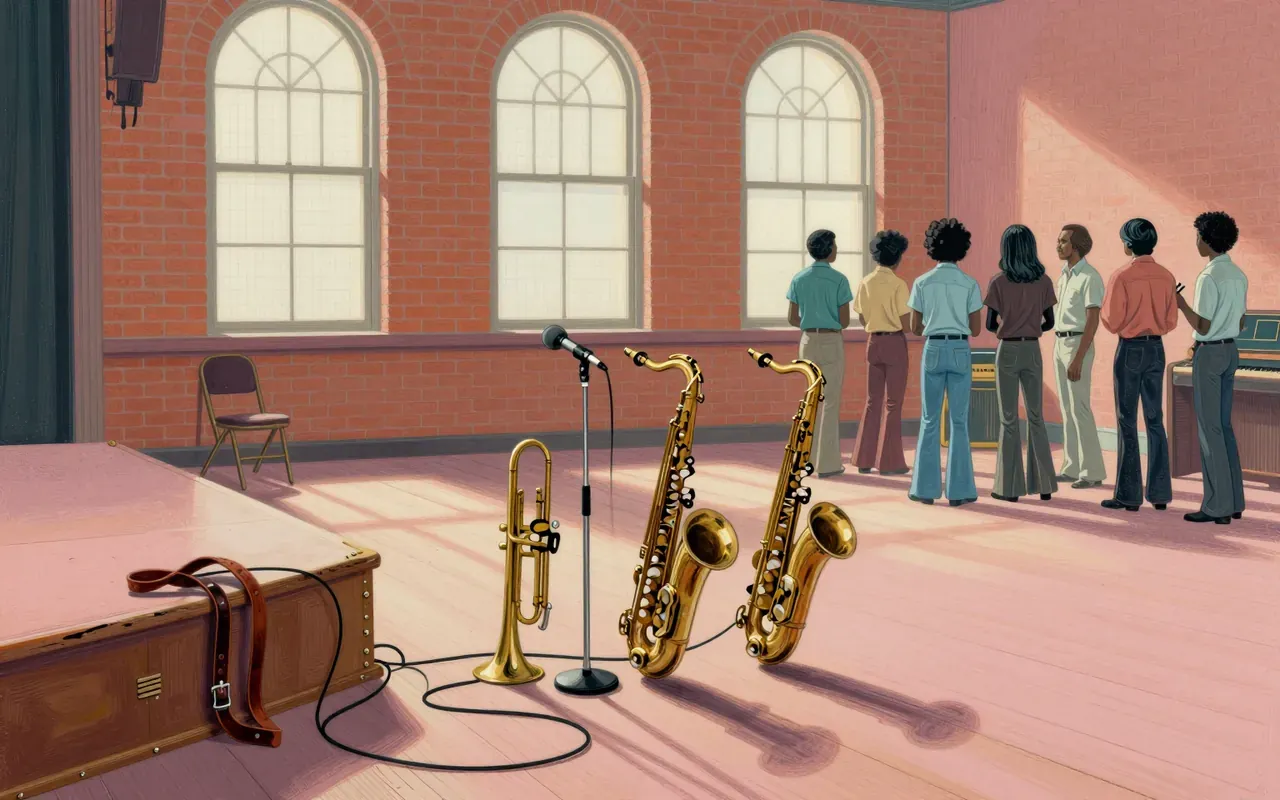
Mad Dogs & Englishmen is a live double-album recorded during a hastily assembled 1970 US tour. The band — over 20 musicians — was named Mad Dogs & Englishmen by Denny Cordell after the Noël Coward song. Leon Russell recruited most players, many from Delaney & Bonnie. It includes material not from Cocker’s first two studio albums.
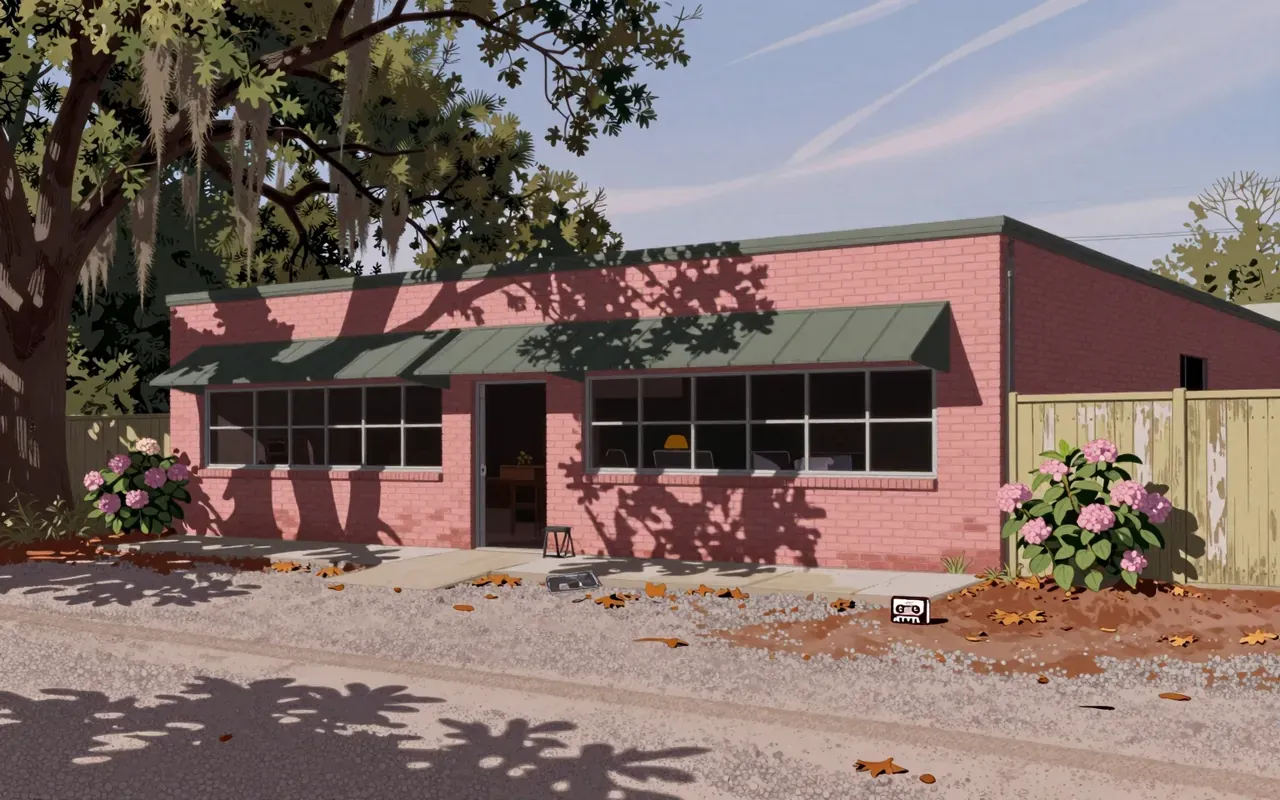
Merriweather Post Pavilion is Animal Collective’s eighth studio album, recorded in February 2008 by Panda Bear, Avey Tare, and Geologist — without guitarist Josh Dibb — and co-produced by Ben H. Allen. It was made at Sweet Tea Recording Studio in Oxford, Mississippi, and mixed at Chase Park Transduction in Athens, Georgia. Drawing from Panda Bear’s 2007 solo album Person Pitch, the band worked largely without guitars, using samplers and synthesizers as primary instruments alongside prominent reverb. They installed PA systems in the studio to replicate the energy of their live shows. The album is titled after the Merriweather Post Pavilion outdoor concert venue in Maryland, where Portner and Weitz attended concerts in their youth.
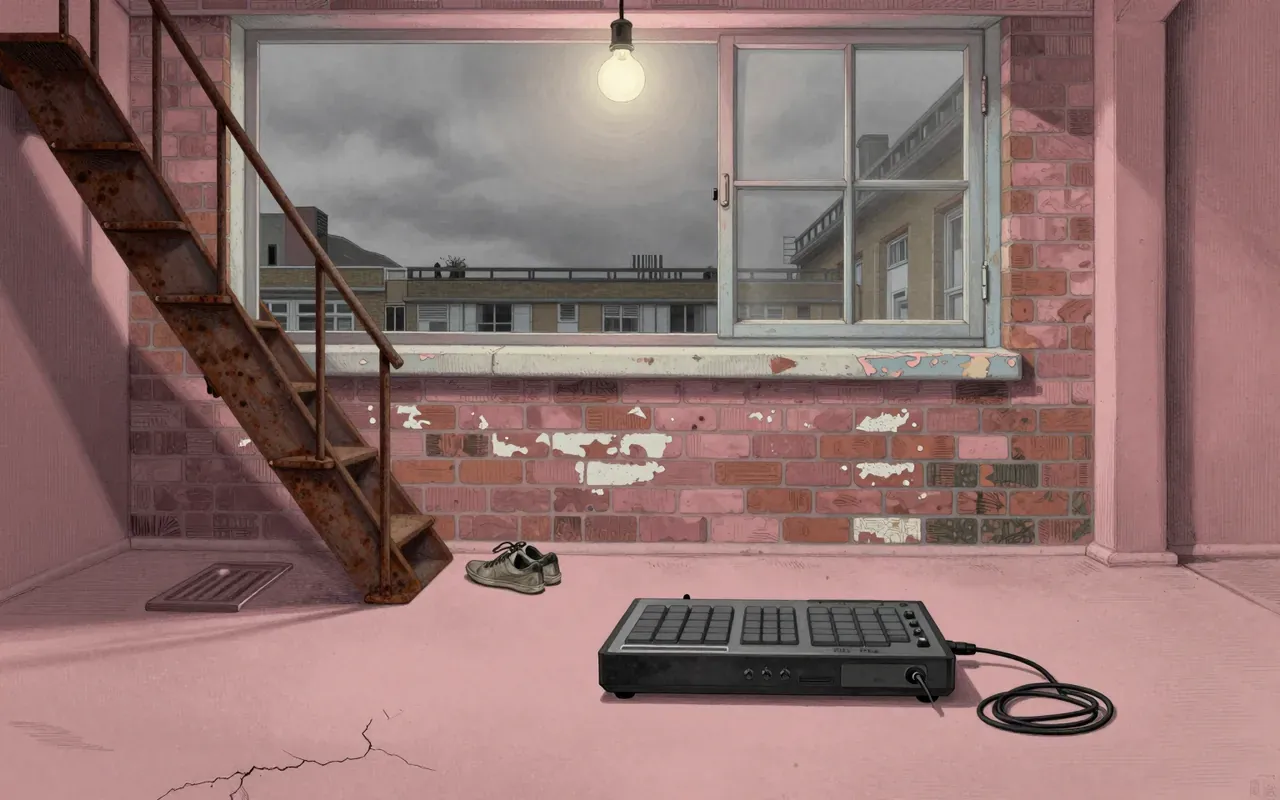
Boy in da Corner is Dizzee Rascal’s self-produced 2003 debut album. All 17 tracks were produced by him. One track samples Billy Squier’s 'The Big Beat'. Four vocal contributors are named across seven tracks. Nothing else about its making — no instruments, no room, no tempos, no engineering — is stated in the source material.
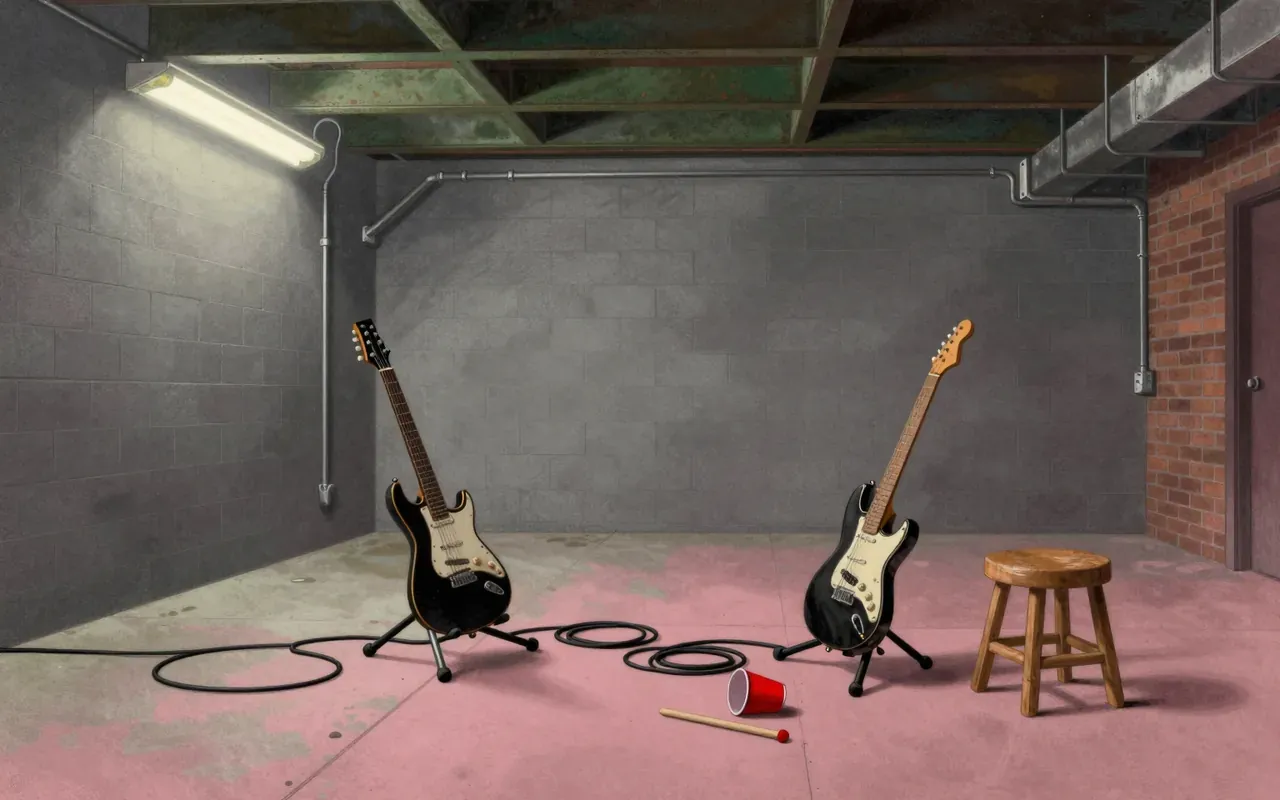
Dig Me Out is a 1997 punk-and-post-punk record by Sleater-Kinney, written and recorded in nearly two months at John and Stu's Place in Seattle, Washington. Its sound is defined by massive, bass-free guitar textures, Weiss’ foundational drumming, and tightly engineered vocal interplay between Tucker and Brownstein — achieved through separate microphones and processing. It establishes vocal parity as a structural principle, not just an aesthetic. It falls short of accommodating listeners who rely on basslines for rhythmic or harmonic grounding. Its ideas are feminist, urgent, and compositional: two frontpeople trading, interrupting, harmonising, arguing. It is worth your time if you want to hear rock music built for immediacy, not legacy.
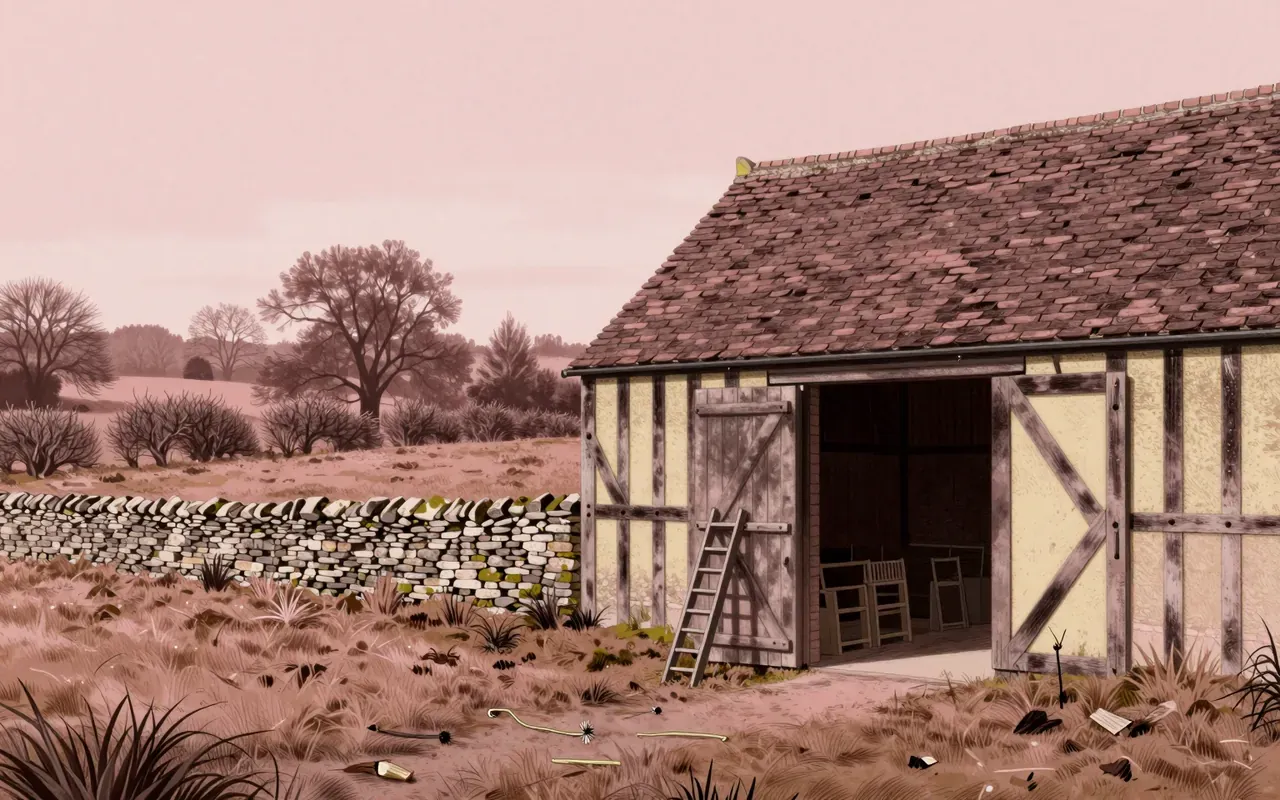
Kid A is Radiohead’s 2000 studio-as-instrument pivot: abstract lyrics, modular synths, ondes Martenot, jazz horns, and no guitar dominance. Recorded across Paris, Copenhagen, Gloucestershire and Oxfordshire with Nigel Godrich and no deadline. It replaces rock grammar with texture, silence, and editing—making it essential for listeners who hear arrangement as meaning.

L.A. Woman is the Doors’ final studio album with Jim Morrison, recorded in their own rehearsal space after producer Paul Rothchild quit over creative differences. It foregrounds bass, rhythm guitar, and live-room feel—rejecting orchestration and synth for blues-rooted groove. Morrison was disciplined and present. The record captures the band’s cohesion at the end of their original run—not as myth, but as sound.

Parklife is Blur’s third studio album, recorded quickly at Maison Rouge studio in August 1993—except for 'This Is a Low'. Damon Albarn described it as a loosely linked concept album about the travels of a 'mystical lager-eater' who observes and comments on the world. Martin Amis’s novel London Fields was a major influence. The songs span multiple genres including synthpop, instrumental waltz, punk rock, spacey Syd Barrett-esque, and new wave. Some songs—including 'To the End' and 'Badhead'—lie in a more personal space than the album’s broader bittersweet portrayal of the UK's human patchwork. Stephen Street produced all tracks except 'To the End', which was produced by Stephen Hague with additional engineering.
A live-in-studio funk single that lands like a command. Recorded in two takes. No overdubs. No pause. No mercy. It is urgent, lean, and tax-avoidant.

Chet Baker Sings is a 1954 Hollywood studio session where Baker—previously almost exclusively a trumpeter—recorded eight ballads as both singer and player. Russ Freeman selected the songs and played piano and celesta. Baker struggled to sing in tune, requiring many takes. Freeman dismissed the project as 'bullshit' compared to Armstrong or Teagarden; Ruth Young observed the lyrics held no meaning for Baker—they were 'mere notes'. The record foregrounds musical abstraction over vocal expression or narrative. It was released by Pacific Jazz Records, drew criticism, and nonetheless helped make Baker the readers’ top jazz vocalist of 1954.
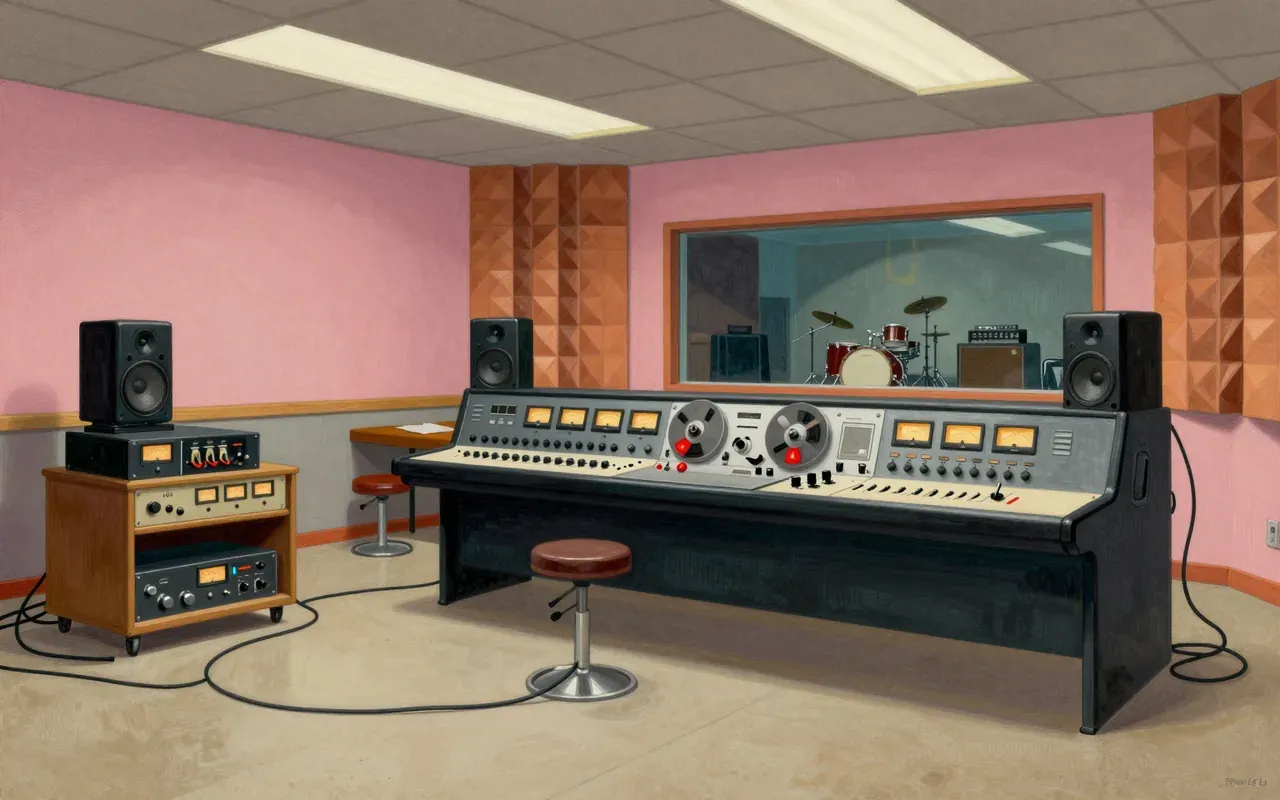
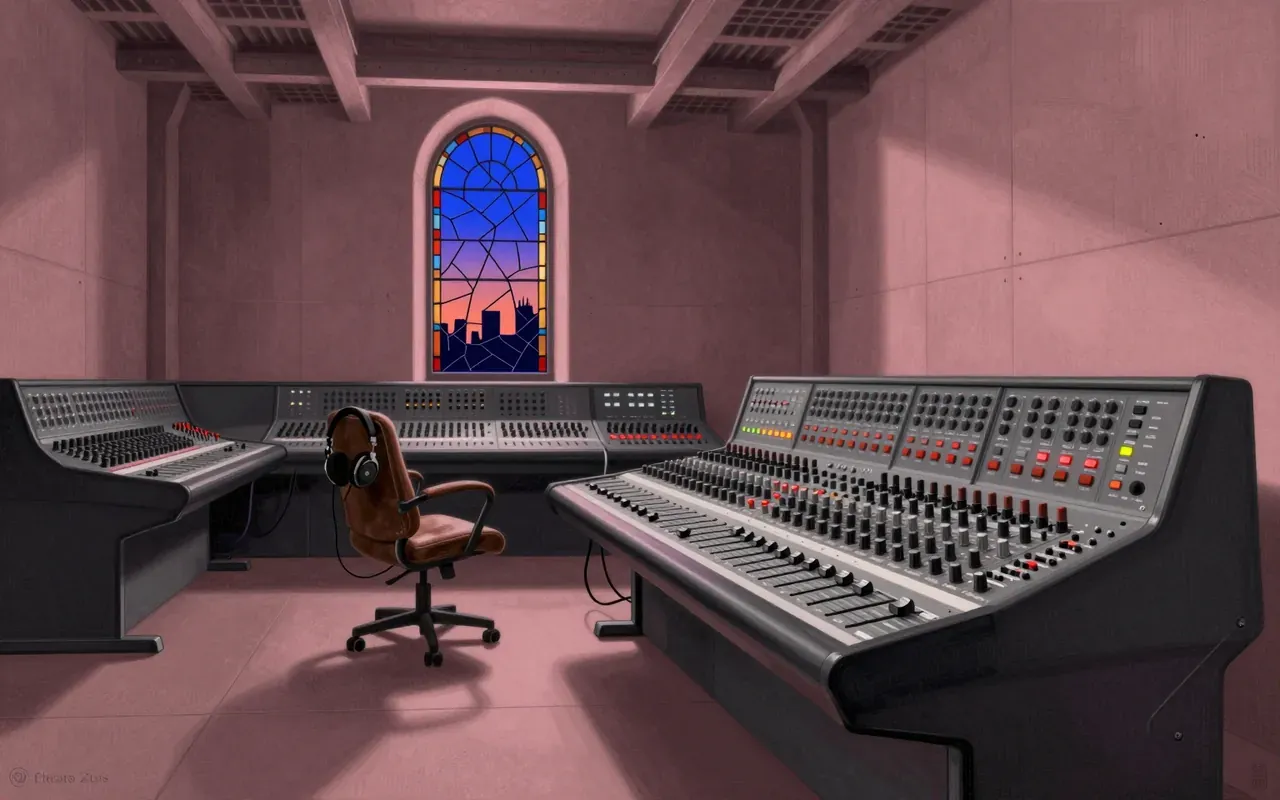
Karma is Kamelot’s fifth studio album, released a few months after their mid-2000 New Allegiance Tour. It is one of fourteen studio albums the band released as of 2026. The album uses the Sanskrit concept of karma—action and its consequences—as a structural device, particularly in the three-part 'Elizabeth' suite. It features layered guitar harmonies, orchestral synth pads, and clean, high-register vocals. Drums are both programmed and live, with gated reverb on snares. Bass is present but recessed. Vocals are double-tracked and treated with plate reverb. The album does not incorporate Indian musical elements. It is worth hearing for fans of early-2000s European power metal who value narrative continuity over instrumental complexity.
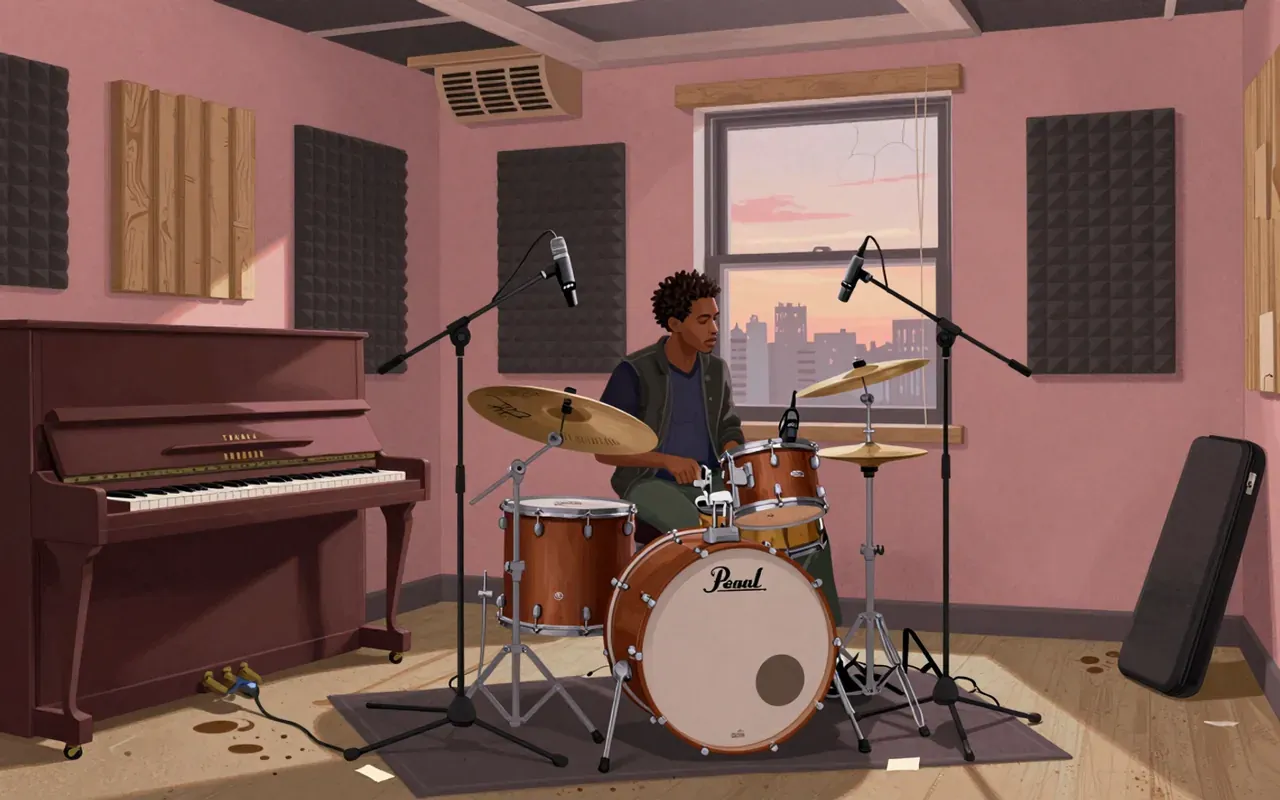
Undun is a reverse-chronological hip-hop concept album about Redford Stevens, a fictional man whose life ends before it begins. Recorded in Philadelphia and New York City, produced by Questlove, it uses neo soul and indie textures played live by The Roots’ full band—including sousaphone, guitar, and keyboards. Guest rappers and vocalists appear, but never as decoration: each voice marks a pivot in Redford’s narrowing path. It refuses catharsis. It refuses explanation. It insists the tragedy is structural—not personal.
Glassworks is a six-movement chamber work Philip Glass wrote for the recording studio after his large concert and stage pieces, released by CBS in 1982 on LP and on cassette, each with its own mix. It was meant to bring his music to a wider audience, and it did: the album sold well and made his name widely known.
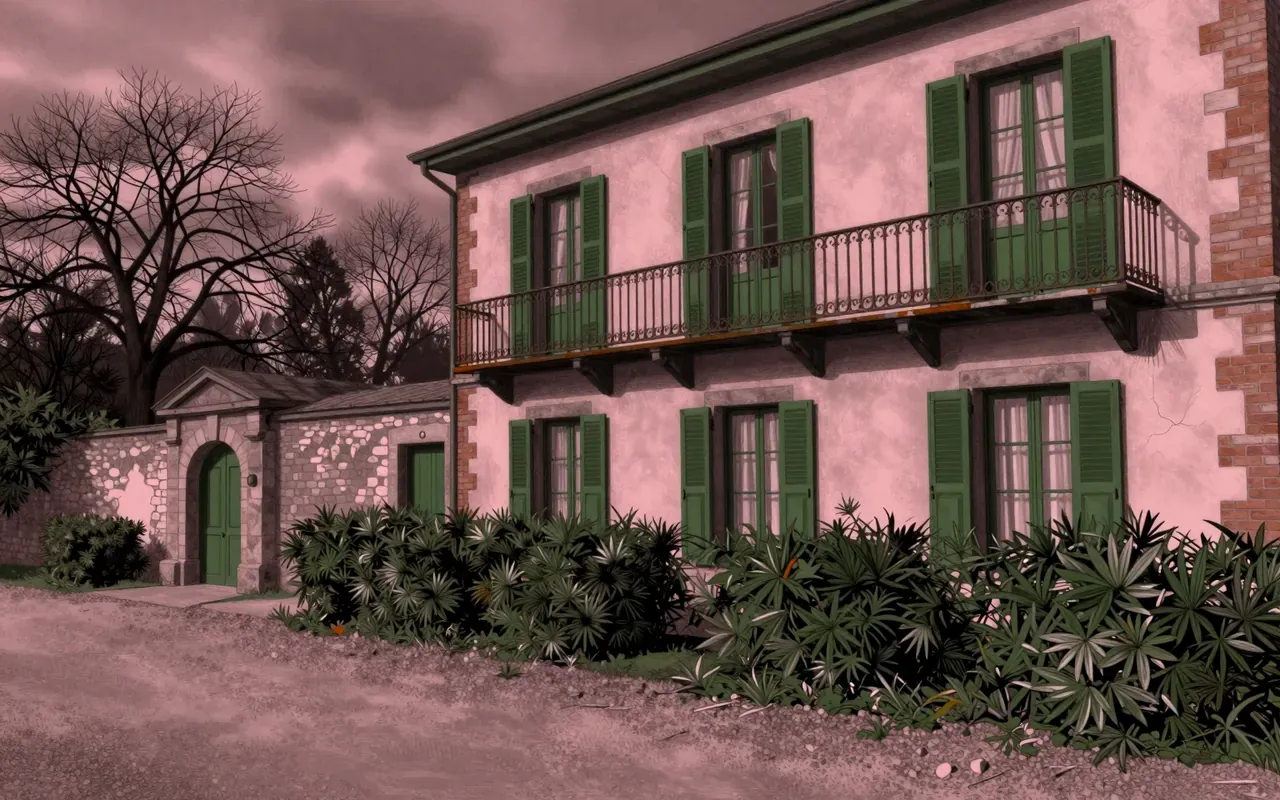
A claustrophobic, emotionally exposed rock record made inside a scary, uneasy mansion — not a polished concept album, but one saturated with the psychological toll of its creation.
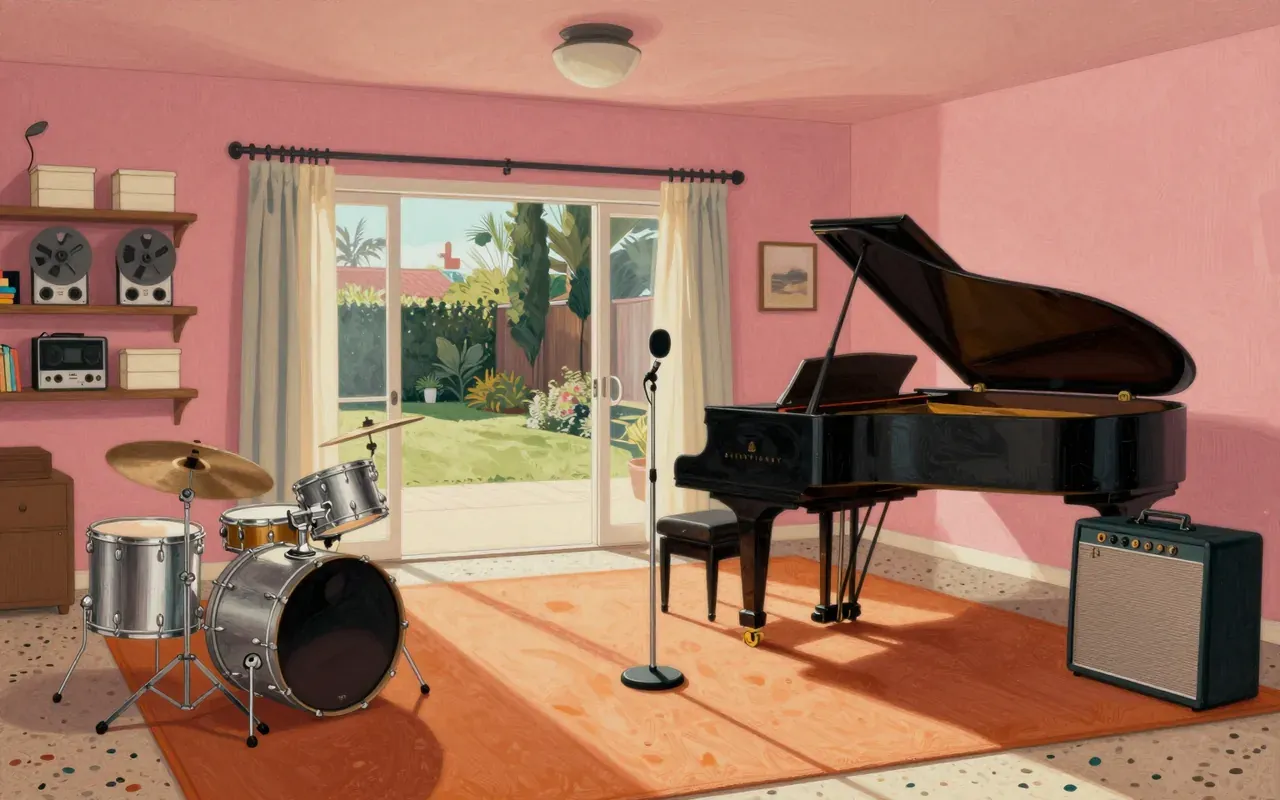
Wild Honey is a soul record blending pop and R&B. Recorded mostly at Brian Wilson’s home studio. A deliberate departure from Pet Sounds and Smile. A self-conscious return to rock-band fundamentals.
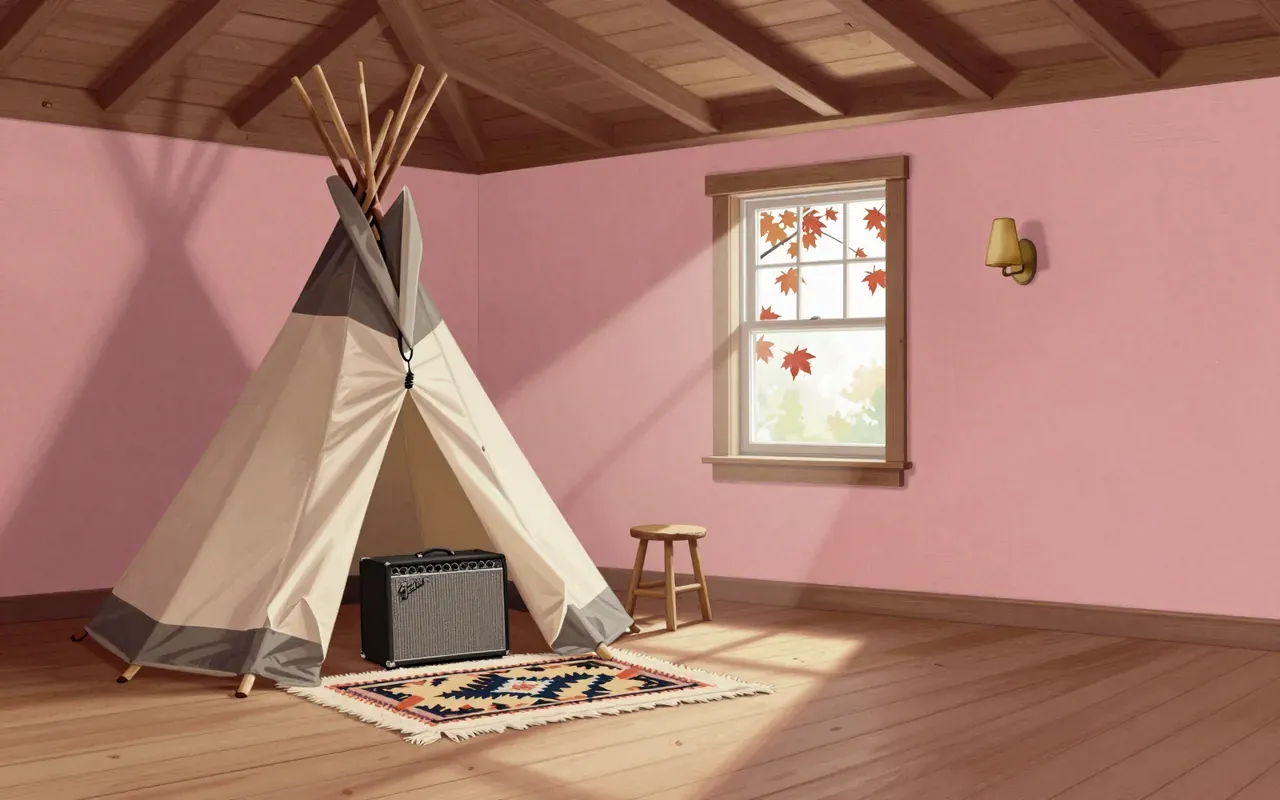
Fleet Foxes’ self-titled 2008 debut was recorded mostly in domestic spaces — Pecknold’s parents’ basement and Wescott’s home — due to tight funds; it aimed for simplicity through harmonies and unconventional structures, underwent full re-recording and exhaustive revision, and was produced by Phil Ek with vocals added the night before final mixing. Its pastoral acoustic sound foregrounds vocal arrangements modelled on classical string textures, informed by folk, gospel, psychedelic pop and Sacred Harp styles, with lyrics rooted in Pecknold’s rural surroundings, philosophical reflection and personal abandonment — not love songs.
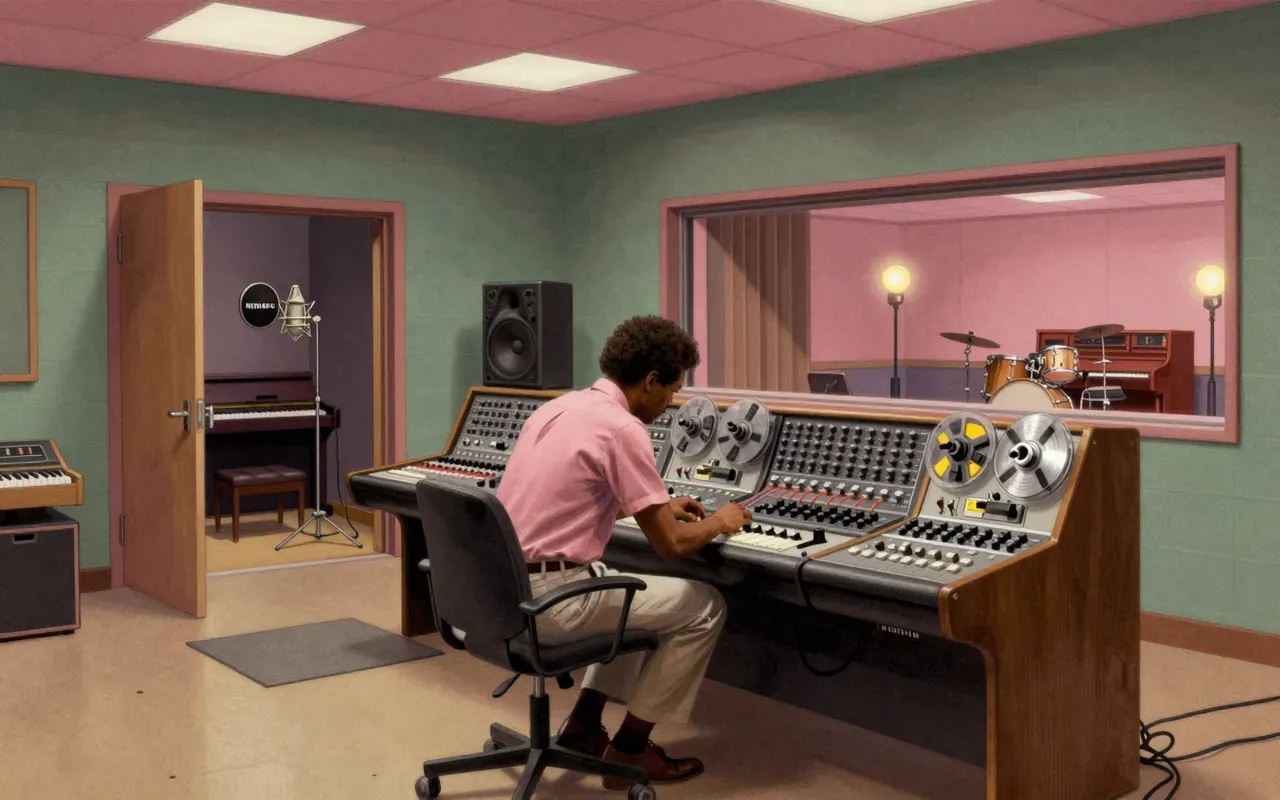
There’s No Place Like America Today is a 1975 Curtis Mayfield album that trades the thematic rigour of Back to the World for a series of grounded, mid-tempo soul statements about fatigue, faith, and economic strain. Its sound is clean, Chicago-rooted, and instrumentally specific—bass, wah guitar, horns, strings—but lacks a unifying production idea or narrative arc. It appears in film contexts far removed from its origin: 'Billy Jack' in Daft Punk’s Electroma, 'So in Love' across four adaptations spanning 56 years. It rewards attention to lyric and groove, not myth or momentum.
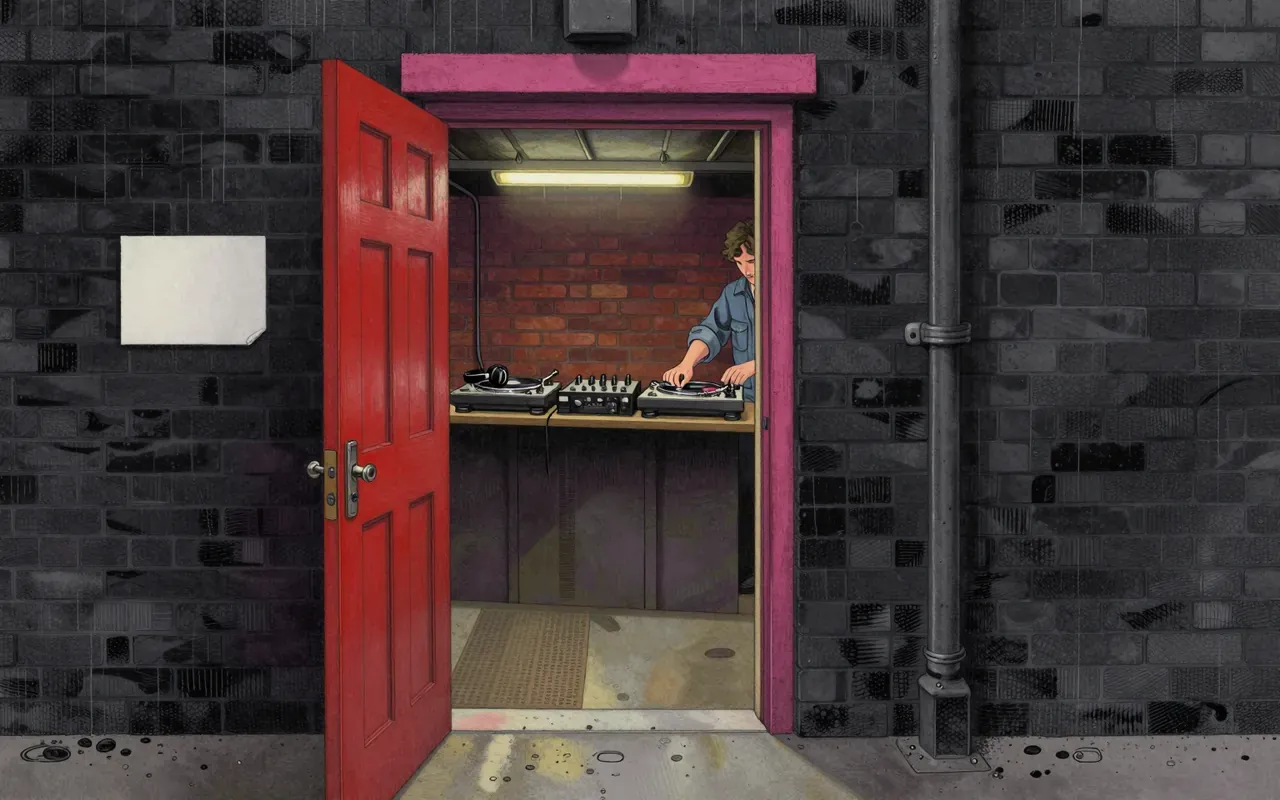
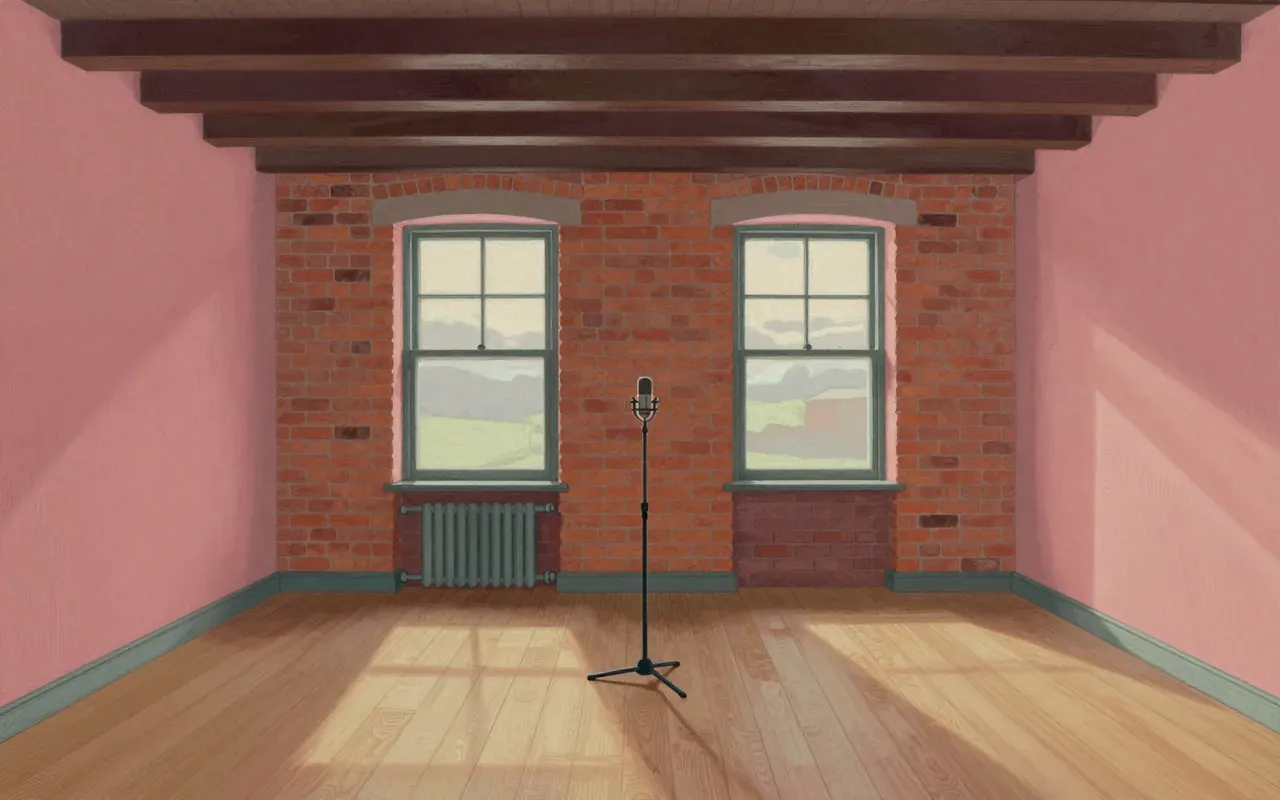

Dookie is Green Day’s major-label debut, recorded in 1993 across Fantasy Studios in Berkeley and Music Grinder Studio in Hollywood. It was written mostly by Billie Joe Armstrong from personal experience, addressing boredom, anxiety, relationships, and sexuality. The band demoed 'She', 'Sassafras Roots', 'Pulling Teeth', and 'F.O.D.' on Armstrong’s four-track before recording. Rob Cavallo took them to a Mexican restaurant near Fantasy Studios to ease anxiety — even though Tré Cool was underage. Unlike earlier albums rushed to save money, they took time to perfect quality. Armstrong learned to dial in better guitar tones and vocal takes, choosing a 100-watt Marshall Plexi 1959SLP nicknamed 'Pete'. Recording lasted three weeks at Fantasy; the album was mixed twice by Cavallo and Jerry Finn. It was released in February 1994. Its singles 'Longview', 'Basket Case', and 'When I Come Around' all reached number one on the Modern Rock Tracks chart. It won the 1995 Grammy Award for Best Alternative Album.
Inspiration Information is Shuggie Otis’s third and final album for Epic Records, released in 1974 after nearly three years of solo writing, arranging, and recording. Otis produced it and performed most of its instrumental parts — including guitar, bass, drums, organ, piano, electric piano, vibraphone, percussion, and analog drum machines. Horns and some strings were played by session musicians. The album was dropped by Epic due to commercial underperformance despite critical admiration and stylistic innovation.

A live document of mourning made structural. Three ragas, three times of day, two voices in dialogue, one drone holding them all.
Midnight Star (1988) is a post-breakout album with no documented commercial performance, stylistic departure, or critical repositioning. It relies on the same R&B/funk/vocoder foundation established by No Parking on the Dance Floor (1983), but none of its tracks charted, none received significant airplay, and none are cited as defining the band’s identity.
Ramones is the band’s debut album, recorded in January 1976 at Plaza Sound studio. Fourteen songs. All under two and a half minutes. Produced by Craig Leon with Tommy Ramone as associate producer. Budget: $6,400. Front cover photograph by Roberta Bayley.
Go! is a 1962 Blue Note album by Dexter Gordon, recorded in August 1962 with Sonny Clark, Butch Warren, and Billy Higgins. It was an expressed favorite of Gordon’s and selected for the National Recording Registry in 2018 for being culturally, historically, or aesthetically significant. It forms part of his New York renaissance.
Destiny's Child's second album is a tightly wound, studio-crafted pivot—built on rewritten lyrics, Houston sessions, and a single track that redefined everything.

Urban Hymns is a 1997 rock record made in London with strict studio discipline, then reshaped by Nick McCabe’s return and re-recorded guitar parts. Its biggest hit rests on an uncleared string sample. It landed at UK number 1, displaced Oasis, and dissolved the band within two years.

The editorial brief cannot be written for a record that does not exist in the source material. All claims point to documented Slum Village releases — none to a 2005 self-titled album.
Old and New Dreams (1976) is the group’s debut on Black Saint—recorded after attempts to reunite Ornette Coleman’s acoustic quartet collapsed. It features Dewey Redman, Charlie Haden, Don Cherry, and Ed Blackwell, all former Coleman sidemen. Their approach rejects fixed chord changes in favour of melodic guidance and real-time harmonic invention. The sound is dry, immediate, and ensemble-focused—no reverb, no separation, no effects. It lands through warmth, precision, and deep mutual listening. It does not land through virtuosic display, studio craft, or stylistic novelty. Its ideas are structural, not decorative: melody as sovereign, silence as syntax, freedom as responsibility. It is essential for listeners who understand that jazz’s deepest innovations happen in the space between notes—not in their density.

Don Giovanni is not a portrait of a libertine — it is a machine for exposing how systems (musical, moral, social) break when one person refuses their terms. This 1958 recording captures that architecture in unvarnished detail.
The 1928 Columbia recording is the first orchestral capture of Stravinsky’s 1910 ballet — conducted by the composer, using whole-tone and octatonic harmony as dramatic agents, and deploying extended techniques as deliberate ruptures. It is not nostalgic. It is not polite. It is structural storytelling in sound.
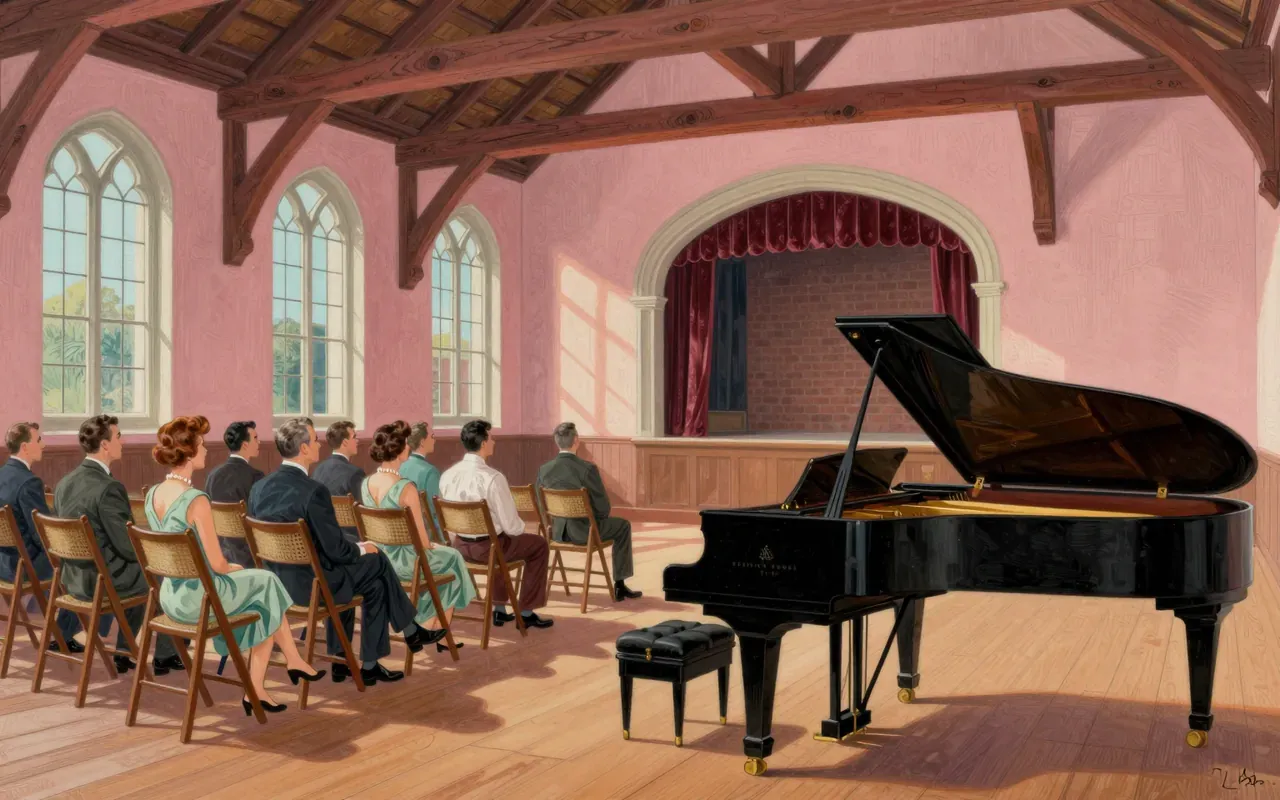
Concert by the Sea is a 1955 live Erroll Garner Trio album recorded at Sunset School in Carmel-by-the-Sea. It features Eddie Calhoun on bass and Denzil Best on drums. The piano is out of tune. The bass and drums are receded. The acoustics are poor. The recording was made with primitive sound equipment. It was captured unofficially by Armed Forces Radio Network engineer Will Thornbury. Manager Martha Glaser discovered the tape backstage, edited it, and persuaded George Avakian to release it. Servicemen from Fort Ord were bused to attend. The concert took place in a gothic-revivalist assembly hall. It was a best-selling jazz album in its day. The decision to release it was easy for Avakian.
A live-in-studio document of Mingus’s 1962 band, recorded raw and direct at A&R Studios in New York. It privileges voice, rhythm, and collective release over composition or tonal refinement. It is neither a peak nor a pivot—it is an eruption.

Outlandos d’Amour is a tightly wound, rhythm-first debut—punk’s architecture with pop’s hooks and reggae’s ghost notes. It succeeds by subtraction: no overdubs, no reverb, no safety net. Its power lies in what it refuses to do.
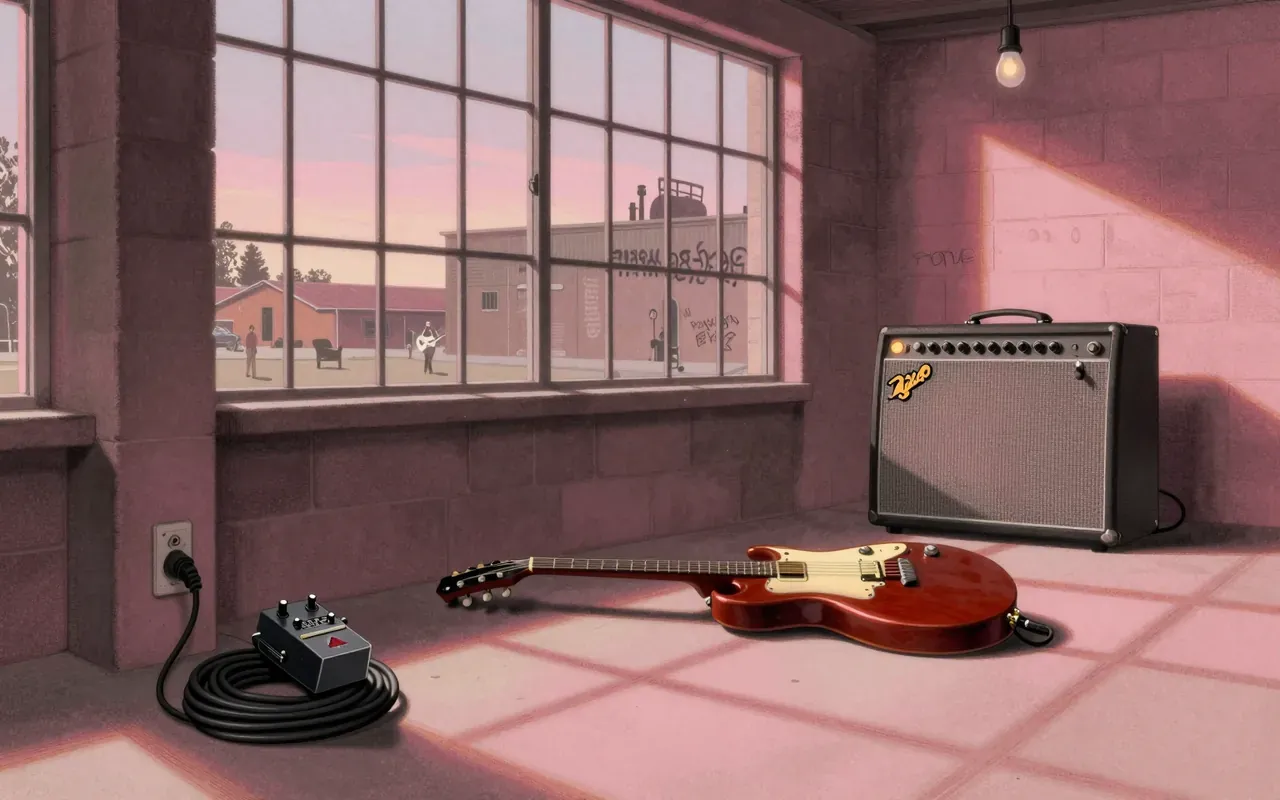
Slanted and Enchanted is Pavement’s debut studio album, recorded across three locations — South Makepeace Studios in Brooklyn on December 24, 1990; Louder Than You Think Studios in Stockton from January 13–20, 1991; and finally over ten days at drummer Gary Young’s home studio on a tight budget. It is the only Pavement album to feature Gary Young on drums. Released April 20, 1992, on Matador Records, it features a stripped-down sound and heavy distortion, with bass present on some tracks and detuned guitars substituting for bass on others. Malkmus played a Fender Stratocaster through a borrowed small boutique Epiphone amplifier; Kannberg played a Fender Mustang and a Gibson SG through a Fender Silverface Twin Reverb amplifier; both used ProCo TurboRat and Boss DS-1 distortion pedals. The recording process was relaxed. Alternate tunings (CGDGBE, DADABE) were developed partly out of necessity due to the absence of bass in early recordings. The album’s sonic character includes fuzzy, noisy guitars, feedback, noise, and pop-oriented hooks, with Malkmus’ vocals described as languid and lyrics as stream-of-consciousness.
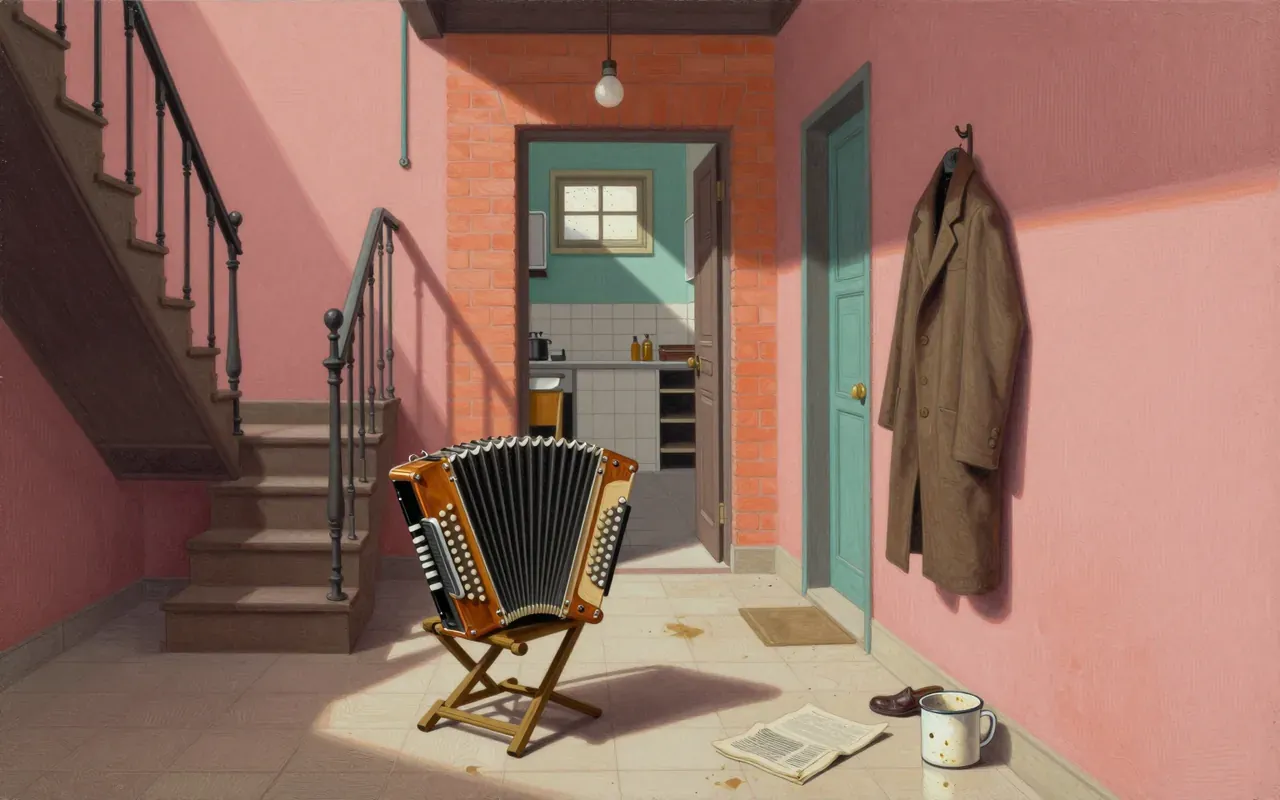
Libertango is a 1974 studio recording made in Milan. It declares tango nuevo through subtraction — no vocals, no ornament, no deference. Its sound is dry, linear, and precisely layered: bandoneón, Hammond organ C3, marimba, bass guitar, drums, guitar, timpani, strings, and flutes. It lands because every instrument has space and purpose. It does not land if you expect warmth, swing, or spectacle. It is worth your time if you value compositional rigour over emotional indulgence.
Wish I Was in Heaven Sitting Down is a blues record defined by omission. Burnside’s voice is present. His guitar is not. The album was made in 2000, after heart surgery and an ear infection in 1999, while his touring had dropped to a minimum. Guitar duties were handed to Rick Holmstrom, Smokey Hormel, and John Porter. Nothing else about the recording — room, mics, tempos, arrangements — is documented in the source material. This is not a reinvention. It is a delegation.
Scary Monsters… and Super Creeps is Bowie’s most controlled record: hard-edged, lyrically unsparing, sonically precise. It uses the Berlin Trilogy’s tools — fragmentation, repetition, synthetic texture — but abandons their distance. It lands because it refuses to cushion its blows.
Synchronicity is a pop record built on architectural restraint—synths instead of skank, separation instead of syncopation, clarity instead of clutter.
No verified record titled 'The Nocturnes' by Chopin exists in the source material — especially not one from 1996. All claims pertain strictly to Chopin’s compositional development of the nocturne as a genre, not to a recorded artefact. The brief rejects invention, hedging, and myth-making. It affirms only what the text states: Chopin elevated Field’s form, wrote more structured and emotionally deep nocturnes after meeting him in 1832, and embedded agitated, technically demanding middle sections to heighten drama.
Late for the Sky is a tightly focused, sparsely produced singer-songwriter album built around piano, acoustic guitar, lap steel, fiddle, strings, and jug. Written at Browne’s childhood home and recorded quickly with his touring band, it trades polish for presence. Its eight songs form a deliberate arc — from disorientation to cataclysm — held together by recurring motifs and restrained arrangements. It does not resolve. It does not soothe. It lands where it means to: in the space between a breath and a sigh.
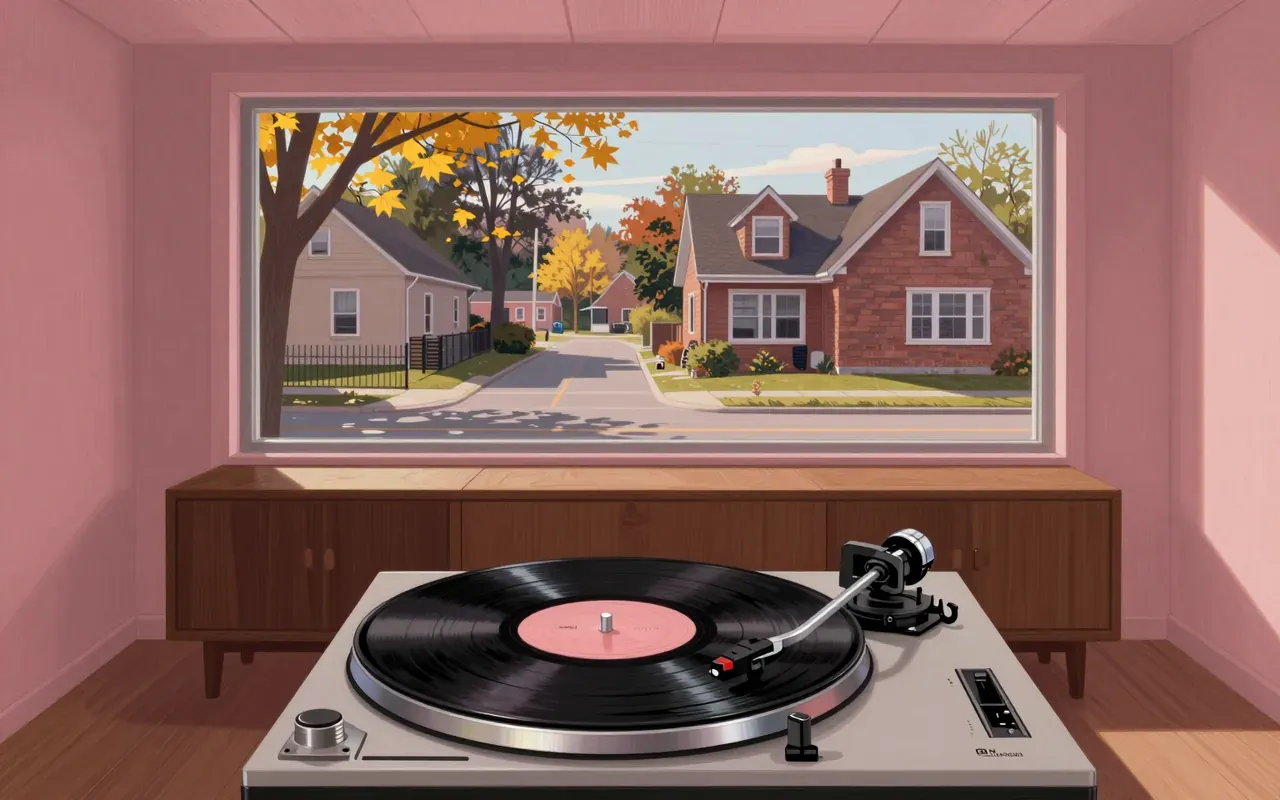
The Suburbs is Arcade Fire’s third studio album, released in 2010. It was produced by Markus Dravs and engineered by Marcus Paquin. Recording took place across three locations: Win Butler and Régine Chassagne’s Montreal residence, the band’s Quebec studio, and New York City. Win Butler described the album’s sound as a mix of Depeche Mode and Neil Young—intended to evoke the mysterious, formative noises of his youth. Each song was pressed to a 12-inch lacquer and re-recorded for the digital master. The album was released with eight different covers. A pre-release review by The Quietus compared its progression to William Blake’s Songs of Innocence and of Experience.
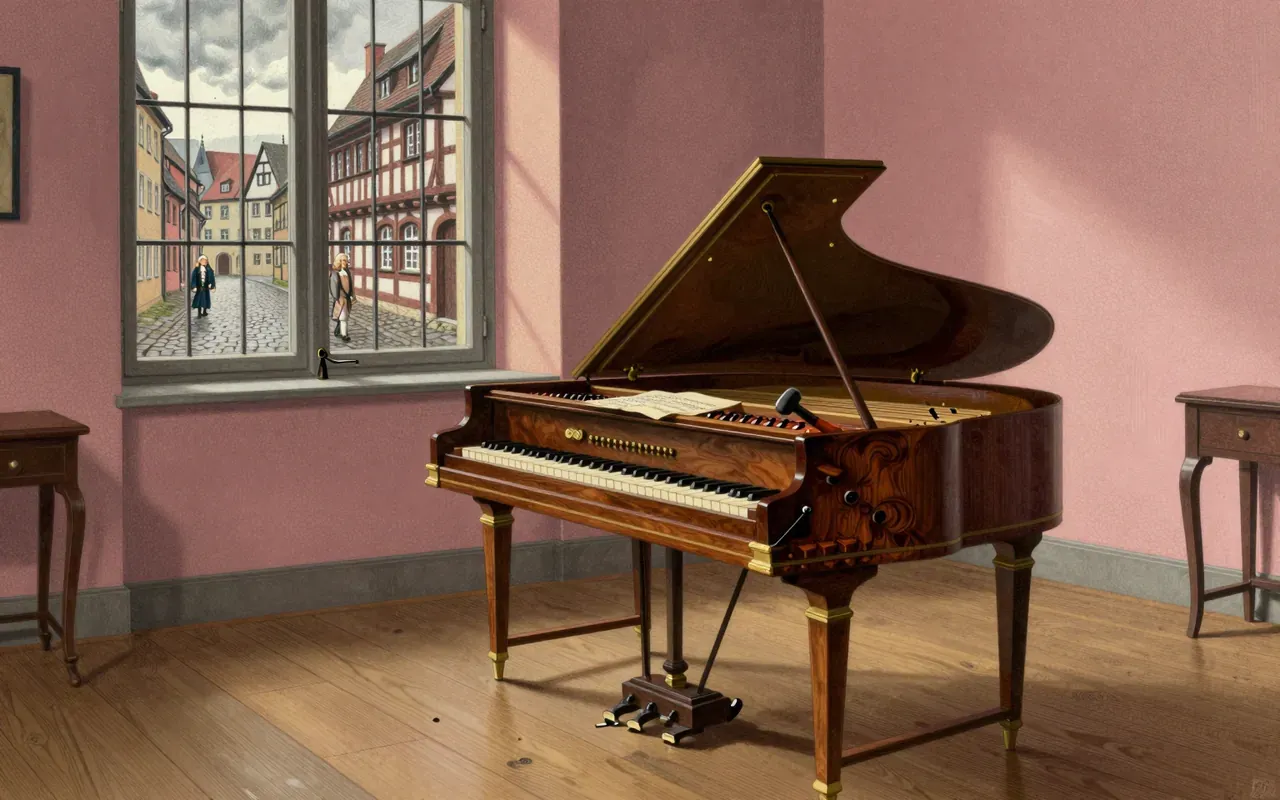
The Goldberg Variations is a 1741 harpsichord work by J.S. Bach. It contains an aria and thirty variations built on the aria’s bass line and chord progression — not its melody. Bach specified a two-manual instrument and marked eleven variations for two manuals, three for either. It was published during his lifetime by Balthasar Schmid of Nuremberg using engraved copper plates. It is the fourth and final volume of the Clavier-Übung series and contains nine canons.
A 1959 Frank Sinatra album that dominated charts and awards but leaves its sound undocumented.
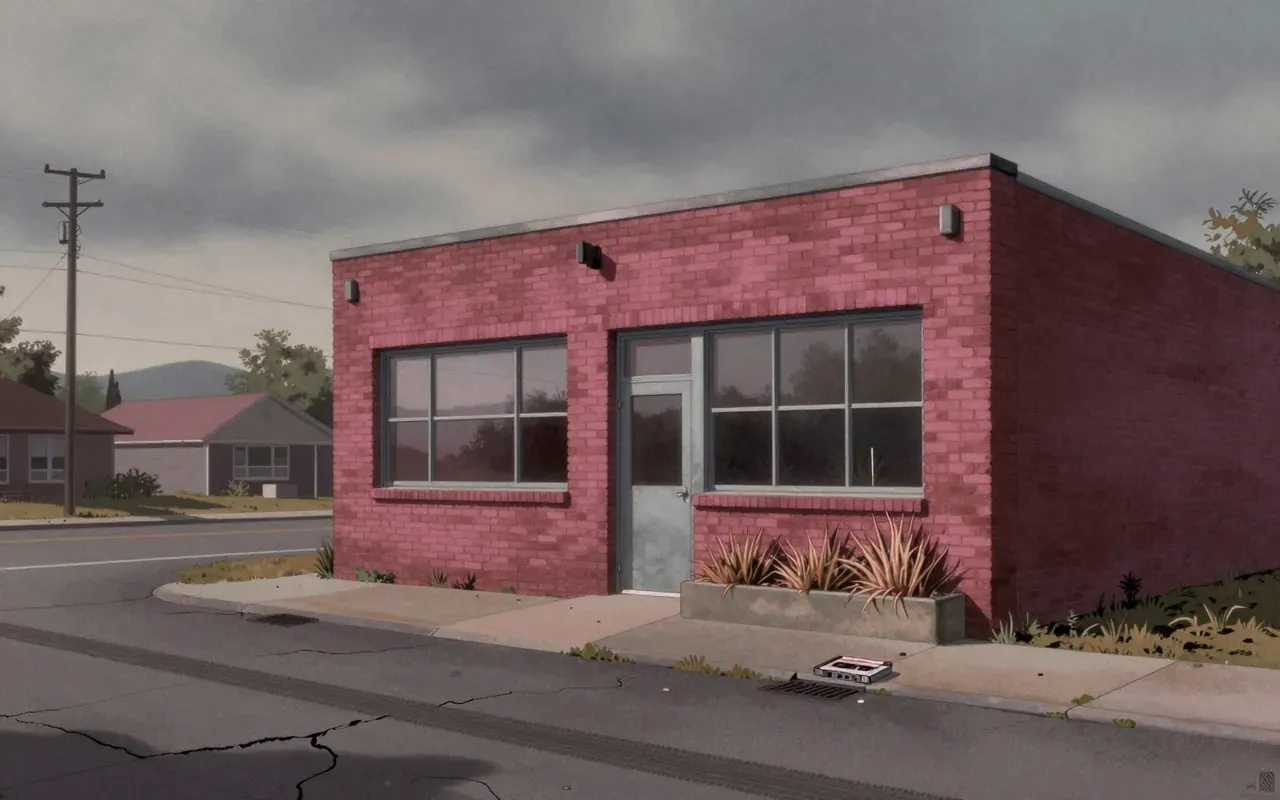
Live Through This is a rock record defined by constraint: three weeks, one room, one week of basic tracking, no vocal double-tracking, no bass overdubs. Its power comes from what was left in — cracks, breath, bleed — and what was left out — polish, padding, pretence. It is neither cathartic nor consoling. It is structural. It is specific. It is complete.
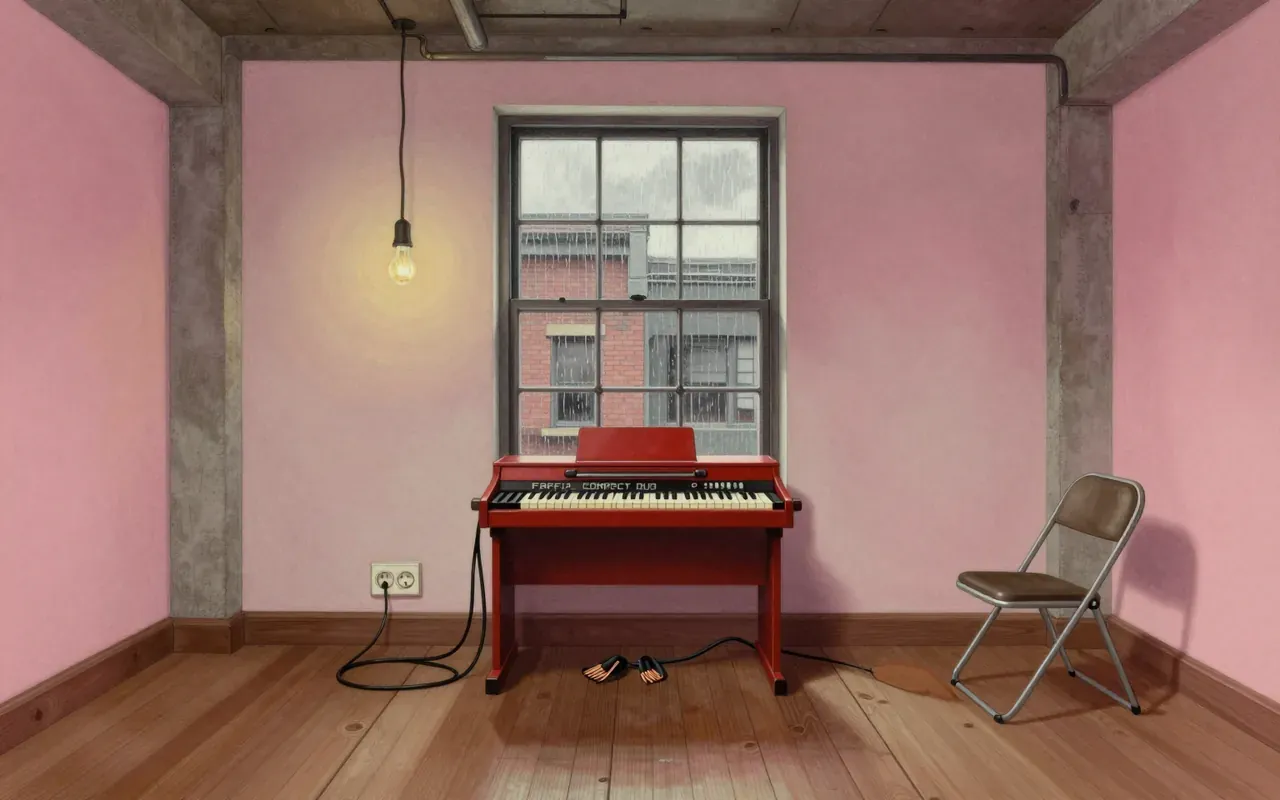
Suicide (1977) is a foundational electronic record made with a Farfisa organ, a drum machine, and a microphone — no guitars, no bass, no reverb. Its sound is dry, repetitive, and physically confrontational. ‘Frankie Teardrop’ and ‘Ghost Rider’ define its impact. It establishes electronic minimalism as a vehicle for psychological tension, not dance or futurism. It falls short as a record of melodic development, harmonic movement, or vocal nuance — by design. Its ideas are architectural: repetition as pressure, silence as weight, monotony as threat. It is worth your time if you treat rhythm and space as primary materials.
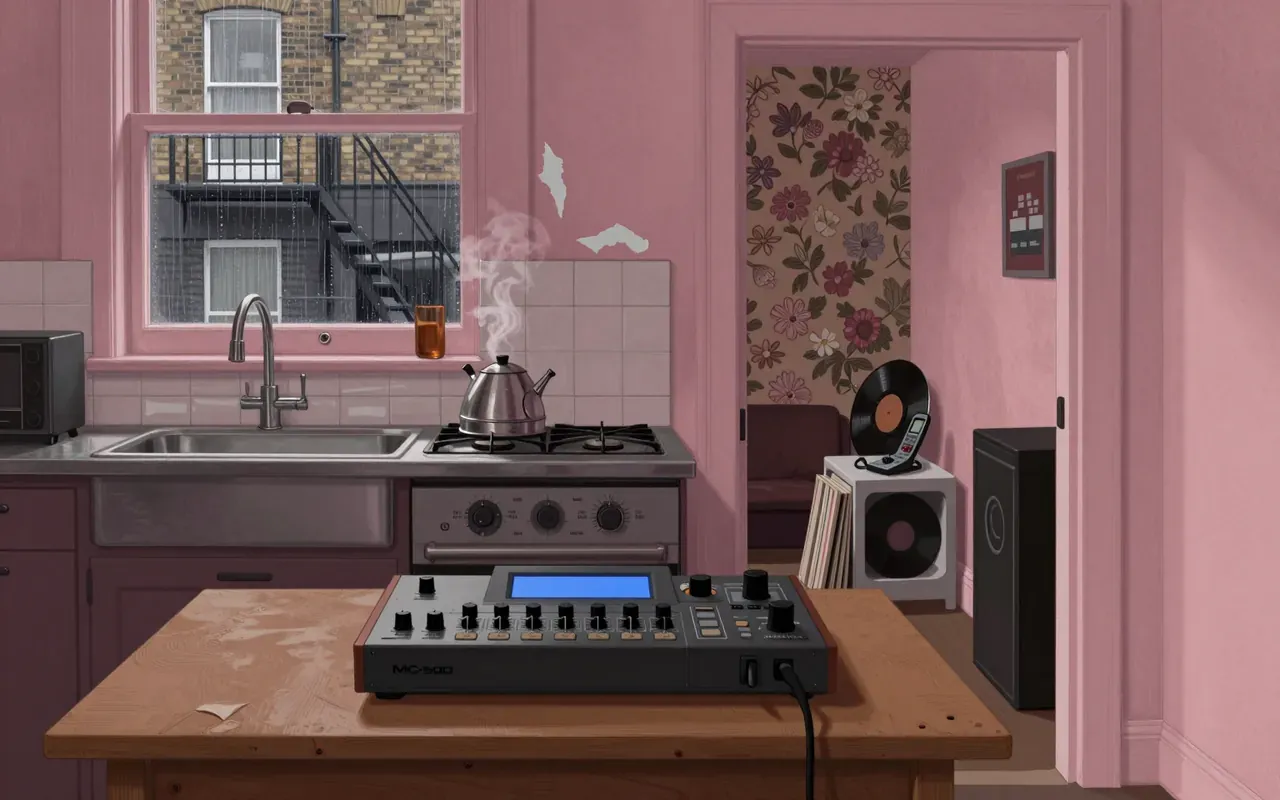
Arular is a debut shaped by constraint: one machine, one room, one voice. Its power lies in what it excludes — space, polish, convention — not what it adds.

Clandestino is a document of accidental minimalism — made mobile, made human, made urgent.
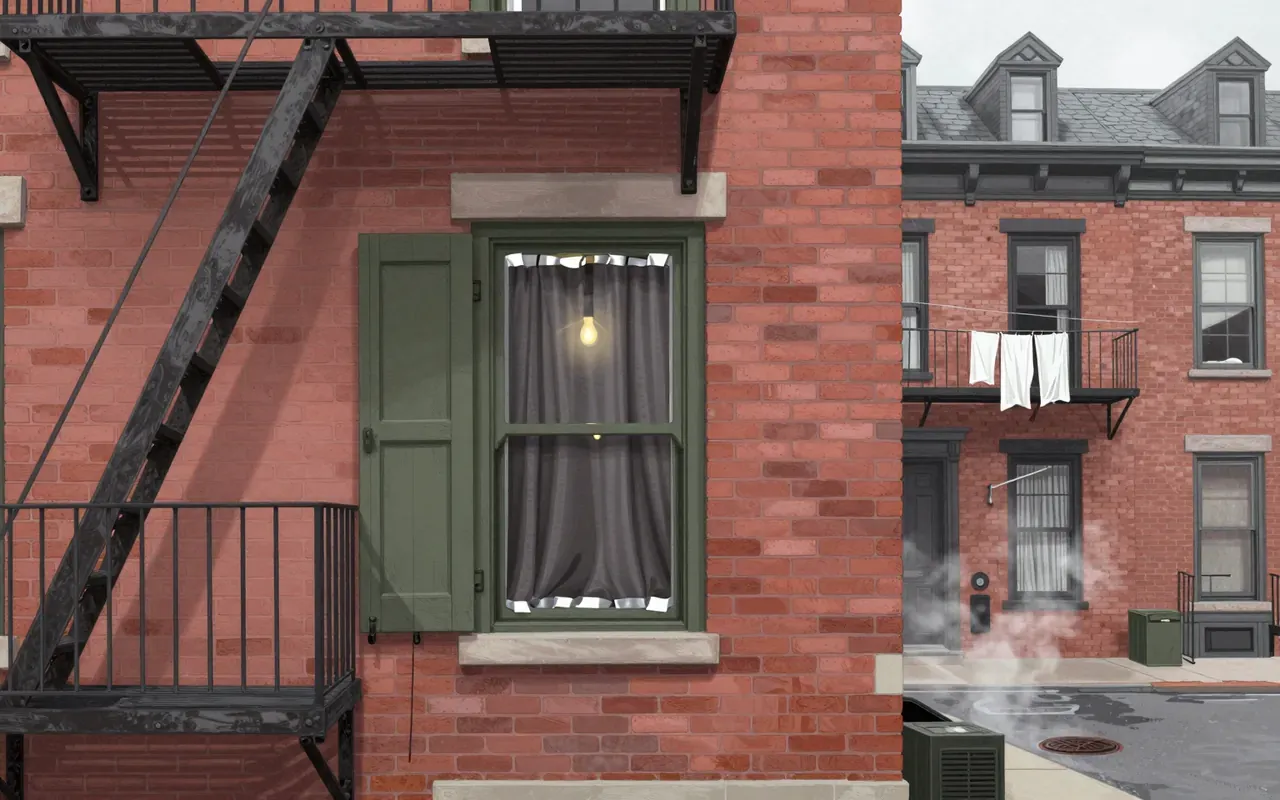
Visions is a record defined by its making: solitary, chemically augmented, deadline-driven, and physically extreme. Its sound is synthetic, compact, and unrelenting — built from four tools in one room. It landed because it fused pop immediacy with experimental discipline. It does not expand outward. It compresses inward.