musicbriefs
Longest first

All briefs

1188 briefs · 11103 min · 481–576 on page 6 of 13
10:24

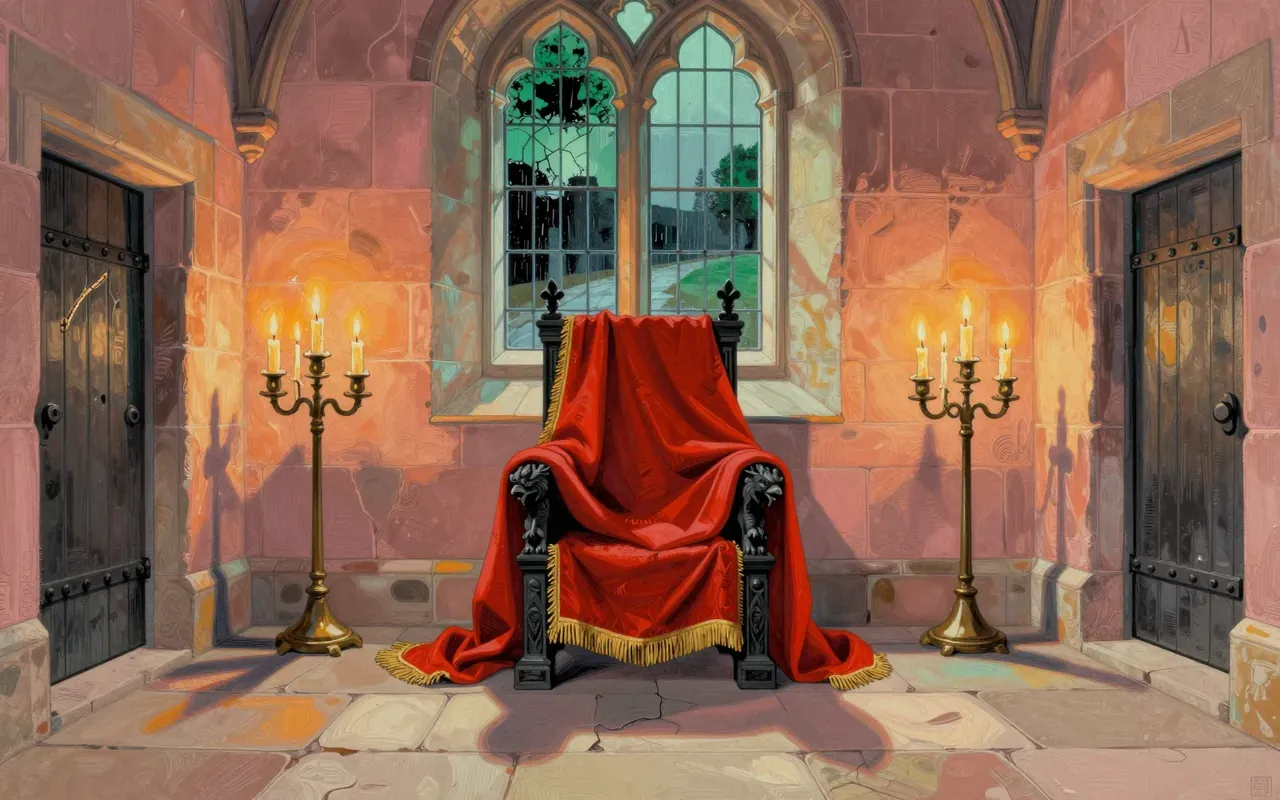
In the Court of the Crimson King

King Crimson · 1969

In the Court of the Crimson King is the 1969 debut album by King Crimson — self-produced after initial sessions with Tony Clarke failed. Recorded on a 1" 8-channel recorder at Wessex Sound Studios in London, engineered by Robin Thompson with Tony Page assisting. Ian McDonald overdubbed Mellotron and woodwind layers across up to five tape generations; his Mellotron is dominant, fierce and overpowering. On 'Epitaph', he used two Mellotron parts with dynamic volume-shifting to create motion in sustained chords. Robert Fripp’s guitar fuses classical, Hendrix-like rock explosions, and jazz noodling. Greg Lake’s voice is plaintive. The band deliberately avoided simplicity, using unconventional time signatures like 7/8 or 5/8, expansive chords, and strange influences. Peter Sinfield wrote all lyrics — gothic, with 'dark and doom-laden visions'. The opening track '21st Century Schizoid Man' is proto-metal and criticises the Vietnam War. The record presents a Europeanised approach blending antiquity and modernity, distinct from blues-based hard rock.
10:24

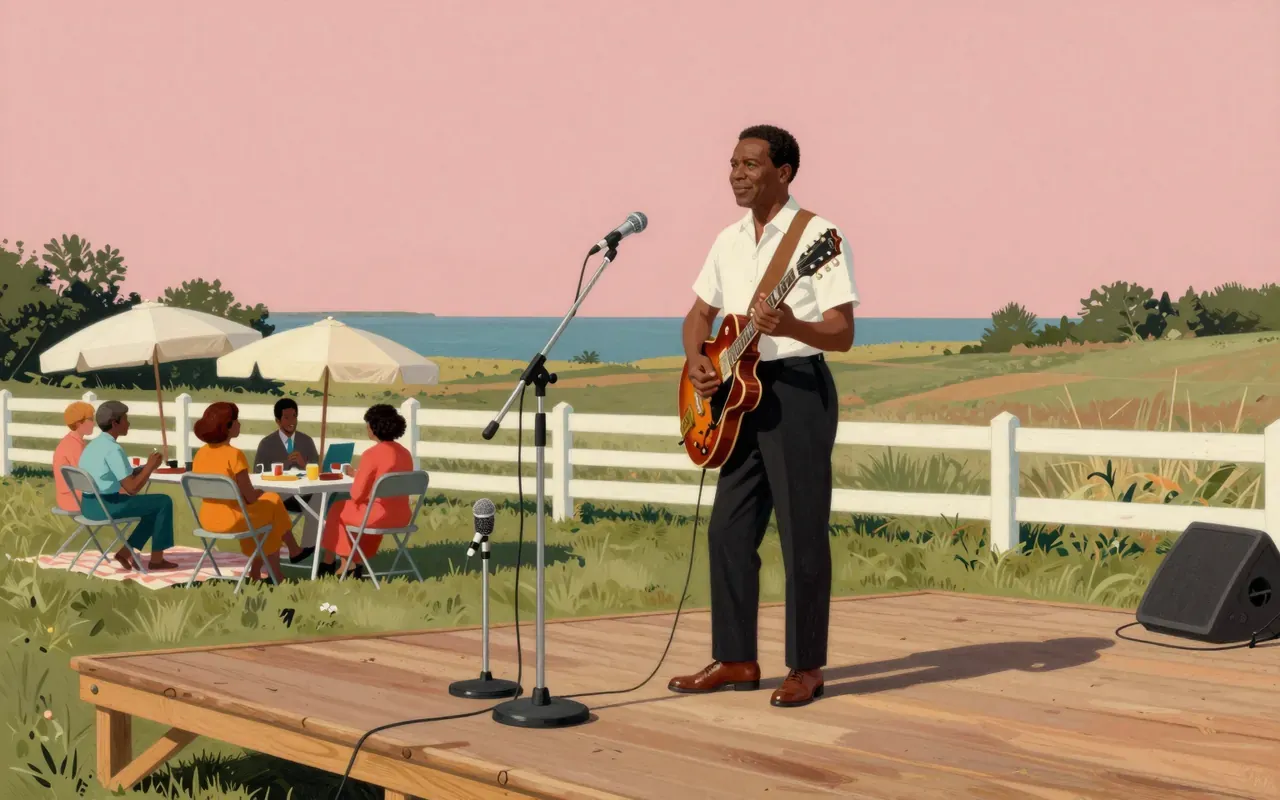
Muddy Waters at Newport 1960

Muddy Waters · 1960

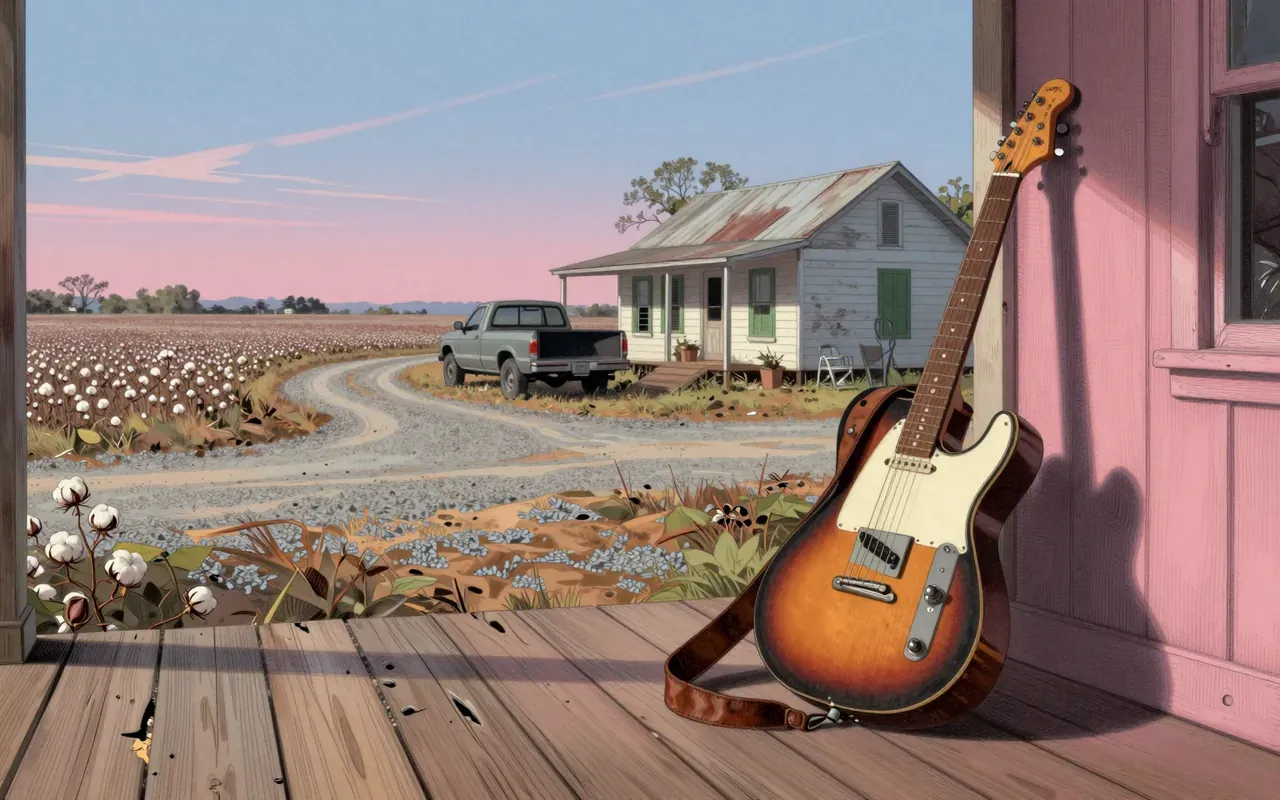
Muddy Waters at Newport 1960 is Muddy Waters’ first live album and one of the first live blues albums. It includes a Grammy-nominated performance of ‘I’ve Got My Mojo Working’. It was recorded live at the Newport Jazz Festival in 1960.

10:23

Car Wheels on a Gravel Road

Lucinda Williams · 1998

A 1998 album that fused country, blues, folk, and pop through deliberate production choices—including hip hop–influenced grooves—and lyrics rooted in Southern geography and realism.

10:23

Here’s Little Richard

Little Richard · 1957

Here’s Little Richard is not a retrospective — it is the moment rock and roll became audible. Twelve tracks. No fat. No delay. Just piano, voice, horns, bass, and drums — locked in, loud, and unrepentant.

10:23

Raw Power

Iggy and The Stooges · 1973

Raw Power is the Stooges’ third studio album, reformed as 'Iggy and the Stooges', recorded in London in late 1972 with James Williamson’s songwriting and guitar shaping its anthemic hard rock direction. Iggy Pop produced the sessions and attempted an initial mix that collapsed instrumentation into mono-like channels; David Bowie then remixed seven tracks in a single day under tight budget constraints, using minimal resources and rudimentary effects like the Time Cube. Though Bowie claimed only three tracks were usable, archival evidence shows full multi-track separation existed. Columbia required two ballads, and the final mix suffered from poor fidelity — later addressed in multiple reissues, especially Pop’s controversial 1997 remix, which prioritised volume and distortion over fidelity. The album’s raw production choices, instrumental roles (including celesta, piano, and tambourine), and stylistic pivot define its enduring significance as a proto-punk landmark.

10:23

Tarkus

Emerson, Lake & Palmer · 1971

Tarkus is a studio document of creative fracture—not a concept album, but a contract renegotiation set to Moog and Hammond.

10:23

The Genius of Ray Charles

Ray Charles · 1959

A 1959 Atlantic big band album. First Top 40 for Ray Charles. Two sides: big band swing (Side one) and string ballads (Side two). Arranged by Quincy Jones, Ernie Wilkins, Ralph Burns and others. Features tributes to Louis Jordan. Vocal focus — especially on 'Come Rain or Come Shine'. Peaked at No. 17 on Billboard.

10:23

Arrival

ABBA · 1976

Arrival is ABBA’s fourth studio album, recorded between August 1975 and September 1976 at Metronome and Glen studios in Stockholm. It produced three major international singles — 'Dancing Queen', 'Money, Money, Money', and 'Knowing Me, Knowing You' — each defined by precise studio execution and clear emotional framing. The album reached number one in the UK, Australia, and parts of Europe, and number three in Canada and Japan.

10:23

Easter

Patti Smith Group · 1978

Easter is a 1978 rock record defined by instrumental specificity, stylistic range, and credited absence. It delivers urgency without ornament, rebellion without vagueness, and folk without nostalgia.

10:23

Funkentelechy vs. the Placebo Syndrome

Parliament · 1977

Funkentelechy vs. the Placebo Syndrome is Parliament’s sixth studio album, released November 28, 1977, on Casablanca Records. It is a loose concept album set within the P-Funk mythology warning of the 'Placebo Syndrome' — consumerism and disco music, which George Clinton viewed as a crass commercialized variant of funk. The album features layered vocal performances, synthesizer-heavy arrangements (especially on 'Flash Light'), and collaborative guitar work across multiple tracks. 'Flash Light' became an R&B number one single, built around a prominent Minimoog bass line played by Bernie Worrell. The original vinyl release included a 22″×33″ poster of Sir Nose D'Voidoffunk and an 8-page comic book explaining the concept — both illustrated by Overton Loyd. Vocalists include George Clinton, Ray Davis, Glenn Goins, Garry Shider, Debbie Wright, Jeanette Washington, Lynn Mabry, Dawn Silva, Cordell Mosson, and Mallia Franklin (though Franklin is not listed on the liner notes). Guitarists include Michael Hampton, Glenn Goins, Garry Shider, and Phelps Collins (on 'Flash Light'). 'Sir Nose d'Voidoffunk (Pay Attention – B3M)' quotes 'Baa, Baa, Black Sheep' and 'Three Blind Mice', with altered lyrics referring to drug use.

10:23

Frankie Knuckles

He didn’t invent house music—he reverse-engineered disco into something new, using tape, time, and a borrowed drum machine.
10:22

Elvis

Elvis Presley · 1956

Elvis Presley’s 1956 debut album is a pivot point made audible: five Sun recordings and seven RCA tracks, with guitar replacing piano on R&B covers, vocals prioritised over polish, and zero studio artifice. It topped Billboard for ten weeks — not as novelty, but as necessity.

10:22

SMiLE

Brian Wilson · 2004

SMiLE is not an album you listen to—it’s a forensic archive of ambition collapsing under its own weight.

10:22

Einstein on the Beach

Philip Glass · 1979

Einstein on the Beach is a 1979 recording of Philip Glass’s 1976 opera—the first of his portrait trilogy—composed in 1975 in Cape Breton, Nova Scotia, in close collaboration with Robert Wilson. It incorporates Parts 1 and 2 of Another Look at Harmony. The 1979 recording features Paul Zukofsky on solo violin.

10:22

Interstellar Space

John Coltrane · 1974

Interstellar Space is a 1967 duo album by John Coltrane and Rashied Ali, recorded at Van Gelder Studio on February 22, 1967, and released in September 1974. It consists of four tracks — 'Mars', 'Venus', 'Jupiter', and 'Saturn' — each bearing alternate titles in the session sheets. Two further tracks from the same session, 'Leo' and 'Jupiter Variation', appeared on the 1978 compilation Jupiter Variation. The session was minimally planned, cut in one take, and built around Coltrane’s desire for 'more time, more rhythm all around me'.

10:22

The Eminem Show

Eminem · 2002

The Eminem Show is a 2002 hip-hop album released in May 2002. It was Eminem’s fourth studio album and his first self-produced major release, made while filming 8 Mile and certified Diamond by the RIAA.

10:21

Live at the Witch Trials

The Fall · 1979

Live at the Witch Trials is The Fall’s debut studio album — recorded in one day, mixed the next, and built on refusal: of polish, of explanation, of compromise.

10:21

Extraordinary Machine

Fiona Apple · 2005

Extraordinary Machine is Fiona Apple’s third studio album, released in October 2005 after she rejected Jon Brion’s completed 2003 version and rebuilt it from scratch with Mike Elizondo and Brian Kehew. It was recorded across multiple spaces — Ocean Way Recording, the Paramour Mansion (a 1923 building), Cello Studios, Abbey Road Studios, and finally Phantom Studio — but only the latter’s piano-and-drum foundation appears on the final record. Two tracks from the Brion sessions remain unchanged; one new song was added. The album is stylistically eclectic but grounded in live instrumentation: piano, vocals, and drums by Abe Laboriel Jr. and Questlove. It reflects Apple’s insistence on authorship over accommodation — not a refinement, but a replacement.

10:21

Lucinda Williams

Lucinda Williams · 1988

Lucinda Williams (1988) is a self-titled third album, co-produced by Williams, Gurf Morlix, and Dusty Wakeman, released on Rough Trade Records. It features acoustic guitar, pedal steel, fiddle, washboard, harmonica, and drums — no synths, no drum machines. Critics called it alternative country and roots rock; Robert Christgau called it joyously uncountrypolitan blues. It was rejected by L.A. and Nashville for genre-blending. Songs like ‘Changed the Locks’ and ‘Passionate Kisses’ later inspired major covers. It is regarded as foundational to the Americana movement.

10:21

Twelve Dreams of Dr. Sardonicus

Spirit · 1970

Twelve Dreams of Dr. Sardonicus is Spirit’s fourth studio album, produced by David Briggs in 1970. It features Jay Ferguson (vocals, percussion, keyboards), Randy California (guitars, vocals, bass), John Locke (keyboards, art direction), Mark Andes (bass, vocals), Ed Cassidy (drums, percussion), and Matt Andes (Dobro on 'Nothin’ to Hide'). The record avoids psychedelia-as-noise and prog-as-epic. Instead, it delivers concise, well-arranged songs built on piano, organ, Dobro, and tight rhythm-section interplay. 'Nature’s Way', 'Space Child', 'When I Touch You', and 'Life Has Just Begun' stand out for their clarity and craft. 'Why Can’t I Be Free?' feels abrupt. 'Soldier' is not about war. No synthesizers. No strings. No concept beyond the title's dream motif. It rewards listeners who value arrangement over abstraction.

10:20

American Pie

Don McLean · 1971

A folk record that treats the studio like a rehearsal hall—and grief like a rhythm section that won’t lock in.

10:20

Coltrane Plays the Blues

John Coltrane · 1962

Coltrane Plays the Blues is a label-assembled 1962 compilation drawn from unissued October 1960 sessions at Atlantic Studios. Coltrane played tenor saxophone on five tracks and soprano on three. McCoy Tyner played piano on four of the six tracks — his absence from two marks the first pianoless trio since Coltrane’s Prestige years. Atlantic released it without Coltrane’s input or approval, after he had moved to Impulse Records. It is excluded from his official discography because he did not conceive or approve it as a leader during his lifetime.

10:20

Fine Line

Harry Styles · 2019

Fine Line is a studio-recorded, emotionally direct pop record shaped by personal rupture and musical lineage. Its power lies in tactile choices — the dulcimer’s resonance, the room’s air, the decision to let a piano note decay instead of cutting it. It refuses to resolve its contradictions. That is its line — fine, deliberate, and held.

10:20

You Got My Mind Messed Up

James Carr · 1967

A 1967 soul record defined by vocal immediacy, structural economy, and emotional precision — not myth, not legacy, but sound made in a specific room, with specific tools, at a specific time.

10:20

África Brasil

Jorge Ben · 1976

África Brasil is a 1976 album by Jorge Ben, recorded over ten days at Phonogram Studios in Rio de Janeiro with a large ensemble including Admiral Jorge V, fourteen additional instrumentalists and five backing vocalists. Ben replaced his acoustic guitar with an electric guitar during these sessions, influenced by Dadi Carvalho, after swapping instruments following Carvalho’s acquisition of an Ibanez guitar in London. José Roberto Bertrami arranged orchestral parts; Marco Mazzola mixed the album before Philips withdrew him mid-session. The album is described as one of Ben’s most popular, a fusion of funk and samba relying more on electric guitar than previous efforts, and features a remake of 'Taj Mahal'.

10:20

Going to a Go‐Go

Smokey Robinson and The Miracles · 1965

A 1965 Tamla album assembled across 1963–1965 at Hitsville USA in Detroit. Six tracks predate the album’s release. Smokey Robinson produced and sang lead; Pete Moore arranged vocals and co-wrote seven songs; Marv Tarplin played guitar on three tracks; The Funk Brothers and Detroit Symphony Orchestra provided instrumentation. Four singles charted Top 20 on Billboard Hot 100 and Top 10 on R&B. Released under the name Smokey Robinson and the Miracles. Listed in Rolling Stone’s 500 Greatest Albums.

10:20

Nevermind

Nirvana · 1991

Nevermind is a 1991 rock record recorded at Sound City Studios in Van Nuys and Smart Studios in Madison in May and June, mastered in Hollywood in August. It is the product of daily eight- to ten-hour sessions, divided labour among band members, and a late pivot to a cleaner mix.

10:20

Selling England by the Pound

Genesis · 1973

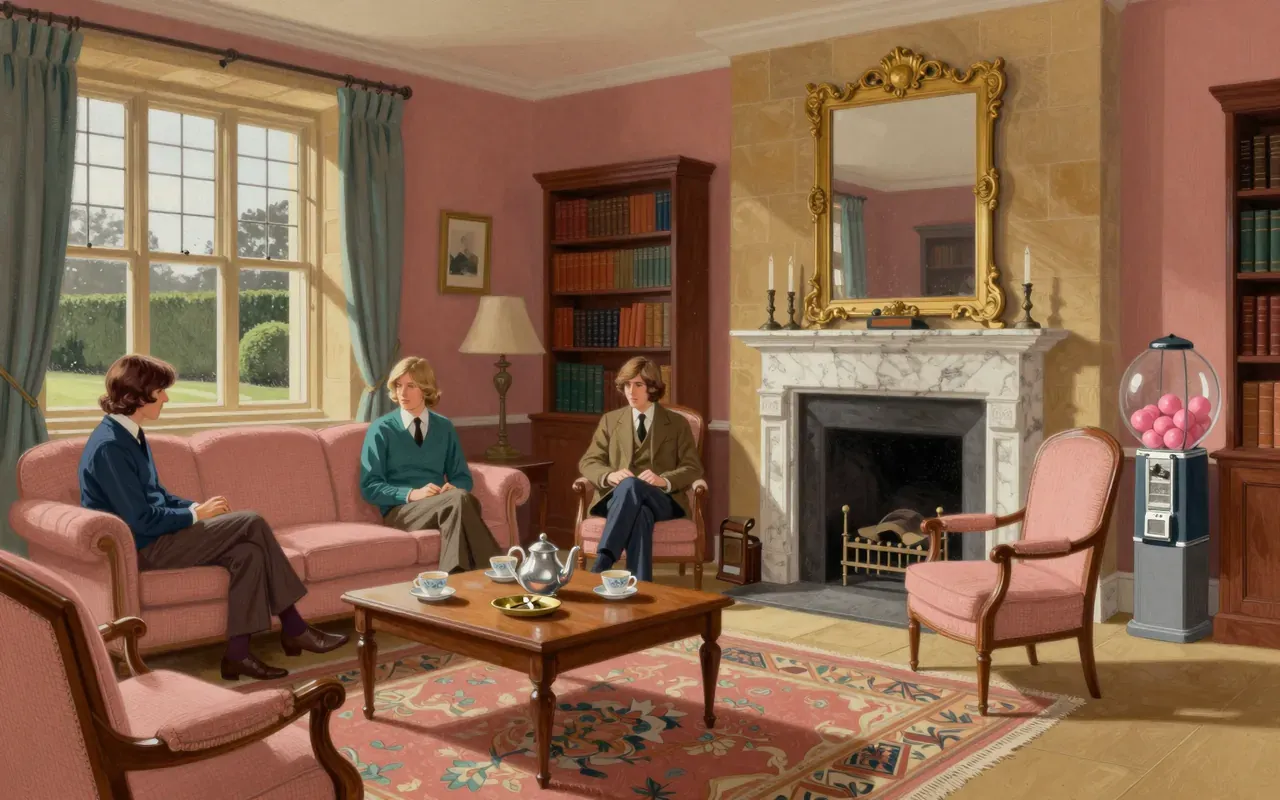
Selling England by the Pound is a 1973 Genesis record written in domestic rehearsal spaces — a rambling old stately home in Chessington and a basement beneath the Una Billings School of Dance. Its sound reflects those conditions: Phil Collins’ drumming uses complicated time signatures influenced by Mahavishnu Orchestra; Steve Hackett contributes guitar licks rather than full songs, lending a jazz fusion feel; and Gabriel writes all lyrics in two days. Recording at Island Studios uses an Echoplex and ARP Pro Soloist, prioritising sonic clarity and arrangement complexity. The album’s English identity is not mythic but material — curfews, bubble gum machines, living rooms, and firths. It lands strongest on ‘I Know What I Like’, ‘Dancing With the Moonlit Knight’, and ‘Firth of Fifth’. It does not sustain cohesion across its full runtime. It is worth your time if you listen for where music is made — not just what it says.

10:20

Speak & Spell

Depeche Mode · 1981

Speak & Spell is Depeche Mode’s 1981 debut: ten tracks recorded live on 8-track with an ARP 2600, built from songs played live for a year, written mostly by Vince Clarke, co-produced by Daniel Miller. It reached UK #10. Critics split: Melody Maker praised it; Rolling Stone dismissed it as ‘PG-rated fluff’. It established synth-pop as functional pop—not experimental, not atmospheric, not ironic—just direct, repeatable, and built for broadcast.

10:19

Damn the Torpedoes

Tom Petty and the Heartbreakers · 1979

A 1979 rock record built by known hands in two LA studios — not a revolution, but a documented step forward in production credit.

10:19

Harlem Street Singer

Blind Gary Davis · 1961

A solo gospel session. Twenty songs. Three hours. One guitar. No compromise.

10:19

Morning Phase

Beck · 2014

Morning Phase is a companion piece to Sea Change. It uses nearly all the same musicians. It was recorded across three phases: Nashville (2005), Third Man Records (2012), and Los Angeles (early 2013). It features orchestral arrangements by Beck’s father. It is folk-infused. It shares mood and genre with Sea Change.

10:19

Saxophone Colossus

Sonny Rollins · 1957

Saxophone Colossus is Sonny Rollins’s sixth studio album, recorded monophonically on June 22, 1956, at Rudy Van Gelder’s studio in Hackensack, New Jersey, with Tommy Flanagan, Doug Watkins, and Max Roach. It contains 'St. Thomas', his best-known composition — a Caribbean calypso based on a childhood tune — alongside 'Strode Rode' and 'Moritat'. It is widely acclaimed and often considered his breakthrough record.

10:18

Takin’ Off

Herbie Hancock · 1962

Takin’ Off is Herbie Hancock’s 1962 debut solo album for Blue Note Records. It features six original compositions performed by Hancock (piano), Dexter Gordon (tenor saxophone), Butch Warren (bass), and Billy Higgins (drums). Recorded in Rudy Van Gelder’s studio in Englewood Cliffs. ‘Watermelon Man’ appears in Tuner (2025) over the opening credits and in The Watermelon Woman (1996), whose title references Melvin Van Peebles’s 1970 film. ‘Driftin’’ appears in Border Buckaroos (1943) and Nothing but the Blues (1995). ‘Alone and I’ appears in Mighty Aphrodite (1995). The album brought Hancock to the attention of Miles Davis, who assembled a new band shortly after hearing it. It predates Hancock’s work with the Miles Davis Quintet, which began in May 1963.

10:18

Donuts

J Dilla · 2006

Donuts is an instrumental hip-hop album released on February 7, 2006 — three days before J Dilla’s death. It consists of 31 tracks built from 34 samples across rock, jazz, and soul. It was made in hospital and hotel rooms using portable gear including a Boss SP-303, MPC, Moog keyboard, turntable, laptop, audio interface, and crate of records. J Dilla forbade anyone from hearing the unfinished version. The album begins with an outro and ends with an intro, forming a structural loop.

10:18

Nothing’s Shocking

Jane’s Addiction · 1988

Nothing's Shocking is a bass-led, royalty-fractured 1988 debut that sounds like it was recorded mid-argument — and that’s why it still bites.

10:18

Sea Change

Beck · 2002

Sea Change is a 2002 folk and singer-songwriter album by Beck, recorded live in Los Angeles with Nigel Godrich and a core group of session musicians. It abandons sampling and irony in favour of acoustic textures, orchestral arrangements, and emotionally direct lyrics rooted in Beck’s breakup with Leigh Limon in 2000. Critically acclaimed as his finest work, it prioritises space, silence, and sincerity over momentum or artifice.

10:18

Time Out of Mind

Bob Dylan · 1997

Time Out of Mind is a blues-inflected, atmospherically dense record made in Miami in January 1997. Its sound is defined by Daniel Lanois’ microphone techniques and strategic mixing — not by live-room realism. Dylan rewrote lyrics up to the first session and demoed songs in the studio, a rare move. Early blues artists guided its sonic palette. The album’s themes — bitter love, encroaching darkness — land with weight, not exposition. Its production choices bury the voice, reject clarity, and treat decay as material. It won Album of the Year at the Grammys, but its achievement is specific: it redefined how Dylan could sound, not how he should be heard.

10:18

Diplomatic Immunity

The Diplomats · 2003

Diplomatic Immunity is a document of place, personnel, and posture — not a unified album, but a series of overlapping assertions made across five studios in early 2003. Its power lies in density, not depth.

10:18

John Wesley Harding

Bob Dylan · 1967

John Wesley Harding is a folk record made with folk means: voice, bass, drums, harmonica, piano, guitar, and two pedal steel parts. It was recorded fast, dry, and direct in Nashville in autumn 1967. Its power lies in what it leaves out.

10:17

Pictures at an Exhibition

Emerson, Lake & Palmer · 1971

A live rock transcription that replaces the piano with ego, the orchestra with amplification, and the gallery with a packed northern English hall.

10:17

At Folsom Prison

Johnny Cash · 1968

Johnny Cash at Folsom Prison is a 1968 live album recorded during two performances on January 13, 1968, at Folsom State Prison in California. It features Cash, the Tennessee Three, Carl Perkins, the Statler Brothers, and June Carter. The first show — at 9:40 a.m. — forms the core of the album; only two tracks ('Give My Love to Rose' and 'I Got Stripes') were taken from the 12:40 p.m. second show. Rehearsals spanned two days and included learning 'Greystone Chapel', written by inmate Glen Sherley. The album reached number one on the Billboard country album chart.

10:17

Buffalo Springfield Again

Buffalo Springfield · 1967

Buffalo Springfield Again is a document of disintegration — not decline, but divergence. It is worth hearing for how it uses absence as an instrument.

10:17

Laurie Anderson

She didn’t use tech to sound futuristic—she used it to make listening feel like labour.
10:16

Aftermath

The Rolling Stones · 1966

Aftermath is the Rolling Stones’ first album of entirely original Jagger–Richards songs, recorded across two relaxed sessions at RCA Studios in Los Angeles in December 1965 and March 1966. Engineer Dave Hassinger enabled experimentation, especially with session musician Jack Nitzsche and Brian Jones — who pioneered use of sitar, marimba, and dulcimer — expanding the band’s sonic palette beyond Chicago blues into folk, Baroque, psychedelia, and world music. Melodic ideas were largely developed by Richards and refined collectively in the studio, often guided by Nitzsche’s piano work. Jones’ contributions were central to the album’s textural innovation, though his unreliability occasionally led Richards to assume most guitar duties — a shift marking one of the first Stones albums dominated by Richards’ guitar work. The album also marked the band’s first major use of true stereo and included the extended, improvisational track 'Going Home', nearly 12 minutes long.

10:16

C’est Chic

Chic · 1978

C’est Chic is Chic’s second studio album, released in 1978 on Atlantic Records. It contains 'Le Freak', which topped US Hot 100, R&B, and Club Play in October 1978, and 'I Want Your Love', which reached number 5 on US R&B, number 7 on US Pop, and number 4 in the UK. The European version was originally titled Très Chic, featured a more risqué cover, and had a different track listing before being withdrawn. The Globe and Mail described it as 'a sleekly elegant variation' of disco; the Los Angeles Times judged that, aside from 'Le Freak', the album consists of pedestrian disco pieces and plodding R&B ballads. All songs were written by Bernard Edwards and Nile Rodgers unless noted otherwise.

10:16

Oxygène

Jean Michel Jarre · 1976

Oxygène is a six-part electronic suite recorded in a Paris kitchen between August and November 1976. Jarre used EMS VCS 3 and Synthi AKS synthesizers, a Scully 8-track, Revox tape delay, AKG stereo reverb, EMT plate reverb, and eight stereo echoes. A partially functional Mellotron appears in Part II. The album evokes environmental themes through sound design rooted in musique concrète techniques. It made Jarre famous internationally after initial rejection by record companies.

10:16

The Lamb Lies Down on Broadway

Genesis · 1974

The Lamb Lies Down on Broadway is Genesis’s sixth studio album and final one with Peter Gabriel. It is a rock opera following Rael’s surreal journey in New York City. Gabriel insisted on sole conceptual and lyrical control, breaking the band’s collaborative tradition. His absences—due to work with William Friedkin and his wife’s difficult pregnancy—meant instrumental backing was built through jam sessions by the remaining members. Recording took place at Headley Grange and Glaspant Manor using Island Studios’ mobile facility: two 3M 24-track recorders, a Helios Electronics 30-input mixing console, Lockwood monitors, and two A62 Studer tape machines. Vocal experimentation occurred in unconventional spaces—a bathroom and a cowshed two miles away. The album departs from Genesis’s earlier pastoral English themes toward American imagery, experimental instrumentation, and tighter song forms. Brian Eno contributed vocal effects ('Enossification') on select tracks. Though initially met with mixed reviews, it has since been acclaimed as a landmark progressive rock work.

10:16

Master of Reality

Black Sabbath · 1971

Master of Reality is Black Sabbath’s third album, recorded February–April 1971 at Island Studios in London under producer Rodger Bain—his final collaboration with the band. It was made without touring commitments, using expanded studio time and financial resources, including money for drugs. Iommi and Butler downtuned their instruments 1½ steps on key tracks to ease physical strain, directly shaping the album’s heavier sound. The band experimented with classical guitar, flute, piano, overdubs, bigger bass drums, and amplified bass presence. Osbourne struggled with rapid lyrics on 'Into the Void', requiring written cues; his vocals on 'Solitude' were doubled via delay. Drug use during sessions impaired idea retention. The album contains their first acoustic songs and key tracks like 'Sweet Leaf' and 'Children of the Grave'. Released July 1971, it marked a pivot toward studio-driven heaviness—not myth, but mechanics.

10:16

Twice as Tall

Burna Boy · 2020

Twice as Tall is Burna Boy’s fifth studio album, released on 14 August 2020. It was recorded mainly in Ahoada, Nigeria during the 2020 pandemic. Burna Boy, Diddy and Bose Ogulu served as executive producers. Telz was the primary producer, with additional production from Rexxie, Timbaland and DJDS. Diddy provided spoken intros, including on 'Alarm Clock'. 'Bebo' was produced by Rexxie and addresses authenticity. 'Wonderful' and 'Onyeka' were produced by Telz and recorded in Nigerian pidgin and Yoruba. The album debuted at number one on the Billboard World Albums Chart and won the Grammy Award for Best Global Music Album at the 63rd Annual Grammy Awards.

10:15

Cheap Thrills

Big Brother & the Holding Company · 1968

Cheap Thrills is a studio album built to sound live — using crowd noise, one actual live track ('Ball and Chain'), and Bill Graham’s introduction — after Columbia rejected the band’s original live recordings from Detroit’s Grande Ballroom. Its rawness reflects concert energy, not engineering intent. Tensions with producer John Simon and label pressure shaped its making. Its iconic Crumb cover replaced rejected photos — including a nude hotel-room shot — and became the visual anchor of its rebellious identity. It is a record about controlled chaos: a negotiated, contested, deliberately rough-edged artefact.

10:15

The Message

Grandmaster Flash & The Furious Five · 1982

The Message is a 1982 hip-hop record that reoriented the genre toward social realism. Its sound is stripped: drum machine, bass synth, piano, and Melle Mel’s unadorned voice. No group members rap lead. No turntablism. No resolution. It documents, not consoles. It is foundational — not because it sounds like what came after, but because it sounds like nothing that came before.

10:14

The Shadows

The Shadows · 1961

The Shadows’ 1961 debut is a document of real-time constraint: no edits, no overdubs, no reverb beyond the room, no vocals beyond four tracks. It establishes their four-player instrumental format with clarity and rigour — not as a style, but as a working method. Its power lies in what it omits.

10:14

Hotel California

Eagles · 1976

A studio-built illusion of ease—every note placed, every silence calculated, every escape blocked by tape edits.

10:14

Pills ’n’ Thrills and Bellyaches

Happy Mondays · 1990

Pills ’n’ Thrills and Bellyaches is the 1990 Happy Mondays album recorded at Capitol Studios in Los Angeles after their US tour. Produced by Paul Oakenfold and Steve Osborne, it fused house, funk, Krautrock, and northern soul into a propulsive, loop-driven sound defined by Gary Whelan’s layered drum work and Rowetta’s soulful vocals on 'Kinky Afro', 'Step On', and 'Bob’s Yer Uncle'. It went platinum in the UK, sold over 350,000 copies, and remains the band’s commercial and artistic zenith — a document of Madchester’s peak, not its myth.

10:13

Goodbye and Hello

Tim Buckley · 1967

A 20-year-old Tim Buckley, given full creative control by Elektra, recorded Goodbye and Hello in Los Angeles in June 1967. He sang in both lower register and falsetto, played bottleneck guitar, kalimba, and vibraphone, and worked with an ensemble including double bass, harpsichord, and congas. Larry Beckett’s lyrics explored the psychological nature of war; Buckley’s addressed estrangement from his wife and child. Critics noted improved lyrical and melodic qualities. The album peaked at No. 171. It distinguished itself from Buckley’s debut through thematic depth, varied time signatures, and late-1960s poetic sensibility.

10:13

Songs for Swingin’ Lovers!

Frank Sinatra · 1956

Songs for Swingin’ Lovers! is Frank Sinatra’s tenth studio album and fourth for Capitol Records, released in March 1956. Arranged by Nelson Riddle, it departs from the introspective tone of In the Wee Small Hours in favour of exuberant, jazz-inflected interpretations of pop standards. Recorded in February 1956 in the newly opened Capitol Records Building studios, it features a 56-piece symphonic orchestra. ‘I’ve Got You Under My Skin’ required 22 takes to perfect. A slow ballad, ‘Memories of You’, was recorded but omitted to preserve the album’s uptempo, swinging concept — ‘We’ll Be Together Again’ stands alone as the sole ballad. The album was the first to top the UK Albums Chart upon its July 1956 launch.

10:13

Let’s Take It to the Stage

Funkadelic · 1975

Funkadelic’s 1975 album Let’s Take It to the Stage is a funk rock record defined by its porous studio ethos, uncredited guitar fire, and deliberate tonal whiplash — from blunt sexual monologue to baroque organ quotation. It landed commercially like no prior Funkadelic release, but its power lies in instability, not polish.

10:12

Black Sunday

Cypress Hill · 1993

Black Sunday is a landmark commercial and cultural achievement — not a document of its production process.

10:12

Gene Vincent and the Blue Caps

Gene Vincent and the Blue Caps · 1957

A lean, guitar-forward rock ’n’ roll record defined by who played — and who didn’t — rather than what was said.

10:12

Paul Simon

Paul Simon · 1972

Paul Simon’s 1972 self-titled album is a geographically dispersed, instrumentally specific pivot from duo pop to solo genre exploration — reggae in Kingston, jazz bass in New York, violin in Paris — all built around his guitar and voice.

10:12

Run‐D.M.C.

Run‐D.M.C. · 1984

Run-D.M.C. (1984) is a debut defined by subtraction: Oberheim DMX beats, Jam Master Jay’s scratches, Eddie Martinez’s guitar riffs. No basslines beyond the drum machine’s pulse. No melodic relief. No studio reverb. Just staccato vocals, rhythmic tension, and social framing — all assembled by Russell Simmons and Larry Smith. It landed as new school hip hop because it refused the old rules — not by adding, but by stripping away.

10:12

Bryter Layter

Nick Drake · 1971

Bryter Layter is Nick Drake’s second studio album, released March 5, 1971. His last to feature other musicians. It contains no unaccompanied songs. Arrangements were intended to evoke Pet Sounds. It features Fairport Convention members, John Cale on 'Northern Sky' and 'Fly', and Beach Boys session players. Drake played acoustic guitar throughout and electric guitar on 'Poor Boy'. Dave Pegg played bass on nine tracks. Dave Mattacks played drums on five. Joe Boyd produced. John Wood engineered. Trevor Dann called 'Northern Sky' Drake’s most chart-potential song.

10:12

Modern Sounds in Country and Western Music

Ray Charles · 1962

Modern Sounds in Country and Western Music is a studio album by Ray Charles, recorded in February 1962 at Capitol Studios in New York City and United Studio B at United Western Recorders in Hollywood. It was released in March 1962 by ABC-Paramount Records. The album features covers of country standards selected by A&R man Sid Feller from approximately 250 tapes sourced from Acuff-Rose and Hill & Range Songs. Arrangements were handled by Gerald Wilson, Gil Fuller, and Marty Paich, with Hank Crawford on alto saxophone. Charles directed arrangements via voice-and-piano demos and rewrote at least one himself. The album’s sound is defined by piano-led ballads, cushioned countrypolitan strings, and West Coast jazz-inflected big-band charts. It helped bring country music into the musical mainstream and became Charles’s first album to top the Billboard 200. His version of ‘I Can’t Stop Loving You’ topped the Pop chart for five weeks and reached No. 1 on the R&B chart for ten weeks.

10:12

The Wall

Pink Floyd · 1979

The Wall is Pink Floyd's 1979 double-album rock opera, conceived by Roger Waters during the 1977 In the Flesh tour and developed from a 90-minute demo titled Bricks in the Wall. It is a studio-built narrative about isolation, trauma, and psychological fragmentation, centred on the composite character Pink.

10:12

Truth

Jeff Beck · 1968

Truth is a decisive, flawed, and sonically urgent debut — a document of transition, not consolidation.

10:11

Physical Graffiti

Led Zeppelin · 1975

Physical Graffiti is Led Zeppelin’s 1975 double album — their first release on Swan Song. It contains fifteen tracks: eight recorded at Headley Grange in early 1974, and seven drawn from earlier sessions. It was conceived as a double LP after the new material nearly filled three sides of an LP.

10:11

Rock Bottom

Robert Wyatt · 1974

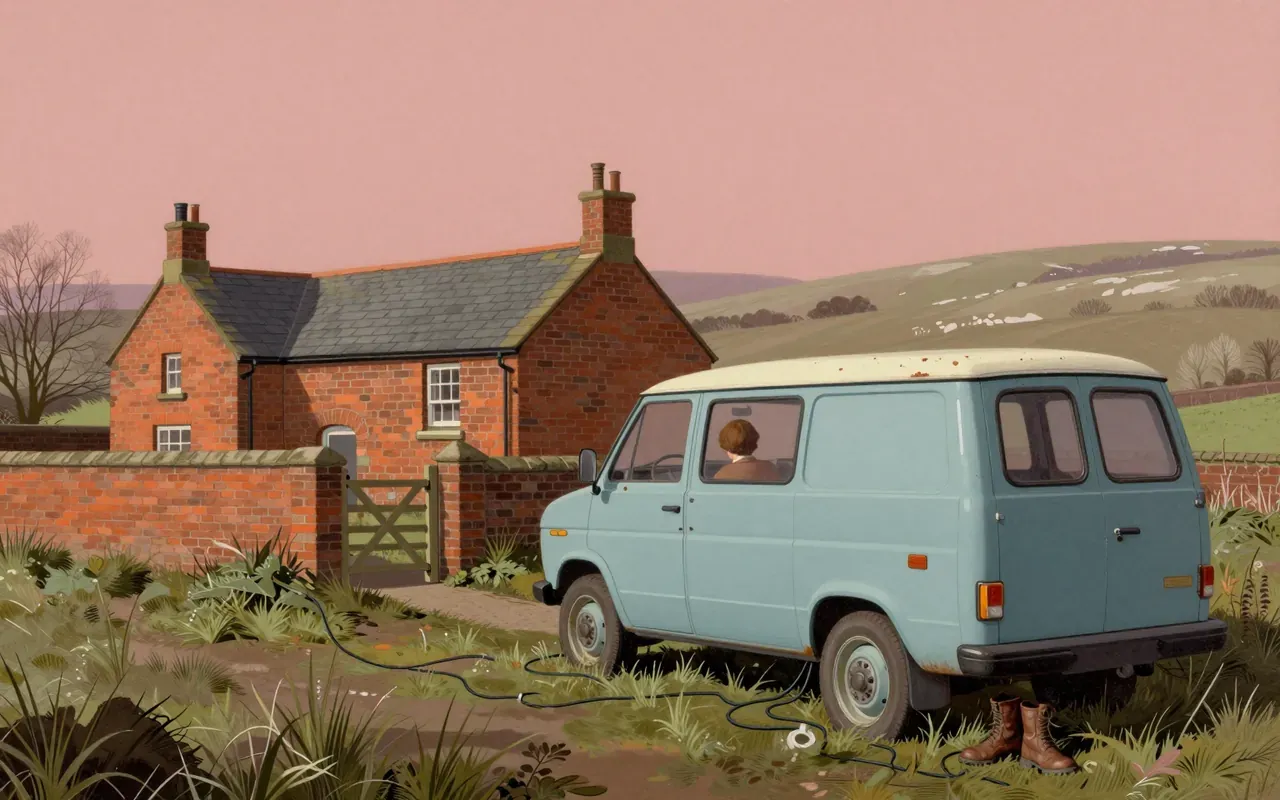
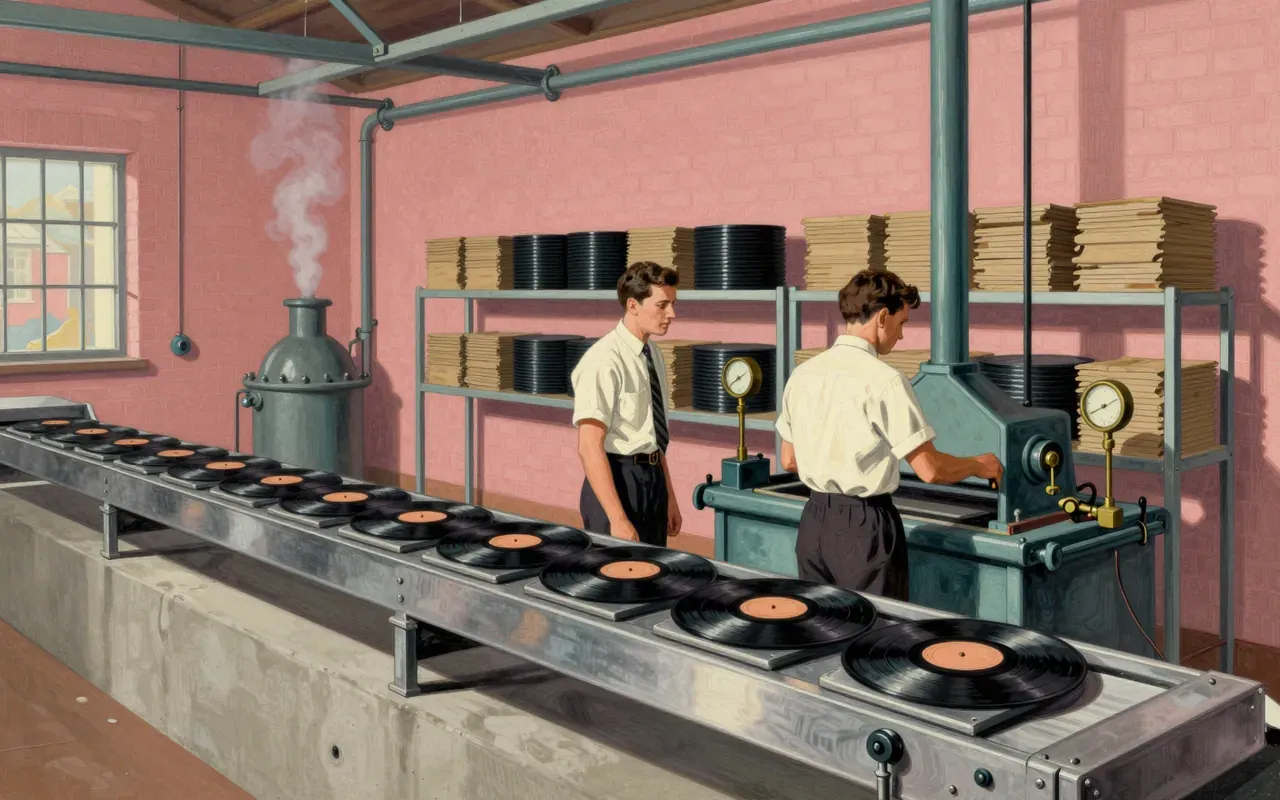
Rock Bottom is Robert Wyatt’s 1974 solo debut, produced by Nick Mason and recorded across three locations: a non-soundproofed van in a Wiltshire field, The Manor Studio, and CBS Studios in London. It combines jazz looseness, instrumentation, and improvisation with rock/folk song forms — an 'upside down' fusion designed to avoid the 'noodling' Wyatt associated with existing jazz-rock. Wyatt performed on vocals, keyboards, percussion, slide guitar, James’ drum, Delfina’s wineglass, Delfina’s tray, and a small battery. Much was composed pre-accident in Venice; arrangements and lyrics were reworked during convalescence. Collaborators included Mike Oldfield, Ivor Cutler, and Fred Frith. The album received mostly positive reviews.
10:10

Kontakte

Karlheinz Stockhausen · 1960

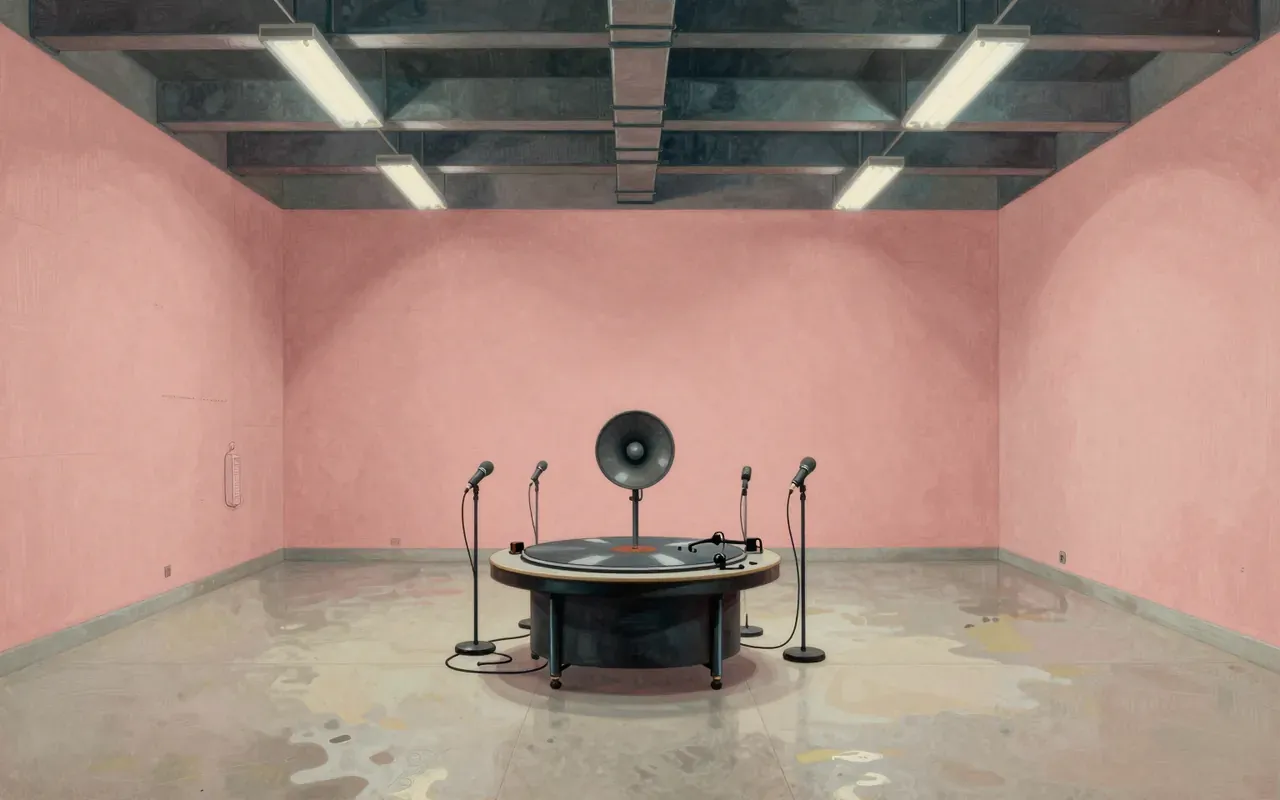
Kontakte is a 4-channel electronic work realized 1958–60 at the WDR studio in Cologne with Gottfried Michael Koenig. It exists in two versions: electronic-only (Nr. 12) and electroacoustic with piano and percussion (Nr. 12+1⁄2). Its title refers to contacts between sound domains, between self-sufficient moments, and between forms of spatial movement. It realises total serialism by bringing timbre, pitch, intensity, and duration under single control—and is the last of Stockhausen’s tape pieces where serial proportions shape more than broad form. Its central passage traces a structural descent: pitch becomes pulse, pulse becomes beat, beat becomes tone. Spatial design advances beyond Gesang der Jünglinge using four-channel diffusion, loudspeakers at square corners, and a rotation table. The score is highly sectionalized, reflecting its moment-based architecture.

10:10

Out of the Cool

The Gil Evans Orchestra · 1961

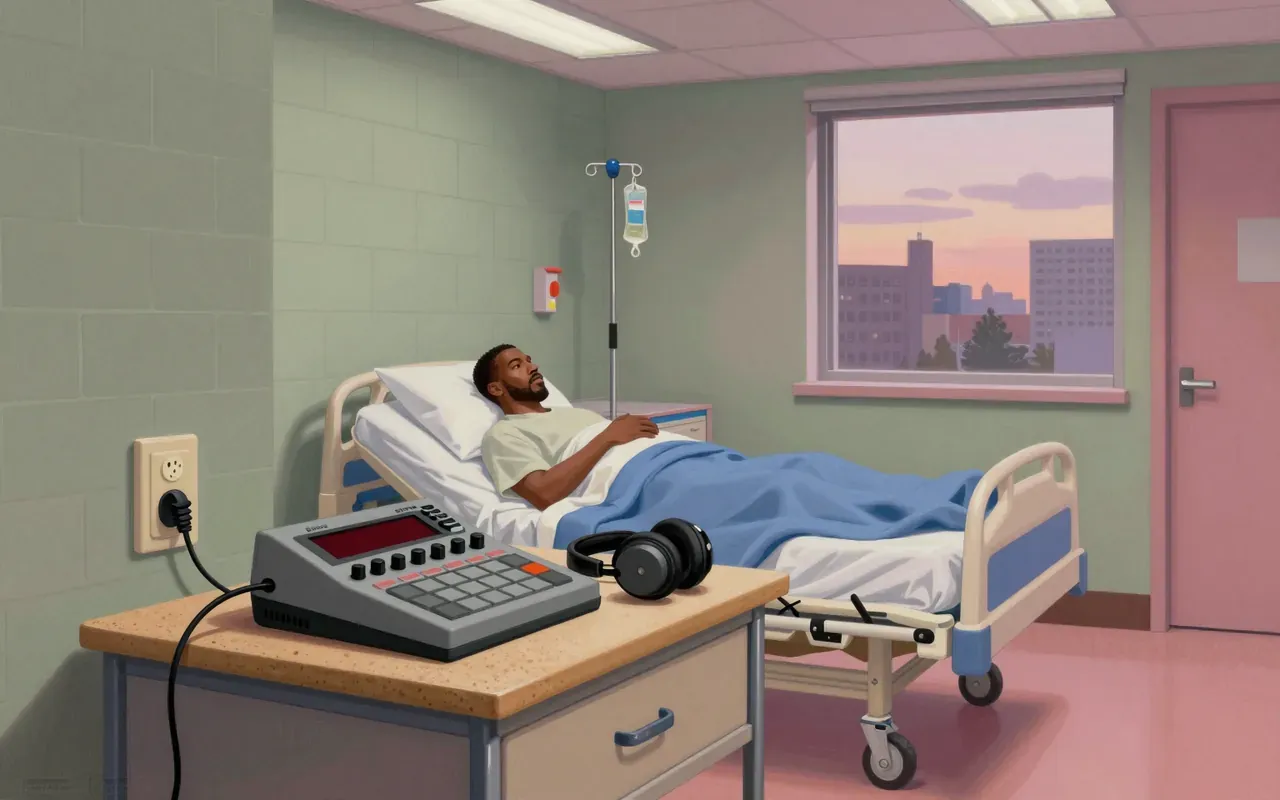
Out of the Cool is a 1960 jazz album by The Gil Evans Orchestra, recorded in two sessions in November and December 1960 and released in 1961 on Impulse! as one of its first four albums. It features a distinctive integration of written and improvised material, with notable contributions from Elvin Jones (shakers on 'La Nevada'), Jimmy Knepper (melody on 'Where Flamingos Fly'), and others drawn largely from Evans' recent Jazz Gallery ensemble. The album marks a stylistic evolution toward greater freedom in Evans' orchestral writing and arranging, building on earlier works like Great Jazz Standards and arrangements for Helen Merrill. Its production values and gatefold design reflected Impulse!'s high standards from its inception. Personnel included Johnny Coles, Jimmy Knepper, Tony Studd, Budd Johnson, Ray Crawford, Ron Carter, and Elvin Jones, among others. Track durations and recording dates are precisely documented, with 'Sister Sadie' added later as a CD bonus track. The Penguin Guide to Jazz later hailed it as Evans' masterpiece under his own name and a landmark in jazz orchestration. The 2021 reissue entered the Billboard Jazz Albums Chart at No. 11. The album's musical identity centers on rhythmic innovation, textural nuance, and fluid boundaries between composition and improvisation.
10:10

The Sounds of India

Ravi Shankar · 1958

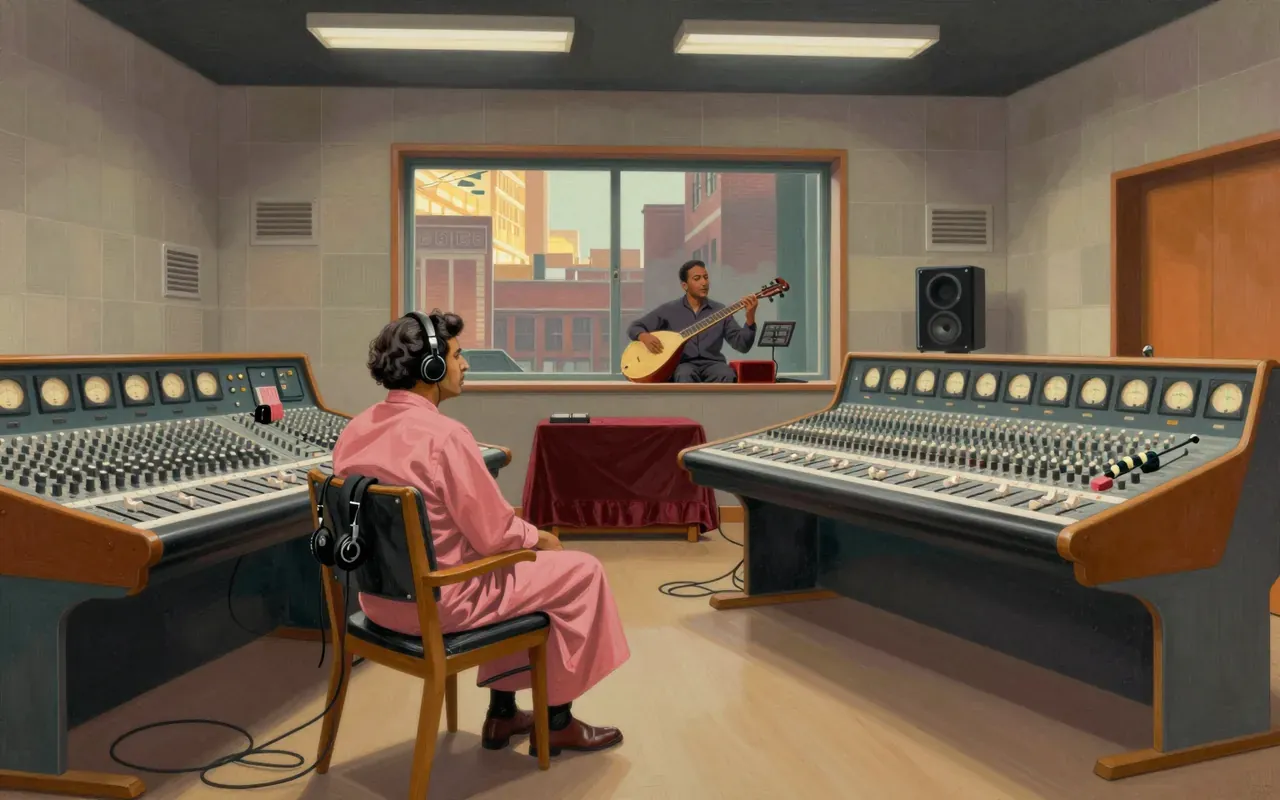
A pedagogical artefact, not a concert document. Recorded in New York in 1957, it uses spoken introductions and concise performances to frame Hindustani classical music for Western listeners. Its sound is defined by three acoustic instruments in a dry studio space: sitar, tabla, tambura. Nothing else enters the frame.

10:10

Fetch the Bolt Cutters

Fiona Apple · 2020

Fetch the Bolt Cutters is Fiona Apple’s fifth studio album, recorded from 2015 to 2020 primarily in her Venice Beach home with Amy Aileen Wood, Sebastian Steinberg, and Davíd Garza. It uses GarageBand, found-object percussion, and domestic space as core instruments. The album consists of 13 self-produced tracks, won the Grammy for Best Alternative Music Album, and its lead single 'Shameika' won Best Rock Performance. It was in final stages as of September 2019 and released digitally on April 17, 2020.

10:10

Fever to Tell

Yeah Yeah Yeahs · 2003

Fever to Tell is a decisive, unpolished statement — not a slow-burn classic, but a live-wire document of a band refusing compromise. It trades finesse for force. Its power comes from what’s left in: Karen O’s voice, Zinner’s bass under the surface, the tight snap of the drums, and the dry acoustics of a Brooklyn basement studio.

10:10

Jagged Little Pill

Alanis Morissette · 1995

Jagged Little Pill is a 1995 rock record made by two people in a home studio. Its sound is defined by drum machines, guitars, keyboards, harmonica, and vocals recorded in one or two takes — all retained on the final release. It landed because of vocal urgency and KROQ-FM’s support of 'You Oughta Know', not because of polish or scale. It is worth hearing as a case study in minimalism, immediacy, and industry resistance.

10:10

Let It Be

The Replacements · 1984

The editorial brief must correct a fundamental misattribution: the material provided describes only the Beatles’ 1970 album Let It Be. There is no verified information supporting the existence of a 1984 Replacements album titled Let It Be—or any of its listed tracks—in the given sources. All references to The Replacements, film placements of 'I Will Dare' or 'Unsatisfied', and the running order are irrelevant to the document and cannot be used.

10:10

Songs From a Room

Leonard Cohen · 1969

Songs From a Room is Leonard Cohen’s second studio album, released in 1969. It follows his 1967 debut and precedes Songs of Love and Hate (1971) and New Skin for the Old Ceremony (1974). Recorded in Nashville with Bob Johnston after abandoning sessions with David Crosby in Hollywood, it features Ron Cornelius, Charlie Daniels, Bubba Fowler, and Johnston himself. The sound is austere: acoustic guitar, banjo, fiddle, bass, keyboards, and ornamental Jew’s harp. Drums are sparse. Johnston treated the process as painting, and for ‘The Partisan’, he and Cohen travelled to France to overdub three female French singers. The album responds directly to criticism of the lushness of Cohen’s first record — it is stark, lyric-forward, and deliberately simple.

10:10

Violent Femmes

Violent Femmes · 1983

Violent Femmes’ 1983 debut was self-funded, recorded live in July 1982 at Castle Recording Studios in Lake Geneva, Wisconsin, before the band signed with Slash Records. Most songs were written by Gordon Gano at age 18 in Milwaukee. Its sound is defined by acoustic bass, percussion, and raw vocal-guitar interplay — no overdubs, no studio effects, no executive influence.

10:09

Blues From the Gutter

Champion Jack Dupree · 1958

A stark, unembellished blues record defined by its minimal personnel and clinical lyrical focus.

10:09

Milestones

Miles Davis · 1958

Milestones is a pivotal 1958 studio album by Miles Davis, recorded with his revived sextet — including Cannonball Adderley and a newly drug-free John Coltrane — and released by Columbia Records in September 1958. It marks Davis’s decisive turn toward modal composition, most clearly on the title track, which abandons key centres in favour of scale-based improvisation over static harmony. Davis plays piano on 'Sid's Ahead' only because Red Garland was absent; 'Billy Boy' spotlights Garland’s block chords. The album was originally mono, later remixed in true stereo. It is a transitional document — raw, urgent, and unfinished — not a manifesto.

10:09

The Complete Recordings

Robert Johnson · 1990

The Complete Recordings (1990) compiles all 29 master recordings and 12 alternate takes Robert Johnson made for ARC in San Antonio (November 1936) and Dallas (June 1937). He performed solo on acoustic guitar and vocals. Don Law produced. Vincent Liebler engineered. The sound is dry, immediate, and unvarnished — captured on portable equipment in improvised spaces. It excludes only one alternate take of 'Traveling Riverside Blues', later added in 2011. This edition remains the foundational, unembellished document of his studio work.

10:09

Tonight’s the Night

Neil Young · 1975

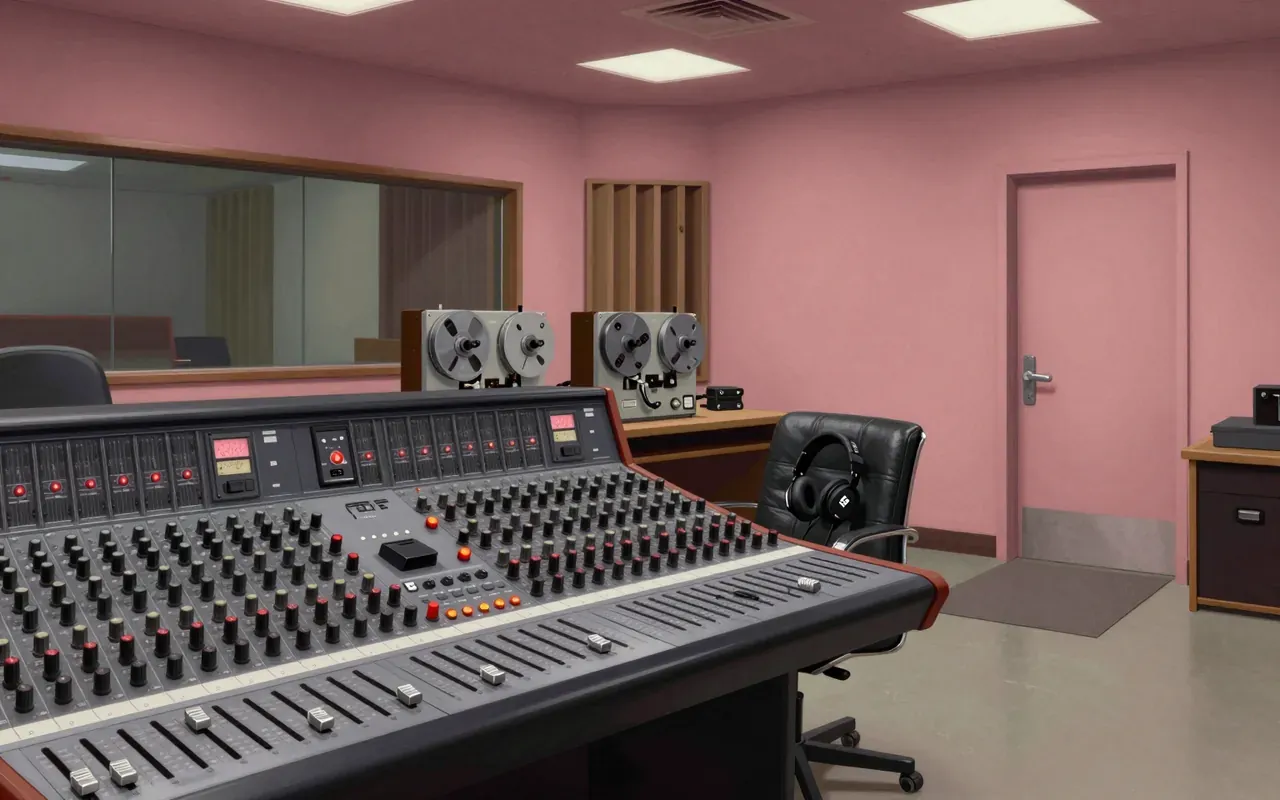
A raw, late-night studio document of grief, recorded live in a rented Hollywood rehearsal space with rented gear, featuring the surviving Crazy Horse rhythm section’s first session after Danny Whitten’s death. Young’s voice cracks. Mics are missed. Room echo stays in. Reprise delayed release for two years. It sold poorly in 1975 but is now regarded as a landmark—and Young called it the closest he ever came to art.
10:09

Double Nickels on the Dime

Minutemen · 1984

Double Nickels on the Dime is a 45-song double LP by Minutemen, released July 1984 on SST Records. Recorded in two sessions at Radio Tokyo Studios with Ethan James, it mixes punk, funk, country, spoken word, and jazz. Inspired by Hüsker Dü’s Zen Arcade, the band adopted a car-themed concept, assigned each member a side (with 'Chaff' as the fourth), and incorporated lyrics from friends including Henry Rollins and Joe Carducci. It was mixed overnight on eight-track for $1,100. Themes include the Vietnam War, racism, working-class life, and linguistics.

10:09

Ella Fitzgerald Sings the Gershwin Song Book, Vol. 2

Ella Fitzgerald · 1959

Ella Fitzgerald Sings the Gershwin Song Book, Vol. 2 is a documented instalment in a pre-defined series — not a self-contained artistic event. Its value lies entirely in its position: following the Cole Porter volume, preceding others, and contributing to a structured survey of the Great American Songbook. Nothing in the source supports claims about its sound, performance, or originality.

10:09

Grievous Angel

Gram Parsons · 1974

Grievous Angel is Gram Parsons’s final album, recorded in summer 1973 at Wally Heider Studio 4 in Hollywood and mixed at Capitol Studios before his death in Joshua Tree. It features Emmylou Harris and members of Elvis Presley’s TCB Band. Only two new songs appear — 'Return of the Grievous Angel' and 'In My Hour of Darkness'. The rest draws from Parsons’s Harvard folk period, The Byrds, the Flying Burrito Brothers, and rejected material from GP. The 'live' medley is fabricated with canned applause. Critical attention focuses on Harris’s vocal role, especially on 'Love Hurts', and on the album’s paradox: disciplined energy amid personal collapse. It peaked at number 195 on the Billboard chart.

10:08

Continuum

John Mayer · 2006

Continuum is John Mayer’s third studio album, released 12 September 2006. It was recorded between January 2005 and July 2006 across studios in Los Angeles, New York City, and Memphis. It marks a deliberate pivot toward blues and soul, co-produced by Mayer and Steve Jordan.

10:08

Elephant Mountain

The Youngbloods · 1969

Elephant Mountain is a focused, unembellished studio document: piano-led, locally rooted, and shaped by absence. It assumes nothing. It delivers less than it promises — and that is its strength.

10:08

Saint Dominic’s Preview

Van Morrison · 1972

Saint Dominic's Preview is Van Morrison’s sixth studio album, recorded between late 1971 and early 1972 across multiple San Francisco studios, featuring evolving personnel, co-production with Ted Templeman, and material drawn from both new sessions and earlier recordings — notably 'Listen to the Lion' (from the Tupelo Honey sessions) and 'Almost Independence Day' (recorded first, in autumn 1971). The album reflects stylistic diversity and ambitious vocal and instrumental experimentation, with key tracks shaped by spontaneous decisions, live takes, and layered overdubs involving a rotating cast of musicians including Gary Mallaber, Connie Kay, Mark Jordan, Ronnie Montrose, Bill Church, Bernie Krause, and others. Its composition draws on stream-of-consciousness writing, nature imagery, and personal reflection, marking a departure from love-centric themes and signaling expanded musical scope and ambition.

10:08

Sin & Soul

Oscar Brown Jr. · 1960

Sin & Soul is Oscar Brown Jr.'s 1960 debut LP — a lyric-driven jazz record built from pre-existing instrumentals. It states Black experience plainly, using rhythm, repetition, and vernacular language. Its sound is lean, dry, and voice-forward. No embellishment. No evasion.

10:08

All Directions

The Temptations · 1972

All Directions is a 1972 Motown album by The Temptations, produced by Norman Whitfield. It features layered vocals, timpani, vibes, congas, brass, and basslines from James Jamerson and Bob Babbitt. The group resisted recording 'Papa Was a Rollin’ Stone' and 'Run Charlie Run', both covers with socially charged lyrics. 'Papa' became a

10:08

Body Talk

Robyn · 2010

Body Talk is Robyn’s seventh studio album, released 22 November 2010 as the culminating full-length replacement for a planned third mini-album in the Body Talk trilogy. It functions both as a standalone record and as a curated compilation — drawing select tracks from Body Talk Pt. 1 (June 2010) and Pt. 2 (September 2010), plus five new songs. Its centrepiece collaboration is ‘Time Machine’ with Max Martin, described by Robyn as a nostalgic, full-circle return to songcraft. The album produced three top-10 singles — ‘Dancing On My Own’, ‘Hang with Me’, and ‘Indestructible’ — and received unanimous critical acclaim and three Grammy nominations. It reflects Robyn’s 2010 strategy of rapid, self-motivated release: she prioritised immediacy and inspiration over traditional album cycles, rejecting commercial calculation in favour of sustained creative flow.

10:08

Greetings From L.A.

Tim Buckley · 1972

Tim Buckley's 1972 album Greetings From L.A. is a funk record made after he disbanded his Starsailor ensemble and assembled a new funk band in 1970. It features sexually frank lyrics that hindered radio airplay and alienated his earlier hippie fan base, though he retained a cult following.

10:08

The Marshall Mathers LP

Eminem · 2000

The Marshall Mathers LP is a studio document, not a statement. It sounds urgent, unvarnished, and deliberately unstable — built from overheard riffs, midnight calls, and marital rupture. Its power lies in how little it holds back — and how much it leaves unresolved.