3 Years, 5 Months & 2 Days In The Life Of...
Arrested Development · 1992
A debut album that replaces sampling with live playing, aggression with inquiry, and punchlines with parables.
A debut album that replaces sampling with live playing, aggression with inquiry, and punchlines with parables.
Big Star’s Third/Sister Lovers is not a polished artefact—it is a document of dissolution. Recorded in late 1974 at Ardent Studios with producer Jim Dickinson, it features Alex Chilton and Jody Stephens working alongside a rotating group of Memphis musicians—including drummer Richard Rosebrough and vocalist Lesa Aldridge, whose parts were later erased. The sessions ended in early 1975 with 250 plain-label promos pressed, but label interest failed in New York and California. The band broke up before the album was titled. Dickinson framed his role as removing ‘oppressive production’ to enable Chilton’s integrity—not to shape a marketable product. The result is a stark, emotionally extreme, and stylistically fractured record that diverges entirely from Big Star’s earlier power-pop. Its cult status rests on its honesty, not its polish.
69 Love Songs is the Magnetic Fields’ sixth studio album, released on September 7, 1999, by Merge Records. It is a three-volume concept album comprising 69 love songs, all written by Stephin Merritt. Conceived as a theatrical revue inspired by Stephen Sondheim and Charles Ives’ 114 Songs, it was composed largely at Dick’s Bar in New York. The album features ukulele, banjo, accordion, cello, mandolin, flute, xylophone, Marxophone, synthesizers, guitars, and effects. Shirley Simms, Dudley Klute, L.D. Beghtol, and Claudia Gonson each sing lead on six songs; Daniel Handler plays accordion; Christopher Ewen serves as guest arranger/synthesist. It is the band’s best-known work.
A Hard Day's Night is the Beatles’ third studio album and their first composed entirely of original Lennon–McCartney songs. Recorded between February and June 1964 at EMI Studios in London, it features Harrison’s debut use of a Rickenbacker 12-string guitar — a sound that shaped emerging folk rock and jangle pop. Side one contains songs from the film A Hard Day’s Night; side two comprises other new recordings written for the album. Musically, it departs from earlier rock and roll covers in favour of a tightly crafted pop sound defined by ringing guitars and layered vocal arrangements.
A Night at the Opera is not a miracle. It is a construction — four months, seven studios, £40,000, 24-track tape, and four musicians assigning themselves roles like actors in a play. Its power lies in how tightly its ideas are bound to its making: no Trident, no compromise, no unassigned instrument, no unmotivated genre shift. It is prog not as indulgence but as method — and art rock not as pose but as precision.
A Rush of Blood to the Head is Coldplay’s second studio album, recorded in Liverpool after relocating from London in September 2001. It follows their global success with Parachutes and 'Yellow'. The album was produced by Ken Nelson and features 11 tracks, including 'In My Place', 'Clocks', and 'The Scientist'. It was inspired by urgency, heartbreak, and impulse — themes reflected in both lyrics and musical texture. The recording process was collaborative and focused, with Martin and Buckland developing ideas independently on weekends before presenting them to the full band each Monday. 'Politik' was recorded two days after 9/11; 'Clocks' emerged late in the process from a spontaneous piano riff. The album won the Grammy Award for Best Alternative Music Album in 2003 and Record of the Year for 'Clocks' in 2004. It was certified 12-times platinum in the UK and sold over 17 million copies worldwide.
A Seat at the Table is Solange’s third studio album. Writing began in 2008. Recording spanned 2013 to June 2016 across Long Island, New Orleans, New Iberia and Los Angeles. It was released 30 September 2016. Its sound comes from hour-long improvised tracks built around bass and synth lines, later structured in Louisiana and finished in LA with Raphael Saadiq and Troy Johnson. 'Cranes in the Sky' originated from a 2008 Saadiq instrumental — drums, strings and bass only. Master P narrated interludes drawn from real conversations. Themes include identity, empowerment, grief, healing, rage and self-care. All lyrics were paired with images in a digital art book.

Achtung Baby is U2’s seventh studio album, produced by Daniel Lanois and Brian Eno, recorded in Berlin and Dublin between late 1990 and mid-1991. It marked a deliberate departure from their earlier sound—incorporating alternative, industrial, and electronic dance influences—and reflected personal, introspective lyrical themes inspired by marital breakdowns, German reunification, and spiritual questioning. The Berlin sessions at Hansa Studios were fraught with tension and creative uncertainty, nearly leading to the band’s dissolution, until the improvised creation of 'One' provided a breakthrough. Subsequent Dublin sessions at Elsinore and Windmill Lane Studios yielded the completed album, characterised by distorted guitar textures, pronounced rhythm section, electronic beats, altered vocal techniques, and a self-conscious embrace of irony and artifice in both music and presentation. The album’s title and packaging were conceived to confound expectations and erect a 'mask' over its emotional weight. Its release inaugurated U2’s 1990s reinvention, culminating in the Zoo TV Tour and sustained musical experimentation throughout the decade.
Actually is a synth-pop record made in short, rotating sessions at Sarm and Advision Studios. It uses Fairlight programming instead of orchestras. Producers included Julian Mendelsohn, Stephen Hague, and Andy Richards. Lyrics reference Thatcherism, AIDS, and pop songs including 'Tainted Love'. 'King’s Cross' unintentionally foreshadowed the November 1987 fire. It was Pet Shop Boys’ second album, released in September 1987.
Aftermath is the Rolling Stones’ first album of entirely original Jagger–Richards songs, recorded across two relaxed sessions at RCA Studios in Los Angeles in December 1965 and March 1966. Engineer Dave Hassinger enabled experimentation, especially with session musician Jack Nitzsche and Brian Jones — who pioneered use of sitar, marimba, and dulcimer — expanding the band’s sonic palette beyond Chicago blues into folk, Baroque, psychedelia, and world music. Melodic ideas were largely developed by Richards and refined collectively in the studio, often guided by Nitzsche’s piano work. Jones’ contributions were central to the album’s textural innovation, though his unreliability occasionally led Richards to assume most guitar duties — a shift marking one of the first Stones albums dominated by Richards’ guitar work. The album also marked the band’s first major use of true stereo and included the extended, improvisational track 'Going Home', nearly 12 minutes long.
Aja is a studio-built jazz-pop record defined by precision, segmentation, and elite execution — not feel, not band identity, not room sound.
Aladdin Sane is David Bowie’s sixth studio album, co-produced with Ken Scott and recorded between December 1972 and January 1973 in London and New York City during breaks in the Ziggy Stardust Tour. It features the full Spiders from Mars lineup—Mick Ronson, Trevor Bolder, and Mick Woodmansey—alongside jazz-influenced pianist Mike Garson, two saxophonists, and three backing vocalists. Most songs were written on the road in the US and reflect Bowie’s ambivalent perceptions of America, resulting in a harder, edgier rock sound than his prior glam work. Lyrics explore duality: the rewards of stardom versus the toll of touring, and recurring motifs of urban decay, drugs, sex, violence, and death. The album includes a Rolling Stones cover, 'Let's Spend the Night Together', and Bowie framed its title as both a pun—'A Lad Insane'—and the conceptual extension 'Ziggy Stardust goes to America'. 'The Jean Genie' was the first track recorded, on 6 October 1972 in New York, with Bowie producing that session himself. It was Bowie’s final album with the complete Spiders from Mars lineup.
All Directions is a 1972 Motown album by The Temptations, produced by Norman Whitfield. It features layered vocals, timpani, vibes, congas, brass, and basslines from James Jamerson and Bob Babbitt. The group resisted recording 'Papa Was a Rollin’ Stone' and 'Run Charlie Run', both covers with socially charged lyrics. 'Papa' became a
All Mod Cons is a re-recorded crisis album that treats the UK as a series of locked rooms — and makes every key turn with purpose.
All Things Must Pass is a triple album released by George Harrison in 1970. It features two discs of original songs and a third disc of informal jams titled Apple Jam. The album was co-produced by Phil Spector using his Wall of Sound technique. It includes contributions from Eric Clapton, Ringo Starr, Billy Preston, Klaus Voormann, Gary Wright, Badfinger, Pete Drake, and members of Delaney & Bonnie’s Friends. Most backing tracks were recorded on 8-track tape at EMI Studios in London between late May and mid-June 1970, with overdubbing and mixing continuing through October. The Apple Jam disc contains four improvised instrumentals built around minimal chord changes — or, in the case of 'Out of the Blue', a single-chord riff — and one vocal track, 'It's Johnny's Birthday', performed to the melody of Cliff Richard’s 'Congratulations'. The album was critically acclaimed and widely regarded as Harrison’s best work.
AM is Arctic Monkeys’ fifth studio album, released 9 September 2013. It marks their first venture into a hip hop-influenced sound, achieved by recording bass and drums first, using unconventional drum setups, and incorporating new instruments including the Hohner Guitaret, celeste, and vintage drum machine. It was produced by James Ford and co-produced by Ross Orton at Sage & Sound Recording in Los Angeles and Rancho De La Luna in Joshua Tree, California. Thematically, it concerns frustration surrounding tainted romance, sex and loneliness. Guest appearances include Josh Homme, Pete Thomas, and Bill Ryder-Jones—with Homme’s contribution to 'Knee Socks' singled out by Alex Turner as his favourite moment on the record. Turner described the sound as 'like a Dr. Dre beat, but we've given it an Ike Turner bowl-cut and sent it galloping across the desert on a Stratocaster', and said 'Arabella' expresses the album’s two dominant styles—hip-hop beats and 1970s heavy rock—most effectively in one track.
American Beauty is the Grateful Dead’s 1970 studio album — recorded fast, under pressure, without their usual crew, and produced by Stephen Barncard. It features pedal steel instead of lead guitar, mandolin from David Grisman, and songs from Lesh, Weir, and McKernan alongside Garcia and Hunter. Eight tracks became live staples. It helped pioneer Americana — not as revival, but as reinvention.
American Idiot is a punk rock opera built from 30-second musical fragments, recorded in album sequence across two California studios, using analog tape compression on drums to anchor its urgency. It functions as direct protest art, centred on the character 'Jesus of Suburbia', and landed at number one on the Billboard 200 in September 2004 — two months before George W. Bush’s reelection.
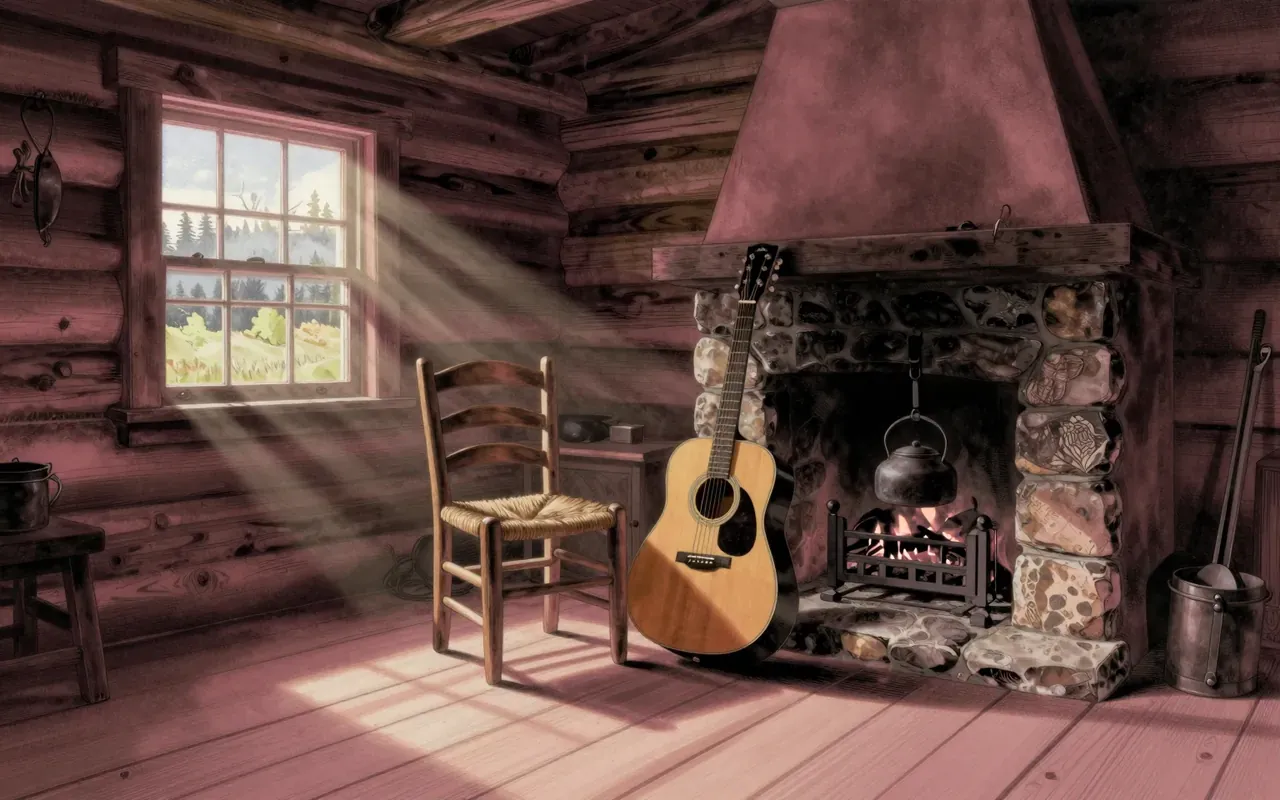
American Recordings is Johnny Cash’s 1994 solo album for Rick Rubin’s American Recordings label. It was recorded mostly in Cash’s Tennessee cabin or Rubin’s Los Angeles home, with Cash accompanied only by his Martin Dreadnought acoustic guitar. Two tracks—'Tennessee Stud' and 'The Man Who Couldn’t Cry'—were recorded live at the Viper Room in Los Angeles. The album features newly commissioned songs by Tom Waits and Glenn Danzig, a cover written by Nick Lowe, and two re-recordings of Cash’s earlier material. Rubin granted Cash full creative control, resulting in a stark, intimate record that launched a late-career resurgence. It won the 1995 Grammy for Best Contemporary Folk Album.

AmeriKKKa's Most Wanted is Ice Cube's 1990 debut solo album, recorded in New York with Public Enemy's production team the Bomb Squad. It was released in May 1990 and became an instant hit that advanced rap's mainstream integration. The album was controversial, drawing accusations of misogyny and racism, while introducing Cube's affirmation of black nationalism and ideology of black struggle.

Another Green World is Brian Eno’s third solo studio album, recorded at Island Studios in Notting Hill, London, in July and August 1975. Eno entered the recording studio with nothing written or prepared, viewing the album as an experiment. For the first four days in the studio, Eno failed to be productive. To look for new ideas, Eno turned to his Oblique Strategies cards and began coming up with new ideas, as he had done on his previous album Taking Tiger Mountain (By Strategy). Some of the album credits for the instruments have fanciful names that describe the sound they make. The "castanet guitars" are electric guitars played with mallets, electronically treated to sound something like castanets. The "Leslie piano" is an acoustic piano fed through a Leslie speaker. Eno described the "snake guitar" and "digital guitar" thus: "the kind of lines I was playing reminded me of the way a snake moves through the brush, a sort of speedy, forceful, liquid quality. Digital guitar is a guitar threaded through a digital delay but fed back on itself a lot so it makes this cardboard tube type of sound." Seven songs on the album have Eno playing all the instruments himself, including keyboards, guitars and percussion.
Another Music in a Different Kitchen is Buzzcocks’ 1978 debut studio album, recorded by their classic line-up — Pete Shelley, Steve Diggle, Steve Garvey, John Maher — after Howard Devoto’s departure. Martin Rushent produced it; Doug Bennet engineered it. Malcolm Garrett designed the sleeve. Its title came from a Linder Sterling collage. Some early pressings omitted 'I Need' due to a pressing plant error. It reached number 15 in the UK chart.
Appetite for Destruction is a controlled detonation—not a spark. Every element was tested, rejected, rebuilt. Its power lies in its precision, not its chaos.
Art Blakey and the Jazz Messengers (1958) is the debut album of a new lineup—Lee Morgan, Benny Golson, Bobby Timmons, and Jymie Merritt—recorded for Blue Note. It produced the band’s biggest hit, 'Moanin’', and introduced two enduring jazz standards: 'Blues March' and 'Along Came Betty'. The record sounds urgent and unified, with no studio artifice—just four composers playing as one unit.
Arular is a debut shaped by constraint: one machine, one room, one voice. Its power lies in what it excludes — space, polish, convention — not what it adds.
Johnny Cash at Folsom Prison is a 1968 live album recorded during two performances on January 13, 1968, at Folsom State Prison in California. It features Cash, the Tennessee Three, Carl Perkins, the Statler Brothers, and June Carter. The first show — at 9:40 a.m. — forms the core of the album; only two tracks ('Give My Love to Rose' and 'I Got Stripes') were taken from the 12:40 p.m. second show. Rehearsals spanned two days and included learning 'Greystone Chapel', written by inmate Glen Sherley. The album reached number one on the Billboard country album chart.
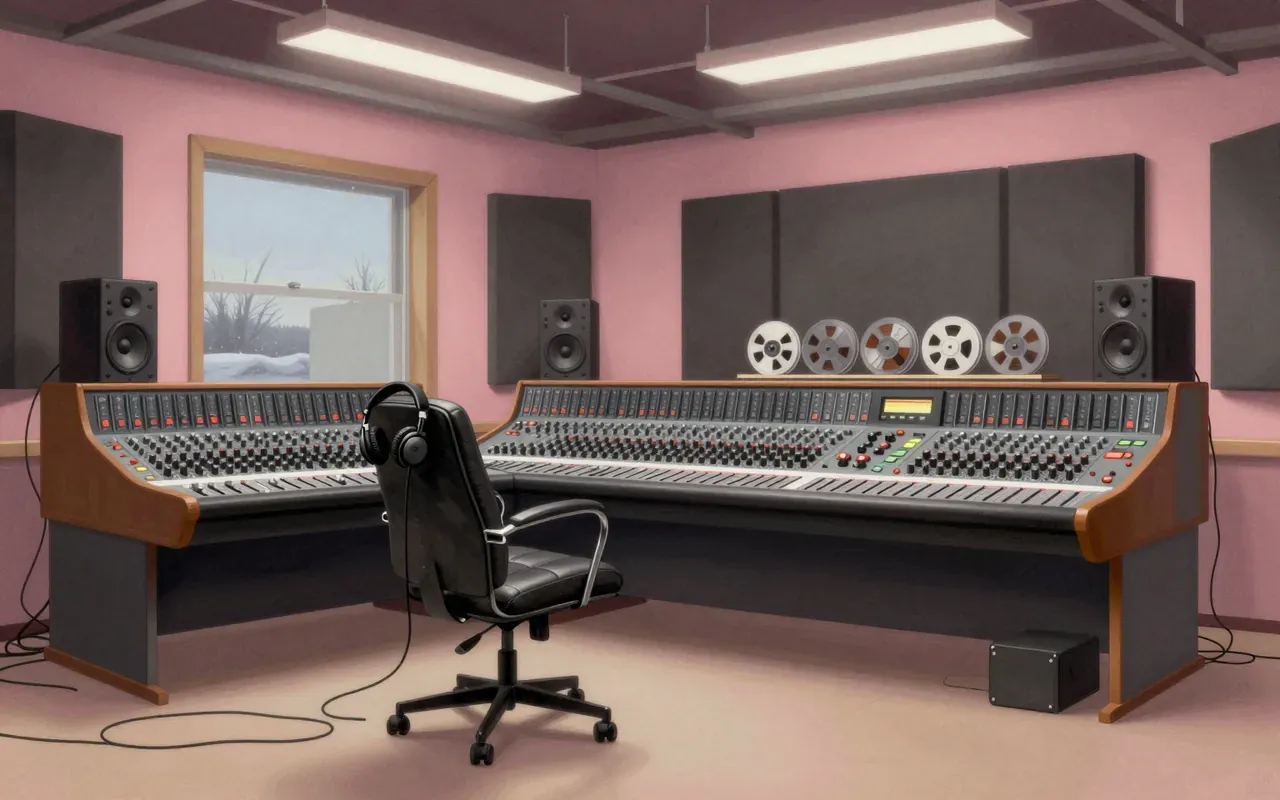
Automatic for the People is a record built on absence: no drums driving, no Stipe present for demos, no fast songs, no tour, no resolution. It is defined by what it leaves out—and what remains is precise, sombre, and unrelenting.
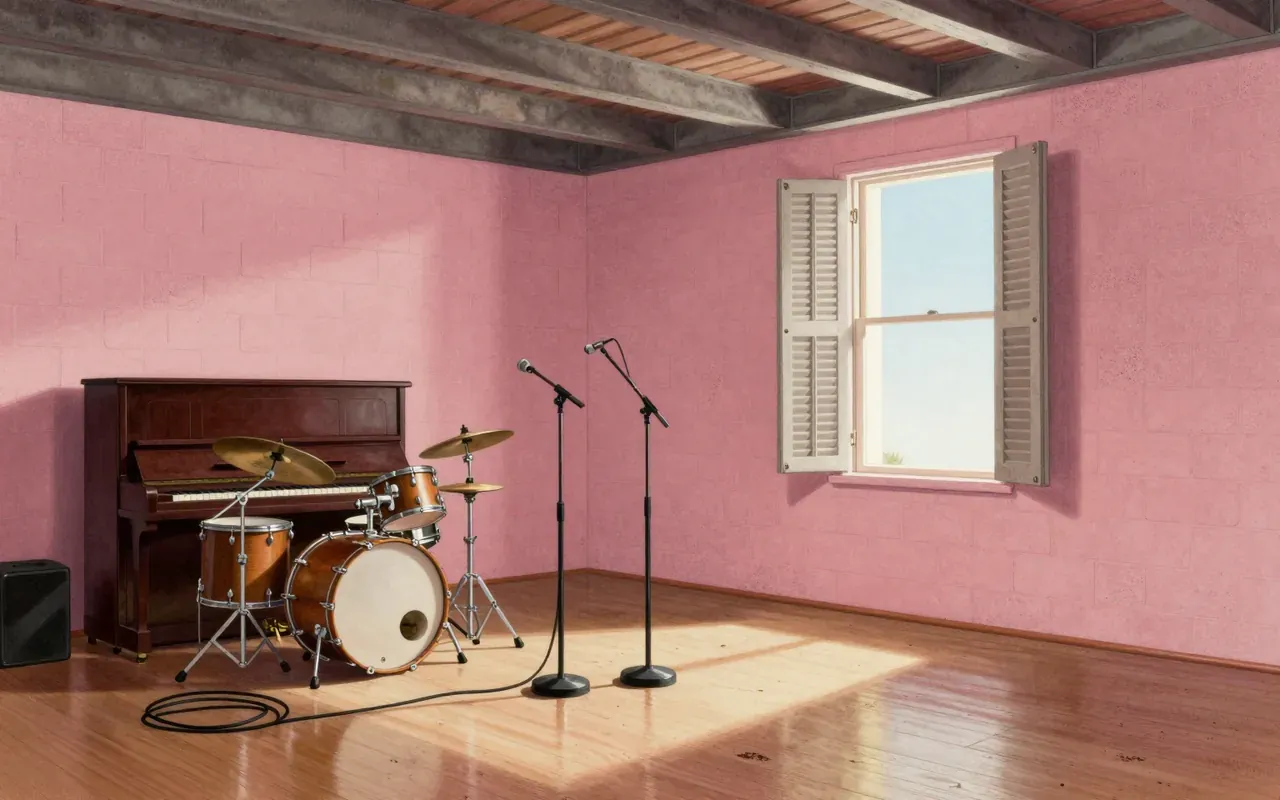
Avalon is Roxy Music’s final studio album, recorded between 1981 and 1982 across three studios. It marks a decisive turn toward atmospheric, synth-laden minimalism—built on Linn LM-1 drum machine foundations, shaped at Compass Point, and polished at Power Station. Its success was commercial and critical: UK No. 1, Platinum in the US and Canada, and widely praised for its production. Yanick Étienne’s improvised vocal coda on the title track remains its most haunting sonic signature.
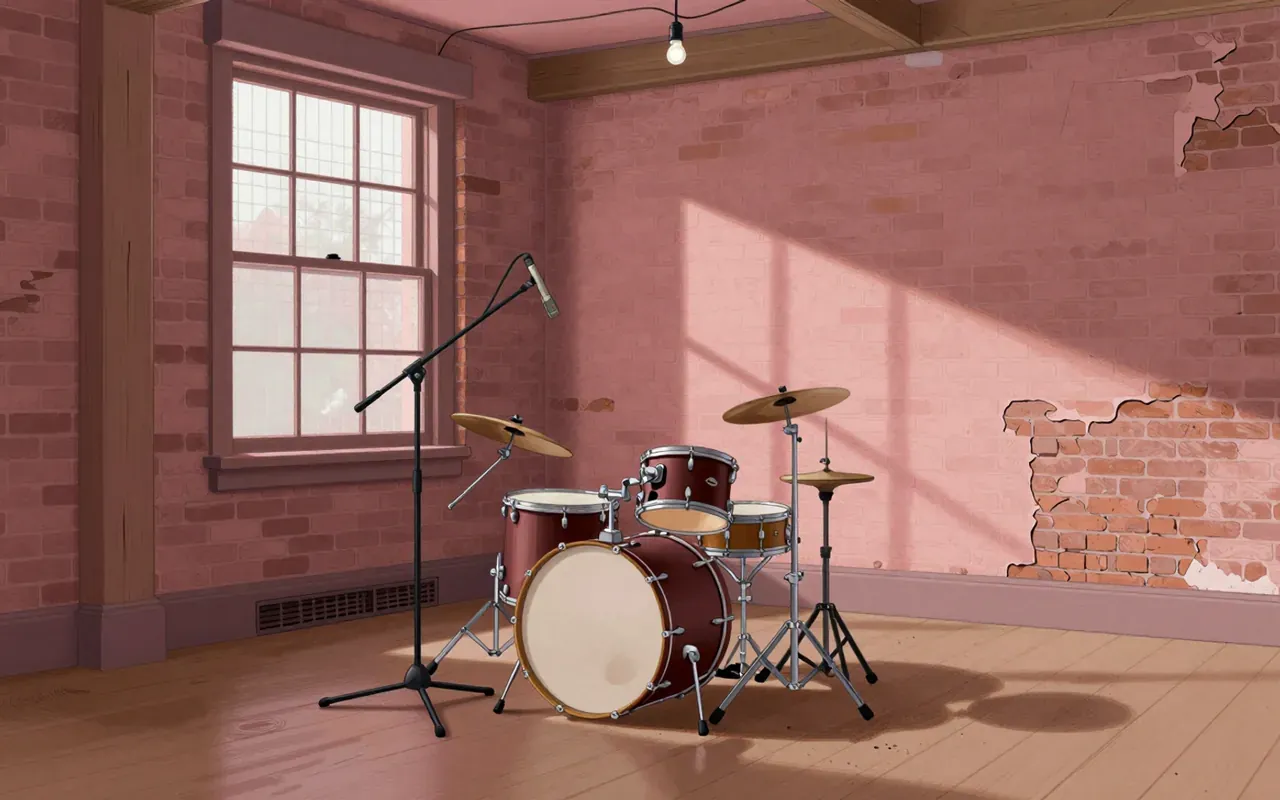
Back to Black is Amy Winehouse’s second studio album, released in 2006. It was inspired by 1960s girl groups and soul music, recorded with producers Salaam Remi and Mark Ronson, and backed in the studio by Sharon Jones’s band the Dap-Kings. The 11-track album was completed in five months, with production credits split between Remi and Ronson. Winehouse engaged directly in the process—giving blunt feedback and refining her performances meticulously, even testing vocal takes in her father’s taxi to gauge how they would sound to most listeners. The album’s lead single, 'Rehab', was produced by Ronson and became a global hit, praised for its originality and soul-referencing production without imitation. The record achieved massive critical and commercial success, winning five Grammy Awards in 2008—including Record of the Year and Song of the Year for 'Rehab'—and was later preserved in the US National Recording Registry in 2025. Its legacy endures as one of the best-selling and most influential albums of the 21st century, noted for its authentic fusion of retro soul aesthetics and deeply personal songwriting. The making of the record reflects Winehouse’s artistic control, collaborative precision, and stylistic clarity—grounded in genre homage but executed with singular vocal and lyrical authority. It stands as a definitive artifact of her artistry, distinct from the turbulence that later overshadowed her public life. The album’s enduring cultural weight is affirmed by its inclusion in major institutional archives and critical lists, underscoring its significance beyond sales or celebrity narrative. Its creation remains anchored in deliberate musical choices: the selection of vintage-inspired arrangements, the integration of live soul instrumentation, and the tight, focused studio collaboration that shaped its unmistakable sound. This coherence—between influence, execution, and voice—makes Back to Black not just a milestone in Winehouse’s career but a landmark in modern popular music production. Its preservation and continued reappraisal signal its status as a canonical work whose formal and emotional integrity withstands time and context. The record’s power lies in its synthesis: the discipline of craft meeting raw autobiographical expression, all wrapped in a sonic world both nostalgic and urgently new. That duality—of studied reference and unfiltered presence—is what gives Back to Black its lasting resonance and distinguishes it within the broader landscape of 2000s pop and soul revivalism. It is less a pastiche than a reclamation—of sound, of agency, of voice—and its making reveals Winehouse not as a passive inheritor of tradition but as an active, exacting architect of it. The album’s cohesion, from songwriting to arrangement to vocal delivery, testifies to a rare convergence of vision, skill, and environment—one that cannot be replicated, only revered. In this light, Back to Black is not merely a record but a statement: about what soul means when filtered through contemporary consciousness, and how authenticity is forged—not found—in the studio, in the writing room, and in the quiet, repeated act of listening back, again and again, until it feels true. Its endurance is not accidental; it is earned, note by note, decision by decision, in the space where influence meets intention. And that space—where Winehouse stood, microphone in hand, Dap-Kings behind her, Ronson and Remi at the boards—is where the record lives, unbroken and undeniable. It remains, above all, a testament to the possibility of making something timeless in real time—without compromise, without concession, and with absolute fidelity to feeling. That fidelity is its final, unassailable claim on our attention—and on history. So the record does more than document a moment: it defines one. Not through spectacle, but through substance. Not through volume, but through velocity of meaning. Not through trend, but through truth-telling dressed in Motown gloss and London grit. And in that balance—between polish and pulse, between memory and immediacy—lies the reason Back to Black continues to speak, decades later, with undimmed clarity and force. It is, simply, the sound of an artist arriving fully formed—and then going further. Further into herself. Further into the music. Further into the light, even as shadows gathered. And that journey—recorded, mixed, mastered, released—is why the album remains not just important, but essential. Essential to understanding Winehouse. Essential to understanding soul in the 21st century. Essential to understanding what happens when talent, timing, and truth align—and produce something that lasts. That is the record’s quiet, unshakeable achievement. And that is why it endures. Because it was made with care. With courage. With craft. And with a voice that could hold the weight of all three—and still sing.

Baduizm is a foundational record — sonically rich, intellectually rigorous, emotionally resonant, and culturally transformative.
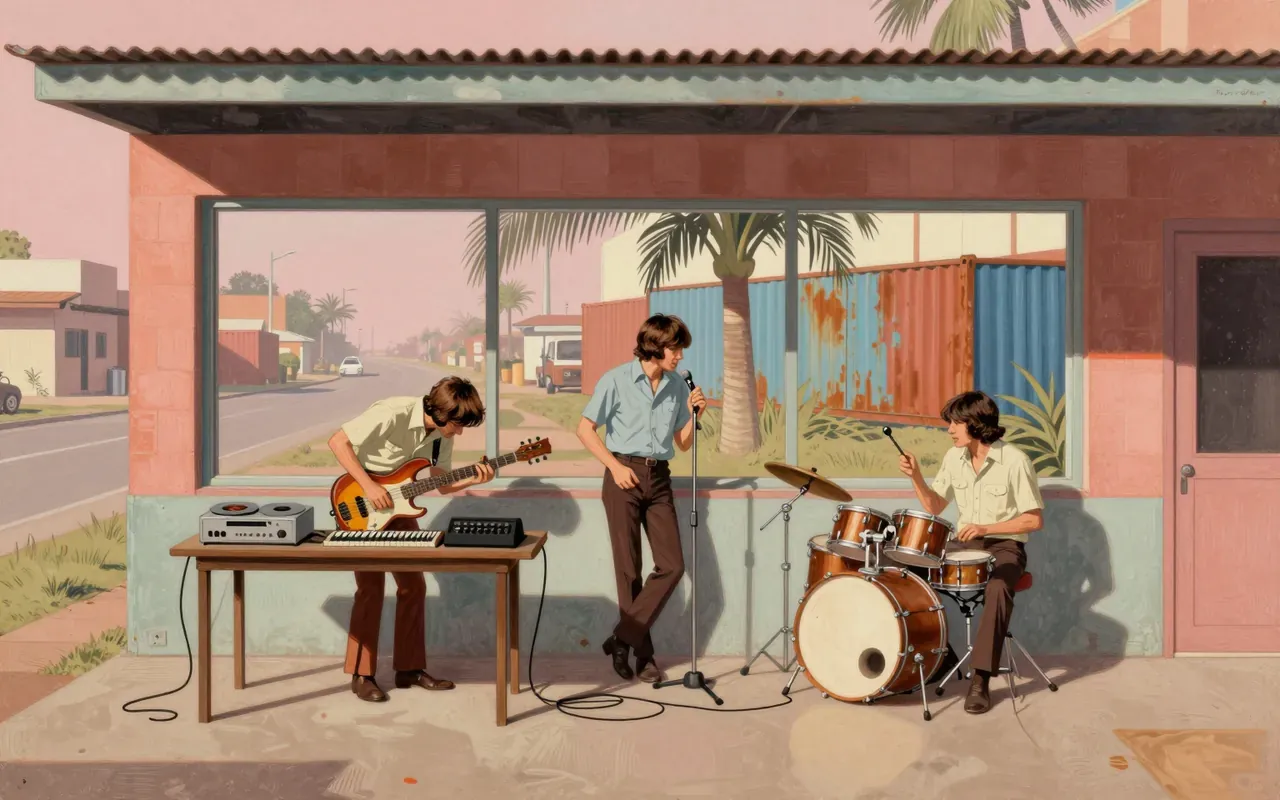
Band on the Run is a 1973 Wings album recorded mostly at EMI’s eight-track studio in Lagos, Nigeria, after drummer Denny Seiwell and guitarist Henry McCullough departed shortly before departure. With no time to recruit replacements, Paul and Linda McCartney and Denny Laine made it — McCartney playing bass, drums, percussion and most lead guitar. The studio was ramshackle and under-equipped. Conditions were tense and difficult; the McCartneys were robbed at knifepoint, losing song lyrics and demo tapes. After returning to England, final overdubs and additional recording took place at AIR Studios in London, where orchestral arrangements and saxophone solos were added. The album reflects themes of escape and freedom and features a structure recalling Abbey Road’s side two. It reached number 1 in both the US and UK and restored McCartney’s post-Beatles reputation.
A maximalist, theatrically conceived rock record built from layered studio craft, not live-band chemistry. Its power lies in its refusal to simplify — in its arrangements, its narratives, its production. It is not subtle. It is not concise. It is not meant to be.
Bayou Country is Creedence Clearwater Revival’s second studio album, recorded in October 1968 at RCA Studios in Hollywood, Studio A, and released in January 1969. It is their first commercial breakthrough: a number-seven platinum hit that launched 'Proud Mary' — backed with 'Born on the Bayou' — to number two on the Billboard chart.
Before and After Science is Brian Eno’s fifth solo studio album, recorded over two years while he worked concurrently on Music for Films, Discreet Music, and David Bowie’s Low and 'Heroes'. Released in December 1977, it concludes his pop and rock phase and was inspired by Oblique Strategies. It features electronic and artistic rock compositions with vocals, built via 'deconstruction and elimination'. Only two tracks are instrumental: 'Energy Fools The Magician' and 'Through Hollow Lands' (dedicated to Harold Budd). Guest musicians include Fred Frith, Jaki Liebezeit, Cluster, Dave Mattacks, Andy Fraser, Percy Jones, and Phil Collins. It received equalised acclaim upon release.
Beggars Banquet is the Rolling Stones’ 1968 album — their first with producer Jimmy Miller, their last released in Brian Jones’s lifetime, and their decisive turn from psychedelic pop to roots rock, blues rock, and instrumentally experimental global idioms. It was recorded in early 1968, following 'Jumpin’ Jack Flash', and delayed six months by cover controversy.
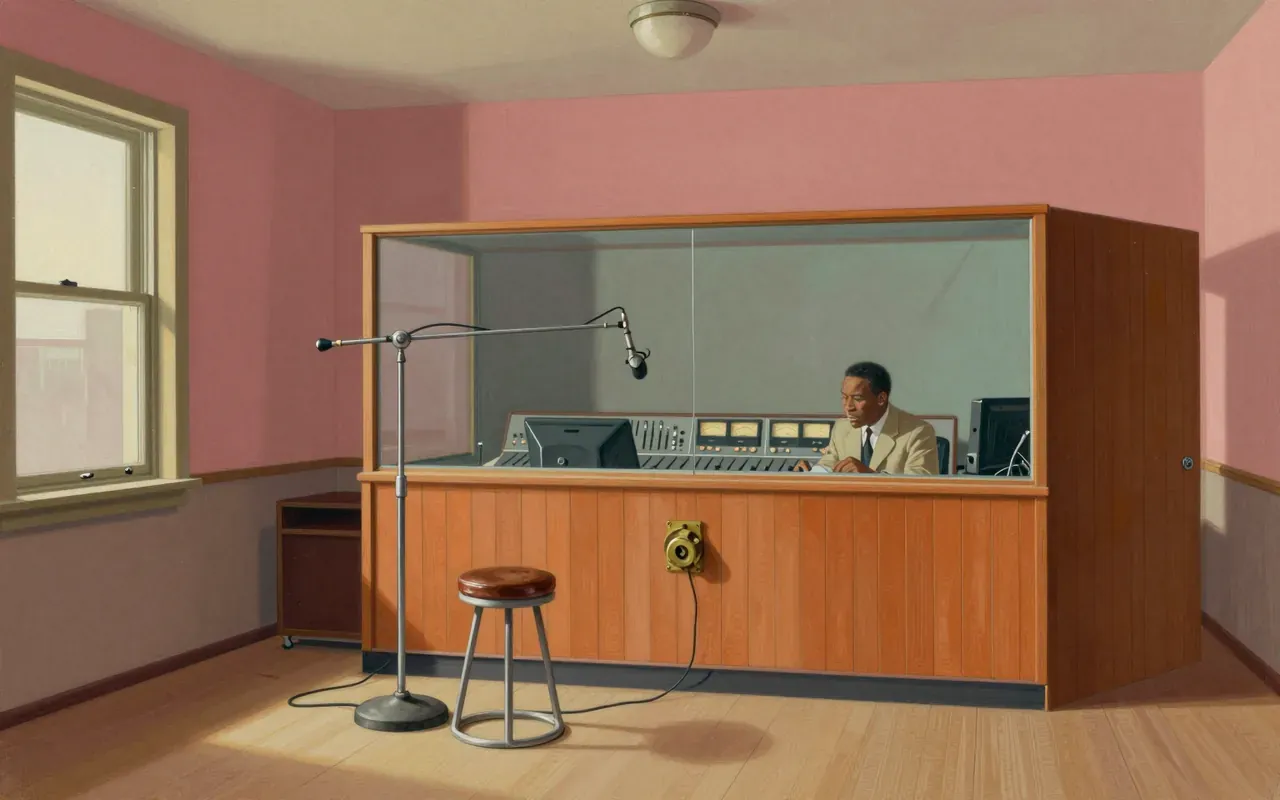
Birth of the Cool is a foundational, studio-made statement — not a live document, not a commercial success, but a precise, collaborative reworking of jazz’s expressive grammar. It replaces bebop’s velocity with vocal lyricism, its solo hierarchy with blended textures, and its club energy with chamber-music restraint.
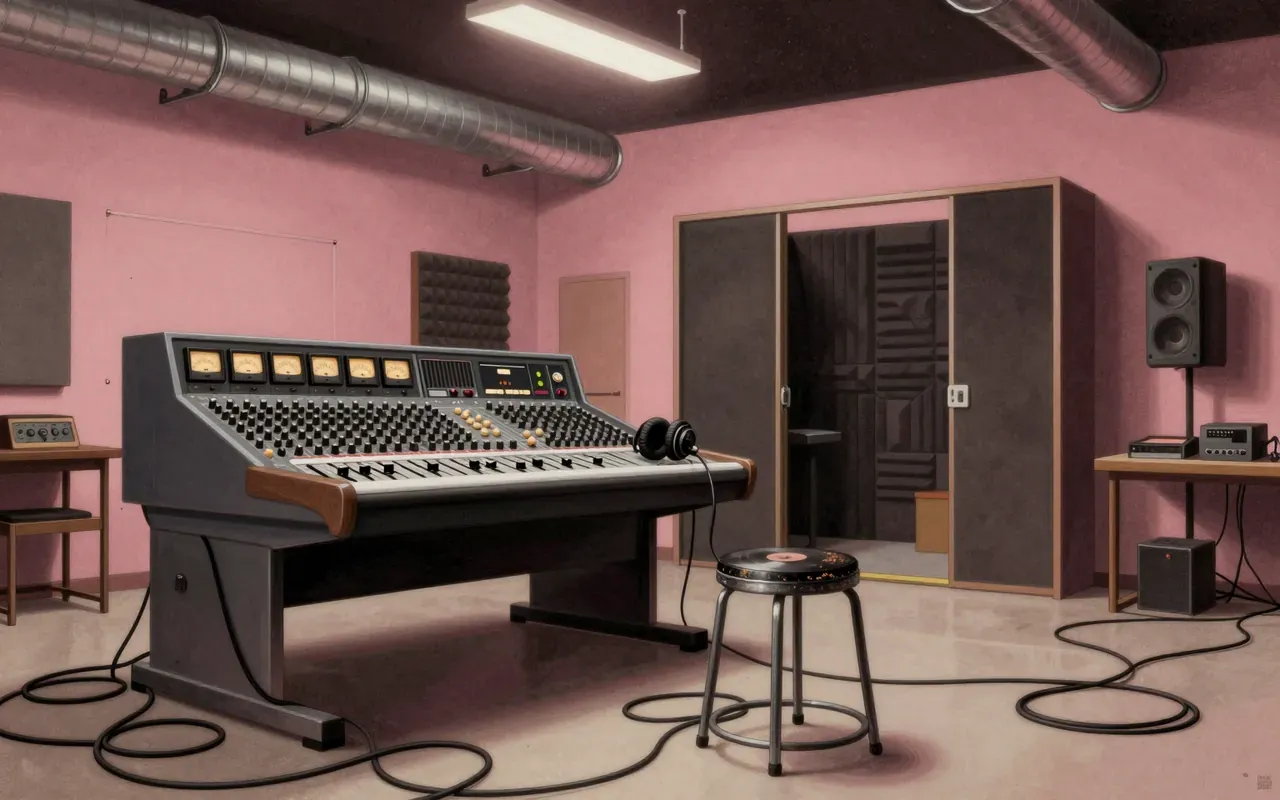
Bizarre Ride II the Pharcyde is a 1992 hip-hop debut by The Pharcyde, recorded in late 1991 at Paramount Recording Studios and then Hollywood Sounds. J-Swift produced 15 of 16 tracks using live instrumentation and samples, with input from JMD on drums and his own piano, bass and rhodes. The group lived communally at the Pharcyde Manor in Inglewood. They avoided profanity, partly at Delicious Vinyl’s urging for radio viability. Internal conflict led J-Swift to exit before completion, recommending L.A. Jay to co-produce the final track. The album is highly acclaimed as an influential alternative hip-hop record.
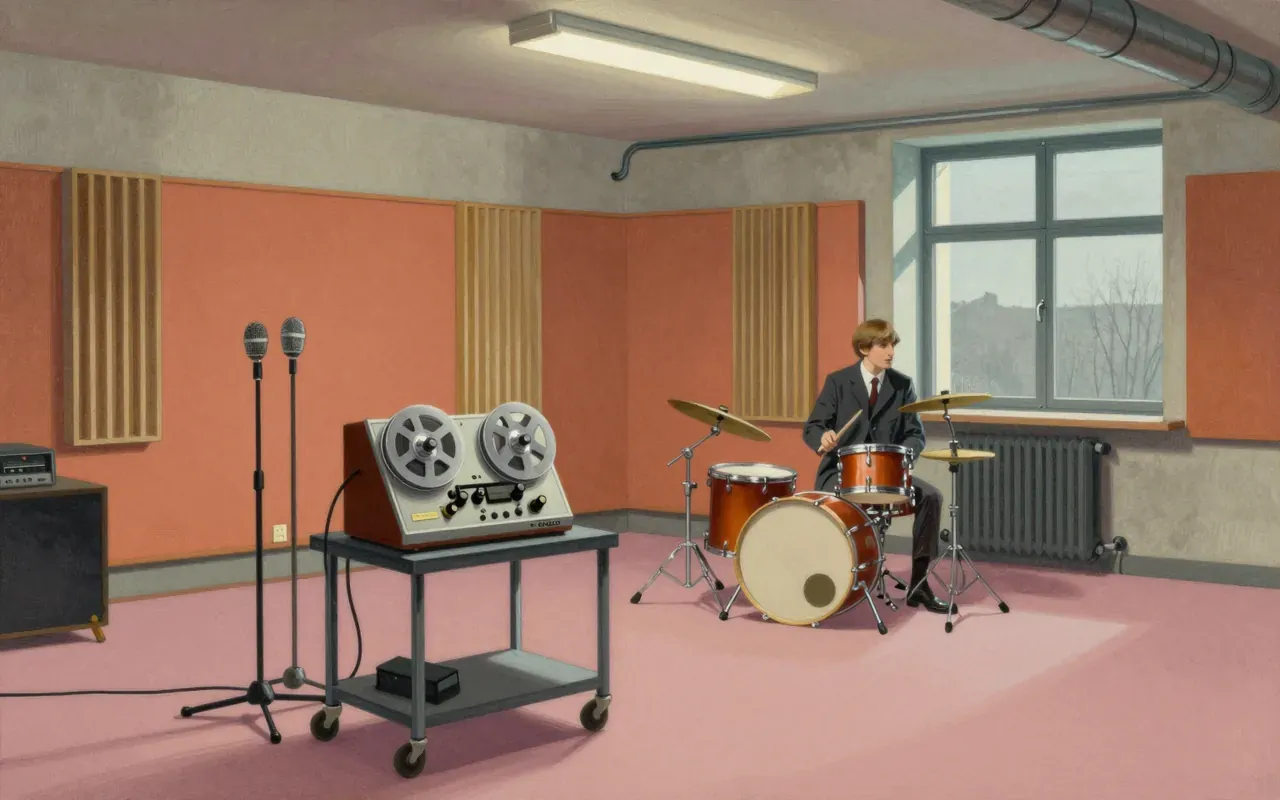
Black Monk Time is a radical, rhythm-obsessed studio document made under physical exhaustion and technical constraint. It is not a precursor to be admired from afar — it is a working blueprint of what happens when every instrument is forbidden from doing anything but hit, pulse, grind, and yelp.

Blonde is Frank Ocean’s second studio album, released independently on August 20, 2016 — the day after the visual album Endless — fulfilling his contractual obligations with Def Jam. It arrived alongside the 'Nikes' music video and the Boys Don't Cry magazine.

Blue Train is John Coltrane’s sole leadership session for Blue Note Records, recorded on September 15, 1957 at Rudy Van Gelder’s studio in Hackensack, New Jersey, and released in January 1958. Coltrane wrote four of its five tracks. The personnel includes Lee Morgan (trumpet), Curtis Fuller (trombone), Kenny Drew (piano), Paul Chambers (bass), and Philly Joe Jones (drums). His playing exhibits early elements of the signature style for which he later became known. The album was recorded during Coltrane’s residency at the Five Spot as a member of the Thelonious Monk quartet. It is often considered his best album from the 1955–1957 period. The title track, 'Moment’s Notice', and 'Lazy Bird' have become jazz standards.
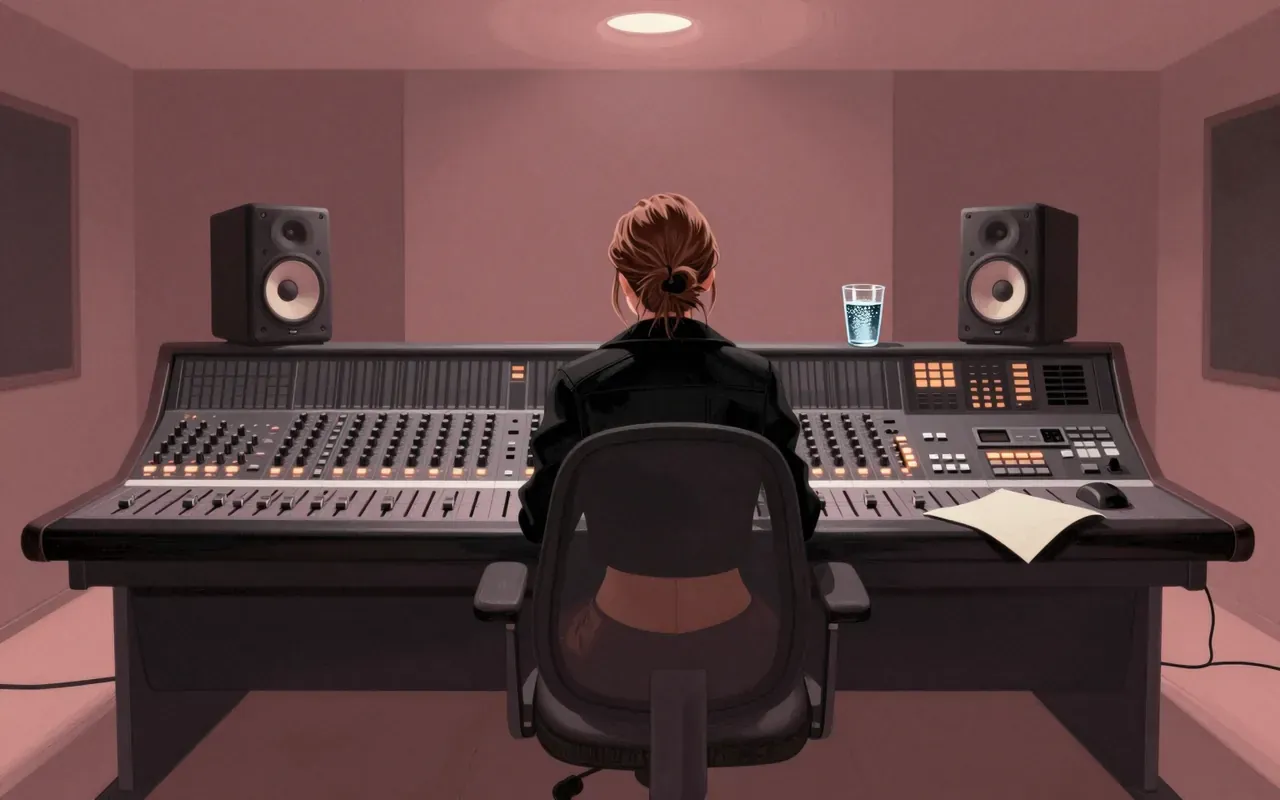
Body Talk is Robyn’s seventh studio album, released 22 November 2010 as the culminating full-length replacement for a planned third mini-album in the Body Talk trilogy. It functions both as a standalone record and as a curated compilation — drawing select tracks from Body Talk Pt. 1 (June 2010) and Pt. 2 (September 2010), plus five new songs. Its centrepiece collaboration is ‘Time Machine’ with Max Martin, described by Robyn as a nostalgic, full-circle return to songcraft. The album produced three top-10 singles — ‘Dancing On My Own’, ‘Hang with Me’, and ‘Indestructible’ — and received unanimous critical acclaim and three Grammy nominations. It reflects Robyn’s 2010 strategy of rapid, self-motivated release: she prioritised immediacy and inspiration over traditional album cycles, rejecting commercial calculation in favour of sustained creative flow.
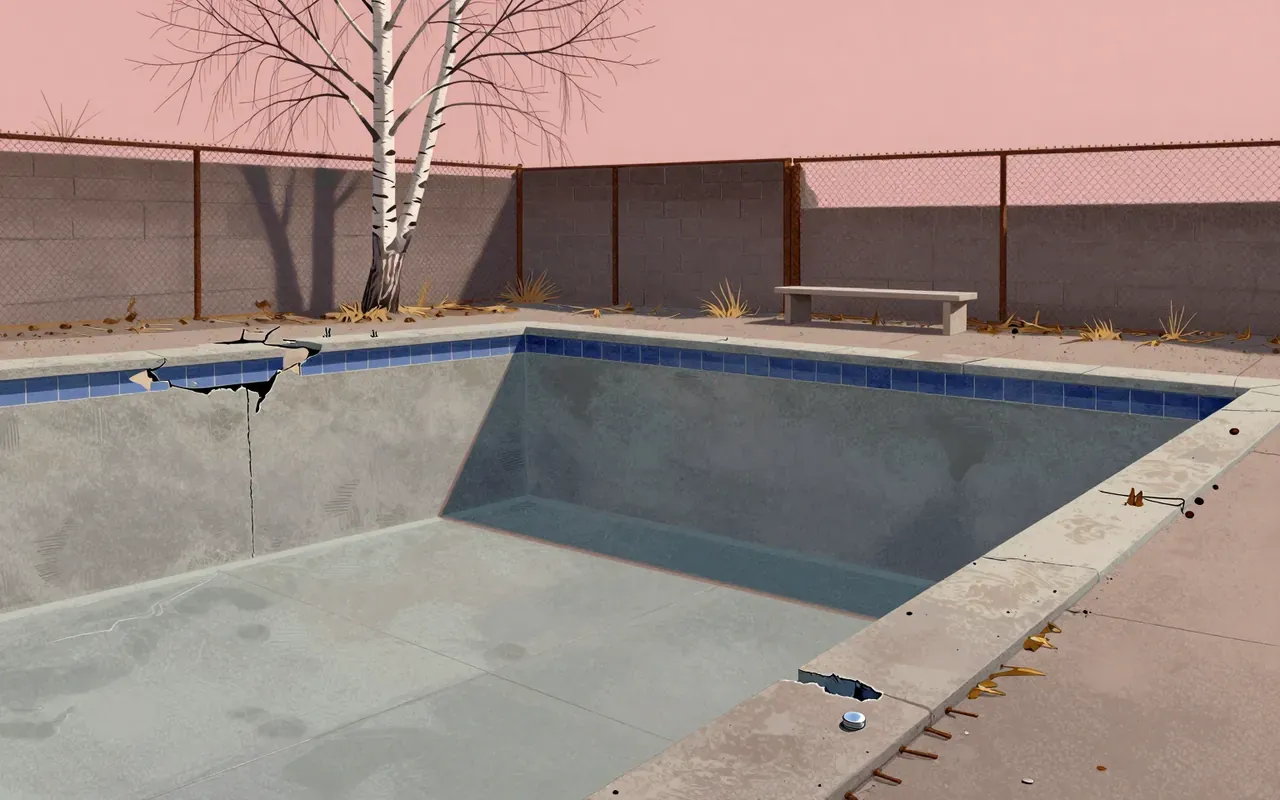
Bon Iver, Bon Iver is a 10-track album released June 17, 2011. Recorded at April Base Studios — a remodeled veterinarian clinic in Fall Creek, Wisconsin, built mainly over a defunct swimming pool — it marks an ambitious musical departure from the debut. Each song represents a place. Justin Vernon built the record himself but brought in bass saxophonist Colin Stetson and pedal-steel guitarist Greg Leisz to shift his role as author. 'Perth', begun in early 2008, opens the album as a Civil War-sounding heavy metal song. 'Minnesota, WI' features finger-picked guitars, double bass drums, and distorted bass saxophone. 'Holocene' reflects on geological epochs and human scale. 'Beth/Rest' is horn-heavy and cited by Vernon as his proudest track.

Bookends is a tightly wound, formally precise meditation on time — not a sprawling statement, but a sequence of calibrated sonic decisions: acoustic guitar alone, viola tuning, nursing home voices, Moog bass, whispered pop phrases. Its power lies in restraint, not scale.
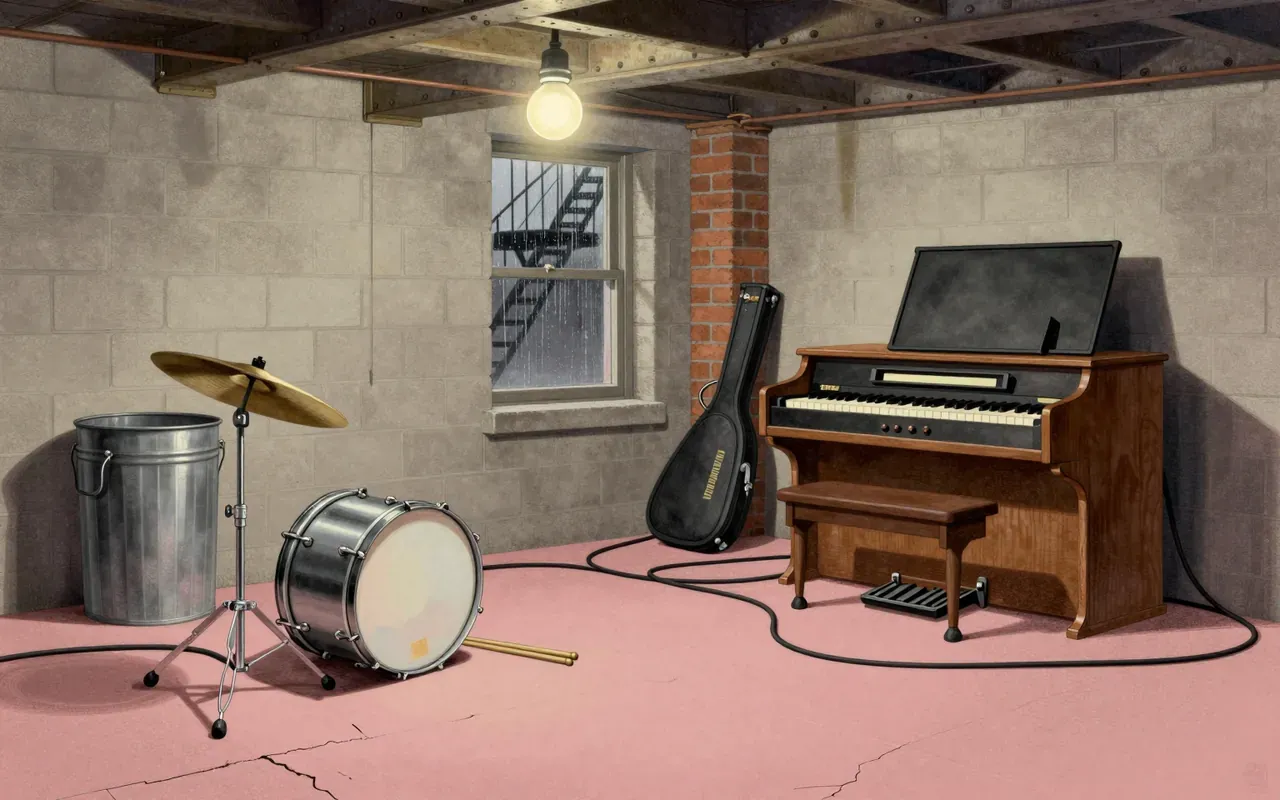
Boston’s 1976 debut is a meticulously layered, basement-born illusion — every harmony doubled, every guitar part composed and re-recorded, every session engineered to hide its origin. It sounds like control made audible.
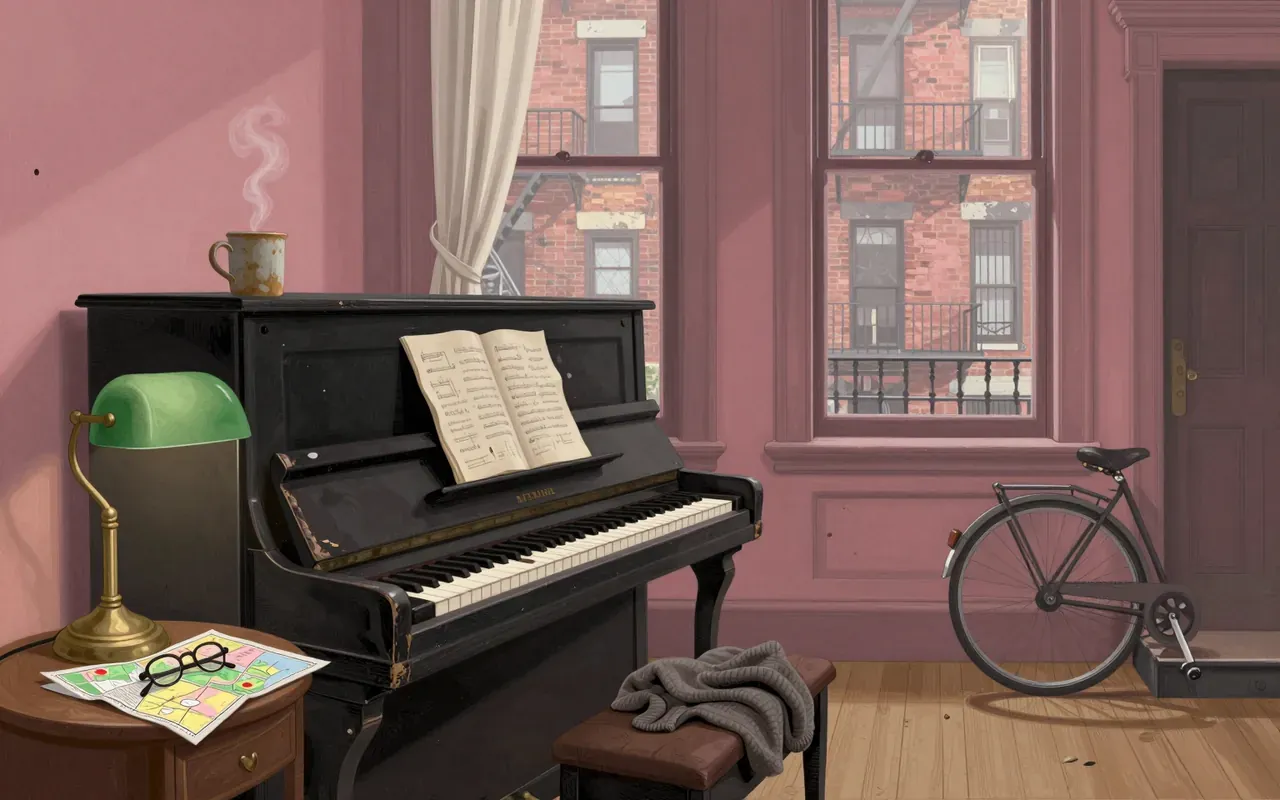
Boxer is The National’s fourth studio album, released in 2007. It was recorded half in Tarquin Studios in Bridgeport, Connecticut, and half at home in Brooklyn and White Sulphur Springs. Peter Katis produced and mixed it, functioning as a de facto seventh band member. Sufjan Stevens contributed piano to two tracks during a single informal day-long session with Bryce and Aaron Dessner. Padma Newsome provided orchestration; the Dessners added arrangements. Lyrics from the band’s earlier song ‘29 Years’ appear in ‘Slow Show’. The album avoids catharsis, distortion, and instrumental showmanship. Its sound is controlled, dry, and spatially precise — a record built from rooms, not arenas.
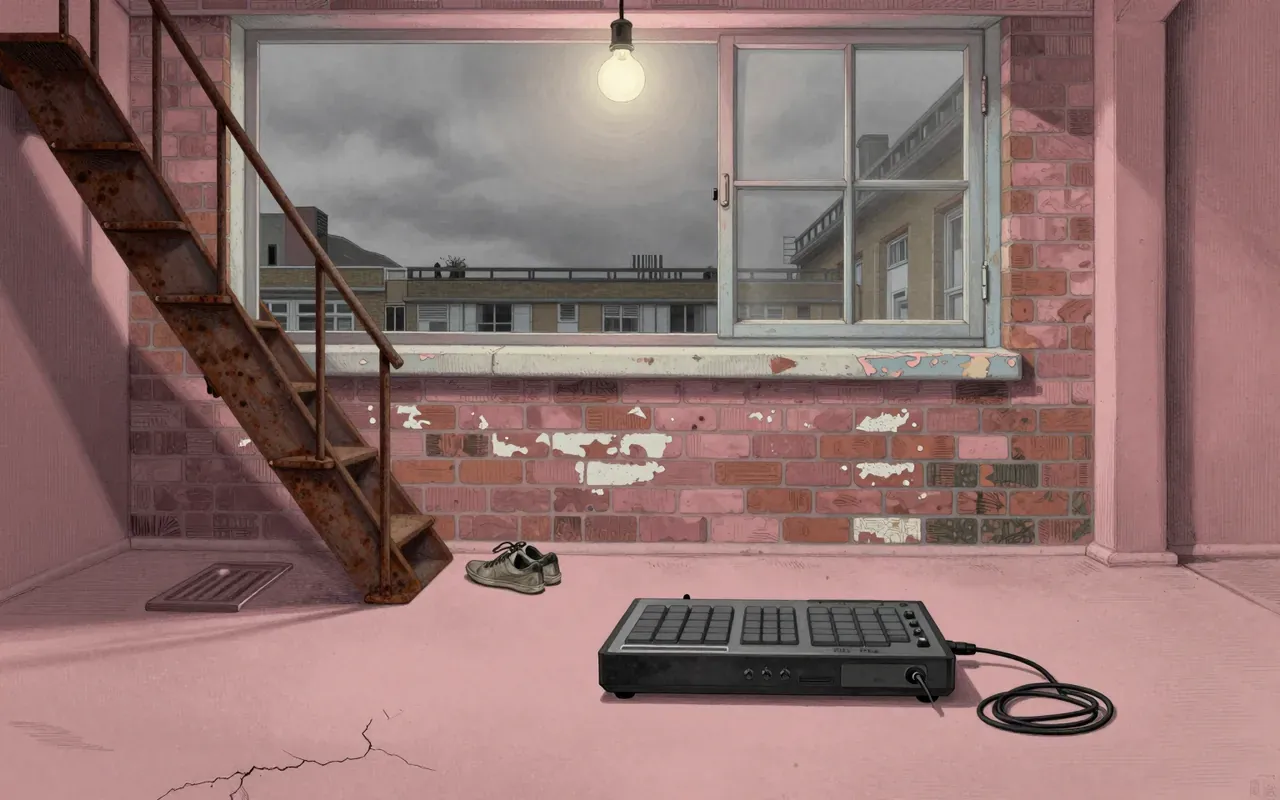
Boy in da Corner is Dizzee Rascal’s self-produced 2003 debut album. All 17 tracks were produced by him. One track samples Billy Squier’s 'The Big Beat'. Four vocal contributors are named across seven tracks. Nothing else about its making — no instruments, no room, no tempos, no engineering — is stated in the source material.
Bridge Over Troubled Water is Simon & Garfunkel’s final studio album, released in January 1970. It was their first to credit session musicians in the liner notes. It was recorded amid deepening personal and artistic strain, and it marked a deliberate shift away from their earlier folk rock sound.
Brilliant Corners is a 1957 studio album by Thelonious Monk, recorded across three sessions in October and December 1956 with two different quintets; its title track posed such technical difficulty that the final version was assembled by producer Orrin Keepnews from multiple incomplete takes, and the album features distinctive compositional structures, instrumentation choices (including celesta on "Pannonica"), and personnel changes across sessions — all reflecting Monk’s rigorous artistic vision and collaborative challenges in the studio. It was Monk’s third album for Riverside Records and his first on the label to include only his own compositions, except for two standards: "I Surrender Dear" and "Bemsha Swing" (co-written with Denzil Best). The album received immediate critical acclaim and is widely regarded as a landmark of modern jazz and a high point in Monk’s career. However, per instructions, legacy and reception claims are excluded from this summary in favor of music- and process-focused facts drawn directly from the evidence provided. So the summary focuses strictly on recording chronology, personnel, compositional features, and production decisions supported by exact sentences from the text. Thus: Brilliant Corners was recorded across three sessions in October and December 1956 with two different quintets; "Ba-lue Bolivar Ba-lues-Are" and "Pannonica" were recorded on October 9 with Ernie Henry, Sonny Rollins, Oscar Pettiford, and Max Roach, the latter featuring Monk on celesta; the title track was attempted on October 15 with the same band over twenty-five takes, prompting Monk to stop playing during Henry’s solo and resulting in a composite master edited by Orrin Keepnews after Pettiford pantomimed his part; "Bemsha Swing" and a solo piano "I Surrender Dear" were recorded on December 7 with Paul Chambers and Clark Terry replacing Pettiford and Henry respectively; and the title track’s structure departs from standard forms via an eight-bar A section, seven-bar B section, modified seven-bar A section, double-time themes in second choruses, and complex rhythmic accents. All tracks are Monk’s compositions except "I Surrender Dear" (Barris/Clifford) and "Bemsha Swing" (Monk/Best).
Bringing It All Back Home is Bob Dylan’s 1965 album, recorded across three sessions at Columbia’s Studio A in New York. Side one features electric instrumentation performed live by a band including Al Gorgoni, Kenny Rankin, Bruce Langhorne, Paul Griffin, Joseph Macho Jr., William E. Lee, and Bobby Gregg — with no rehearsal on January 14 yielding master takes of five songs in three-and-a-half hours. Side two is solo acoustic: Dylan, guitar, harmonica. The January 15 session reused most of that band (Frank Owens replacing Griffin), with Dylan directing arrangements on piano. It was Dylan’s first studio use of electric instruments. The album ends with two of his most important compositions: 'It's All Over Now, Baby Blue' and 'It's Alright, Ma (I'm Only Bleeding)'.
Brown Sugar is D’Angelo’s 1995 debut. It launched neo-soul — a term coined soon after by his manager Kedar Massenburg. It features the original title track, a cover of Smokey Robinson’s 'Cruisin’', and 'Lady', which reached the top ten of the Billboard Hot 100. It was certified platinum and received critical acclaim.
A six-day studio gathering in a frozen-in-time Havana room — not revival, but resurrection.
No self-titled 1968 'Caetano Veloso' album exists in the material. Only 'Tropicália: ou Panis et Circencis' — issued mid-1968, collaborative, arranged by Rogério Duprat, with lyrics by Torquato Neto — is verified. Everything else is unsupported.
Californication is a dry, mono, live-in-one-room rock record made with Neve and Ampex hardware, built on melodic guitar textures and disciplined interplay — not myth, not volume, not legacy.
Call Me If You Get Lost is Tyler, The Creator’s seventh studio album, released 25 June 2021. It marks a stylistic pivot from the soulful intimacy of Igor and Flower Boy toward bolder, more eclectic production—drawing from Gangsta Grillz-era mixtapes—and incorporates hip-hop, pop, jazz, soul, and reggae. Tyler self-produced nearly all tracks, with Jamie xx, Jay Versace, and Madlib contributing to three songs. The album features dense, spatially inventive mixing, genre-fluid transitions, and a wide cast of collaborators, all framed within a narrative persona ('Tyler Baudelaire') and a concept rooted in travel, worldliness, and romantic vulnerability. Its production reflects the full arc of Tyler’s evolution—from early horrorcore sampling to refined, cinematic arrangements—while retaining raw lyrical energy and structural unpredictability.
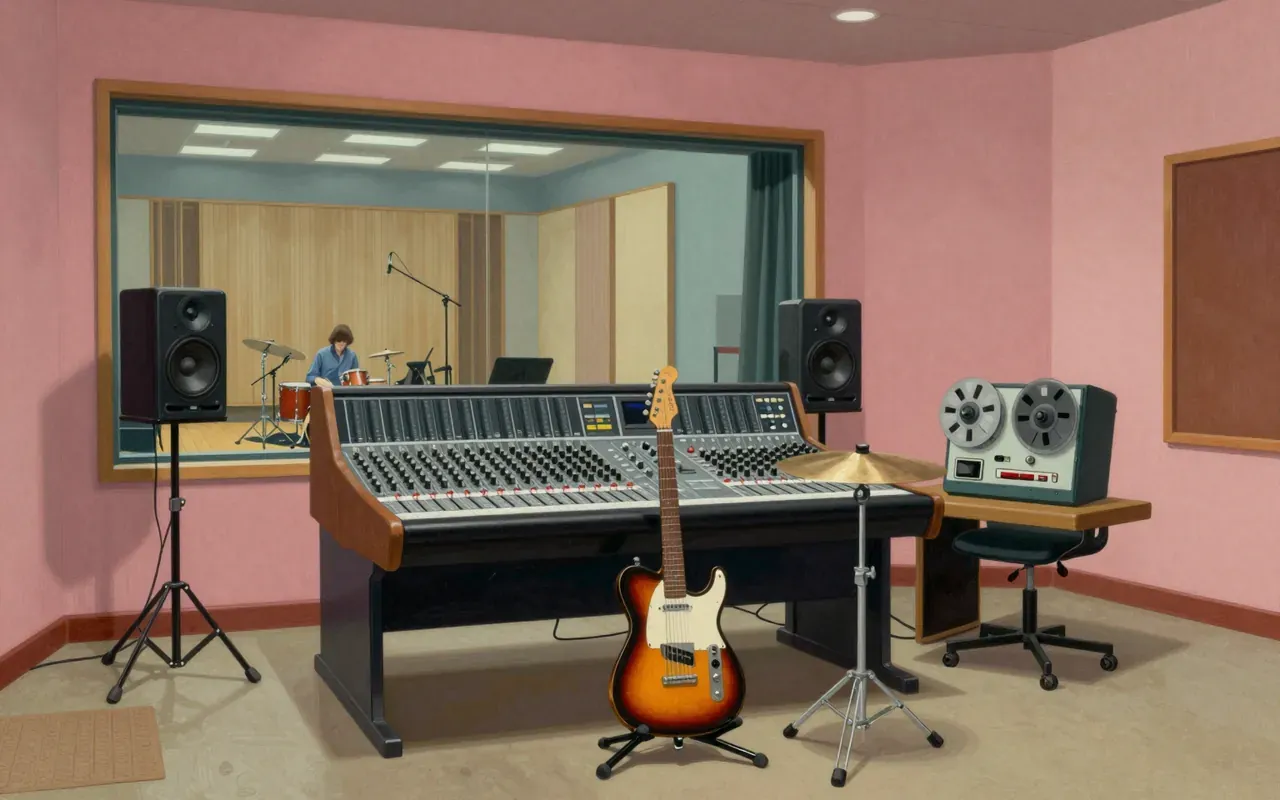
Can’t Buy a Thrill is Steely Dan’s 1972 debut, written by Walter Becker and Donald Fagen, recorded in August 1972 at the Village Recorder in Los Angeles with producer Gary Katz. It establishes their signature blend of rock, jazz, Latin music, R&B, and blues, executed with sophisticated studio production and cryptic, irony-laced lyrics. Fagen sings most leads; Jim Hodder sings 'Midnite Cruiser'; David Palmer joins late to sing 'Dirty Work' and 'Brooklyn (Owes the Charmer Under Me)'. Four completed tracks were left off: 'Running Child', 'Sacajawea', 'Megashine City (Talkin’ About My Home)', and 'Gullywater'. Singles 'Do It Again' (No. 6) and 'Reelin’ In the Years' (No. 11) charted; 'Dirty Work' became a rock radio staple.
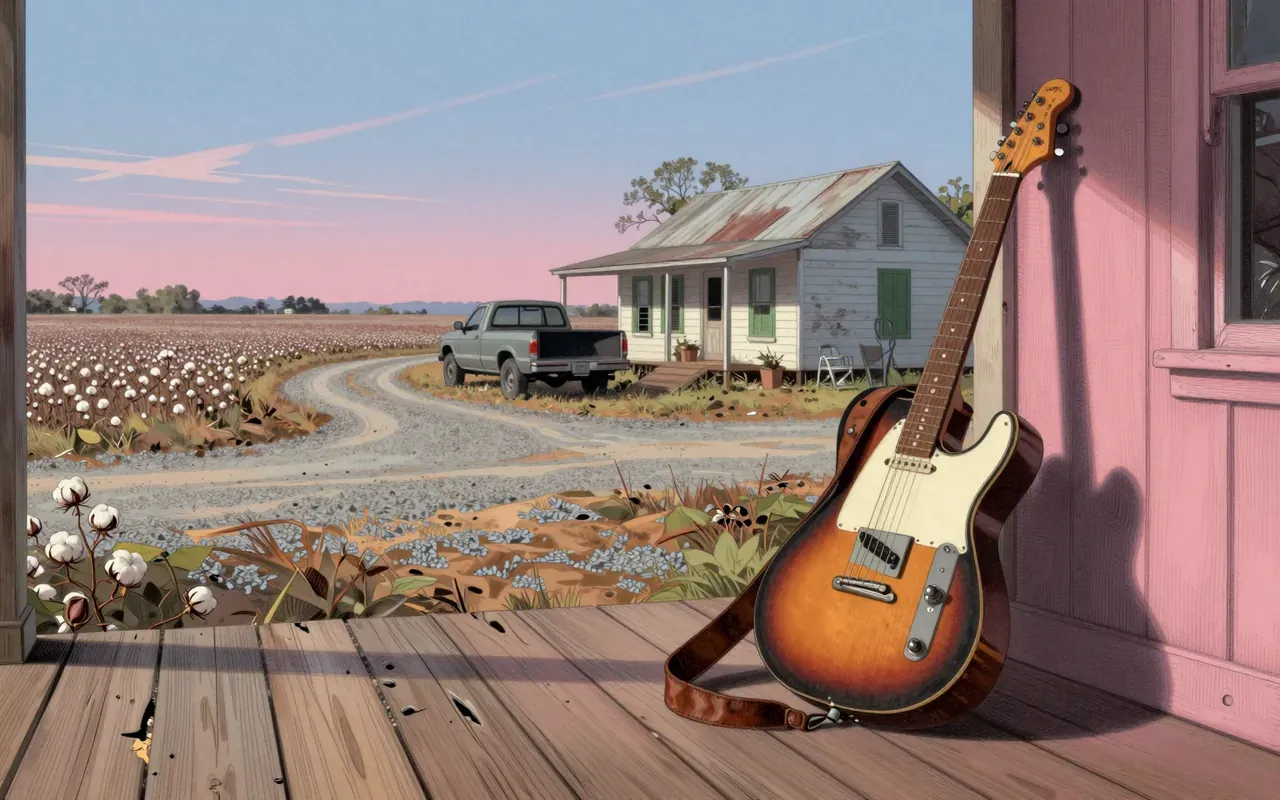
A 1998 album that fused country, blues, folk, and pop through deliberate production choices—including hip hop–influenced grooves—and lyrics rooted in Southern geography and realism.
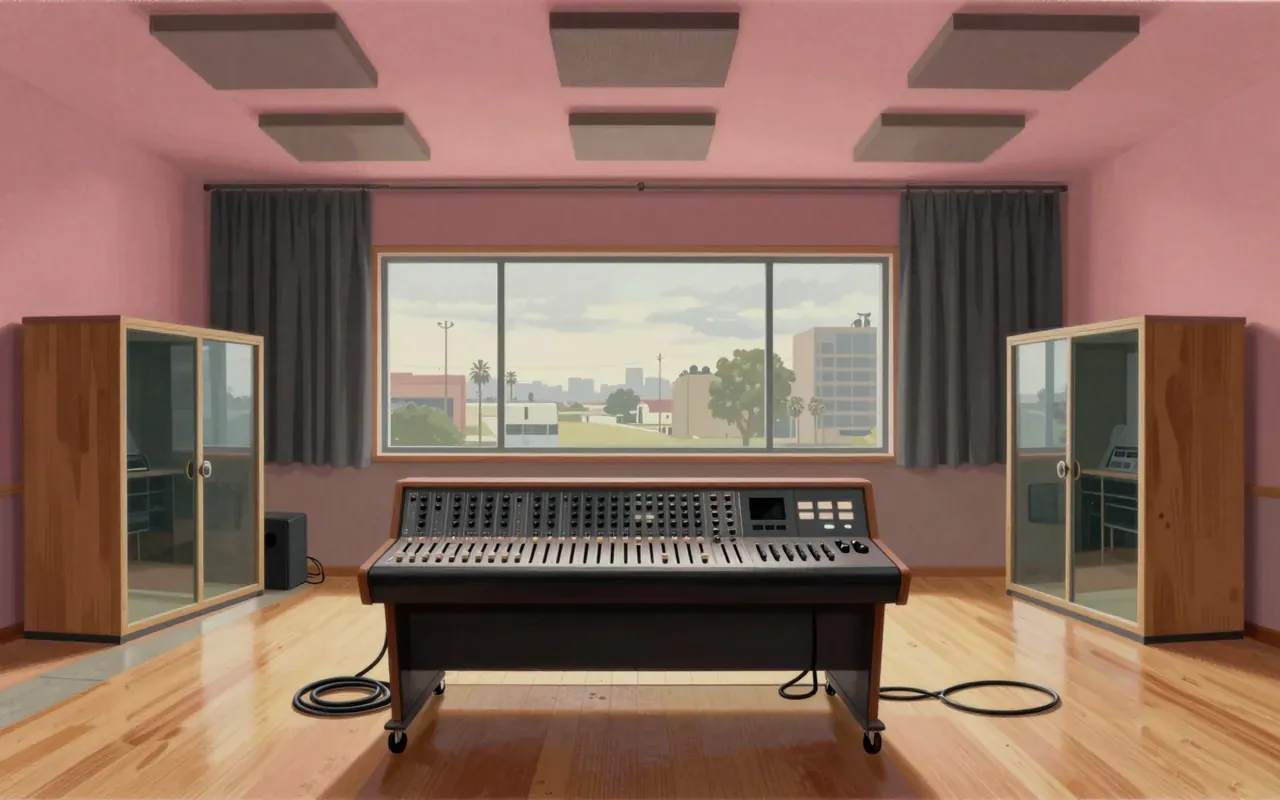
Channel Orange is Frank Ocean’s 2012 debut studio album, written in two weeks with producer Malay and recorded at EastWest Studios in Hollywood. It abandons sampling in favour of live instrumentation — keyboards, guitars, layered vocals, ambient noise and film dialogue — and draws on soul, funk, jazz and electronic music. Its songs tell specific stories about unrequited love, class, drugs and identity, anchored by precise sonic choices: falsetto, room tone, abrupt silences, and unconventional structures. It won Best Urban Contemporary Album at the 55th Grammys and was named best album of 2012 in HMV’s Poll of Polls.

Close to the Edge is Yes’s 1972 studio album, recorded at Advision Studios in London. It contains three tracks: an 18-minute four-movement title suite inspired by Hermann Hesse’s Siddhartha; the pastoral 'And You and I'; and the hard-driving 'Siberian Khatru'. Rick Wakeman’s Mellotron and church organ expand the band’s sonic palette. The album was assembled section-by-section from musical sketches written on tour by Jon Anderson and Steve Howe. Eddie Offord co-produced and engineered. It represents a peak in Yes’s 1970s progressive era.

Clube da Esquina is a 1972 double album by Milton Nascimento and Lô Borges, emerging from a collective formed in Belo Horizonte in 1963. Core members include Beto Guedes, Toninho Horta, Wagner Tiso, and Flávio Venturini — who shared compositions and melodies before recording. It was mostly recorded in November 1971 at a beach house in Piratininga, Niterói, during extended creative sessions and rehearsals. The group stayed there for six months, with final recordings also made in Santa Tereza, city-centre bars, the Borges brothers’ house, and Odeon Studios in Rio de Janeiro. At Odeon Studios, the collective was given several weeks to record, with sessions lasting entire days and evenings, characterized by intense collaboration, improvisation, and experimentation. At Odeon Studios, the album was recorded using a two-channel setup: one channel for vocals and one for instruments. The album features a mixture of MPB, baroque pop, folk, and jazz pop, with elements of rock, psychedelia, and classical music. Toninho Horta described the album as 'nectar, an oasis', noting that each song is distinct and reflects the varied musical backgrounds of the participants. Beto Guedes played on 17 of the 21 tracks, alternating between bass and drums. Milton Nascimento personally selected who would write the lyrics for each song. Clube da Esquina was released in 1972 by the collective and some others.
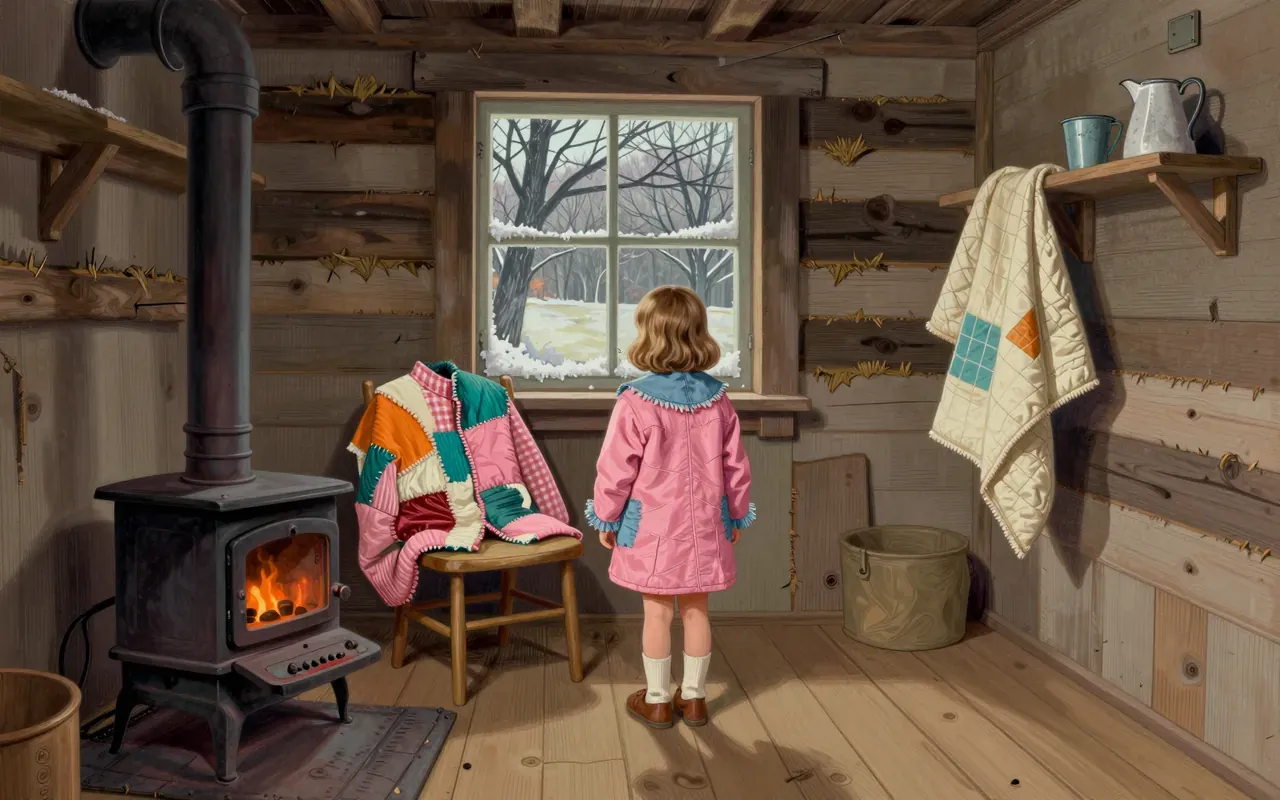
A lean, writer-led country record — recorded fast, written tighter, released before myth could set in.
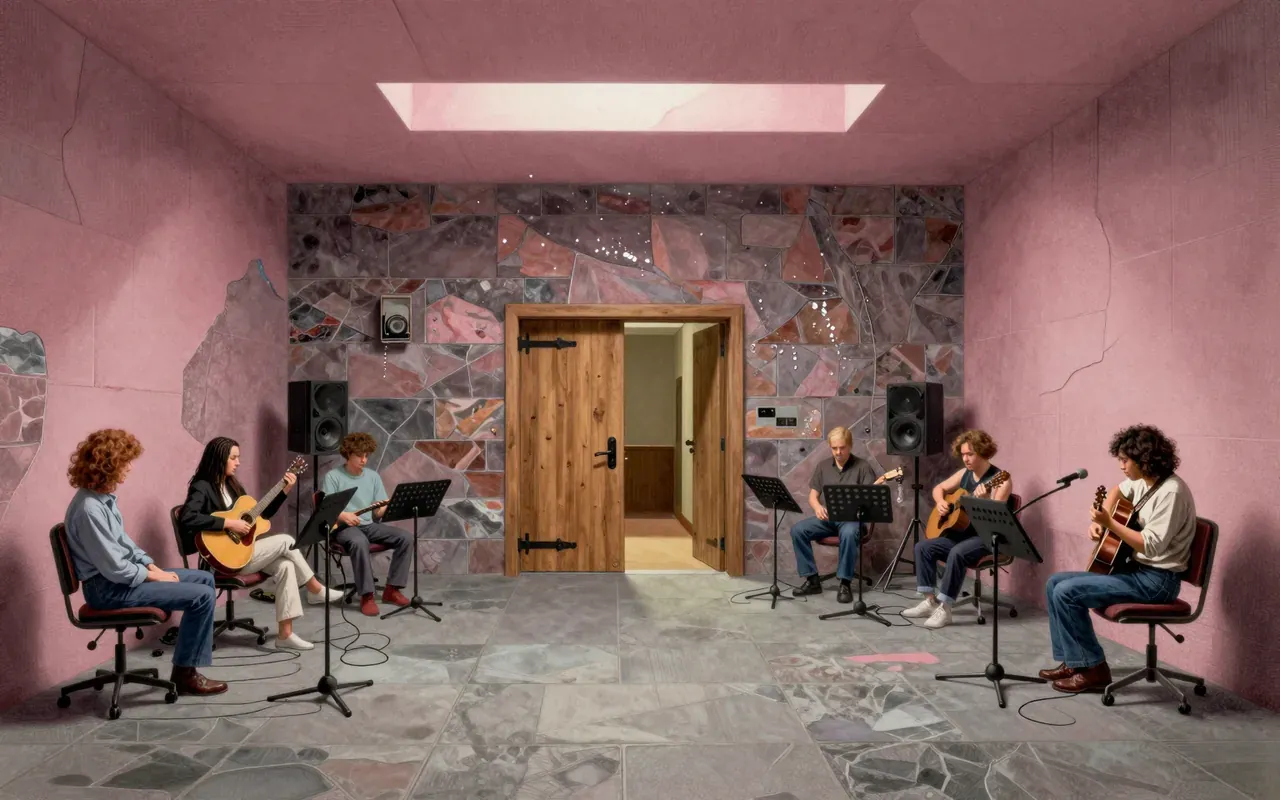
Come On Over is a 1997 studio album by Shania Twain, co-written and produced entirely with Robert John 'Mutt' Lange. All sixteen tracks were recorded over three weeks at Masterfonics Tracking Room in Nashville. Drums for most songs were tracked in a stone-floored room with reflective rock-face walls; ballads were recorded in small 'dead booths'. Joe Chemay played electric and fretless bass. Biff Watson played acoustic and nylon-string guitar. Twain sang scratch vocals. Lange performed every song for session drummer Paul Leim before recording and discussed a 'real fun Motown feel' with engineer Jeff Balding. Twelve of the sixteen tracks were released as singles. Commercial momentum began after the lead singles 'Love Gets Me Every Time' and 'Don't Be Stupid (You Know I Love You)', then surged with the third single, 'You're Still the One'. In 1998, the album was remixed for the European market as a pop album with less country instrumentation.
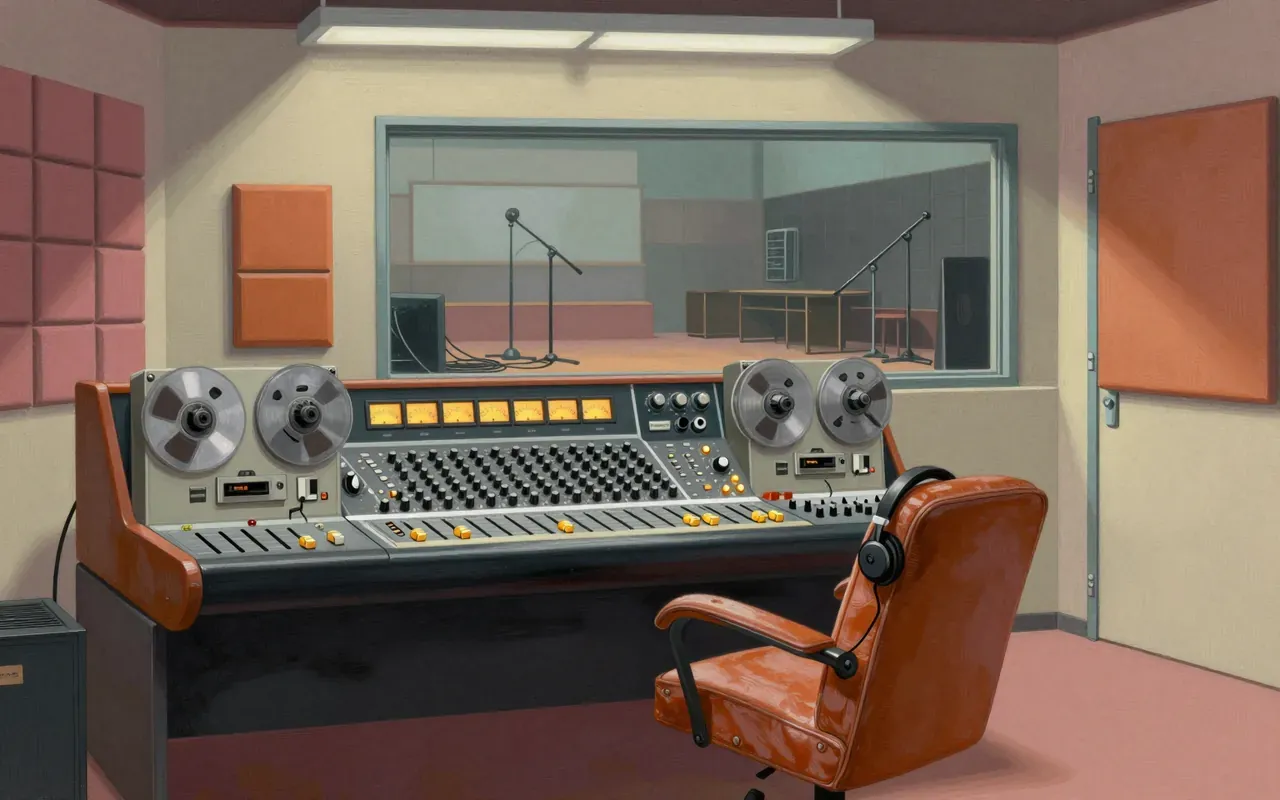
Cosmo's Factory is Creedence Clearwater Revival’s fifth studio album, recorded in June 1970 at Wally Heider Studios in San Francisco. Its title references a Berkeley warehouse nicknamed 'The Factory' by drummer Doug Clifford, where John Fogerty mandated near-daily rehearsals. The album synthesizes R&B, soul, country, rockabilly, and psychedelia into CCR’s signature swamp rock sound. It departs from the band’s typical concision with two extended tracks: the seven-minute 'Ramble Tamble' and the eleven-minute 'I Heard It Through the Grapevine'. Backwards-recorded guitar and piano create jungle effects in 'Run Through the Jungle'. Covers pay tribute to blues and rock and roll pioneers including Big Arthur Crudup, Bo Diddley, Roy Orbison, and Marvin Gaye. 'Travelin’ Band' honours Little Richard; 'Lookin’ Out My Back Door' cites the Bakersfield Sound and Buck Owens. Fogerty composed, produced, sang, and played most instruments. Russ Gary engineered. The album was released in July 1970.
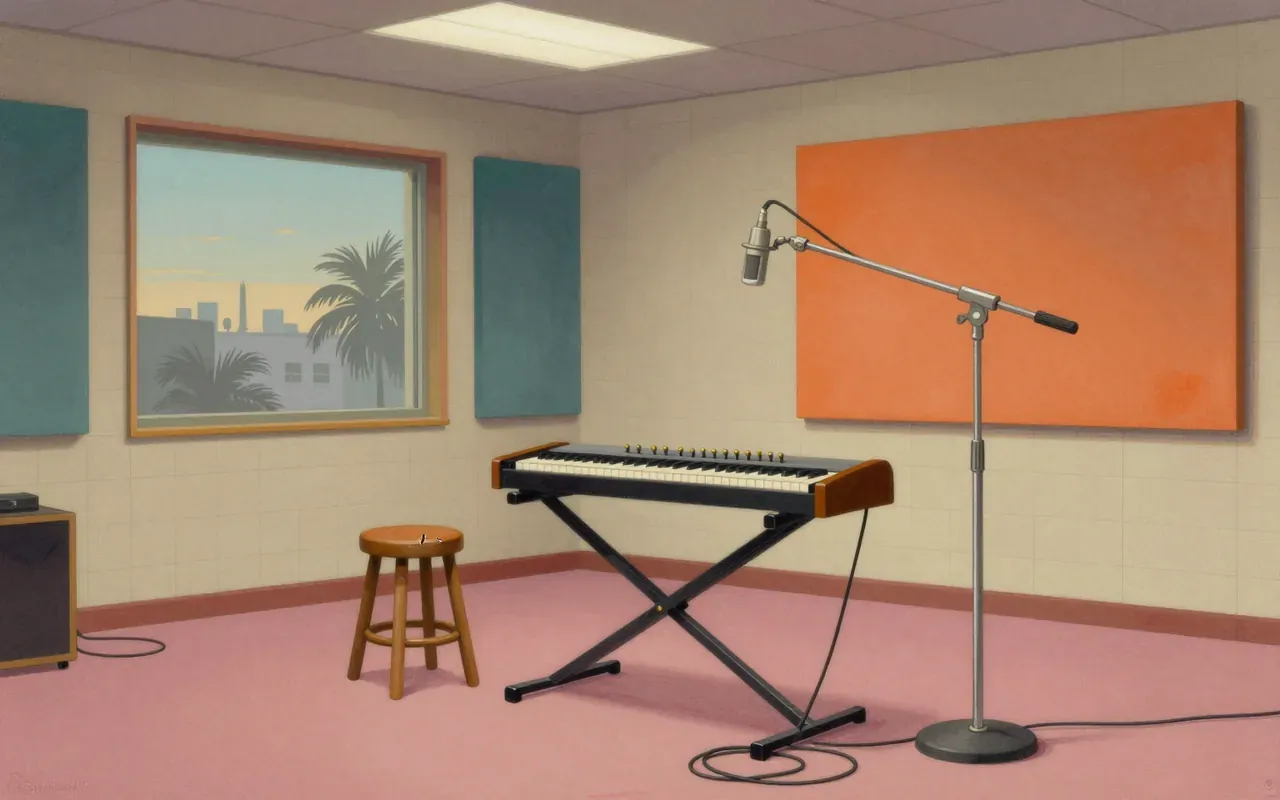
A folk-rock record recalibrated through jazz instrumentation and LA session craft—precise, collaborative, and sonically specific.
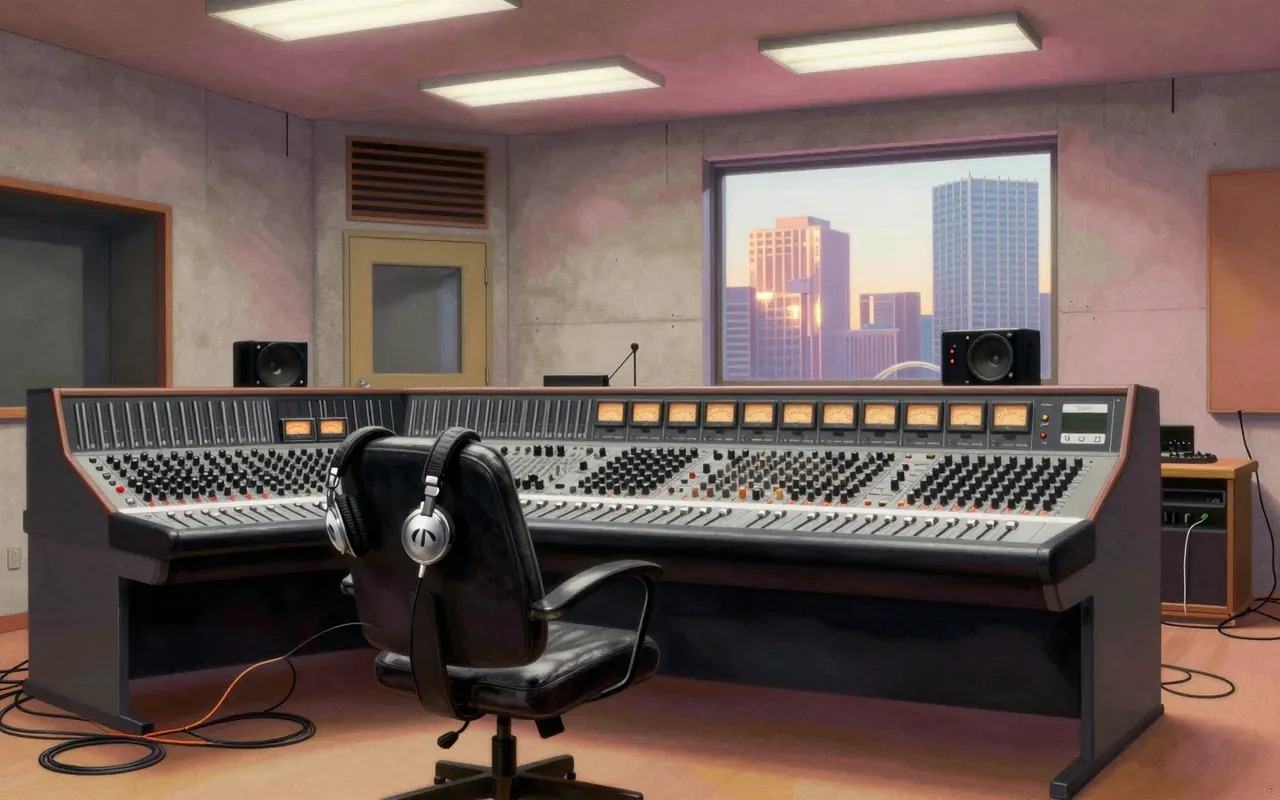
CrazySexyCool is a tightly constructed R&B album that uses hip hop soul textures, layered vocals, and precise studio craft to explore adult romance and self-possession. Its strength lies in restraint: fewer rap verses, more space for groove and tone, and lyrics that observe rather than preach. It is not revolutionary. It is deliberate.

Crime of the Century is Supertramp’s third studio album, recorded in 1974 at Trident and Ramport Studios with co-producer Ken Scott. It features eight songs selected from ~42 demos, includes field recordings from London Paddington and Leicester Square, and reflects collaborative and individual songwriting between Rick Davies and Roger Hodgson.
Criminal Minded is a sonic and sociocultural threshold — not a polished statement, but a live wire pulled from the South Bronx.
Crooked Rain, Crooked Rain is Pavement’s second studio album, released February 14, 1994. It moves toward a more accessible rock sound than their lo-fi debut Slanted and Enchanted. Steve West replaces original drummer Gary Young. The music grafts 1960s–70s California folk-rock and psychedelia onto the abrasive, Fall-inspired noise of their earlier work. It uses guitar feedback, fuzz, and wah effects. It incorporates country rock—including cowbells—and pop elements. Production strips away hiss and fog but retains the band’s fractured sound and spirit. Vocal harmonies and mood-setting are emphasised over lyrical primacy. Critical reception highlights its dynamic shifts, inventive arrangements, and status as a defining underground rock album of the 1990s.

Ctrl is SZA’s debut studio album, recorded between 2014 and 2017 at the TDE Red Room in Carson, California, and other locations including Chicago and Carter Lang’s Michigan home. It uses analog techniques—physically unplugging and re-plugging wires—to shape sound. Rick Rubin guided its minimalism, stripping reverb and background vocals to foreground SZA’s voice. Producers competed, exchanging beats; SZA studied Top 40 hits from the 1940s and 1980s for stylistic reference. The album features sampled voice recordings of her maternal grandmother, Norma Rowe. It was universally acclaimed, earned seven Grammy nominations, and debuted at number three on the Billboard 200.

Currents is a tightly controlled, emotionally exposed electronic pop record made alone in a beach house. It replaces guitar-layered psychedelia with vintage synths, drum machines, and clear vocals. Its strength is precision — its weakness is airlessness. It rewards attention to texture, not spectacle.

Curtis is Curtis Mayfield’s 1970 solo debut, produced by Mayfield and released on Curtom Records. It departs from The Impressions’ pop-soul sound toward funk and psychedelic-influenced arrangements, with a harder-edged sonic character. It features politically charged lyrics and stylistic duality — hard funk versus soft soul — realised through Mayfield’s self-directed vision and collaborative studio execution with a large ensemble. It was a top-20 commercial and critical success, won the 1972 Prix Otis Redding, and ranks No. 275 on Rolling Stone’s 500 Greatest Albums. It precedes and is compared to Marvin Gaye’s What’s Going On for its engagement with social change. No source provides details about instruments, tempos, rooms, mics, or specific production techniques.
Cut is the Slits’ 1979 debut album, recorded at Ridge Farm Studios in Rusper and produced by Dennis Bovell. It fuses punk and reggae innovatively and incorporates restless, offbeat art pop. All tracks were written by Viv Albertine, Tessa Pollitt, Ariane Forster (aka Ari Up), and Paloma Romero (aka Palmolive). The core band consisted of Ari Up on vocals, Viv Albertine on guitar, Tessa Pollitt on bass guitar, and Budgie on drums; additional contributors included Bruce Smith (uncredited voice on 'Love und Romance'), Dennis Bovell (sound effects), Max 'Maxi' Edwards (drums on 'I Heard It Through the Grapevine'), and Neneh Cherry (uncredited backing vocals). Mike Dunne served as engineer. The album was originally released on Island Records in the UK and Antilles in the US, and has since been reissued multiple times, including a 2009 two-disc 30th Anniversary Deluxe Edition featuring remastered audio, BBC John Peel Session recordings, demos, rough mixes, and alternate versions. Its influence spans post-punk, riot grrrl, and beyond, with praise for its sonic adventurousness, defiant attitude, and pioneering embrace of Jamaican music influences. Critics have highlighted Ari Up's vocal style and the album’s raw, inventive character. Kurt Cobain listed it among his 50 favorite records. The album has received numerous accolades, appearing in major critical lists including Rolling Stone’s 500 Greatest Albums and The Observer’s 100 Greatest British Albums. It includes original tracks such as 'Typical Girls', 'Shoplifting', and 'FM', plus bonus material like covers and demos across reissues. Personnel credits also note Brian Gaylor and Viv Albertine for inner sleeve cartoons, Pennie Smith for photography, and Rema, Stuart Henderson, and the Slits for production on 'I Heard It Through the Grapevine'.
Damaged is not a document of rebellion — it is the sound of a room, a wrist, a decision to record twice and choose the first take of 'Damaged I'. Its power lies in what it leaves unplayed, unsoftened, unexplained.

De La Soul Is Dead is a 1991 hip-hop album that rejects its predecessor's image through conceptual rupture, darker humour, and weighty themes—while holding onto playfulness in groove and skit. It is structured around format-specific sequencing, fictional radio framing, and a visual metaphor of death-as-metamorphosis. Its sound is defined by eclectic sampling and rhythmic experimentation—but no instrument, room, or technical detail beyond that is verified.
A loud, heavy, collaborative statement — forged in rehearsal rooms and gig halls, captured across London studios, and built to replicate the band’s live assault.
Definitely Maybe is a foundational Britpop record whose sonic identity comes from deliberate studio choices—not performance revision. Its power lies in compression, tape delay, bass filtering, and selective guitar layering. It was made across three studios, with Owen Morris finalising the mix on a Neve console in London. It features all five original members, with Tony McCarroll on drums—the only Oasis album to do so. It rejects grunge’s nihilism, favouring anthemic melodies and unpolished charisma. Its abrasion is intentional, its urgency palpable.
Déjà Vu is a studio-assembled artefact—not a live quartet document. Its sound reflects fragmented sessions, geographic separation (Young recording solo in Los Angeles), and emotional strain (grief, relationship breakdowns). Only 'Woodstock' features full quartet participation in one room. Stills’ bass, Nash’s piano, Crosby’s rhythm guitar, and Young’s pipe organ/harmonica/vibraphone are assigned per track—not distributed evenly. The album’s structure reveals negotiation, not unity: 'Teach Your Children' was commercially reshaped; 'Almost Cut My Hair' kept against Stills’ wishes; 'Déjà Vu' required 100 takes while 'Carry On' took eight hours. It is defined by what was left out—Young’s absence from half the tracks, the lack of live-in-the-studio spontaneity, the absence of harmonica on the album version of 'Helpless'. Its ideas are procedural: how songs get built across distance, disagreement, and revision.
Mercury Rev’s Deserter’s Songs (1998) is a chamber-pop reinvention built in the Catskills, where distorted guitars gave way to strings, horns and woodwinds. It is rooted in departure — of place, personnel and aesthetic — and anchored by collaborations with Garth Hudson and Levon Helm. Its sound is warm, acoustic, orchestrated and psychedelically tinged. Its themes are walking away, farewell and return. It is Mercury Rev’s most widely recognised work — not a rejection of their past, but its distillation.

Diamond Life is Sade’s debut studio album, recorded in six weeks at Power Plant Studios in London in 1983. Fifteen songs were written collectively by the band—except 'Smooth Operator', co-written solely by Sade Adu and Ray St. John—and produced by Robin Millar. The band developed the album’s musical direction collaboratively, rehearsing each song in detail before recording. The album blends soul, jazz, and sophisti-pop, with lyrics focused on love; its instrumentation includes prominent basslines, smooth drums, subtle guitar, brass, and keyboards. Specific recording details include using a real piano and Fender Rhodes painstakingly synced, manual mixing for 'Cherry Pie' with six people at the desk simultaneously, and Adu composing 'When Am I Going to Make a Living' on a cleaning ticket during financial hardship. The album opens with 'Smooth Operator' and closes with a cover of Timmy Thomas’s 'Why Can't We Live Together'.
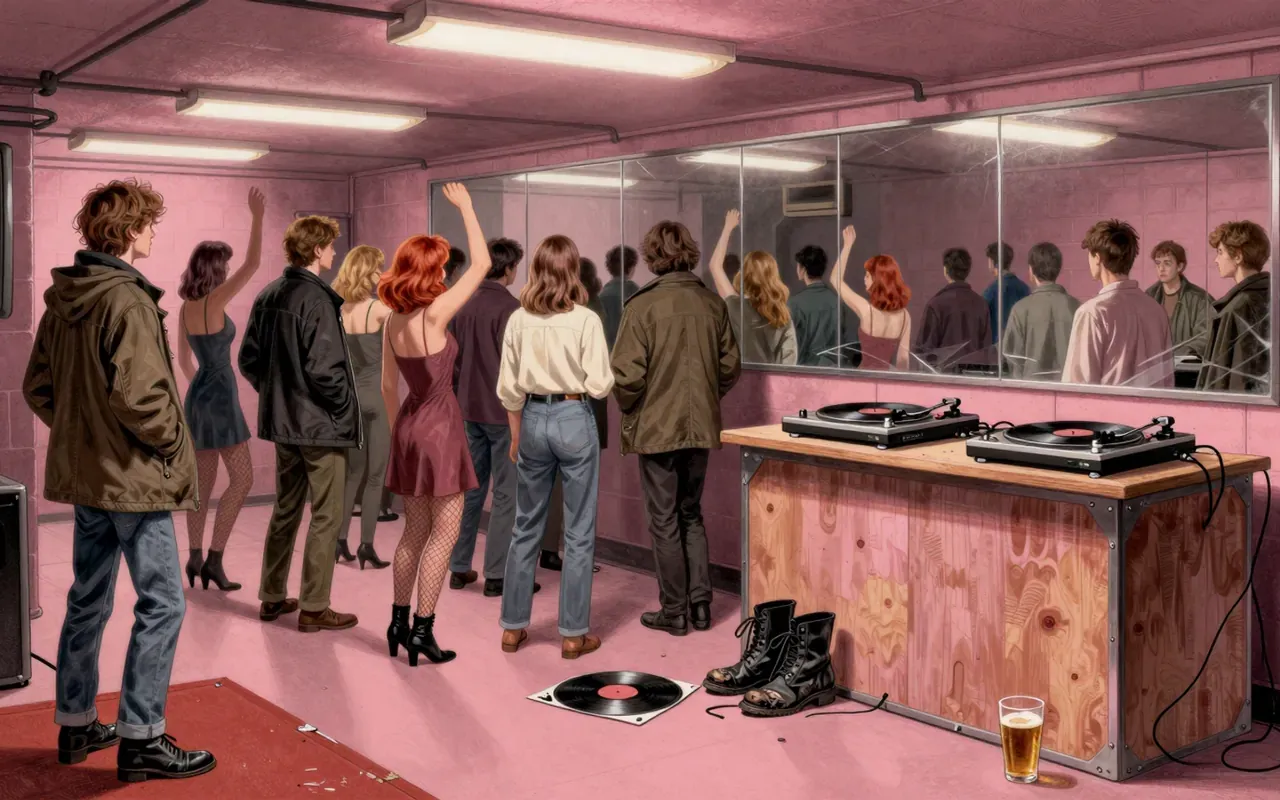
Different Class is Pulp’s fifth studio album, released in 1995. Its title came from a phrase Jarvis Cocker heard at Smashing, a club night in Eve’s Club on Regent Street in London. The sleeve design was by Blue Source and featured six double-sided inserts in initial pressings—cardboard cutouts of the band in staged scenarios. The cover photograph was taken at Dom O’Connor’s self-organized wedding, facilitated through a photographer who had previously worked with Blur and Elastica. The album’s back cover reads: 'We don't want no trouble, we just want the right to be different. That's all.'
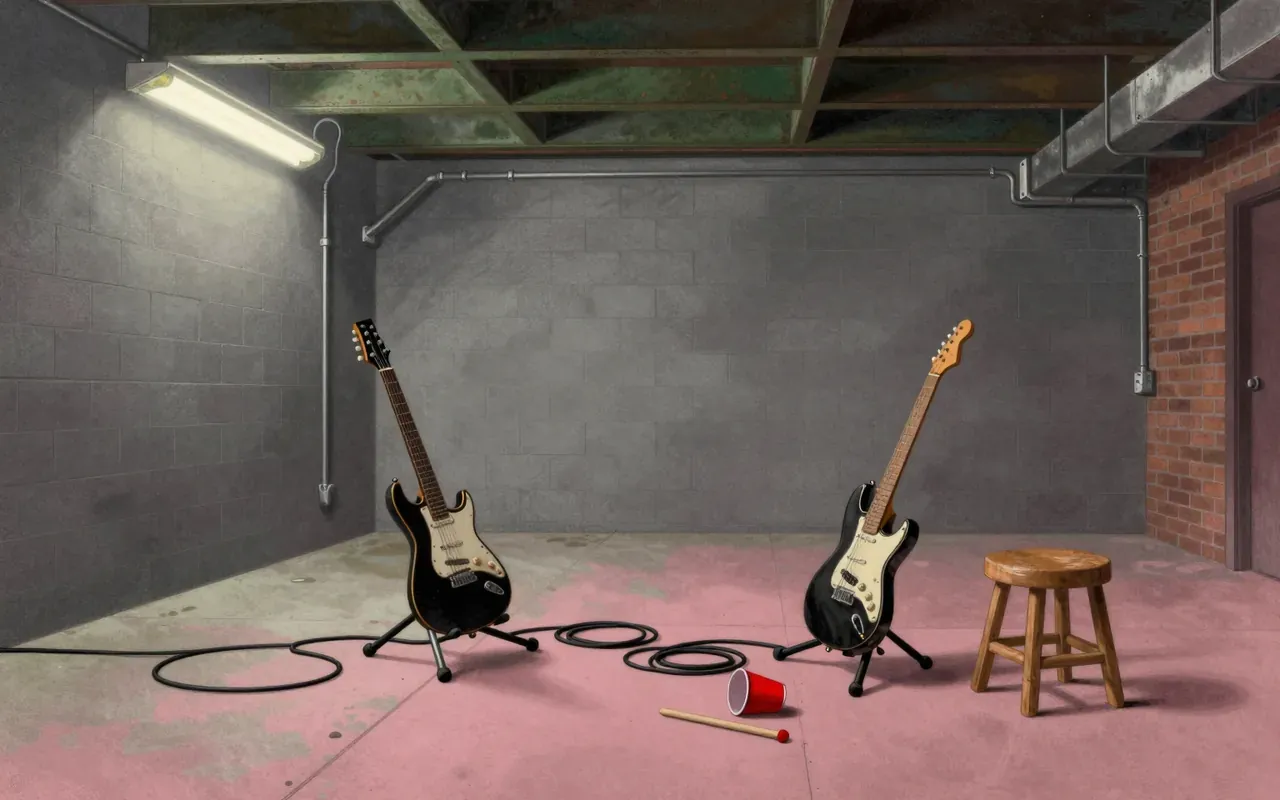
Dig Me Out is a 1997 punk-and-post-punk record by Sleater-Kinney, written and recorded in nearly two months at John and Stu's Place in Seattle, Washington. Its sound is defined by massive, bass-free guitar textures, Weiss’ foundational drumming, and tightly engineered vocal interplay between Tucker and Brownstein — achieved through separate microphones and processing. It establishes vocal parity as a structural principle, not just an aesthetic. It falls short of accommodating listeners who rely on basslines for rhythmic or harmonic grounding. Its ideas are feminist, urgent, and compositional: two frontpeople trading, interrupting, harmonising, arguing. It is worth your time if you want to hear rock music built for immediacy, not legacy.
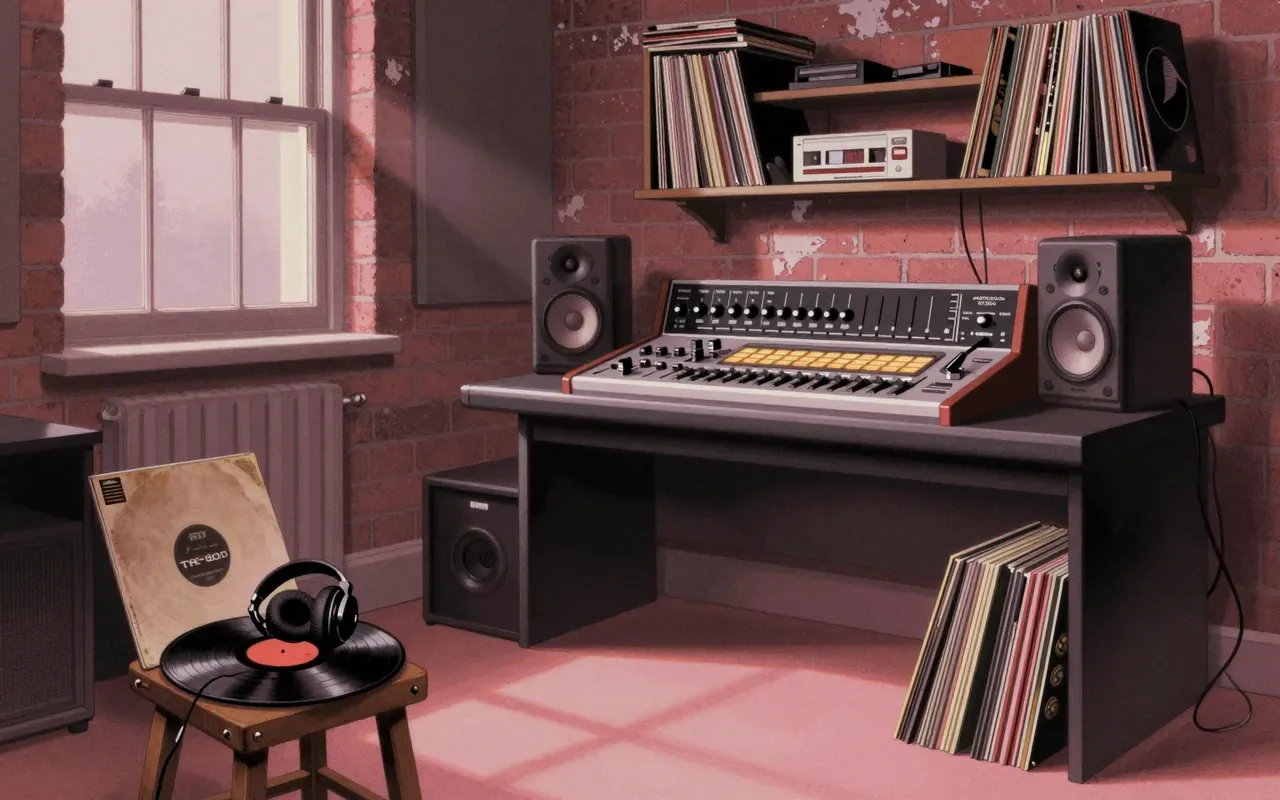
Dig Your Own Hole is the Chemical Brothers’ second studio album, recorded between 1996 and 1997 at their own south London studio and released 7 April 1997. It features guest vocalists Noel Gallagher and Beth Orton. Key tracks originated as DJ promos ('Electronic Battle Weapon 1' and '2'). Its sound is built from verified samples: Schoolly D’s 'Gucci Again', Lothar and the Hand People’s 'It Comes On Anyhow', and John Schroeder’s 'Money Runner'. The title comes from graffiti outside the studio. It was critically acclaimed, earning a 10/10 from Mixmag.
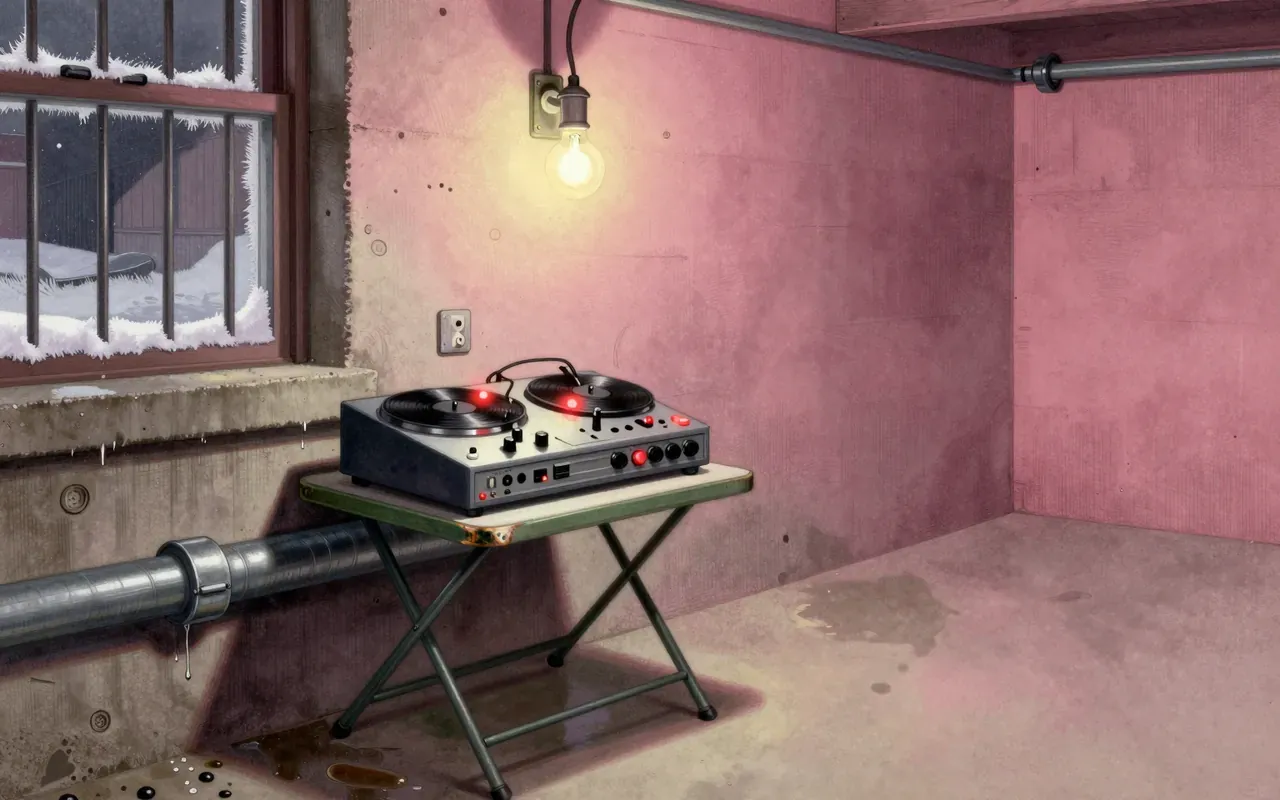
Dirty Mind was composed partly on tour while opening for Rick James, recorded in Prince’s home basement studio in May–June 1980 with Prince performing nearly all instruments and engineering under the alias Jamie Starr, featuring a raw, demo-like aesthetic, clean production, and a fusion of funk, new wave, R&B, dance, and punk rock — and it is the only Prince album without a slow jam.
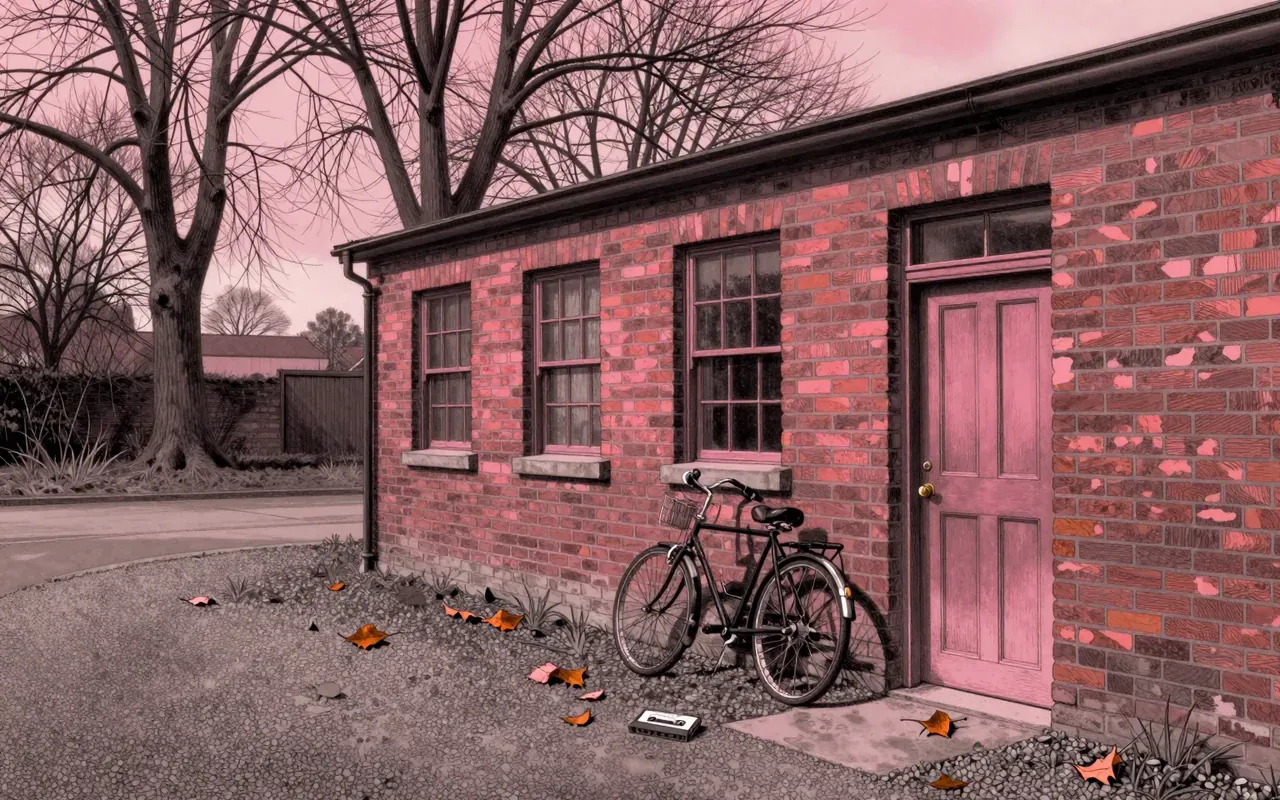
Disintegration is a record built on constraint: dread as discipline, silence as method, keyboards as architecture. It refuses to be either pure goth or pure pop — instead, it holds both in tension, using 'Lovesong' and 'Pictures of You' not as palate cleansers but as structural counterweights. Its sound is defined by what is layered (keyboards), what is slowed (guitar), and what is withheld (Tolhurst’s presence, Smith’s speech). Nothing here is ambient. Everything is placed.
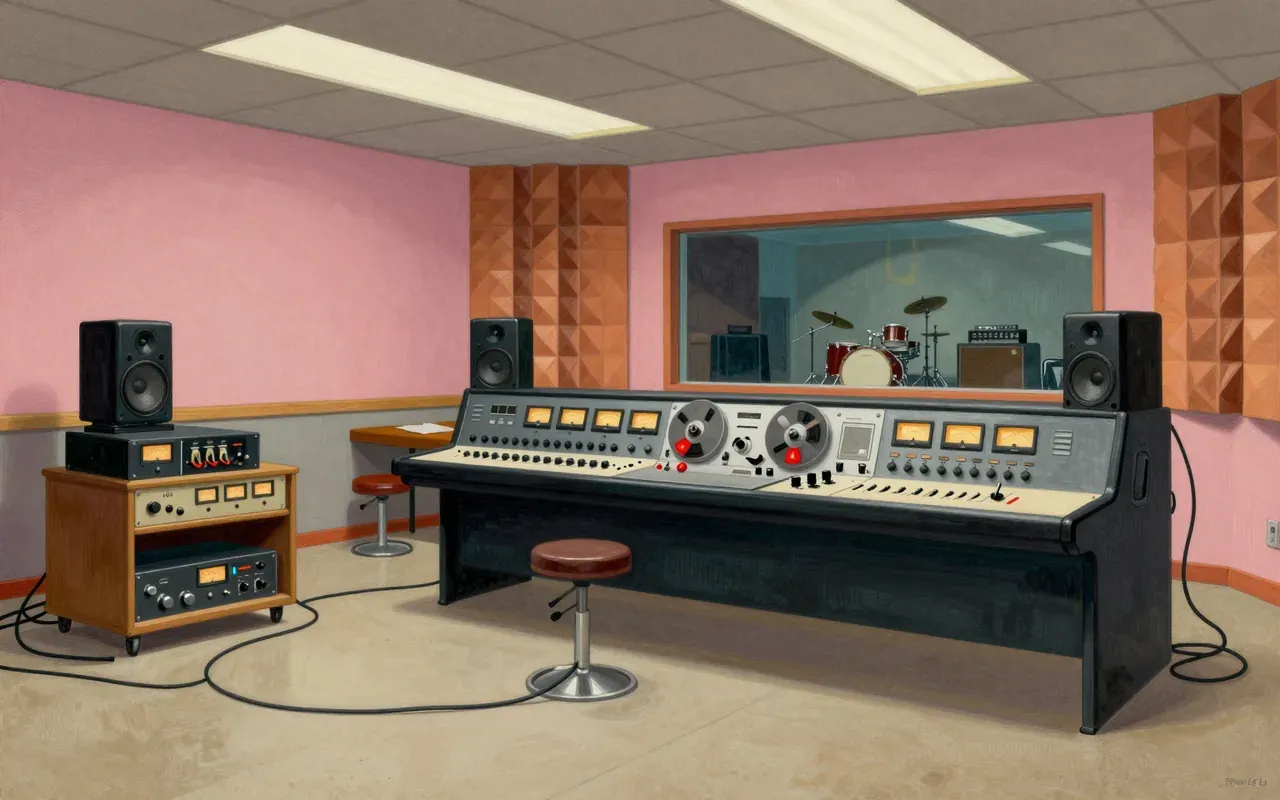
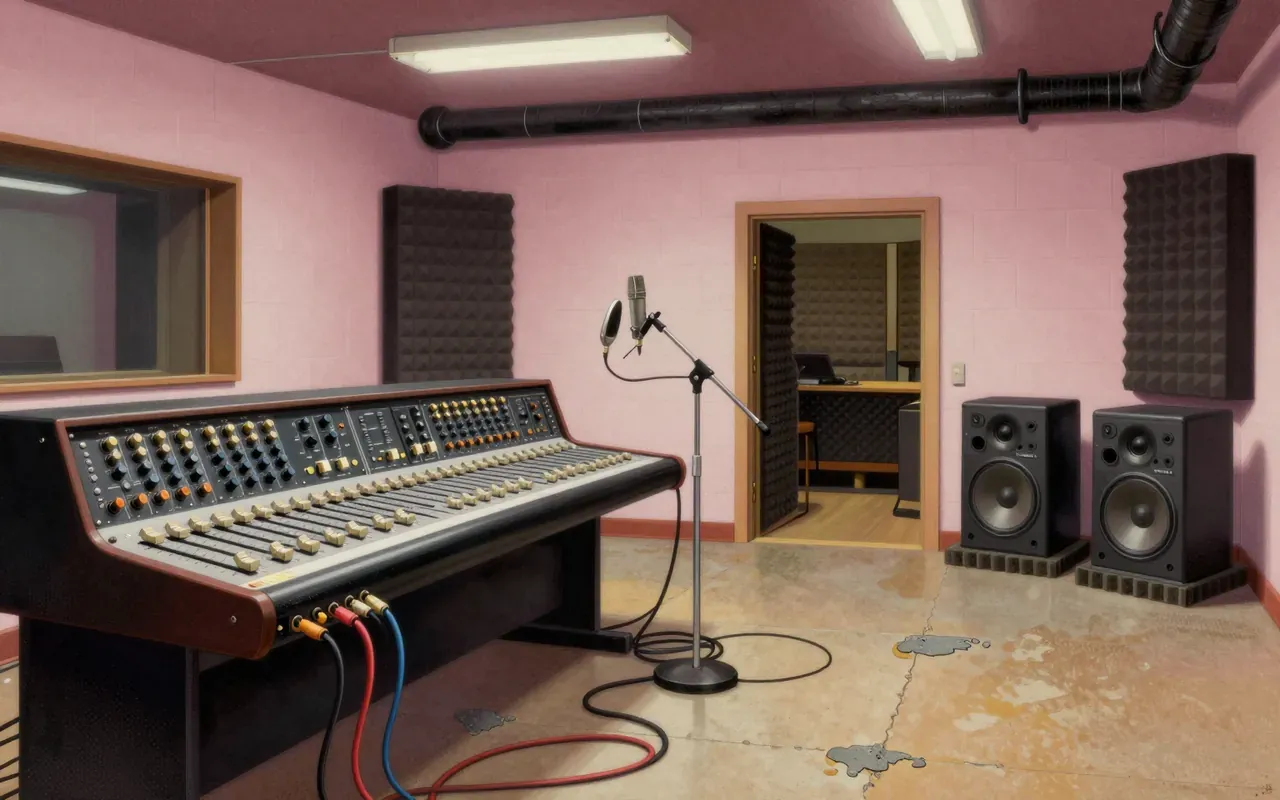
Document is R.E.M.'s fifth studio album, released on August 31, 1987, by I.R.S. Records. It marks their first collaboration with producer Scott Litt, featuring clearer production, muscular rock riffs, and expanded instrumentation — including dulcimer on 'King of Birds' and saxophone on 'Fireplace', played by Steve Berlin due to his prior relationship with Litt. The band began swapping instruments in the studio to generate new sounds. 'Strange' is a cover of Wire’s song from Pink Flag. The album contains overtly political lyrics responding to the Reagan-era conservative political environment, especially on 'Welcome to the Occupation' and 'Exhuming McCarthy'. All songs were written by Bill Berry, Peter Buck, Mike Mills and Michael Stipe, except 'Strange' by Bruce Gilbert, Graham Lewis, Colin Newman, Robert Grey.
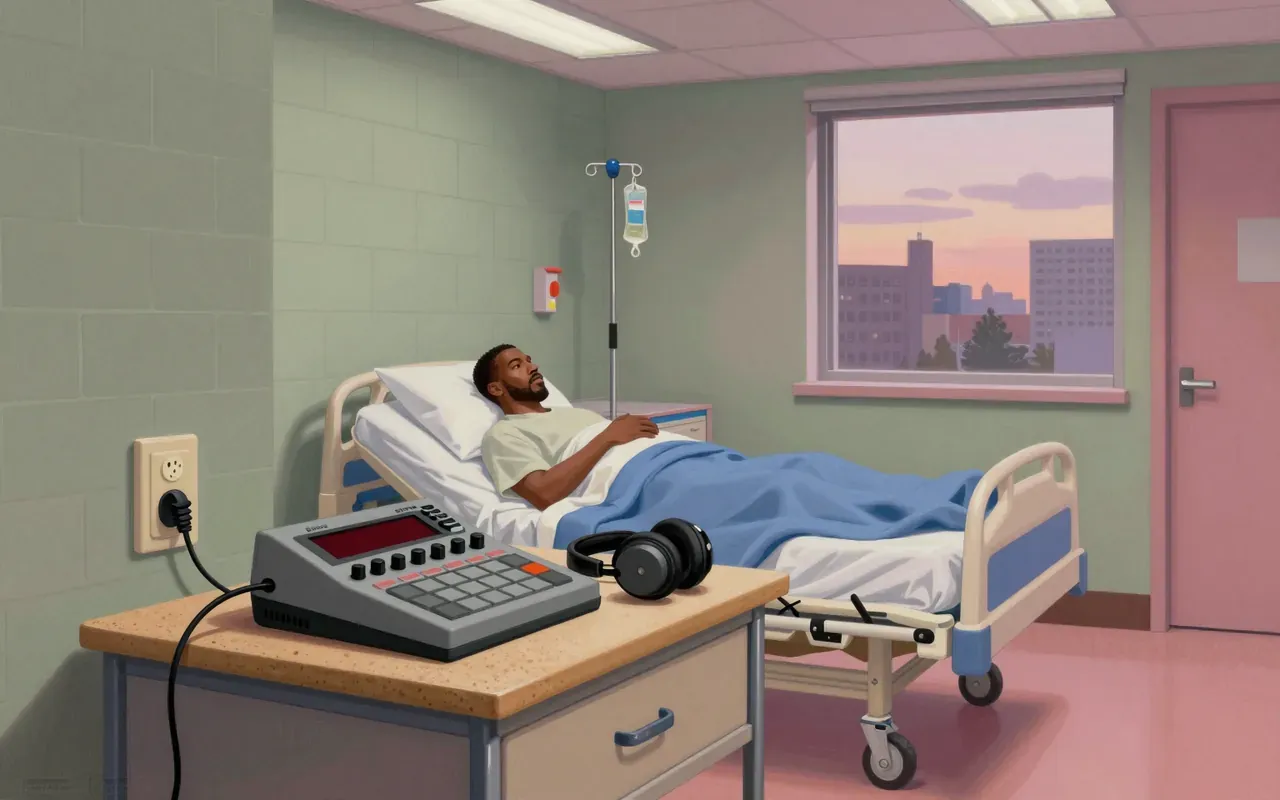
Donuts is an instrumental hip-hop album released on February 7, 2006 — three days before J Dilla’s death. It consists of 31 tracks built from 34 samples across rock, jazz, and soul. It was made in hospital and hotel rooms using portable gear including a Boss SP-303, MPC, Moog keyboard, turntable, laptop, audio interface, and crate of records. J Dilla forbade anyone from hearing the unfinished version. The album begins with an outro and ends with an intro, forming a structural loop.

Dookie is Green Day’s major-label debut, recorded in 1993 across Fantasy Studios in Berkeley and Music Grinder Studio in Hollywood. It was written mostly by Billie Joe Armstrong from personal experience, addressing boredom, anxiety, relationships, and sexuality. The band demoed 'She', 'Sassafras Roots', 'Pulling Teeth', and 'F.O.D.' on Armstrong’s four-track before recording. Rob Cavallo took them to a Mexican restaurant near Fantasy Studios to ease anxiety — even though Tré Cool was underage. Unlike earlier albums rushed to save money, they took time to perfect quality. Armstrong learned to dial in better guitar tones and vocal takes, choosing a 100-watt Marshall Plexi 1959SLP nicknamed 'Pete'. Recording lasted three weeks at Fantasy; the album was mixed twice by Cavallo and Jerry Finn. It was released in February 1994. Its singles 'Longview', 'Basket Case', and 'When I Come Around' all reached number one on the Modern Rock Tracks chart. It won the 1995 Grammy Award for Best Alternative Album.
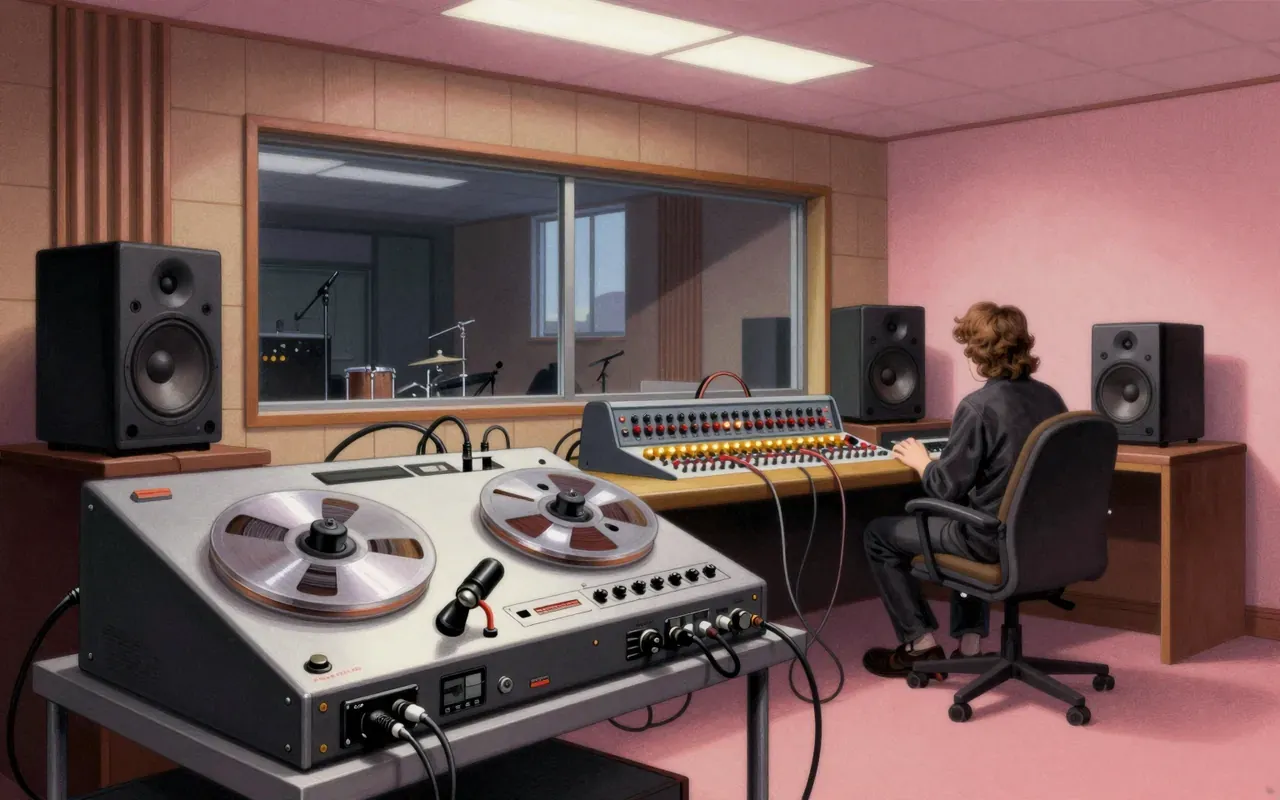
Doolittle is a studio-constructed pivot: tighter, denser, more deliberate than Surfer Rosa. Its power lies in how it uses compression, layering, and tempo shifts—not in what it captures, but in what it chooses to build.
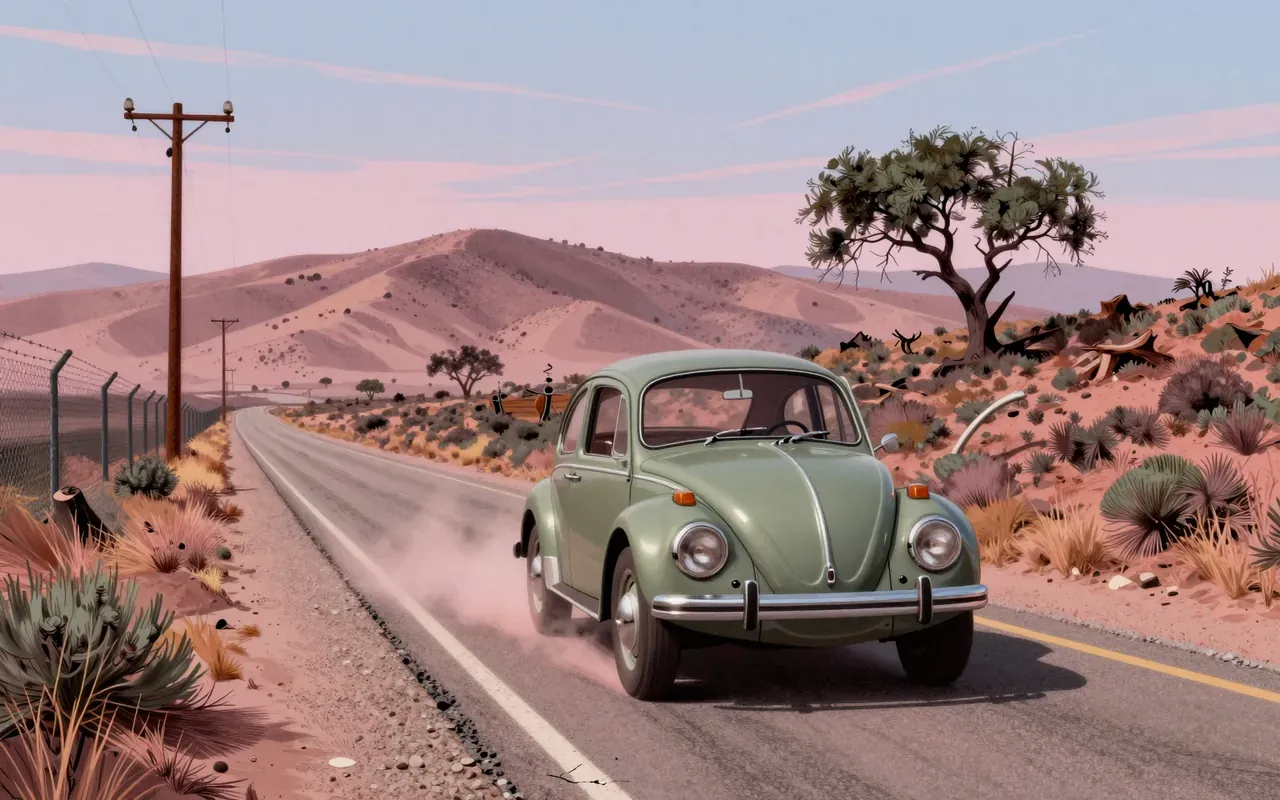
Double Nickels on the Dime is a 45-song double LP by Minutemen, released July 1984 on SST Records. Recorded in two sessions at Radio Tokyo Studios with Ethan James, it mixes punk, funk, country, spoken word, and jazz. Inspired by Hüsker Dü’s Zen Arcade, the band adopted a car-themed concept, assigned each member a side (with 'Chaff' as the fourth), and incorporated lyrics from friends including Henry Rollins and Joe Carducci. It was mixed overnight on eight-track for $1,100. Themes include the Vietnam War, racism, working-class life, and linguistics.
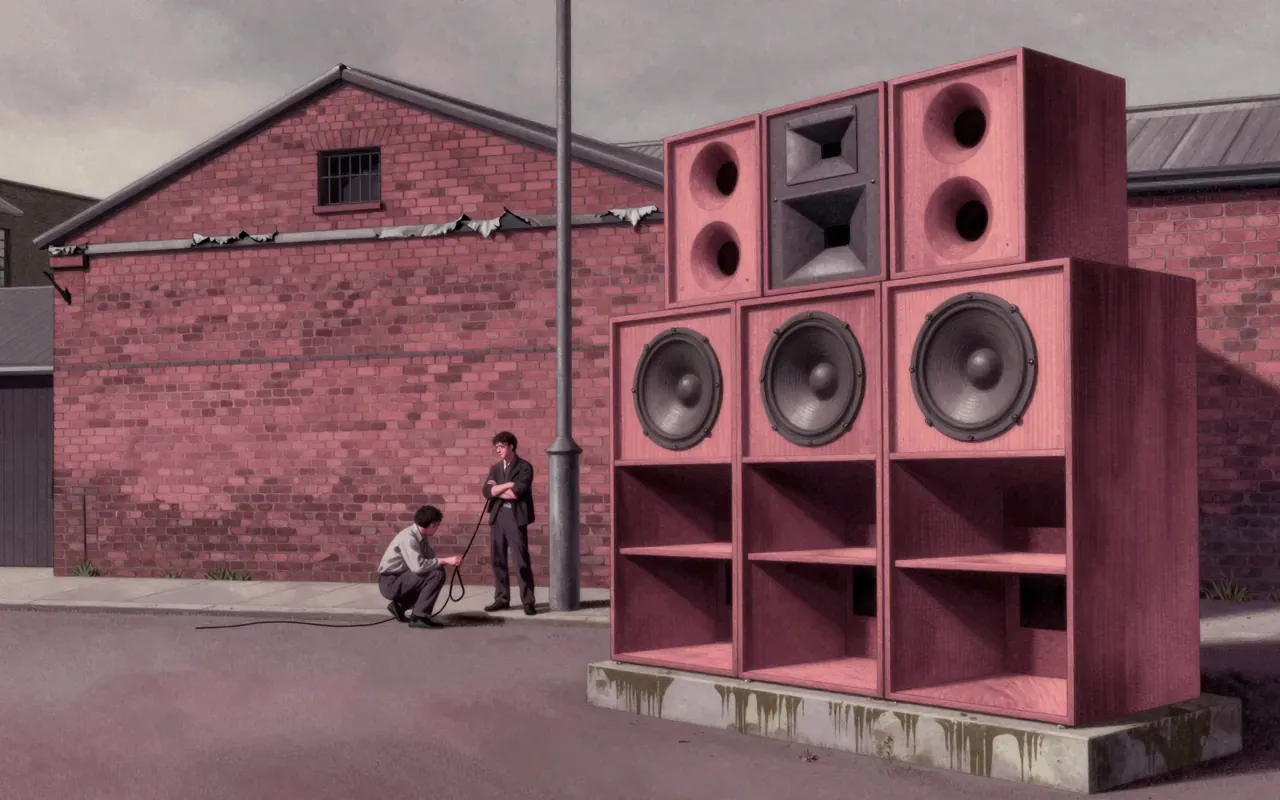
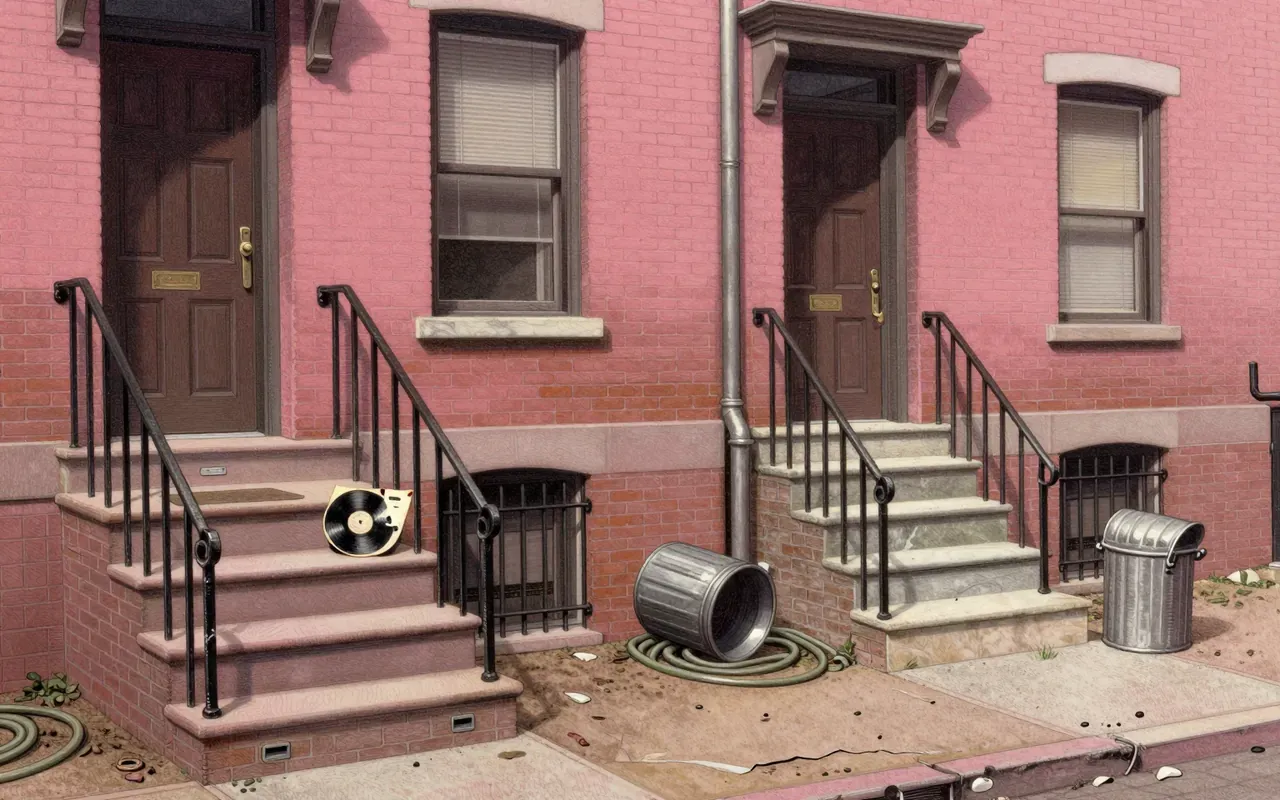
Dub Housing is Pere Ubu’s second album, recorded in late 1978 at Suma Recording studio in Ohio. It was conceived and executed as a unified set of interconnected tracks — not standalone songs. It was released on November 17, 1978, via Chrysalis Records.
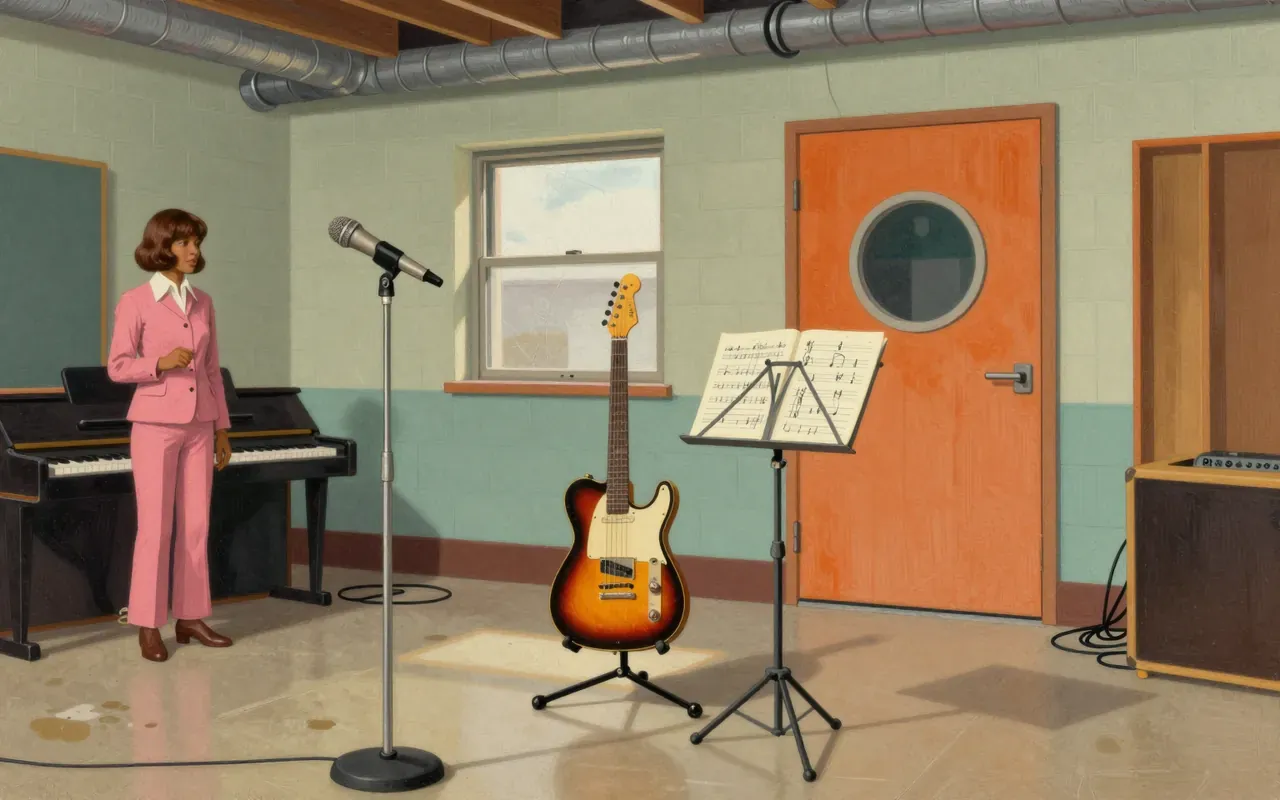
Dusty in Memphis is a 1969 album recorded at American Sound Studio in Memphis and finished in New York. It is Dusty Springfield’s first collaboration with outside producers — Jerry Wexler, Tom Dowd, and Arif Mardin — and her first project built around a rhythm track.
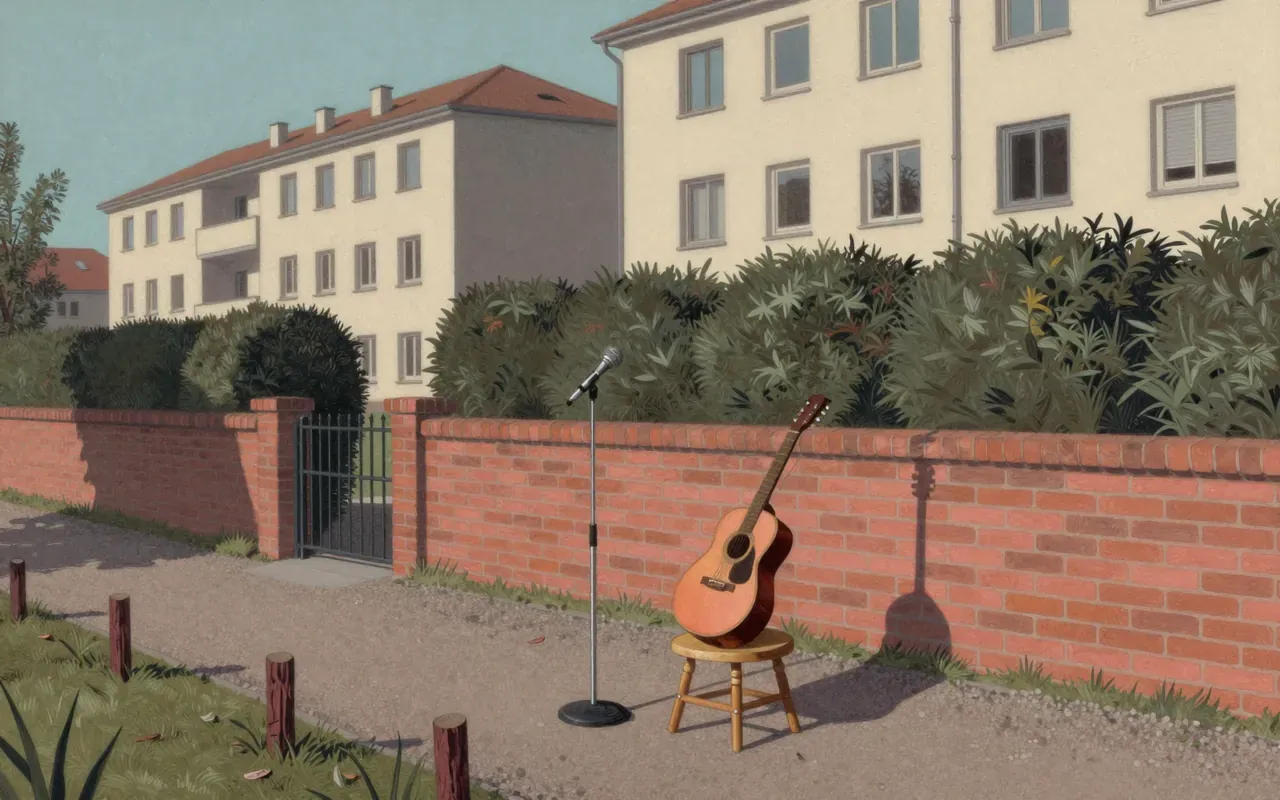
Ege Bamyasi is Can’s third studio album, recorded in early 1972 at their newly established Inner Space Studio in Weilerswist — their first album made there — under intense time pressure to meet a June deadline. The band began with 'Spoon', then scrambled to complete material: 'Sing Swan Song', 'One More Night', and 'Pinch' were finished and edited by the day before the deadline, while 'Soup' emerged from an unedited, improvised ten-minute session that same afternoon. Karoli recorded acoustic guitar for 'Sing Swan Song' outdoors to escape drum bleed, and Schmidt and Suzuki’s daily chess games reportedly disrupted workflow. Czukay and Karoli handled editing, and the album incorporated previously released singles to fill out the tracklist. The new studio environment softened the drums and sharpened instrumental separation, and Suzuki’s pidgin English vocals contributed a distinctive textural element. Critics later praised its tight, danceable fusion of experimental music, avant-funk, and electronic sound — calling it one of Can’s most focused and tense records.
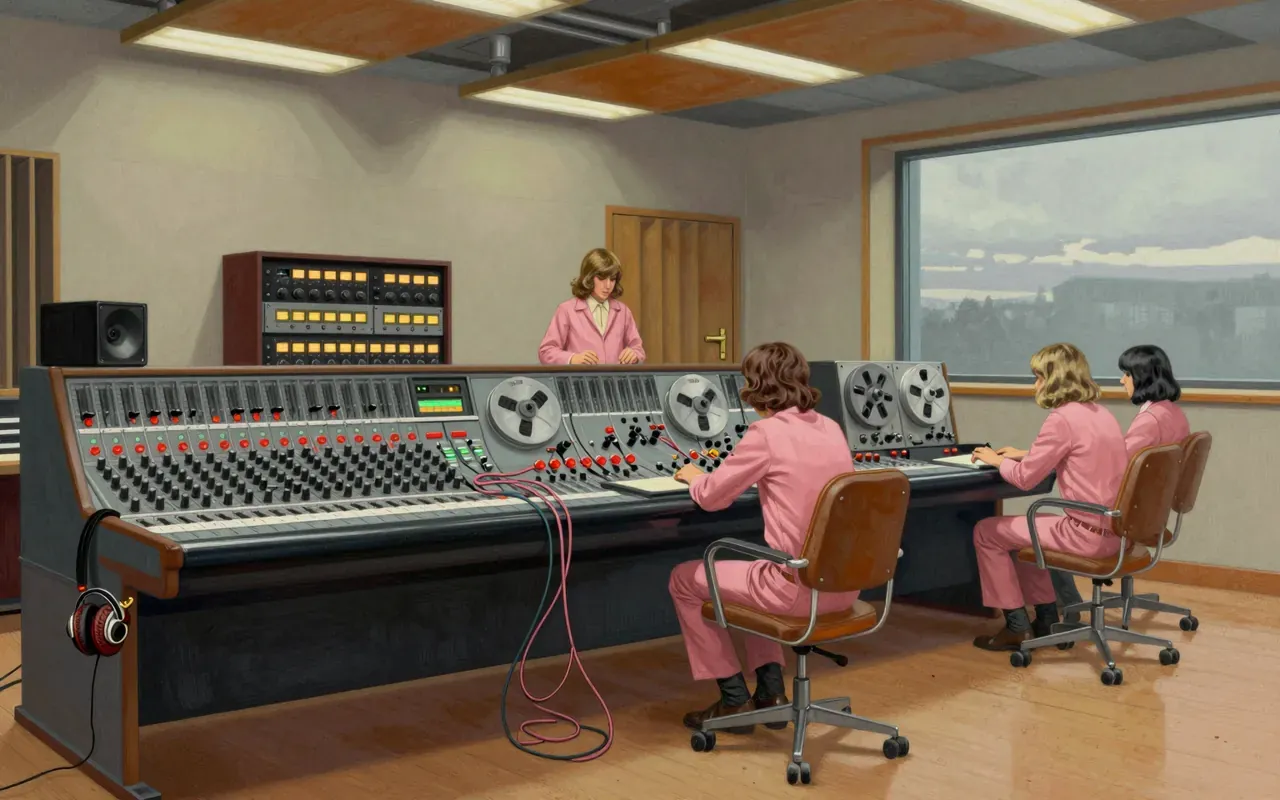
Electric Warrior is a 1971 glam rock album by T. Rex. It marks a decisive shift from acoustic folk to electric pop/rock, driven by Marc Bolan’s newly personal, erotic lyrics and Tony Visconti’s sonic innovations — flanging, reverb, backwards guitars, tape loops, and direct guitar-to-console overload. Recorded across multiple studios including Trident (London), Wally Heider (Hollywood), and Mediasound (New York), it features session players including Rick Wakeman (piano), Burt Collins (flugelhorn), Ian McDonald (sax), strings, and Flo & Eddie (backing vocals). Only three tracks retain primarily acoustic arrangements. The album establishes glam as a studio-crafted, physically immediate form — not mythic, not sprawling, but precise, punchy, and deliberately overloaded.

Elephant is The White Stripes’ fourth studio album, recorded mostly between April 24 and May 13, 2002, at Toe Rag Studios in London. It was produced by Jack White using an 8-track tape machine, no computers, and pre-1960s gear. Engineer Liam Watson worked six-hour shifts across ten days. All songs—including B-sides—were mixed in one day at Toe Rag. Meg White sings lead for the first time on 'In the Cold, Cold Night'. 'I Just Don’t Know What to Do With Myself' was recorded separately at BBC’s Maida Vale Studios. The album was recorded on a budget of £4,000–£6,000. Jack returned in late September 2002 to re-record and remix certain vocals. The band exhausted the 8-track’s capacity deliberately, citing the Beatles’ precedent. Elephant features Jack’s first guitar solos and expands keyboard and piano use. Its red-white-black artwork was shot in Detroit.