musicbriefs
Highest rated

All briefs

1188 briefs · 11103 min · 577–672 on page 7 of 13
10:24

In the Court of the Crimson King

King Crimson · 1969

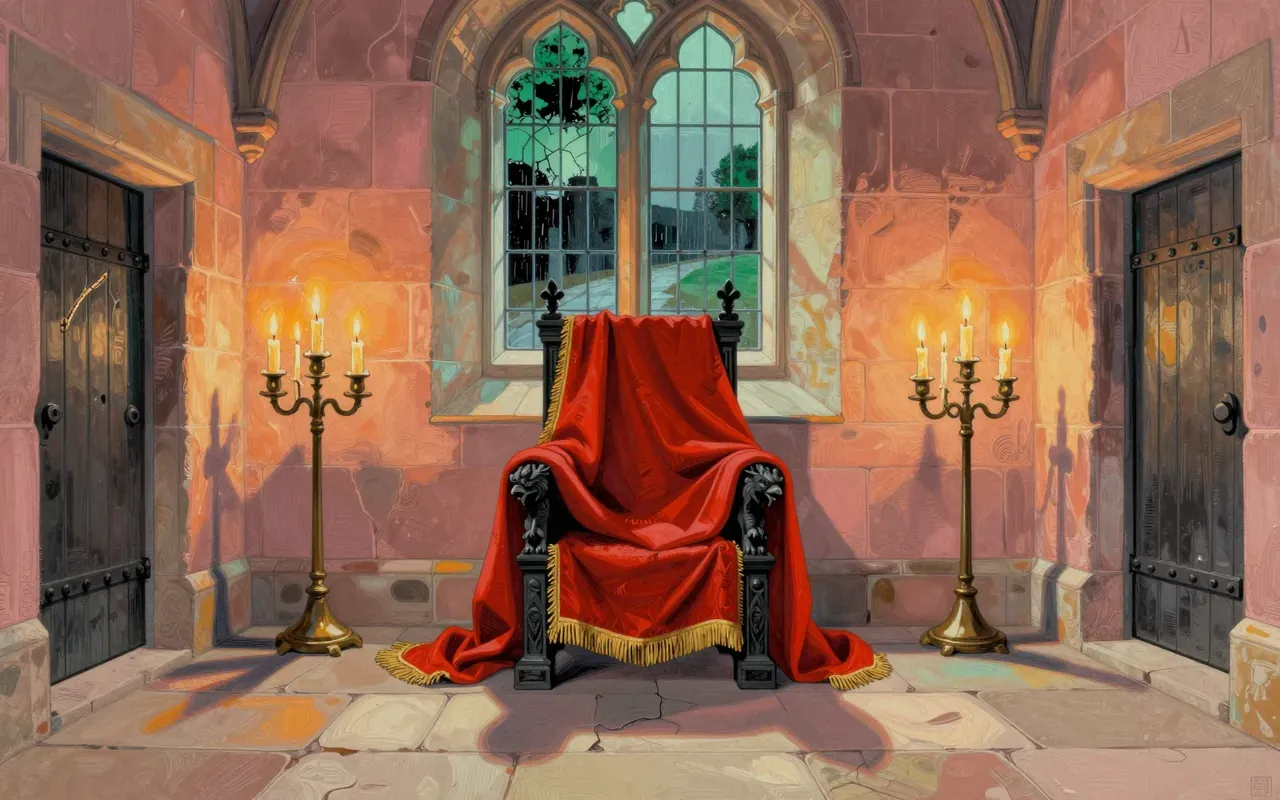
In the Court of the Crimson King is the 1969 debut album by King Crimson — self-produced after initial sessions with Tony Clarke failed. Recorded on a 1" 8-channel recorder at Wessex Sound Studios in London, engineered by Robin Thompson with Tony Page assisting. Ian McDonald overdubbed Mellotron and woodwind layers across up to five tape generations; his Mellotron is dominant, fierce and overpowering. On 'Epitaph', he used two Mellotron parts with dynamic volume-shifting to create motion in sustained chords. Robert Fripp’s guitar fuses classical, Hendrix-like rock explosions, and jazz noodling. Greg Lake’s voice is plaintive. The band deliberately avoided simplicity, using unconventional time signatures like 7/8 or 5/8, expansive chords, and strange influences. Peter Sinfield wrote all lyrics — gothic, with 'dark and doom-laden visions'. The opening track '21st Century Schizoid Man' is proto-metal and criticises the Vietnam War. The record presents a Europeanised approach blending antiquity and modernity, distinct from blues-based hard rock.

10:22

Interstellar Space

John Coltrane · 1974

Interstellar Space is a 1967 duo album by John Coltrane and Rashied Ali, recorded at Van Gelder Studio on February 22, 1967, and released in September 1974. It consists of four tracks — 'Mars', 'Venus', 'Jupiter', and 'Saturn' — each bearing alternate titles in the session sheets. Two further tracks from the same session, 'Leo' and 'Jupiter Variation', appeared on the 1978 compilation Jupiter Variation. The session was minimally planned, cut in one take, and built around Coltrane’s desire for 'more time, more rhythm all around me'.

9:28

Ironman

Ghostface Killah · 1996

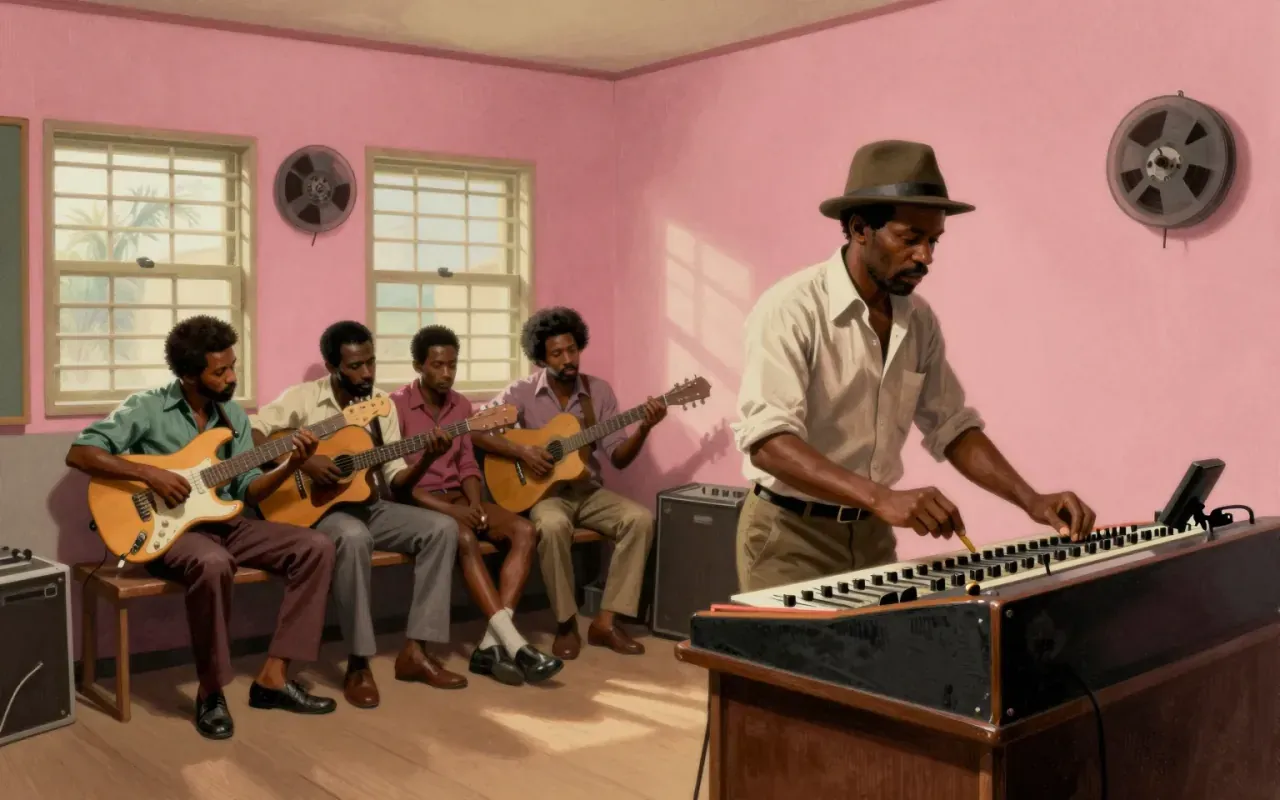
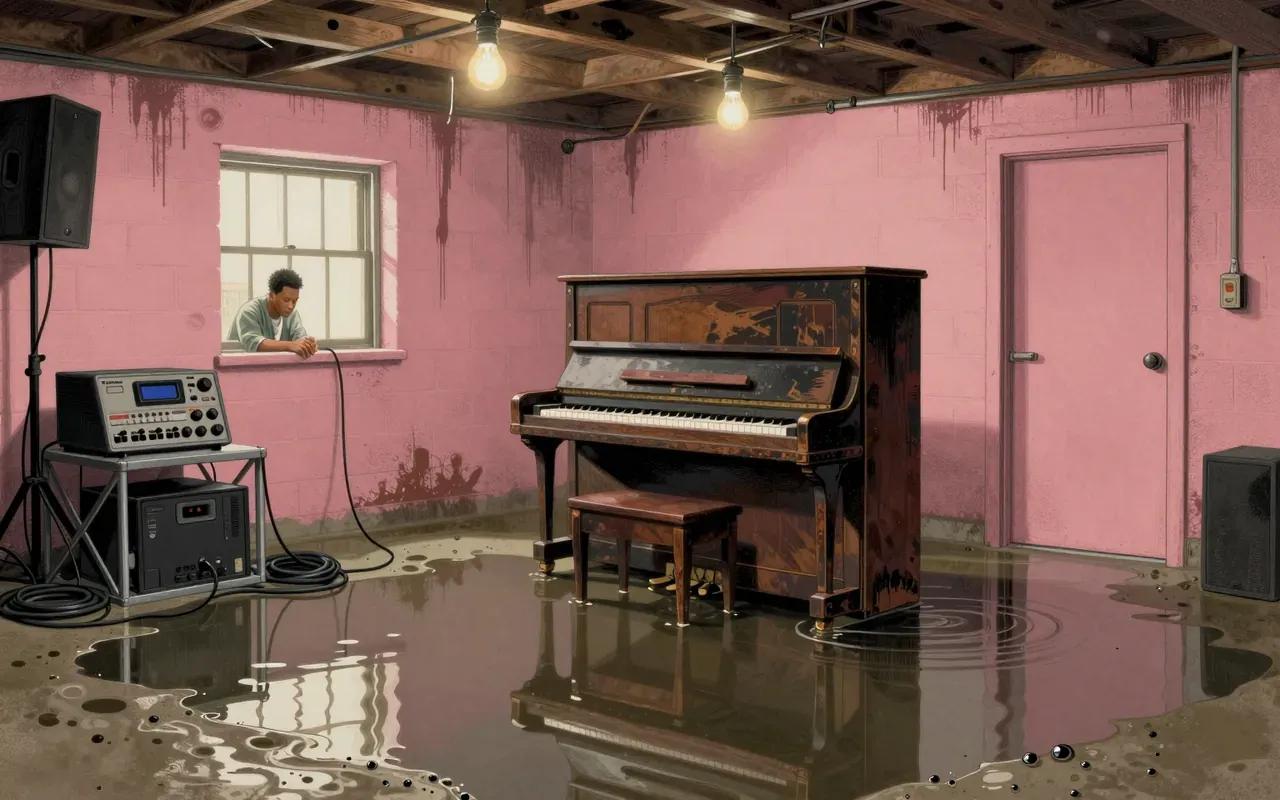
Ironman is Ghostface Killah’s 1996 solo debut, produced almost entirely by RZA using dark keyboard tones and early-1970s soul samples drawn from blaxploitation films. A flood destroyed the original studio, forcing vocals to be recorded elsewhere with different equipment — altering Ghostface’s voice and deepening his vulnerability. The album features substantial storytelling rap and Ghostface’s signature uptempo, stream-of-consciousness rhyming. Though billed as a solo record, Ghostface appears alone on only four tracks; Raekwon and Cappadonna feature heavily. Two songs originated in film soundtracks. Critics received it well.

11:10

It Takes a Nation of Millions to Hold Us Back

Public Enemy · 1988

It Takes a Nation of Millions to Hold Us Back (1988) is Public Enemy’s second studio album. It was recorded across three New York studios—Chung King Studios, Greene St. Recording, and Sabella Studios—between 1987 and 1988. The group began at Chung King but moved to Greene St. after engineer resistance to hip hop. Engineers there eventually respected their work ethic. The album was originally titled Countdown to Armageddon. It was recorded in 30 days for $25,000, thanks to extensive preproduction at the group’s Long Island studio. It was completed in six weeks. Chuck D described the process as aggressive, time-pressured teamwork involving sonic risk-taking. Eric Sadler and Hank Shocklee stayed behind in the studio during touring to develop material ahead of Chuck D and Flavor Flav’s return. The album performed better in the charts than their debut and included the hit singles 'Don’t Believe the Hype' and 'Bring the Noise'. It was the first hip-hop album to top The Village Voice’s Pazz & Jop critics’ poll. Its sonic architecture—crafted by the Bomb Squad—included free jazz, hard funk, and musique concrète. It formed part of Public Enemy’s revolutionary, politically charged output grounded in a pro-black stance.

10:18

John Wesley Harding

Bob Dylan · 1967

John Wesley Harding is a folk record made with folk means: voice, bass, drums, harmonica, piano, guitar, and two pedal steel parts. It was recorded fast, dry, and direct in Nashville in autumn 1967. Its power lies in what it leaves out.

11:03

Journey in Satchidananda

Alice Coltrane · 1971

Journey in Satchidananda is a 1971 Impulse! release that reorients jazz around sustained tone, spiritual reference, and domestic acoustics — not performance convention.

8:41

Ko Sira

Oumou Sangaré · 1993

Ko Sira is Oumou Sangaré’s 1993 album, recorded in Bamako and released internationally as Ko Sira and domestically in Mali as Bi Furu. It uses traditional Wassoulou instrumentation — kora, balafon, ngoni, calabash — with Sangaré’s voice leading tightly arranged, rhythmically insistent songs. Its themes are local and urgent: marriage, village loyalty, female agency. It makes no concessions to global pop form or production. It is cohesive, unwavering, and rooted.

9:04

Koyaanisqatsi

Philip Glass · 1983

The 1983 album of Philip Glass’s score for Koyaanisqatsi is a landmark application of minimalism to film: nine movements built from repetition, brass sustain, choral tonality, and synth-driven ostinatos—performed by the Philip Glass Ensemble and the Western Wind Vocal Ensemble under Michael Riesman. It does not develop themes, resolve harmonically, or prioritise individual expression. It treats musical time as malleable, like the film’s time-lapse and slow motion. It is essential for listeners who treat sound as architecture—not atmosphere.

11:36

Legalize It

Peter Tosh · 1976

Legalize It is Peter Tosh’s debut studio album. It was recorded at Treasure Isle and Randy's in Kingston between 1975 and 1976. It was released in June 1976 on CBS Records. All tracks were composed by Tosh except where indicated. The title track became popular among cannabis legalization advocates, reggae fans, and Rastafari worldwide, and was a concert favourite.

8:51

Libertango

Astor Piazzolla · 1974

Libertango is a 1974 studio recording made in Milan. It declares tango nuevo through subtraction — no vocals, no ornament, no deference. Its sound is dry, linear, and precisely layered: bandoneón, Hammond organ C3, marimba, bass guitar, drums, guitar, timpani, strings, and flutes. It lands because every instrument has space and purpose. It does not land if you expect warmth, swing, or spectacle. It is worth your time if you value compositional rigour over emotional indulgence.

9:48

Like Water for Chocolate

Common · 2000

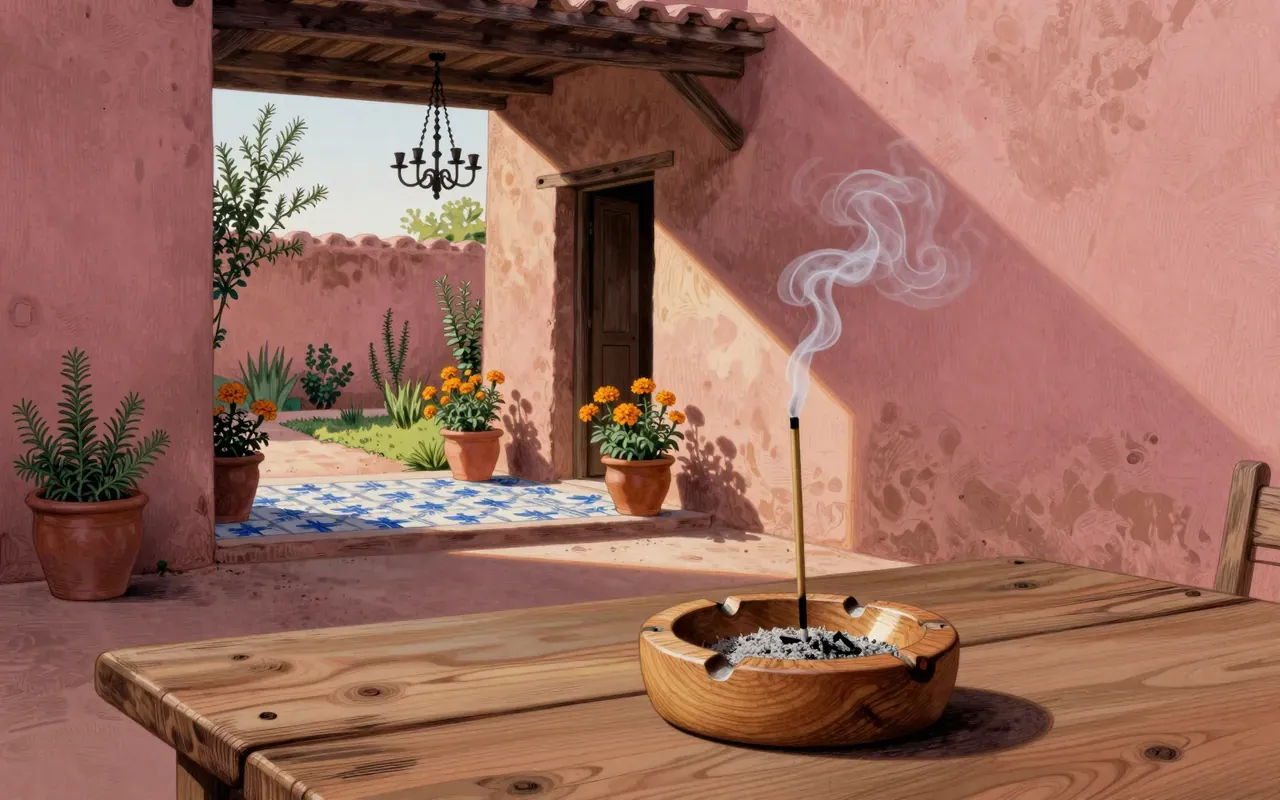
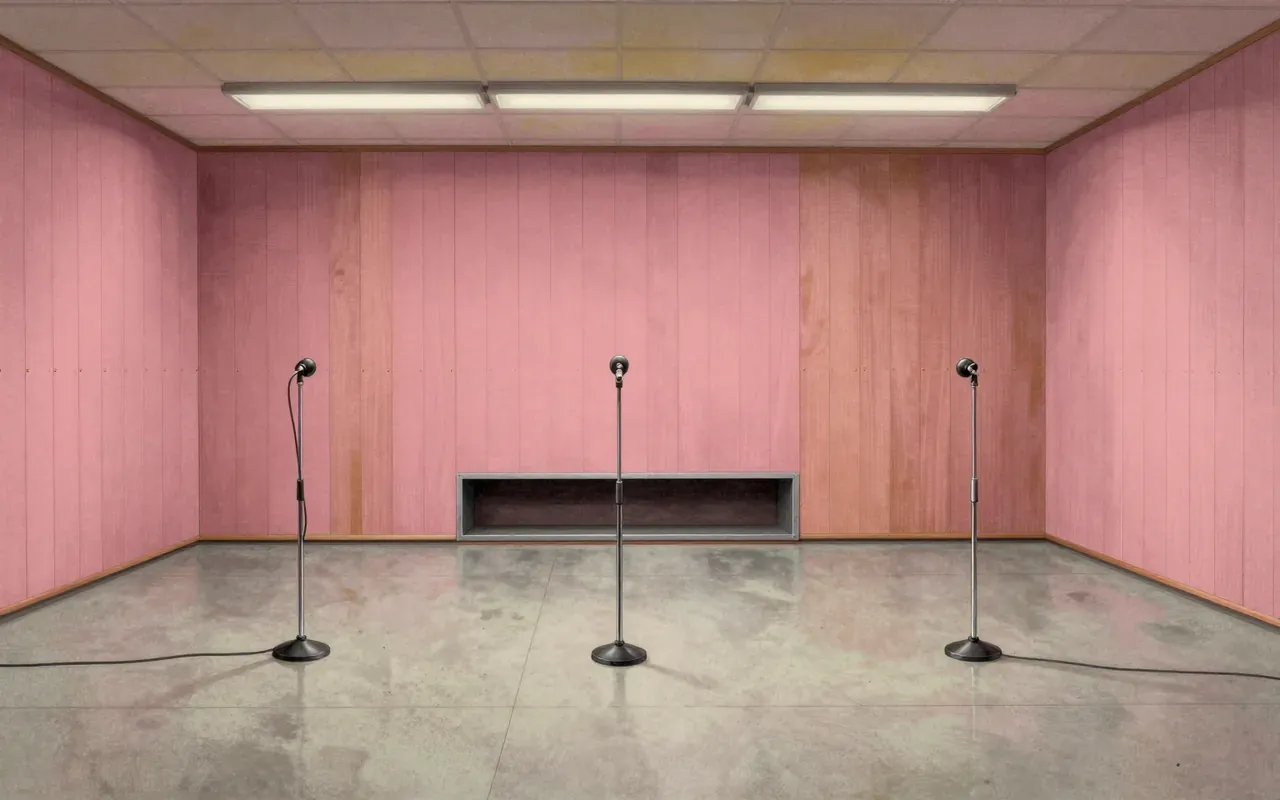
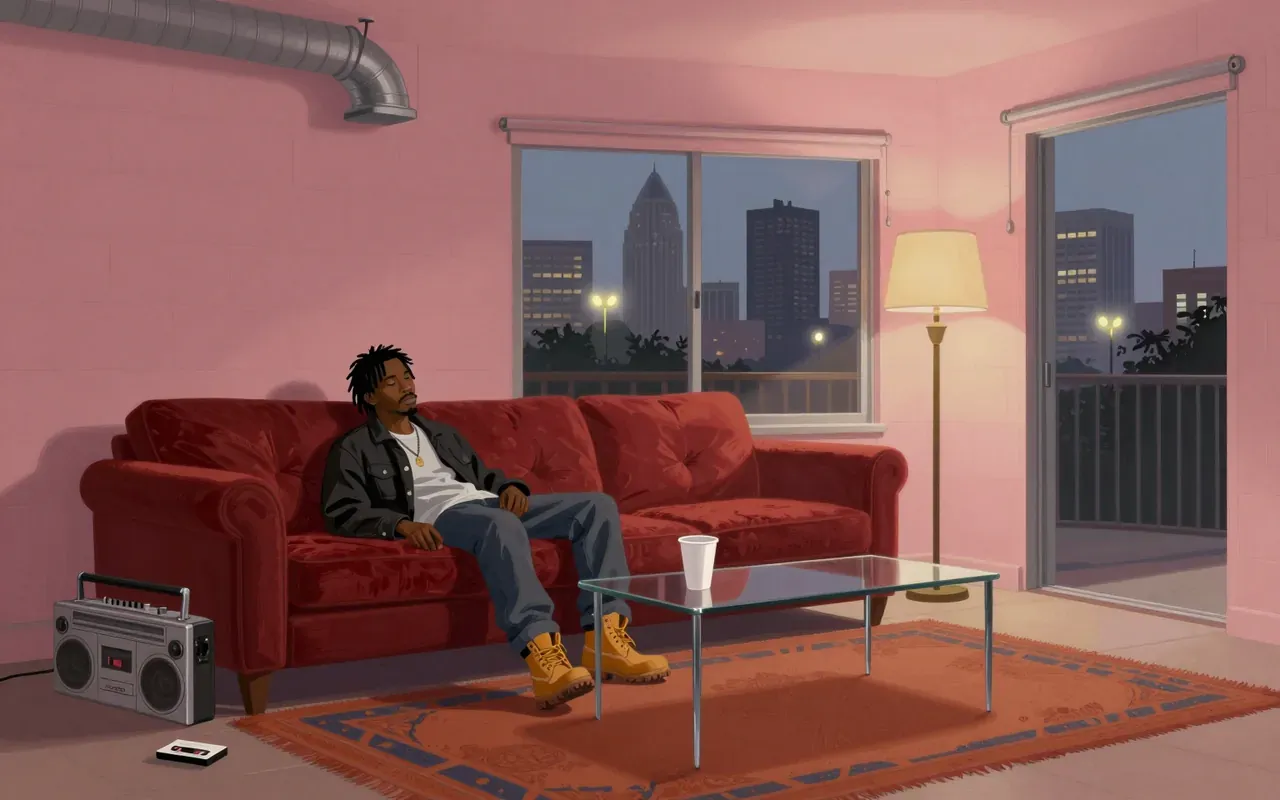
Like Water for Chocolate is a 2000 hip-hop album shaped by studio collaboration across Detroit and New York. Its sound is defined by space, incense-saturated atmosphere, and vocal interplay — not flash or density. It establishes Common as a thinker who works best in dialogue: with Jay Dee, with Slum Village, with Questlove, with DJ Premier. It falls short only in its length — the final third drifts without resetting the terms of engagement.
7:52

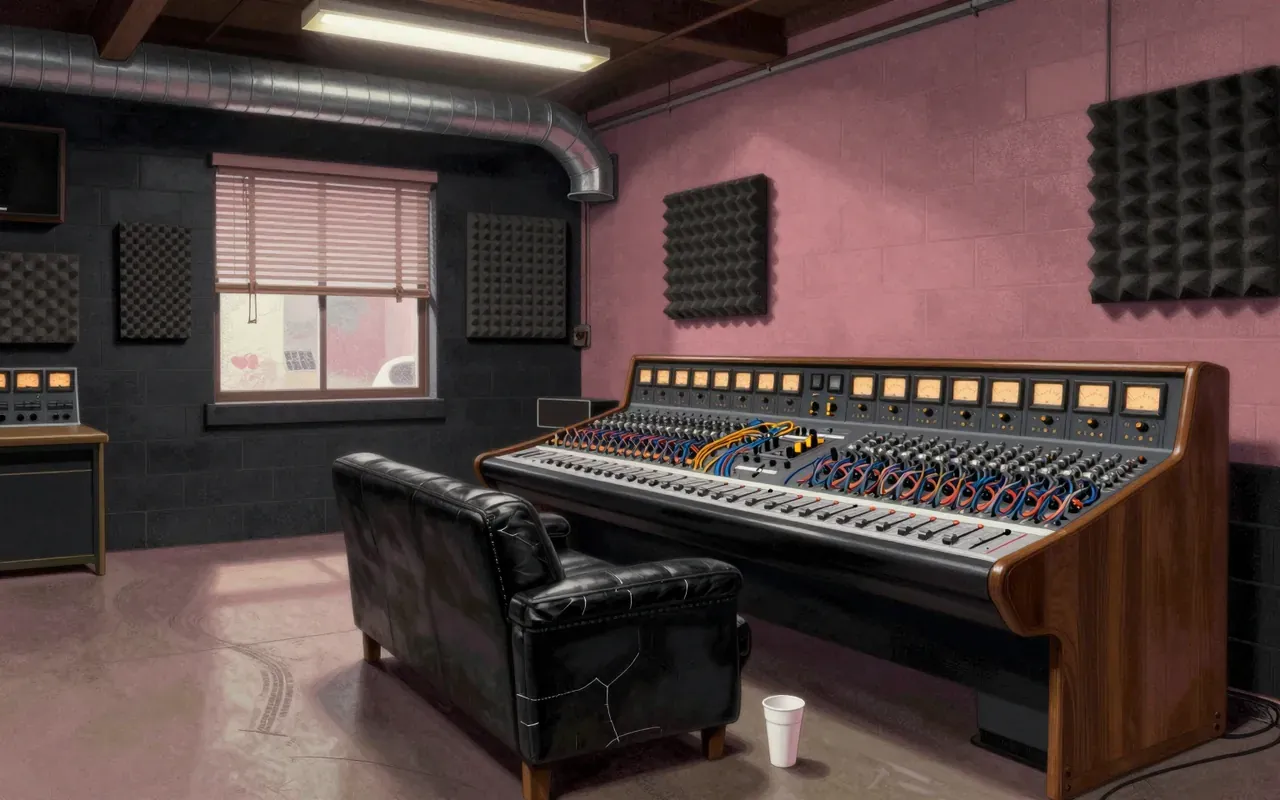
Liquid Swords

Genius/GZA · 1995

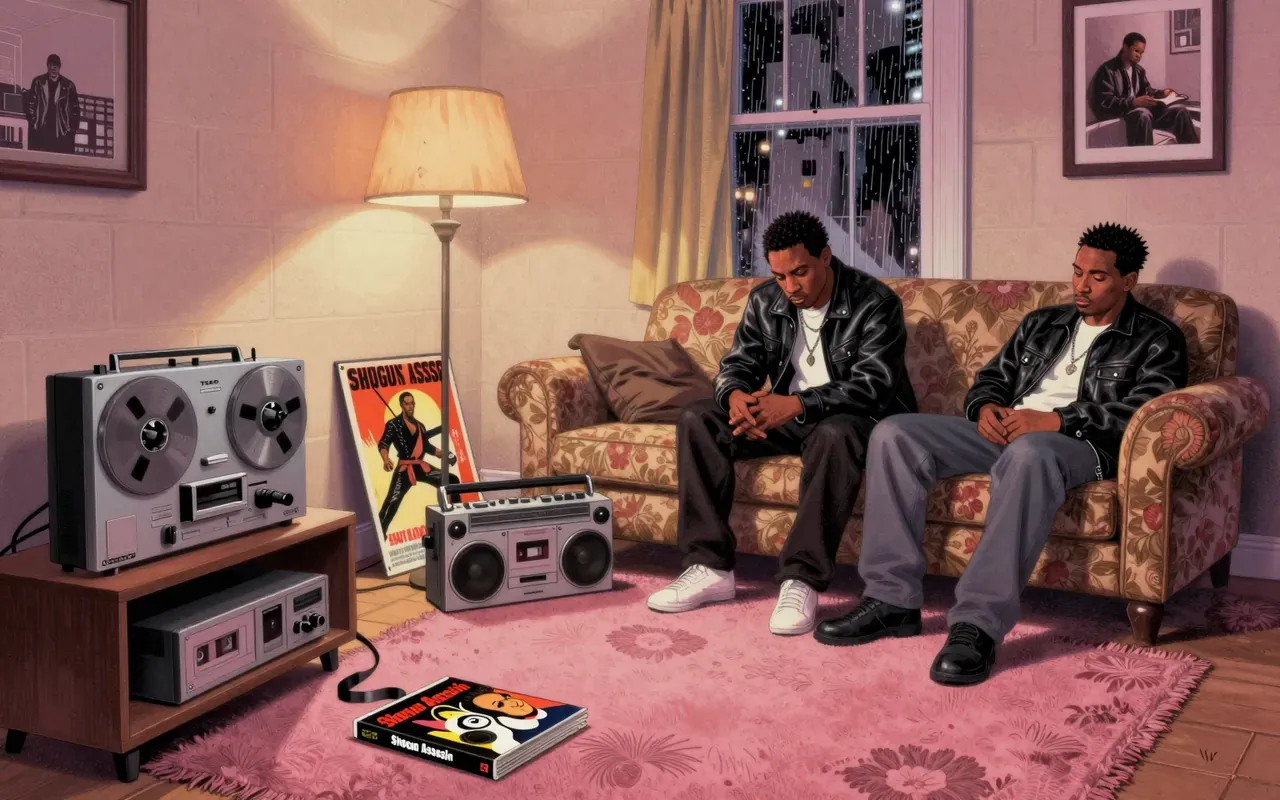
Liquid Swords is a 1995 hip-hop album made in RZA’s Staten Island basement. It uses Shogun Assassin dialogue samples, grimy rock-like beats, and GZA’s slow, assembled lyricism. All eight Wu-Tang members and Killah Priest appear. GZA considers it his best album for its chemistry and atmosphere — not lyrical prowess.

11:42

Made in Lagos

Wizkid · 2020

Made in Lagos is Wizkid’s fourth studio album, released 30 October 2020 after postponement from 15 October due to the End SARS protests. It fuses Afrobeats and R&B with mid-tempo production, rich local African percussions as its core, casually Auto-Tuned melodies, and meticulously complex beats. Themes include love, focus, goodwill, gratitude, and grace. It achieved commercial success and critical acclaim, reaching number-one on the Billboard World Albums chart. Its single 'Essence' featuring Tems became the first Nigerian song to chart on the Billboard Hot 100.

10:07

Master of Puppets

Metallica · 1986

A dry, precise, sober metal record made in Copenhagen to escape American studio acoustics. No synths. No gloss. No myth-making during recording. Themes: drugs, militaries, religion, rage, insanity, monsters.

10:00

Mothership Connection

Parliament · 1975

Mothership Connection is a 1975 Parliament concept album unified by an outer-space theme. It is the first Parliament album to feature Maceo Parker and Fred Wesley. It was conceived by George Clinton.

10:24

Muddy Waters at Newport 1960

Muddy Waters · 1960

Muddy Waters at Newport 1960 is Muddy Waters’ first live album and one of the first live blues albums. It includes a Grammy-nominated performance of ‘I’ve Got My Mojo Working’. It was recorded live at the Newport Jazz Festival in 1960.

9:58

My Beautiful Dark Twisted Fantasy

Kanye West · 2010

My Beautiful Dark Twisted Fantasy is a maximalist hip-hop record made in three simultaneous rooms at Avex Recording Studio in Honolulu, following Kanye West’s 2009 MTV VMA incident. It features contributions from Jay-Z, Kid Cudi, Pusha T, Justin Vernon of Bon Iver, and Gil Scott Heron. Released in November 2010, it received widespread critical acclaim and was accompanied by a 35-minute film. Its sound is dense, layered, and rigorously collaborative — built on discipline, not spontaneity.

11:10

Nebraska

Bruce Springsteen · 1982

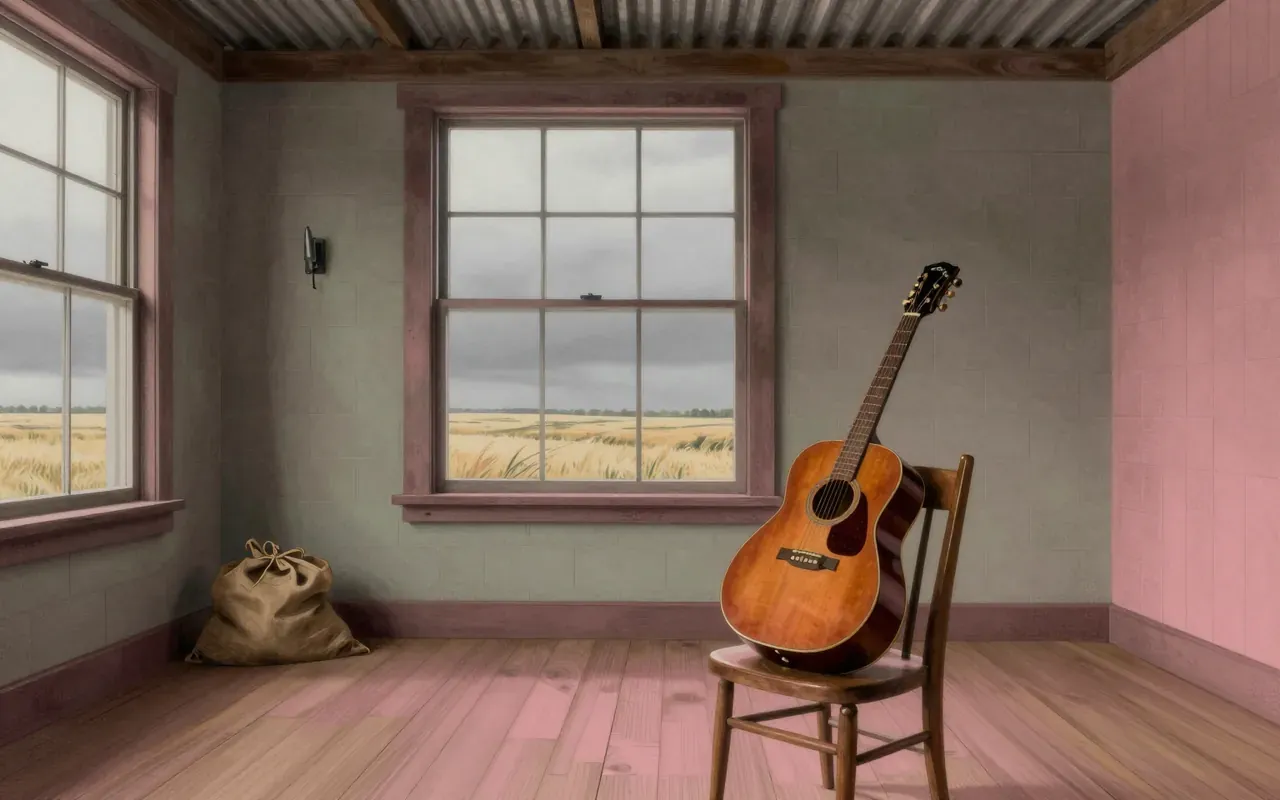
Nebraska is a solitary, unadorned document — recorded alone in a bedroom, mixed through damaged equipment, released because nothing else held the weight of its stories.

9:05

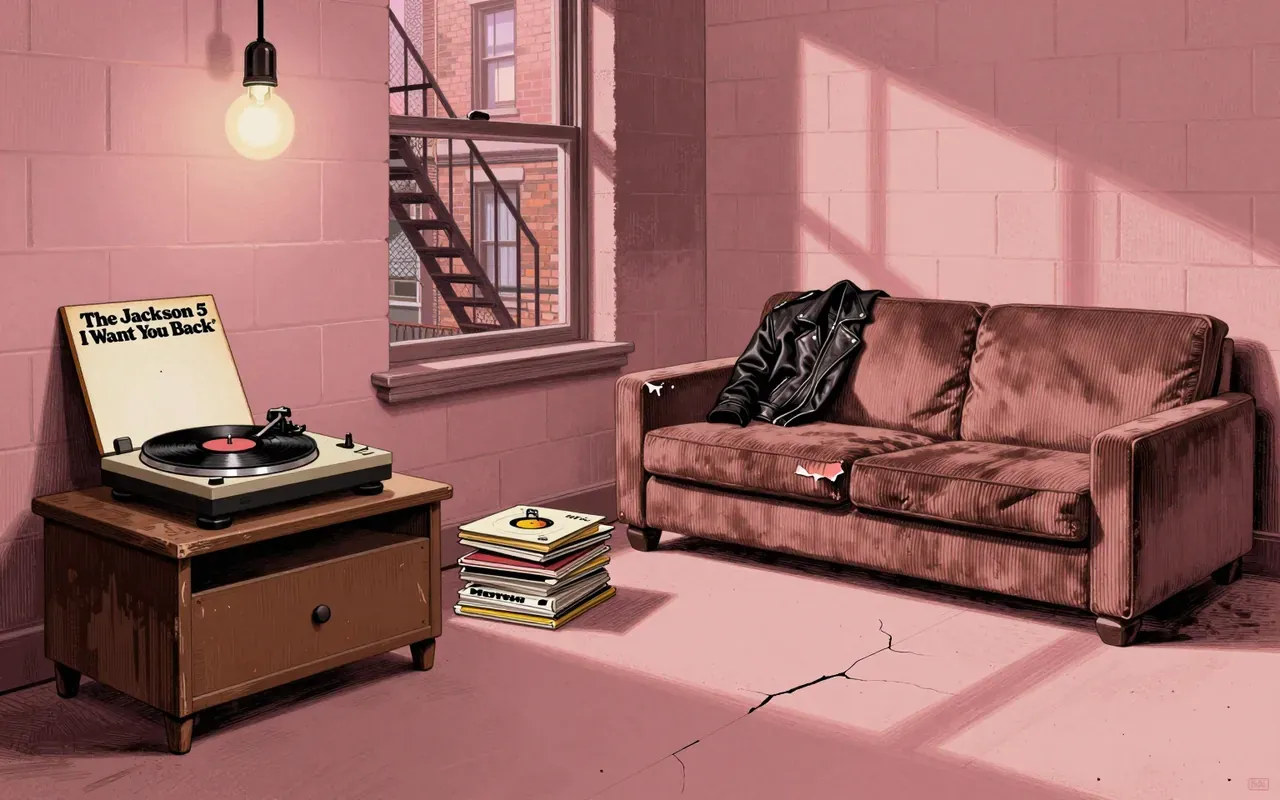
Northern soul

Northern soul wasn’t about soul music—it was about building a world from what the market discarded.
10:29

One Nation Under a Groove

Funkadelic · 1978

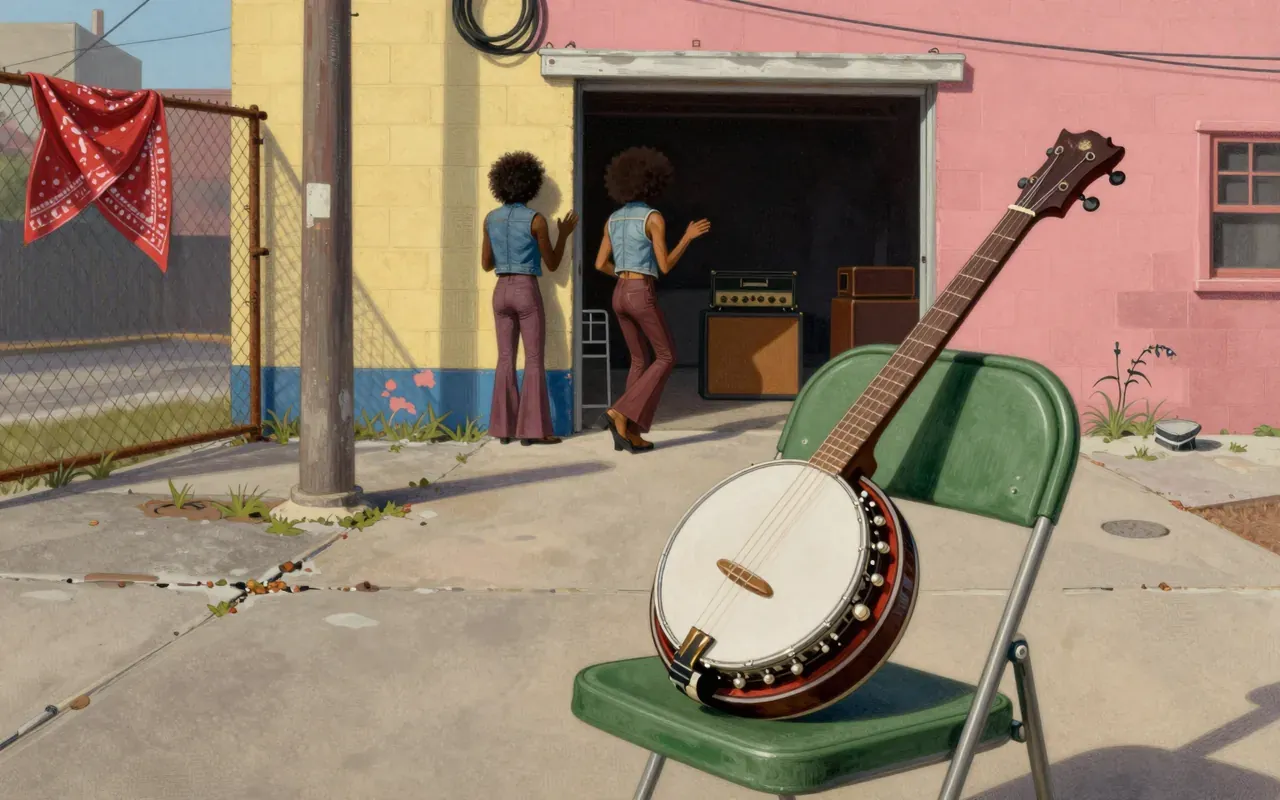
A functional, tightly wound funk record that trades psychedelic sprawl for groove discipline — built on fuzz, banjo, and Junie Morrison’s keys.

10:26

Only Built 4 Cuban Linx…

Raekwon · 1995

Only Built 4 Cuban Linx… is a tightly wound, cinematic hip-hop record built in a basement, not a boardroom. It trades Wu-Tang’s raw immediacy for layered tension — strings, piano, film samples, and deliberate pacing. Its story is narrow: cocaine, code, and climb. Its appeal is specific: if you lean into its rhythm and language, it pulls you in. If you wait for explanation, it leaves you outside.

9:52

Os Mutantes

Os Mutantes · 1968

Os Mutantes’ 1968 debut is a studio-built act of translation: Brazilian song forms, international pop, political critique, and musique concrète fused by Rogério Duprat’s arrangements and the trio’s instrumental resourcefulness. It is not seamless. It is not polished. It is specific, inventive, and sonically legible — right down to the hiss of bug spray.

10:02

Paid in Full

Eric B. & Rakim · 1987

Paid in Full is not a statement—it is a switch flipped. It replaced schoolyard cadence with internal metronomes. It replaced shout-and-response with quiet command. It replaced sampling-as-tribute with sampling-as-rewriting. It is lean. It is dry. It is complete.

11:42

Paranoid

Black Sabbath · 1970

Paranoid is a foundational rock record because it was made fast, live, and without pretence — not because it is ‘timeless’ or ‘iconic’, but because its sound is physically legible: the room, the strings, the drums, the decisions made in under half an hour.

9:04

Post-punk

Post-punk wasn’t a sound—it was a refusal to inherit.
9:40

Power, Corruption & Lies

New Order · 1983

New Order’s Power, Corruption & Lies is their second studio album, released 2 May 1983 by Factory Records. It features more electronic tracks and heavier synthesiser use than Movement. It combines post-punk roots with electronic influences into synth-pop, electropop, new wave, synth-rock, dance-rock, post-punk and dance-punk. At the time, it was the heaviest the band had ever flirted with electronica. Its sound has been characterised as a gentle portrait of ambient, post-industrial tenderness. '5-8-6' has been called a literal interpretation of early house music, with noted influences from Kraftwerk and Giorgio Moroder. Darker songs such as 'We All Stand' and 'Your Silent Face' are contrasted with brighter, more optimistic songs such as 'The Village'. 'Blue Monday' was recorded in the same sessions and released separately as a non-album twelve-inch single.

12:19

Raising Hell

Run‐D.M.C. · 1986

Raising Hell is hip-hop’s first platinum album—and its first declaration of creative sovereignty. It sounds like command, not compromise.

8:56

Ramones

Ramones · 1976

Ramones is the band’s debut album, recorded in January 1976 at Plaza Sound studio. Fourteen songs. All under two and a half minutes. Produced by Craig Leon with Tommy Ramone as associate producer. Budget: $6,400. Front cover photograph by Roberta Bayley.

10:33

Reasonable Doubt

Jay‐Z · 1996

Reasonable Doubt is a 1996 hip-hop album recorded across multiple studios — D&D, Giant, Progressive Music — with beats formed separately, including at Knobody’s mother’s home and during Ski’s sessions with Camp Lo. Its sound is defined by competitive beat submissions, improvisational lyricism (notably between Jay-Z and Biggie on 'Brooklyn’s Finest'), multi-location tracking over extended periods, and unfulfilled collaborations (e.g., Nas on two tracks).

8:10

Red Headed Stranger

Willie Nelson · 1975

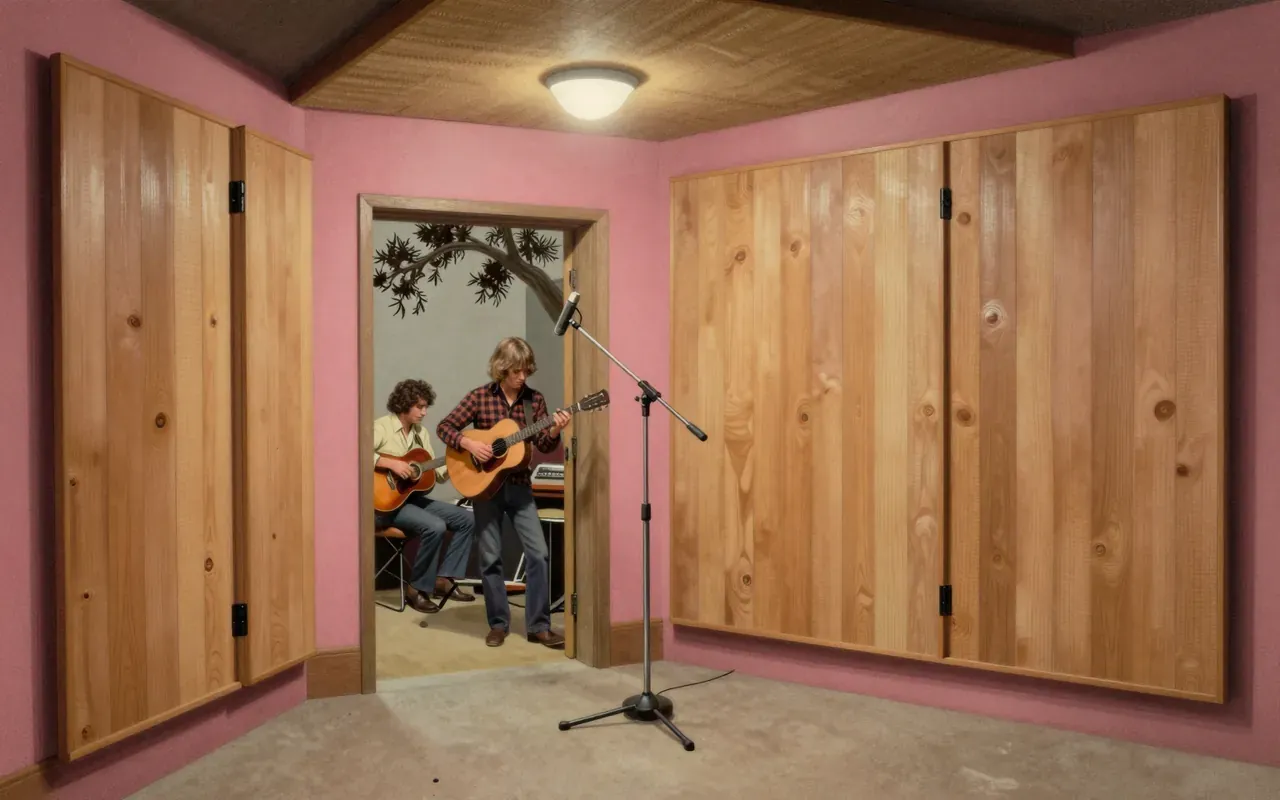
Red Headed Stranger is a 1975 concept album by Willie Nelson, recorded at low cost in a quiet cypress-panelled room at Autumn Sound Studios in Garland, Texas. It features sparse arrangements limited to Nelson's guitar, piano, and drums, with no equalisation and no additional production — a direct rejection of Nashville conventions. Columbia executives initially mistook it for a demo, but Nelson's creative control and Waylon Jennings' insistence secured its release. The album includes a cover of Fred Rose's 1945 'Blue Eyes Crying in the Rain', which became Nelson's first number one hit. Its power lies in restraint: the Bosendorfer piano's deep bass, the dry drum hits, the absence of reverb or ornamentation. It is a record about silence as moral weight.

9:22

Reign in Blood

Slayer · 1986

Reign in Blood is a surgical strike on metal production conventions. It replaces reverb with proximity. It replaces sprawl with velocity. It replaces myth with documentation. Its power comes from what it leaves out—not what it adds.

9:50

Rhythm & Sound

Rhythm & Sound · 2001

Rhythm & Sound’s 2001 self-titled album is a focused, collaborative re-engagement with Jamaican dub — defined by vocal partnerships, spatial production, and structural restraint.

10:36

Rigoletto

Giuseppe Verdi · 1989

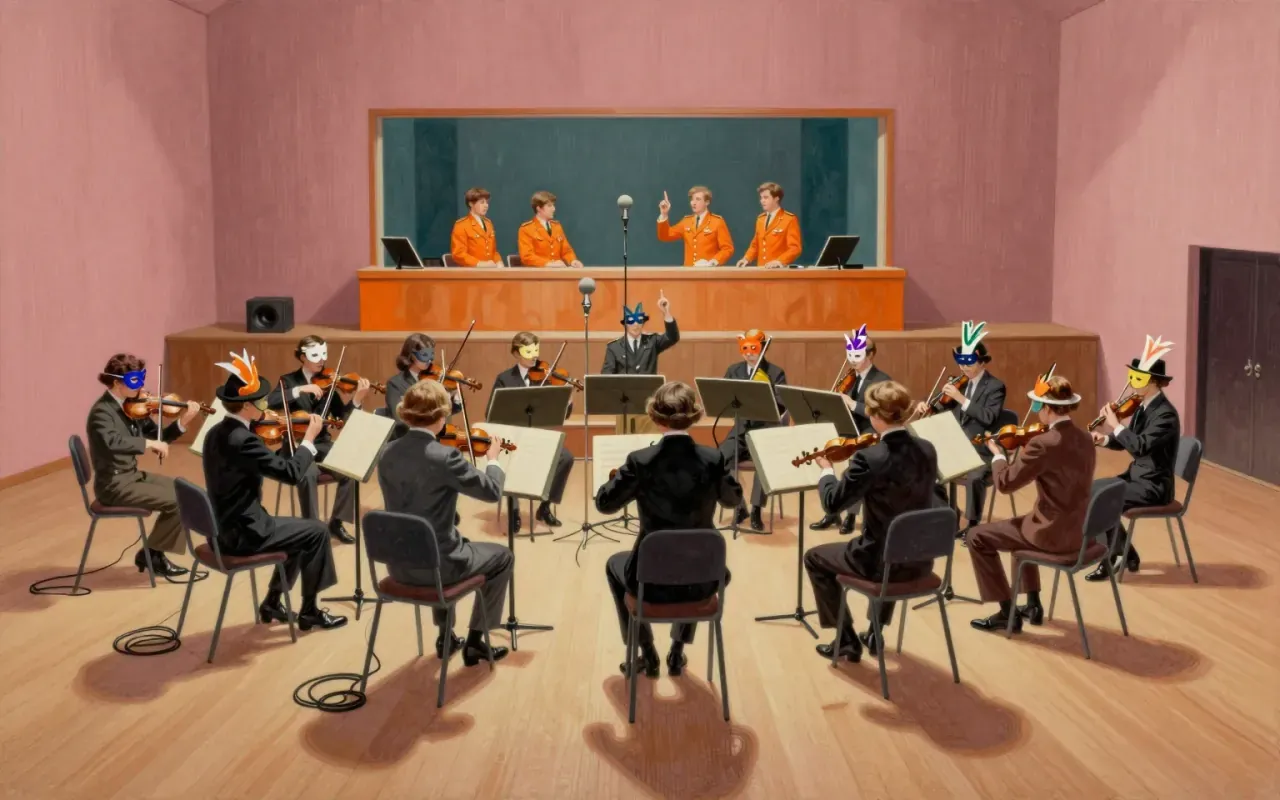
Rigoletto (1989) is a recording of Verdi’s 1851 opera, premiered at La Fenice in Venice. It uses offstage band, onstage chamber strings, and pit orchestra as distinct dramatic agents. Its innovations include melody assigned to low woodwinds and strings—not voices—in key duets; humming chorus as diegetic wind; and continuous pacing that replaces sectional numbers. Censorship shaped its structure: the Duke substitutes for royalty, and 'La donna è mobile' was rehearsed in isolation to control its impact. It contains only one conventional double aria and no concerted act finales. Julian Budden calls it revolutionary—comparable to Beethoven’s Eroica—for dissolving barriers between recitative and melody.

11:08

Risqué

Chic · 1979

Risqué is a studio-built rhythm document — not a song cycle, not a concept, not a statement. It is a demonstration of how much can be done with three instruments, four microphones, and one room.

9:39

Satyagraha

Philip Glass · 1985

Satyagraha is Philip Glass’s 1979 opera, recorded in 1985, based on Gandhi’s early South African years. It uses Sanskrit text, symphony orchestra, chorus, and solo voices to embody the concept of satyagraha — not narrate it. Repetition is its grammar. Resistance is its rhythm. It does not explain. It insists.

11:06

Seasons in the Abyss

Slayer · 1990

Seasons in the Abyss is Slayer’s fifth studio album, recorded across three Los Angeles studios between March and June 1990. Produced by Rick Rubin and co-produced by Andy Wallace, it was the band’s first release on Def American. It combines the speed of Reign in Blood with the melodic development of South of Heaven. The album features grim vocals, frenetic guitars, sonic distortion, tremolo strumming, and chromatic extensions. Its dual-vocal arrangement on 'Temptation' resulted from an accidental playback of two Tom Araya takes. It peaked at No. 40 on the Billboard 200 and was certified gold in 1992. The title track’s music video — filmed at the Giza pyramids — was the band’s first.

11:02

Shaft

Isaac Hayes · 1971

A double-album soundtrack composed by Isaac Hayes for the 1971 film Shaft. Mostly instrumental, written in early 1971 in response to raw footage, recorded over three days, then re-recorded at Stax Studios for richer sound.

10:06

Standards, Vol. 1

Keith Jarrett, Gary Peacock, Jack DeJohnette · 1983

Standards, Vol. 1 is the first album by the Keith Jarrett–Gary Peacock–Jack DeJohnette trio. Recorded over 2½ days in January 1983 in a Manhattan studio. No rehearsal. No pre-planned repertoire. Produced by Manfred Eicher. A deliberate turn toward jazz standards in contrast to early-1980s conventions.

11:44

Stankonia

OutKast · 2000

Stankonia is OutKast’s fourth album, recorded spring 1999–spring 2000 at their newly owned Stankonia Studios in Atlanta, released October 2000. It began life as Sandbox. It is a hip-hop record built on studio autonomy, guitar-led composition, and deliberate stylistic pivot from their earlier, darker work.

12:03

Straight Outta Compton

N.W.A · 1988

N.W.A’s Straight Outta Compton (1988) is a low-budget, high-impact declaration of intent — recorded in six weeks at Audio Achievements Studio in Torrance, California, for $12,000, using TR-808 beats, sampled horns and vocals, and razor-sharp writing by Ice Cube, MC Ren, and The D.O.C. Its sound is sparse, confrontational, and unvarnished. Its ideas are local, immediate, and uncompromising. Its legacy begins not with acclaim, but with backlash — and a warning label.

9:11

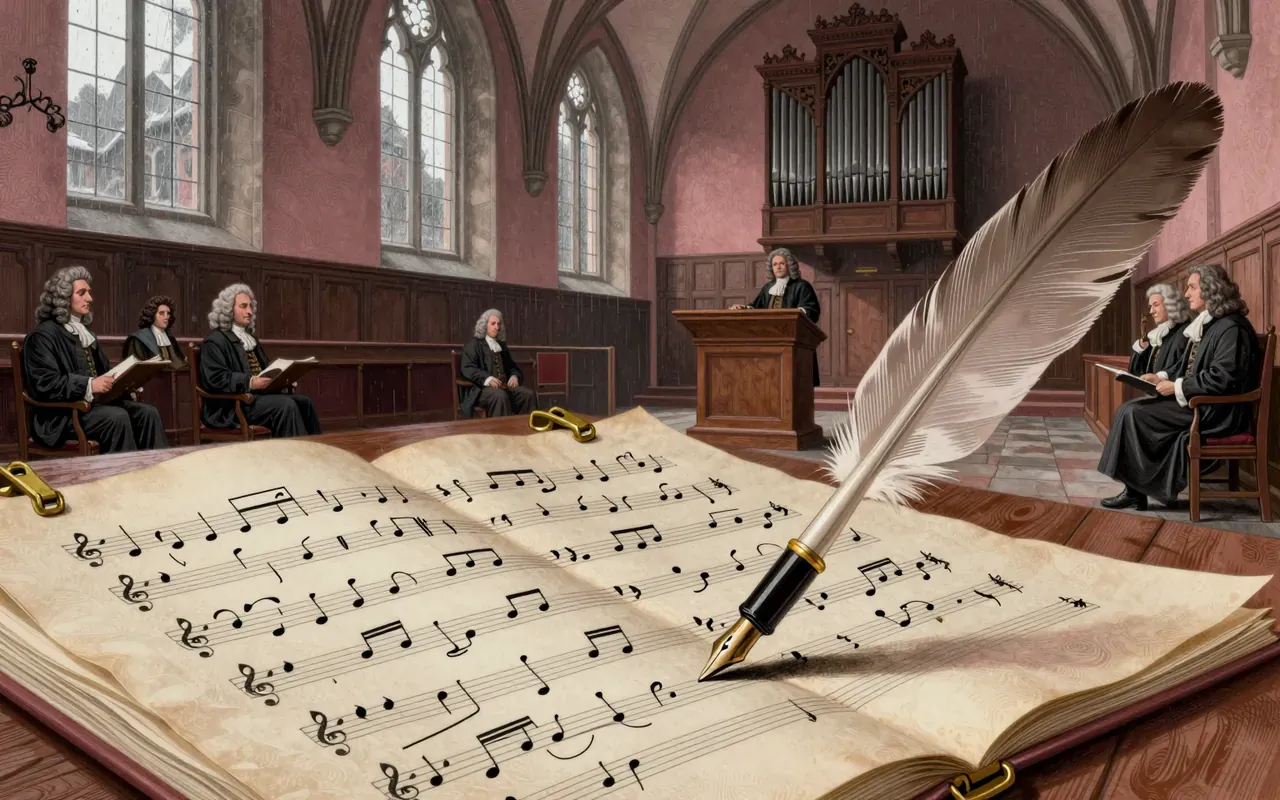
The Art of Fugue

Johann Sebastian Bach · 1995

The Art of Fugue is not a piece to be performed. It is a set of problems posed in musical notation. Its 1995 recording makes no claim to solve them — only to present the lines as clearly as possible. It is austere. It is complete in its incompleteness. It asks only that you follow the voices.

11:18

The Blueprint

Jay‐Z · 2001

The Blueprint is a 2001 New York hip-hop album built on soul samples, recorded in two weeks, anchored by four producers — Kanye West, Just Blaze, Bink, and Eminem — and defined by its refusal to waste a second.

9:27

The Chronic

Dr. Dre · 1992

The Chronic is Dr. Dre’s 1992 debut solo album, released under Death Row Records with Suge Knight as executive producer. Recorded at Death Row Studios in Los Angeles and Bernie Grundman Mastering in Hollywood, it established G-funk through fat, blunted Parliament-Funkadelic beats, live rolling basslines, whiny synths, and soulful backing vocals — using only one or few samples per song. Jon Pareles described its production as swampy synth bass, lone whistling or blipping keyboard lines, and wide-open spaces filled sparsely with rhythm guitar or keyboard chords. The Death Row Inmates — including Snoop Dogg, The D.O.C., Daz Dillinger, RBX, Kurupt, Lady of Rage, Warren G, Nate Dogg, Jewell, Colin Wolfe, and Chris 'The Glove' Taylor — convened at Dre’s Calabasas mansion and Solar Studios to write and record. Snoop contributed lyrics grounded in lived street experience and performed on nearly every track, often writing and developing melodies over partial beats during all-night sessions. Singles 'Nuthin' but a "G" Thang', 'Let Me Ride', and 'Fuck wit Dre Day' featured Snoop and defined the album’s cultural impact. 'Let Me Ride' won Best Rap Solo Performance at the 36th Annual Grammy Awards. The Chronic was certified triple platinum in 1993 and credited with launching G-funk into mainstream dominance.

9:34

The College Dropout

Kanye West · 2004

A self-produced hip-hop debut released in February 2004 after three postponements from its initial August 2003 date. It emerged from four years of beat-collecting, apartment-based production, LA studio sessions, and post-leak revision.

8:53

The Firebird

Igor Stravinsky · 1980

The 1928 Columbia recording is the first orchestral capture of Stravinsky’s 1910 ballet — conducted by the composer, using whole-tone and octatonic harmony as dramatic agents, and deploying extended techniques as deliberate ruptures. It is not nostalgic. It is not polite. It is structural storytelling in sound.

9:11

The Four Seasons

Antonio Vivaldi · 1977

A foundational work of programme music — vivid, intentional, and tightly bound to its textual guides.

9:33

The Heliocentric Worlds of Sun Ra, Volume 1

Sun Ra · 1965

The Heliocentric Worlds of Sun Ra, Volume 1 is a 1965 album of compositions and arrangements by Sun Ra played by Sun Ra and his Solar Arkestra. It was recorded at Studio RLA in New York on April 20, 1965, engineered by Richard L Alderson. The music is heavily percussive but dispenses with a continuous beat, reconstructing itself around interweaving compositional and improvisatory creative principles with programmatic affects. It exemplifies a radical break from previous notions of melody or harmony. The interwoven lines of Ronnie Boykins' bass and Sun Ra's electronic keyboards provide cohesion. Sun Ra directed the session in real time—stopping takes, assigning rhythms, revising horn parts, and reassigning solos based on his understanding of each player's strengths. The album was originally released with a black-and-white sleeve designed by Sun Ra. It belongs to Sun Ra's New York phase, marked by experimentalism, tape delay, spatial sound, free improvisation, expanded instrumentation, and pioneering use of synthesizers and electronic keyboards.

11:06

The Low End Theory

A Tribe Called Quest · 1991

A minimalist hip-hop record built on bass, drums and jazz logic—recorded on John Lennon’s old console, cleared of vinyl noise, and defined by the push-and-pull between Q-Tip and Phife Dawg.

10:08

The Marshall Mathers LP

Eminem · 2000

The Marshall Mathers LP is a studio document, not a statement. It sounds urgent, unvarnished, and deliberately unstable — built from overheard riffs, midnight calls, and marital rupture. Its power lies in how little it holds back — and how much it leaves unresolved.

10:15

The Message

Grandmaster Flash & The Furious Five · 1982

The Message is a 1982 hip-hop record that reoriented the genre toward social realism. Its sound is stripped: drum machine, bass synth, piano, and Melle Mel’s unadorned voice. No group members rap lead. No turntablism. No resolution. It documents, not consoles. It is foundational — not because it sounds like what came after, but because it sounds like nothing that came before.

11:05

The River

Bruce Springsteen · 1980

A 20-track double album released in October 1980. Springsteen’s fifth album. Conceived as a band record to capture the E Street Band’s live sound. Built from over 50 recorded songs. Originally planned as a single LP titled The Ties That Bind, scrapped in late 1979.

9:49

The Shape of Jazz to Come

Ornette Coleman · 1959

The Shape of Jazz to Come is Ornette Coleman’s third studio album and Atlantic Records debut, recorded on May 22, 1959, at Radio Recorders in Hollywood. It features Coleman (plastic Grafton saxophone), Don Cherry (cornet or pocket trumpet), Charlie Haden (bass), and Billy Higgins (drums). There is no chordal instrument. Each composition follows a structure of brief thematic statement, free improvisation, then repetition of the main theme—resembling bebop’s head-solo-head form but abandoning chord structures entirely. The album dispenses with harmonic accompaniment and focuses solely on improvised melodies and variations on themes and motifs. Its sound is defined by Coleman’s harsh Grafton timbre and the quartet’s collective, non-hierarchical interplay.

8:04

The Times They Are A‐Changin’

Bob Dylan · 1964

The Times They Are A‐Changin’ is Bob Dylan’s third album (1964). It reflects a more politicized phase. Songs address the murders of Medgar Evers and Hattie Carroll, the despair of rural economic collapse, and Dylan’s angry response to a hostile Newsweek profile.

11:29

Things Fall Apart

The Roots · 1999

Things Fall Apart is The Roots’ 1999 breakthrough album, recorded at Electric Lady Studios between 1997 and 1998 alongside other Soulquarian projects. It contains 14 tracks selected from ~145 recorded songs. It features Mos Def on 'Double Trouble', Common on 'Act Too', and a multi-vocalist arrangement on 'You Got Me'. It won Best Rap Performance By a Duo or Group at the 42nd Grammy Awards.

11:08

To Pimp a Butterfly

Kendrick Lamar · 2015

To Pimp a Butterfly is a live-band hip-hop record rooted in jazz, funk, and soul. It was recorded across five US studios with producers including Sounwave, Pharrell Williams, Terrace Martin, Thundercat, and Taz Arnold. Only 'Wesley’s Theory' from Flying Lotus’s early contributions made the final cut. 'Mortal Man' was written on tour. 'Alright' was previewed live in 2014. The album sold 324,000 copies in its first week and topped the Billboard 200 and UK Albums Chart. It explores Black identity, contradiction, and resilience through dense, dynamic arrangements—not lyrical abstraction alone.

8:59

undun

The Roots · 2011

Undun is a reverse-chronological hip-hop concept album about Redford Stevens, a fictional man whose life ends before it begins. Recorded in Philadelphia and New York City, produced by Questlove, it uses neo soul and indie textures played live by The Roots’ full band—including sousaphone, guitar, and keyboards. Guest rappers and vocalists appear, but never as decoration: each voice marks a pivot in Redford’s narrowing path. It refuses catharsis. It refuses explanation. It insists the tragedy is structural—not personal.

10:47

Violator

Depeche Mode · 1990

Violator is Depeche Mode’s 1990 album, co-produced by the band and Flood, recorded in mid-1989 across Milan, Gjerlev, and London, and mixed in London by François Kevorkian.

9:15

Yeezus

Kanye West · 2013

Yeezus is a record defined by constraint: made in a bad room, stripped under deadline, and built from industrial textures rather than melody.

12:10

Young, Gifted and Black

Aretha Franklin · 1972

A tightly constructed studio statement from Franklin’s commercial and creative peak — rooted in Miami, built by Wexler/Dowd/Mardin, anchored by originals and reframed covers.

10:23

Frankie Knuckles

He didn’t invent house music—he reverse-engineered disco into something new, using tape, time, and a borrowed drum machine.
10:00

Larry Levan

Larry Levan didn’t spin records—he conducted space, time, and feeling.
10:17

Laurie Anderson

She didn’t use tech to sound futuristic—she used it to make listening feel like labour.
13:00

After the Gold Rush

Neil Young · 1970

After the Gold Rush grew out of a home studio in Topanga Canyon and an unproduced apocalyptic screenplay by Young's friend Dean Stockwell. Recorded with members of both Crazy Horse and Crosby, Stills, Nash and Young, it moves between hushed piano ballads and rougher rock without settling into either, and its mix of environmental dread, personal breakup and blunt protest song has outlasted the film it was meant to score.

13:00

Ambient 1: Music for Airports

Brian Eno · 1978

Brian Eno's 1978 EMI release grew out of a bad afternoon at Cologne's airport and a conviction that background music could be more than wallpaper. Made from looped tape rather than a band, it named ambient music as a genre in the act of making it.

13:00

Are You Experienced

The Jimi Hendrix Experience · 1967

Are You Experienced is the debut studio album by the Jimi Hendrix Experience, built from sixteen sessions across three London studios over five months in 1966 and 1967. Produced by former Animals bassist Chas Chandler, who deliberately kept the band's newer members out of creative decisions, it introduced Hendrix's guitar playing and songwriting to Britain first, then America, and has stayed a fixture of best-album lists ever since.

13:00

Autobahn

Kraftwerk · 1974

Kraftwerk's fourth album, cut partly at their own Kling Klang studio and mostly at Conny Plank's countryside facility outside Cologne, marks the point where the group traded free improvisation for synthesiser-and-drum-machine pop. The side-long title piece, built to mimic the sound and feeling of a motorway journey, became an unlikely American hit and set the template the band refined for the rest of the decade.

13:00

Bitches Brew

Miles Davis · 1970

Recorded across three days in August 1969 at Columbia's Studio B, Bitches Brew pushed Miles Davis's turn toward electric instruments into a full, sprawling double album built from loose sketches, two bassists, up to three drummers and three electric pianists playing at once. Producer Teo Macero then spliced and looped the tapes into their final shape, a process as central to the record's identity as anything played live in the room.

13:00

Blue Lines

Massive Attack · 1991

Built across eight months and half a dozen London studios, Blue Lines slows hip hop's breakbeats down to a reggae and soul pace, with Shara Nelson and Horace Andy carrying the vocals. It is the record most often credited with starting trip hop, made by a group working from instinct rather than any stated genre plan.

13:00

Computerwelt

Kraftwerk · 1981

Kraftwerk's eighth album, built at the band's own Düsseldorf studio and released in 1981 in matching German and English editions, imagines home computers, pocket calculators and digital surveillance years before most listeners had encountered any of them. Made without a single piece of computer technology, it went on to shape early hip-hop, electro and dance production far beyond its own modest chart run.

13:00

Discovery

Daft Punk · 2001

Built at Thomas Bangalter's home studio in Paris over two years, Discovery pairs vintage drum machines and keyboards with heavily processed vocals to turn childhood memory into pop songwriting. It moved the duo from raw club tracks toward a more song-based sound and remains a high point for vocoder-driven dance music.

13:00

Electric Ladyland

The Jimi Hendrix Experience · 1968

Electric Ladyland is the Jimi Hendrix Experience's third and final album, a double LP recorded across New York and London studios with Hendrix credited as sole producer for the first and only time. Built from marathon takes, borrowed guests including Steve Winwood and Jack Casady, and engineer Eddie Kramer's studio experiments, it moves between blues jam, psychedelic pop and a Bob Dylan cover that outsold everything else the band released.

13:00

Endtroducing.....

DJ Shadow · 1996

Assembled over two years from an Akai MPC60 sampler and crates of used vinyl, DJ Shadow's Endtroducing turns funk, jazz, psychedelia and film dialogue into an almost entirely instrumental debut, moving between moods largely without a rapped verse to anchor them.

13:00

Expensive Shit

Fela Kuti · 1975

Recorded in 1975 out of the Kalakuta Republic compound, Expensive Shit compresses Fela Kuti's long standoff with Nigeria's police into two extended Africa '70 tracks: a title piece built from a real, absurd arrest, and Water No Get Enemy's gentler appeal to a Yoruba proverb about nature's staying power. Short in length, it is unusually complete for a Kuti record.

13:00

Future Days

Can · 1973

Made at Can's own Inner Space Studio after a scattering four-week holiday, Future Days trades the band's earlier rhythmic tension for unhurried, textured grooves built from Farfisa organ, field recordings and Jaki Liebezeit's constant, understated drumming, with Damo Suzuki's vocals reduced to a passing presence before his departure soon after.

13:00

Giant Steps

John Coltrane · 1960

John Coltrane's first album as leader for Atlantic gathers sessions from three dates in 1959, built around a rapid, major-third chord movement that has since become a standard saxophone exercise. Alongside the title track's difficulty sit gentler pieces named for his family, including the ballad Naima, showing the same harmonic ideas turned toward tenderness.

13:00

Harvest

Neil Young · 1972

Harvest turned an accident into Neil Young's biggest record. Unable to stand for long after hurting his back, he wrote and sang from a brace, recruited Nashville session players he called the Stray Gators, and folded in the London Symphony Orchestra for two tracks. The result gave him a number one single and a sound so widely copied he spent much of the next decade running from it.

13:00

Head Hunters

Herbie Hancock · 1973

Assembled after three increasingly abstract Mwandishi records, Head Hunters strips Hancock's sound down to bass, drums, reeds and Clavinet, turning a fifteen-minute groove into jazz's best-selling record of its era.

13:00

Heaven or Las Vegas

Cocteau Twins · 1990

On their sixth album the Cocteau Twins let daylight into their sound: Elizabeth Fraser's voice sits further forward, Simon Raymonde's bass fills the space Robin Guthrie's shrinking studio time left behind, and private upheaval, a new daughter, a dead father, shapes the record from underneath without ever being named.

13:00

Hunky Dory

David Bowie · 1971

Made after his backing band and management both fell away, Hunky Dory finds David Bowie composing on piano for the first time, tipping between domestic tenderness and grand artistic reinvention across eleven songs recorded at Trident Studios.

13:00

In a Silent Way

Miles Davis · 1969

Recorded in a single February 1969 session at Columbia's Studio B and shaped afterward by producer Teo Macero's editing, In a Silent Way marked Miles Davis's full turn toward electric instruments. Built from just two long pieces stitched from a handful of takes by an expanded band including three electric pianists and a guitarist new to New York, it plays as a hushed, largely beatless record that unsettled jazz and rock critics alike on release.

13:00

Innervisions

Stevie Wonder · 1973

Recorded largely single-handed with the TONTO synthesizer rig and released three days before the car crash that nearly ended his career, Innervisions finds Stevie Wonder swapping love songs for reportage, from drug addiction and urban decay to a coded jab at the White House.

13:00

Maxinquaye

Tricky · 1995

Tricky's debut, made after leaving Massive Attack, pairs his low, rapped vocals with Martina Topley-Bird's softer delivery over samples reworked past recognition through dub-influenced production. Recorded largely at his own home studio in 1994, the album explores intimacy, drug culture and the private grief of his mother's death beneath its hazy, downbeat surface.

13:00

Mezzanine

Massive Attack · 1998

Built around post-punk and industrial reference points that unsettled at least one founding member, Mezzanine pushes Massive Attack's sample-based sound into darker, bass-heavy territory, pairing guest vocalists Elizabeth Fraser and Horace Andy with a production process tense enough to end Andrew Vowles's time in the group.

13:00

Moondance

Van Morrison · 1970

Moondance is Van Morrison's third studio album, recorded at A&R Studios in New York in 1969 with Morrison producing for the first time in his career. Trading the loose, extended pieces of Astral Weeks for tighter songs built around a horn section, it became an immediate commercial and critical success and gave Morrison the sound he would be known for.

13:00

Music Has the Right to Children

Boards of Canada · 1998

Recorded at their own studio in the Pentland Hills on tape and vintage synthesisers left deliberately out of tune, this debut folds samples of children's television into a haze that sits somewhere between comfort and unease. At seventeen tracks it asks patience of a listener, but its sustained atmosphere remains close to unmatched.

13:00

Never Mind the Bollocks Here’s the Sex Pistols

Sex Pistols · 1977

Never Mind the Bollocks Here's the Sex Pistols is the only studio album by the Sex Pistols, recorded piecemeal at Wessex Sound Studios in London between 1976 and 1977 with producers Chris Thomas and Bill Price, and released by Virgin in October 1977. Glen Matlock wrote much of the material before quitting, Sid Vicious replaced him but barely played on the record, and guitarist Steve Jones ended up covering most of the bass parts himself. Retailers refused to stock it and some charts wouldn't print its title, yet it still went to number one.

13:00

Pink Moon

Nick Drake · 1972

Pink Moon is Nick Drake's third and final studio album, recorded in October 1971 at Sound Techniques in London with just Drake and engineer John Wood present. Twenty-nine minutes of voice, acoustic guitar and one piano overdub, it sold poorly on release and has since become one of the most quietly influential folk records of its decade.

13:00

Purple Rain

Prince, The Revolution · 1984

Purple Rain is the sixth studio album by Prince and his band the Revolution, released in June 1984 as the soundtrack to the film of the same name. Recorded mostly between May 1983 and March 1984 at several Minneapolis and Los Angeles studios, with the closing three tracks captured live at Minneapolis's First Avenue club, the record layers synthesisers, drum machines and guitar around songs Prince wrote almost entirely himself. It spent twenty-four weeks at number one on the American album chart and remains one of the best-selling records ever made.

13:00

Screamadelica

Primal Scream · 1991

Working with the acid house DJ Andrew Weatherall and engineer Hugo Nicolson, a Scottish guitar band reassembled its own recordings into a record that moves from gospel-soul swagger to dub-inflected drift without settling on one genre. It won the first Mercury Prize and remains the clearest document of guitar music meeting the dancefloor on equal terms.

13:00

Sgt. Pepper’s Lonely Hearts Club Band

The Beatles · 1967

Recorded across five months after the Beatles gave up live performance for good, this eighth album frames itself as a set by an imaginary Edwardian troupe, mixing music-hall whimsy, Indian classical instrumentation and orchestral overdubs into a record that helped establish the album, rather than the single, as pop's serious form.

13:00

Solid State Survivor

Yellow Magic Orchestra · 1979

Yellow Magic Orchestra's second album turns Hideki Matsutake's Microcomposer sequencing and Chris Mosdell's English lyrics into fully electronic pop songs, repurposing a watch-commercial jingle into Behind the Mask and naming a coming genre outright in Technopolis, years before Detroit techno existed to claim the word.

13:00

Station to Station

David Bowie · 1976

David Bowie's tenth album, cut at Cherokee Studios in late 1975 while he shot a film and lived on a diet of peppers and cocaine, sets the funk band from Young Americans against a new, mechanical pulse borrowed from German records. The result is the hinge between his LA period and the trilogy that followed.

13:00

Sticky Fingers

The Rolling Stones · 1971

Sticky Fingers is the Rolling Stones' ninth studio album, released in April 1971 on their newly formed Rolling Stones Records label. Recorded between December 1969 and 1971 at Muscle Shoals in Alabama, Olympic Studios in London, and via the band's mobile studio at Stargroves, it was the first Stones album to feature guitarist Mick Taylor throughout and the first since the death of Brian Jones. Jimmy Miller produced, with Andy Warhol contributing the album's famous zip-fastened cover. It became the band's first album to reach number one in both Britain and America.

13:00

Super Ape

The Upsetters · 1976

Credited to Perry's house band the Upsetters, Super Ape reached Jamaica and the rest of the world as two related but differently sequenced records in 1976. Built from echo, dropout and heavy re-recording rather than conventional songwriting, it stands as one of dub's clearest demonstrations of production as authorship.