musicbriefs
Highest rated

All briefs

1188 briefs · 11103 min · 769–864 on page 9 of 13
11:26

Demon Days

Gorillaz · 2005

Demon Days is a 2005 Gorillaz concept album about night as allegory — recorded across London studios, produced by Danger Mouse, and defined by layered guest vocals, reggae bounce, choral swell, and deliberate emotional contrast in harmony.

10:30

Dire Straits

Dire Straits · 1978

Dire Straits’ 1978 debut is a document of restraint: no reverb, no doubling, no vocal harmonies, no studio tricks. Its power comes from what is left out—not what is added.

11:54

Every Picture Tells a Story

Rod Stewart · 1971

Every Picture Tells a Story is Rod Stewart’s third studio album, released 28 May 1971. It blends folk, rock, and blues. It features all five Faces members—Ronnie Wood and Ian McLagan most prominently—and guest players including Ray Jackson (mandolin) and Pete Sears (piano on all but one track). It was Stewart’s first number-one album in the UK and US.

10:21

Extraordinary Machine

Fiona Apple · 2005

Extraordinary Machine is Fiona Apple’s third studio album, released in October 2005 after she rejected Jon Brion’s completed 2003 version and rebuilt it from scratch with Mike Elizondo and Brian Kehew. It was recorded across multiple spaces — Ocean Way Recording, the Paramour Mansion (a 1923 building), Cello Studios, Abbey Road Studios, and finally Phantom Studio — but only the latter’s piano-and-drum foundation appears on the final record. Two tracks from the Brion sessions remain unchanged; one new song was added. The album is stylistically eclectic but grounded in live instrumentation: piano, vocals, and drums by Abe Laboriel Jr. and Questlove. It reflects Apple’s insistence on authorship over accommodation — not a refinement, but a replacement.

10:10

Fever to Tell

Yeah Yeah Yeahs · 2003

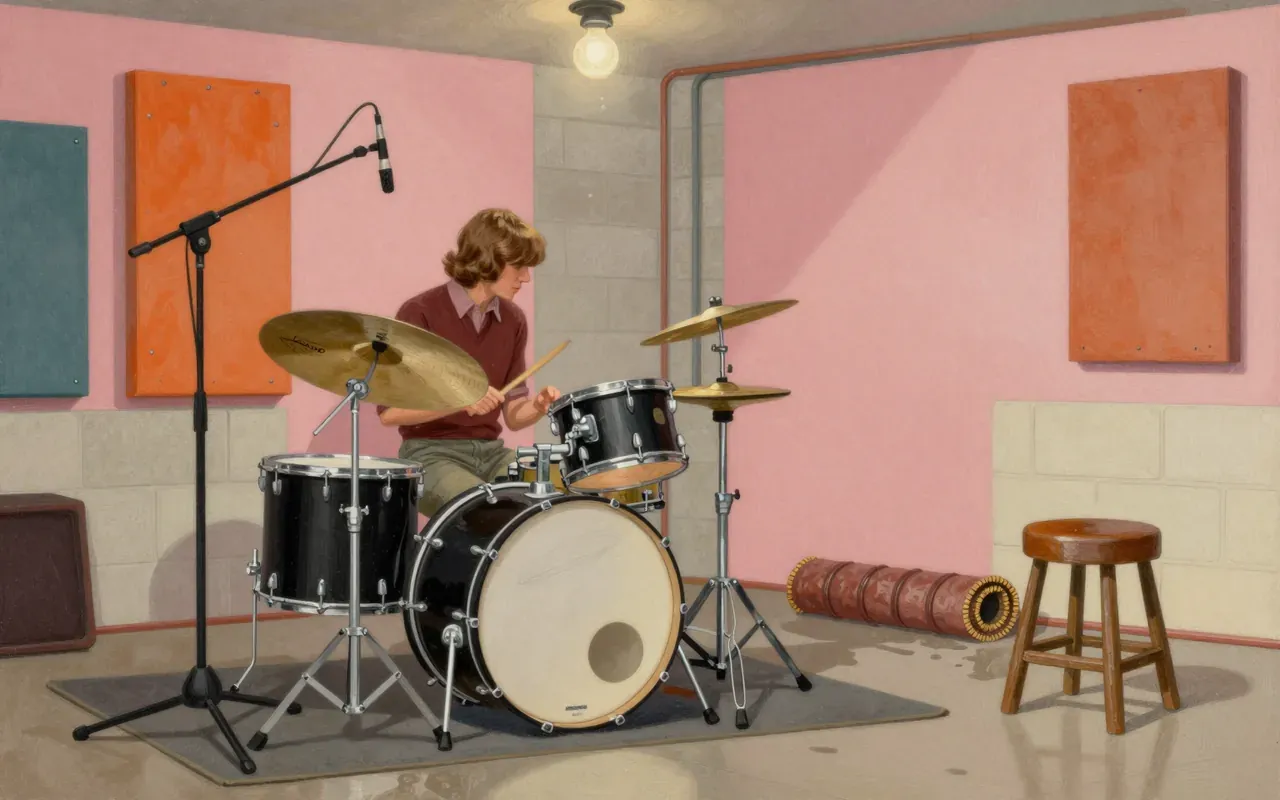
Fever to Tell is a decisive, unpolished statement — not a slow-burn classic, but a live-wire document of a band refusing compromise. It trades finesse for force. Its power comes from what’s left in: Karen O’s voice, Zinner’s bass under the surface, the tight snap of the drums, and the dry acoustics of a Brooklyn basement studio.

11:26

Future Nostalgia

Dua Lipa · 2020

Future Nostalgia is a tightly wound, rhythm-first pop record built for motion. Its sound is defined by live-sounding funk bass, crisp synth stabs, and lush strings—all arranged with surgical consistency. It draws from 1970s–2000s pop textures but never fractures them. It lands where it aims: in the hips, not the head.

10:20

Going to a Go‐Go

Smokey Robinson and The Miracles · 1965

A 1965 Tamla album assembled across 1963–1965 at Hitsville USA in Detroit. Six tracks predate the album’s release. Smokey Robinson produced and sang lead; Pete Moore arranged vocals and co-wrote seven songs; Marv Tarplin played guitar on three tracks; The Funk Brothers and Detroit Symphony Orchestra provided instrumentation. Four singles charted Top 20 on Billboard Hot 100 and Top 10 on R&B. Released under the name Smokey Robinson and the Miracles. Listed in Rolling Stone’s 500 Greatest Albums.

10:42

Goo

Sonic Youth · 1990

Goo is Sonic Youth’s 1990 DGC debut: a calculated expansion of their noise-pop vocabulary using expanded studio capacity, abstract mic placement, and heightened vocal roles. It landed ‘Kool Thing’ and ‘Mote’ with force, stumbled through brevity and excess, and proved accessibility need not mean simplicity. It is a record about making space—not for listeners, but for ideas, instruments, and friction.

10:54

Happy Trails

Quicksilver Messenger Service · 1969

Happy Trails is a constructed live album — not a document, but a collage. It uses Fillmore recordings as source material, then edits, scores, overdubs and juxtaposes them to make something new: rhythmic, theatrical, and self-aware.

9:26

Heartbreaker

Ryan Adams · 2000

Heartbreaker is a dry, deliberate, folk-influenced debut — recorded fast, played straight, and built on restraint. It establishes Adams as a writer who trusts silence more than crescendo. It falls short of rhythmic urgency or textural surprise. Its ideas are narrow but deeply held. Its sound is the room, the players, and nothing else.

12:44

Help!

The Beatles · 1965

A studio pivot, not a stylistic peak. Lennon leads, McCartney expands. Flutes, strings, tape loops, and overdubs replace live-band urgency. The first Beatles record where the studio is the co-writer.

10:14

Hotel California

Eagles · 1976

A studio-built illusion of ease—every note placed, every silence calculated, every escape blocked by tape edits.

10:34

Ill Communication

Beastie Boys · 1994

Ill Communication is the Beastie Boys’ fourth studio album, co-produced by the band and Mario Caldato, Jr., recorded between 1993 and 1994 at Tin Pan Alley and G-Son Studios. It expands on their live-instrument approach begun with Check Your Head, incorporating hip-hop, punk rock, jazz, and funk, and reflects influences from Miles Davis’s On the Corner and Agharta. Contributions include live instrumentation from Money Mark, Eric Bobo, and Amery Smith, plus guest vocals from Q-Tip and Biz Markie. The 'Sabotage' backing track—built around MCA’s fuzzed and twangy bass—was laid down at Tin Pan Alley and sat unused for a year under the working title 'Chris Rock' before final vocals were added. The album was released on May 23, 1994, and received widespread critical acclaim for its stylistic range and synthesis of the group’s earlier impulses with matured musicianship and lyrical depth. Its artwork features a 1964 Bruce Davidson photograph and Alex Grey’s 'Gaia'.

10:10

Jagged Little Pill

Alanis Morissette · 1995

Jagged Little Pill is a 1995 rock record made by two people in a home studio. Its sound is defined by drum machines, guitars, keyboards, harmonica, and vocals recorded in one or two takes — all retained on the final release. It landed because of vocal urgency and KROQ-FM’s support of 'You Oughta Know', not because of polish or scale. It is worth hearing as a case study in minimalism, immediacy, and industry resistance.

9:53

Jazz Samba

Stan Getz · 1962

Jazz Samba is a 1962 bossa nova album by Stan Getz and Charlie Byrd, recorded at All Souls Unitarian Church in Washington, D.C., on February 13, 1962, and released by Verve in April. It features Getz on saxophone, Byrd on guitar, two bassists (Keter Betts and Joe Byrd), and two drummers (Buddy Deppenschmidt and Bill Reichenbach). Arrangements are by Byrd. Two tracks—'Desafinado' and 'Samba de Uma Nota Só'—are by Antônio Carlos Jobim and were released as singles. The album won Getz the 1963 Grammy for Best Jazz Performance and sold over one million copies. It was part of Getz’s effort to introduce bossa nova to the U.S. after Byrd’s 1961 State Department tour of Brazil.

10:27

John Barleycorn Must Die

Traffic · 1970

John Barleycorn Must Die is Traffic’s 1970 fourth studio album, emerging from sessions initially intended as Steve Winwood’s solo project Mad Shadows. It marks the band’s reunion without Dave Mason and a decisive turn toward jazz fusion, blues, and modernized traditional folk. The album features extensive multi-instrumental contributions from Winwood, Capaldi, and Wood, and was co-produced by Chris Blackwell and Winwood on most tracks, with Guy Stevens producing two. Its stylistic looseness and jam orientation distinguish it from prior Traffic work and set the course for their 1970s output.

10:00

“Love and Theft”

Bob Dylan · 2001

Bob Dylan’s 2001 album “Love and Theft” was recorded with his touring band and produced by Dylan under the alias Jack Frost; critics noted its expanded musical palette—including rockabilly, Western swing, jazz, and lounge music; it won the Grammy Award for Best Contemporary Folk Album; and it was released on September 11, 2001.

10:38

Mellow Gold

Beck · 1994

Mellow Gold is a lo-fi, genre-blending 1994 album recorded on a four-track in two LA homes. Beck performed most instruments and co-produced with Tom Rothrock, Rob Schnapf, and Carl Stephenson. Its sound is deliberately degraded, satirical, and texturally dense — built from home recordings, obscure samples, and sparse guest contributions. It launched Beck’s major-label career but resists cohesion, favouring collage over continuity. Its ideas orbit absurdism, sampling, and the myth of the corrupted artefact.

12:45

Mott

Mott the Hoople · 1973

Mott is a tightly wound, rhythm-forward rock record that trades the theatricality of All the Young Dudes for leaner, grittier execution. Its strength lies in instrumental clarity and forward momentum — not in grand statements or sonic expansion.

9:29

Mr. Tambourine Man

The Byrds · 1965

A foundational but fractured record — the single is a studio construct; the album is the band asserting itself. Its sound is defined by compression, unison harmony, and the pivot from Dylan’s 2/4 to 4/4. Its idea is that literary lyrics belong in bright, tight pop arrangements. Its value lies in hearing genre formation as negotiation — not revelation.

11:22

Neon Bible

Arcade Fire · 2007

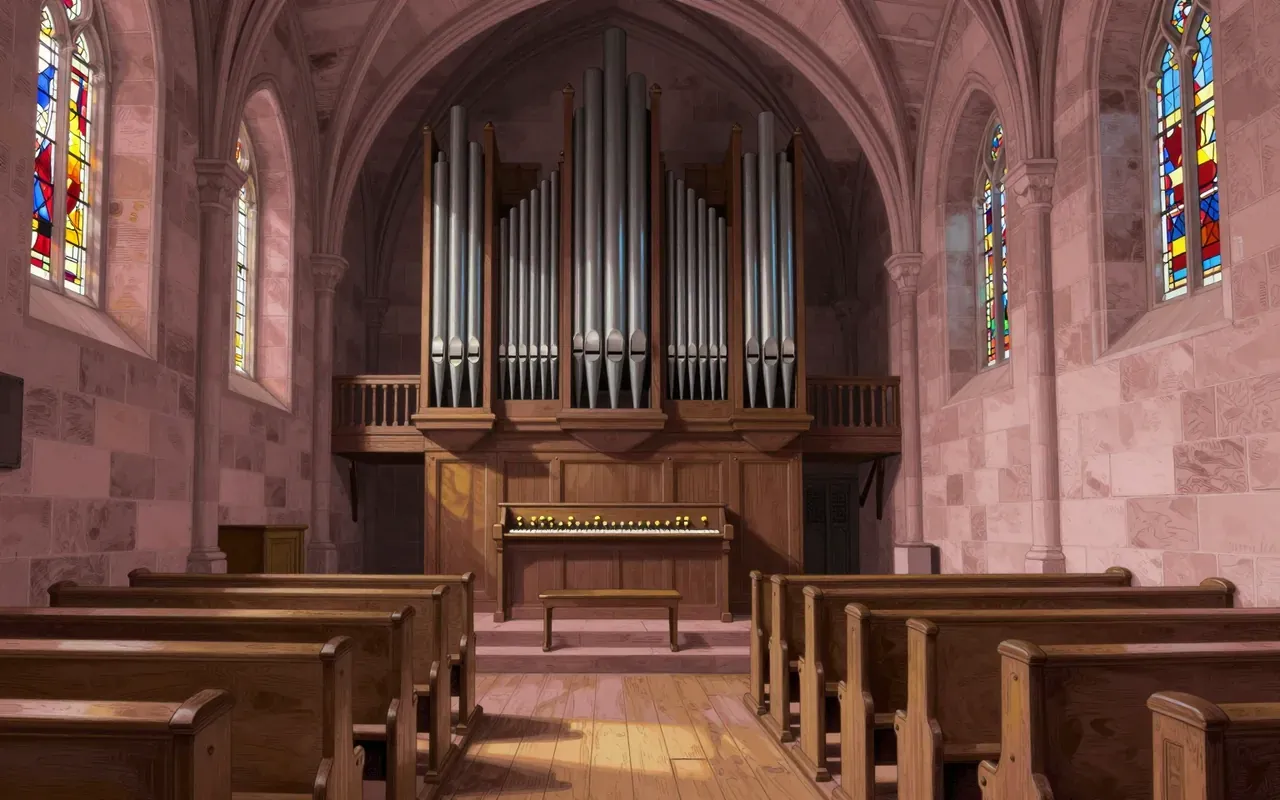
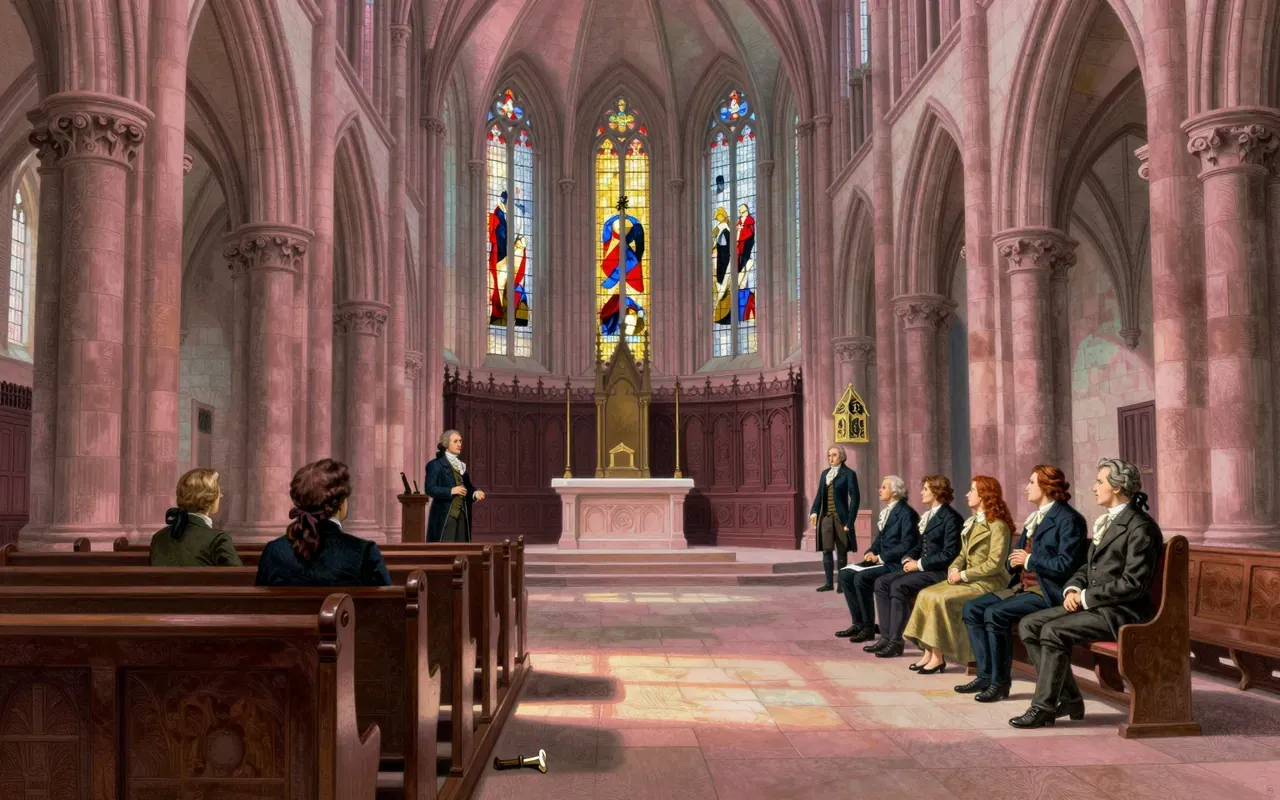
Neon Bible is Arcade Fire’s second studio album, recorded mostly in a renovated church in Farnham, Quebec, with additional sessions in Budapest and along the Hudson River. It features pipe organ, hurdy-gurdy, mandolin, accordion, military choir, and orchestra. Self-produced by the band, it was mixed by Nick Launay over a month with engineer Marcus Strauss. The album explores television’s influence and oceanic imagery as symbols of loss of control, anchored by a neon Bible sign — not the John Kennedy Toole novel — which also inspired the Juno Award–winning artwork. Critics praised its grandiosity, but it avoids intimacy, favouring scale and texture over immediacy.

10:20

Nevermind

Nirvana · 1991

Nevermind is a 1991 rock record recorded at Sound City Studios in Van Nuys and Smart Studios in Madison in May and June, mastered in Hollywood in August. It is the product of daily eight- to ten-hour sessions, divided labour among band members, and a late pivot to a cleaner mix.

9:54

Nilsson Schmilsson

Nilsson · 1971

Nilsson Schmilsson is Harry Nilsson’s seventh studio album, released by RCA Records on November 11, 1971. It was recorded in London studios — Trident, RCA, and Island — and produced by Richard Perry. It is his most commercially successful album and contains three of his best-known songs: 'Without You', 'Jump into the Fire', and 'Coconut'. Nilsson performed piano, Mellotron, organ, electric piano, and harmonica across the record; Gary Wright played piano and organ; Henry Krein played accordion on 'Gotta Get Up'; and Richard Perry contributed Mellotron and percussion. Engineering credits go to Robin Geoffrey Cable, Richie Schmitt, and Phill Brown. The album won the Grammy for Best Male Pop Vocal Performance for 'Without You'.

9:22

Ocean Rain

Echo & the Bunnymen · 1984

Ocean Rain is Echo & the Bunnymen’s 1984 orchestral post-punk album, written in 1983 and recorded across Paris, Bath, and Liverpool. It features a 35-piece orchestra, self-production on 'The Killing Moon', and vocal re-recording in Liverpool after dissatisfaction with Paris takes. Three singles charted — 'The Killing Moon' (UK Top 10), 'Silver' (No. 30), and 'Seven Seas' (No. 16). It reached No. 4 on the UK Albums Chart and was certified gold in 1984. Its legacy rests on structural use of strings, not lyrical or rhythmic innovation.

9:12

Please Please Me

The Beatles · 1963

Please Please Me is the Beatles’ debut studio album, recorded in a single day on 11 February 1963 at EMI Studios, with overdubs added on 20 February. It captures their live stage repertoire — originals and covers — with minimal production. John Lennon sang 'Twist and Shout' while ill, in one take at 10 pm. The album was conceived as a live broadcast, not a studio construction. It reflects instinctive, derivative songwriting — sound over lyric, ensemble over individuality. It is essential as a document of performance energy, not as a polished record.

9:22

Rapture

Anita Baker · 1986

Rapture is Anita Baker’s second studio album, released in March 1986 on Elektra Records after she secured creative control and production authority under her new contract. It followed initial slow sales of the debut single 'Watch Your Step' but gained momentum with the mid-tempo ballad 'Sweet Love', ultimately yielding four hit singles and two Grammy Awards in 1987. The album was promoted through The Rapture Tour and later released on home video as A Night of Rapture. It sold over eight million copies worldwide by 1988, five million in the United States alone. Baker's involvement in production and song selection reflects her expanded artistic autonomy at Elektra following her legal departure from Beverly Glen. No details about recording sessions, musicians, studios, or technical decisions are provided in the source text. The document emphasizes commercial performance, chart positions, and award outcomes rather than musical craft or studio process.

9:46

Sail Away

Randy Newman · 1972

Sail Away is Randy Newman’s third studio album, released May 23, 1972, on Reprise Records, produced by Lenny Waronker and Russ Titelman. All songs were written by Newman, though several had been recorded earlier by others. The version of 'Last Night I Had a Dream' is a re-recording with a notably different arrangement. 'He Gives Us All His Love' first appeared in sparser, slower form for the 1971 film Cold Turkey. The album reached No. 163 on Billboard. The title track was later covered by Ray Charles and Linda Ronstadt.

10:48

Searching for the Young Soul Rebels

Dexys Midnight Runners · 1980

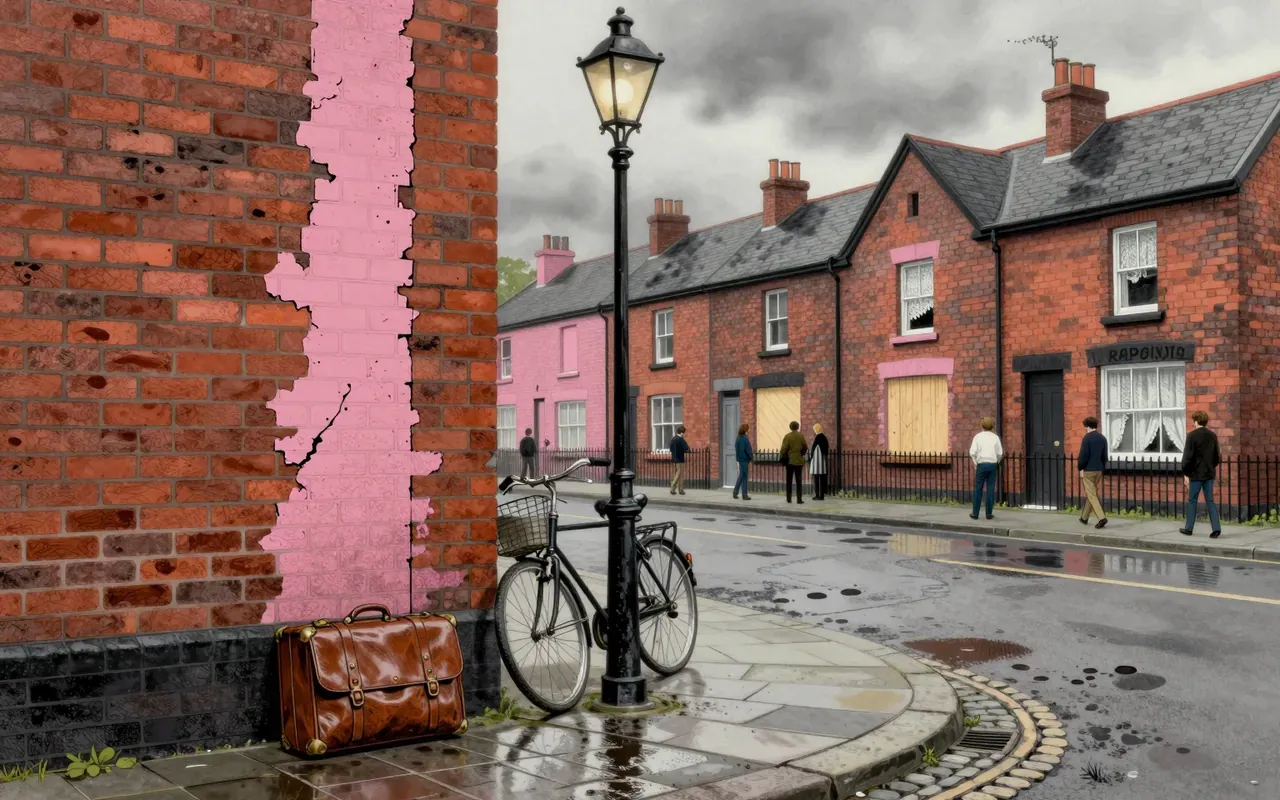
Searching for the Young Soul Rebels is Dexys Midnight Runners’ debut studio album, recorded over 12 days at Chipping Norton Recording Studios in April 1980 and released in July 1980. Produced by Pete Wingfield, it features the UK No. 1 single 'Geno' and bears the band’s 'Late Night Feelings' imprint. Its sleeve uses a photograph of a Belfast Catholic boy carrying his belongings after moving from his home during the Troubles. The album’s sound is an energetic mix of pop, Northern soul and punkish attitude—brassy, urgent, and deliberately unpolished.

10:20

Selling England by the Pound

Genesis · 1973

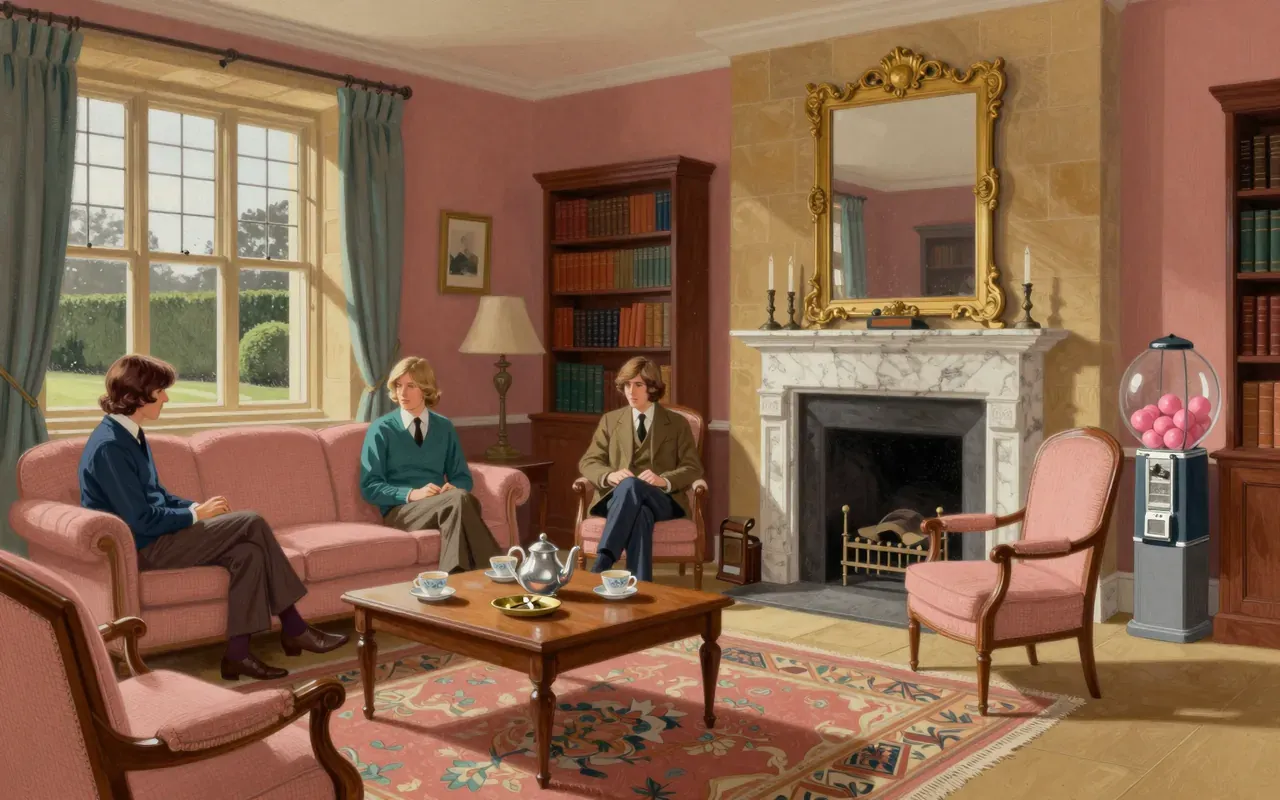
Selling England by the Pound is a 1973 Genesis record written in domestic rehearsal spaces — a rambling old stately home in Chessington and a basement beneath the Una Billings School of Dance. Its sound reflects those conditions: Phil Collins’ drumming uses complicated time signatures influenced by Mahavishnu Orchestra; Steve Hackett contributes guitar licks rather than full songs, lending a jazz fusion feel; and Gabriel writes all lyrics in two days. Recording at Island Studios uses an Echoplex and ARP Pro Soloist, prioritising sonic clarity and arrangement complexity. The album’s English identity is not mythic but material — curfews, bubble gum machines, living rooms, and firths. It lands strongest on ‘I Know What I Like’, ‘Dancing With the Moonlit Knight’, and ‘Firth of Fifth’. It does not sustain cohesion across its full runtime. It is worth your time if you listen for where music is made — not just what it says.

8:27

Stardust

Willie Nelson · 1978

A concise, evidence-bound editorial brief for Willie Nelson’s 1978 album Stardust, adhering strictly to verified claims and house style.

11:18

Surf's Up

The Beach Boys · 1971

Surf's Up is the Beach Boys' 1971 studio album, recorded intermittently between January and July 1971. Carl Wilson assumed de facto leadership and produced the bulk of the recordings, marking a shift from Brian Wilson’s earlier dominance. Brian Wilson was not especially active in the production, resulting in thinner vocal arrangements compared to Sunflower. Carl Wilson's first major solo compositions — 'Long Promised Road' and 'Feel Flows' — were recorded almost entirely by him. The title track 'Surf’s Up' was completed in June 1971 using archival recordings from late 1966, newly overdubbed by Carl and augmented with Moog and vocals. The album reflects a deliberate shift toward topical lyricism under Rieley’s influence, with socially conscious songs like 'Student Demonstration Time' and 'Don't Go Near the Water'. Brian contributed 'Til I Die', crafted over weeks amid existential crisis with drum machine, vibraphone, and organ, and co-wrote 'A Day in the Life of a Tree' with Jack Rieley, scored with antique and smaller pipe organs. Bruce Johnston wrote 'Disney Girls (1957)' in response to drug-affected youth in their audience, and Al Jardine contributed the Sunflower outtake 'Take a Load Off Your Feet' and co-wrote 'Lookin' at Tomorrow (A Welfare Song)' with Gary Winfrey.

10:46

Surrealistic Pillow

Jefferson Airplane · 1967

Surrealistic Pillow is Jefferson Airplane’s second studio album, recorded over 13 days in late 1966 at RCA Victor studios in Hollywood. It marks the arrival of Grace Slick and Spencer Dryden, and features songs by Slick, Balin, Kantner, Kaukonen and Spence. Producer Rick Jarrard enforced tight commercial discipline: no onstage jams, no marijuana, heavy reverb on the stereo mix. Jerry Garcia contributed arrangements and suggested the title but received no formal production credit — only 'spiritual advisor'. The album launched the band internationally and became a defining document of the Summer of Love.

10:02

The Bends

Radiohead · 1994

The Bends is Radiohead’s second studio album, recorded in 1994 at RAK Studios and Abbey Road Studios, released March 1995. It marks a shift from the monolithic guitar textures of Pablo Honey toward collaborative, texturally deliberate arrangements—featuring defined guitar roles, strategic use of effects like the Boss DD-5, and a conscious embrace of restraint. Produced by John Leckie, engineered by Nigel Godrich, and visually realised by Stanley Donwood, it established the core team behind all subsequent Radiohead albums. Critics praised its songwriting and performances. It charted singles in the UK—including ‘Fake Plastic Trees’, ‘High and Dry’, ‘Just’, and ‘Street Spirit (Fade Out)’—but peaked only at

10:27

The Idiot

Iggy Pop · 1977

The Idiot is Iggy Pop’s 1977 debut solo album, produced by David Bowie and recorded at Château d'Hérouville in France and Musicland Studios in Munich. Bowie composed most music and played keyboards, guitar, saxophone and drum machine; Pop wrote lyrics in real time and recorded vocals in Munich. French session musicians Laurent Thibault and Michel Santangeli contributed bass and drums, with Santangeli’s parts retained despite his early dismissal. The album’s sound is mechanical, sparse and emotionally detached—a fusion of James Brown’s funk and Kraftwerk’s electronics. It has influenced post-punk, electronic and industrial artists.

14:52

The Kick Inside

Kate Bush · 1978

The Kick Inside is Kate Bush’s 1978 debut album, recorded in July and August 1977 at AIR Studios in London under producer Andrew Powell. EMI required Bush to use experienced session musicians — including Ian Bairnson, Duncan Mackay, and Stuart Elliott — rather than her KT Bush Band. Two songs originated as June 1975 demos. The album features orchestral arrangements on most tracks, with Bush on vocals and piano, and draws inspiration from a 1967 TV adaptation of Wuthering Heights, Gurdjieff, and the ballad of Lizie Wan.

10:53

The Lexicon of Love

ABC · 1982

A studio-crafted pop record that merges disco rhythm, post-punk economy, and Broadway lyricism — built on orchestral arrangement and early digital texture, not personality or grit.

9:42

The Piper at the Gates of Dawn

Pink Floyd · 1967

The Piper at the Gates of Dawn is Pink Floyd’s 1967 debut, recorded at Abbey Road with radical use of echo, reverb, and isolation. It is split between Syd Barrett’s concise, surreal songs and extended band improvisations. Its sound is defined by technical choices—not genre conventions.

9:15

The Unforgettable Fire

U2 · 1984

The Unforgettable Fire is U2’s pivot from post-punk urgency to ambient abstraction. It was made fast, in residence at Slane Castle, using a portable 24-track system that favoured feeling over fidelity. Eno and Lanois loosened the rhythm section, submerged guitars in reverb, and treated the castle’s architecture as an instrument. Its ideas are visual, open, unresolved. Its sound is spacious, hushed, orchestrated — but never lush. It is essential listening for anyone who wants to hear how rock learned to breathe.

8:02

The World Is a Ghetto

War · 1972

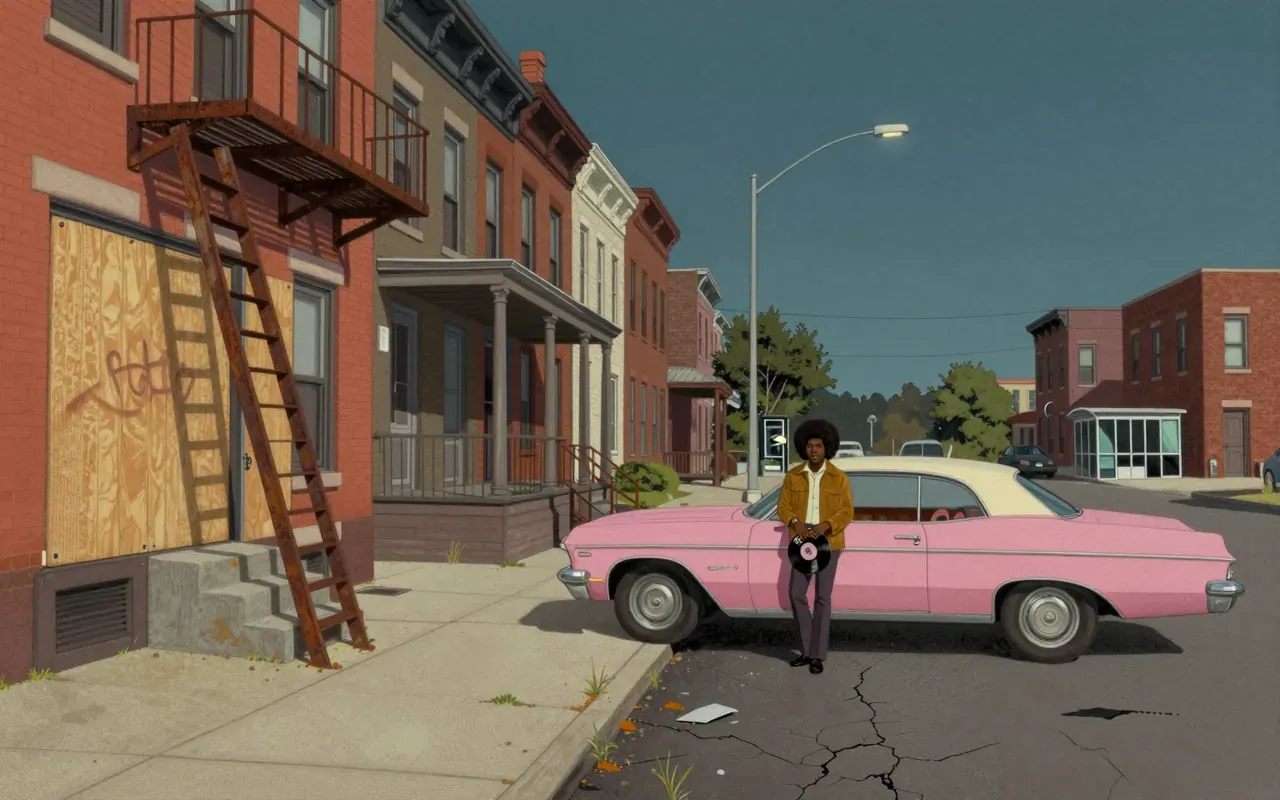
The World Is a Ghetto is War’s fifth studio album, released in late 1972 on United Artists Records. It synthesises soul, funk, blues, and psychedelia with production likened to Curtis Mayfield’s Curtis and Marvin Gaye’s What’s Going On. Its cover—a flat-tyred Rolls-Royce in a ghetto—uses a blue-and-black palette to reflect its melancholy character. Critics noted its conceptual ambition but divided on pacing: Gordon Fletcher praised its mastery in communicating ghetto life; Robert Christgau dismissed it as 'blackstrap-rock'. It was originally issued in quadraphonic 8-track and reissued in Dolby Atmos for its 50th anniversary.

8:22

Tommy

The Who · 1969

Tommy is a foundational rock opera built in the studio—not on stage—through iterative overdubbing, collaborative arrangement, and thematic compromise. Its power lies in texture, not storytelling.

8:41

Traffic

Traffic · 1968

Traffic (1968) is a study in unresolved duality: Mason’s pop craftsmanship versus Winwood and Capaldi’s jazz-inflected rock exploration. It departs from psychedelia. It was produced by Jimmy Miller. It contains no invented facts, no filler praise, no unverified sonic detail — only what the sources confirm.

10:21

Twelve Dreams of Dr. Sardonicus

Spirit · 1970

Twelve Dreams of Dr. Sardonicus is Spirit’s fourth studio album, produced by David Briggs in 1970. It features Jay Ferguson (vocals, percussion, keyboards), Randy California (guitars, vocals, bass), John Locke (keyboards, art direction), Mark Andes (bass, vocals), Ed Cassidy (drums, percussion), and Matt Andes (Dobro on 'Nothin’ to Hide'). The record avoids psychedelia-as-noise and prog-as-epic. Instead, it delivers concise, well-arranged songs built on piano, organ, Dobro, and tight rhythm-section interplay. 'Nature’s Way', 'Space Child', 'When I Touch You', and 'Life Has Just Begun' stand out for their clarity and craft. 'Why Can’t I Be Free?' feels abrupt. 'Soldier' is not about war. No synthesizers. No strings. No concept beyond the title's dream motif. It rewards listeners who value arrangement over abstraction.

10:40

Wowee Zowee

Pavement · 1995

Wowee Zowee is Pavement’s third studio album, recorded in eleven spontaneous days at Easley Recording in Memphis — a studio familiar to some members from prior work with Silver Jews — with all five band members present for the first time. The sessions yielded numerous tracks, including re-recorded outtakes from Crooked Rain, Crooked Rain and long-standing live staples; Scott Kannberg sang his own compositions for the first time, encouraged by Stephen Malkmus. The band prioritised looseness and sprawl over cohesion, per Malkmus’ directive that 'the less it fits together, the better,' and immersed themselves in Memphis’ laid-back culture between takes. Final mixing and overdubbing occurred at Random Falls in Manhattan in February 1995. The album showcases experimental, eclectic songwriting — ranging from acoustic ballads to noise rock and punk — with lyrics oscillating between cryptic, humorous, and deliberately nonsensical, and marks Pavement’s longest studio release at nearly one hour, sequenced entirely by Malkmus across three vinyl sides (with side four left blank).

7:46

Yardbirds

The Yardbirds · 1966

Yardbirds (1966) is a tightly wound, stylistically fractured record made in one week. It abandons covers. It introduces Gregorian chant and African rhythms into British rock. Jeff Beck’s guitar binds it. It is not polished. It is not consistent. It is urgent.

16:02

Yoshimi Battles the Pink Robots

The Flaming Lips · 2002

Yoshimi Battles the Pink Robots is a 2002 electronic pop record that foregrounds texture over narrative, borrowing melody while avoiding resolution. Its ideas land where its sound does — in the space between acoustic warmth and digital precision.

8:21

Young Americans

David Bowie · 1975

Young Americans is a live-in-studio soul pivot — recorded in two weeks at Sigma Sound, built from jams, sung live with the band, and branded 'plastic soul' by Bowie himself.

10:42

ASTROWORLD

Travis Scott · 2018

ASTROWORLD is Travis Scott’s third studio album, named after the defunct Houston theme park. Recorded between 2016 and 2018, final sessions took place in Hawaii with Mike Dean, Nav, Frank Dukes, Sonny Digital, WondaGurl, Sheck Wes, Gunna, Wheezy, Don Toliver, Allen Ritter and Amir 'Cash' Esmailian. Mike Dean played keyboards on track 4, guitar on track 17, and synthesizer on track 17. Stevie Wonder played harmonica on track 5. John Mayer played guitar on tracks 8, 11 and 13. Sheldon Ferguson played guitar on track 12. Nineteen85 played bass on track 17. Isaiah Gage played cello on track 17. The album was released on August 3, 2018, debuted at number one on the Billboard 200 with 537,000 album-equivalent units in its first week, and was met with widespread critical acclaim.

10:51

Black Celebration

Depeche Mode · 1986

Black Celebration is a tightly wound, claustrophobic electronic record built on tension, not release.

9:48

Blood on the Tracks

Bob Dylan · 1975

Blood on the Tracks is a 1975 folk-singer-songwriter album by Bob Dylan, recorded across two studios—five tracks in New York in September 1974, five in Minneapolis in December 1974—following his estrangement from his wife. It features spontaneous structural shifts, reactive musicianship, and unvarnished accompaniment. Critics called it 'trashy' and 'shoddy'. It is essential listening for songwriters, optional for everyone else.

10:50

Born to Run

Bruce Springsteen · 1975

A meticulously constructed studio artifact — not a live document — built on tension, layering, and unresolved sonic ambition.

10:28

Call Me

Al Green · 1973

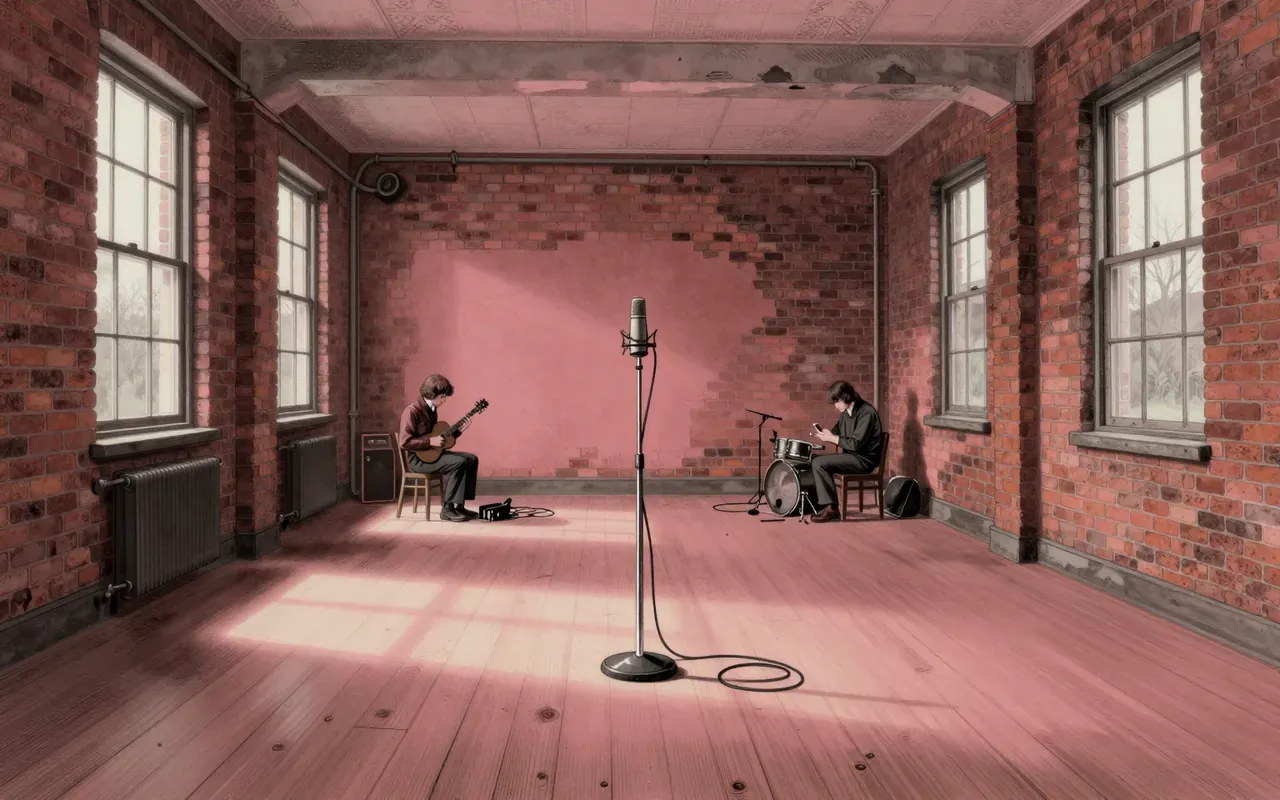
Call Me is Al Green’s sixth album, released in April 1973 — though one source says July 18 — and produced by Green and Willie Mitchell. It emerged from Green’s long partnership with Mitchell and the Hi Rhythm Section. Charles Hodges plays Hammond organ and piano. Jack Hale Sr. plays trombone. Charles Chalmers arranges horns and sings background vocals. Howard Grimes drums. Leroy Hodges plays bass. The room is tight, dry, and close-miked — no reverb tail, no bleed between instruments. The three top-10 singles land: 'Call Me (Come Back Home)', 'Here I Am (Come and Take Me)', and 'You Ought to Be with Me'. Each uses the same tight rhythm bed, layered background vocals, and Green’s clipped, urgent phrasing — all anchored by Hodges’ Hammond organ stabs and Grimes’ drum pocket. It does not break from the Green-Mitchell template. There are no new textures, no structural risks, no instrumental solos, no lyrical abstraction. The groove stays locked. The vocal delivery stays contained. Devotion as discipline. Longing as ritual. Love as a vow repeated until it sticks. The lyrics circle return, apology, and presence — never confession, never explanation. People who want to hear how a signature sound is maintained, not reinvented. Not for those seeking rupture, expansion, or rawness — this is polished, rehearsed, repeatable. Yes. It holds up as a precise, controlled exercise in Memphis soul craft — not a leap forward, but a refinement of what Green and Mitchell had already built.
9:50

Deltron 3030

Deltron 3030 · 2000

Deltron 3030 is a 2000 hip-hop concept album set in the year 3030. It tells of Deltron-Zero and the Automator battling megalithic corporations in a thermodynamic universe. Its lyrics were written in under two weeks. Its samples come exclusively from William Sheller’s French classical compositions. It draws explicit lineage from Sun Ra and George Clinton’s Afrofuturism. It frames fatalism as a battle between 'righteousness' and 'malevolence'.

9:42

Fresh

Sly & the Family Stone · 1973

Fresh is Sly & the Family Stone’s 1973 album, made amid personnel losses and Sly’s escalating cocaine use. It follows There’s a Riot Goin’ On. It contains a track purportedly sourced from a 1968 outtake.

9:53

Late Registration

Kanye West · 2005

Late Registration is Kanye West’s second studio album, released in 2005. It marks a deliberate departure from the chipmunk soul of his debut, embracing orchestral arrangements, genre-blending instrumentation, and collaborative experimentation with Jon Brion. Recorded over slightly more than a year across multiple studios in New York and Hollywood, it cost $2 million — enabling West to hire a 20-piece string ensemble and experiment with unconventional instruments like celesta, harpsichord, and Chinese bells. Jon Brion joined in March 2005 after West scrapped 75% of the near-finished album, radically altering its direction. The record is defined less by lyrical cohesion or narrative arc than by its architectural approach to sound: building, dismantling, and rebuilding hip-hop with live instrumentation as structural material.

9:08

Love to Love You Baby

Donna Summer · 1975

A foundational disco record built on repetition, restraint, and vocal embodiment — not songwriting.

9:35

Lupe Fiasco’s Food & Liquor

Lupe Fiasco · 2006

Lupe Fiasco’s Food & Liquor is a thematically dense, string-saturated hip-hop debut rooted in Chicago storefront logic—not abstract ambition. It lands where sound and subject align: 'Kick, Push', 'Daydreamin'', and 'American Terrorist'. It falters where runtime swells without function—especially the 'Outro'. No filler. No myth. Just food, liquor, strings, and scrutiny.

10:16

Master of Reality

Black Sabbath · 1971

Master of Reality is Black Sabbath’s third album, recorded February–April 1971 at Island Studios in London under producer Rodger Bain—his final collaboration with the band. It was made without touring commitments, using expanded studio time and financial resources, including money for drugs. Iommi and Butler downtuned their instruments 1½ steps on key tracks to ease physical strain, directly shaping the album’s heavier sound. The band experimented with classical guitar, flute, piano, overdubs, bigger bass drums, and amplified bass presence. Osbourne struggled with rapid lyrics on 'Into the Void', requiring written cues; his vocals on 'Solitude' were doubled via delay. Drug use during sessions impaired idea retention. The album contains their first acoustic songs and key tracks like 'Sweet Leaf' and 'Children of the Grave'. Released July 1971, it marked a pivot toward studio-driven heaviness—not myth, but mechanics.

10:48

Port of Miami

Rick Ross · 2006

Port of Miami is a debut album that treats Miami as infrastructure — not atmosphere, not character, but a node in a supply chain. Its sound is monolithic: engineered for repetition, built on one unvarnished sample, and delivered with zero tonal deviation. It landed because it refused ambiguity.

9:53

Purple Haze

Cam’ron · 2004

Purple Haze is Cam’ron’s fourth studio album, released December 7, 2004, via Diplomat Records and Roc-A-Fella Records, distributed by The Island Def Jam Music Group. It features bombastic production and surreal lyricism, with Cam’ron delivering a unique brand of idiosyncratic gangsta rap through an absurd, poker-faced delivery. The production shifts between aggressively insane and pop-oriented, and Cam’ron matches it with wordplay described as 'Missy gibberish swathed in 50 Cent menace', writing pop hooks and avant-garde rhymes while staying street-rooted. Cam’ron tightened his signature flow, chose quality and risk-worthy beats, and delivered Harlem symbolism and non-sensical muttering throughout the album. Kanye West produced 'Down and Out', Pop & Versatile produced 'Soap Opera', and the Heatmakerz produced 'More Gangsta Music'. 'More Gangsta Music' samples 'Woman I Need You' by Sizzla. 'Get Down' samples 'Life's Opera' by Marvin Gaye. 'Girls' and 'Harlem Streets' are weak inclusions. The album features collaborations with Kanye West, Jaheim, Twista, Juelz Santana, and various other artists. It reached gold status and was critically acclaimed, appearing on two major decade-end lists.

10:03

Recovery

Eminem · 2010

Recovery is a 2010 hip-hop album recorded from 2009 to 2010. It replaced the abandoned Relapse 2 project after Eminem scrapped most of its material and started over with new producers. It was announced via Twitter on April 14, 2010, and released on June 18.

10:45

Refavela

Gilberto Gil · 1977

Refavela is not a fusion record. It is a declaration of continuity — Afro-Brazilian culture as unbroken line, not borrowed motif.

9:27

Requiem

Wolfgang Amadeus Mozart · 1987

Mozart’s Requiem K. 626 is an uncompleted liturgical setting composed in his final year. It divides the Dies irae into multiple movements and belongs to a tradition that evolved from sacred service to concert hall. It is among his best-known works from that period, but remains structurally and textually incomplete.

11:50

Rust in Peace

Megadeth · 1990

Rust in Peace is Megadeth’s 1990 studio album, recorded at Rumbo Recorders in March 1990. It is the first Megadeth album completed with a producer who wasn’t fired — Mike Clink — though Mustaine later said most of the work was done by himself, Max Norman, and engineer Micajah Ryan.

11:06

Standing on the Verge of Getting It On

Funkadelic · 1974

Standing on the Verge of Getting It On is Funkadelic’s sixth studio album, released on Westbound Records in July 1974. It features the return of guitarist Eddie Hazel after a year in jail. Hazel co-wrote all songs, but most credits went to his mother, Grace Cook, to avoid publishing contract issues. Lyrics take a backseat to jamming. Hazel and Ron Bykowski trade lead guitars on 'Red Hot Mama', where Hazel also shares lead vocals with George Clinton. Their jam was extended in the studio into the B-side 'Vital Juices'. This was among Hazel’s last major contributions to P-Funk.

9:35

Tha Carter

Lil Wayne · 2004

Tha Carter is a hip-hop record built on Mannie Fresh’s New Orleans bounce production and Lil Wayne’s freestyled, instinctive delivery. It marks a stylistic pivot — not a debut, not a culmination, but a decisive turn toward voice-first, groove-led rap.

9:34

The Cool

Lupe Fiasco · 2007

The Cool is a narrative-concentrated hip-hop record, anchored in loss and executed with structural rigour—not sonic novelty.

10:22

The Eminem Show

Eminem · 2002

The Eminem Show is a 2002 hip-hop album released in May 2002. It was Eminem’s fourth studio album and his first self-produced major release, made while filming 8 Mile and certified Diamond by the RIAA.

12:22

The Freewheelin’ Bob Dylan

Bob Dylan · 1963

The Freewheelin’ Bob Dylan is Bob Dylan’s second album, released in May 1963. It was assembled from eight recording sessions at Columbia Records Studio A in New York City between April 1962 and April 1963. It established Dylan as a significant singer-songwriter. Many of the songs were protest songs, inspired by Woody Guthrie and influenced by Pete Seeger's passion for topical songs. The album included love songs and surreal talking blues. 'Oxford Town' was an account of James Meredith's ordeal as the first Black student at the University of Mississippi. 'Blowin’ in the Wind' partly derived its melody from the traditional slave song 'No More Auction Block', while its lyrics wondered whether war and injustice would ever end. 'A Hard Rain’s a-Gonna Fall' was based on the folk ballad 'Lord Randall'. Both songs marked a new direction in songwriting, blending a stream-of-consciousness, imagist lyrical attack with traditional folk form.

10:36

The Futuristic Sounds of Sun Ra

Sun Ra · 1962

Sun Ra’s 1962 album is a clean break: acoustic, lean, and club-ready. It marks his New York arrival — no electronics, no myth-making, just piano, percussion, and precision.

10:56

The Real Folk Blues

Muddy Waters · 1966

The Real Folk Blues is a 1966 Chess Records compilation drawing from Muddy Waters’ career-spanning recordings — beginning with his 1947 Aristocrat debut alongside Big Crawford and extending through early-1960s sessions — and featuring an array of Chicago blues musicians across guitar, piano, harmonica, bass, and drums. It notes the stylistic range of the material, bridging rural folk-blues roots and urban electric developments.

10:01

The Sun’s Tirade

Isaiah Rashad · 2016

The Sun's Tirade is Isaiah Rashad's debut studio album, released on September 2, 2016. It was recorded during a period of personal struggle with depression and addiction. Its production draws from hip-hop, trap, trip hop, soul, and jazz. It is a loose concept album with reflective, conscious themes. It debuted at number 17 on the US Billboard 200, selling 19,000 copies in its first week.

10:38

Tunnel of Love

Bruce Springsteen · 1987

Tunnel of Love is a 1987 studio album by Bruce Springsteen. It is not officially an E Street Band album. Springsteen recorded most of it himself using drum machines and synthesizers. The record is sedate and contemplative. It reflects maturely on love found, lost and squandered. The full E Street Band sound is included only selectively. Roy Bittan played synthesizers on 'Tunnel of Love' and acoustic piano on 'Brilliant Disguise'. Danny Federici played Hammond organ on 'Tougher Than the Rest', 'Spare Parts', and 'Brilliant Disguise'. Clarence Clemons contributed backing vocals on 'When You're Alone'. Nils Lofgren performed a guitar solo on 'Tunnel of Love' and backing vocals on 'When You're Alone'. Patti Scialfa provided backing vocals on 'Tunnel of Love', 'One Step Up', and 'When You're Alone'.

10:16

Twice as Tall

Burna Boy · 2020

Twice as Tall is Burna Boy’s fifth studio album, released on 14 August 2020. It was recorded mainly in Ahoada, Nigeria during the 2020 pandemic. Burna Boy, Diddy and Bose Ogulu served as executive producers. Telz was the primary producer, with additional production from Rexxie, Timbaland and DJDS. Diddy provided spoken intros, including on 'Alarm Clock'. 'Bebo' was produced by Rexxie and addresses authenticity. 'Wonderful' and 'Onyeka' were produced by Telz and recorded in Nigerian pidgin and Yoruba. The album debuted at number one on the Billboard World Albums Chart and won the Grammy Award for Best Global Music Album at the 63rd Annual Grammy Awards.

8:20

Wave

Antônio Carlos Jobim · 1967

Wave is Antônio Carlos Jobim’s fifth studio album, released in 1967 on A&M Records. It was recorded in the US with mostly American musicians. Claus Ogerman arranged and conducted. The album features trombonists Urbie Green and Jimmy Cleveland, flautist Jerome Richardson, bassist Ron Carter, and a string section. Jobim performed piano, guitar, harpsichord, and vocals.

9:39

Windowlicker. Come To Daddy

Aphex Twin · 2000

A compilation bundling Aphex Twin’s two most provocative late-90s singles — 'Come to Daddy' (1997) and 'Windowlicker' (1999) — plus remixes and instrumentals. Released in 2000. All tracks built electronically. Videos by Chris Cunningham. Charted in the UK Top 40. Satirical intent confirmed by artist statement.
13:00

Axis: Bold as Love

The Jimi Hendrix Experience · 1967

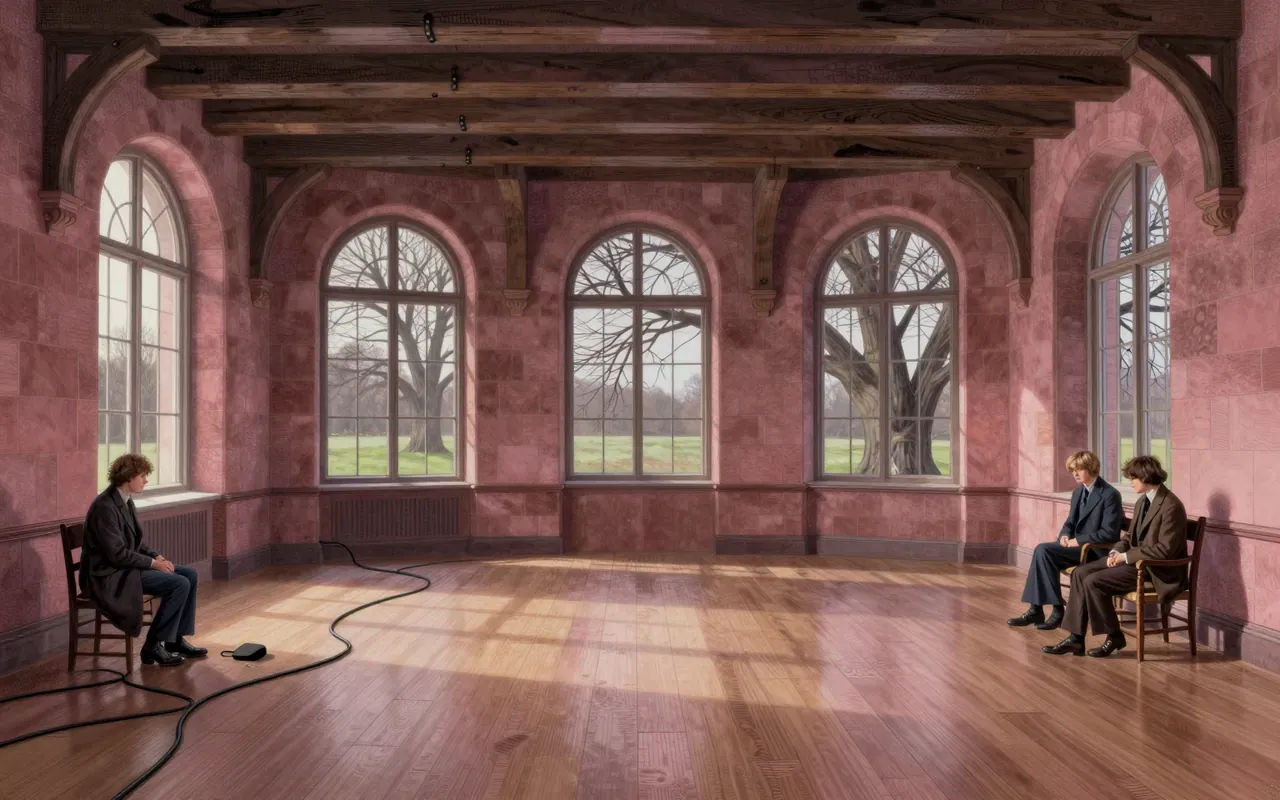
Axis: Bold as Love followed the Jimi Hendrix Experience's debut by only seven months, moving from De Lane Lea and Olympic Studios in London through a disastrous side-one master left in the back of a taxi. Recorded with producer Chas Chandler and engineer Eddie Kramer, it trades some of the debut's raw force for looser, more melodic songwriting, and remains most closely associated with two tracks Hendrix kept playing live for the rest of his career.
13:00

Coffy

Roy Ayers · 1973

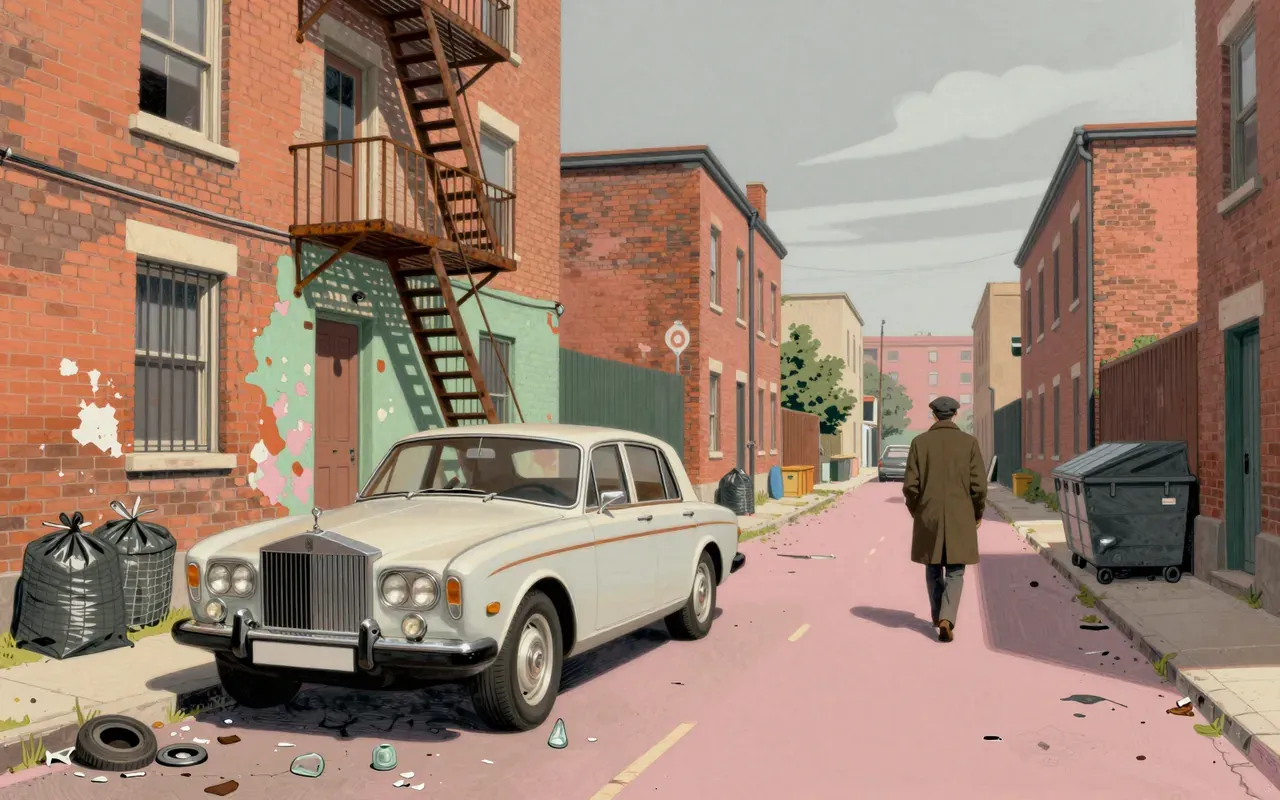
Composed, arranged and conducted by Roy Ayers for the 1973 film of the same name, Coffy pairs a full jazz-funk band with strings, horns and vocal cues sung by Dee Dee Bridgewater, Wayne Garfield and Ayers himself. Split between orchestral action cues and proper soul numbers, it holds up as music independent of the picture it was built to serve.

13:00

Fela's London Scene

Fela Kuti, Nigeria 70 · 1971

Made on tour in London rather than at home in Lagos, Fela's London Scene pairs Fela Kuti and Nigeria 70 with a second drummer, Ginger Baker, for five extended tracks built on horn riffs and dense percussion. Lighter on political narrative than Kuti's mid-seventies work, it is best heard as the sound of a band finding the architecture it would spend the rest of the decade refining.

13:00

Head Over Heels

Cocteau Twins · 1983

Head over Heels is the second Cocteau Twins album, released on 4AD in October 1983 after bassist Will Heggie left the band. Written quickly by Robin Guthrie and Elizabeth Fraser as a two-piece, it replaced the religious imagery of their debut with love songs built from reverberated guitar and increasingly wordless vocals, and it now stands as an early landmark of dream pop.

13:00

Homework

Daft Punk · 1997

Made in their own Paris studio without label input, Homework turns disco, funk and soul samples into house and techno tracks built around a single insistent hook apiece. Some of that repetition wears thin over sixteen tracks, but the record helped push French house to an audience dance music rarely reached before.

13:00

Let’s Get It On

Marvin Gaye · 1973

Built across three years and two coasts, Let's Get It On finds Marvin Gaye multi-tracking his own voice into a private choir, treating physical desire as material as weighty as anything on his more overtly political previous record.

13:00

Maggot Brain

Funkadelic · 1971

Recorded just before its original lineup scattered, Maggot Brain pairs Eddie Hazel's ten-minute unscripted guitar solo with tighter songs about unity and dread, closing out Funkadelic's founding chapter on its own terms.

13:00

Play

Moby · 1999

Made at Moby's own Manhattan studio after a career-threatening previous album, Play folds vocal hooks lifted from Alan Lomax's field recordings into electronic production, letting decades-old voices carry new songs. Slow to catch on, it eventually sold over twelve million copies largely through film and advertising licensing.

13:00

Selected Ambient Works, Volume II

Aphex Twin · 1994

Aphex Twin's second album moves almost entirely into slow, largely beatless ambient composition, built from old analogue synthesizers and, by Richard D. James's own account, half-remembered fragments of dream. Nearly all twenty-four tracks went out untitled, leaving fans to name pieces that reward patient, undistracted listening across a two-and-a-half-hour running time.

13:00

Soul Makossa

Manu Dibango · 1973

Built around the crossover single already circulating a year earlier, Manu Dibango's Soul Makossa sets Cameroonian makossa rhythm against jazz and funk phrasing across seven tracks. The title track's hook became the most sampled fragment in African popular music, a legacy the album now carries alongside the record's own, less-discussed range.

13:00

Talking Heads: 77

Talking Heads · 1977

Talking Heads: 77 was recorded at Sundragon and Mediasound in New York across late 1976 and early 1977, with the newly complete four-piece working around a producer they found condescending by tracking vocals when he left the room. The result carries the tight, wiry sound of a band still finding its footing, built on a set of songs about restlessness, routine and getting a grip on your own life.

13:00

There’s a Riot Goin’ On

Sly & the Family Stone · 1971

Recorded largely alone by an increasingly isolated Sly Stone, There's a Riot Goin' On trades the Family Stone's earlier warmth for a murky, overdubbed sound that turns disillusionment into its own kind of groove.

13:00

Timeless

John Abercrombie · 1975

John Abercrombie's 1975 debut as a leader pairs him with organist and synthesist Jan Hammer and drummer Jack DeJohnette for a quiet, conversational take on fusion, cut over two days for ECM. It is patient rather than showy, and its reputation has grown slowly on the strength of the interplay between three musicians clearly listening to each other.

13:00

Yeti

Amon Düül II · 1970

Recorded soon after splitting from the wider Amon Düül commune, Yeti pairs song-shaped tracks like Archangels Thunderbird with side-long improvised pieces, letting discipline and openness sit next to each other unresolved across a double LP whose cover mourns a crew member's death.

9:12

A Night in Tunisia

Art Blakey & The Jazz Messengers · 1960

A functional, unvarnished hard bop document — not a statement, not a departure, just the band working the tune as written.

9:56

Arepa 3000: A Venezuelan Journey Into Space

Los Amigos Invisibles · 2000

Los Amigos Invisibles’ Arepa 3000: A Venezuelan Journey Into Space is a 2000 studio album produced by Philip Steir. It won a Latin Grammy for Best Rock Album and received a Grammy nomination for Best Latin Alternative Album. Its sound is tightly arranged, groove-first, and sonically frictionless — built for repeat listening and film placement, not deep excavation.

9:01

Beach Samba

Astrud Gilberto · 1967

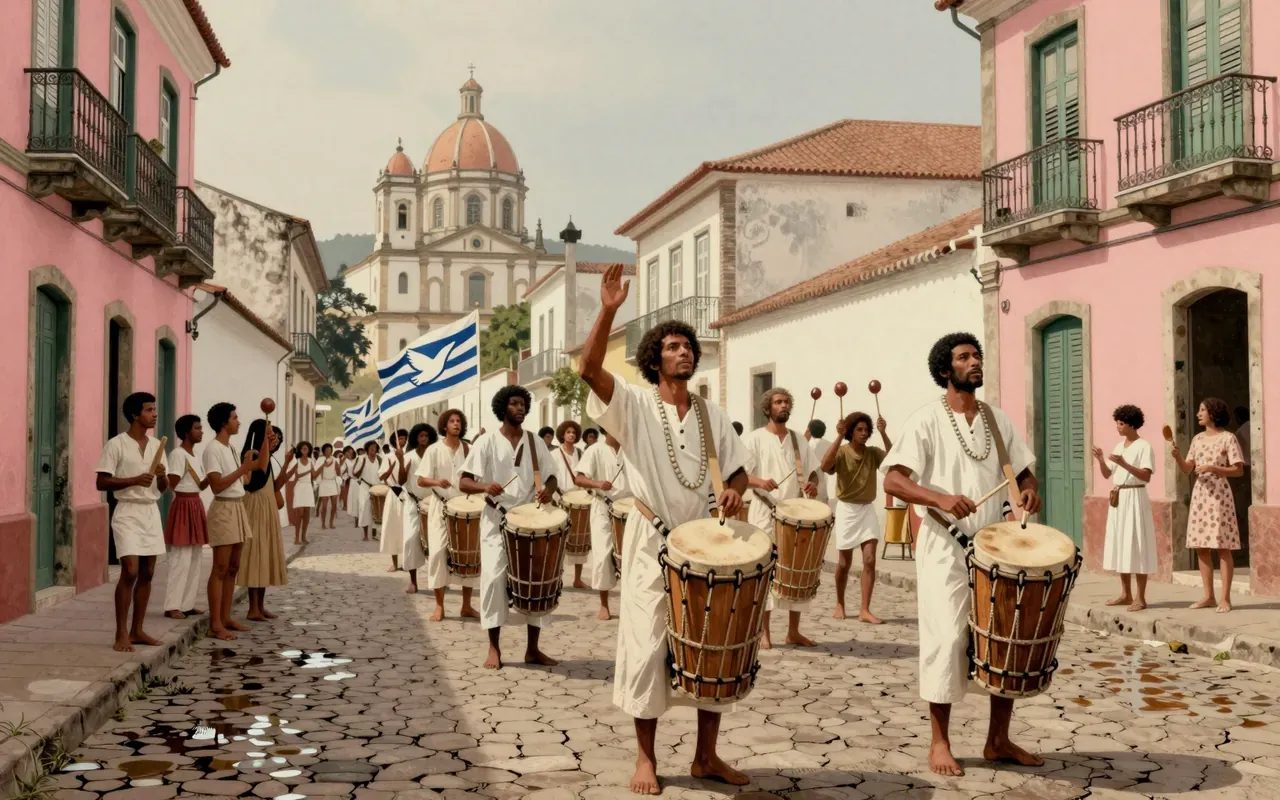
No factual detail about Beach Samba appears in the provided source material. All assertions about it derive solely from the prompt’s givens: title, artist, year, track list, and film placements. Nothing about its recording, musicians, producer, studio, or critical reception is verifiable from the text. The brief therefore treats it strictly as a node in Gilberto’s documented Verve sequence — not as a standalone event.

9:38

Bob Dylan

Bob Dylan · 1962

Bob Dylan’s 1962 debut is not a statement of intent—it’s a ledger of absorption. Twelve traditional songs, two originals, recorded in three afternoons with no retakes, no polish, no plan beyond fidelity to what Dylan had heard and internalised. It sounds like one room, one guitar, one voice insisting on its own terms.

12:01

Buffalo Springfield

Buffalo Springfield · 1966

A rushed, mono-and-stereo debut cut across two Hollywood studios in summer 1966—produced by managers with no recording experience, rejected by the band as sonically inert, and released against their wishes to hit Christmas. Its best moments are tightly written, vocally distinct, and rhythmically grounded—but its flaws are structural, not stylistic.

10:35

Calypso

Harry Belafonte · 1956

Calypso is Harry Belafonte's third studio album, released in 1956 on RCA Victor. It features vocal performances backed by guitarists Millard J. Thomas and Frantz Casseus, Tony Scott and His Orchestra, and The Norman Luboff Choir on select tracks. It includes 'Day-O (The Banana Boat Song)', sung from the perspective of banana dock workers awaiting daylight, alongside 'Star-O' as a lyrical variant reprise, and 'Jamaica Farewell', a mento folk song published here for the first time. Production involved multiple producers, a conductor, a chorus leader, and contributors to visual and textual elements of the release.

8:59

Chet Baker Sings

Chet Baker · 1954

Chet Baker Sings is a 1954 Hollywood studio session where Baker—previously almost exclusively a trumpeter—recorded eight ballads as both singer and player. Russ Freeman selected the songs and played piano and celesta. Baker struggled to sing in tune, requiring many takes. Freeman dismissed the project as 'bullshit' compared to Armstrong or Teagarden; Ruth Young observed the lyrics held no meaning for Baker—they were 'mere notes'. The record foregrounds musical abstraction over vocal expression or narrative. It was released by Pacific Jazz Records, drew criticism, and nonetheless helped make Baker the readers’ top jazz vocalist of 1954.