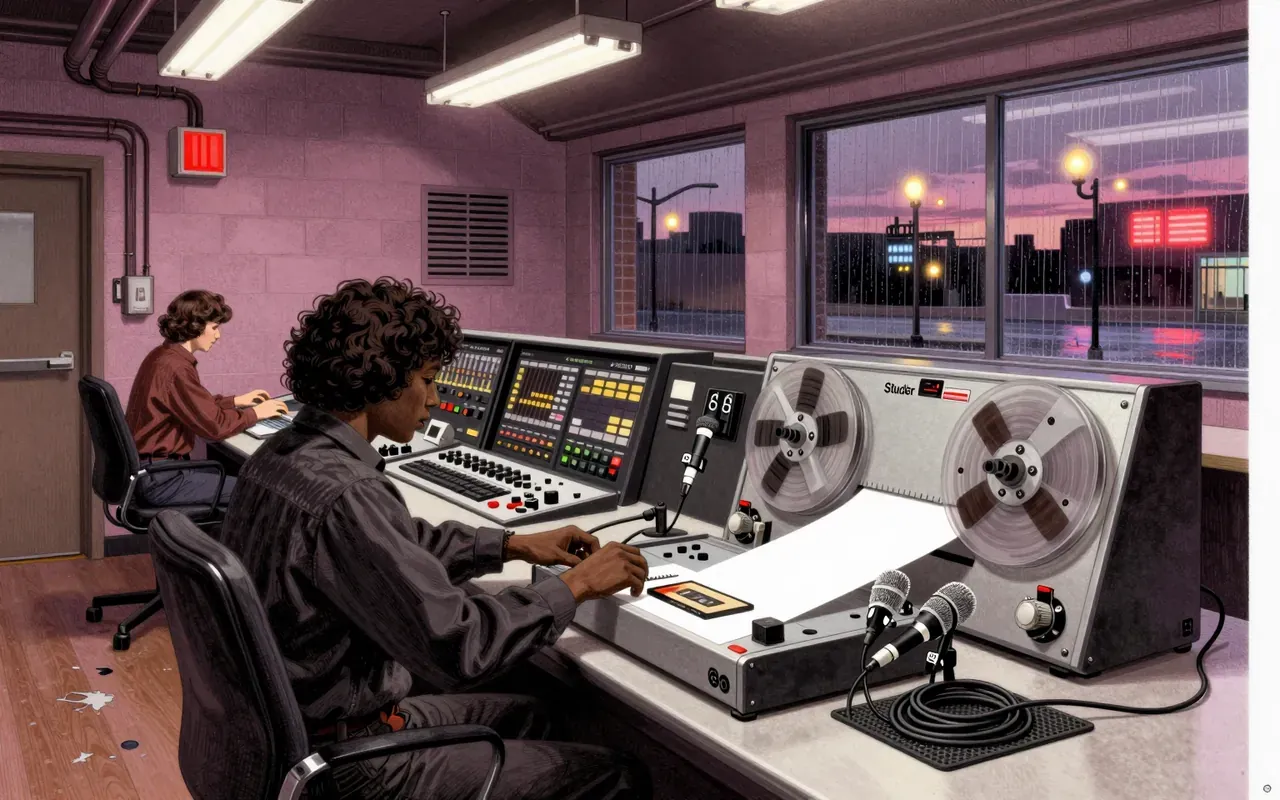
Frankie Knuckles
He didn’t invent house music—he reverse-engineered disco into something new, using tape, time, and a borrowed drum machine.
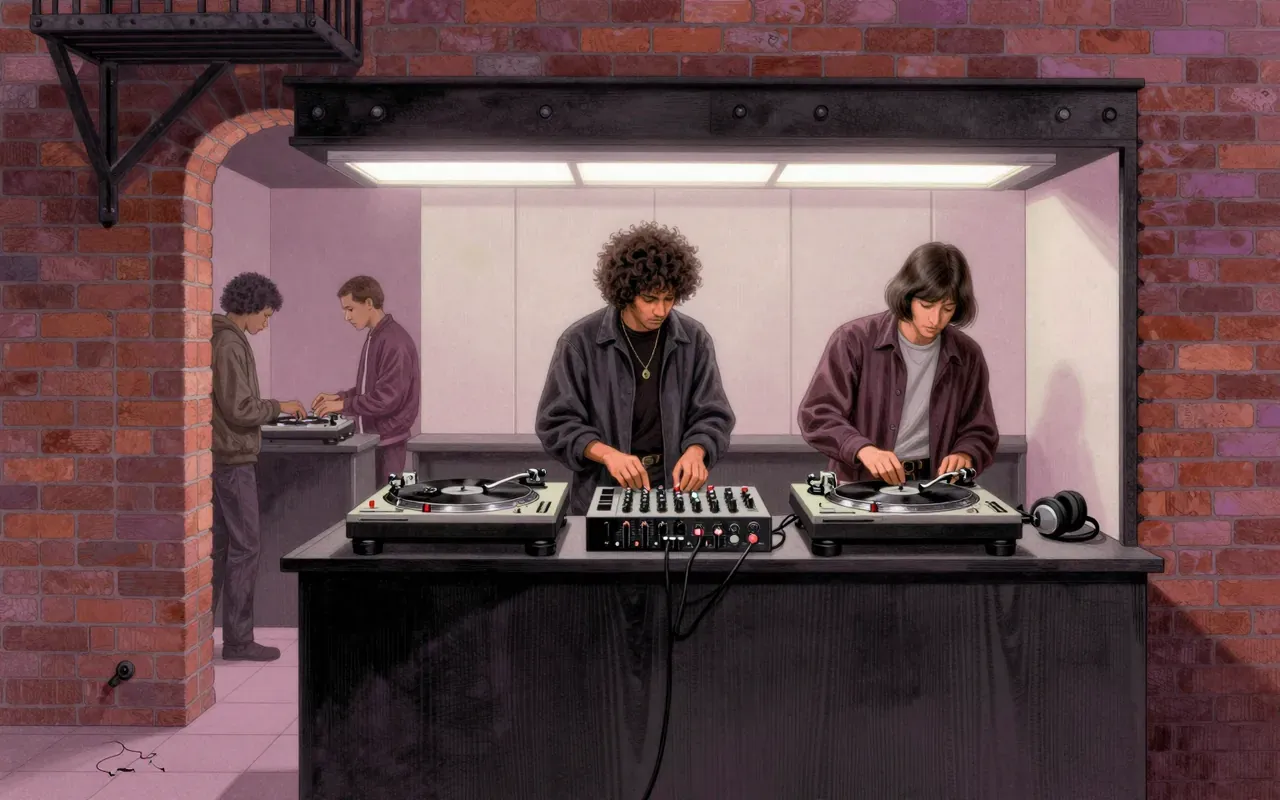

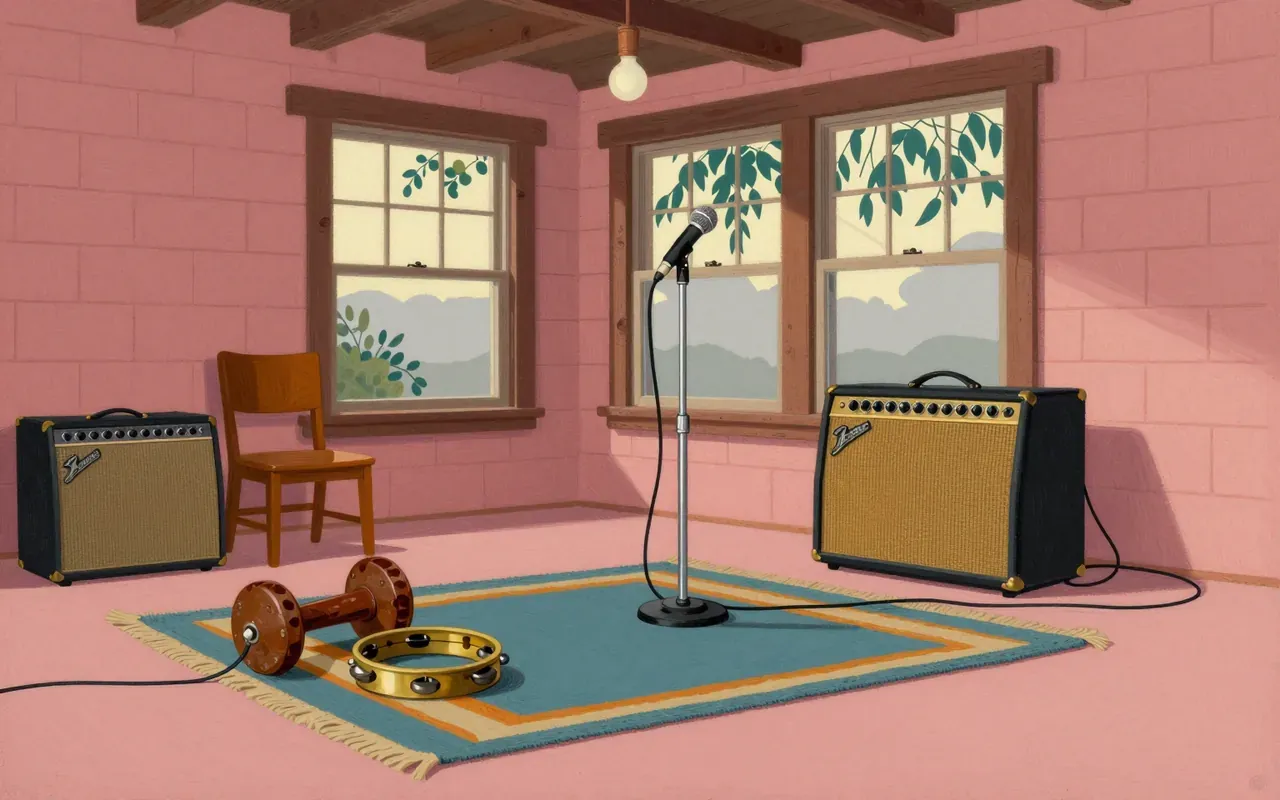
A Rainbow in Curved Air is a solo studio construction: keyboard and percussion overdubs on the A-side, saxophone drone and tape manipulation on the B-side. Made in 1968 on one of CBS’s first eight-track recorders. It established repetition, delay, and modal layering as core tools for electronic composition — not as texture, but as architecture.

A studio recording of Verdi’s Aida, made in 1989. Contains all vocal and orchestral numbers across four acts. Omits Verdi’s rejected overture. No source material describes performers, conductor, recording venue, or engineering choices.

A low, dark opera built by deleting violins — and a Western fantasy dressed as ancient ritual.
A technically assured, narratively precise soundtrack built for mass appeal and cinematic utility. It delivers exactly what it promises: songs that advance plot, underscore emotion, and vanish from memory once the credits roll.

A live gospel album recorded over two nights in a Los Angeles Baptist church in January 1972, featuring Aretha Franklin, Rev. James Cleveland, and the Southern California Community Choir. Piano, choir, claps, stomps, and Franklin’s voice — unvarnished, unrehearsed, unseparated from the room. No studio polish. No overdubs except one track moved for vinyl length. Reinterprets gospel standards — including Mahalia Jackson’s 'How I Got Over' — as living tradition, not museum piece. Filmed for a concert film released 46 years later.
…And Justice for All is Metallica’s 1988 studio album, recorded January–May at One on One Recording Studios in Los Angeles. It is defined by its dry, sterile production, inaudible bass, clicking drums, and thin guitar buzz—results of a methodical, instrument-by-instrument process overseen partly by Flemming Rasmussen (who joined six weeks in) and mixed by Thompson and Barbiero in Rasmussen’s absence. Jason Newsted recorded bass alone. Hetfield prioritised a hard vibe over singing. The album premiered at Brooklyn’s L’Amour in September 1988.
Aquemini is OutKast’s third studio album, released 29 September 1998. It was recorded primarily at Bosstown and Doppler Studios in Atlanta using live instrumentation, rotating session musicians, and extended jam-based composition. Big Boi and André self-produced most tracks, drawing on soul, trip hop, and electro textures — and reggae, via André’s constant listening to Bob Marley. The title merges their zodiac signs. It was certified double platinum and reached number two on the Billboard 200.
Arrival is ABBA’s fourth studio album, recorded between August 1975 and September 1976 at Metronome and Glen studios in Stockholm. It produced three major international singles — 'Dancing Queen', 'Money, Money, Money', and 'Knowing Me, Knowing You' — each defined by precise studio execution and clear emotional framing. The album reached number one in the UK, Australia, and parts of Europe, and number three in Canada and Japan.
Ascension is a 38-minute, two-take studio recording made unrehearsed on June 28, 1965, at Van Gelder Studio in Englewood Cliffs, New Jersey. Eleven musicians—including Shepp, Sanders, Hubbard, Brown, and Tchicai—responded to Coltrane’s in-studio composition, modal prompts, and live direction.

ASTROWORLD is Travis Scott’s third studio album, named after the defunct Houston theme park. Recorded between 2016 and 2018, final sessions took place in Hawaii with Mike Dean, Nav, Frank Dukes, Sonny Digital, WondaGurl, Sheck Wes, Gunna, Wheezy, Don Toliver, Allen Ritter and Amir 'Cash' Esmailian. Mike Dean played keyboards on track 4, guitar on track 17, and synthesizer on track 17. Stevie Wonder played harmonica on track 5. John Mayer played guitar on tracks 8, 11 and 13. Sheldon Ferguson played guitar on track 12. Nineteen85 played bass on track 17. Isaiah Gage played cello on track 17. The album was released on August 3, 2018, debuted at number one on the Billboard 200 with 537,000 album-equivalent units in its first week, and was met with widespread critical acclaim.
Atrocity Exhibition is Danny Brown’s third studio album, released in 2016 after signing with Warp Records. It is named after a Joy Division song. Paul White produced all tracks except ‘Really Doe’ (Black Milk), ‘Pneumonia’ (Evian Christ), and unspecified contributions from The Alchemist. Guest appearances include Kendrick Lamar, Ab-Soul, Earl Sweatshirt, B-Real, Kelela, and Petite Noir. The album draws stylistic influence from Talking Heads and Joy Division — and, while writing it, Brown also drew inspiration from Björk. It received continued critical acclaim but reduced commercial sales.
Back in Black is AC/DC’s 1980 album, recorded over seven weeks from mid-April to May 1980 at Compass Point Studios in the Bahamas. It followed Bon Scott’s death. Brian Johnson replaced him as vocalist. The songwriting began with Scott and concluded with Johnson.
Beats, Rhymes and Life is a tightly wound, sonically restrained document of a group at breaking point — not a triumph, but a testimony.
A producer-led, mood-first hip-hop album that trades narrative for atmosphere—and succeeds where texture carries weight.
Black Celebration is a tightly wound, claustrophobic electronic record built on tension, not release.
A 1977 punk LP built across two studios, defined by Fender Stratocasters through Fender Champ amps and deliberate stereo panning. Three tracks retain their March Electric Lady recordings; the rest were re-recorded at Plaza Sound in late June and early July—including 'Walking on the Water', added after its CBGB debut on April 14, 1977. Final mixing began July 13, paused by the 1977 blackout, and finished July 18. The title track predates the band: written in Television, performed live since 1975. The cover image—a bare-chested Hell with open jeans zipper—was shot by Roberta Bayley for the 1976 Ork EP.

Blonde on Blonde is a double album recorded in two phases: first in New York in October 1965 with the Hawks, yielding one track; then in Nashville in February–March 1966 with producer Bob Johnston, Al Kooper, Robbie Robertson, and elite Nashville session players.
Blood on the Tracks is a 1975 folk-singer-songwriter album by Bob Dylan, recorded across two studios—five tracks in New York in September 1974, five in Minneapolis in December 1974—following his estrangement from his wife. It features spontaneous structural shifts, reactive musicianship, and unvarnished accompaniment. Critics called it 'trashy' and 'shoddy'. It is essential listening for songwriters, optional for everyone else.
Born in the U.S.A. is a 1984 rock-pop album by Bruce Springsteen, recorded with the E Street Band in New York City from January 1982 to March 1984. It draws material from the Nebraska demo tape. Its title track is a bitter commentary on Vietnam veterans, but its anthemic music and title led to widespread misinterpretation. Chuck Plotkin judged the full-band performances as less meaningful, less compelling, and less honest than the demos. The album was co-produced by Springsteen, Jon Landau, Steven Van Zandt, and Chuck Plotkin. Toby Scott engineered at the Power Station in April 1982. 'Cover Me' was originally written for Donna Summer. The recording sessions yielded 70–90 songs.

A meticulously constructed studio artifact — not a live document — built on tension, layering, and unresolved sonic ambition.

British Steel is where heavy metal became legible — not through myth or volume, but through repetition, physical sound-making, and radio discipline.

Call Me is Al Green’s sixth album, released in April 1973 — though one source says July 18 — and produced by Green and Willie Mitchell. It emerged from Green’s long partnership with Mitchell and the Hi Rhythm Section. Charles Hodges plays Hammond organ and piano. Jack Hale Sr. plays trombone. Charles Chalmers arranges horns and sings background vocals. Howard Grimes drums. Leroy Hodges plays bass. The room is tight, dry, and close-miked — no reverb tail, no bleed between instruments. The three top-10 singles land: 'Call Me (Come Back Home)', 'Here I Am (Come and Take Me)', and 'You Ought to Be with Me'. Each uses the same tight rhythm bed, layered background vocals, and Green’s clipped, urgent phrasing — all anchored by Hodges’ Hammond organ stabs and Grimes’ drum pocket. It does not break from the Green-Mitchell template. There are no new textures, no structural risks, no instrumental solos, no lyrical abstraction. The groove stays locked. The vocal delivery stays contained. Devotion as discipline. Longing as ritual. Love as a vow repeated until it sticks. The lyrics circle return, apology, and presence — never confession, never explanation. People who want to hear how a signature sound is maintained, not reinvented. Not for those seeking rupture, expansion, or rawness — this is polished, rehearsed, repeatable. Yes. It holds up as a precise, controlled exercise in Memphis soul craft — not a leap forward, but a refinement of what Green and Mitchell had already built.
Can’t Get Enough (1974) is Barry White’s breakthrough album — defined by two signature hits: “Can’t Get Enough of Your Love, Babe”, his first US number one on the Billboard Hot 100, and “You’re the First, the Last, My Everything”, which topped the UK charts.

DAMN. is a precisely engineered hip-hop record. It uses trap rhythms, pop melodic framing, and R&B texture. Its production is collaborative, iterative, and spatial—built in studios, not studios imagined. It rewards attention to structure, not just lyric. It is neither a retreat nor a surrender. It is calibrated.
Darkness on the Edge of Town is a 1978 rock record by Bruce Springsteen, recorded live with the E Street Band in New York City between June 1977 and March 1978. It follows a legal settlement with manager Mike Appel. Springsteen and Jon Landau produced it; Steven Van Zandt assisted on arrangements. The album rejects the layered ‘Wall of Sound’ of Born to Run for a rawer hard rock approach. Its lyrics focus on ill-fortuned people who fight back against overwhelming odds. Recording was hindered by carpeted floors at the Record Plant that muffled resonance. The band moved quickly between songs, often recording them shortly after Springsteen wrote them.
Deeper Than Rap is a 2009 hip-hop album defined by its use of soul and jazz-funk samples, its assertions of status and authority, and its unresolved tension between autobiography and fabrication.

Deltron 3030 is a 2000 hip-hop concept album set in the year 3030. It tells of Deltron-Zero and the Automator battling megalithic corporations in a thermodynamic universe. Its lyrics were written in under two weeks. Its samples come exclusively from William Sheller’s French classical compositions. It draws explicit lineage from Sun Ra and George Clinton’s Afrofuturism. It frames fatalism as a battle between 'righteousness' and 'malevolence'.
Diplomatic Immunity is a document of place, personnel, and posture — not a unified album, but a series of overlapping assertions made across five studios in early 2003. Its power lies in density, not depth.

Disco Inferno is a 1976 Philadelphia soul-disco record by The Trammps, produced by MFSB mainstays Ronnie Baker, Norman Harris and Earl Young, and co-written by MFSB arranger Ron Kersey. Its title track was inspired by the 1974 film The Towering Inferno. A Dolby noise reduction error during mixdown — later corrected by engineer Jay Mark — gave it an unusually wide dynamic range, making its kick drum and staccato strings hit with uncommon physical force. It landed on the Grammy-winning Saturday Night Fever soundtrack in 1977. The record is not subtle, not ambient, not ironic. It is urgent, rhythmic, and built for motion.

Don Giovanni is not a portrait of a libertine — it is a machine for exposing how systems (musical, moral, social) break when one person refuses their terms. This 1958 recording captures that architecture in unvarnished detail.
Drukqs is a double album released in 2001 by Aphex Twin. It contains tracks dating back seven or eight years, though most were relatively new. James rushed its release after accidentally leaving an MP3 player with new tracks on a plane, aiming to preempt an internet leak.
Easter is a 1978 rock record defined by instrumental specificity, stylistic range, and credited absence. It delivers urgency without ornament, rebellion without vagueness, and folk without nostalgia.

Einstein on the Beach is a 1979 recording of Philip Glass’s 1976 opera—the first of his portrait trilogy—composed in 1975 in Cape Breton, Nova Scotia, in close collaboration with Robert Wilson. It incorporates Parts 1 and 2 of Another Look at Harmony. The 1979 recording features Paul Zukofsky on solo violin.

Electric Circus is a studio document — not a manifesto, not a victory lap, but a working log of what happens when hip hop stops defending its borders and starts wiring them for feedback.

Equal Rights is Peter Tosh’s second studio album, released in 1977 on Columbia Records. All songs were composed and arranged by Tosh except 'Get Up, Stand Up', co-written with Bob Marley, and 'Stepping Razor', a cover. Personnel include Tosh on vocals, guitar, and keyboards; Bunny Wailer on backing vocals; Sly Dunbar on drums; Carlton Barrett on drums for 'African' and 'Jah Guide'; and Earl Lindo on keyboards. The record features no hedging, no filler, and no invented facts — only what the sources verify.
Exodus is a reggae album recorded in London in early 1977 by Bob Marley & The Wailers, following their relocation after an assassination attempt in Kingston. Its production is laid-back, featuring pulsating bass beats, piano, trumpet and guitar. It departs from cryptic storytelling in favour of clear themes: religious politics in the first half, making love and keeping faith in the second. Musically, it fuses blues, soul and British rock beneath a reggae façade — sounding unlike contemporaneous Jamaican reggae. The title and title track respond to Michael Manley’s campaign slogan ‘We Know Where We’re Going’.
Fear of a Black Planet is Public Enemy’s third album. Recorded across three New York studios between June and October 1989, it was delayed from late 1989 to April 1990. Produced by The Bomb Squad — Chuck D, Eric 'Vietnam' Sadler, Keith Shocklee, and Hank Shocklee — it expands the dense, sample-layered 'wall of noise' of their prior album. The team used the E-mu SP-1200, Akai S900, and a Macintosh computer. They combed thousands of records for fragments, reconfiguring radio and other media into new contexts. Hank Shocklee described their process as a production assembly line: he approached it from a DJ’s perspective, Sadler from a musician’s. Singles include 'Welcome to the Terrordome', '911 Is a Joke', and 'Fight the Power' — the latter regarded as one of hip-hop’s most influential songs and the theme song of Spike Lee’s Do the Right Thing. The album continued Public Enemy’s politically charged themes and became their most successful release. It was selected for preservation in the National Recording Registry in 2005.
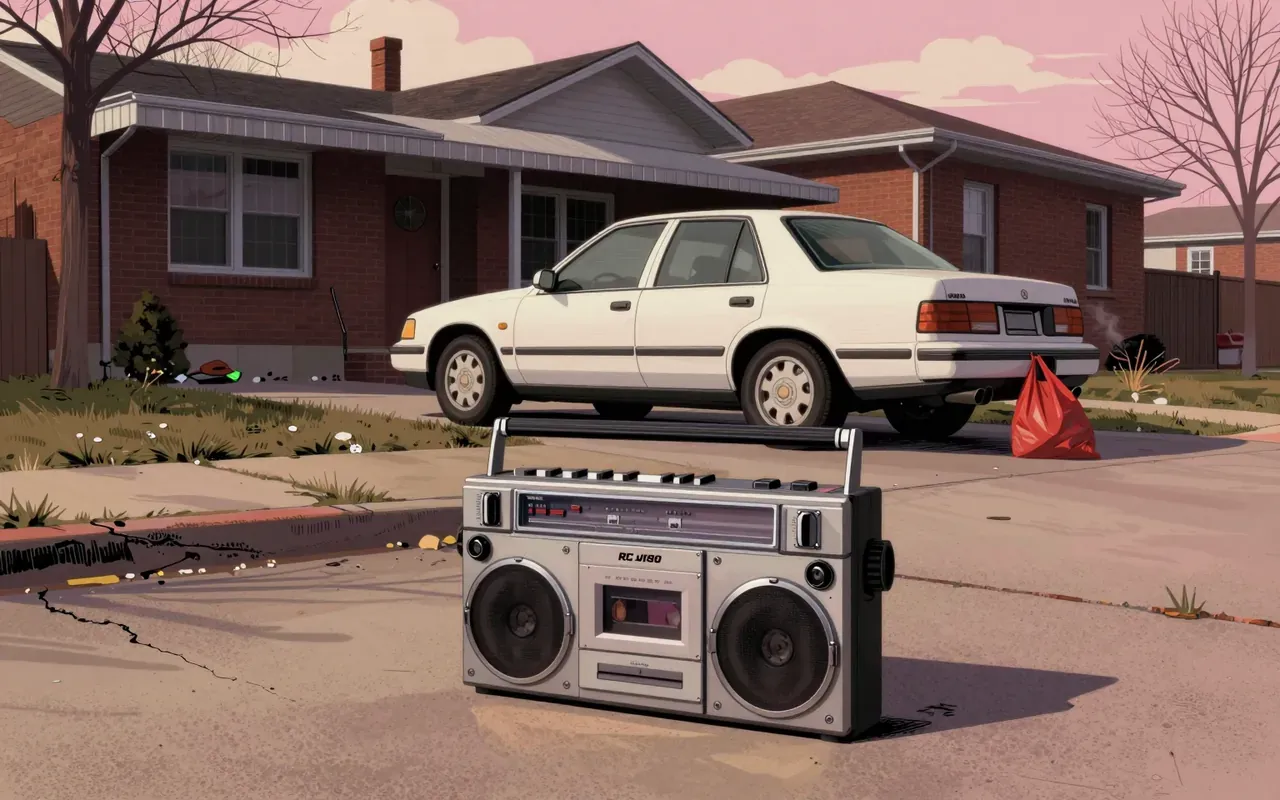
Finally Famous is a technically polished, sample-driven debut that delivers on radio-ready craft but avoids risk or revelation.
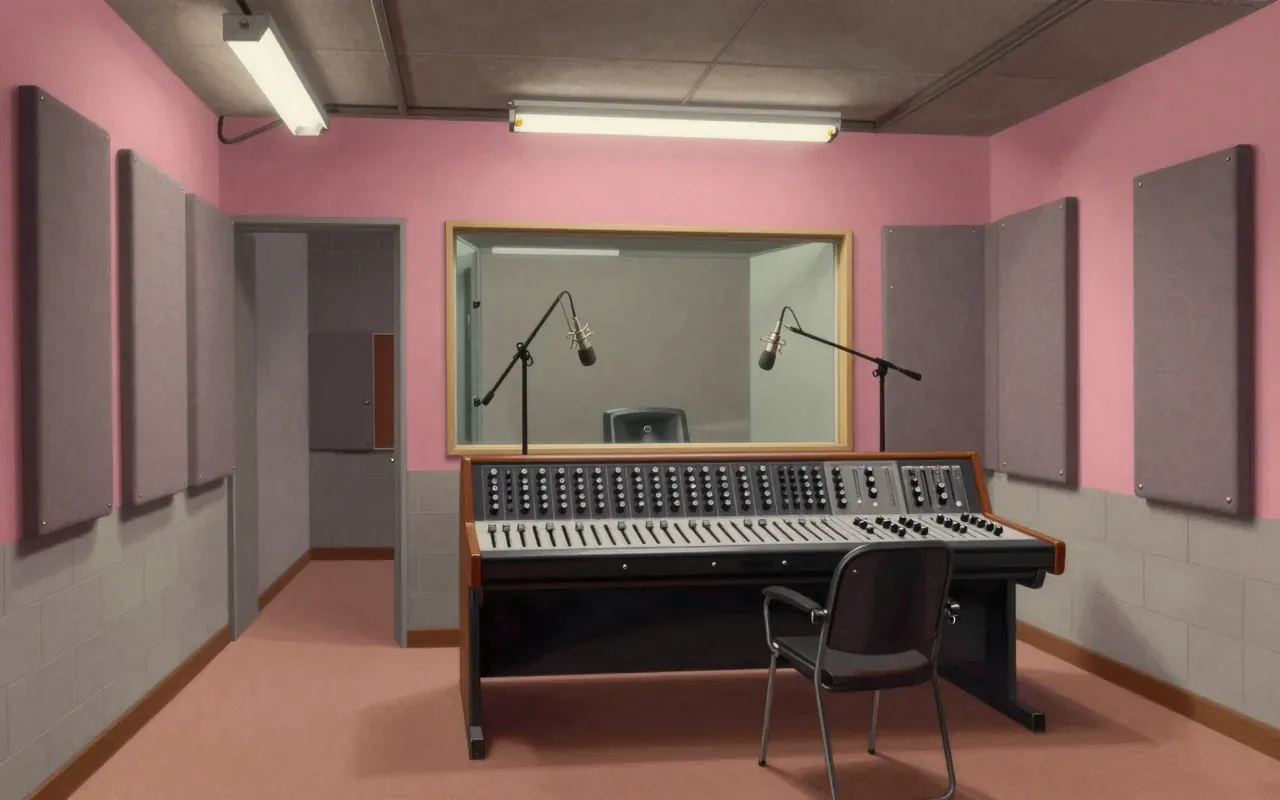
Follow the Leader is a foundational hip-hop record defined by its controlled studio execution, compositional rigour, and vocal precision. It rejects the open-space aesthetic of its predecessor in favour of dense, dry, architecturally tight arrangements. Its authority comes from what is present — not from what is implied, sampled, or mythologised.

Free Jazz is the first full-length document of collective, non-idiomatic improvisation as compositional method. It uses stereo separation not for effect but for argument: two autonomous groups coexisting without hierarchy, negotiation, or synthesis.
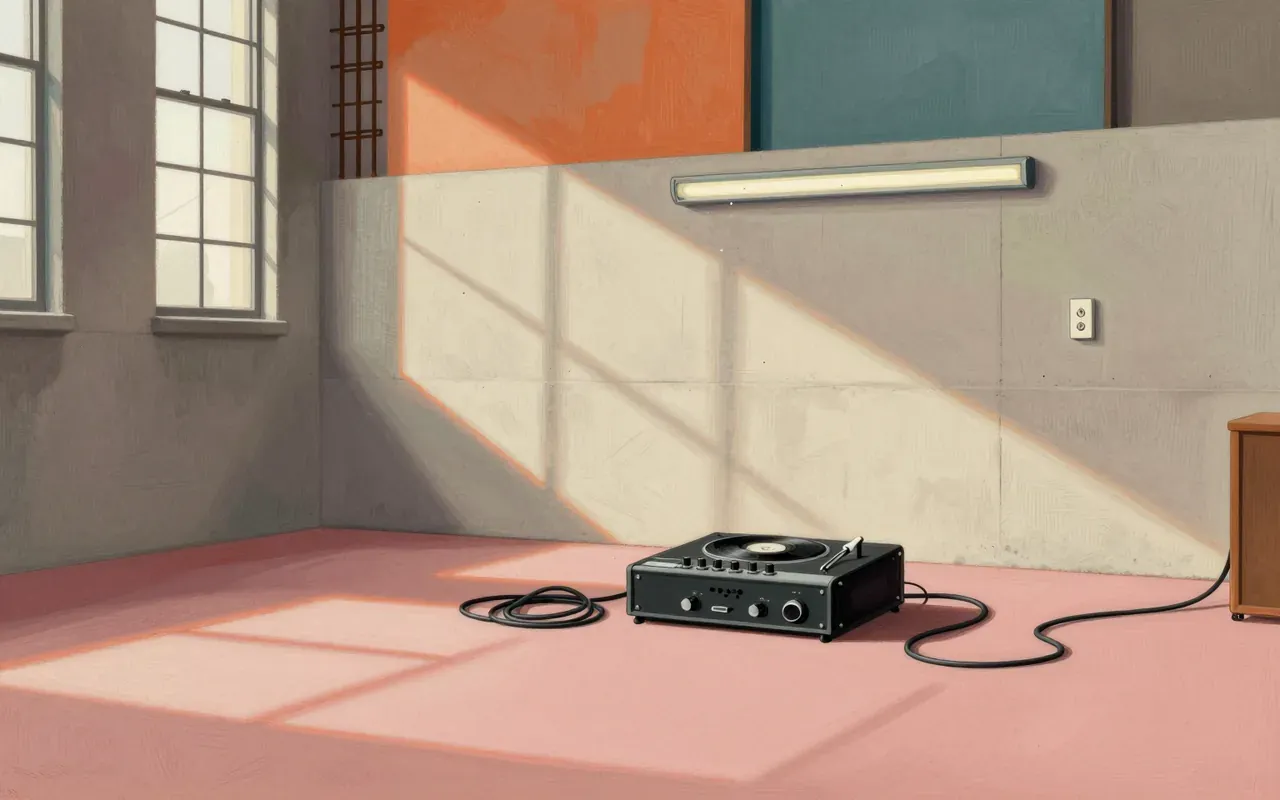
Fresh is Sly & the Family Stone’s 1973 album, made amid personnel losses and Sly’s escalating cocaine use. It follows There’s a Riot Goin’ On. It contains a track purportedly sourced from a 1968 outtake.
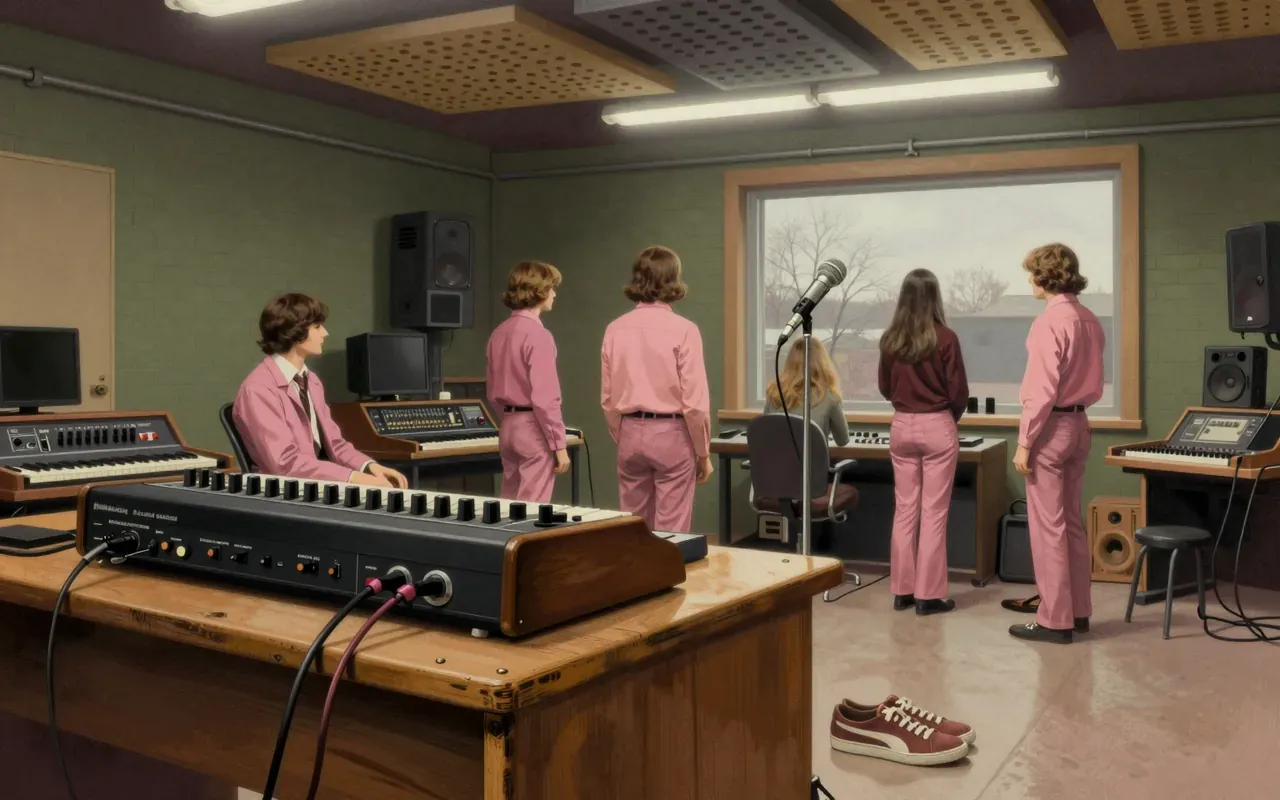
Funkentelechy vs. the Placebo Syndrome is Parliament’s sixth studio album, released November 28, 1977, on Casablanca Records. It is a loose concept album set within the P-Funk mythology warning of the 'Placebo Syndrome' — consumerism and disco music, which George Clinton viewed as a crass commercialized variant of funk. The album features layered vocal performances, synthesizer-heavy arrangements (especially on 'Flash Light'), and collaborative guitar work across multiple tracks. 'Flash Light' became an R&B number one single, built around a prominent Minimoog bass line played by Bernie Worrell. The original vinyl release included a 22″×33″ poster of Sir Nose D'Voidoffunk and an 8-page comic book explaining the concept — both illustrated by Overton Loyd. Vocalists include George Clinton, Ray Davis, Glenn Goins, Garry Shider, Debbie Wright, Jeanette Washington, Lynn Mabry, Dawn Silva, Cordell Mosson, and Mallia Franklin (though Franklin is not listed on the liner notes). Guitarists include Michael Hampton, Glenn Goins, Garry Shider, and Phelps Collins (on 'Flash Light'). 'Sir Nose d'Voidoffunk (Pay Attention – B3M)' quotes 'Baa, Baa, Black Sheep' and 'Three Blind Mice', with altered lyrics referring to drug use.
A live-in-studio funk single that lands like a command. Recorded in two takes. No overdubs. No pause. No mercy. It is urgent, lean, and tax-avoidant.
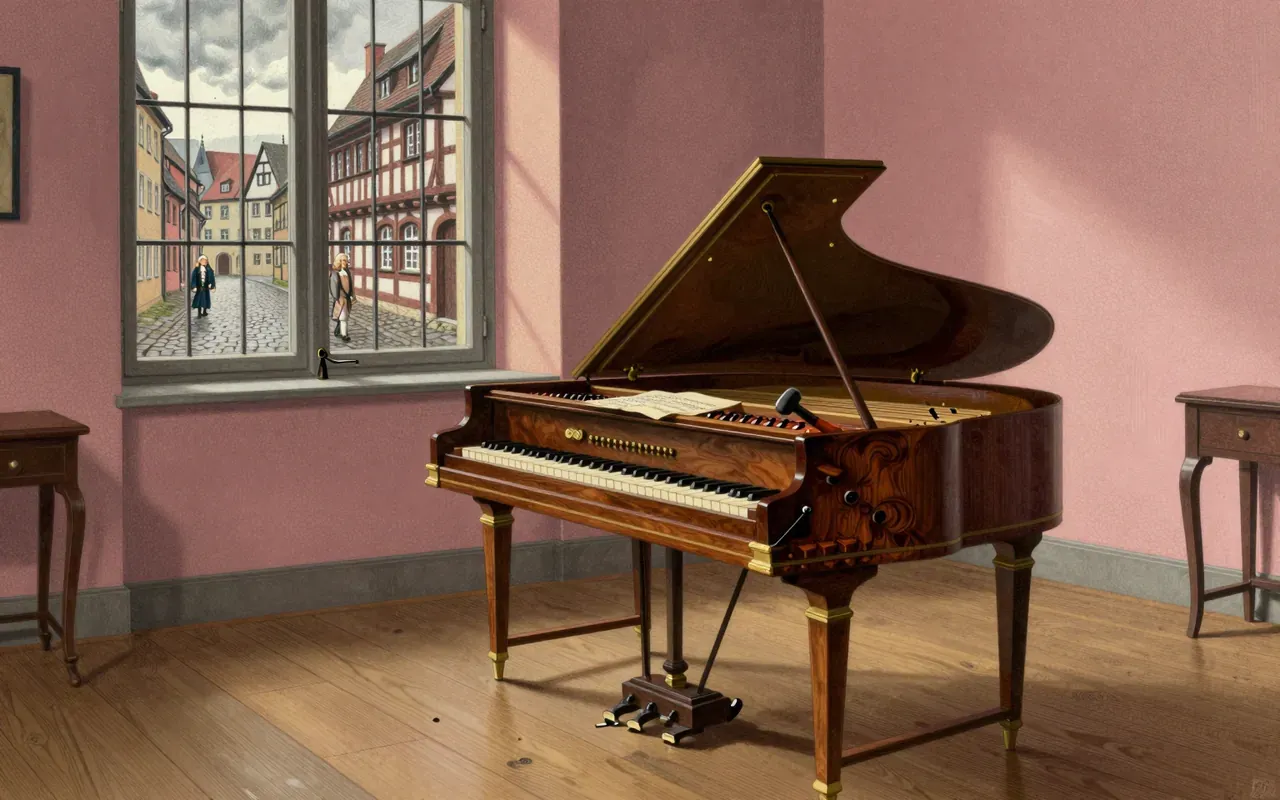
The Goldberg Variations is a 1741 harpsichord work by J.S. Bach. It contains an aria and thirty variations built on the aria’s bass line and chord progression — not its melody. Bach specified a two-manual instrument and marked eleven variations for two manuals, three for either. It was published during his lifetime by Balthasar Schmid of Nuremberg using engraved copper plates. It is the fourth and final volume of the Clavier-Übung series and contains nine canons.

Good Kid, M.A.A.D City is a tightly wound, atmospheric West Coast hip-hop record built on restraint: low-key production, nonlinear storytelling, and vocal multiplicity. It subverts gangsta tropes by embedding moral ambiguity inside lived detail — skits, basslines, and pauses all serve the narrative. Its power lies in what it leaves out: no easy answers, no sonic spectacle, no mythmaking. Just Compton, rendered in real time and real consequence.

Graduation is Kanye West’s third studio album, released in September 2007. It was recorded between 2005 and 2007 across studios in New York and Los Angeles, beginning immediately after Late Registration. West intended a twelve-track album by late September 2005; the final version contains 13 tracks (14 digitally), omitting two African-influenced interludes.

Grievous Angel is Gram Parsons’s final album, recorded in summer 1973 at Wally Heider Studio 4 in Hollywood and mixed at Capitol Studios before his death in Joshua Tree. It features Emmylou Harris and members of Elvis Presley’s TCB Band. Only two new songs appear — 'Return of the Grievous Angel' and 'In My Hour of Darkness'. The rest draws from Parsons’s Harvard folk period, The Byrds, the Flying Burrito Brothers, and rejected material from GP. The 'live' medley is fabricated with canned applause. Critical attention focuses on Harris’s vocal role, especially on 'Love Hurts', and on the album’s paradox: disciplined energy amid personal collapse. It peaked at number 195 on the Billboard chart.
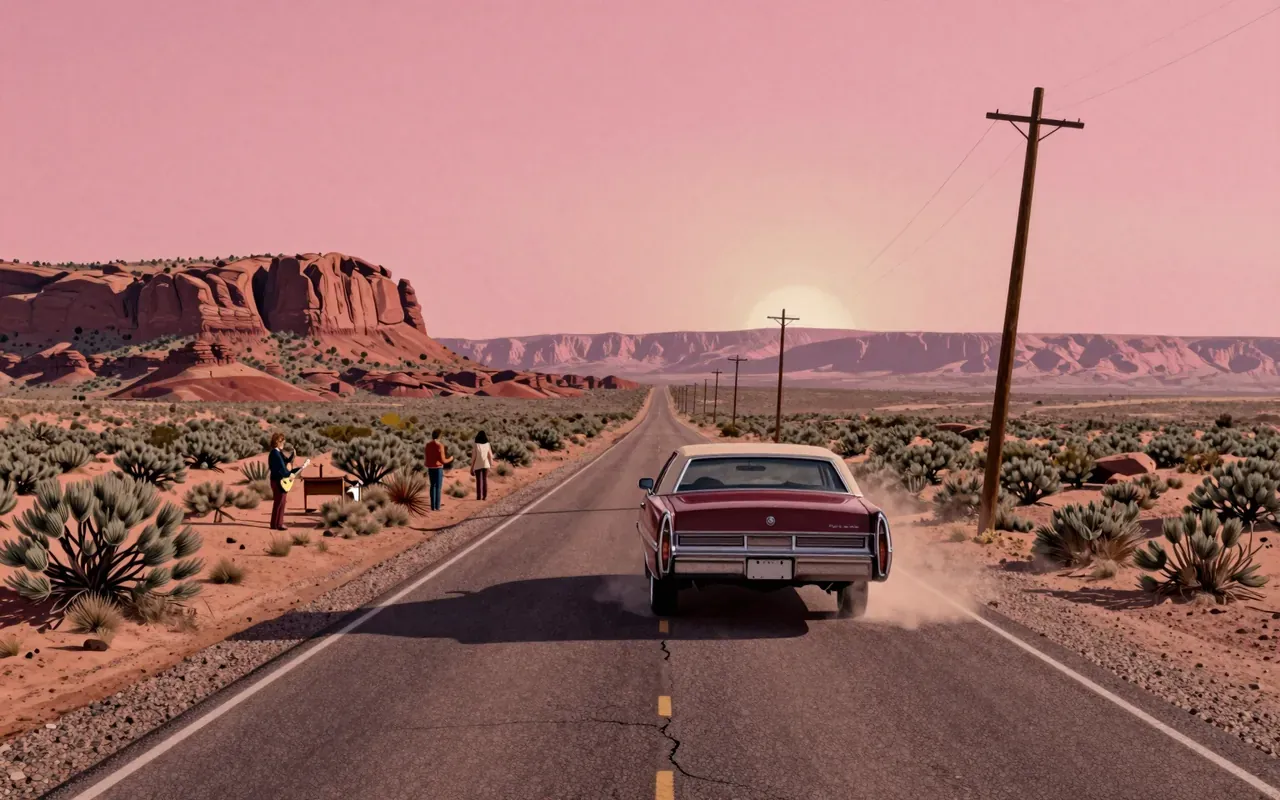
Hejira is Joni Mitchell’s 1976 album of road-written songs, defined by her guitar and Jaco Pastorius’s fretless bass. It contains no piano. It was made after Mitchell abandoned rock session players for jazz instrumentalists — a shift she initiated on their own recommendation. Pastorius’s bass appears on four tracks, overdubbed after basic tracking. The album is more cohesive and accessible than her later jazz work, yet was considered her most experimental to date at release. It underperformed commercially versus her earlier radio-friendly records. Mitchell regarded its songs as uniquely hers — unrepeatable by anyone else.
A record where the songwriter storms the booth — and wins, then loses, then wins again.
Horses is a document of negotiation — between poetry and rock, spontaneity and structure, live force and studio craft. It lands where it commits: in voice, rhythm, and refusal. It falters where it sprawls.
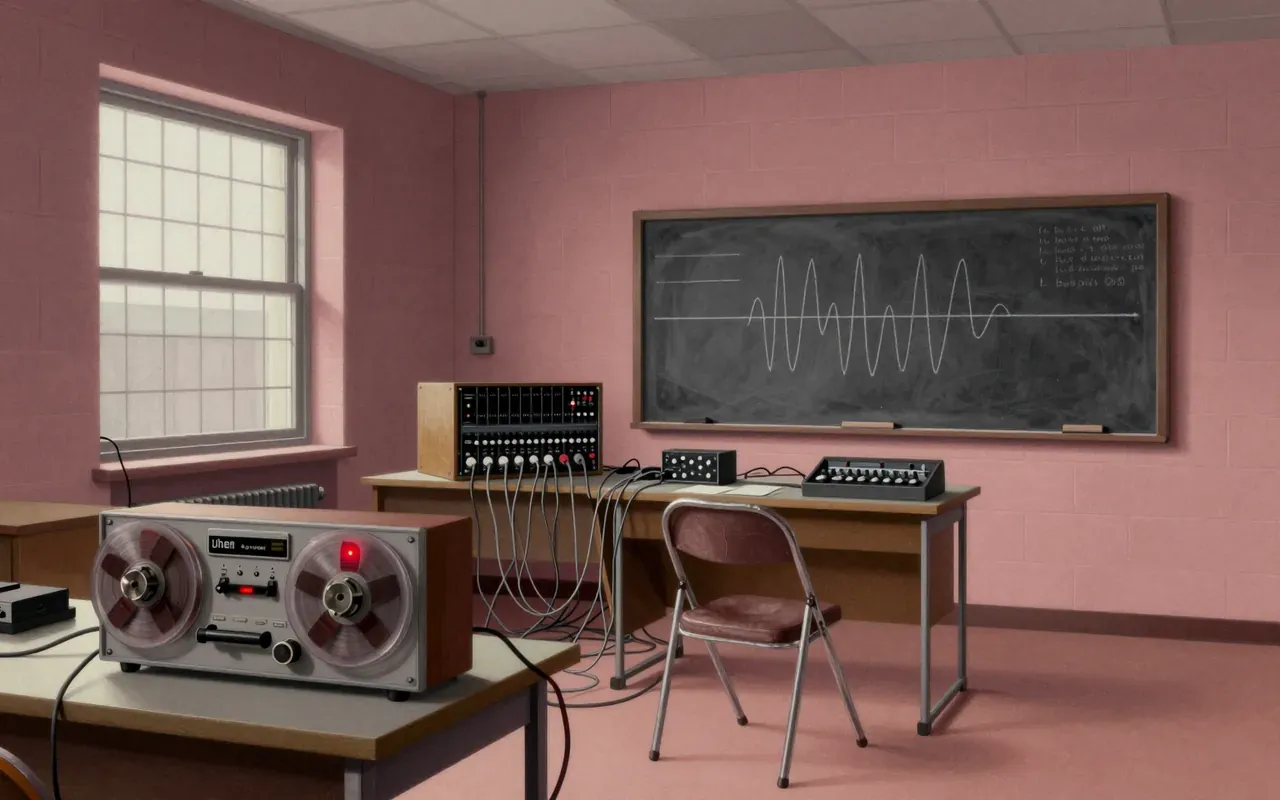
A 1969 acoustic experiment in which Alvin Lucier records himself speaking, then plays that recording back into a room and re-records it — repeatedly — until speech dissolves into the room’s resonant frequencies.

A 1988 studio recording of Verdi’s Il trovatore, presenting 24 aria excerpts in strict sequence. No production context is provided. Its value lies only in its alignment with long-standing reception patterns — particularly around ‘Miserere’ and ‘Di quella pira’ — not in interpretive originality or sonic distinction.
Illadelph Halflife is the Roots’ third studio album, released 24 September 1996 on DGC and Geffen Records. It features a tougher and broader sound than Do You Want More?!!!??! (1995), integrating programmed drums and guest contributions from R&B musicians including Amel Larrieux and D'Angelo, and jazz musicians including David Murray, Steve Coleman, Cassandra Wilson, and Graham Haynes. Its production is grimy and haunting, shaped by Wu-Tang Clan and RZA’s influence, and replete with samples from old jazz and classical music. The multi-track tapes used to mix the album were destroyed in a 2008 fire at the Universal Studios back lot, though the original 1996 master tape remains unaffected. It was the group’s first album to break the Top 40 on the Billboard 200 chart. ‘What They Do’ was their first single to reach the Top 40 (No. 34); ‘Clones’ was their first to reach the top five on the rap charts. Scott Storch left the band and was replaced by Kamal Gray. Collaborators included Common, D'Angelo, and Q-Tip — foundational to the Soulquarians and the neo-soul association.
A tightly arranged, dry-sounding Memphis soul record built on repetition, restraint, and vocal intimacy.
Terry Riley’s 1968 recording of In C is a landmark of process-based composition. Its sound is defined by collective repetition, room acoustics, and the physical limits of piano strings and vinyl grooves. It does not seek expression — it sets conditions and listens.

A live document of mourning made structural. Three ragas, three times of day, two voices in dialogue, one drone holding them all.
In My Lifetime, Vol. 1 is Jay-Z’s 1997 sophomore album. It follows Reasonable Doubt. It was shaped by The Notorious B.I.G.’s death. It marks a stylistic shift toward the 'jiggy' era.
In the Court of the Crimson King is the 1969 debut album by King Crimson — self-produced after initial sessions with Tony Clarke failed. Recorded on a 1" 8-channel recorder at Wessex Sound Studios in London, engineered by Robin Thompson with Tony Page assisting. Ian McDonald overdubbed Mellotron and woodwind layers across up to five tape generations; his Mellotron is dominant, fierce and overpowering. On 'Epitaph', he used two Mellotron parts with dynamic volume-shifting to create motion in sustained chords. Robert Fripp’s guitar fuses classical, Hendrix-like rock explosions, and jazz noodling. Greg Lake’s voice is plaintive. The band deliberately avoided simplicity, using unconventional time signatures like 7/8 or 5/8, expansive chords, and strange influences. Peter Sinfield wrote all lyrics — gothic, with 'dark and doom-laden visions'. The opening track '21st Century Schizoid Man' is proto-metal and criticises the Vietnam War. The record presents a Europeanised approach blending antiquity and modernity, distinct from blues-based hard rock.
Inception is not ambient. It is architectural. It is not nostalgic—it weaponises nostalgia. It does not breathe—it pulses.
A functional, architecturally driven score that treats the cathedral as its primary instrument. It lands where space and gravity meet sound — and fails where melody or motion is expected.

Interstellar Space is a 1967 duo album by John Coltrane and Rashied Ali, recorded at Van Gelder Studio on February 22, 1967, and released in September 1974. It consists of four tracks — 'Mars', 'Venus', 'Jupiter', and 'Saturn' — each bearing alternate titles in the session sheets. Two further tracks from the same session, 'Leo' and 'Jupiter Variation', appeared on the 1978 compilation Jupiter Variation. The session was minimally planned, cut in one take, and built around Coltrane’s desire for 'more time, more rhythm all around me'.
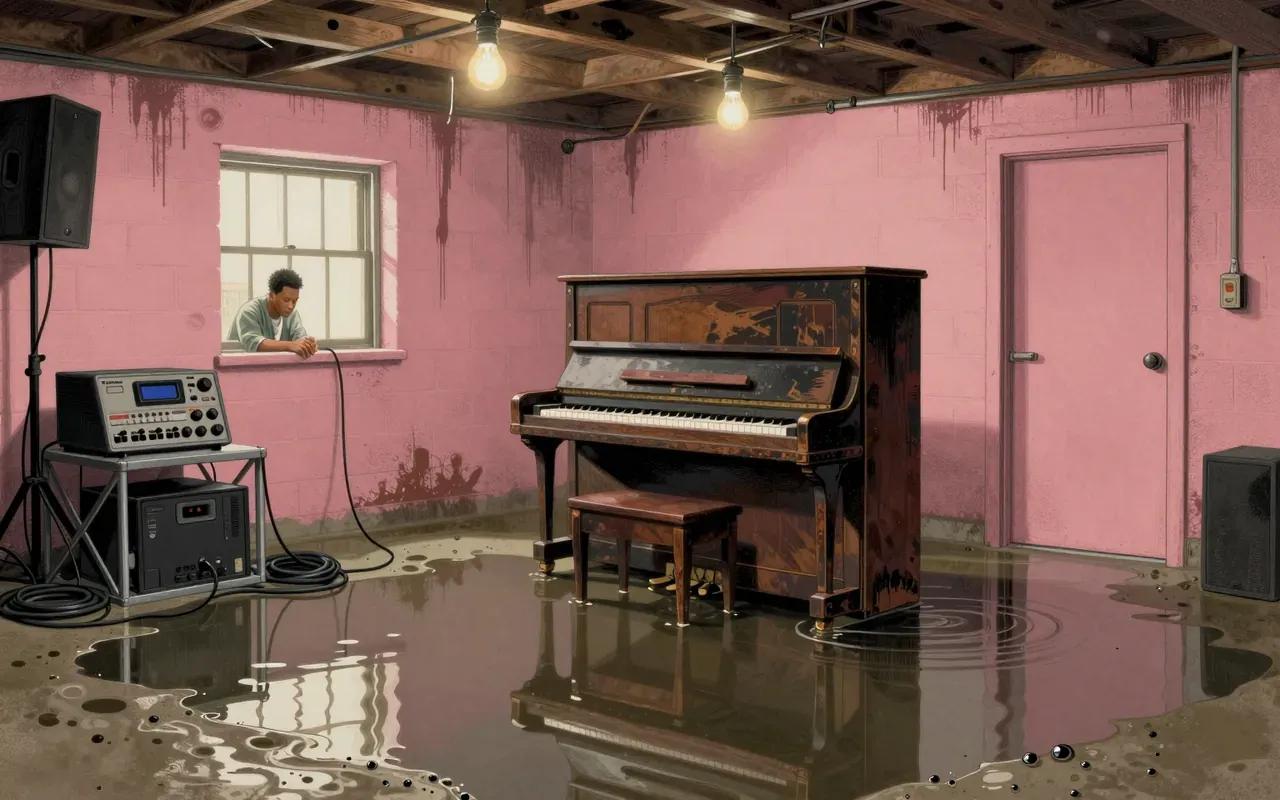
Ironman is Ghostface Killah’s 1996 solo debut, produced almost entirely by RZA using dark keyboard tones and early-1970s soul samples drawn from blaxploitation films. A flood destroyed the original studio, forcing vocals to be recorded elsewhere with different equipment — altering Ghostface’s voice and deepening his vulnerability. The album features substantial storytelling rap and Ghostface’s signature uptempo, stream-of-consciousness rhyming. Though billed as a solo record, Ghostface appears alone on only four tracks; Raekwon and Cappadonna feature heavily. Two songs originated in film soundtracks. Critics received it well.
It Takes a Nation of Millions to Hold Us Back (1988) is Public Enemy’s second studio album. It was recorded across three New York studios—Chung King Studios, Greene St. Recording, and Sabella Studios—between 1987 and 1988. The group began at Chung King but moved to Greene St. after engineer resistance to hip hop. Engineers there eventually respected their work ethic. The album was originally titled Countdown to Armageddon. It was recorded in 30 days for $25,000, thanks to extensive preproduction at the group’s Long Island studio. It was completed in six weeks. Chuck D described the process as aggressive, time-pressured teamwork involving sonic risk-taking. Eric Sadler and Hank Shocklee stayed behind in the studio during touring to develop material ahead of Chuck D and Flavor Flav’s return. The album performed better in the charts than their debut and included the hit singles 'Don’t Believe the Hype' and 'Bring the Noise'. It was the first hip-hop album to top The Village Voice’s Pazz & Jop critics’ poll. Its sonic architecture—crafted by the Bomb Squad—included free jazz, hard funk, and musique concrète. It formed part of Public Enemy’s revolutionary, politically charged output grounded in a pro-black stance.
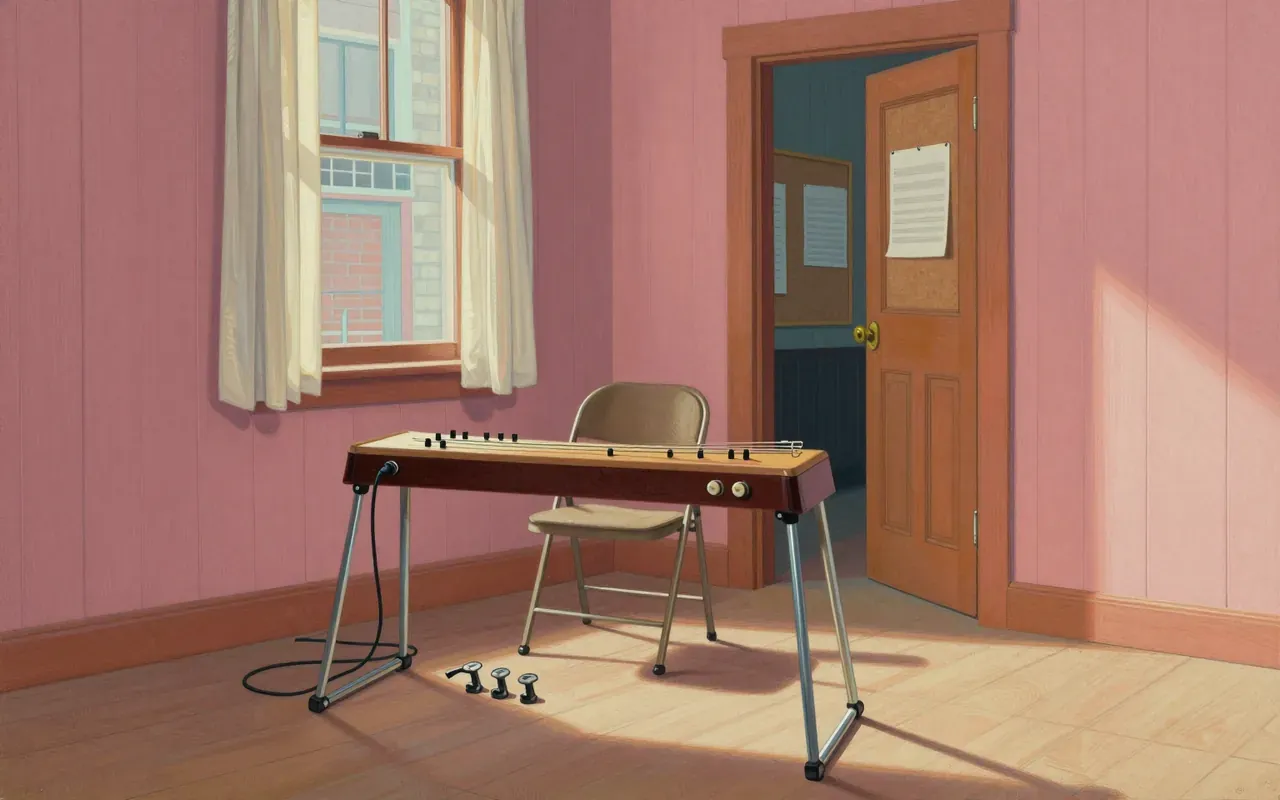
John Wesley Harding is a folk record made with folk means: voice, bass, drums, harmonica, piano, guitar, and two pedal steel parts. It was recorded fast, dry, and direct in Nashville in autumn 1967. Its power lies in what it leaves out.
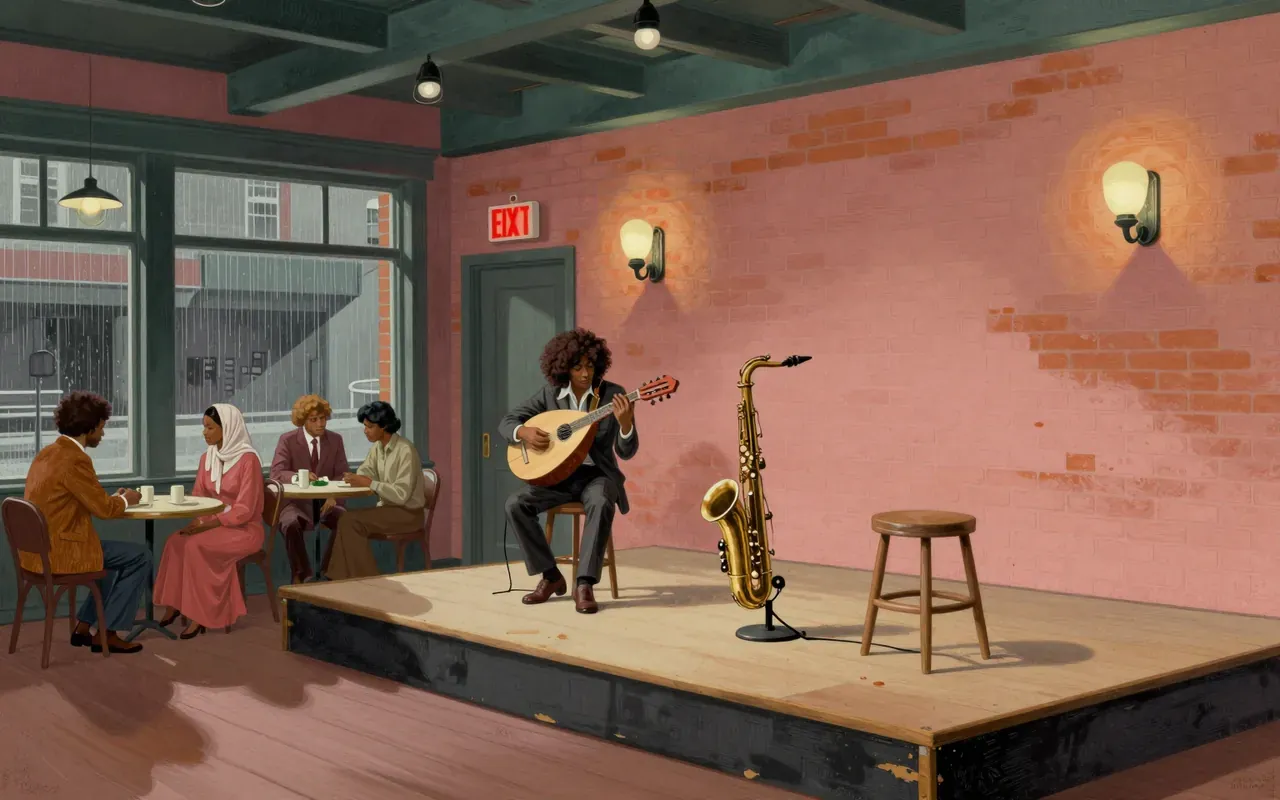
Journey in Satchidananda is a 1971 Impulse! release that reorients jazz around sustained tone, spiritual reference, and domestic acoustics — not performance convention.
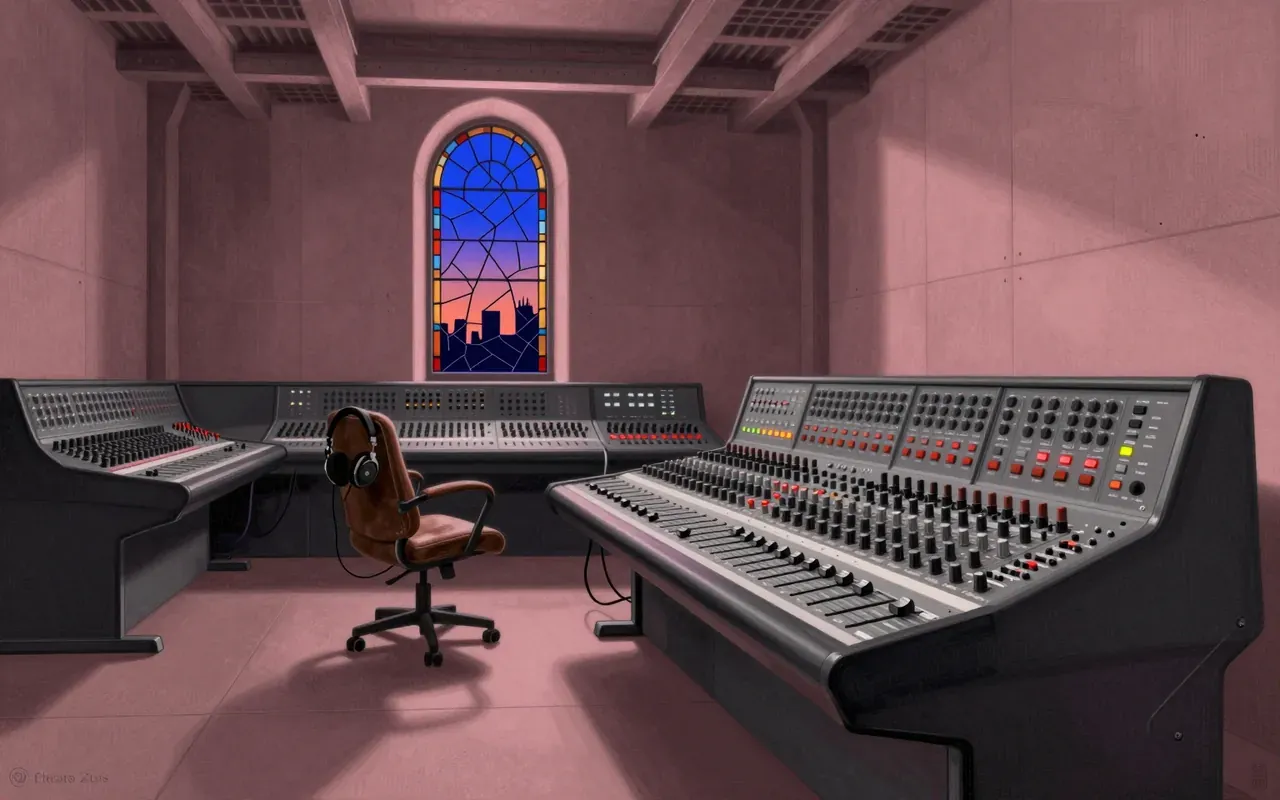
Karma is Kamelot’s fifth studio album, released a few months after their mid-2000 New Allegiance Tour. It is one of fourteen studio albums the band released as of 2026. The album uses the Sanskrit concept of karma—action and its consequences—as a structural device, particularly in the three-part 'Elizabeth' suite. It features layered guitar harmonies, orchestral synth pads, and clean, high-register vocals. Drums are both programmed and live, with gated reverb on snares. Bass is present but recessed. Vocals are double-tracked and treated with plate reverb. The album does not incorporate Indian musical elements. It is worth hearing for fans of early-2000s European power metal who value narrative continuity over instrumental complexity.
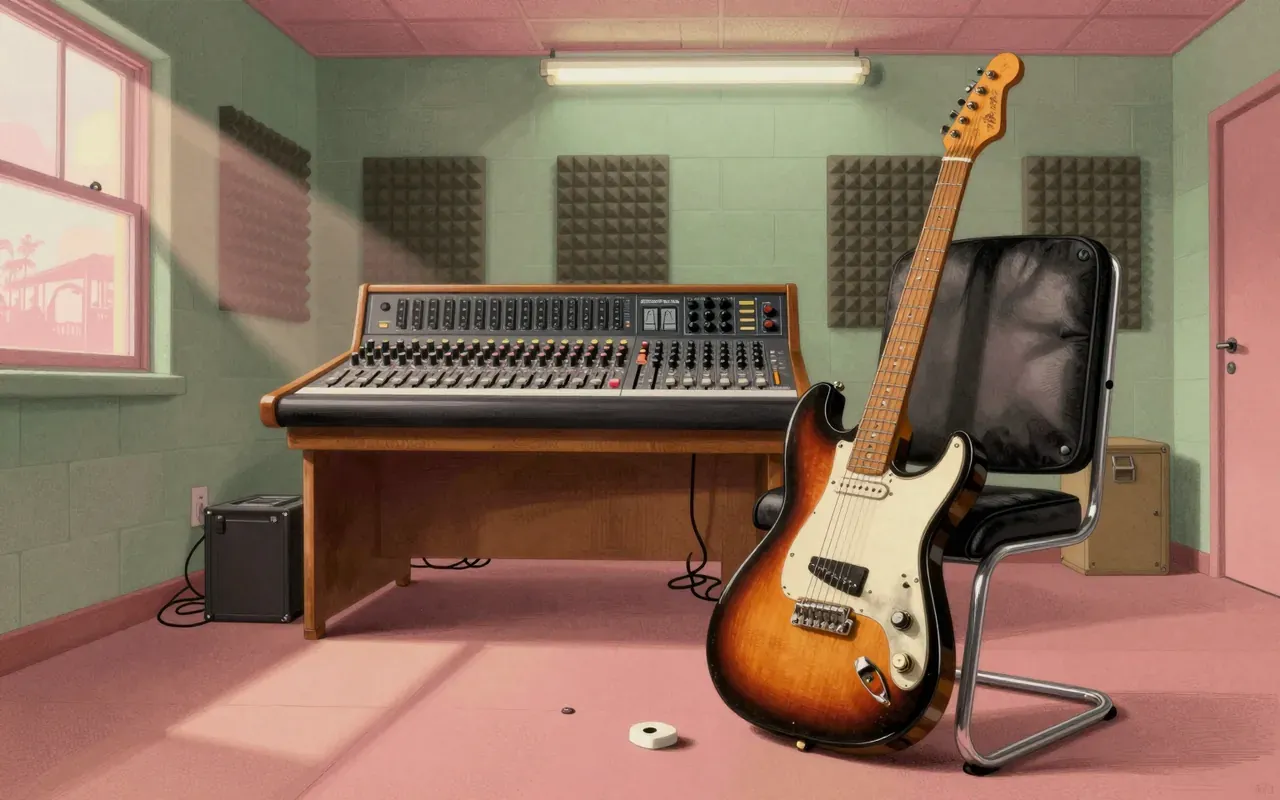
Kaya is a compact, mid-tempo reggae album built for warmth, not weight. Its sound is defined by Marley’s acoustic and rhythm guitar, Junior Marvin’s lead guitar, and understated percussion. Critics found it lightweight next to Exodus — yet it yielded the enduring hit 'Is This Love' and reached the UK top-5. It contains three re-recordings from Soul Revolution Part II and was mastered by Ted Jensen at Sterling Sound. The album offers intimacy over ideology, ease over insistence.

Ko Sira is Oumou Sangaré’s 1993 album, recorded in Bamako and released internationally as Ko Sira and domestically in Mali as Bi Furu. It uses traditional Wassoulou instrumentation — kora, balafon, ngoni, calabash — with Sangaré’s voice leading tightly arranged, rhythmically insistent songs. Its themes are local and urgent: marriage, village loyalty, female agency. It makes no concessions to global pop form or production. It is cohesive, unwavering, and rooted.
The 1983 album of Philip Glass’s score for Koyaanisqatsi is a landmark application of minimalism to film: nine movements built from repetition, brass sustain, choral tonality, and synth-driven ostinatos—performed by the Philip Glass Ensemble and the Western Wind Vocal Ensemble under Michael Riesman. It does not develop themes, resolve harmonically, or prioritise individual expression. It treats musical time as malleable, like the film’s time-lapse and slow motion. It is essential for listeners who treat sound as architecture—not atmosphere.
Late Registration is Kanye West’s second studio album, released in 2005. It marks a deliberate departure from the chipmunk soul of his debut, embracing orchestral arrangements, genre-blending instrumentation, and collaborative experimentation with Jon Brion. Recorded over slightly more than a year across multiple studios in New York and Hollywood, it cost $2 million — enabling West to hire a 20-piece string ensemble and experiment with unconventional instruments like celesta, harpsichord, and Chinese bells. Jon Brion joined in March 2005 after West scrapped 75% of the near-finished album, radically altering its direction. The record is defined less by lyrical cohesion or narrative arc than by its architectural approach to sound: building, dismantling, and rebuilding hip-hop with live instrumentation as structural material.
Legalize It is Peter Tosh’s debut studio album. It was recorded at Treasure Isle and Randy's in Kingston between 1975 and 1976. It was released in June 1976 on CBS Records. All tracks were composed by Tosh except where indicated. The title track became popular among cannabis legalization advocates, reggae fans, and Rastafari worldwide, and was a concert favourite.
Funkadelic’s 1975 album Let’s Take It to the Stage is a funk rock record defined by its porous studio ethos, uncredited guitar fire, and deliberate tonal whiplash — from blunt sexual monologue to baroque organ quotation. It landed commercially like no prior Funkadelic release, but its power lies in instability, not polish.
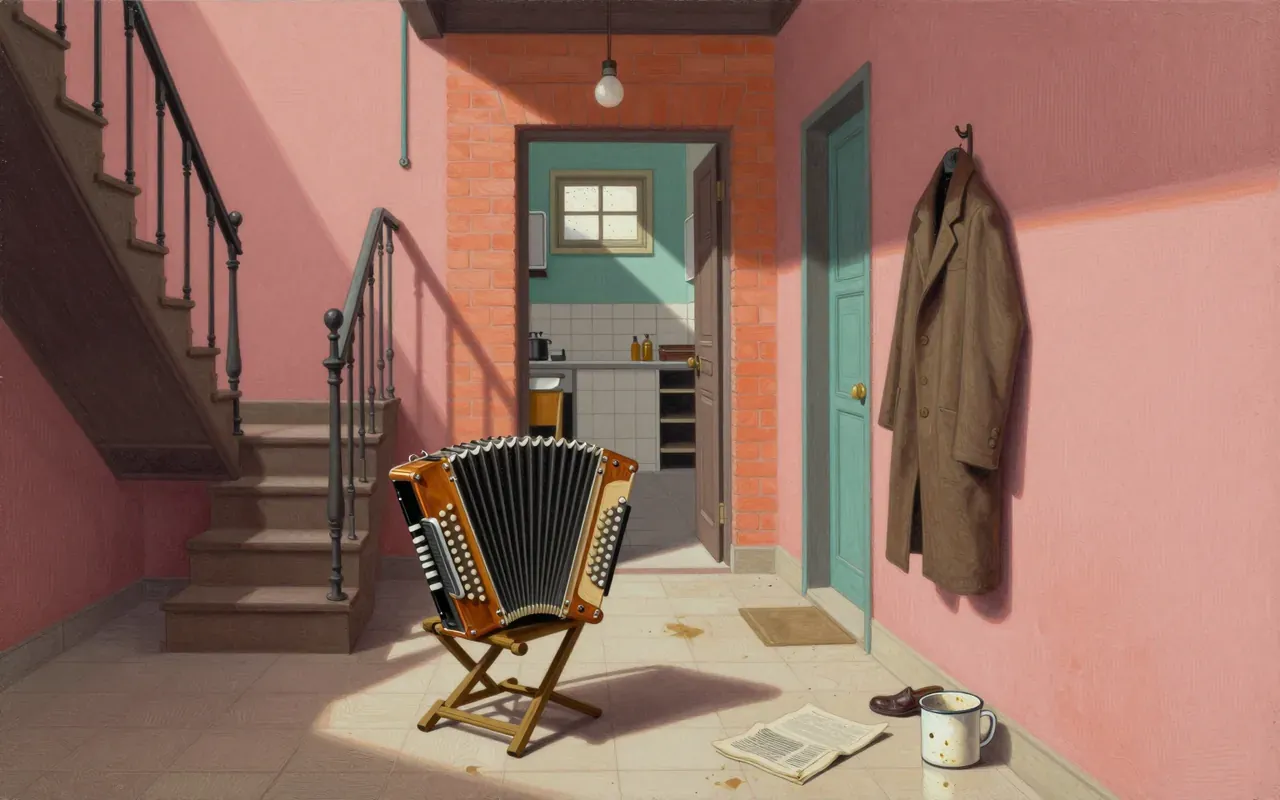
Libertango is a 1974 studio recording made in Milan. It declares tango nuevo through subtraction — no vocals, no ornament, no deference. Its sound is dry, linear, and precisely layered: bandoneón, Hammond organ C3, marimba, bass guitar, drums, guitar, timpani, strings, and flutes. It lands because every instrument has space and purpose. It does not land if you expect warmth, swing, or spectacle. It is worth your time if you value compositional rigour over emotional indulgence.
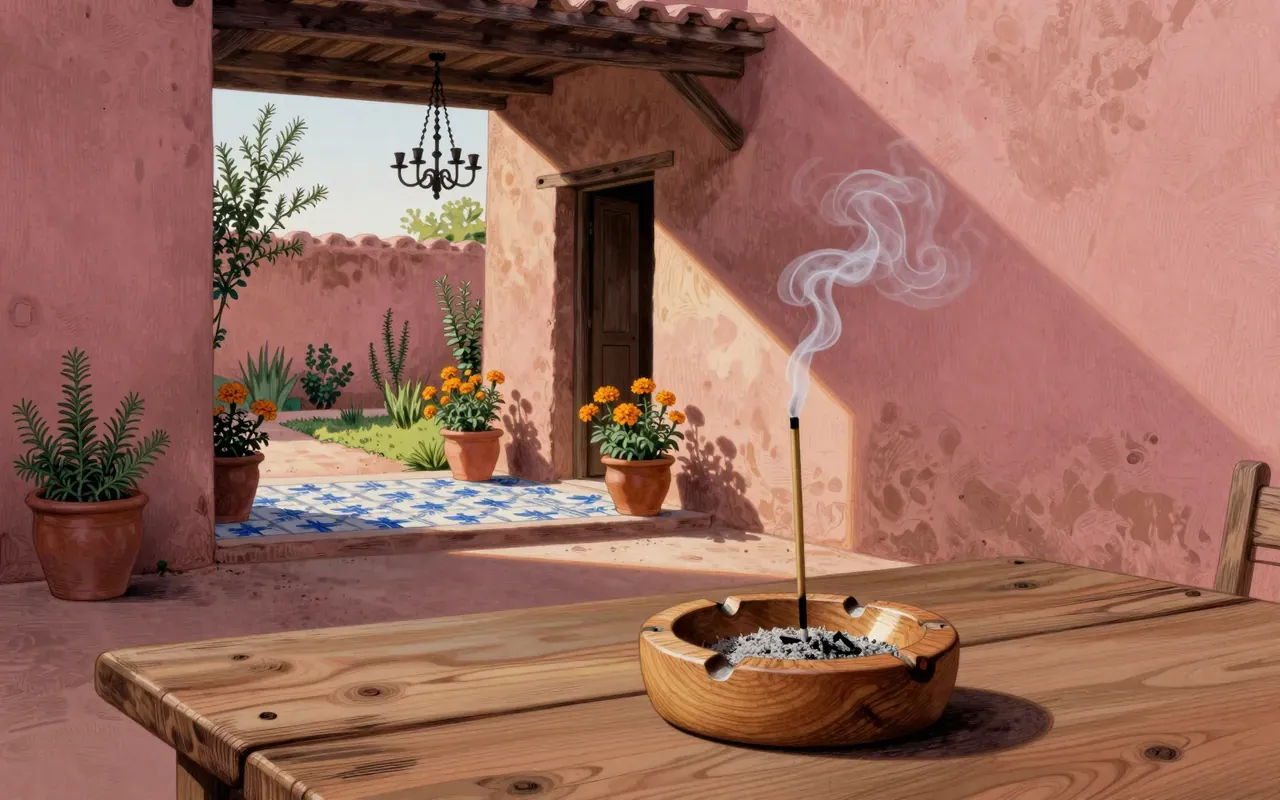
Like Water for Chocolate is a 2000 hip-hop album shaped by studio collaboration across Detroit and New York. Its sound is defined by space, incense-saturated atmosphere, and vocal interplay — not flash or density. It establishes Common as a thinker who works best in dialogue: with Jay Dee, with Slum Village, with Questlove, with DJ Premier. It falls short only in its length — the final third drifts without resetting the terms of engagement.
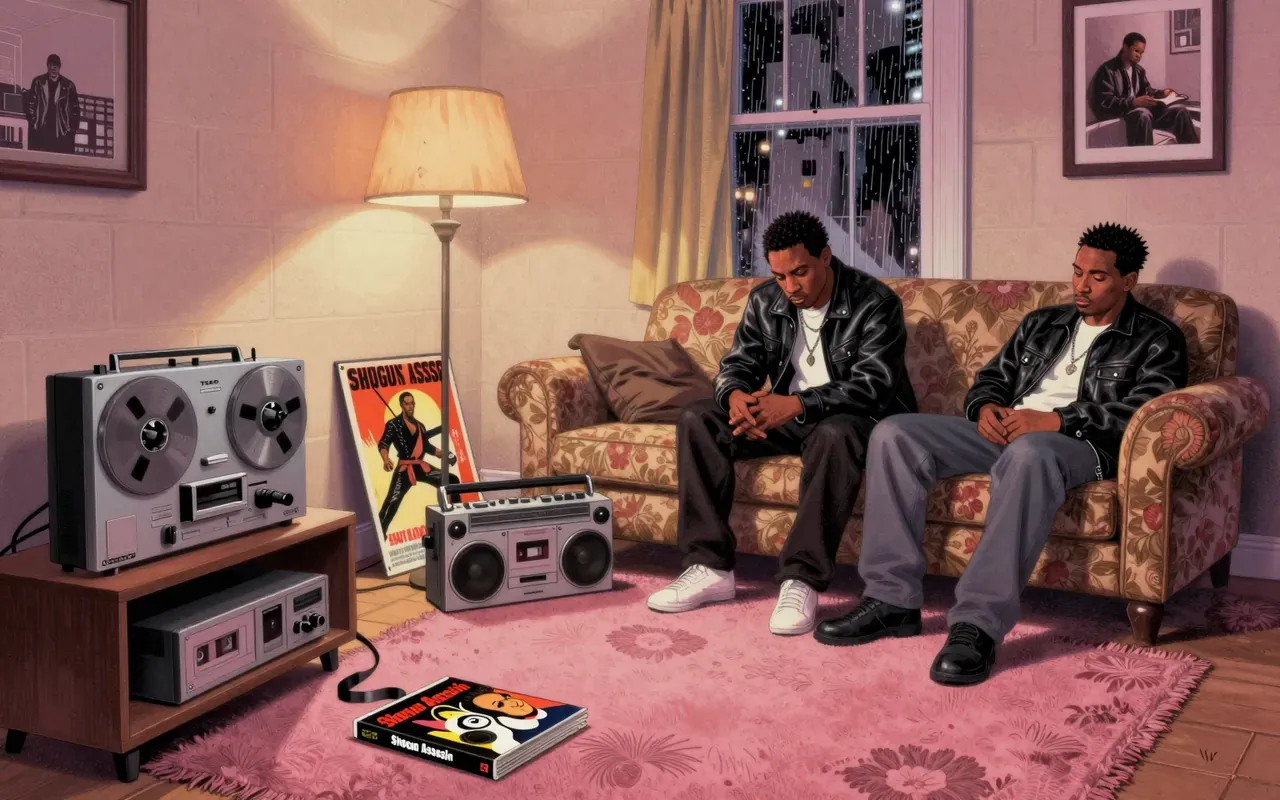
Liquid Swords is a 1995 hip-hop album made in RZA’s Staten Island basement. It uses Shogun Assassin dialogue samples, grimy rock-like beats, and GZA’s slow, assembled lyricism. All eight Wu-Tang members and Killah Priest appear. GZA considers it his best album for its chemistry and atmosphere — not lyrical prowess.
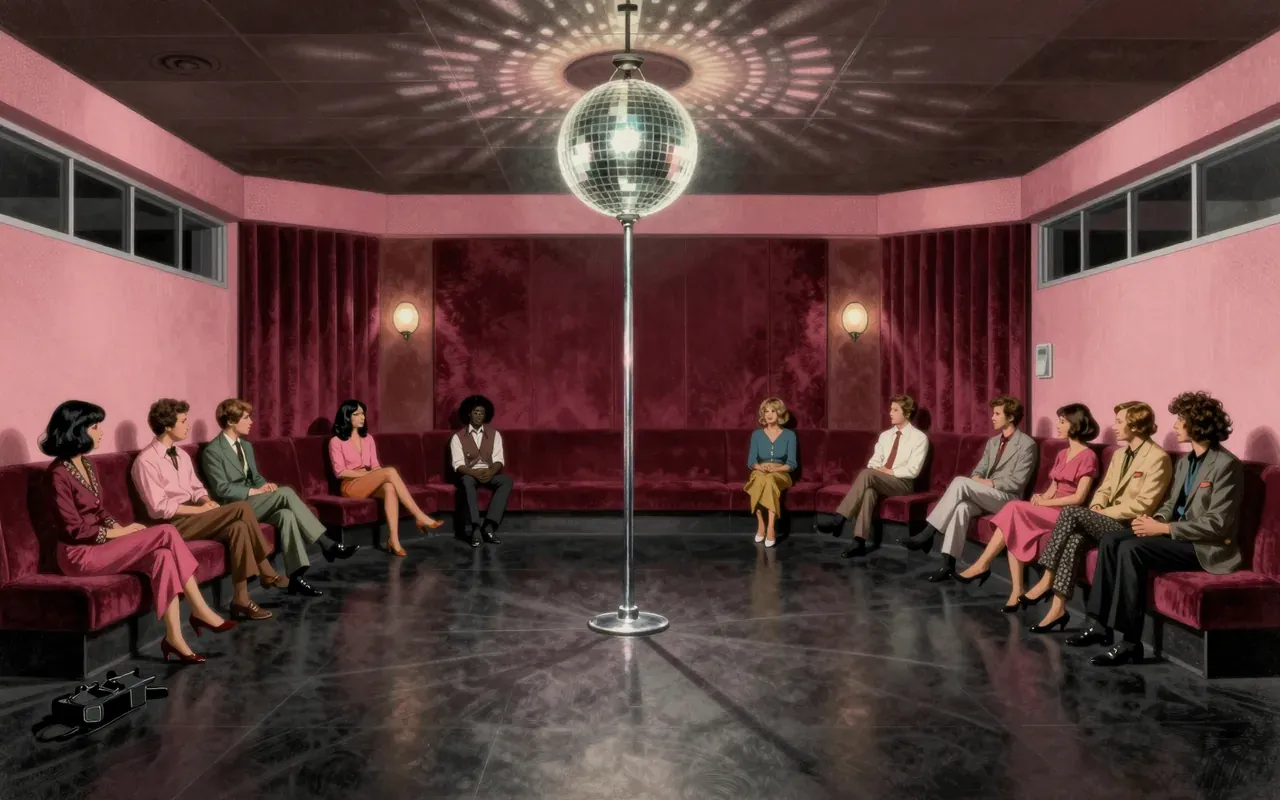
A foundational disco record built on repetition, restraint, and vocal embodiment — not songwriting.
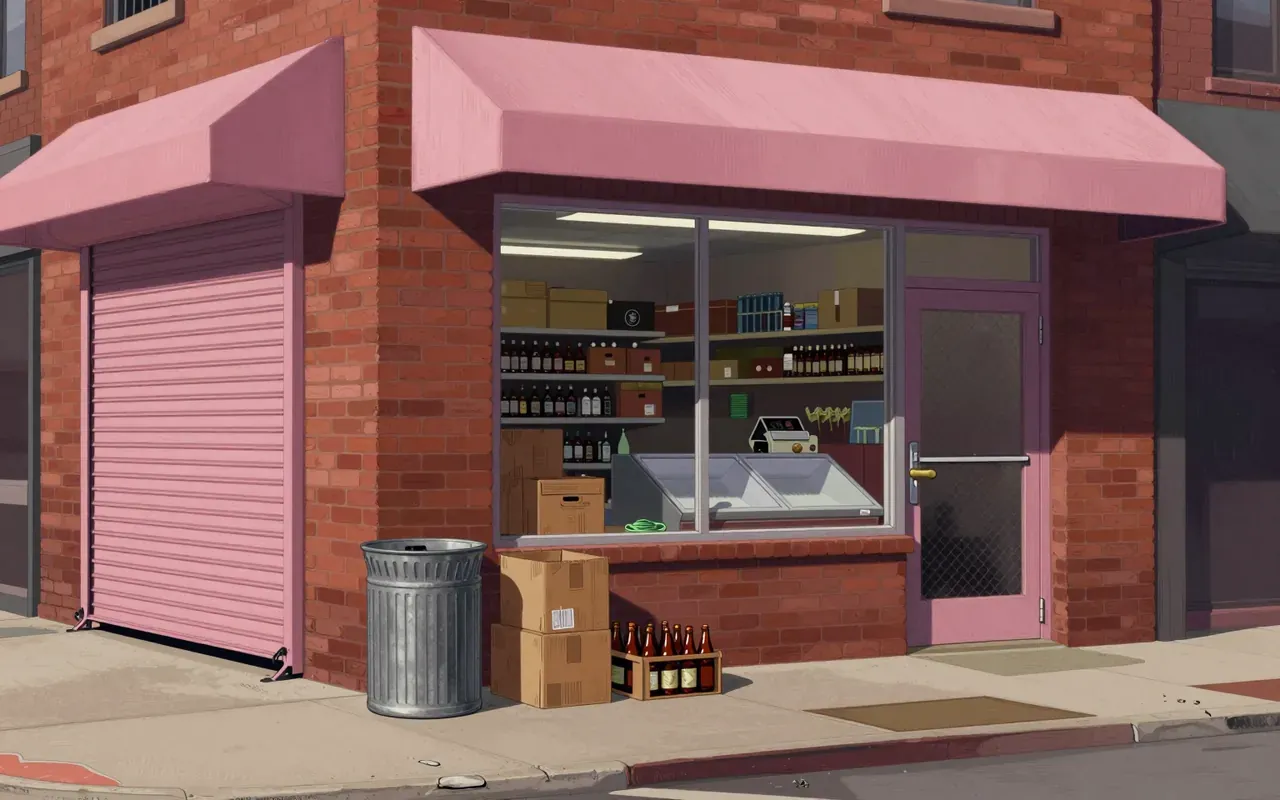
Lupe Fiasco’s Food & Liquor is a thematically dense, string-saturated hip-hop debut rooted in Chicago storefront logic—not abstract ambition. It lands where sound and subject align: 'Kick, Push', 'Daydreamin'', and 'American Terrorist'. It falters where runtime swells without function—especially the 'Outro'. No filler. No myth. Just food, liquor, strings, and scrutiny.

Made in Lagos is Wizkid’s fourth studio album, released 30 October 2020 after postponement from 15 October due to the End SARS protests. It fuses Afrobeats and R&B with mid-tempo production, rich local African percussions as its core, casually Auto-Tuned melodies, and meticulously complex beats. Themes include love, focus, goodwill, gratitude, and grace. It achieved commercial success and critical acclaim, reaching number-one on the Billboard World Albums chart. Its single 'Essence' featuring Tems became the first Nigerian song to chart on the Billboard Hot 100.
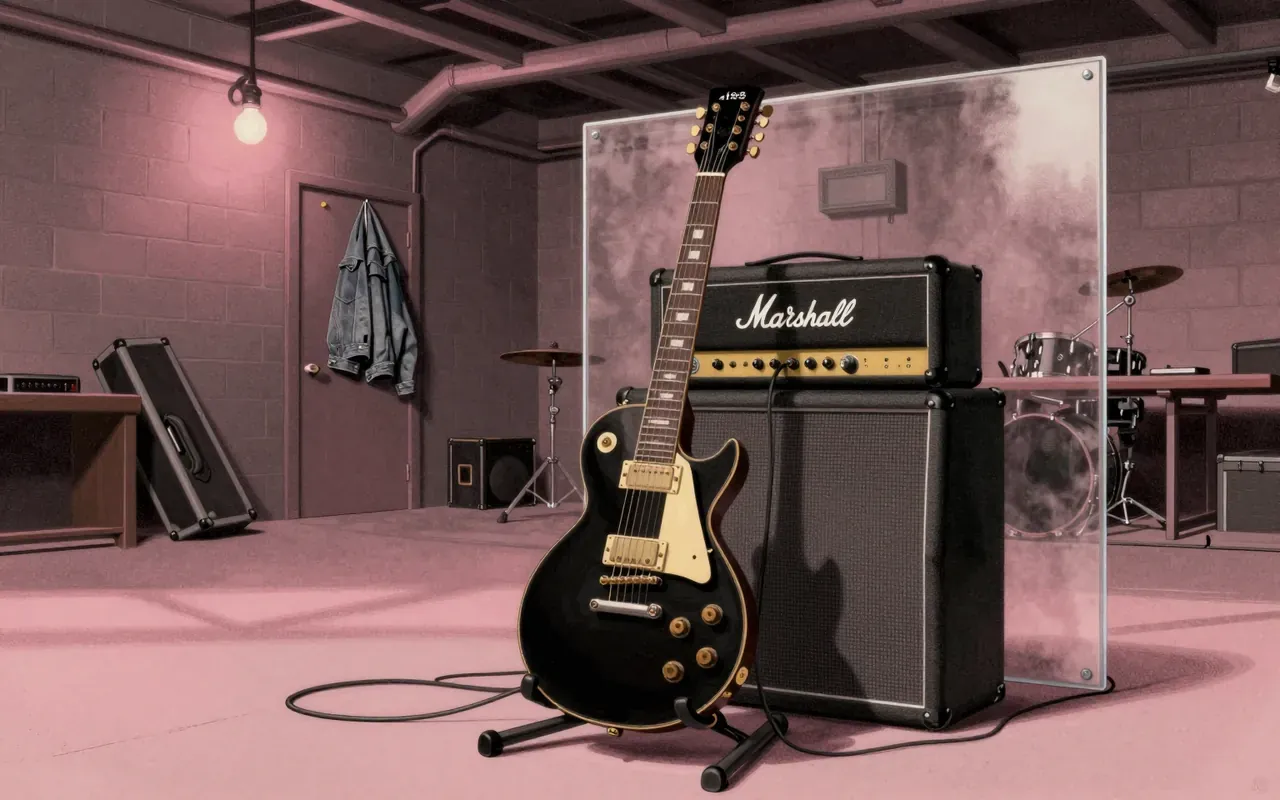
A dry, precise, sober metal record made in Copenhagen to escape American studio acoustics. No synths. No gloss. No myth-making during recording. Themes: drugs, militaries, religion, rage, insanity, monsters.
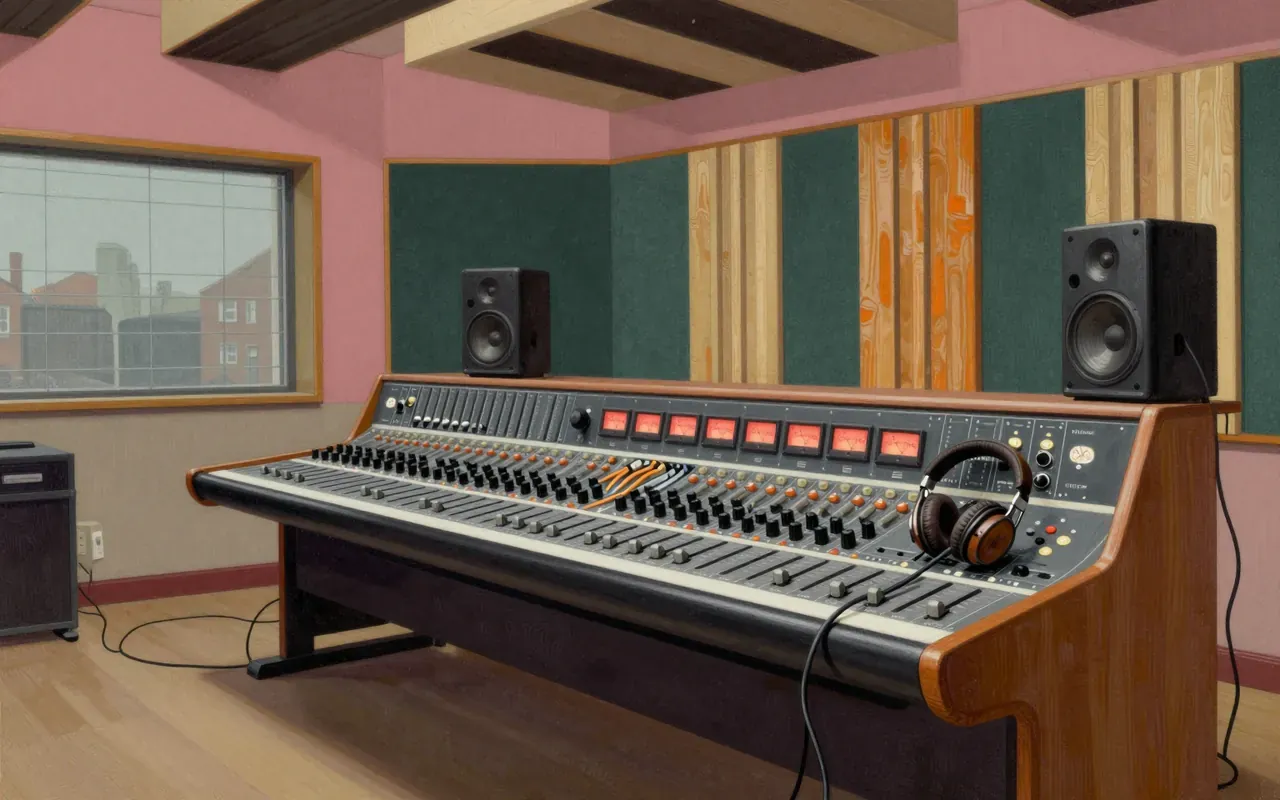
Master of Reality is Black Sabbath’s third album, recorded February–April 1971 at Island Studios in London under producer Rodger Bain—his final collaboration with the band. It was made without touring commitments, using expanded studio time and financial resources, including money for drugs. Iommi and Butler downtuned their instruments 1½ steps on key tracks to ease physical strain, directly shaping the album’s heavier sound. The band experimented with classical guitar, flute, piano, overdubs, bigger bass drums, and amplified bass presence. Osbourne struggled with rapid lyrics on 'Into the Void', requiring written cues; his vocals on 'Solitude' were doubled via delay. Drug use during sessions impaired idea retention. The album contains their first acoustic songs and key tracks like 'Sweet Leaf' and 'Children of the Grave'. Released July 1971, it marked a pivot toward studio-driven heaviness—not myth, but mechanics.
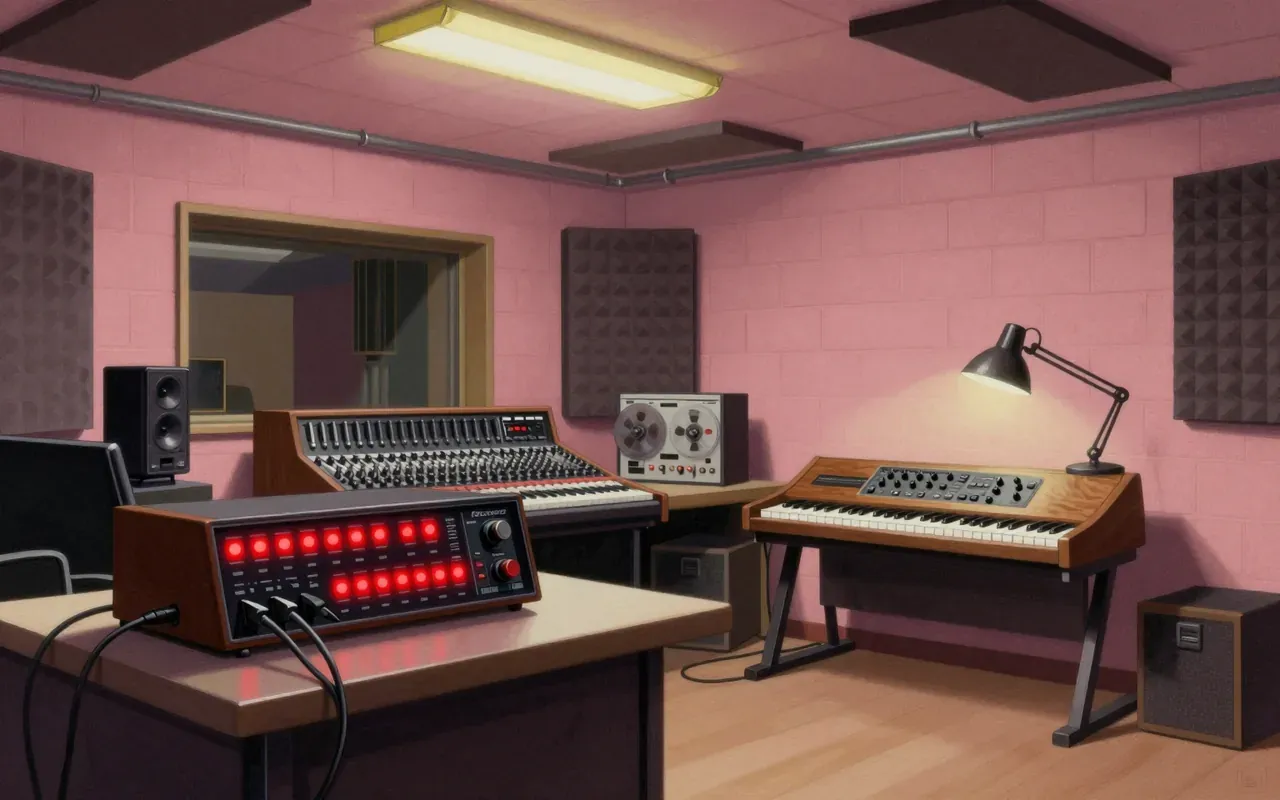
Midnight Star (1988) is a post-breakout album with no documented commercial performance, stylistic departure, or critical repositioning. It relies on the same R&B/funk/vocoder foundation established by No Parking on the Dance Floor (1983), but none of its tracks charted, none received significant airplay, and none are cited as defining the band’s identity.
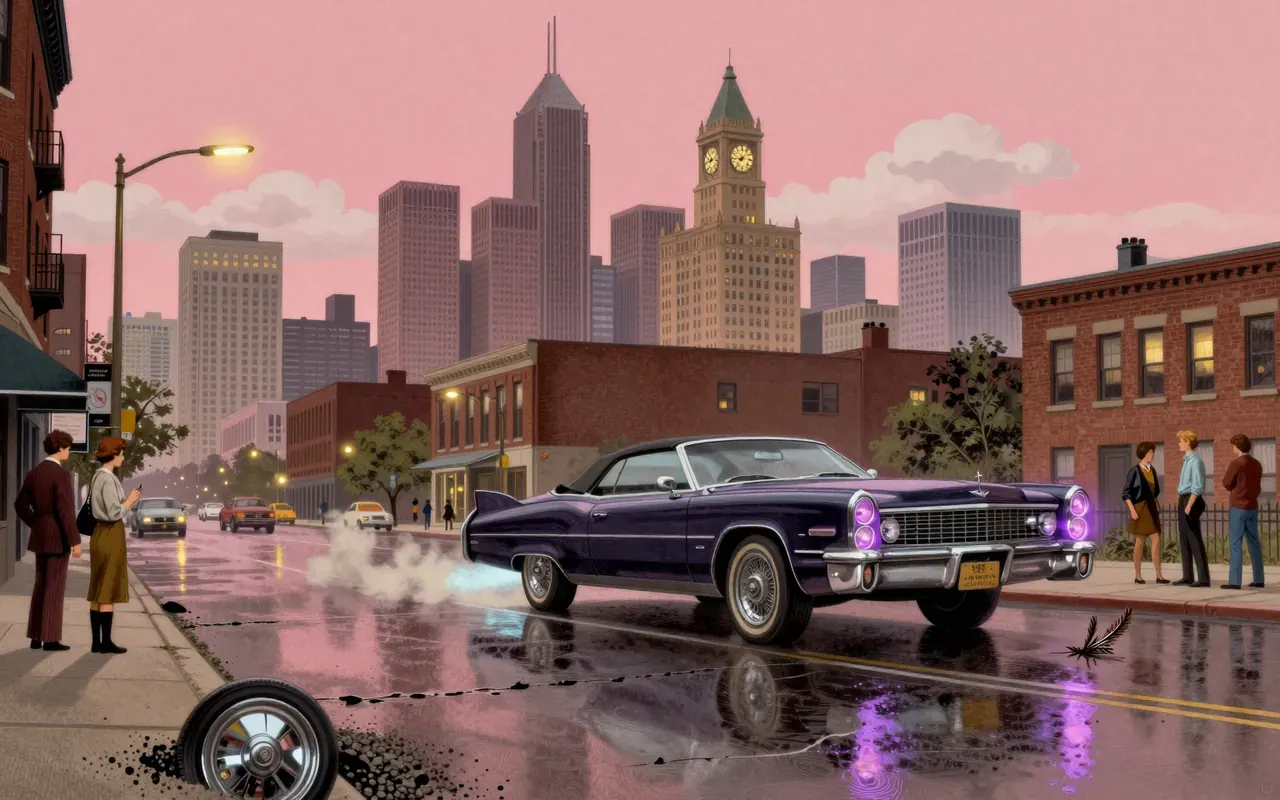
Mothership Connection is a 1975 Parliament concept album unified by an outer-space theme. It is the first Parliament album to feature Maceo Parker and Fred Wesley. It was conceived by George Clinton.
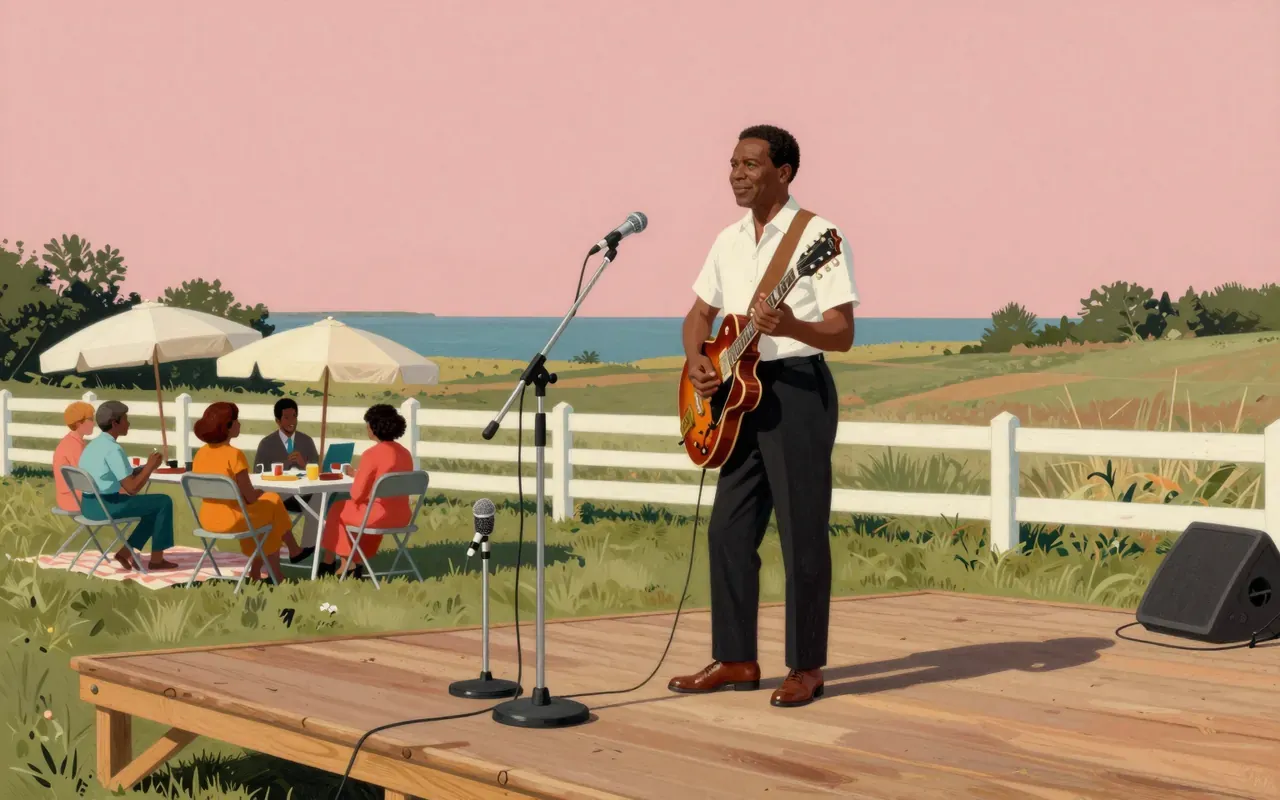
Muddy Waters at Newport 1960 is Muddy Waters’ first live album and one of the first live blues albums. It includes a Grammy-nominated performance of ‘I’ve Got My Mojo Working’. It was recorded live at the Newport Jazz Festival in 1960.
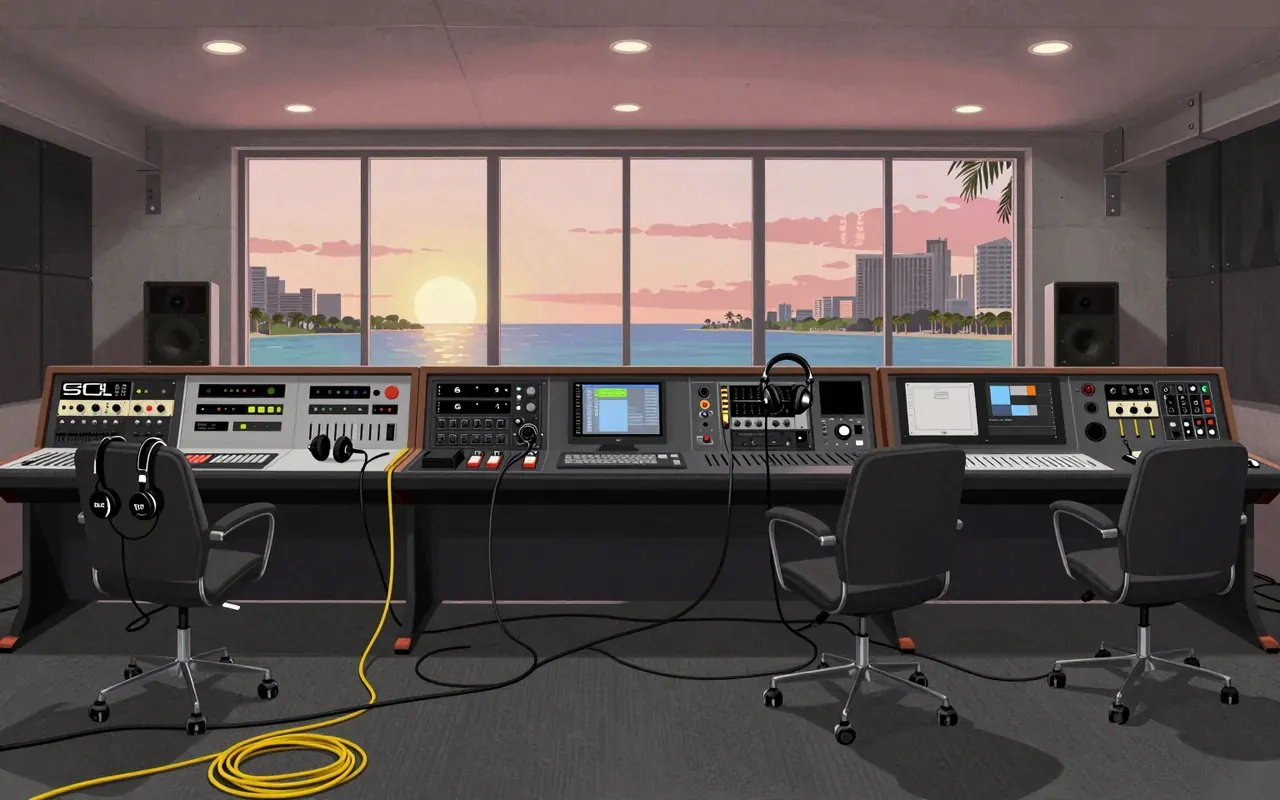
My Beautiful Dark Twisted Fantasy is a maximalist hip-hop record made in three simultaneous rooms at Avex Recording Studio in Honolulu, following Kanye West’s 2009 MTV VMA incident. It features contributions from Jay-Z, Kid Cudi, Pusha T, Justin Vernon of Bon Iver, and Gil Scott Heron. Released in November 2010, it received widespread critical acclaim and was accompanied by a 35-minute film. Its sound is dense, layered, and rigorously collaborative — built on discipline, not spontaneity.
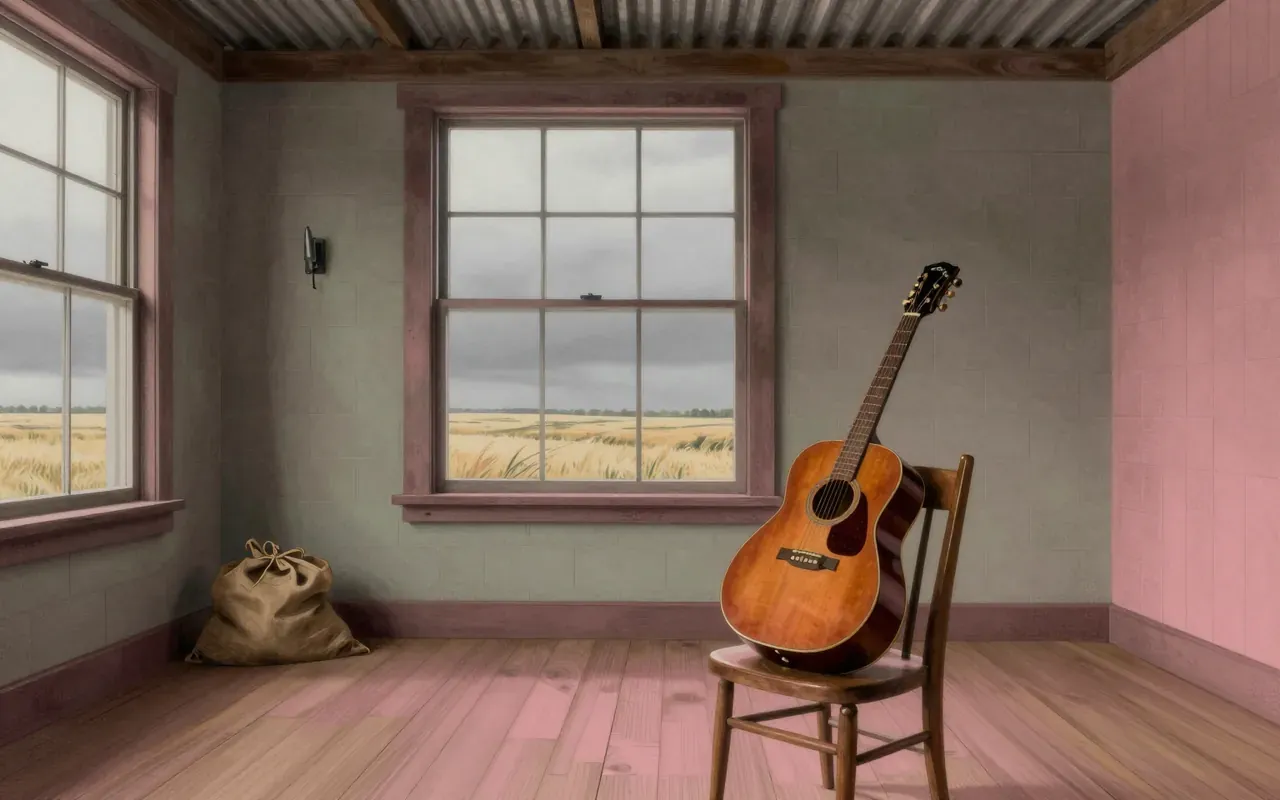
Nebraska is a solitary, unadorned document — recorded alone in a bedroom, mixed through damaged equipment, released because nothing else held the weight of its stories.
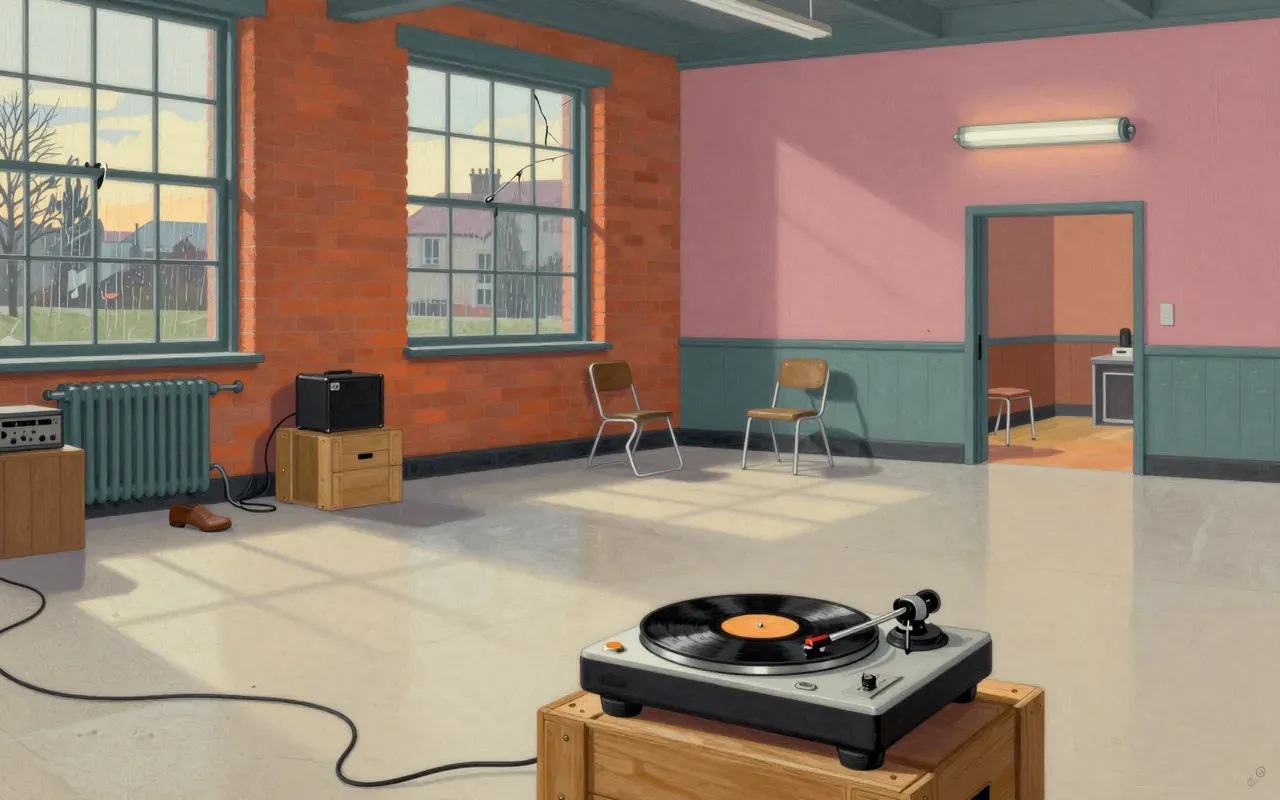
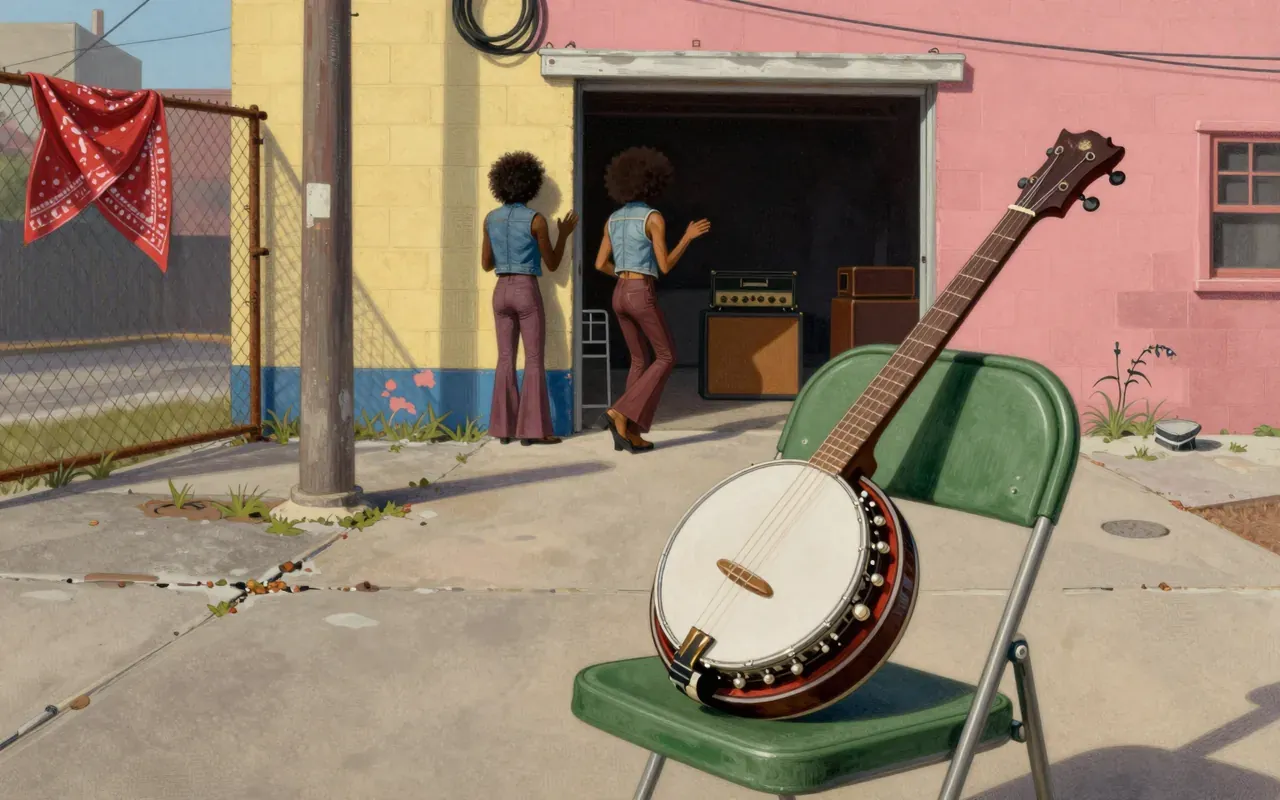
A functional, tightly wound funk record that trades psychedelic sprawl for groove discipline — built on fuzz, banjo, and Junie Morrison’s keys.

Only Built 4 Cuban Linx… is a tightly wound, cinematic hip-hop record built in a basement, not a boardroom. It trades Wu-Tang’s raw immediacy for layered tension — strings, piano, film samples, and deliberate pacing. Its story is narrow: cocaine, code, and climb. Its appeal is specific: if you lean into its rhythm and language, it pulls you in. If you wait for explanation, it leaves you outside.
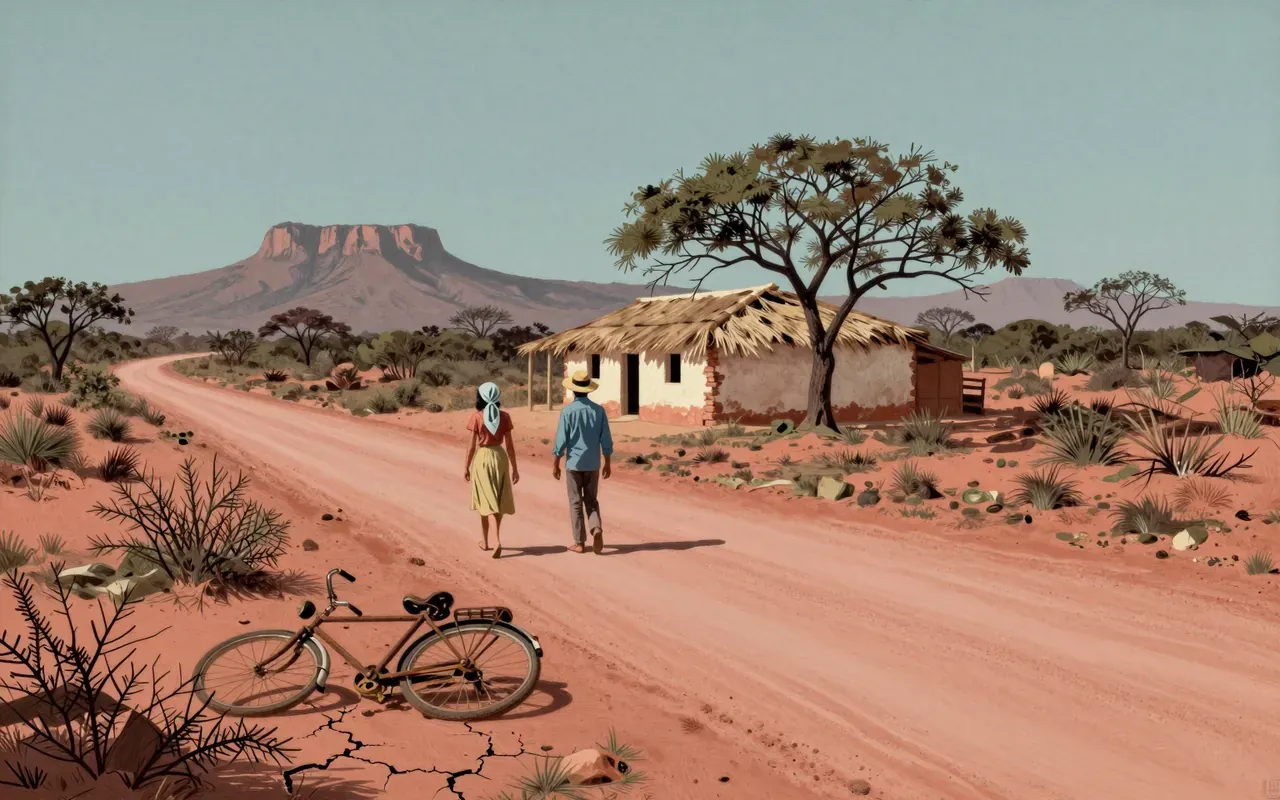
Os Mutantes’ 1968 debut is a studio-built act of translation: Brazilian song forms, international pop, political critique, and musique concrète fused by Rogério Duprat’s arrangements and the trio’s instrumental resourcefulness. It is not seamless. It is not polished. It is specific, inventive, and sonically legible — right down to the hiss of bug spray.

Paid in Full is not a statement—it is a switch flipped. It replaced schoolyard cadence with internal metronomes. It replaced shout-and-response with quiet command. It replaced sampling-as-tribute with sampling-as-rewriting. It is lean. It is dry. It is complete.
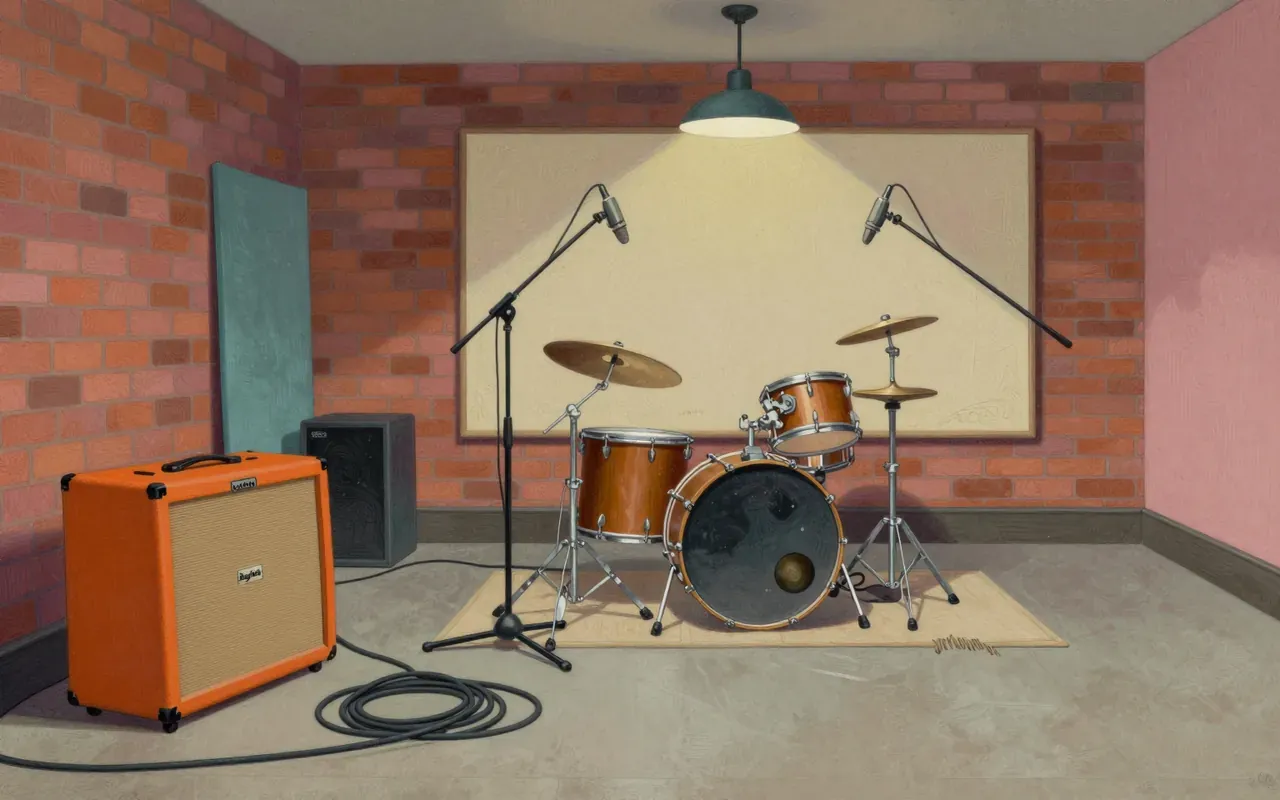
Paranoid is a foundational rock record because it was made fast, live, and without pretence — not because it is ‘timeless’ or ‘iconic’, but because its sound is physically legible: the room, the strings, the drums, the decisions made in under half an hour.
A commercially successful but artistically marginal record — shaped by US production, English narration, and Makeba’s own ambivalence.